114 Results for "

inflammatory processes

" in MedChemExpress (MCE) Product Catalog:
Products (114)

114 Results for "inflammatory processes" in MCE Product Catalog:

12
12 Publications Verification
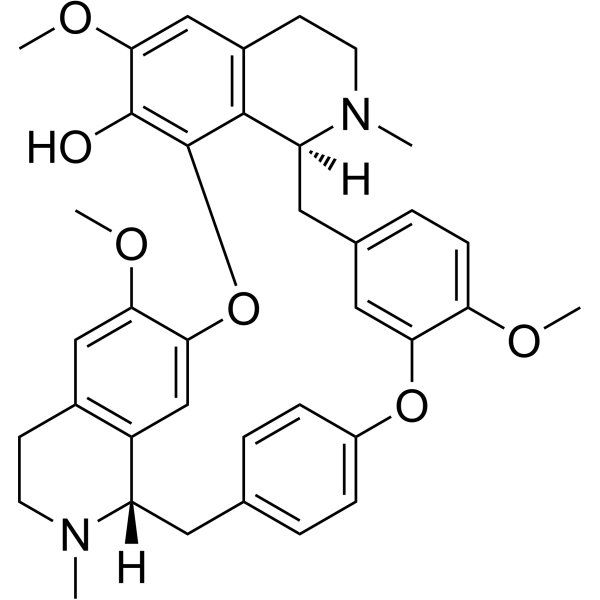
Cat. No.: HY-N1372A
CAS No.: 436-77-1
Fangchinoline is isolated from Stephania tetrandra with extensive biological activities, such as enhancing immunity, anti-inflammatory sterilization and anti-atherosclerosis. Fangchinoline, a novel HIV-1 inhibitor, inhibits HIV-1 replication by impairing gp160 proteolytic processing . Fangchinoline targets Focal adhesion kinase (FAK) and suppresses FAK-mediated signaling pathway in tumor cells which highly expressed FAK . Fangchinoline induces apoptosis and adaptive autophagy in bladder cancer .
loading...
    loading...
12
12 Publications Verification
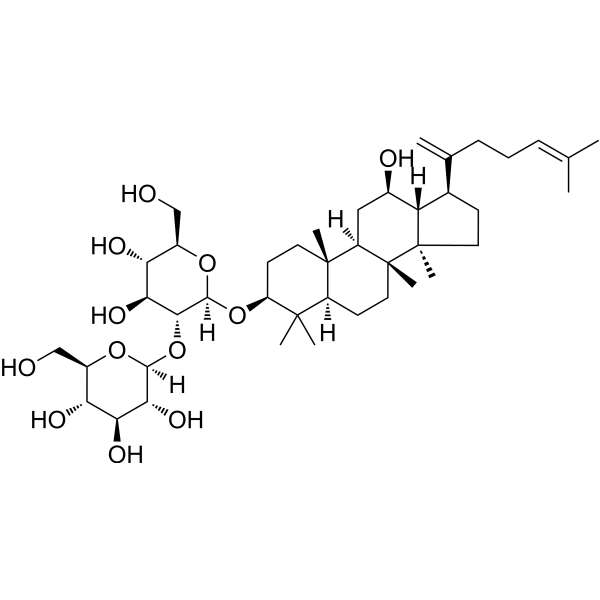
Cat. No.: HY-N2515
CAS No.: 494753-69-4
Ginsenoside Rk1 is a unique component created by processing the ginseng plant (mainly Sung Ginseng, SG) at high temperatures . Ginsenoside Rk1 has anti-inflammatory effect, suppresses the activation of Jak2/Stat3 signaling pathway and NF-κB . Ginsenoside Rk1 has anti-tumor effect, antiplatelet aggregation activities, anti-insulin resistance, nephroprotective effect, antimicrobial effect, cognitive function enhancement, lipid accumulation reduction and prevents osteoporosis . Ginsenoside Rk1 induces cell apoptosis by triggering intracellular reactive oxygen species (ROS) generation and blocking PI3K/Akt pathway .
loading...
    loading...
9
9 Cited Publications
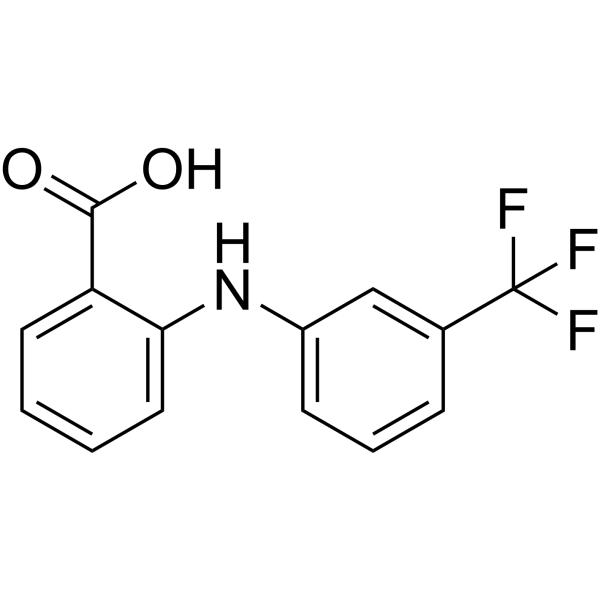
Cat. No.: HY-B1221
CAS No.: 530-78-9
Flufenamic acid is a non-steroidal anti-inflammatory agent, inhibits cyclooxygenase (COX), activates AMPK, and also modulates ion channels, blocking chloride channels and L-type Ca 2+ channels, modulating non-selective cation channels (NSC), activating K + channels. Flufenamic acid binds to the central pocket of TEAD2 YBD and inhibits both TEAD function and TEAD-YAP-dependent processes, such as cell migration and proliferation.
loading...
    loading...
8
8 Cited Publications
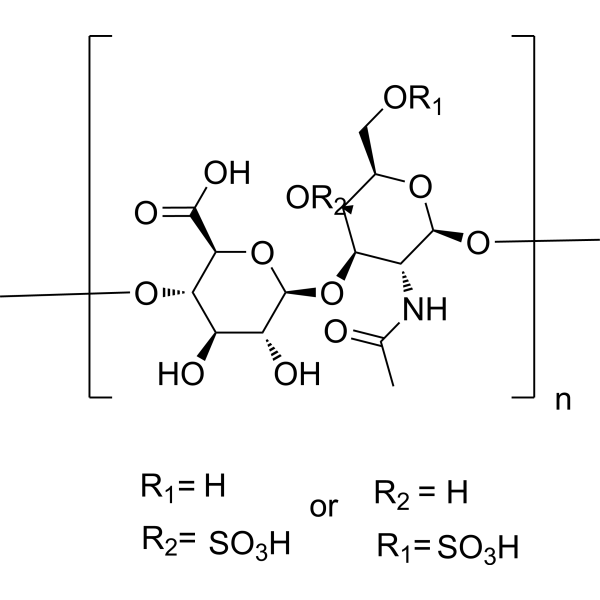
Cat. No.: HY-B2162
CAS No.: 9007-28-7
Synonyms: Chondroitin polysulfate
Chondroitin sulfate, one of five classes of glycosaminoglycans, has been widely used in the treatment of osteoarthritis. Chondroitin sulfate reduces inflammation mediators and the apoptotic process and is able to reduce protein production of inflammatory cytokines, iNOS and MMPs.
loading...
    loading...
8
8 Cited Publications
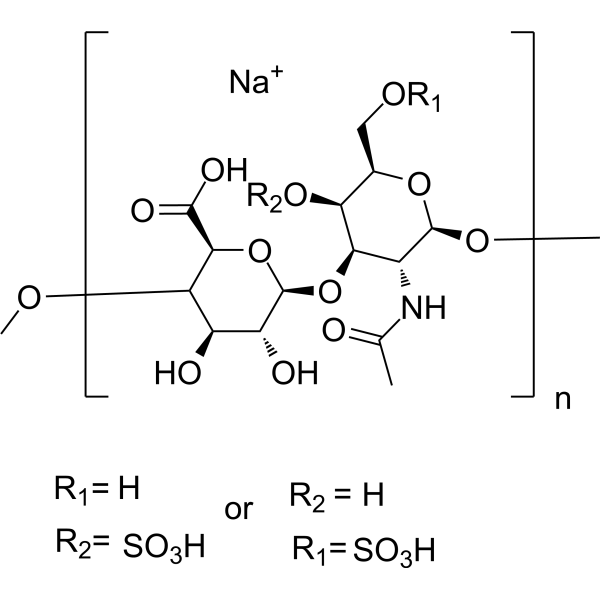
Cat. No.: HY-B2162A
CAS No.: 9082-07-9
Synonyms: Chondroitin polysulfate sodium (from shark cartilage)
Chondroitin sulfate sodium (from shark cartilage), one of five classes of glycosaminoglycans, has been widely used in the treatment of osteoarthritis. Chondroitin sulfate reduces inflammation mediators and the apoptotic process and is able to reduce protein production of inflammatory cytokines, iNOS and MMPs .
loading...
    loading...
5
5 Cited Publications
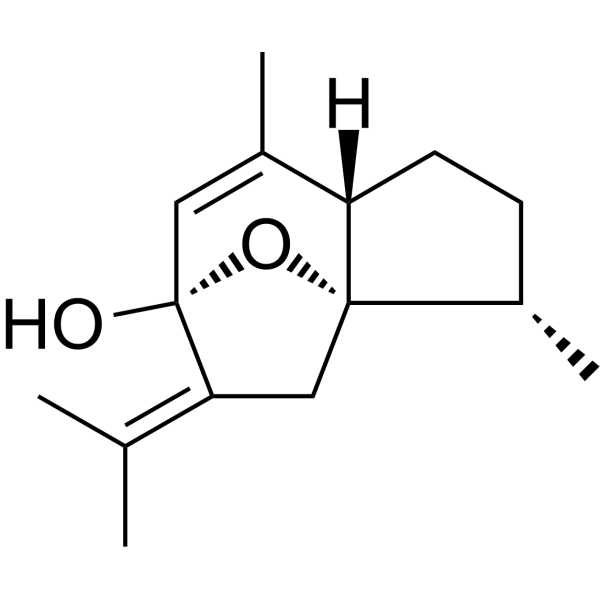
Cat. No.: HY-N2259
CAS No.: 19431-84-6
Synonyms: (+)-Curcumenol
Curcumenol ((+)-Curcumenol) is a natural compound with oral efficacy, exhibiting an IC50 of 12.6 μM and a Ki of 10.8 μM against human CYP3A4. Curcumenol inhibits TNFα-induced phosphorylation/degradation of IκBα, phosphorylation/nuclear translocation of NF-κB p65, as well as the upregulation of MMP3, MMP9, MMP13, TRAF3, IL1RL1, TNFα and IL-1β. Curcumenol suppresses LPS-induced phosphorylation of Akt and p38 MAPK, as well as the production of pro-inflammatory mediators/proteins, and downregulates the SLC7A11/NF-κB/TGF-β pathway. Curcumenol binds to and inhibits the activation of Fyn and Lyn, blocks the function of downstream FcεRI signaling components, and reduces the release of allergic mediators/cytokines. Curcumenol upregulates the expression of KDM6B, and promotes chondrocyte proliferation and cartilage repair. Curcumenol induces ferroptosis and apoptosis, regulates the EMT process, and inhibits tumor growth and metastasis of triple-negative breast cancer. Curcumenol possesses anti-inflammatory, neuroprotective, antioxidant, antitumor, antiviral and hepatoprotective activities. Curcumenol can be used in research related to intervertebral disc degeneration, cancer, inflammation, central nervous system neurodegenerative diseases, allergic reactions and knee osteoarthritis .
loading...
    loading...
4
4 Cited Publications
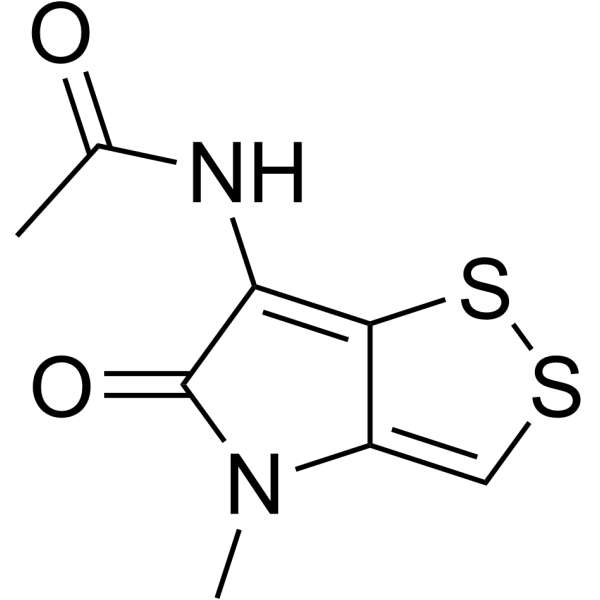
Cat. No.: HY-N6712
CAS No.: 87-11-6
Synonyms: Acetopyrrothin
Thiolutin (Acetopyrrothin) is a sulfur-containing antibiotic, which is a potent inhibitor of bacterial and yeast RNA polymerases. Thiolutin can be produced by Streptomyces. Thiolutin inhibits AMSH (IC50 = 4 μM) and Rpn11 (IC50 = 0.53 μM). Thiolutin is a dual inhibitor of BRCC36 and the NLRP3 inflammasome, exhibiting anti-inflammatory effects. Thiolutin effectively suppresses the interaction between BRCC36 and HMGCR, leading to the inhibition of HCC growth. Thiolutin attenuates pyroptosis and NLRP3 inflammasome activation. Thiolutin markedly alleviates renal injury and inflammatory process in IgAN. Thiolutin is an anti-angiogenic compound which can ease Doxorubicin-induced cardiotoxicity (DOXIC) [1][2][3][4][5].
loading...
    loading...
3
3 Cited Publications
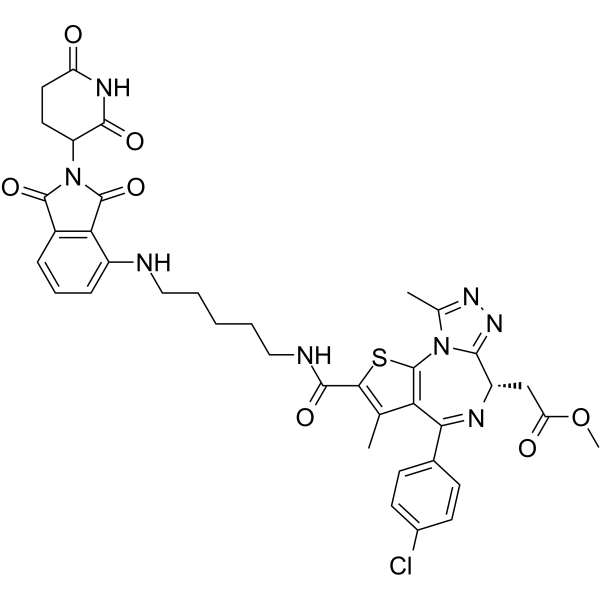
Cat. No.: HY-122826
CAS No.: 2243076-67-5
Purity:  98.90%
ZXH-3-26 is a CRBN-recruiting BRD4 PROTAC degrader with a DC50/5h of approximately 5 nM. ZXH-3-26 drives the ubiquitination and degradation of BRD4 by recruiting BRD4BD1 to the CRL4 CRBN E3 ubiquitin ligase complex, thereby inhibiting the dynamic distribution of super-enhancers. ZXH-3-26 reverses TNF-α-induced impairment of the immunosuppressive function of mesenchymal stem cells, and affects RNA synthesis and the transcriptional elongation process of Pol II. ZXH-3-26 can be used in studies related to inflammatory arthritis, malignant tumors, and HIV latency .
loading...
    loading...
2
2 Cited Publications
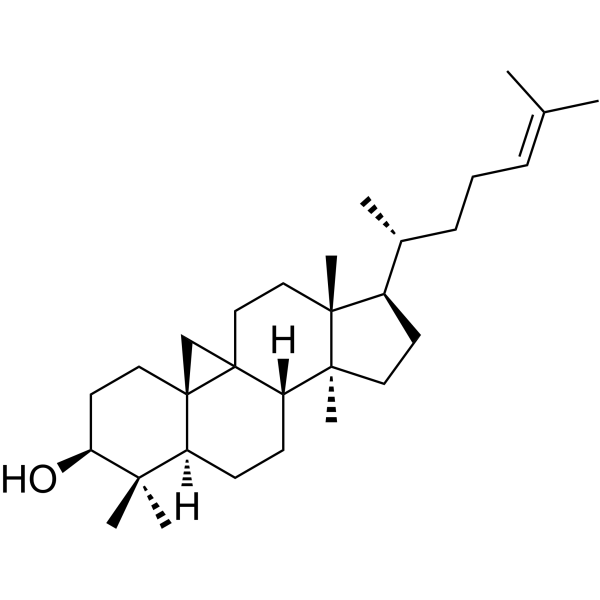
Cat. No.: HY-N7255
CAS No.: 469-38-5
Cycloartenol, a phytosterol compound, is one of the key precusor substances for biosynthesis of numerous sterol compounds. Cycloartenol inhibits the migration of glioma cells and suppresses the phosphorylation of the p38 MAP kinase. Cycloartenol has a variety of pharmacological activities such as anti-inflammatory, anti-tumor, antioxidant, antibiosis and anti-alzheimer's disease. Cycloartenol also plays an important role in the process of plant growth and development .
loading...
    loading...
2
2 Cited Publications
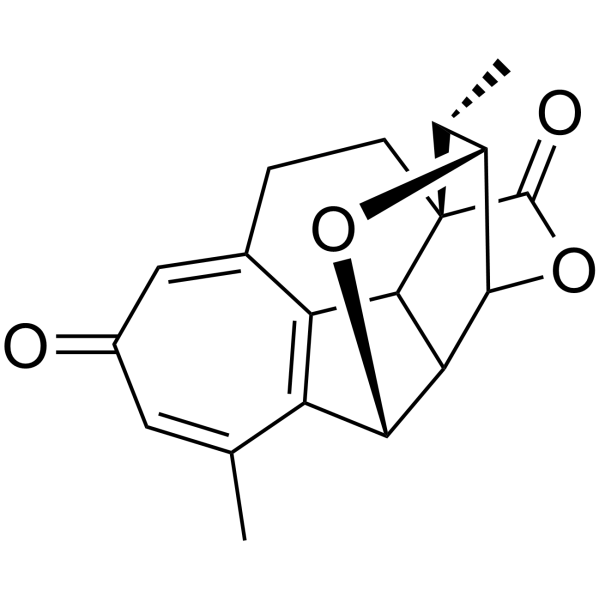
Cat. No.: HY-N10335
CAS No.: 64761-48-4
Harringtonolide is a potent RACK1 inhibitor (IC50=39.66 μM in A375 cells). Harringtonolide inhibits the epithelial-mesenchymal transition (EMT) process and cell proliferation by affecting the interaction between FAK and RACK1. Harringtonolide has plant growth inhibitory, antiviral, anti-inflammatory, and antiproliferation activities .
loading...
    loading...
2
2 Cited Publications
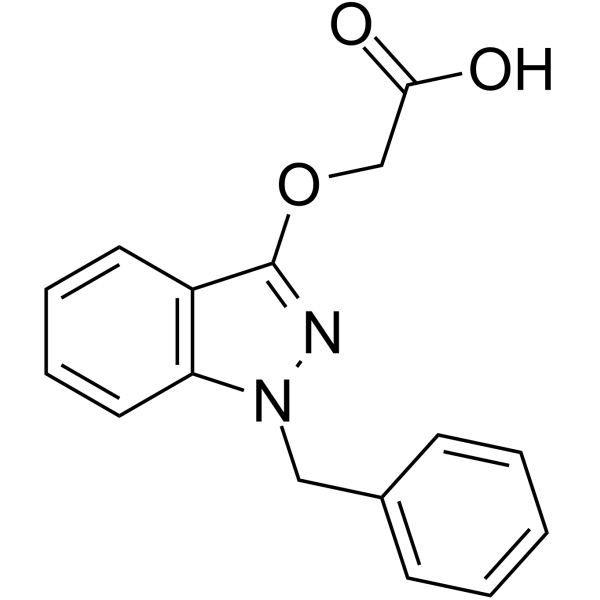
Cat. No.: HY-17480
CAS No.: 20187-55-7
Target:  

Others

Research Areas:  

Inflammation/Immunology

Bendazac is an oxyacetic acid with anti-inflammatory, antinecrotic, choleretic and antilipidaemic properties. Bendazac acts by preventing protein denaturation and delays the cataractogenic process .
loading...
    loading...
2
2 Cited Publications
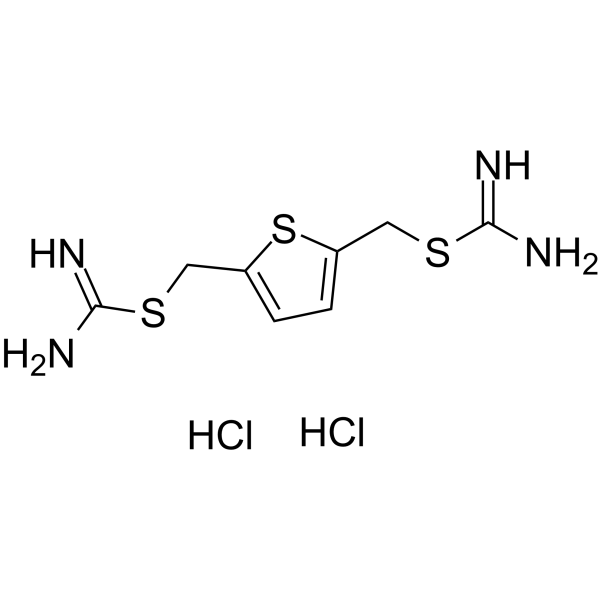
Cat. No.: HY-13769A
CAS No.: 2076-91-7
Purity:  ≥98.0%
Synonyms: NSC55712; TPU-260 Dihydrochloride
TPT-260 Dihydrochloride (NSC55712), a thiophene thiourea derivative, is a retromer complex stabilizer against thermal denaturation (Kd = ~5 µM). TPT-260 Dihydrochloride increases the levels of retromer proteins, shifts amyloid-precursor protein (APP) away from the endosome, and decreases the pathogenic processing of APP. TPT-260 Dihydrochloride inhibits TLR4 upregulation, IKKβ phosphorylation, NF-κB p65 nuclear translocation, and NLRP3 inflammasome formation. TPT-260 Dihydrochloride improves retromer-mediated cargo trafficking, reduces brain infarct area, and decreases amyloid plaque deposition. TPT-260 Dihydrochloride exhibits minimal cytotoxicity to primary microglia at tested concentrations. TPT-260 Dihydrochloride can be used for the research of inflammatory bowel disease, ischemic stroke and Alzheimer's disease .
loading...
    loading...
2
2 Cited Publications
Cat. No.: HY-N0508
CAS No.: 85026-55-7
Rosin is a natural oleoresin found in coniferous trees of the genus Pinus, such as Pinus massoniana. Rosin exhibits cholesterol-lowering, anti-gastric ulcer, anti-tumor, blood glucose-lowering, and anti-macrocyte aggregation activities. Rosin inhibits TPA (HY-18739)-induced EBV-EA activation and suppresses papilloma formation in a two-stage mouse skin carcinogenesis model. WBR, a processed product of Rosin, inhibits the IL-23/IL-17 inflammatory axis and reduces Th1 and Th17 cell infiltration. Rosin is used in research on psoriasis and skin cancer .
loading...
    loading...
2
2 Cited Publications
Cat. No.: HY-P4846
CAS No.: 292171-04-1
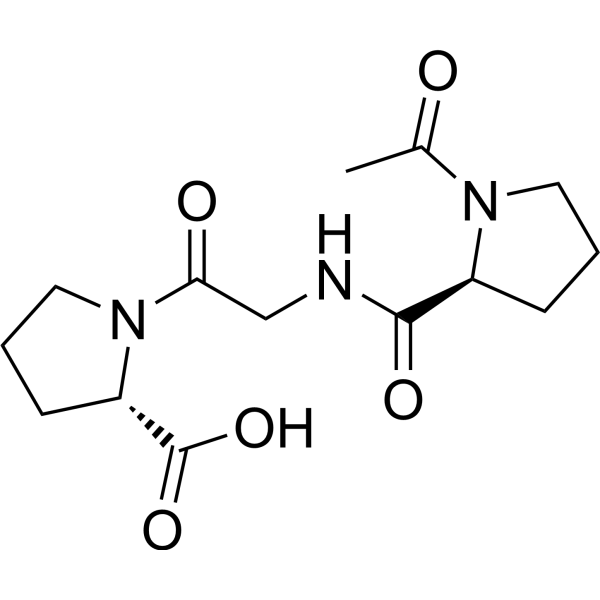
Ac-Pro-Gly-Pro-OH is an endogenous degradation product of extracellular collagen and acts as a CXCR2 agonist . Ac-Pro-Gly-Pro-OH exerts bactericidal activity by generating hydrogen peroxide, inhibits pulmonary inflammation, and reduces immune cell apoptosis (apoptosis). Ac-Pro-Gly-Pro-OH promotes the production of IFN-γ and inhibits the production of TNF-α and IL-6 in leukocytes. Ac-Pro-Gly-Pro-OH increases the survival rate of mice in sepsis models, enhances the bactericidal activity of neutrophils, acts as a neutrophil chemoattractant, induces neutrophil polarization, and regulates inflammatory and repair processes. Ac-Pro-Gly-Pro-OH induces chronic inflammation and tissue remodeling through sustained action. Ac-Pro-Gly-Pro-OH is released via alkaline hydrolysis of corneal proteins in alkali-injured eyes, thereby driving the early infiltration of neutrophils into the cornea. Ac-Pro-Gly-Pro-OH is applicable to research related to sepsis, chronic obstructive pulmonary disease, cystic fibrosis, bronchiolitis obliterans syndrome, severe asthma, idiopathic pulmonary fibrosis, and corneal ulcer .
loading...
    loading...
1
1 Cited Publications
Cat. No.: HY-113498
CAS No.: 85187-10-6
Purity:  ≥98.0%
Sphingomyelin is a eukaryotic sphingolipid and one of the major constituents of cell membranes and particularly abundant in the myelin sheath that surrounds neuronal axons. Sphingomyelin plays an important role in cell processes, the regulation of inflammatory responses, and signal transduction. Sphingomyelin metabolism is associated with various central nervous system diseases and Niemann–Pick disease .
loading...
    loading...
1
1 Cited Publications
Cat. No.: HY-P3029
CAS No.: 9001-84-7
Synonyms: PLA2
Phospholipase A2 (PLA2) is a calcium-dependent, heat-stable enzyme that catalyzes the hydrolysis of glycerophospholipids at the sn-2 position of cellular membranes, thereby releasing Arachidonic Acid (AA) (HY-109590). Phospholipase A2 is a key mediator in the biosynthesis of pro-inflammatory lipid mediators, critically involved in inflammatory processes. Phospholipase A2 can be used for cardiovascular and inflammatory diseases research .
loading...
    loading...
1
1 Cited Publications
Cat. No.: HY-N2124
CAS No.: 174972-79-3
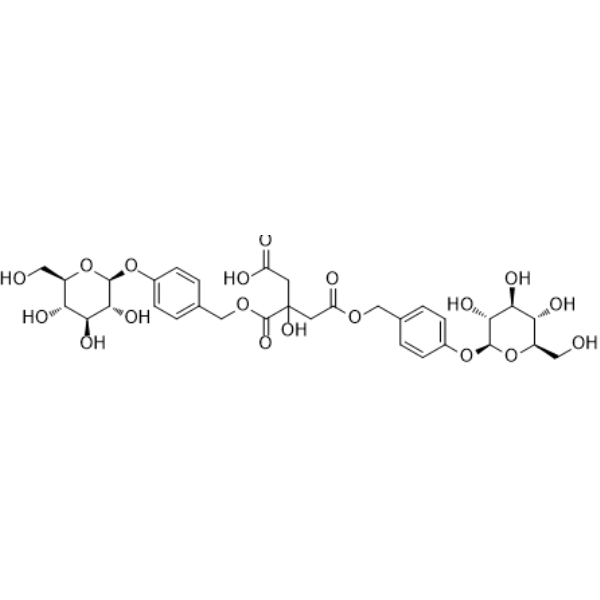
Parishin B is a multi-target biological agent with anti-epileptic, anti-fascioliasis and anti-breast cancer lung metastasis activities . Parishin B regulates the gene/protein activities of ACLY, unc13c, γ-aminobutynergic system, pro-inflammatory system, antioxidant system, monoaminergic system, ferroptosis-related pathways, as well as GST, CatL, Trx and TRIB3 . Parishin B modulates energy-lipid metabolism, synaptic function, neurotransmitter balance, neuroinflammation, oxidative stress, parasite detoxification/invasion processes, as well as apoptosis, cell cycle, proliferation and metastasis of cancer cells [1][2][3]. Parishin B can be used for related research of epilepsy, fascioliasis and breast cancer lung metastasis [3].
loading...
    loading...
Cat. No.: HY-113422
CAS No.: 68-42-8
Tetrahydrocorticosterone is a glucocorticoid. One of its active forms, 5α-Tetrahydrocorticosterone (HY-113364), exerts its effects by binding to the GC receptor and inhibiting inflammatory processes. Tetrahydrocorticosterone is naturally synthesized by the adrenal glands and plays a key role in regulating the metabolism of carbohydrates, proteins and fats .
loading...
    loading...
Cat. No.: HY-P991488

Target:  

Interleukin Related

Research Areas:  

Inflammation/Immunology

BI-765423 is a selective monoclonal antibody inhibitor targeting IL-11. BI-765423 blocks IL-11-mediated signaling, inhibits fibroblast activation, and can extend the healthy lifespan of mammals, counteract cellular senescence in human cells, and alleviate inflammatory aging-related pathological processes. BI-765423 is primarily used in research on fibrotic diseases such as idiopathic pulmonary fibrosis (IPF) .
loading...
    loading...
Cat. No.: HY-N0168A
CAS No.: 69097-99-0
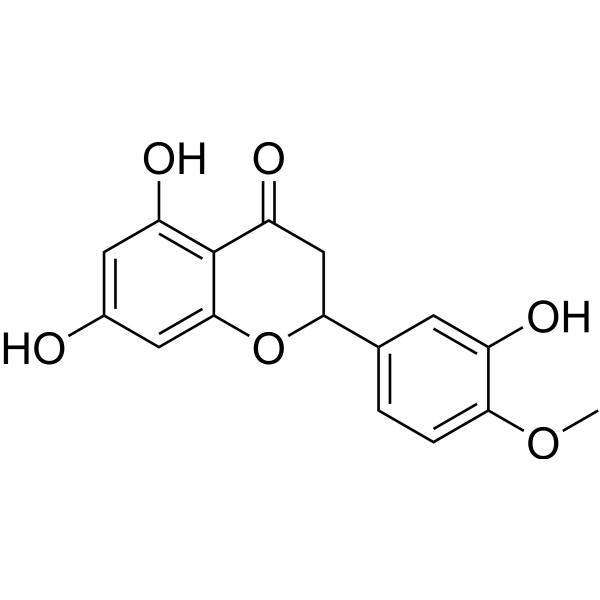
(Rac)-Hesperetin is the racemate of Hesperetin (HY-N0168), an orally active multi-target inhibitor. (Rac)-Hesperetin exhibits significant anti-tumor and anti-inflammatory activities by blocking the TGF-β1-mediated Fyn/RhoA signaling axis and the TLR4-MyD88-NF-κB inflammatory pathway. (Rac)-Hesperetin inhibits the formation of actin stress fibers and the migration and invasion of cancer cells, and is suitable for triple-negative breast cancer research. In inflammation models, (Rac)-Hesperetin effectively alleviates lung injury by reducing the release of pro-inflammatory mediators and regulating the activity of oxidative stress enzymes, and is suitable for acute lung injury research. (Rac)-Hesperetin also interferes with the entry and early replication processes of channel catfish virus, inhibits viral gene expression and progeny virus production, thereby protecting cells from virus-induced cytopathic effects .
loading...
    loading...

