Search Result
Results for "
metal chelating
" in MedChemExpress (MCE) Product Catalog:
48
Biochemical Assay Reagents
6
Isotope-Labeled Compounds
| Cat. No. |
Product Name |
Target |
Research Areas |
Chemical Structure |
-
- HY-Y0682
-
|
EDTA
|
Environmental Pollutants
Biochemical Assay Reagents
Bacterial
SOD
|
Cardiovascular Disease
Neurological Disease
Cancer
|
|
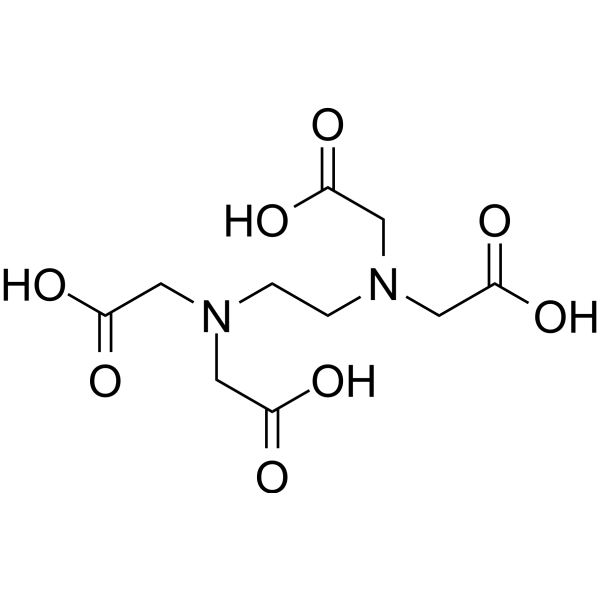
Ethylenediaminetetraacetic acid (EDTA) is a kind of metal chelating agent (binds to bivalent and trivalent metal cations, including calcium). Ethylenediaminetetraacetic acid has antibacterial, anti-inflammatory, antioxidant, anti-hypercalcemia and anticoagulant activities. Ethylenediaminetetraacetic acid decreases the metal ion-catalyzed oxidative damage to proteins, and allows maintenance of reducing environment during protein purification. Ethylenediaminetetraacetic acid can alleviate the liver fibrosis. Ethylenediaminetetraacetic acid can be used for coronary artery disease and neural system disease research .
|
-
-
- HY-W004544
-
|
1,10-Phenanthroline
|
Environmental Pollutants
MMP
|
Others
|
|
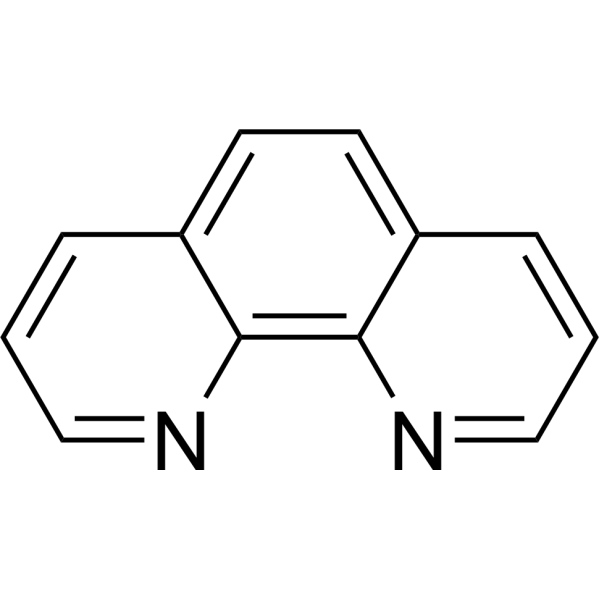
o-Phenanthroline (1,10-Phenanthroline), a metal chelator, prevents the induction of chromosomal aberrations in streptozotocin-treated cells. o-Phenanthroline (1,10-Phenanthroline) forms a red chelate with Fe 2+ that absorbs maximally at 510 nm. o-Phenanthroline (1,10-Phenanthroline) is also a MMP inhibitor .
|
-
-
- HY-W018746
-
|
Ethylenediaminetetraacetic acid disodium
|
Environmental Pollutants
Biochemical Assay Reagents
|
Others
|
|
EDTA disodium salt, also known as ethylenediaminetetraacetic acid disodium, belongs to the chelating agent category, which is formed by chelating a central metal ion with four carboxylate groups and two amine groups. This compound, with its ability to bind and chelate metal ions such as calcium, magnesium and iron, is commonly used in a variety of applications, including industrial, medical and research settings. It is used as a preservative in food and beverage, as a stabilizer in medicine, as a chelating agent in water treatment, and as a reagent in biochemical and biomedical research. In addition, EDTA disodium salt has been studied for potential research effects such as improving heavy metal poisoning and cardiovascular disease.
|
-
-
- HY-Y0682A
-
|
EDTA disodium dihydrate
|
Environmental Pollutants
Biochemical Assay Reagents
Bacterial
SOD
|
Cardiovascular Disease
Neurological Disease
Cancer
|
|
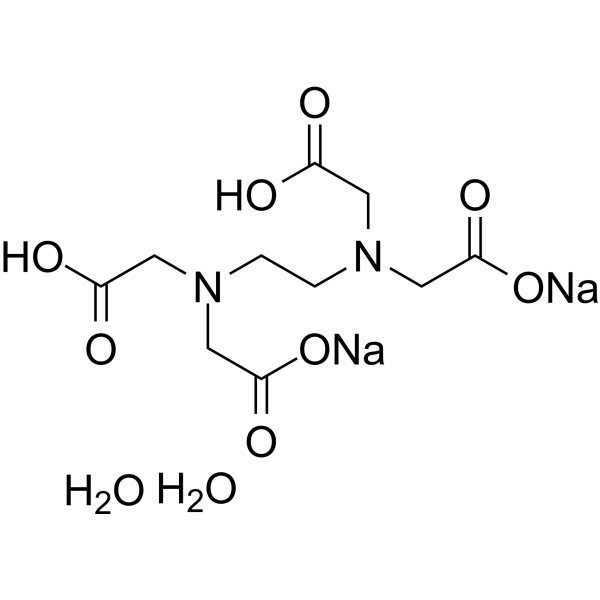
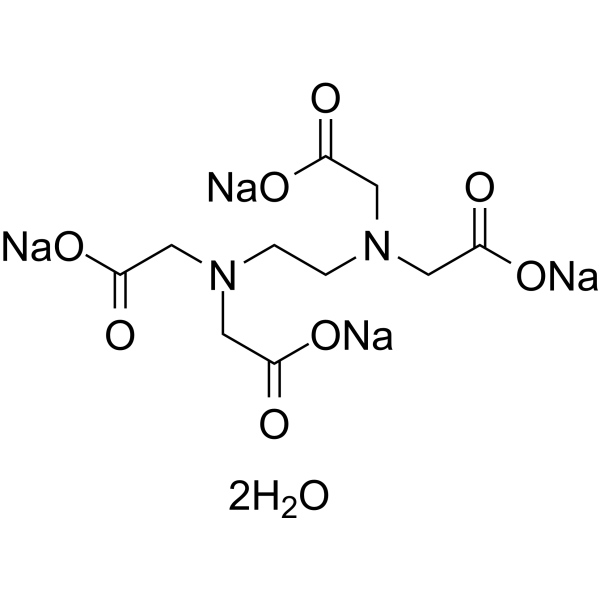
Ethylenediaminetetraacetic acid (EDTA) disodium dehydrate is a kind of metal chelating agent (binds to bivalent and trivalent metal cations, including calcium). Ethylenediaminetetraacetic acid disodium dehydrate has antibacterial, anti-inflammatory, antioxidant, anti-hypercalcemia and anticoagulant activities. Ethylenediaminetetraacetic acid disodium dehydrate decreases the metal ion-catalyzed oxidative damage to proteins, and allows maintenance of reducing environment during protein purification. Ethylenediaminetetraacetic acid disodium dehydrate can alleviate the liver fibrosis. Ethylenediaminetetraacetic acid disodium dehydrate can be used for coronary artery disease and neural system disease research .
|
-
-
- HY-108309
-
|
Methylenediphosphonic acid
|
Biochemical Assay Reagents
|
Others
|
|
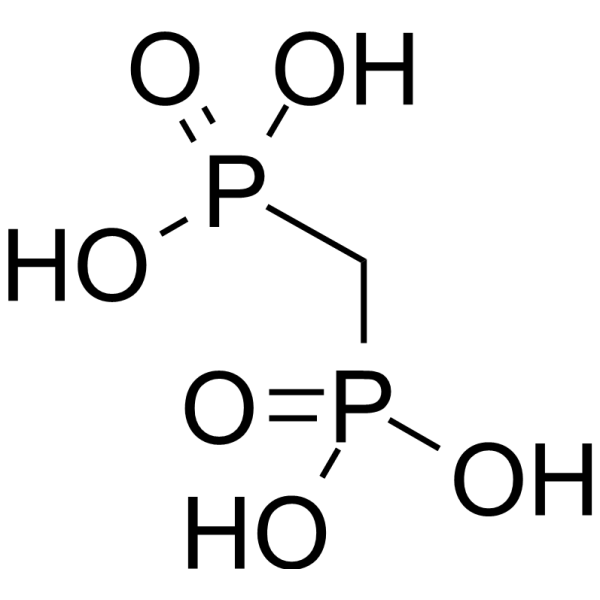
Medronic acid (Methylenediphosphonic acid) is a methylene-substituted bisphosphonate. Medronic acid has an affinity for the surface of hydroxyapatite crystals in the bone matrix and adheres to them. Medronic acid can be used in complex with radioisotopes in bone imaging. Due to its strong metal chelating ability, medronic acid is also used as a water treatment chemical. In addition, medronic acid is used as a solvent additive to improve peak shape and signal of metal-sensitive metabolites in LC/MS analysis .
|
-
-
- HY-B0302
-
|
Etidronate; HEDPA; HEDP
|
Environmental Pollutants
Apoptosis
|
Metabolic Disease
Cancer
|
|
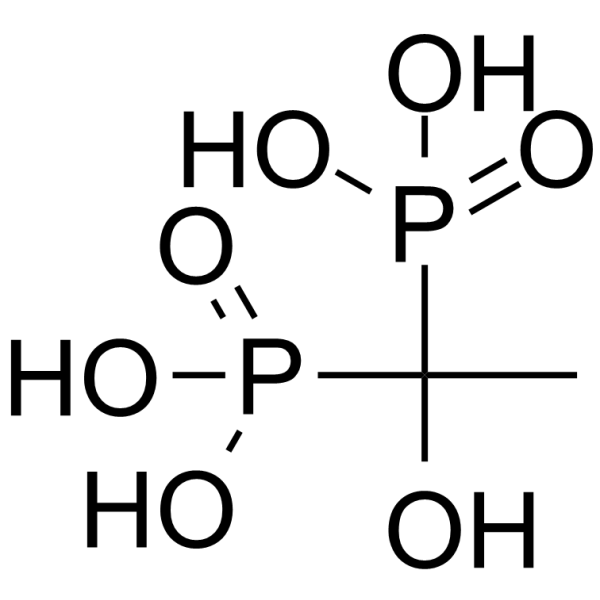
Etidronic acid (Etidronate) is an orally and intravenously active bisphosphonate. Etidronic acid inhibits resorption of bone, reduces arterial calcification and can be used for osteoporosis research. Etidronic acid has anticancer activity. Etidronic acid is a chelating agent and can be used to remove heavy metal in water .
|
-
-
- HY-Y1841
-
|
1,10-Phenanthroline monohydrate
|
MOFs
MMP
|
Others
|
|
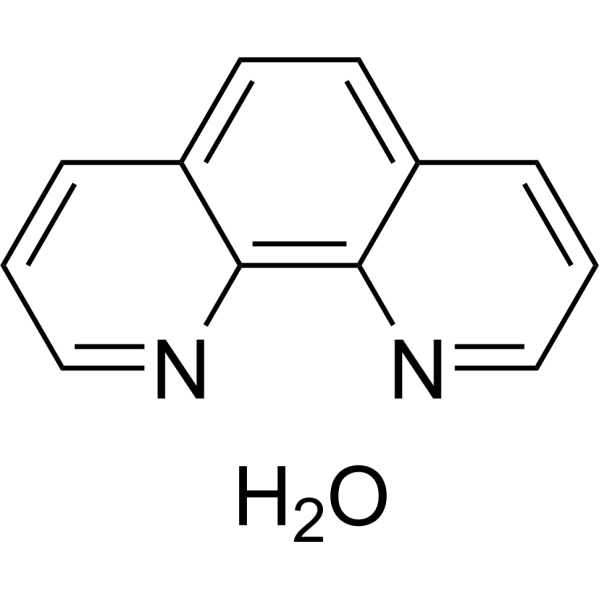
o-Phenanthroline (1,10-Phenanthroline) monohydrate, a metal chelator, prevents the induction of chromosomal aberrations in streptozotocin-treated cells. o-Phenanthroline monohydrate forms a red chelate with Fe 2+ that absorbs maximally at 510 nm. o-Phenanthroline (1,10-Phenanthroline) monohydrate is also a MMP inhibitor .
|
-
-
- HY-131326
-
|
|
Biochemical Assay Reagents
|
Cancer
|
|
DOTA-tris(tBu)ester NHS ester is a bifunctional precursor to a DOTA-based chelating agent. DOTA-tris(tBu)ester NHS ester can be used to label primary amines (R-NH2) of proteins, amine-modified oligonucleotides, and other amine-containing molecules, and upon deprotection forms stable complexes with metal ions for applications in molecular imaging .
|
-
-
- HY-D0190
-
|
HTTA; TTA; TTFA
|
Mitochondrial Metabolism
|
Infection
Others
Cancer
|
|
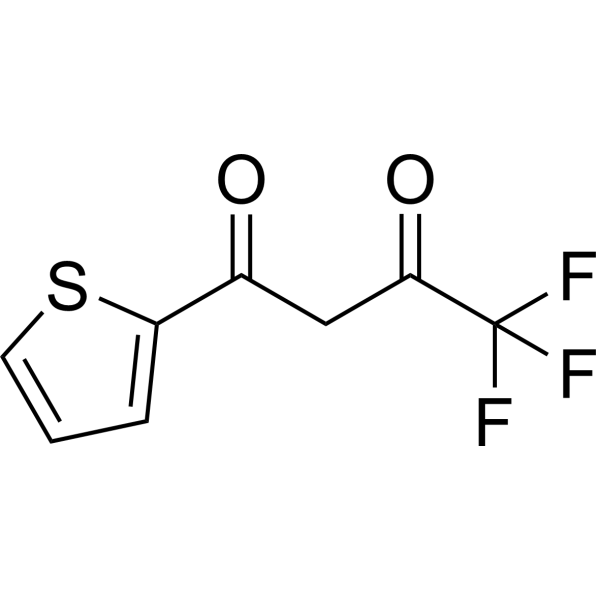
2-Theoyltrifluoroacetone is a chelating agent and mitochondrial electron transfer chain inhibitor, with a IC50 value of 51.5 μM. 2-Thermoyltrifluoroacetone can chelate with various metal ions and has cytotoxicity and anti-tumor activity, which is expected to play an important role in the treatment of mitochondrial dysfunction related diseases .
|
-
-
- HY-134797
-
|
|
Radionuclide-Drug Conjugates (RDCs)
|
Cancer
|
|
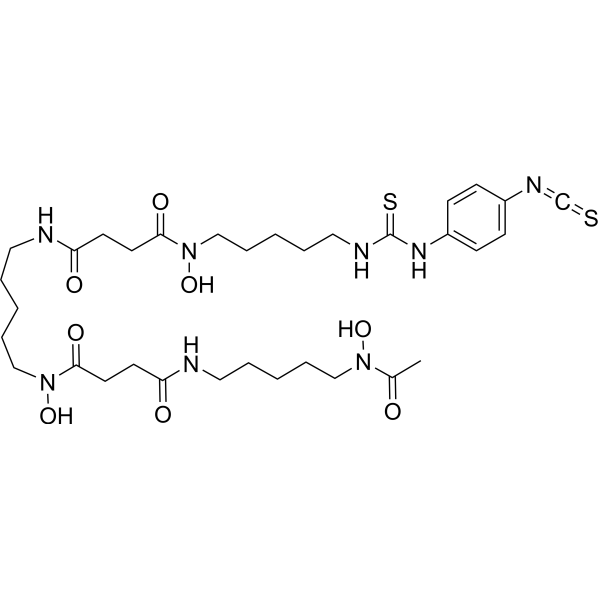
P-SCN-Bn-deferoxamine is a bifunctional chelating agent that can link radioactive metal nuclides (such as Zr-89) and biological targeting molecules (such as antibodies). P-SCN-Bn-deferoxamine can be used for the research of immune PET imaging .
|
-
-
- HY-B0302A
-
|
Etidronate disodium; HEDPA disodium; HEDP disodium
|
Apoptosis
|
Metabolic Disease
Cancer
|
|
Etidronic acid (Etidronate) disodium is an orally and intravenously active bisphosphonate. Etidronic acid disodium inhibits resorption of bone, reduces arterial calcification and can be used for osteoporosis research. Etidronic acid disodium has anticancer activity. Etidronic acid disodium is a chelating agent and can be used to remove heavy metal in water .
|
-
-
- HY-Y0998
-
|
Red prussiate, 99.5%
|
Biochemical Assay Reagents
|
Others
|
|
Potassium hexacyanoferrate(III), 99.5% (Red prussiate, 99.5%) is a chelating agent for metals such as iron and copper.
|
-
-
- HY-I0301
-
-
-
- HY-W013178
-
|
|
Biochemical Assay Reagents
|
Others
|
|
DCTA monohydrate is an organic acid. DCTA refers to N,N,N',N' -tetraacetic acid, which has a strong chelating ability. DCTA monohydrate can be used as a chelating agent and coordination reagent for metal ions. DCTA monohydrate, for example, forms stable complexes with many metal ions, including calcium, magnesium and zinc. DCTA modified with ethylene glycol is selective to calcium ions in the presence of magnesium ions .
|
-
-
- HY-D0836
-
|
Ethylenediaminetetraacetic acid dipotassium dihydrate
|
DNA/RNA Synthesis
|
Others
|
|
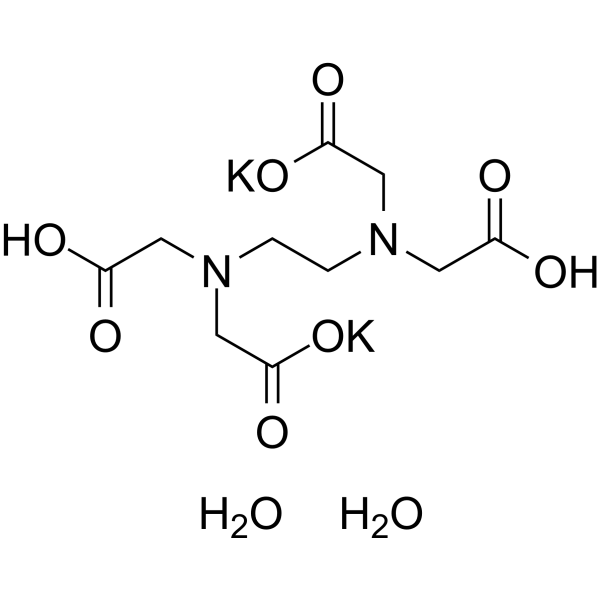
EDTA dipotassium dihydrate is a metal ion chelator that forms stable and water-soluble chelates with a variety of metal ions. EDTA dipotassium is commonly used as a blood anticoagulant, which can effectively prevent blood coagulation and maintain the morphology and function of cells in blood samples. In the industrial field, EDTA dipotassium can be used to remove the adverse effects of metal ions and prevent oxidation and deterioration caused by metal ions .
|
-
-
- HY-129328
-
|
Magnesium bisglycinate; Magnesium diglycinate
|
Biochemical Assay Reagents
|
Cancer
|
|
Magnesium glycinate (Magnesium bisglycinate), the magnesium salt of glycine, is a nutrient supplement. Magnesium glycinate has satisfactory physico-chemical properties and bioactivities. Metal glycinate chelates are formed by glycine and metal compounds through chemical reactions. Magnesium is an essential mineral that plays a critical role in the human body. Magnesium takes part in the process of energy metabolism and assists the maintenance of normal muscle function .
|
-
-
- HY-B1009
-
|
EDTA trisodium salt; Trisodium EDTA
|
Environmental Pollutants
Bacterial
SOD
Ferroptosis
|
Cardiovascular Disease
Neurological Disease
Cancer
|
|
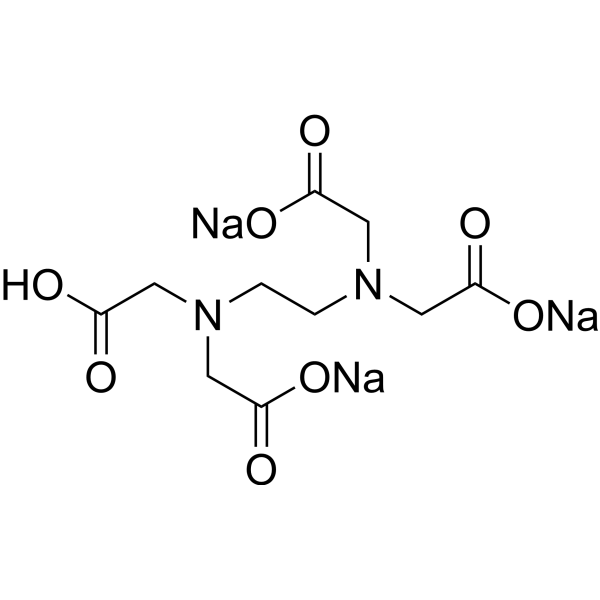
Ethylenediaminetetraacetic acid trisodium salt (EDTA trisodium salt; Trisodium EDTA) is a kind of metal chelating agent (binds to bivalent and trivalent metal cations, including calcium). Ethylenediaminetetraacetic acid trisodium salt has antibacterial, anti-inflammatory, antioxidant, anti-hypercalcemia and anticoagulant activities. Ethylenediaminetetraacetic acid trisodium salt decreases the metal ion-catalyzed oxidative damage to proteins, and allows maintenance of reducing environment during protein purification. Ethylenediaminetetraacetic acid trisodium salt can alleviate the liver fibrosis. Ethylenediaminetetraacetic acid can be used for coronary artery disease and neural system disease research .
|
-
-
- HY-W047709
-
|
THEED; THEEN
|
Biochemical Assay Reagents
Bacterial
Fungal
|
Infection
Cancer
|
|
N,N,N',N'-Tetrakis(2-hydroxyethyl)ethylenediamine (THEED; THEEN) is a tetrapodal pentadentate chelating ligand that functions as a chelator to form stable complexes with metal ions. N,N,N',N'-Tetrakis(2-hydroxyethyl)ethylenediamine serves as a versatile building block for organic synthesis, a reagent for metal extraction, and an auxiliary for catalytic reactions. N,N,N',N'-Tetrakis(2-hydroxyethyl)ethylenediamine-derived metal complexes exhibit antibacterial, antifungal, and anticancer activities. N,N,N',N'-Tetrakis(2-hydroxyethyl)ethylenediamine and its metal complexes can be used for research related to breast cancer, leukemia, various bacterial and fungal infections .
|
-
-
- HY-W115738
-
|
|
Biochemical Assay Reagents
|
Others
|
|
PAR is an azo dye widely used as a colorimetric reagent for metal ions. PAR forms stable chelates with different metal ions. PAR can also complex with heavy metal ions in polar organic solvents, such as ethanol .
|
-
-
- HY-107921
-
|
EDTA calcium disodium salt,98%; Adsorbonac,98%
|
Environmental Pollutants
Biochemical Assay Reagents
|
Others
|
|
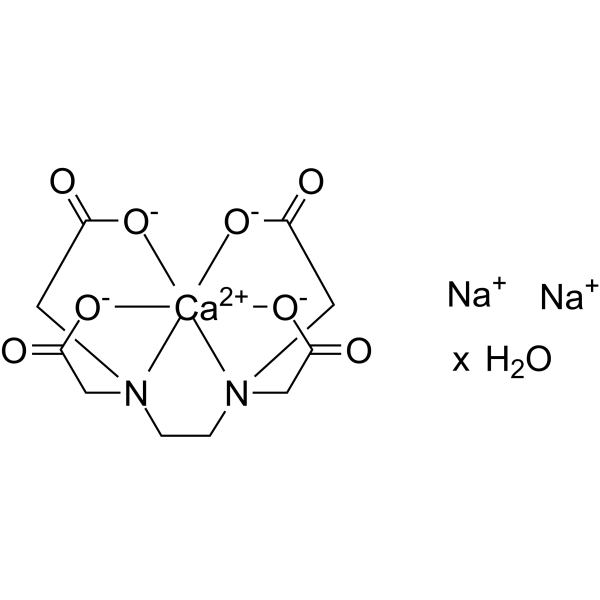
EDTA Calcium disodium, 98% (EDTA calcium disodium salt, 98%; Adsorbonac, 98%) is a chelating agent for calcium and other metal ions, preventing them from participating in chemical reactions. It can effectively remove metal ions from solutions, preventing them from interfering with experimental processes.
|
-
-
- HY-W034566
-
|
Hexaaza-18-crown-6; 1,4,7,10,13,16-Hexaazacyclooctadecane
|
Biochemical Assay Reagents
|
Others
|
|
Hexacyclen is an organic compound with a unique macrocyclic structure composed of six nitrogen-containing rings. It is commonly used as a chelating agent in chemistry and biochemistry due to its ability to bind metal ions. Inhibitors of certain diseases such as cancer. In biochemistry, Hexacyclen is often used to selectively bind metal ions in proteins or enzymes to study their structure and function. Due to its large size and complex structure, Hexacyclen is not widely used in daily products or applications .
|
-
-
- HY-D0202
-
|
|
Fluorescent Dye
|
Others
|
|
Arsenazo III is an azo derivative of chromotropic acid, a metal chrome dye, a chelating agent, and a cation complexing agent. Arsenazo III forms stable 1:1 complexes with Ca 2+, Mg 2+, Sr 2+, Ba 2+, K +, and Na +, and its binding affinity for Ca 2+ depends on pH, alkali metal cation concentration, and buffer parameters. Arsenazo III serves as a colorimetric indicator for micromolar ionized Ca 2+ in cells .
|
-
-
- HY-W030778
-
|
Triglycollamic acid
|
Biochemical Assay Reagents
|
Others
|
|
Nitrilotriacetic acid is an orally active chelating agent for metal ions. Nitrilotriacetic acid is an aminotricarboxylic acid that can sequester metal ions as water soluble complexes. Nitrilotriacetic acid reacts with strong oxidizing agents such as hypochlorite, chlorine, ozone, or oxygen in the presence of palladium/carbon catalyst. Nitrilotriacetic acid interacts with solid phases such as cell membranes and bone matrices in the mammalian system. Nitrilotriacetic acid is classified as an epigenetic rodent carcinogen .
|
-
-
- HY-W012683
-
|
|
Biochemical Assay Reagents
|
Cancer
|
|
Iminodiacetic acid is a metal ion chelator targeting Cr 6+, Cd 2+, Ni 2+, and Pb 2+. Iminodiacetic acid selectively and irreversibly binds metal ions through the coordination of carboxyl and imino groups, reduces the toxicity of metal ions and promotes their adsorption and separation. Iminodiacetic acid has the functions of heavy metal ion removal and coordination complex stabilization. Iminodiacetic acid is often used in environmental pollution control (such as heavy metal adsorption in water) and coordination chemistry (such as metal ion detection and separation) research .
|
-
-
- HY-W013851
-
|
|
Environmental Pollutants
Biochemical Assay Reagents
|
Others
|
|
EDTA-OH is a chelating agent, which forms thermodynamically stable chelates with metal ions like calcium, magnesium, iron, zinc and copper . EDTA-OH exhibits ability of phytoremediation in heavy-metal-contaminated soils . EDTA-OH is able to cross brain-blood barrier .
|
-
-
- HY-158067
-
|
DFO-DBCO
|
Biochemical Assay Reagents
Radionuclide-Drug Conjugates (RDCs)
|
Cancer
|
|
Deferoxamine-DBCO is a bifunctional chelating agent. Deferoxamine-DBCO efficiently chelates with radioactive metals (such as 89Zr) through the DFO structure to achieve radiolabeling. Deferoxamine-DBCO undergoes a metal-free Huisgen cycloaddition reaction with azide-containing biomolecules (such as siRNA, monoclonal antibodies) under bioorthogonal conditions through the DBCO structure to achieve targeted coupling. Deferoxamine-DBCO has efficient metal chelating ability and specific bioorthogonal reaction activity. Deferoxamine-DBCO can be used for targeted radioactive imaging studies of tumors .
|
-
-
- HY-137428
-
-
-
- HY-W034674
-
|
Silver(1+) diethyldithiocarbamate
|
Biochemical Assay Reagents
|
Others
|
|
Silver diethyldithiocarbamate (SDDC) is an organic compound consisting of silver ions complexed with the ligand diethyldithiocarbamate. SDDC is mainly used as a reagent in analytical chemistry to detect the presence of copper, iron and other heavy metals in various materials. It acts as a chelating agent, binding to metal ions and forming stable complexes that can be easily analyzed using techniques such as UV-Vis spectroscopy.
|
-
-
- HY-W127774
-
|
Ethylenediaminetetraacetic acid hydrate sodium
|
Biochemical Assay Reagents
Bacterial
SOD
|
Cardiovascular Disease
Neurological Disease
Cancer
|
|
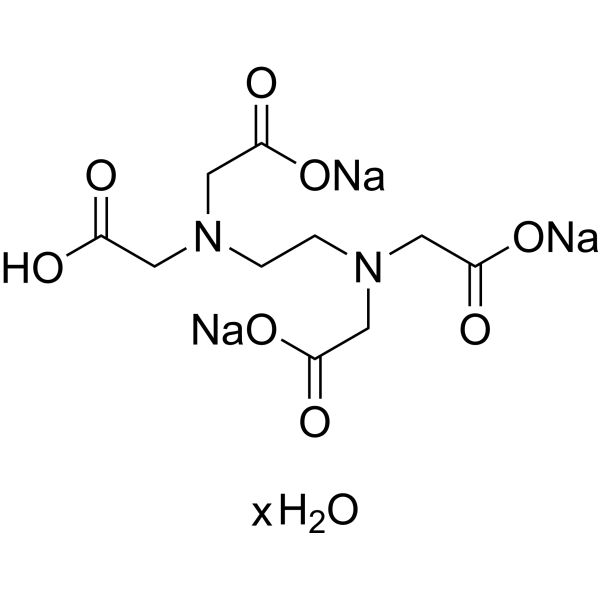
EDTA (Ethylenediaminetetraacetic acid) hydrate sodium is a kind of metal chelating agent (binds to bivalent and trivalent metal cations, including calcium). EDTA hydrate sodium has antibacterial, anti-inflammatory, antioxidant, anti-hypercalcemia and anticoagulant activities. EDTA hydrate sodium decreases the metal ion-catalyzed oxidative damage to proteins, and allows maintenance of reducing environment during protein purification. EDTA hydrate sodium can alleviate the liver fibrosis. Ethylenediaminetetraacetic acid can be used for coronary artery disease and neural system disease research .
|
-
-
- HY-W110793
-
|
Diphenylthiocarbazone
|
Biochemical Assay Reagents
|
Metabolic Disease
|
|
Dithizone can be toxic to pancreatic islet cells and cause experimental diabetes. Dithizone can be used for in vitro in vivo staining of transplanted islets and cytoplasmic granules of bone marrow cells. Dithizone can be used as a chelating agent and colorimetric indicator for the detection and extraction of various heavy metals, including lead and mercury, in analytical and biochemical applications. Dithizone forms stable colored complexes with metal ions and can be quantitatively analyzed by methods such as spectrophotometry .
|
-
-
- HY-W111692
-
|
|
Biochemical Assay Reagents
|
Others
|
|
Sodium polyphosphate, crystal,+200 mesh, 96% is an inorganic polyphosphate that also serves as a stabilizer, dispersant, chelating agent, and coacervate-forming agent. Sodium polyphosphate provides electrostatic stabilization for mineral and material suspensions, but its dispersing efficacy decreases under acidic pH, high temperature, high calcium concentration, or a combination of these conditions. Sodium polyphosphate can chelate alkaline earth metals, reduce solution pH, and alter the rate of pH decline at a divalent cation/phosphorus molar ratio of 0.18. Sodium polyphosphate forms coacervates with smaller divalent cations and precipitates with larger divalent cations, where the functional requirements of cations depend on polyphosphate concentration, average degree of polymerization, and cation type .
|
-
-
- HY-N0814A
-
|
Inositol hexaphosphate dodecasodium hydrate; SNF472 dodecasodium hydrate
|
Xanthine Oxidase
Endogenous Metabolite
|
Neurological Disease
Inflammation/Immunology
|
|
Phytic acid (Inositol hexaphosphate) dodecasodium hydrate is a phosphorus storage compound of seeds and cereal grains. Phytic acid dodecasodium hydrate is known as a food inhibitor, which has a strong ability to chelate multivalent metal ions, specially zinc, calcium, iron and as with protein residue. Phytic acid dodecasodium hydrate inhibits the enzymatic superoxide source xanthine oxidase (XO), and has antioxidative, neuroprotective, anti-inflammatory effects .
|
-
-
- HY-W018746R
-
|
Ethylenediaminetetraacetic acid disodium (Standard)
|
Biochemical Assay Reagents
Reference Standards
|
Others
|
|
EDTA (disodium) (Standard) is the analytical standard of EDTA (disodium). This product is intended for research and analytical applications. EDTA disodium salt, also known as ethylenediaminetetraacetic acid disodium, belongs to the chelating agent category, which is formed by chelating a central metal ion with four carboxylate groups and two amine groups. This compound, with its ability to bind and chelate metal ions such as calcium, magnesium and iron, is commonly used in a variety of applications, including industrial, medical and research settings. It is used as a preservative in food and beverage, as a stabilizer in medicine, as a chelating agent in water treatment, and as a reagent in biochemical and biomedical research. In addition, EDTA disodium salt has been studied for potential research effects such as improving heavy metal poisoning and cardiovascular disease.
|
-
-
- HY-W010488
-
|
|
Biochemical Assay Reagents
|
Others
|
|
Dithiooxamide (Rubeanic Acid) is a selective chelating agent and sulfur-containing analog of Oxamide. Dithiooxamide forms stable chelates with various metal ions (such as lead, iron, cadmium, manganese, and aluminum), which can be separated, enriched, and detected by adsorption on solid adsorbents or electrode surfaces .
|
-
-
- HY-W749867
-
|
Calcium disodium EDTA dihydrate
|
Bacterial
|
Infection
Others
|
|
CaⅡ-EDTA disodium dihydrate (Calcium disodium EDTA dihydrate) is an orally active metal chelating reagent, exhibits bactericidal activities against periodontal pathogens Aggregatibacter actinomycetemcomitans, Prevotella intermedia and Porphyromonas gingivalis . CaⅡ-EDTA disodium dihydrate is effective chelating antidotes for lead- and cadmium poisoning .
|
-
-
- HY-158072
-
|
|
Biochemical Assay Reagents
Radionuclide-Drug Conjugates (RDCs)
|
Cancer
|
|
DOTAM-NHS-ester is a bifunctional chelator and a macrocyclic DOTA derivative used for tumor pre-targeting. DOTAM-NHS-ester combines the efficient metal chelating ability of DOTAM macrocyclic ligands with the bioconjugation function of NHS ester active groups, and can be widely used in the biomedical field for metal labeling, molecular imaging and drug delivery development .
|
-
-
- HY-Y0682B
-
|
EDTA tetrasodium
|
Environmental Pollutants
Biochemical Assay Reagents
Bacterial
SOD
|
Cardiovascular Disease
Neurological Disease
Cancer
|
|
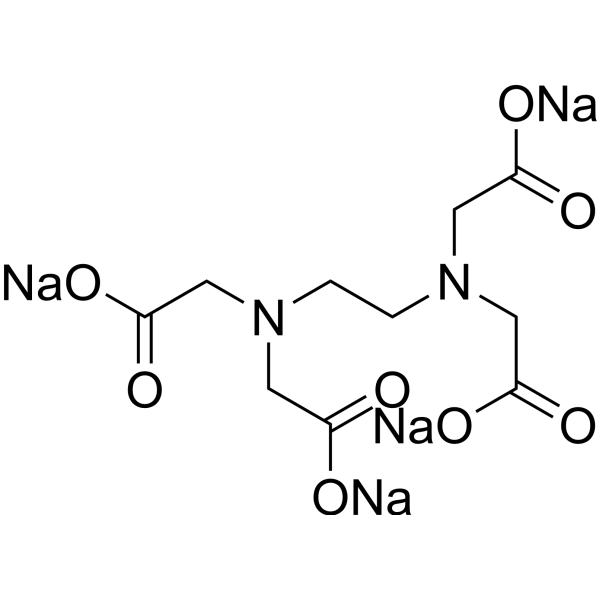
Ethylenediaminetetraacetic acid (EDTA) tetrasodium is a kind of metal chelating agent (binds to bivalent and trivalent metal cations, including calcium). Ethylenediaminetetraacetic acid tetrasodium has antibacterial, anti-inflammatory, antioxidant, anti-hypercalcemia and anticoagulant activities. Ethylenediaminetetraacetic acid tetrasodium decreases the metal ion-catalyzed oxidative damage to proteins, and allows maintenance of reducing environment during protein purification. Ethylenediaminetetraacetic acid tetrasodium can alleviate the liver fibrosis. Ethylenediaminetetraacetic acid tetrasodium can be used for coronary artery disease and neural system disease research .
|
-
-
- HY-165576
-
|
HOPO 14-1
|
Biochemical Assay Reagents
|
Others
|
|
3,4,3-LI(1,2-HOPO) (HOPO 14-1) is a metal chelating agent. 3,4,3-LI(1,2-HOPO) exhibits extremely high affinity for lanthanide metal ions .
|
-
-
- HY-109560
-
|
Zn-DTPA trisodium
|
Biochemical Assay Reagents
|
Others
|
|
Pentetate zinc trisodium (Zn-DTPA trisodium) forms stable chelates with metal ions by exchanging zinc for a metal of greater binding capacity .
|
-
-
- HY-P3320
-
|
PC 3
|
Biochemical Assay Reagents
|
Others
|
|
Phytochelatin 3 (PC 3) is the small metal chelating peptide that can be used for chelating heavy metals. Phytochelatin 3 is a short metal detoxification peptide made from the sulfur-rich molecule glutathione. Phytochelatin 3 can be found in different sources including plant, fungal, algal, and bacterial species, as a detoxification mechanism in response to heavy metal exposure. Phytochelatin 3 plays an important metabolic role in plants .
|
-
-
- HY-W031536
-
|
2-Oxoimidazolidine, 96%
|
Biochemical Assay Reagents
|
Others
|
|
2-Imidazolidone, 96% is a chelating agent that forms complexes with metal ions, enabling its use in catalytic processes.
|
-
-
- HY-W099337
-
|
|
Biochemical Assay Reagents
|
|
|
N-Ethyl-D-glucamine is a glucose derivative with biological activity as a buffer and chelating agent. Therefore, it is widely used in biochemical research to regulate pH and bind metal ions.
|
-
-
- HY-W046355
-
-
-
- HY-164732
-
|
|
Amino Acid Derivatives
Biochemical Assay Reagents
|
Others
|
|
Fmoc-Lys (DOTA)-OH is an Fmoc-protected Lysine derivative with metal-chelating properties, containing the macrocyclic chelator DOTA. Fmoc-Lys (DOTA)-OH undergoes metallation with Tb or Lu. Fmoc-Lys (DOTA)-OH utilizes metal coordination to protect the carboxyl groups of DOTA. Fmoc-Lys (DOTA)-OH can be used in solid-phase peptide synthesis research .
|
-
-
- HY-W105700
-
|
EDTA sodium hydrate
|
Biochemical Assay Reagents
Bacterial
SOD
|
Cardiovascular Disease
Neurological Disease
Cancer
|
|
Ethylenediaminetetraacetic acid (EDTA) sodium hydrate is a kind of metal chelating agent (binds to bivalent and trivalent metal cations, including calcium). Ethylenediaminetetraacetic acid sodium hydrate has antibacterial, anti-inflammatory, antioxidant, anti-hypercalcemia and anticoagulant activities. Ethylenediaminetetraacetic acid sodium hydrate decreases the metal ion-catalyzed oxidative damage to proteins, and allows maintenance of reducing environment during protein purification. Ethylenediaminetetraacetic acid sodium hydrate can alleviate the liver fibrosis. Ethylenediaminetetraacetic acid sodium hydrate can be used for coronary artery disease and neural system disease research .
|
-
-
- HY-W087947
-
|
Ethylenediaminetetraacetic acid dihydrate tripotassium
|
Bacterial
SOD
|
Cardiovascular Disease
Neurological Disease
Cancer
|
|
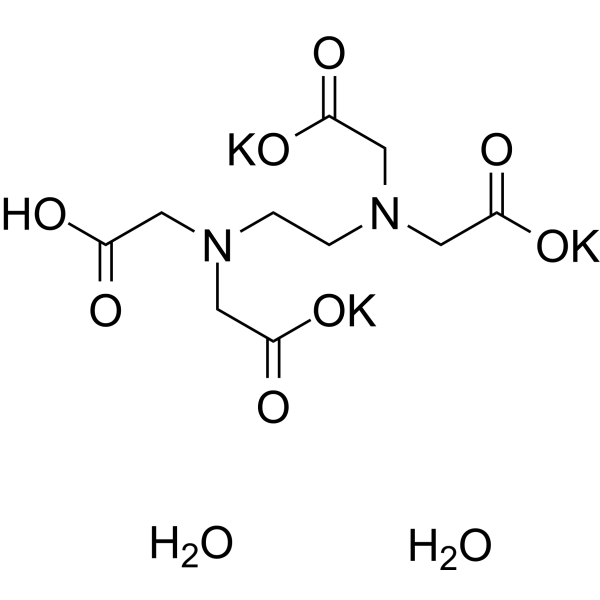
EDTA dihydrate tripotassium (Ethylenediaminetetraacetic acid dihydrate tripotassium) is a kind of metal chelating agent (binds to bivalent and trivalent metal cations, including calcium). EDTA dihydrate tripotassium has antibacterial, anti-inflammatory, antioxidant, anti-hypercalcemia and anticoagulant activities. EDTA dihydrate tripotassium decreases the metal ion-catalyzed oxidative damage to proteins, and allows maintenance of reducing environment during protein purification. EDTA dihydrate tripotassium can alleviate the liver fibrosis. EDTA dihydrate tripotassium can be used for coronary artery disease and neural system disease research .
|
-
-
- HY-108309R
-
|
Methylenediphosphonic acid (Standard)
|
Biochemical Assay Reagents
Reference Standards
|
Others
|
|
Medronic acid (Standard) is the analytical standard of Medronic acid. This product is intended for research and analytical applications. Medronic acid (Methylenediphosphonic acid) is a methylene-substituted bisphosphonate. Medronic acid has affinity for and adheres to the surface of hydroxyapatite crystals in the bone matrix. Medronic acid can be used in bone imaging, while being complexed with radioisotopes. Due to its strong metal-chelating ability, Medronic acid can also be used as a water treatment chemical .
|
-
-
- HY-149820
-
|
|
Monoamine Oxidase
|
Neurological Disease
|
|
MAO-B-IN-22 (compound 6h) is a potent MAO-B inhibitor with an IC50 of 0.014 μM. MAO-B-IN-22 has high antioxidant activity, good metal chelating ability, proper BBB permeability and significant neuroprotective effect .
|
-
-
- HY-Y0569H
-
|
|
Biochemical Assay Reagents
|
Others
|
|
Magnesium D-gluconate hydrate, 98% is a strong chelating agent that chelates calcium, iron, aluminum, copper, and other heavy metal anions.
|
-
-
- HY-W133934A
-
|
|
Biochemical Assay Reagents
|
Others
|
|
EDTA magnesium disodium, 99% is a chelating agent with the ability to effectively bind metal ions (including calcium, magnesium, and iron) and remove them from solution.
|
-
- HY-W030778S
-
|
|
Isotope-Labeled Compounds
|
Others
|
|
Nitrilotriacetic acid-d9 is the deuterium labeled Nitrilotriacetic acid . Nitrilotriacetic acid is an aminotricarboxylic acid. Nitrilotriacetic acid can be used as a chelating agent, forming coordination compounds with metal ions .
|
-
- HY-P4599
-
|
|
Biochemical Assay Reagents
|
Others
|
H-His-His-OH is an oligopeptide. H-His-His-OH can chelate with Ruthenium (II). H-His-His-OH inhibits the hydrolysis of metal ions at pH 7.4 .
|
-
- HY-117710B
-
|
|
Cholinesterase (ChE)
Amyloid-β
ERK
TNF Receptor
Interleukin Related
|
Neurological Disease
|
|
AD-35 is an orally active anti-Alzheimer's disease (AD) agent with moderate AChE inhibitory activity and metal ion chelating ability. AD-35 exhibits IC50 values for AChE and BuChE of 793 nM and 31428 nM, respectively. AD-35 can form chelates with Cu²⁺ and Fe³⁺, but its chelating ability for Zn²⁺ is relatively weak. AD-35 can inhibit Aβ aggregation and disassemble the formed Aβ aggregates, and inhibit Aβ-induced ERK phosphorylation. AD-35 inhibits neuroinflammation in AD rat models and demonstrates a strong effect in improving cognitive function .
|
-
- HY-W012683R
-
|
|
Biochemical Assay Reagents
Reference Standards
|
Cancer
|
|
Iminodiacetic acid is a metal ion chelator targeting Cr6+, Cd2+, Ni2+, and Pb2+. Iminodiacetic acid selectively and irreversibly binds metal ions through the coordination of carboxyl and imino groups, reduces the toxicity of metal ions and promotes their adsorption and separation. Iminodiacetic acid has the functions of heavy metal ion removal and coordination complex stabilization. Iminodiacetic acid is often used in environmental pollution control (such as heavy metal adsorption in water) and coordination chemistry (such as metal ion detection and separation) research .
|
-
- HY-W673626
-
|
Etidronate monohydrate; HEDPA monohydrate; HEDP monohydrate
|
Biochemical Assay Reagents
|
Others
|
|
Etidronic acid,60% in water (Etidronate) monohydrate is a strong complexing agent that can be used as a chelating agent to remove heavy metals from water .
|
-
- HY-W127847
-
|
Triglycollamic acid trisodium salt
|
Environmental Pollutants
Biochemical Assay Reagents
|
Others
|
|
Nitrilotriacetic acid (Triglycollamic acid) trisodium salt is a chelating agent commonly used in various industrial processes, especially in the production of detergents, cleaners and metal plating solutions. Nitrilotriacetic acid trisodium salt has unique chemical properties that bind to metal ions, preventing them from reacting or precipitating out of solution.
|
-
- HY-D0330
-
|
Sunchromine blue black R
|
Biochemical Assay Reagents
|
Others
|
|
Mordant black 17 (Sunchromine blue black R) is a versatile chelating agent, demonstrating significant adsorptive properties through its interaction with metal ions, enhancing the efficiency of polymeric materials in various applications.
|
-
- HY-N7648
-
|
Atherospermine
|
Parasite
Phosphodiesterase (PDE)
|
Infection
|
|
Atherosperminine (Atherospermine) is a phosphodiesterase inhibitor. Atherosperminine inhibits growth of chloroquine-resistant Plasmodium falciparum. Atherosperminine scavenges DPPH free radicals, exhibits ferric reducing power, and chelates metal ions. Atherosperminine can be used for the research of malaria .
|
-
- HY-121858
-
|
|
Angiotensin-converting Enzyme (ACE)
|
Metabolic Disease
|
|
Nicotianamine can be isolated from the leaves of Nicotiana Tabacum L.. Nicotianamine is a key biosynthetic precursor of phytosiderophores. Nicotianamine is an iron chelating agent and can promote the transport of iron. Nicotianamine is an angiotensin-converting enzyme (ACE) inhibitor with IC50 values of 76 nM and 59 nM for rhACE2 and rhACE, respectively. Nicotianamine is vital in metal nutrition and metal homeostasis of flowering plants .
|
-
- HY-W048718
-
|
Fmoc-D-α-t-butylglycine
|
Amino Acid Derivatives
|
Others
|
|
Fmoc-D-Tle-OH (Fmoc-D-α-t-butylglycine) is an amino acid derivative with an Fmoc protecting group, which can be used to synthesize chelating agents that can form a single stereoisomer-enriched form after coordination with metal centers .
|
-
- HY-N0814B
-
|
Inositol hexaphosphate hexasodium; SNF472
|
Xanthine Oxidase
Endogenous Metabolite
|
Neurological Disease
Inflammation/Immunology
|
|
Phytic acid (Inositol hexaphosphate) hexasodium is a phosphorus storage compound of seeds and cereal grains. Phytic acid hexasodium has a strong ability to chelate multivalent metal ions, specially zinc, calcium, iron and as with protein residue. Phytic acid hexasodium inhibits the enzymatic superoxide source xanthine oxidase (XO), and has antioxidative, neuroprotective, anti-inflammatory effects.
|
-
- HY-W002328
-
|
|
Biochemical Assay Reagents
|
Others
|
|
Pyrazole-3-carboxylic acid is an alternative anchoring group to carboxylic acid in phthalocyanine dyes. Pyrazole-3-carboxylic acid shows flexible coordination modes when coordinates with metal ions. Pyrazole-3-carboxylic acid can chelate to metal ions and form very stable complexes through its N and O atoms. Pyrazole-3-carboxylic acid can be used to synthesize derivatives that possess antibacterial, anti-inflammatory, ulcerogenic liability and antiproliferative activities .
|
-
- HY-B1009R
-
|
EDTA trisodium salt (Standard); Trisodium EDTA (Standard)
|
Ferroptosis
Bacterial
SOD
Reference Standards
|
Cardiovascular Disease
Neurological Disease
Cancer
|
|
Ethylenediaminetetraacetic acid (trisodium salt) (Standard) is the analytical standard of Ethylenediaminetetraacetic acid (trisodium salt). This product is intended for research and analytical applications. Ethylenediaminetetraacetic acid trisodium salt (EDTA trisodium salt; Trisodium EDTA) is a kind of metal chelating agent (binds to bivalent and trivalent metal cations, including calcium). Ethylenediaminetetraacetic acid trisodium salt has antibacterial, anti-inflammatory, antioxidant, anti-hypercalcemia and anticoagulant activities. Ethylenediaminetetraacetic acid trisodium salt decreases the metal ion-catalyzed oxidative damage to proteins, and allows maintenance of reducing environment during protein purification. Ethylenediaminetetraacetic acid trisodium salt can alleviate the liver fibrosis. Ethylenediaminetetraacetic acid can be used for coronary artery disease and neural system disease research .
|
-
- HY-164854
-
|
|
Biochemical Assay Reagents
|
Others
|
|
(R)-DOTAGA2 (Compound 7) is a metal chelate ligand. (R)-DOTAGA2 can be used to evaluate blood volume changes in the heart and brain .
|
-
- HY-162402
-
|
|
Reactive Oxygen Species (ROS)
Cholinesterase (ChE)
|
Cancer
|
|
NLRP3-IN-33 (Compound 12o) is a blood-brain barrier permeable inhibitor of AChE and BChE, with IC50 values of 1.02 μM and 7.03 μM against hAChE and hBChE respectively. NLRP3-IN-33 possesses antioxidant, anti-inflammatory, and metal chelating activities, making it a potential candidate for research in Alzheimer's disease (AD) .
|
-
- HY-170583
-
|
|
Cholinesterase (ChE)
Amyloid-β
|
Neurological Disease
|
|
hAChE-IN-10 (Compound ET11) is the inhibitor for human acetylcholinesterase (AChE) with an IC50 of 6.34 nM. hAChE-IN-10 scavenges free radicals, and exhibits antioxidant activity. hAChE-IN-10 exhibits metal chelating activity, inhibits Cu 2+-induced Aβ1-42 aggregation, reduces the formation of amyloid plaques, and exhibits neuroprotective activity. hAChE-IN-10 ameliorates the Scopolamine (HY-N0296)-induced cognitive impairment in mouse models .
|
-
- HY-109559
-
|
Ca-DTPA trisodium
|
Biochemical Assay Reagents
|
Others
|
|
Pentetate calcium trisodium (Ca-DTPA) forms stable chelates with metal ions by exchanging calcium for a metal of greater binding capacity .
|
-
- HY-W691498
-
-
- HY-W127801
-
|
EDTA trisodium hydrate
|
Biochemical Assay Reagents
|
Others
|
|
Ethylenediaminetetraacetic acid (trisodium hydrate) is a class of organic compounds containing carboxylic acid functional groups. It is commonly used as a chelating agent in various industrial and medical applications, especially in the food and pharmaceutical industries. Ethylenediaminetetraacetic acid (trisodium hydrate) has strong metal ion binding properties and can be used to chelate trace metals that may affect product quality or stability. In addition, it is used as an anticoagulant in blood collection tubes and as a stabilizer in some cosmetic and personal care products.
|
-
- HY-W127789
-
|
EDTA diammonium
|
Biochemical Assay Reagents
|
Others
|
|
Ethylenediaminetetraacetic acid diammonium is a class of organic compounds containing both ammonium and carboxylic acid functional groups. It is commonly used as a chelating agent in various industrial and medical applications, especially in the food and pharmaceutical industries. Ethylenediaminetetraacetic acid diammonium has strong metal ion binding properties and can be used to chelate trace metals that may affect product quality or stability. In addition, it is used as an anticoagulant in blood collection tubes and as a clarifying agent in cosmetic and personal care products.
|
-
- HY-W140537
-
|
|
Biochemical Assay Reagents
|
Others
|
|
EDTA diammonium salt hydrate, 97% is a derivative of ethylenediaminetetraacetic acid (EDTA), commonly used as a chelating agent in various applications due to its ability to bind with various metal ions and form stable complexes.
|
-
- HY-P10254
-
|
|
Fungal
|
Others
|
|
Iso-phytochelatin 2 Glu is chelating peptide with general structure (γ-Glu-Cys)n-Gly, which is induced by heavy metals in high plants and fungi .
|
-
- HY-117817
-
|
|
Endogenous Metabolite
|
Metabolic Disease
|
|
Ranelic acid is an organic acid with metal cation chelating activity. Ranelic acid can be used to inhibit osteoporosis and increase bone mineral density. Ranelic acid derivatives exhibit highly substituted thiophene ring structures .
|
-
- HY-156032
-
|
|
GSK-3
|
Neurological Disease
|
|
PIMPC is a compound with antioxidant and metal-chelating properties. PIMPC is a novel inhibitor of glycogen synthase kinase 3 (GSK-3). PIMPC has potential anti-Alzheimer's disease effect .
|
-
- HY-W034576
-
|
Hexaaza-18-crown-6 hexahydrochloride; 1,4,7,10,13,16-Hexaazacyclooctadecane hexahydrochloride
|
Biochemical Assay Reagents
|
Cancer
|
|
Hexacyclen (Cycloalkene) is an organic compound with a unique macrocyclic structure composed of six nitrogen-containing rings. Hexacyclen is commonly used as a chelating agent in chemistry and biochemistry due to its ability to bind metal ions, and is often used to selectively bind metal ions in proteins or enzymes to study their structure and function. Hexacyclen also acts as an inhibitor of cancer .
|
-
- HY-N14351
-
|
|
SARS-CoV
Bacterial
Antibiotic
|
Infection
|
|
Ferrocin A is a lipopeptide compound that targets the SARS-CoV-2 RNA-dependent RNA polymerase (nsp12). Ferrocin A can stably bind to nsp12, and as an iron-chelating peptide, it reduces the concentration of free iron in the environment via complexation, thereby inhibiting bacterial growth by repressing the acquisition of essential metal cations. As an iron-chelating antiviral molecule, Ferrocin A may be used in studies related to COVID-19 and bacterial infections .
|
-
- HY-D0190R
-
|
HTTA (Standard); TTA (Standard); TTFA (Standard)
|
Mitochondrial Metabolism
Reference Standards
|
Infection
Others
Cancer
|
|
2-Thenoyltrifluoroacetone (Standard) is the analytical standard of 2-Thenoyltrifluoroacetone. This product is intended for research and analytical applications. 2-Theoyltrifluoroacetone is a chelating agent and mitochondrial electron transfer chain inhibitor, with a IC50 value of 51.5 μM. 2-Thermoyltrifluoroacetone can chelate with various metal ions and has cytotoxicity and anti-tumor activity, which is expected to play an important role in the treatment of mitochondrial dysfunction related diseases .
|
-
- HY-120391
-
|
|
Biochemical Assay Reagents
|
Others
|
|
LiLo is a new bifunctional chelator that has the activity of forming kinetically stable chelates with metal ions (such as indium). After using LiLo to bind indium-111 to monoclonal antibodies, the in vitro stability and in vivo biodistribution of the conjugates are superior to those using other chelators.
|
-
- HY-W745771
-
|
|
Isotope-Labeled Compounds
Biochemical Assay Reagents
|
Metabolic Disease
|
|
D-Penicillamine-d6 is the deuterium labeled L-Penicillamine (HY-116073). L-Penicillamine is a mechanism-based inhibitor of serine palmitoyltransferase by forming a pyridoxal-5 '-phosphate-thiazolidine adduct. L-Penicillamine is a metal chelating agent of intermediate strength .
|
-
- HY-Y1841R
-
|
|
Reference Standards
MMP
|
Others
|
|
o-Phenanthroline (1,10-Phenanthroline) monohydrate, a metal chelator, prevents the induction of chromosomal aberrations in streptozotocin-treated cells. o-Phenanthroline monohydrate forms a red chelate with Fe2+ that absorbs maximally at 510 nm. o-Phenanthroline (1,10-Phenanthroline) monohydrate is also a MMP inhibitor .
|
-
- HY-149984
-
|
|
Monoamine Oxidase
|
Neurological Disease
Inflammation/Immunology
|
|
MAO-B-IN-21 is an excellent MAO-B inhibitor with antioxidant activity and anti-Aβ aggregation activity. MAO-B-IN-21 also exhibits metal-ion chelating ability, anti-neuroinflammation (NO, TNF-α), neuroprotective activity and BBB permeability. MAO-B-IN-21 significantly improves the memory and cognitive impairment in Aβ1-42 induced Alzheimer's disease mice model .
|
-
- HY-I0301R
-
|
Gluconic acid lactone (Standard)
|
Reference Standards
Endogenous Metabolite
Reactive Oxygen Species (ROS)
|
Others
|
|
D-(+)-Glucono-1,5-lactone (Standard) is the analytical standard of D-(+)-Glucono-1,5-lactone. This product is intended for research and analytical applications. D-(+)-Glucono-1,5-lactone is a polyhydroxy (PHA) that is capable of metal chelating, moisturizing and antioxidant activity.
|
-
- HY-W034566A
-
|
Hexaaza-18-crown-6 trisulfate; 1,4,7,10,13,16-Hexaazacyclooctadecane trisulfate
|
Biochemical Assay Reagents
|
Others
|
|
Hexacyclen, also known as cycloalkene, is an organic compound with a unique macrocyclic structure composed of six nitrogen-containing rings. It is commonly used as a chelating agent in chemistry and biochemistry due to its ability to bind metal ions. Inhibitors of certain diseases such as cancer. In biochemistry, Hexacyclen is often used to selectively bind metal ions in proteins or enzymes to study their structure and function. Due to its large size and complex structure, Hexacyclen is not widely used in daily products or applications.
|
-
- HY-I0301S
-
-
- HY-W030778R
-
|
Triglycollamic acid (Standard)
|
Biochemical Assay Reagents
Reference Standards
|
Others
|
|
Nitrilotriacetic acid (Standard) is the analytical standard of Nitrilotriacetic acid. This product is intended for research and analytical applications. Nitrilotriacetic acid is an orally active chelating agent for metal ions. Nitrilotriacetic acid is an aminotricarboxylic acid that can sequester metal ions as water soluble complexes. Nitrilotriacetic acid reacts with strong oxidizing agents such as hypochlorite, chlorine, ozone, or oxygen in the presence of palladium/carbon catalyst. Nitrilotriacetic acid interacts with solid phases such as cell membranes and bone matrices in the mammalian system. Nitrilotriacetic acid is classified as an epigenetic rodent carcinogen .
|
-
- HY-Y0682R
-
|
EDTA (Standard)
|
Biochemical Assay Reagents
Reference Standards
Bacterial
SOD
|
Cardiovascular Disease
Neurological Disease
Cancer
|
|
Ethylenediaminetetraacetic acid (Standard) is the analytical standard of Ethylenediaminetetraacetic acid. This product is intended for research and analytical applications. Ethylenediaminetetraacetic acid (EDTA) is a kind of metal chelating agent (binds to bivalent and trivalent metal cations, including calcium). Ethylenediaminetetraacetic acid has antibacterial, anti-inflammatory, antioxidant, anti-hypercalcemia and anticoagulant activities. Ethylenediaminetetraacetic acid decreases the metal ion-catalyzed oxidative damage to proteins, and allows maintenance of reducing environment during protein purification. Ethylenediaminetetraacetic acid can alleviate the liver fibrosis. Ethylenediaminetetraacetic acid can be used for coronary artery disease and neural system disease research [4] .
|
-
- HY-147962
-
|
|
Cholinesterase (ChE)
HDAC
|
Neurological Disease
|
|
COX-2-IN-23 (compound A10) is a potent both AChE and HDAC inhibitor with IC50 values of 0.12 and 0.23 nM. COX-2-IN-23 exhibits antioxidant activity and metal chelating properties. COX-2-IN-23 can be used in alzheimer's disease research .
|
-
- HY-W011060R
-
|
4,7,13,16,21,24-Hexaoxa-1,10-diazabicyclo[8.8.8]hexacosane (Standard)
|
Biochemical Assay Reagents
Reference Standards
|
Others
|
|
Cryptand 2.2.2 (Standard) is the analytical standard of Cryptand 2.2.2 (HY-W011060). This product is intended for research and analytical applications. Cryptand 2.2.2 is a metal ion chelating agent that can selectively form complexes with metal ions. At room temperature, Cryptand 2.2.2 can serve as a host molecule, using the chelation effect to selectively bind desired ions (such as Zn 2+, Co 2+, Ni 2+, Cu 2+). Cryptand 2.2.2 can be used in the preparation of nanoparticles, transition metal compounds, and so on .
|
-
- HY-W768262
-
|
Gluconic acid lactone-13C6
|
Reactive Oxygen Species (ROS)
|
Others
|
|
D-(+)-Glucono-1,5-lactone- 13C6 (Gluconic acid lactone- 13C6) is the 13C-labeled D-(+)-Glucono-1,5-lactone (HY-I0301). D-(+)-Glucono-1,5-lactone is a polyhydroxy (PHA) that is capable of metal chelating, moisturizing and antioxidant activity.
|
-
- HY-W777365
-
|
EDTA-13C4
|
Isotope-Labeled Compounds
Bacterial
SOD
Biochemical Assay Reagents
|
Cardiovascular Disease
Neurological Disease
Cancer
|
|
Ethylenediaminetetraacetic acid- 13C4 (EDTA- 13C4) is the 13C-labeled Ethylenediaminetetraacetic acid (HY-Y0682). Ethylenediaminetetraacetic acid (EDTA) is a kind of metal chelating agent (binds to bivalent and trivalent metal cations, including calcium). Ethylenediaminetetraacetic acid has antibacterial, anti-inflammatory, antioxidant, anti-hypercalcemia and anticoagulant activities. Ethylenediaminetetraacetic acid decreases the metal ion-catalyzed oxidative damage to proteins, and allows maintenance of reducing environment during protein purification. Ethylenediaminetetraacetic acid can alleviate the liver fibrosis. Ethylenediaminetetraacetic acid can be used for coronary artery disease and neural system disease research .
|
-
- HY-W004544S
-
|
1,10-Phenanthroline-d8
|
Isotope-Labeled Compounds
MMP
|
Others
|
|
o-Phenanthroline-d8 is the deuterium labeled o-Phenanthroline. o-Phenanthroline (1,10-Phenanthroline), a metal chelator, prevents the induction of chromosomal aberrations in streptozotocin-treated cells. o-Phenanthroline (1,10-Phenanthroline) forms a red chelate with Fe2+ that absorbs maximally at 510 nm. o-Phenanthroline (1,10-Phenanthroline) is also a MMP inhibitor .
|
-
- HY-Y0682AR
-
|
EDTA disodium dihydrate (Standard)
|
Biochemical Assay Reagents
Reference Standards
Bacterial
SOD
|
Cardiovascular Disease
Neurological Disease
Cancer
|
|
Ethylenediaminetetraacetic acid (disodium dihydrate) (Standard) is the analytical standard of Ethylenediaminetetraacetic acid (disodium dihydrate). This product is intended for research and analytical applications. Ethylenediaminetetraacetic acid (EDTA) disodium dehydrate is a kind of metal chelating agent (binds to bivalent and trivalent metal cations, including calcium). Ethylenediaminetetraacetic acid disodium dehydrate has antibacterial, anti-inflammatory, antioxidant, anti-hypercalcemia and anticoagulant activities. Ethylenediaminetetraacetic acid disodium dehydrate decreases the metal ion-catalyzed oxidative damage to proteins, and allows maintenance of reducing environment during protein purification. Ethylenediaminetetraacetic acid disodium dehydrate can alleviate the liver fibrosis. Ethylenediaminetetraacetic acid disodium dehydrate can be used for coronary artery disease and neural system disease research [4] .
|
-
- HY-181597
-
|
|
Cholinesterase (ChE)
Histamine Receptor
|
Neurological Disease
|
|
LINS05414 is a histamine H3 receptor ligand with antiCholinesterase and metal chelating activities. LINS05414 exhibits inhibitory activity against acetylcholinesterase (pIC50 = 4.03) and butyrylcholinesterase (pIC50 = 3.83), with a pKi of 6.37 for human histamine H3 receptors. LINS05414 chelates copper ions, ferrous ions and ferric ions. LINS05414 regulates the release of neurotransmitters. LINS05414 can be used in the research of neurodegenerative diseases .
|
-
- HY-W722245
-
|
|
Endogenous Metabolite
Bacterial
|
Infection
|
|
Pyochelin is a salicylate-based nonribosomal peptide siderophore produced by Pseudomonas aeruginosa. Pyochelin chelates Fe 3+ and transports it back into bacterial cells, providing the iron essential for bacterial survival. Pyochelin can also chelate other metals such as Zn 2+, Co 2+, and Ni 2+, which helps bacteria maintain intracellular metal ion homeostasis by chelating and excreting excess metals in response to toxic metal stress. Pyochelin can be used in studies related to Pseudomonas aeruginosa infection .
|
-
- HY-156939
-
|
|
Biochemical Assay Reagents
|
Cancer
|
|
ZnDTPA is an orally effective chelating agent, which belongs to the class of amino carboxylic acid chelating agents and is mainly used to form stable complexes with metal ions. DTPA (diethylenetriaminepentaacetic acid) itself is a polydentate ligand that can form stable cyclic or chain-like complexes with a variety of metal ions. ZnDTPA can be used to reduce the long-term toxicity of 239Pu to rats and reduce the incidence of osteosarcoma, breast cancer, etc. in rats .
|
-
- HY-P4599B
-
|
|
Biochemical Assay Reagents
|
Others
|
|
H-His-His-OH acetate is an oligopeptide. H-His-His-OH acetate can chelate with Ruthenium (II). H-His-His-OH inhibits the hydrolysis of metal ions at pH 7.4 .
|
-
- HY-185401A
-
-
- HY-162933
-
|
|
Cholinesterase (ChE)
|
Metabolic Disease
|
|
AChE-IN-77 (5d) is a potent AChE and BACE1 inhibitor, with IC50 values of 29.46 µM ans 2.85 µM for AChE and BACE1 in vitro metal chelating ability against Fe 3+ .
|
-
- HY-W031536R
-
|
2-Oxoimidazolidine, 96% (Standard)
|
Biochemical Assay Reagents
Reference Standards
|
Others
|
|
2-Imidazolidone, 96% (Standard) is the analytical standard of 2-Imidazolidone, 96%. This product is intended for research and analytical applications. 2-Imidazolidone, 96% is a chelating agent that forms complexes with metal ions, enabling its use in catalytic processes.
|
-
- HY-W077690
-
|
|
Bacterial
|
Infection
|
|
3-(2-Hydroxyethyl)quinazoline-2,4(1H,3H)-dione is an metal chelating agent and anti-bacterial agent. 3-(2-Hydroxyethyl)quinazoline-2,4(1H,3H)-dione shows inhibitory activity against gram-positive and gram-negative bacterial strains .
|
-
- HY-162093
-
|
|
Amyloid-β
|
Neurological Disease
|
|
Aβ1–42 aggregation inhibitor 2 (compound 7c) is a potent inhibitor of Aβ1-42 aggregation that plays an important role in Alzheimer's disease research. Aβ1–42 aggregation inhibitor 2 displays excellent antioxidant, metal ions chelating, oxidative stress alleviation, neuroprotective and anti-neuroinflammatory activities .
|
-
- HY-B0302AR
-
|
Etidronate disodium (Standard); HEDPA disodium (Standard); HEDP disodium (Standard)
|
Reference Standards
Apoptosis
|
Metabolic Disease
Cancer
|
|
Etidronic acid (disodium) (Standard) is the analytical standard of Etidronic acid (disodium). This product is intended for research and analytical applications. Etidronic acid (Etidronate) disodium is an orally and intravenously active bisphosphonate. Etidronic acid disodium inhibits resorption of bone, reduces arterial calcification and can be used for osteoporosis research. Etidronic acid disodium has anticancer activity. Etidronic acid disodium is a chelating agent and can be used to remove heavy metal in water .
|
-
- HY-B1610N
-
|
|
Biochemical Assay Reagents
|
Others
|
|
Sodium Citrate Buffer, 0.1M, pH 4.0 is an acidic, aqueous buffer solution. Sodium Citrate Buffer, 0.1M, pH 4.0 resists pH fluctuations, chelates metal ions, and regulates the redox potential of the system. Sodium Citrate Buffer, 0.1M, pH 4.0 is widely used in molecular biology, immunohistochemistry (IHC), and biochemistry .
|
-
- HY-B0302R
-
|
Etidronate (Standard); HEDPA (Standard); HEDP (Standard)
|
Apoptosis
Reference Standards
|
Metabolic Disease
Cancer
|
|
Etidronic acid,60% in water (Standard) is the analytical standard of Etidronic acid,60% in water. This product is intended for research and analytical applications. Etidronic acid (Etidronate) is an orally and intravenously active bisphosphonate. Etidronic acid inhibits resorption of bone, reduces arterial calcification and can be used for osteoporosis research. Etidronic acid has anticancer activity. Etidronic acid is a chelating agent and can be used to remove heavy metal in water .
|
-
- HY-168501
-
|
|
Reactive Oxygen Species (ROS)
|
Inflammation/Immunology
|
|
Neuroprotective Agent 6 (Compound Y12) is a neuroprotective agent with antioxidant activity and capabilities in DPPH, ABTS radical scavenging. Neuroprotective Agent 6 demonstrates superior neuroprotective effects in both cellular models induced by oxygen-glucose deprivation/reoxygenation (OGD/R) and animal models induced by transient middle cerebral artery occlusion (tMCAO). Additionally, Neuroprotective Agent 6 exhibits significant metal chelating activity towards Cu 2+ .
|
-
- HY-W250119
-
|
EDTA disodium calcium salt hydrate; Ethylenediaminetetraacetic acid disodium calcium salt hydrate
|
Biochemical Assay Reagents
Fungal
Mitochondrial Metabolism
|
Infection
|
|
Calcium disodium edetate hydrate (EDTA disodium calcium salt hydrate) is a metal chelator and antifungal agent. Calcium disodium edetate hydrate chelates Mn 2+, damages mitochondria, and interferes with carbohydrate metabolic pathways, particularly the synthesis of pyruvate in glycolysis. Calcium disodium edetate hydrate inhibits Penicillium digitatum and delays conidial germination. Calcium disodium edetate (hydrate) enhances the host defense system of citrus fruits. Calcium disodium edetate hydrate is applicable to research related to citrus green mold .
|
-
- HY-N0373
-
Licochalcone B
Maximum Cited Publications
12 Publications Verification
|
Amyloid-β
Apoptosis
NOD-like Receptor (NLR)
|
Neurological Disease
|
|
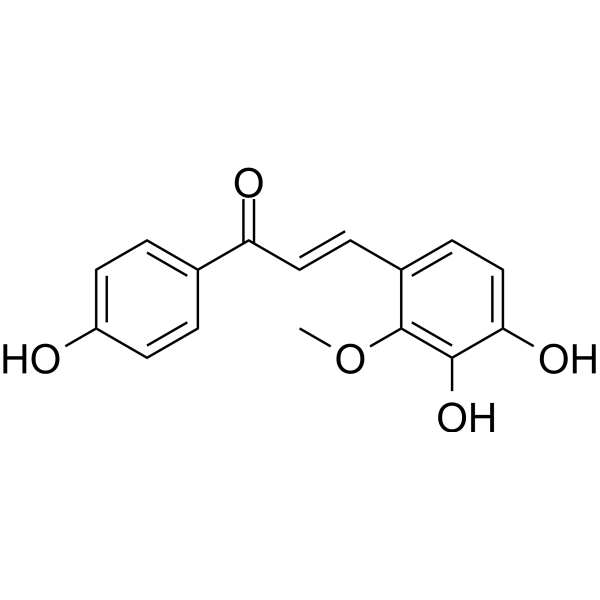
Licochalcone B is an extract from the root of Glycyrrhiza uralensis. Licochalcone B inhibits amyloid β (42) self-aggregation (IC50=2.16 μM) and disaggregate pre-formed Aβ42 fibrils, reduce metal-induced Aβ42 aggregation through chelating metal ionsLicochalcone B inhibits phosphorylation of NF-κB p65 in LPS signaling pathway. Licochalcone B inhibits growth and induces apoptosis of NSCLC cells. Licochalcone B specifically inhibits the NLRP3 inflammasome by disrupting NEK7‐NLRP3 interaction .
|
-
- HY-126823
-
|
PGSK diacetate (5/6-mixture)
|
Fluorescent Dye
|
Others
|
|
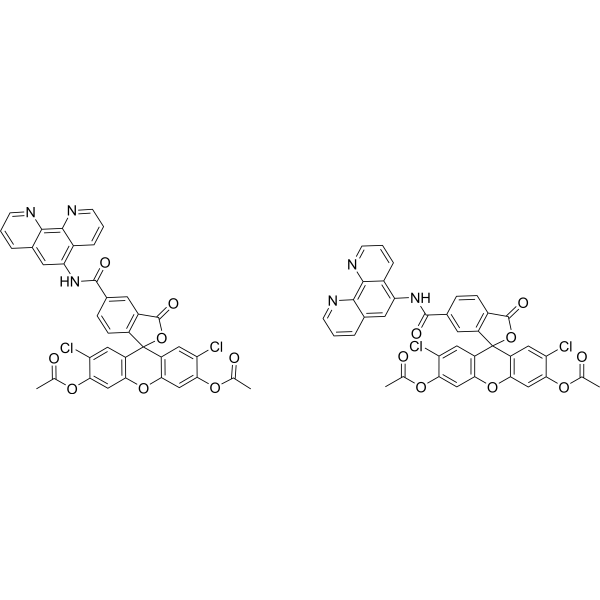
Phen green SK (PGSK) diacetate (PGSK diacetate (5/6-mixture)) is a metal ion-sensitive fluorescent probe that can penetrate cell membranes. Phen green SK (PGSK) diacetate can react with a variety of metal ions, including Fe 2+, Cd 2+, Co 2+, Ni 2+, Zn 2+, etc. Phen green SK (PGSK) diacetate chelates Fe 2+, resulting in fluorescence quenching, which can be restored when a membrane-permeable chelator is added, thereby reflecting the changes in the intracellular chelatable iron pool. The excitation/emission maxima of Phen green SK diacetate are 507/532 nm, respectively .
|
-
- HY-W053583
-
|
DOTA
|
Biochemical Assay Reagents
Radionuclide-Drug Conjugates (RDCs)
|
Cancer
|
|
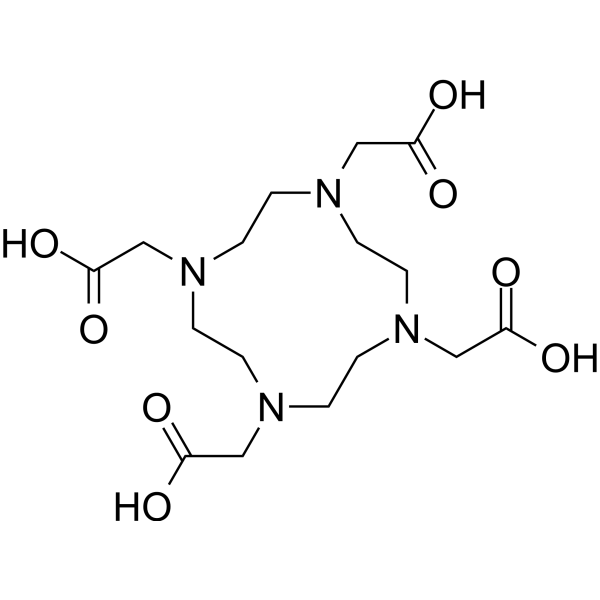
Tetraxetan (DOTA) is a macrocyclic chelating agent. Tetraxetan can form stable coordination complexes with a variety of metal ions (e.g., 68Ga, 111In, 177Lu). Tetraxetan can be conjugated with targeting molecules (e.g., RGD peptide, folic acid) to enable the complex to target specific biomolecules or cells. Tetraxetan can be used for imaging studies of tumors, including melanoma and folate receptor-positive tumors (e.g., cervical cancer) .
|
-
- HY-W006064
-
|
(S)-2-Aminopent-4-ynoic acid
|
Amino Acid Derivatives
|
Others
|
|
(S)-2-Aminopent-4-ynoic acid is a synthetic amino acid. (S)-2-Aminopent-4-ynoic acid can be used in synthesis of folate-conjugates and corresponding metal-chelate complexes . (S)-2-Aminopent-4-ynoic acid is a click chemistry reagent, it contains an Alkyne group and can undergo copper-catalyzed azide-alkyne cycloaddition (CuAAc) with molecules containing Azide groups.
|
-
- HY-N0373R
-
|
|
Reference Standards
Amyloid-β
Apoptosis
NOD-like Receptor (NLR)
|
Neurological Disease
|
|
Licochalcone B (Standard) is the analytical standard of Licochalcone B. This product is intended for research and analytical applications. Licochalcone B is an extract from the root of Glycyrrhiza uralensis. Licochalcone B inhibits amyloid β (42) self-aggregation (IC50=2.16 μM) and disaggregate pre-formed Aβ42 fibrils, reduce metal-induced Aβ42 aggregation through chelating metal ionsLicochalcone B inhibits phosphorylation of NF-κB p65 in LPS signaling pathway. Licochalcone B inhibits growth and induces apoptosis of NSCLC cells. Licochalcone B specifically inhibits the NLRP3 inflammasome by disrupting NEK7‐NLRP3 interaction .
|
-
- HY-132989
-
|
|
Biochemical Assay Reagents
Bacterial
|
Cardiovascular Disease
Infection
Inflammation/Immunology
|
|
Mal-Deferoxamine is a maleimide-functionalized trihydroxamate siderophore derivative that can be isolated from Streptomyces pilosus. Mal-Deferoxamine possesses highly specific Fe (III) chelating ability, and the stability of complexes formed between it and non-Fe (III) metal ions is significantly lower. Mal-Deferoxamine exhibits growth inhibitory effects against Gram-positive bacteria, but shows no obvious inhibitory activity against Gram-negative bacteria (MIC>50 μM). Mal-Deferoxamine is mainly suitable for scientific research in hematology and related fields .
|
-
- HY-168301
-
|
|
Cholinesterase (ChE)
Amyloid-β
|
Neurological Disease
|
|
CL-13 is a butyrylcholinesterase (BChE) inhibitor, with an IC50 of 1.15 μM, and a selectivity index (SI) of 9.2 for acetylcholinesterase. CL-13 shows antioxidant activity in SH-SY5Y cells (DPPH EC50 = 47.01 μM) and has the ability to chelate metals involved in Aβ aggregation and/or oxidative stress, showing no neurotoxicity at 50 μM. CL-13 can reverse cognitive impairment caused by scopolamine (HY-N0296) without affecting the mice's motor skills .
|
-
- HY-155085
-
|
|
Monoamine Oxidase
Amyloid-β
Cholinesterase (ChE)
|
Neurological Disease
|
|
hAChE-IN-3 (compounds 5c) is a potent and blood-brain barrier permeable AChE, BuChE, MAO-B-IN-1 and BACE-1 inhibitor, with IC50 values of 0.44, 0.08, 5.15 and 0.38 μM, respectively. hAChE-IN-3 has antioxidant activity and metal chelating ability. In addition, hAChE-IN-3 can bind to peripheral anion sites, and affect β amyloid and reduce Alzheimer's-associated neurodegeneration. hAChE-IN-3 has the potential for the research of Alzheimer's disease .
|
-
- HY-W150770
-
|
Isophthalic acid diamide
|
Drug Intermediate
|
Others
|
|
Isophthalamide (Isophthalic acid diamide) is a widely used chemical scaffold for the design of high-performance fluorescent chemosensors.Isophthalamide, with its inherent hydrogen-bond-donating properties and tunable chelating cavity, enables highly selective recognition and detection of various analytes ranging from inorganic ions to complex organic molecules.Isophthalamide can be incorporated with various fluorophores to develop sensors displaying “turn-on” or “turn-off” signal responses.Isophthalamide-based sensors are thus capable of detecting diverse analytes including metal ions, anions, neutral molecules, pharmaceuticals, and explosives .
|
-
- HY-W053583R
-
|
DOTA (Standard)
|
Biochemical Assay Reagents
Reference Standards
Radionuclide-Drug Conjugates (RDCs)
|
Cancer
|
|
Tetraxetan (Standard) is the analytical standard of Tetraxetan (HY-W053583). This product is intended for research and analytical applications. Tetraxetan (DOTA) is a macrocyclic chelating agent. Tetraxetan can form stable coordination complexes with a variety of metal ions (e.g., 68Ga, 111In, 177Lu). Tetraxetan can be conjugated with targeting molecules (e.g., RGD peptide, folic acid) to enable the complex to target specific biomolecules or cells. Tetraxetan can be used for imaging studies of tumors, including melanoma and folate receptor-positive tumors (e.g., cervical cancer) .
|
-
- HY-W747297
-
|
|
COX
Endogenous Metabolite
|
Neurological Disease
Inflammation/Immunology
|
|
β-Selinene is a sesquiterpene and is the main active component of the essential oil of red purple hibiscus (Callicarpa macrophylla). β-Selinene exhibits significant related antioxidant activity, anti-inflammatory activity, and antipyretic analgesic activity. β-Selinene may exert antioxidant effects by directly scavenging free radicals (DPPH, NO, •OH) and chelating pro-oxidative metal ions (Fe²⁺); inhibit cyclooxygenase (COX) activity, reduce prostaglandin (such as PGE₂) synthesis to exert anti-inflammatory effects; regulate the thermoregulatory set point of the hypothalamus and inhibit inflammatory mediators to exert antipyretic and analgesic effects .
|
-
- HY-180114
-
|
|
Cholinesterase (ChE)
Monoamine Oxidase
Amyloid-β
Reactive Oxygen Species (ROS)
|
Neurological Disease
|
|
NSS-18 is a potent and reversible inhibitor of AChE and MAO-B, with IC50 values of 1.53 and 1.51 μM respectively. NSS-18 can inhibit the self-aggregation of Aβ. NSS-18 inhibits the intracellular generation of ROS induced by Aβ. NSS-18 shows a moderate neuroprotective effect against 6-OHDA (HY-B1081)-induced neurotoxicity. NSS-18 can form chelates with metal ions such as Cu²⁺, Fe³⁺, and Zn²⁺, with the strongest chelation being with Cu²⁺. NSS-18 can be used for the study of Alzheimer's disease .
|
-
- HY-W013494R
-
|
|
Reference Standards
Endogenous Metabolite
|
Metabolic Disease
Cancer
|
L-Carnosine (Standard) is the analytical standard of L-Carnosine. This product is intended for research and analytical applications. L-Carnosine is a dipeptide of the amino acids beta-alanine and histidine and has the potential to suppress many of the biochemical changes that accompany aging.
In Vitro: L-Carnosine is a dipeptide of the amino acids beta-alanine and histidine and has the potential to suppress many of the biochemical changes that accompany aging . L-Carnosine also exhibits some antioxidant effects. The antioxidant mechanism of L-Carnosine is attributed to its chelating effect against metal ions, superoxide dismutase (SOD)-like activity, and ROS and free radicals scavenging ability .
|
-
- HY-W243460
-
|
|
Biochemical Assay Reagents
|
Others
|
|
EDTA copper (II) disodium salt, 97% is a negatively charged copper (II)-ethylenediaminetetraacetic acid chelate and also an adsorption substrate. EDTA copper (II) disodium salt, 97% forms amide bonds with chitosan amino groups in weakly acidic (pH 3-5) solutions, while it forms the CuEDTA (OH) 3− hydroxyl complex in strongly alkaline (pH > 12) solutions. EDTA copper (II) disodium salt, 97% can be adsorbed onto granular activated carbon, with electrostatic interactions dominating its pH-dependent adsorption behavior. EDTA copper (II) disodium salt, 97% can be used to eliminate the inhibition of enzyme-catalyzed reactions caused by trace heavy metals .
|
-
- HY-W717743
-
-
- HY-182788
-
|
|
GSK-3
Tau Protein
Amyloid-β
β-catenin
|
Neurological Disease
|
|
Multitarget AD-IN-7 is an orally active multi-target anti-AD compound. Multitarget AD-IN-7 exhibits inhibitory activity against GSK-3β and GSK-3α (IC50 = 0.66, 0.83 nM). Multitarget AD-IN-7 upregulates the expression of p-GSK-3β-Ser9, inhibits the phosphorylation of tau-Ser396, targets Aβ1-42, chelates pathogenic metal ions, scavenges ABTS•+, upregulates the expression of β-catenin and neurogenesis biomarkers, and promotes neurite outgrowth. Multitarget AD-IN-7 improves motor ability in Alzheimer's disease zebrafish. Multitarget AD-IN-7 is applicable to research related to Alzheimer's disease .
|
-
- HY-W035903
-
|
2-Aminoethanol hydrochloride
|
Biochemical Assay Reagents
|
Others
|
|
Ethanolamine hydrochloride, is an organic compound used in various industrial applications. It is a white or colorless solid that is soluble in water and has a faint odor. One of the major uses of Ethanolamine hydrochloride is in the production of detergents and surfactants. Used as a raw material in the manufacture of compounds such as ethylenediaminetetraacetic acid (EDTA) and diethanolamine, which are commonly used in household and industrial cleaning products. Ethanolamine hydrochloride is also used in the synthesis of pharmaceuticals, agrochemicals and rubber processing agents. It acts as a buffer in certain chemical reactions, helping to adjust pH and maintain stability. Ethanolamine hydrochloride can be used for gas purification and metal corrosion inhibitor. Its ability to react with acid gases such as carbon dioxide and sulfur dioxide makes it useful for removing impurities from natural gas and other industrial gases. Overall, Ethanolamine hydrochloride is a multifunctional compound with many potential industrial applications. Its ability to act as a buffer, chelating agent, and corrosion inhibitor makes it an important tool in a variety of industries.
|
-
- HY-NP192
-
|
|
Reactive Oxygen Species (ROS)
Bacterial
COX
NO Synthase
Toll-like Receptor (TLR)
p38 MAPK
NF-κB
Interleukin Related
Cholinesterase (ChE)
Bcl-2 Family
Tyrosinase
PI3K
Akt
|
Infection
Neurological Disease
Metabolic Disease
Inflammation/Immunology
Cancer
|
|
Sericin is an orally active globular protein produced by silkworm cocoons. Sericin inhibits the expression of COX2, iNOS, TLR4, MAPK and NF-κB; reduces the levels of IL-18, IL-1 and CCL2; antagonizes the activity of AChE; and downregulates the expression of Bcl-2. Sericin enhances the PI3K/AKT-mediated insulin signaling pathway. Sericin inhibits the activity of tyrosinase (Tyrosinase), scavenges ROS, chelates metal ions, and increases the levels of antioxidant enzymes. Sericin induces apoptosis and arrests the cell cycle. Sericin exhibits antibacterial, moisturizing, cardioprotective and anticoagulant properties. Sericin can be used in research related to type 2 diabetes, hyperlipidemia, obesity, Alzheimer's disease, colon cancer, peripheral nerve injury and ischemic myocardial infarction .
|
-
- HY-174399
-
|
|
Cholinesterase (ChE)
Reactive Oxygen Species (ROS)
|
Neurological Disease
|
|
AChE/BChE-IN-27 is a blood-brain barrier-permeable mixed inhibitor (Pe = 4.12) of AChE and BChE, with IC50 values of 3.72 μM and 9.65 μM, respectively. AChE/BChE-IN-27 has potent antioxidant activity with an IC50 value of 6.32 μM in the DPPH (HY-112053) assay and also exhibits potent in vitro antioxidant activity. AChE/BChE-IN-27 exhibits metal chelating properties. AChE/BChE-IN-27 has neuroprotective potential against oxidative stress. AChE/BChE-IN-27 significantly reduces intracellular reactive oxygen species (ROS). In in vivo experiments, AChE/BChE-IN-27 effectively restored AChE and BChE levels, improved cognition, and can be used for Alzheimer's disease (AD) .
|
-
- HY-128483
-
|
|
TGF-beta/Smad
PI3K
NF-κB
Akt
Apoptosis
Dopamine β-hydroxylase
mTOR
Adrenergic Receptor
|
Cardiovascular Disease
Endocrinology
Cancer
|
|
Fusaric acid is an orally active multi-pathway inhibitor with the activity of inducing oxidative stress and apoptosis. Fusaric acid can chelate divalent metal cations, damage mitochondrial membrane structure, and activate apoptosis-related proteases such as Caspase-3/7, -8, and -9. Fusaric acid also regulates Bax/Bcl-2 protein, inhibits fibrosis-related signaling pathways such as NF-κB, TGF-β1/SMADs, and PI3K/AKT/mTOR, and reduces collagen deposition. Fusaric acid is also a dopamine β-hydroxylase inhibitor, which reduces endogenous levels of norepinephrine and epinephrine in the brain, heart, spleen, and adrenal glands. Fusaric acid can play a role in myocardial fibrosis and improve cardiac hypertrophy in heart disease, and can also be used in the study of esophageal cancer and liver cancer .
|
-
- HY-128483R
-
|
|
TGF-beta/Smad
PI3K
NF-κB
Akt
Apoptosis
Dopamine β-hydroxylase
mTOR
Adrenergic Receptor
Reference Standards
|
Cardiovascular Disease
Endocrinology
Cancer
|
|
Fusaric acid (Standard) is the analytical standard of Fusaric acid (HY-128483). This product is intended for research and analytical applications. Fusaric acid is an orally active multi-pathway inhibitor with the activity of inducing oxidative stress and apoptosis. Fusaric acid can chelate divalent metal cations, damage mitochondrial membrane structure, and activate apoptosis-related proteases such as Caspase-3/7, -8, and -9. Fusaric acid also regulates Bax/Bcl-2 protein, inhibits fibrosis-related signaling pathways such as NF-κB, TGF-β1/SMADs, and PI3K/AKT/mTOR, and reduces collagen deposition. Fusaric acid is also a dopamine β-hydroxylase inhibitor, which reduces endogenous levels of norepinephrine and epinephrine in the brain, heart, spleen, and adrenal glands. Fusaric acid can play a role in myocardial fibrosis and improve cardiac hypertrophy in heart disease, and can also be used in the study of esophageal cancer and liver cancer .
|
-
| Cat. No. |
Product Name |
Type |
-
- HY-D0202
-
|
|
Fluorescent Dyes
|
|
Arsenazo III is an azo derivative of chromotropic acid, a metal chrome dye, a chelating agent, and a cation complexing agent. Arsenazo III forms stable 1:1 complexes with Ca 2+, Mg 2+, Sr 2+, Ba 2+, K +, and Na +, and its binding affinity for Ca 2+ depends on pH, alkali metal cation concentration, and buffer parameters. Arsenazo III serves as a colorimetric indicator for micromolar ionized Ca 2+ in cells .
|
| Cat. No. |
Product Name |
Type |
-
- HY-Y0682
-
|
EDTA
|
Biochemical Assay Reagents
|
|
Ethylenediaminetetraacetic acid (EDTA) is a kind of metal chelating agent (binds to bivalent and trivalent metal cations, including calcium). Ethylenediaminetetraacetic acid has antibacterial, anti-inflammatory, antioxidant, anti-hypercalcemia and anticoagulant activities. Ethylenediaminetetraacetic acid decreases the metal ion-catalyzed oxidative damage to proteins, and allows maintenance of reducing environment during protein purification. Ethylenediaminetetraacetic acid can alleviate the liver fibrosis. Ethylenediaminetetraacetic acid can be used for coronary artery disease and neural system disease research .
|
-
- HY-W004544
-
|
1,10-Phenanthroline
|
Biochemical Assay Reagents
|
|
o-Phenanthroline (1,10-Phenanthroline), a metal chelator, prevents the induction of chromosomal aberrations in streptozotocin-treated cells. o-Phenanthroline (1,10-Phenanthroline) forms a red chelate with Fe 2+ that absorbs maximally at 510 nm. o-Phenanthroline (1,10-Phenanthroline) is also a MMP inhibitor .
|
-
- HY-W018746
-
|
Ethylenediaminetetraacetic acid disodium
|
Biochemical Assay Reagents
|
|
EDTA disodium salt, also known as ethylenediaminetetraacetic acid disodium, belongs to the chelating agent category, which is formed by chelating a central metal ion with four carboxylate groups and two amine groups. This compound, with its ability to bind and chelate metal ions such as calcium, magnesium and iron, is commonly used in a variety of applications, including industrial, medical and research settings. It is used as a preservative in food and beverage, as a stabilizer in medicine, as a chelating agent in water treatment, and as a reagent in biochemical and biomedical research. In addition, EDTA disodium salt has been studied for potential research effects such as improving heavy metal poisoning and cardiovascular disease.
|
-
- HY-Y0682A
-
|
EDTA disodium dihydrate
|
Biochemical Assay Reagents
|
|
Ethylenediaminetetraacetic acid (EDTA) disodium dehydrate is a kind of metal chelating agent (binds to bivalent and trivalent metal cations, including calcium). Ethylenediaminetetraacetic acid disodium dehydrate has antibacterial, anti-inflammatory, antioxidant, anti-hypercalcemia and anticoagulant activities. Ethylenediaminetetraacetic acid disodium dehydrate decreases the metal ion-catalyzed oxidative damage to proteins, and allows maintenance of reducing environment during protein purification. Ethylenediaminetetraacetic acid disodium dehydrate can alleviate the liver fibrosis. Ethylenediaminetetraacetic acid disodium dehydrate can be used for coronary artery disease and neural system disease research .
|
-
- HY-B1610N
-
|
|
Biochemical Assay Reagents
|
|
Sodium Citrate Buffer, 0.1M, pH 4.0 is an acidic, aqueous buffer solution. Sodium Citrate Buffer, 0.1M, pH 4.0 resists pH fluctuations, chelates metal ions, and regulates the redox potential of the system. Sodium Citrate Buffer, 0.1M, pH 4.0 is widely used in molecular biology, immunohistochemistry (IHC), and biochemistry .
|
-
- HY-Y1841
-
|
1,10-Phenanthroline monohydrate
|
Biochemical Assay Reagents
|
|
o-Phenanthroline (1,10-Phenanthroline) monohydrate, a metal chelator, prevents the induction of chromosomal aberrations in streptozotocin-treated cells. o-Phenanthroline monohydrate forms a red chelate with Fe 2+ that absorbs maximally at 510 nm. o-Phenanthroline (1,10-Phenanthroline) monohydrate is also a MMP inhibitor .
|
-
- HY-W053583
-
|
DOTA
|
Biochemical Assay Reagents
|
|
Tetraxetan (DOTA) is a macrocyclic chelating agent. Tetraxetan can form stable coordination complexes with a variety of metal ions (e.g., 68Ga, 111In, 177Lu). Tetraxetan can be conjugated with targeting molecules (e.g., RGD peptide, folic acid) to enable the complex to target specific biomolecules or cells. Tetraxetan can be used for imaging studies of tumors, including melanoma and folate receptor-positive tumors (e.g., cervical cancer) .
|
-
- HY-W035903
-
|
2-Aminoethanol hydrochloride
|
Biochemical Assay Reagents
|
|
Ethanolamine hydrochloride, is an organic compound used in various industrial applications. It is a white or colorless solid that is soluble in water and has a faint odor. One of the major uses of Ethanolamine hydrochloride is in the production of detergents and surfactants. Used as a raw material in the manufacture of compounds such as ethylenediaminetetraacetic acid (EDTA) and diethanolamine, which are commonly used in household and industrial cleaning products. Ethanolamine hydrochloride is also used in the synthesis of pharmaceuticals, agrochemicals and rubber processing agents. It acts as a buffer in certain chemical reactions, helping to adjust pH and maintain stability. Ethanolamine hydrochloride can be used for gas purification and metal corrosion inhibitor. Its ability to react with acid gases such as carbon dioxide and sulfur dioxide makes it useful for removing impurities from natural gas and other industrial gases. Overall, Ethanolamine hydrochloride is a multifunctional compound with many potential industrial applications. Its ability to act as a buffer, chelating agent, and corrosion inhibitor makes it an important tool in a variety of industries.
|
-
- HY-Y0998
-
|
Red prussiate, 99.5%
|
Biochemical Assay Reagents
|
|
Potassium hexacyanoferrate(III), 99.5% (Red prussiate, 99.5%) is a chelating agent for metals such as iron and copper.
|
-
- HY-W013178
-
|
|
Biochemical Assay Reagents
|
|
DCTA monohydrate is an organic acid. DCTA refers to N,N,N',N' -tetraacetic acid, which has a strong chelating ability. DCTA monohydrate can be used as a chelating agent and coordination reagent for metal ions. DCTA monohydrate, for example, forms stable complexes with many metal ions, including calcium, magnesium and zinc. DCTA modified with ethylene glycol is selective to calcium ions in the presence of magnesium ions .
|
-
- HY-D0836
-
|
Ethylenediaminetetraacetic acid dipotassium dihydrate
|
Biochemical Assay Reagents
|
|
EDTA dipotassium dihydrate is a metal ion chelator that forms stable and water-soluble chelates with a variety of metal ions. EDTA dipotassium is commonly used as a blood anticoagulant, which can effectively prevent blood coagulation and maintain the morphology and function of cells in blood samples. In the industrial field, EDTA dipotassium can be used to remove the adverse effects of metal ions and prevent oxidation and deterioration caused by metal ions .
|
-
- HY-107921
-
|
EDTA calcium disodium salt,98%; Adsorbonac,98%
|
Biochemical Assay Reagents
|
|
EDTA Calcium disodium, 98% (EDTA calcium disodium salt, 98%; Adsorbonac, 98%) is a chelating agent for calcium and other metal ions, preventing them from participating in chemical reactions. It can effectively remove metal ions from solutions, preventing them from interfering with experimental processes.
|
-
- HY-W034566
-
|
Hexaaza-18-crown-6; 1,4,7,10,13,16-Hexaazacyclooctadecane
|
Biochemical Assay Reagents
|
|
Hexacyclen is an organic compound with a unique macrocyclic structure composed of six nitrogen-containing rings. It is commonly used as a chelating agent in chemistry and biochemistry due to its ability to bind metal ions. Inhibitors of certain diseases such as cancer. In biochemistry, Hexacyclen is often used to selectively bind metal ions in proteins or enzymes to study their structure and function. Due to its large size and complex structure, Hexacyclen is not widely used in daily products or applications .
|
-
- HY-W013851
-
|
|
Biochemical Assay Reagents
|
|
EDTA-OH is a chelating agent, which forms thermodynamically stable chelates with metal ions like calcium, magnesium, iron, zinc and copper . EDTA-OH exhibits ability of phytoremediation in heavy-metal-contaminated soils . EDTA-OH is able to cross brain-blood barrier .
|
-
- HY-158067
-
|
DFO-DBCO
|
Biochemical Assay Reagents
|
|
Deferoxamine-DBCO is a bifunctional chelating agent. Deferoxamine-DBCO efficiently chelates with radioactive metals (such as 89Zr) through the DFO structure to achieve radiolabeling. Deferoxamine-DBCO undergoes a metal-free Huisgen cycloaddition reaction with azide-containing biomolecules (such as siRNA, monoclonal antibodies) under bioorthogonal conditions through the DBCO structure to achieve targeted coupling. Deferoxamine-DBCO has efficient metal chelating ability and specific bioorthogonal reaction activity. Deferoxamine-DBCO can be used for targeted radioactive imaging studies of tumors .
|
-
- HY-W034674
-
|
Silver(1+) diethyldithiocarbamate
|
Biochemical Assay Reagents
|
|
Silver diethyldithiocarbamate (SDDC) is an organic compound consisting of silver ions complexed with the ligand diethyldithiocarbamate. SDDC is mainly used as a reagent in analytical chemistry to detect the presence of copper, iron and other heavy metals in various materials. It acts as a chelating agent, binding to metal ions and forming stable complexes that can be easily analyzed using techniques such as UV-Vis spectroscopy.
|
-
- HY-W127774
-
|
Ethylenediaminetetraacetic acid hydrate sodium
|
Biochemical Assay Reagents
|
|
EDTA (Ethylenediaminetetraacetic acid) hydrate sodium is a kind of metal chelating agent (binds to bivalent and trivalent metal cations, including calcium). EDTA hydrate sodium has antibacterial, anti-inflammatory, antioxidant, anti-hypercalcemia and anticoagulant activities. EDTA hydrate sodium decreases the metal ion-catalyzed oxidative damage to proteins, and allows maintenance of reducing environment during protein purification. EDTA hydrate sodium can alleviate the liver fibrosis. Ethylenediaminetetraacetic acid can be used for coronary artery disease and neural system disease research .
|
-
- HY-W110793
-
|
Diphenylthiocarbazone
|
Biochemical Assay Reagents
|
|
Dithizone can be toxic to pancreatic islet cells and cause experimental diabetes. Dithizone can be used for in vitro in vivo staining of transplanted islets and cytoplasmic granules of bone marrow cells. Dithizone can be used as a chelating agent and colorimetric indicator for the detection and extraction of various heavy metals, including lead and mercury, in analytical and biochemical applications. Dithizone forms stable colored complexes with metal ions and can be quantitatively analyzed by methods such as spectrophotometry .
|
-
- HY-W111692
-
|
|
Biochemical Assay Reagents
|
|
Sodium polyphosphate, crystal,+200 mesh, 96% is an inorganic polyphosphate that also serves as a stabilizer, dispersant, chelating agent, and coacervate-forming agent. Sodium polyphosphate provides electrostatic stabilization for mineral and material suspensions, but its dispersing efficacy decreases under acidic pH, high temperature, high calcium concentration, or a combination of these conditions. Sodium polyphosphate can chelate alkaline earth metals, reduce solution pH, and alter the rate of pH decline at a divalent cation/phosphorus molar ratio of 0.18. Sodium polyphosphate forms coacervates with smaller divalent cations and precipitates with larger divalent cations, where the functional requirements of cations depend on polyphosphate concentration, average degree of polymerization, and cation type .
|
-
- HY-W018746R
-
|
Ethylenediaminetetraacetic acid disodium (Standard)
|
Biochemical Assay Reagents
|
|
EDTA (disodium) (Standard) is the analytical standard of EDTA (disodium). This product is intended for research and analytical applications. EDTA disodium salt, also known as ethylenediaminetetraacetic acid disodium, belongs to the chelating agent category, which is formed by chelating a central metal ion with four carboxylate groups and two amine groups. This compound, with its ability to bind and chelate metal ions such as calcium, magnesium and iron, is commonly used in a variety of applications, including industrial, medical and research settings. It is used as a preservative in food and beverage, as a stabilizer in medicine, as a chelating agent in water treatment, and as a reagent in biochemical and biomedical research. In addition, EDTA disodium salt has been studied for potential research effects such as improving heavy metal poisoning and cardiovascular disease.
|
-
- HY-W010488
-
|
|
Biochemical Assay Reagents
|
|
Dithiooxamide (Rubeanic Acid) is a selective chelating agent and sulfur-containing analog of Oxamide. Dithiooxamide forms stable chelates with various metal ions (such as lead, iron, cadmium, manganese, and aluminum), which can be separated, enriched, and detected by adsorption on solid adsorbents or electrode surfaces .
|
-
- HY-W749867
-
|
Calcium disodium EDTA dihydrate
|
Biochemical Assay Reagents
|
|
CaⅡ-EDTA disodium dihydrate (Calcium disodium EDTA dihydrate) is an orally active metal chelating reagent, exhibits bactericidal activities against periodontal pathogens Aggregatibacter actinomycetemcomitans, Prevotella intermedia and Porphyromonas gingivalis . CaⅡ-EDTA disodium dihydrate is effective chelating antidotes for lead- and cadmium poisoning .
|
-
- HY-158072
-
|
|
Biochemical Assay Reagents
|
|
DOTAM-NHS-ester is a bifunctional chelator and a macrocyclic DOTA derivative used for tumor pre-targeting. DOTAM-NHS-ester combines the efficient metal chelating ability of DOTAM macrocyclic ligands with the bioconjugation function of NHS ester active groups, and can be widely used in the biomedical field for metal labeling, molecular imaging and drug delivery development .
|
-
- HY-W250119
-
|
EDTA disodium calcium salt hydrate; Ethylenediaminetetraacetic acid disodium calcium salt hydrate
|
Biochemical Assay Reagents
|
|
Calcium disodium edetate hydrate (EDTA disodium calcium salt hydrate) is a metal chelator and antifungal agent. Calcium disodium edetate hydrate chelates Mn 2+, damages mitochondria, and interferes with carbohydrate metabolic pathways, particularly the synthesis of pyruvate in glycolysis. Calcium disodium edetate hydrate inhibits Penicillium digitatum and delays conidial germination. Calcium disodium edetate (hydrate) enhances the host defense system of citrus fruits. Calcium disodium edetate hydrate is applicable to research related to citrus green mold .
|
-
- HY-W717743
-
|
|
Biochemical Assay Reagents
|
|
DOTAM-mono-acid is a chelator with DOTAM as its core. DOTAM-mono-acid contains a carboxylic acid group that can be activated to form an amide bond with the N-terminus of a peptide. DOTAM-mono-acid can form peptide conjugates for radiometal labeling .
|
-
- HY-NP192
-
|
|
Biochemical Assay Reagents
|
|
Sericin is an orally active globular protein produced by silkworm cocoons. Sericin inhibits the expression of COX2, iNOS, TLR4, MAPK and NF-κB; reduces the levels of IL-18, IL-1 and CCL2; antagonizes the activity of AChE; and downregulates the expression of Bcl-2. Sericin enhances the PI3K/AKT-mediated insulin signaling pathway. Sericin inhibits the activity of tyrosinase (Tyrosinase), scavenges ROS, chelates metal ions, and increases the levels of antioxidant enzymes. Sericin induces apoptosis and arrests the cell cycle. Sericin exhibits antibacterial, moisturizing, cardioprotective and anticoagulant properties. Sericin can be used in research related to type 2 diabetes, hyperlipidemia, obesity, Alzheimer's disease, colon cancer, peripheral nerve injury and ischemic myocardial infarction .
|
-
- HY-W031536
-
|
2-Oxoimidazolidine, 96%
|
Biochemical Assay Reagents
|
|
2-Imidazolidone, 96% is a chelating agent that forms complexes with metal ions, enabling its use in catalytic processes.
|
-
- HY-W099337
-
|
|
Biochemical Assay Reagents
|
|
N-Ethyl-D-glucamine is a glucose derivative with biological activity as a buffer and chelating agent. Therefore, it is widely used in biochemical research to regulate pH and bind metal ions.
|
-
- HY-W105700
-
|
EDTA sodium hydrate
|
Biochemical Assay Reagents
|
|
Ethylenediaminetetraacetic acid (EDTA) sodium hydrate is a kind of metal chelating agent (binds to bivalent and trivalent metal cations, including calcium). Ethylenediaminetetraacetic acid sodium hydrate has antibacterial, anti-inflammatory, antioxidant, anti-hypercalcemia and anticoagulant activities. Ethylenediaminetetraacetic acid sodium hydrate decreases the metal ion-catalyzed oxidative damage to proteins, and allows maintenance of reducing environment during protein purification. Ethylenediaminetetraacetic acid sodium hydrate can alleviate the liver fibrosis. Ethylenediaminetetraacetic acid sodium hydrate can be used for coronary artery disease and neural system disease research .
|
-
- HY-W087947
-
|
Ethylenediaminetetraacetic acid dihydrate tripotassium
|
Biochemical Assay Reagents
|
|
EDTA dihydrate tripotassium (Ethylenediaminetetraacetic acid dihydrate tripotassium) is a kind of metal chelating agent (binds to bivalent and trivalent metal cations, including calcium). EDTA dihydrate tripotassium has antibacterial, anti-inflammatory, antioxidant, anti-hypercalcemia and anticoagulant activities. EDTA dihydrate tripotassium decreases the metal ion-catalyzed oxidative damage to proteins, and allows maintenance of reducing environment during protein purification. EDTA dihydrate tripotassium can alleviate the liver fibrosis. EDTA dihydrate tripotassium can be used for coronary artery disease and neural system disease research .
|
-
- HY-W053583R
-
|
DOTA (Standard)
|
Biochemical Assay Reagents
|
|
Tetraxetan (Standard) is the analytical standard of Tetraxetan (HY-W053583). This product is intended for research and analytical applications. Tetraxetan (DOTA) is a macrocyclic chelating agent. Tetraxetan can form stable coordination complexes with a variety of metal ions (e.g., 68Ga, 111In, 177Lu). Tetraxetan can be conjugated with targeting molecules (e.g., RGD peptide, folic acid) to enable the complex to target specific biomolecules or cells. Tetraxetan can be used for imaging studies of tumors, including melanoma and folate receptor-positive tumors (e.g., cervical cancer) .
|
-
- HY-Y0569H
-
|
|
Biochemical Assay Reagents
|
|
Magnesium D-gluconate hydrate, 98% is a strong chelating agent that chelates calcium, iron, aluminum, copper, and other heavy metal anions.
|
-
- HY-W133934A
-
|
|
Biochemical Assay Reagents
|
|
EDTA magnesium disodium, 99% is a chelating agent with the ability to effectively bind metal ions (including calcium, magnesium, and iron) and remove them from solution.
|
-
- HY-W673626
-
|
Etidronate monohydrate; HEDPA monohydrate; HEDP monohydrate
|
Biochemical Assay Reagents
|
|
Etidronic acid,60% in water (Etidronate) monohydrate is a strong complexing agent that can be used as a chelating agent to remove heavy metals from water .
|
-
- HY-W127847
-
|
Triglycollamic acid trisodium salt
|
Biochemical Assay Reagents
|
|
Nitrilotriacetic acid (Triglycollamic acid) trisodium salt is a chelating agent commonly used in various industrial processes, especially in the production of detergents, cleaners and metal plating solutions. Nitrilotriacetic acid trisodium salt has unique chemical properties that bind to metal ions, preventing them from reacting or precipitating out of solution.
|
-
- HY-D0330
-
|
Sunchromine blue black R
|
Biochemical Assay Reagents
|
|
Mordant black 17 (Sunchromine blue black R) is a versatile chelating agent, demonstrating significant adsorptive properties through its interaction with metal ions, enhancing the efficiency of polymeric materials in various applications.
|
-
- HY-W002328
-
|
|
Biochemical Assay Reagents
|
|
Pyrazole-3-carboxylic acid is an alternative anchoring group to carboxylic acid in phthalocyanine dyes. Pyrazole-3-carboxylic acid shows flexible coordination modes when coordinates with metal ions. Pyrazole-3-carboxylic acid can chelate to metal ions and form very stable complexes through its N and O atoms. Pyrazole-3-carboxylic acid can be used to synthesize derivatives that possess antibacterial, anti-inflammatory, ulcerogenic liability and antiproliferative activities .
|
-
- HY-W691498
-
|
|
Biochemical Assay Reagents
|
|
Sodiumα-glucoheptonate, 97% is a multifunctional chelating agent capable of forming stable complexes with various metal ions.
|
-
- HY-W127801
-
|
EDTA trisodium hydrate
|
Biochemical Assay Reagents
|
|
Ethylenediaminetetraacetic acid (trisodium hydrate) is a class of organic compounds containing carboxylic acid functional groups. It is commonly used as a chelating agent in various industrial and medical applications, especially in the food and pharmaceutical industries. Ethylenediaminetetraacetic acid (trisodium hydrate) has strong metal ion binding properties and can be used to chelate trace metals that may affect product quality or stability. In addition, it is used as an anticoagulant in blood collection tubes and as a stabilizer in some cosmetic and personal care products.
|
-
- HY-W127789
-
|
EDTA diammonium
|
Biochemical Assay Reagents
|
|
Ethylenediaminetetraacetic acid diammonium is a class of organic compounds containing both ammonium and carboxylic acid functional groups. It is commonly used as a chelating agent in various industrial and medical applications, especially in the food and pharmaceutical industries. Ethylenediaminetetraacetic acid diammonium has strong metal ion binding properties and can be used to chelate trace metals that may affect product quality or stability. In addition, it is used as an anticoagulant in blood collection tubes and as a clarifying agent in cosmetic and personal care products.
|
-
- HY-W140537
-
|
|
Biochemical Assay Reagents
|
|
EDTA diammonium salt hydrate, 97% is a derivative of ethylenediaminetetraacetic acid (EDTA), commonly used as a chelating agent in various applications due to its ability to bind with various metal ions and form stable complexes.
|
-
- HY-W034576
-
|
Hexaaza-18-crown-6 hexahydrochloride; 1,4,7,10,13,16-Hexaazacyclooctadecane hexahydrochloride
|
Biochemical Assay Reagents
|
|
Hexacyclen (Cycloalkene) is an organic compound with a unique macrocyclic structure composed of six nitrogen-containing rings. Hexacyclen is commonly used as a chelating agent in chemistry and biochemistry due to its ability to bind metal ions, and is often used to selectively bind metal ions in proteins or enzymes to study their structure and function. Hexacyclen also acts as an inhibitor of cancer .
|
-
- HY-Y1841R
-
|
|
Biochemical Assay Reagents
|
|
o-Phenanthroline (1,10-Phenanthroline) monohydrate, a metal chelator, prevents the induction of chromosomal aberrations in streptozotocin-treated cells. o-Phenanthroline monohydrate forms a red chelate with Fe2+ that absorbs maximally at 510 nm. o-Phenanthroline (1,10-Phenanthroline) monohydrate is also a MMP inhibitor .
|
-
- HY-W034566A
-
|
Hexaaza-18-crown-6 trisulfate; 1,4,7,10,13,16-Hexaazacyclooctadecane trisulfate
|
Biochemical Assay Reagents
|
|
Hexacyclen, also known as cycloalkene, is an organic compound with a unique macrocyclic structure composed of six nitrogen-containing rings. It is commonly used as a chelating agent in chemistry and biochemistry due to its ability to bind metal ions. Inhibitors of certain diseases such as cancer. In biochemistry, Hexacyclen is often used to selectively bind metal ions in proteins or enzymes to study their structure and function. Due to its large size and complex structure, Hexacyclen is not widely used in daily products or applications.
|
-
- HY-Y0682R
-
|
EDTA (Standard)
|
Biochemical Assay Reagents
|
|
Ethylenediaminetetraacetic acid (Standard) is the analytical standard of Ethylenediaminetetraacetic acid. This product is intended for research and analytical applications. Ethylenediaminetetraacetic acid (EDTA) is a kind of metal chelating agent (binds to bivalent and trivalent metal cations, including calcium). Ethylenediaminetetraacetic acid has antibacterial, anti-inflammatory, antioxidant, anti-hypercalcemia and anticoagulant activities. Ethylenediaminetetraacetic acid decreases the metal ion-catalyzed oxidative damage to proteins, and allows maintenance of reducing environment during protein purification. Ethylenediaminetetraacetic acid can alleviate the liver fibrosis. Ethylenediaminetetraacetic acid can be used for coronary artery disease and neural system disease research [4] .
|
-
- HY-W011060R
-
|
4,7,13,16,21,24-Hexaoxa-1,10-diazabicyclo[8.8.8]hexacosane (Standard)
|
Biochemical Assay Reagents
|
|
Cryptand 2.2.2 (Standard) is the analytical standard of Cryptand 2.2.2 (HY-W011060). This product is intended for research and analytical applications. Cryptand 2.2.2 is a metal ion chelating agent that can selectively form complexes with metal ions. At room temperature, Cryptand 2.2.2 can serve as a host molecule, using the chelation effect to selectively bind desired ions (such as Zn 2+, Co 2+, Ni 2+, Cu 2+). Cryptand 2.2.2 can be used in the preparation of nanoparticles, transition metal compounds, and so on .
|
-
- HY-Y0682AR
-
|
EDTA disodium dihydrate (Standard)
|
Biochemical Assay Reagents
|
|
Ethylenediaminetetraacetic acid (disodium dihydrate) (Standard) is the analytical standard of Ethylenediaminetetraacetic acid (disodium dihydrate). This product is intended for research and analytical applications. Ethylenediaminetetraacetic acid (EDTA) disodium dehydrate is a kind of metal chelating agent (binds to bivalent and trivalent metal cations, including calcium). Ethylenediaminetetraacetic acid disodium dehydrate has antibacterial, anti-inflammatory, antioxidant, anti-hypercalcemia and anticoagulant activities. Ethylenediaminetetraacetic acid disodium dehydrate decreases the metal ion-catalyzed oxidative damage to proteins, and allows maintenance of reducing environment during protein purification. Ethylenediaminetetraacetic acid disodium dehydrate can alleviate the liver fibrosis. Ethylenediaminetetraacetic acid disodium dehydrate can be used for coronary artery disease and neural system disease research [4] .
|
-
- HY-W031536R
-
|
2-Oxoimidazolidine, 96% (Standard)
|
Biochemical Assay Reagents
|
|
2-Imidazolidone, 96% (Standard) is the analytical standard of 2-Imidazolidone, 96%. This product is intended for research and analytical applications. 2-Imidazolidone, 96% is a chelating agent that forms complexes with metal ions, enabling its use in catalytic processes.
|
| Cat. No. |
Product Name |
Target |
Research Area |
-
- HY-W006064
-
|
(S)-2-Aminopent-4-ynoic acid
|
Amino Acid Derivatives
|
Others
|
|
(S)-2-Aminopent-4-ynoic acid is a synthetic amino acid. (S)-2-Aminopent-4-ynoic acid can be used in synthesis of folate-conjugates and corresponding metal-chelate complexes . (S)-2-Aminopent-4-ynoic acid is a click chemistry reagent, it contains an Alkyne group and can undergo copper-catalyzed azide-alkyne cycloaddition (CuAAc) with molecules containing Azide groups.
|
-
- HY-N9413
-
|
L-γ-Glutamyl-(S)-Allyl-Cysteine
|
Peptides
|
Metabolic Disease
|
|
γ-Glutamyl-S-allylcysteine (L-γ-Glutamyl-(S)-Allyl-Cysteine) is a naturally occurring organosulfur compound found in garlic. γ-Glutamyl-S-allylcysteine has antiglycative effect and shows radical-scavenging and metal-chelating capacities .
|
-
- HY-W013494R
-
|
|
Reference Standards
Endogenous Metabolite
|
Metabolic Disease
Cancer
|
L-Carnosine (Standard) is the analytical standard of L-Carnosine. This product is intended for research and analytical applications. L-Carnosine is a dipeptide of the amino acids beta-alanine and histidine and has the potential to suppress many of the biochemical changes that accompany aging.
In Vitro: L-Carnosine is a dipeptide of the amino acids beta-alanine and histidine and has the potential to suppress many of the biochemical changes that accompany aging . L-Carnosine also exhibits some antioxidant effects. The antioxidant mechanism of L-Carnosine is attributed to its chelating effect against metal ions, superoxide dismutase (SOD)-like activity, and ROS and free radicals scavenging ability .
|
-
- HY-P3320
-
|
PC 3
|
Biochemical Assay Reagents
|
Others
|
|
Phytochelatin 3 (PC 3) is the small metal chelating peptide that can be used for chelating heavy metals. Phytochelatin 3 is a short metal detoxification peptide made from the sulfur-rich molecule glutathione. Phytochelatin 3 can be found in different sources including plant, fungal, algal, and bacterial species, as a detoxification mechanism in response to heavy metal exposure. Phytochelatin 3 plays an important metabolic role in plants .
|
-
- HY-W046355
-
-
- HY-P2512A
-
|
|
Peptides
|
Others
|
|
Phytochelatin 2 (PC2) TFA is a phytochelatin, an important heavy metal-binding peptide. Phytochelatin 2 (PC2) TFA can chelate metals, prevent metal toxicity, and maintain metal stability in the internal environment .
|
-
- HY-P4599
-
|
|
Biochemical Assay Reagents
|
Others
|
H-His-His-OH is an oligopeptide. H-His-His-OH can chelate with Ruthenium (II). H-His-His-OH inhibits the hydrolysis of metal ions at pH 7.4 .
|
-
- HY-P2512
-
|
|
Peptides
|
Others
|
|
Phytochelatin 2, a short phytochelatin, is a key plant peptide binding heavy metals. Phytochelatins are a diverse set of plant compounds that chelate metals, protect against metal toxicity and function in metal homeostasis .
|
-
- HY-W048718
-
|
Fmoc-D-α-t-butylglycine
|
Amino Acid Derivatives
|
Others
|
|
Fmoc-D-Tle-OH (Fmoc-D-α-t-butylglycine) is an amino acid derivative with an Fmoc protecting group, which can be used to synthesize chelating agents that can form a single stereoisomer-enriched form after coordination with metal centers .
|
-
- HY-P3320A
-
|
PC 3 TFA
|
Peptides
|
Others
|
|
Phytochelatin 3 (PC 3) TFA is the small metal chelating peptide that can be used for chelating heavy metals .
|
-
- HY-P10254
-
|
|
Fungal
|
Others
|
|
Iso-phytochelatin 2 Glu is chelating peptide with general structure (γ-Glu-Cys)n-Gly, which is induced by heavy metals in high plants and fungi .
|
-
- HY-P4599B
-
|
|
Biochemical Assay Reagents
|
Others
|
|
H-His-His-OH acetate is an oligopeptide. H-His-His-OH acetate can chelate with Ruthenium (II). H-His-His-OH inhibits the hydrolysis of metal ions at pH 7.4 .
|
-
- HY-K0256
-
|
|
|
MCE Chelating Agarose (IDA) 6FF allows flexible chelation with metal ions such as Zn2+, Ni2+, or Cu2+, and is suitable for the purification of His-tagged recombinant proteins expressed in bacterial, mammalian, insect, and baculovirus systems.
|
| Cat. No. |
Product Name |
Category |
Target |
Chemical Structure |
-
- HY-N0373
-
Licochalcone B
Maximum Cited Publications
12 Publications Verification
|
Chalcones
Flavonoids
Leguminosae
Plants
Glycyrrhiza uralensis Fisch.
Source Classification
|
Amyloid-β
Apoptosis
NOD-like Receptor (NLR)
|
|
Licochalcone B is an extract from the root of Glycyrrhiza uralensis. Licochalcone B inhibits amyloid β (42) self-aggregation (IC50=2.16 μM) and disaggregate pre-formed Aβ42 fibrils, reduce metal-induced Aβ42 aggregation through chelating metal ionsLicochalcone B inhibits phosphorylation of NF-κB p65 in LPS signaling pathway. Licochalcone B inhibits growth and induces apoptosis of NSCLC cells. Licochalcone B specifically inhibits the NLRP3 inflammasome by disrupting NEK7‐NLRP3 interaction .
|
-
-
- HY-128483
-
|
|
Infection
Microorganisms
Classification of Application Fields
Ketones, Aldehydes, Acids
Disease Research Fields
Source Classification
|
TGF-beta/Smad
PI3K
NF-κB
Akt
Apoptosis
Dopamine β-hydroxylase
mTOR
Adrenergic Receptor
|
|
Fusaric acid is an orally active multi-pathway inhibitor with the activity of inducing oxidative stress and apoptosis. Fusaric acid can chelate divalent metal cations, damage mitochondrial membrane structure, and activate apoptosis-related proteases such as Caspase-3/7, -8, and -9. Fusaric acid also regulates Bax/Bcl-2 protein, inhibits fibrosis-related signaling pathways such as NF-κB, TGF-β1/SMADs, and PI3K/AKT/mTOR, and reduces collagen deposition. Fusaric acid is also a dopamine β-hydroxylase inhibitor, which reduces endogenous levels of norepinephrine and epinephrine in the brain, heart, spleen, and adrenal glands. Fusaric acid can play a role in myocardial fibrosis and improve cardiac hypertrophy in heart disease, and can also be used in the study of esophageal cancer and liver cancer .
|
-
-
- HY-I0301
-
-
-
- HY-W012683
-
-
-
- HY-N0814A
-
|
Inositol hexaphosphate dodecasodium hydrate; SNF472 dodecasodium hydrate
|
other families
Ketones, Aldehydes, Acids
Plants
Endogenous metabolite
Source Classification
|
Xanthine Oxidase
Endogenous Metabolite
|
|
Phytic acid (Inositol hexaphosphate) dodecasodium hydrate is a phosphorus storage compound of seeds and cereal grains. Phytic acid dodecasodium hydrate is known as a food inhibitor, which has a strong ability to chelate multivalent metal ions, specially zinc, calcium, iron and as with protein residue. Phytic acid dodecasodium hydrate inhibits the enzymatic superoxide source xanthine oxidase (XO), and has antioxidative, neuroprotective, anti-inflammatory effects .
|
-
-
- HY-N9413
-
-
-
- HY-W013494R
-
-
-
- HY-W747297
-
|
|
Other Terpenoids
Structural Classification
Terpenoids
Psidium guajava Linn.
Myrtaceae
Plants
Source Classification
|
COX
Endogenous Metabolite
|
|
β-Selinene is a sesquiterpene and is the main active component of the essential oil of red purple hibiscus (Callicarpa macrophylla). β-Selinene exhibits significant related antioxidant activity, anti-inflammatory activity, and antipyretic analgesic activity. β-Selinene may exert antioxidant effects by directly scavenging free radicals (DPPH, NO, •OH) and chelating pro-oxidative metal ions (Fe²⁺); inhibit cyclooxygenase (COX) activity, reduce prostaglandin (such as PGE₂) synthesis to exert anti-inflammatory effects; regulate the thermoregulatory set point of the hypothalamus and inhibit inflammatory mediators to exert antipyretic and analgesic effects .
|
-
-
- HY-W012683R
-
|
|
Alkaloids
Other Alkaloids
Endogenous metabolite
Source Classification
|
Biochemical Assay Reagents
Reference Standards
|
|
Iminodiacetic acid is a metal ion chelator targeting Cr6+, Cd2+, Ni2+, and Pb2+. Iminodiacetic acid selectively and irreversibly binds metal ions through the coordination of carboxyl and imino groups, reduces the toxicity of metal ions and promotes their adsorption and separation. Iminodiacetic acid has the functions of heavy metal ion removal and coordination complex stabilization. Iminodiacetic acid is often used in environmental pollution control (such as heavy metal adsorption in water) and coordination chemistry (such as metal ion detection and separation) research .
|
-
-
- HY-N7648
-
-
-
- HY-121858
-
-
-
- HY-N0814B
-
|
Inositol hexaphosphate hexasodium; SNF472
|
other families
Ketones, Aldehydes, Acids
Plants
Source Classification
|
Xanthine Oxidase
Endogenous Metabolite
|
|
Phytic acid (Inositol hexaphosphate) hexasodium is a phosphorus storage compound of seeds and cereal grains. Phytic acid hexasodium has a strong ability to chelate multivalent metal ions, specially zinc, calcium, iron and as with protein residue. Phytic acid hexasodium inhibits the enzymatic superoxide source xanthine oxidase (XO), and has antioxidative, neuroprotective, anti-inflammatory effects.
|
-
-
- HY-N14351
-
|
|
Natural Products
Microorganisms
Source Classification
|
SARS-CoV
Bacterial
Antibiotic
|
|
Ferrocin A is a lipopeptide compound that targets the SARS-CoV-2 RNA-dependent RNA polymerase (nsp12). Ferrocin A can stably bind to nsp12, and as an iron-chelating peptide, it reduces the concentration of free iron in the environment via complexation, thereby inhibiting bacterial growth by repressing the acquisition of essential metal cations. As an iron-chelating antiviral molecule, Ferrocin A may be used in studies related to COVID-19 and bacterial infections .
|
-
-
- HY-I0301R
-
-
-
- HY-N0373R
-
-
-
- HY-128483R
-
|
|
Structural Classification
Microorganisms
Ketones, Aldehydes, Acids
Source Classification
|
TGF-beta/Smad
PI3K
NF-κB
Akt
Apoptosis
Dopamine β-hydroxylase
mTOR
Adrenergic Receptor
Reference Standards
|
|
Fusaric acid (Standard) is the analytical standard of Fusaric acid (HY-128483). This product is intended for research and analytical applications. Fusaric acid is an orally active multi-pathway inhibitor with the activity of inducing oxidative stress and apoptosis. Fusaric acid can chelate divalent metal cations, damage mitochondrial membrane structure, and activate apoptosis-related proteases such as Caspase-3/7, -8, and -9. Fusaric acid also regulates Bax/Bcl-2 protein, inhibits fibrosis-related signaling pathways such as NF-κB, TGF-β1/SMADs, and PI3K/AKT/mTOR, and reduces collagen deposition. Fusaric acid is also a dopamine β-hydroxylase inhibitor, which reduces endogenous levels of norepinephrine and epinephrine in the brain, heart, spleen, and adrenal glands. Fusaric acid can play a role in myocardial fibrosis and improve cardiac hypertrophy in heart disease, and can also be used in the study of esophageal cancer and liver cancer .
|
-
-
- HY-W722245
-
-
| Cat. No. |
Product Name |
Chemical Structure |
-
- HY-W030778S
-
|
|
|
Nitrilotriacetic acid-d9 is the deuterium labeled Nitrilotriacetic acid . Nitrilotriacetic acid is an aminotricarboxylic acid. Nitrilotriacetic acid can be used as a chelating agent, forming coordination compounds with metal ions .
|
-
-
- HY-W745771
-
|
|
|
D-Penicillamine-d6 is the deuterium labeled L-Penicillamine (HY-116073). L-Penicillamine is a mechanism-based inhibitor of serine palmitoyltransferase by forming a pyridoxal-5 '-phosphate-thiazolidine adduct. L-Penicillamine is a metal chelating agent of intermediate strength .
|
-
-
- HY-I0301S
-
|
|
|
D-(+)-Glucono-1,5-lactone-1- 13C is the 13C labeled D-(+)-Glucono-1,5-lactone. D-(+)-Glucono-1,5-lactone is a polyhydroxy (PHA) that is capable of metal chelating, moisturizing and antioxidant activ .
|
-
-
- HY-W768262
-
|
|
|
D-(+)-Glucono-1,5-lactone- 13C6 (Gluconic acid lactone- 13C6) is the 13C-labeled D-(+)-Glucono-1,5-lactone (HY-I0301). D-(+)-Glucono-1,5-lactone is a polyhydroxy (PHA) that is capable of metal chelating, moisturizing and antioxidant activity.
|
-
-
- HY-W777365
-
|
|
|
Ethylenediaminetetraacetic acid- 13C4 (EDTA- 13C4) is the 13C-labeled Ethylenediaminetetraacetic acid (HY-Y0682). Ethylenediaminetetraacetic acid (EDTA) is a kind of metal chelating agent (binds to bivalent and trivalent metal cations, including calcium). Ethylenediaminetetraacetic acid has antibacterial, anti-inflammatory, antioxidant, anti-hypercalcemia and anticoagulant activities. Ethylenediaminetetraacetic acid decreases the metal ion-catalyzed oxidative damage to proteins, and allows maintenance of reducing environment during protein purification. Ethylenediaminetetraacetic acid can alleviate the liver fibrosis. Ethylenediaminetetraacetic acid can be used for coronary artery disease and neural system disease research .
|
-
-
- HY-W004544S
-
|
|
|
o-Phenanthroline-d8 is the deuterium labeled o-Phenanthroline. o-Phenanthroline (1,10-Phenanthroline), a metal chelator, prevents the induction of chromosomal aberrations in streptozotocin-treated cells. o-Phenanthroline (1,10-Phenanthroline) forms a red chelate with Fe2+ that absorbs maximally at 510 nm. o-Phenanthroline (1,10-Phenanthroline) is also a MMP inhibitor .
|
-
| Cat. No. |
Product Name |
|
Classification |
-
- HY-W006064
-
|
(S)-2-Aminopent-4-ynoic acid
|
|
Alkynes
|
|
(S)-2-Aminopent-4-ynoic acid is a synthetic amino acid. (S)-2-Aminopent-4-ynoic acid can be used in synthesis of folate-conjugates and corresponding metal-chelate complexes . (S)-2-Aminopent-4-ynoic acid is a click chemistry reagent, it contains an Alkyne group and can undergo copper-catalyzed azide-alkyne cycloaddition (CuAAc) with molecules containing Azide groups.
|
-
- HY-158067
-
|
DFO-DBCO
|
|
DBCO
|
|
Deferoxamine-DBCO is a bifunctional chelating agent. Deferoxamine-DBCO efficiently chelates with radioactive metals (such as 89Zr) through the DFO structure to achieve radiolabeling. Deferoxamine-DBCO undergoes a metal-free Huisgen cycloaddition reaction with azide-containing biomolecules (such as siRNA, monoclonal antibodies) under bioorthogonal conditions through the DBCO structure to achieve targeted coupling. Deferoxamine-DBCO has efficient metal chelating ability and specific bioorthogonal reaction activity. Deferoxamine-DBCO can be used for targeted radioactive imaging studies of tumors .
|
-
- HY-180114
-
|
|
|
Alkynes
|
|
NSS-18 is a potent and reversible inhibitor of AChE and MAO-B, with IC50 values of 1.53 and 1.51 μM respectively. NSS-18 can inhibit the self-aggregation of Aβ. NSS-18 inhibits the intracellular generation of ROS induced by Aβ. NSS-18 shows a moderate neuroprotective effect against 6-OHDA (HY-B1081)-induced neurotoxicity. NSS-18 can form chelates with metal ions such as Cu²⁺, Fe³⁺, and Zn²⁺, with the strongest chelation being with Cu²⁺. NSS-18 can be used for the study of Alzheimer's disease .
|
| Cat. No. |
Product Name |
|
Classification |
-
- HY-Y0682A
-
|
EDTA disodium dihydrate
|
|
Antioxidants
Chelating Agents
|
|
Ethylenediaminetetraacetic acid (EDTA) disodium dehydrate is a kind of metal chelating agent (binds to bivalent and trivalent metal cations, including calcium). Ethylenediaminetetraacetic acid disodium dehydrate has antibacterial, anti-inflammatory, antioxidant, anti-hypercalcemia and anticoagulant activities. Ethylenediaminetetraacetic acid disodium dehydrate decreases the metal ion-catalyzed oxidative damage to proteins, and allows maintenance of reducing environment during protein purification. Ethylenediaminetetraacetic acid disodium dehydrate can alleviate the liver fibrosis. Ethylenediaminetetraacetic acid disodium dehydrate can be used for coronary artery disease and neural system disease research .
|
Your information is safe with us. * Required Fields.
Inquiry Information
- Product Name:
- Cat. No.:
- Quantity:
- MCE Japan Authorized Agent:

