492 Results for "

physiological

" in MedChemExpress (MCE) Product Catalog:
Products (492)

492 Results for "physiological" in MCE Product Catalog:

126
126 Publications Verification
Cat. No.: HY-P1410
CAS No.: 1209500-46-8
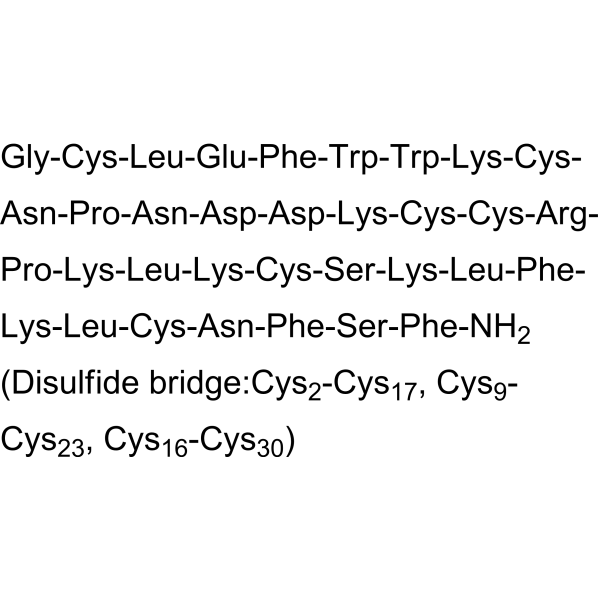
GsMTx4 is a spider venom peptide that selectively inhibits cationic-permeable mechanosensitive channels (MSCs) belonging to the Piezo and TRP channel families. GsMTx4 also blocks cation-selective stretch-activated channels (SACs) , attenuates lysophosphatidylcholine (LPC)-induced astrocyte toxicity and microglial reactivity. GsMTx4 is an important pharmacological tool for identifying the role of these excitatory MSCs in normal physiology and pathology .
loading...
    loading...
126
126 Publications Verification
Cat. No.: HY-P1410A
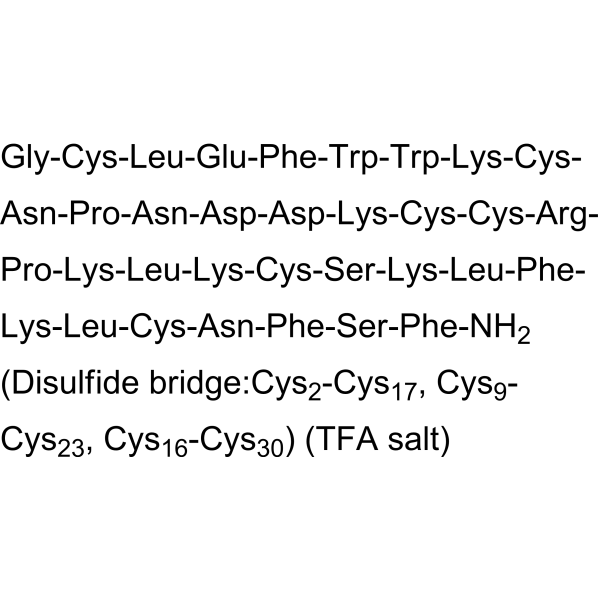
GsMTx4 TFA is a spider venom peptide that selectively inhibits cationic-permeable mechanosensitive channels (MSCs) belonging to the Piezo and TRP channel families. GsMTx4 TFA also blocks cation-selective stretch-activated channels (SACs) , attenuates lysophosphatidylcholine (LPC)-induced astrocyte toxicity and microglial reactivity. GsMTx4 TFA is an important pharmacological tool for identifying the role of these excitatory MSCs in normal physiology and pathology .
loading...
    loading...
126
126 Publications Verification
Cat. No.: HY-W090090
CAS No.: 121207-31-6
Synonyms: Pyrromethene 546
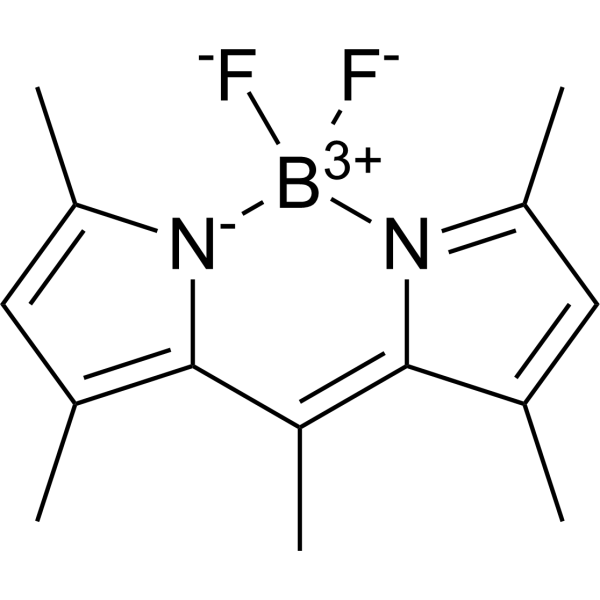
BODIPY493/503 is a BODIPY dye. BODIPY dye is a small molecule dye with strong ultraviolet absorption ability, its fluorescence peak is relatively sharp, and the quantum yield is high. They are relatively insensitive to the polarity and pH of the environment and are relatively stable under different physiological conditions. Due to its structural asymmetry, BODIPY derives a variety of structural products. BODIPY lipid droplet dyes can well pass through the cell membrane into the cell, and localize the neutral lipids in the cell to specifically stain the lipid droplets, which can be used for labeling of live cells and fixed cells . Maximum excitation/emission wavelength: 493/503 nm .
loading...
    loading...
76
76 Cited Publications
Cat. No.: HY-13318
CAS No.: 187227-45-8
Purity:  99.50%
Synonyms: GS 4071; Ro 64-0802; Oseltamivir carboxylate
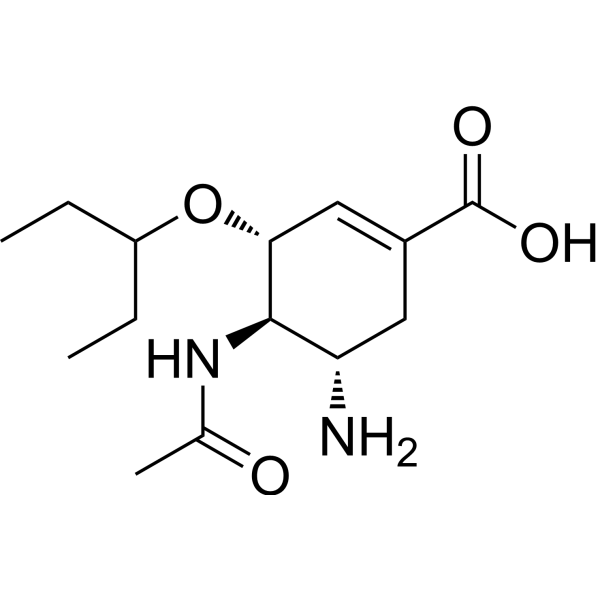
Oseltamivir acid (GS 4071), the active metabolite of Oseltamivir phosphate, is an orally bioavailable, potent and selective inhibitor of influenza virus neuraminidase (IC50=2 nM) with activity against both influenza A and B viruses. Oseltamivir acid has an extremely weak ability to penetrate the BBB under normal physiological conditions, but its blood-brain barrier penetration is significantly enhanced under inflammatory conditions .
loading...
    loading...
36
36 Cited Publications
Cat. No.: HY-B1645
CAS No.: 1185-57-5
Synonyms: Ammonium ferric citrate; FAC
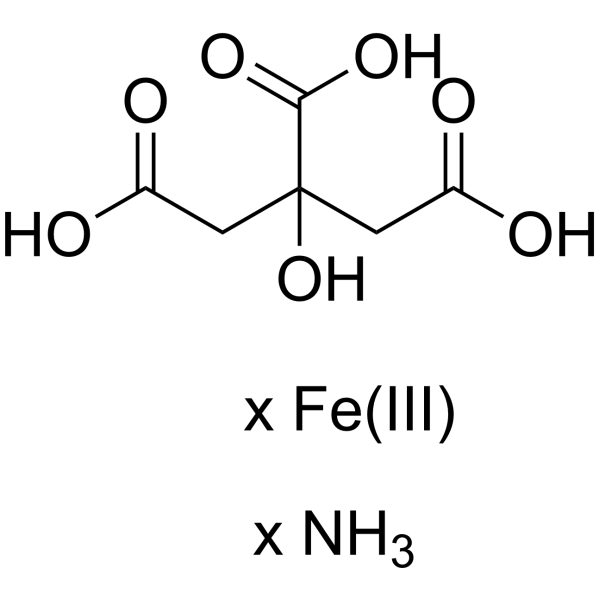
Ammonium iron(III) citrate (Ammonium ferric citrate), a physiological form of nonetransferrin-bound iron, induces intracellular iron overload to cause ferroptosis . Ammonium iron(III) citrate can enhance protein production .
loading...
    loading...
28
28 Cited Publications
Cat. No.: HY-B0282A
CAS No.: 66-23-9
Synonyms: ACh bromide
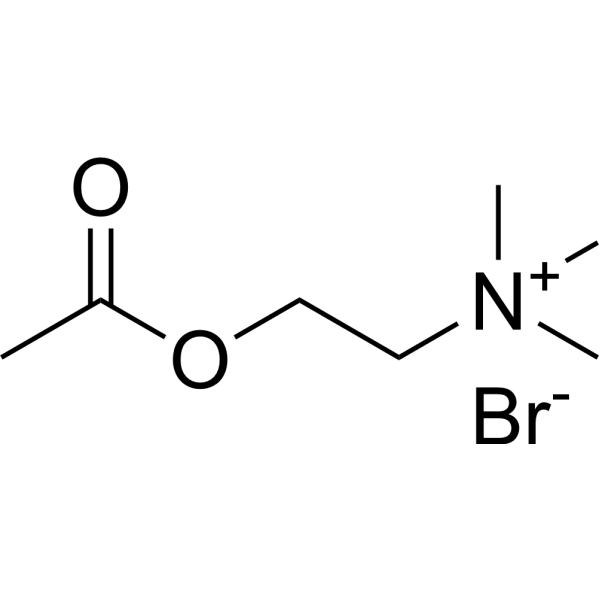
Acetylcholine bromide is an organic choline salt compound commonly used in neurophysiology and pharmacology experiments. It plays an important role in the nervous system, acting as a neurotransmitter that transmits signals and regulates many important physiological functions. Due to its special biological activity, Acetylcholine bromide is widely used in the study of neurotransmitters, nerve damage and muscle movement.
loading...
    loading...
28
28 Cited Publications
Cat. No.: HY-101086
CAS No.: 2260-50-6
Purity:  98.59%
Synonyms: ACh iodide
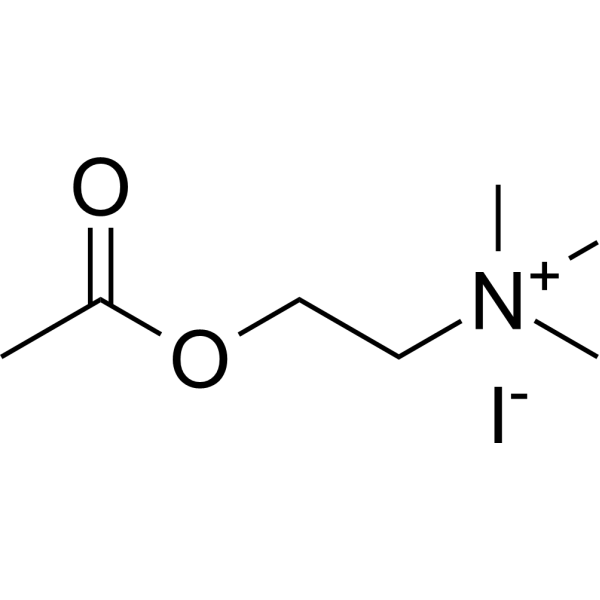
Acetylcholine iodide is a muscarinic receptor modulator. Acetylcholine iodide specifically binds to muscarinic receptors, inhibits sodium absorption, and induces chloride secretion. Acetylcholine iodide changes intestinal ion transport, enhances intestinal secretory function, induces or maintains mammary gland development and lactation. Acetylcholine iodide can be used for intestinal ion transport regulation and mammary gland physiological function research .
loading...
    loading...
27
27 Cited Publications
Cat. No.: HY-D0861
CAS No.: 67-42-5
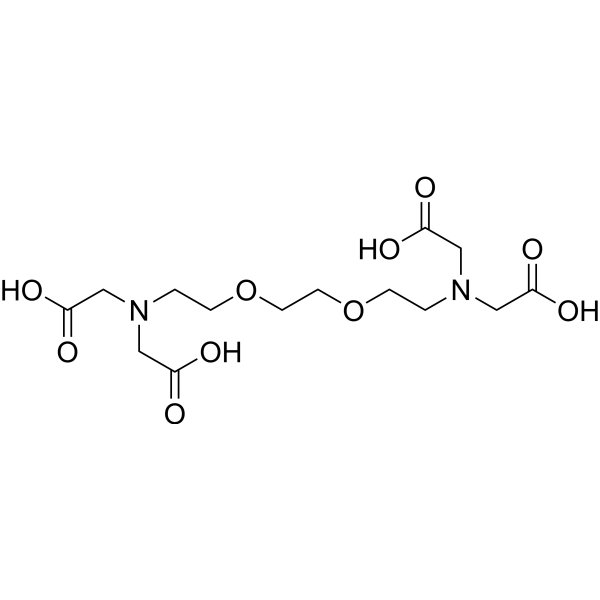
EGTA is a cell-impermeant specific calcium ion chelator. EGTA has an apparent calcium dissociation constant (Kd) of 60.5 nM at physiological pH (7.4) and has very high specificity for Ca 2+ over Mg 2+ (Mg 2+ Kd 1-10 mM). EGTA significantly inhibits the substrate adherence capacity of inflammatory macrophages .
loading...
    loading...
27
27 Cited Publications
Cat. No.: HY-D0861A
CAS No.: 13368-13-3
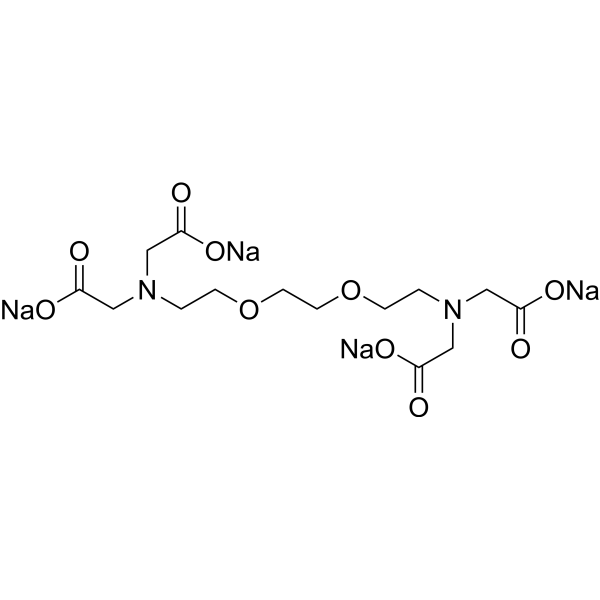
EGTA tetrasodium is a cell-impermeant specific calcium ion chelator. EGTA tetrasodium has an apparent calcium dissociation constant (Kd) of 60.5 nM at physiological pH (7.4) and has very high specificity for Ca 2+ over Mg 2+ (Mg 2+ Kd 1-10 mM). EGTA tetrasodium significantly inhibits the substrate adherence capacity of inflammatory macrophages .
loading...
    loading...
23
23 Cited Publications
Cat. No.: HY-D1614
CAS No.: 216434-81-0
Target:  

Fluorescent Dye

Research Areas:  

Others

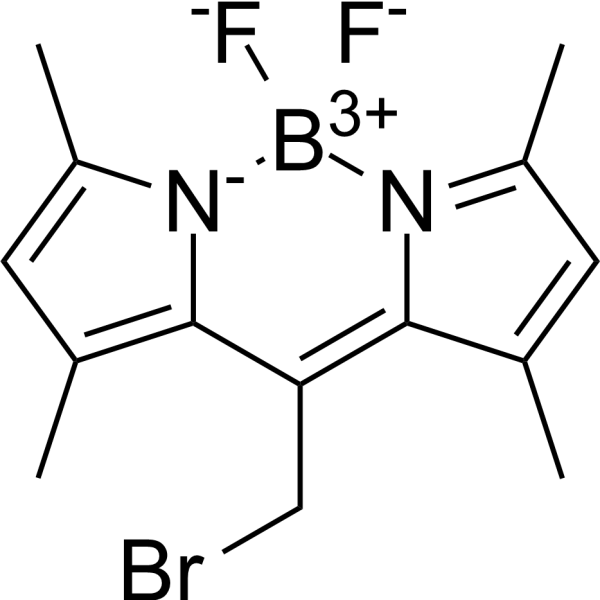
BODIPY493/503 methyl bromide is a BODIPY dye. BODIPY dye is a small molecule dye with strong ultraviolet absorption ability, its fluorescence peak is relatively sharp, and the quantum yield is high. They are relatively insensitive to the polarity and pH of the environment and are relatively stable under different physiological conditions. Due to its structural asymmetry, BODIPY derives a variety of structural products. BODIPY lipid droplet dyes can well pass through the cell membrane into the cell, and localize the neutral lipids in the cell to specifically stain the lipid droplets, which can be used for labeling of live cells and fixed cells . Maximum excitation/emission wavelength: 493/503 nm .
loading...
    loading...
21
21 Cited Publications
Cat. No.: HY-B1204
CAS No.: 51-45-6
Synonyms: Ergamine
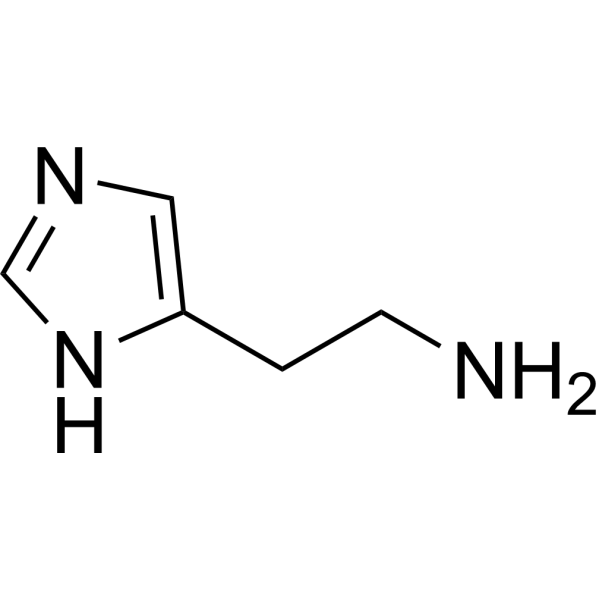
Histamine is the agonist for histamine receptor and a vasodilator. Histamine is an organic nitrogen compound that participates in local immune responses, regulates intestinal physiological functions, and acts as a neurotransmitter. Histamine affects p38 MAPK/Akt signaling pathway, exhibits antitumor, antioxidant and anti-inflammatory activities. Histamine can be used in the research of acute myeloid leukemia, malignant melanoma, and renal cell carcinoma .
loading...
    loading...
21
21 Cited Publications
Cat. No.: HY-W013372
CAS No.: 38183-03-8
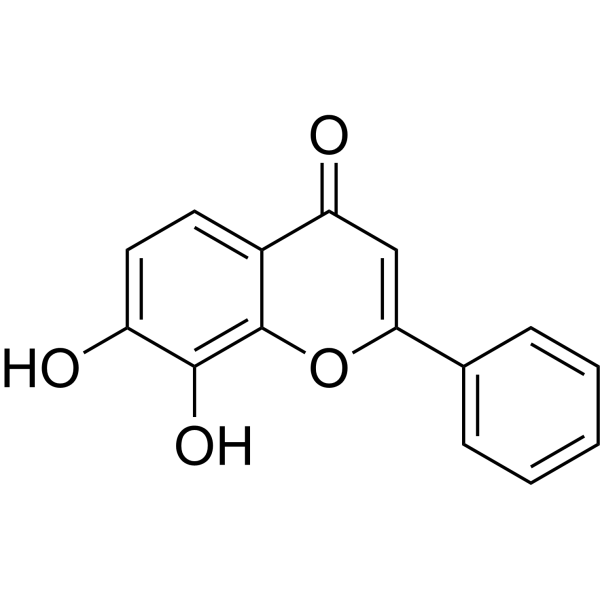
7,8-Dihydroxyflavone is a potent and selective TrkB agonist that mimics the physiological actions of Brain-derived neurotrophic factor (BDNF). Displays therapeutic efficacy toward various neurological diseases .
loading...
    loading...
21
21 Cited Publications
Cat. No.: HY-B0722
CAS No.: 56-92-8
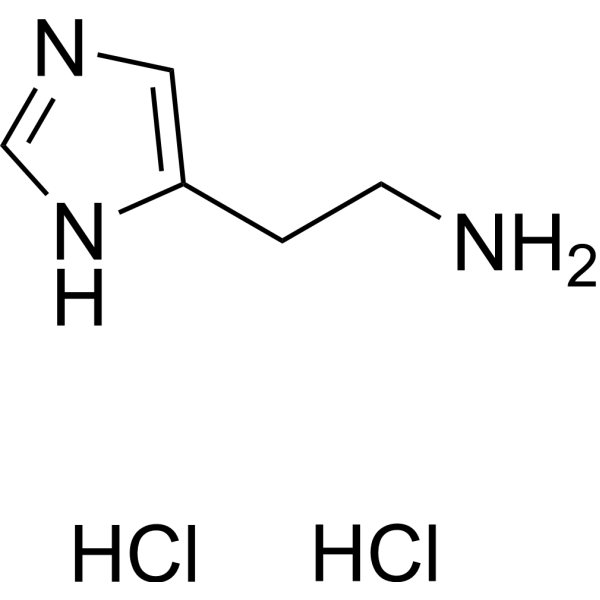
Histamine dihydrochloride is the agonist for histamine receptor and a vasodilator. Histamine dihydrochloride is an organic nitrogen compound that participates in local immune responses, regulates intestinal physiological functions, and acts as a neurotransmitter. Histamine dihydrochloride affects p38 MAPK/Akt signaling pathway, exhibits antitumor, antioxidant and anti-inflammatory activities. Histamine dihydrochloride can be used in the research of acute myeloid leukemia, malignant melanoma, and renal cell carcinoma .
loading...
    loading...
21
21 Cited Publications
Cat. No.: HY-A0129
CAS No.: 51-74-1
Synonyms: Histamine diphosphate
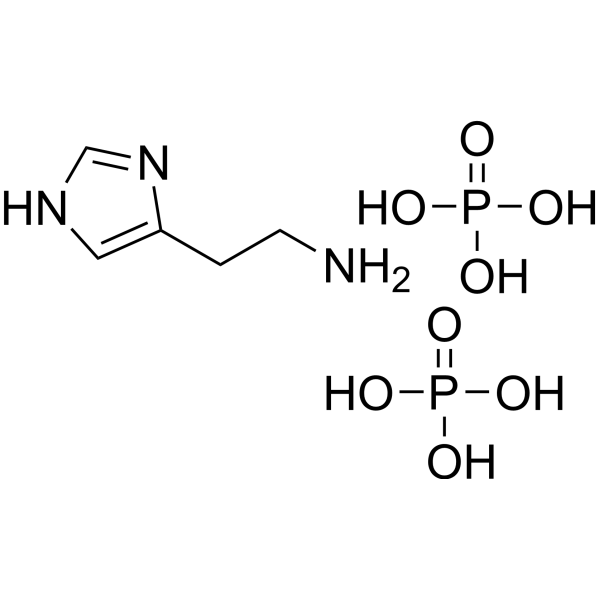
Histamine phosphate is the agonist for histamine receptor and a vasodilator. Histamine phosphate is an organic nitrogen compound that participates in local immune responses, regulates intestinal physiological functions, and acts as a neurotransmitter. Histamine phosphate affects p38 MAPK/Akt signaling pathway, exhibits antitumor, antioxidant and anti-inflammatory activities. Histamine phosphate can be used in the research of acute myeloid leukemia, malignant melanoma, and renal cell carcinoma .
loading...
    loading...
21
21 Cited Publications
Cat. No.: HY-B0633
CAS No.: 9067-32-7
Synonyms: Sodium hyaluronate
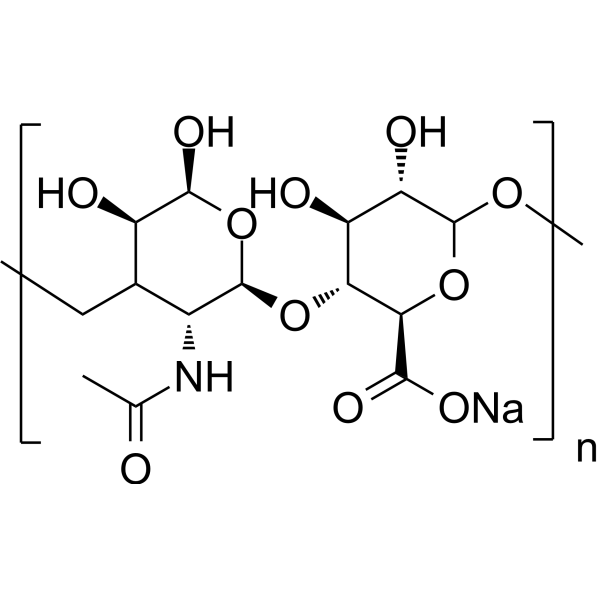
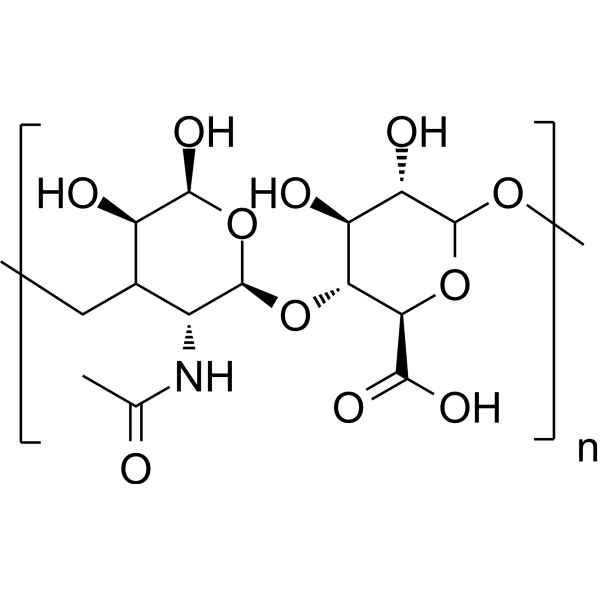
Hyaluronic acid sodium (Sodium hyaluronate) is a biopolymer composed of repeating units of disaccharides with various applications. Hyaluronic acid sodium is a major component of the extracellular matrix (ECM). Hyaluronic acid sodium is synthesized at the plasma membrane. Increased hyaluronic acid sodium levels are associated with tumor cell growth, adhesion, migration, invasion and angiogenesis in digestive cancers. Hyaluronic acid sodium participates in tissue remodeling and rapid cell proliferation in some physiological processes including embryonic morphogenesis and wound-healing. Hyaluronic acid sodium activates the PI3K-Akt signaling. Hyaluronic acid sodium acts as a regulator of cancer-associated lymphangiogenesis. Hyaluronic acid sodium also enhances cell invasion and angiogenesis by promoting proteolytic MMP-9 binding to cell surface or stimulating MMP-9 binding to cell surface. Hyaluronic acid sodium can be used as drug delivery for sodium butyrate to improve the anti-proliferative activity on breast cancer cell line. Hyaluronic acid sodium can be studied in joint diseases, wound healing and cancer .
loading...
    loading...
21
21 Cited Publications
Cat. No.: HY-B0633A
CAS No.: 9004-61-9
Synonyms: Hyaluronan; Hyaluronate
Hyaluronic acid is a biopolymer composed of repeating units of disaccharides with various applications. Hyaluronic acid is a major component of the extracellular matrix (ECM). Hyaluronic acid is synthesized at the plasma membrane. Increased hyaluronic acid levels are associated with tumor cell growth, adhesion, migration, invasion and angiogenesis in digestive cancers. Hyaluronic acid participates in tissue remodeling and rapid cell proliferation in some physiological processes including embryonic morphogenesis and wound-healing. Hyaluronic acid activates the PI3K-Akt signaling. Hyaluronic acid acts as a regulator of cancer-associated lymphangiogenesis. Hyaluronic acid also enhances cell invasion and angiogenesis by promoting proteolytic MMP-9 binding to cell surface or stimulating MMP-9 binding to cell surface. Hyaluronic acid can be used as drug delivery for sodium butyrate to improve the anti-proliferative activity on breast cancer cell line. Hyaluronic acid can be studied in joint diseases, wound healing and cancer .
loading...
    loading...
18
18 Cited Publications
Cat. No.: HY-B0228
CAS No.: 58-61-7
Synonyms: Adenine riboside; D-Adenosine
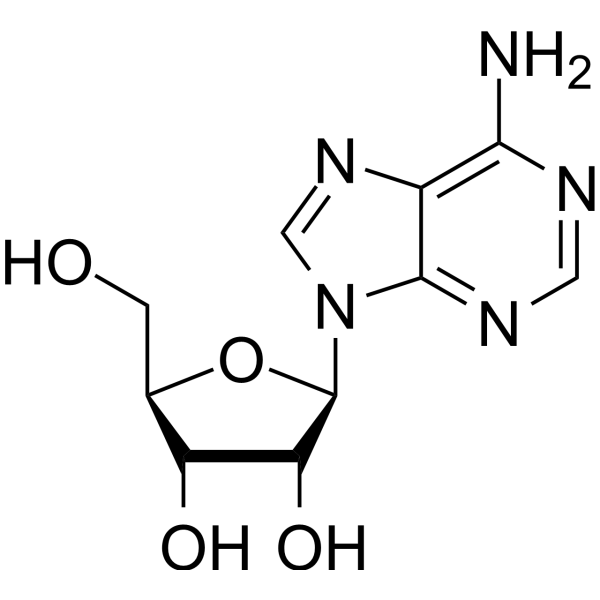
Adenosine (Adenine riboside), a ubiquitous and BBB-permeable endogenous autacoid, acts through the enrollment of four G protein-coupled receptors: A1, A2A, A2B, and A3. Adenosine affects almost all aspects of cellular physiology, including neuronal activity, vascular function, platelet aggregation, and blood cell regulation .
loading...
    loading...
16
16 Cited Publications
Cat. No.: HY-126010
CAS No.: 2253744-54-4
Purity:  99.93%
Target:  

Piezo Channel

Research Areas:  

Others

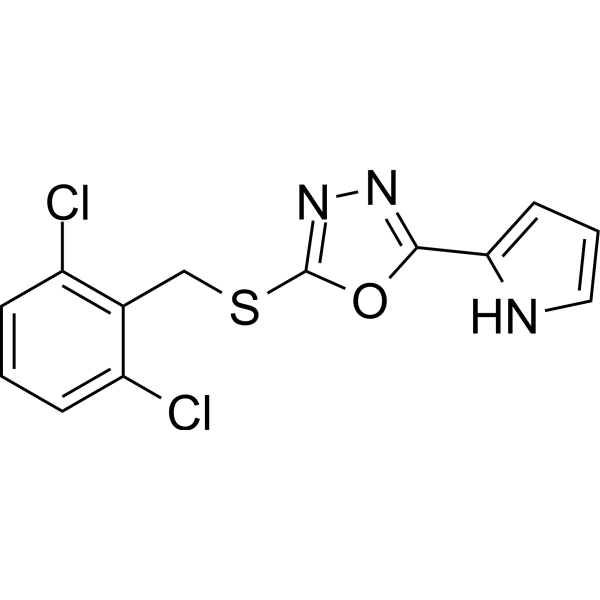
Dooku1 is a reversibly Yoda1 antagonist with IC50 value of 1.3 μM and 1.5 μM for 2 μM Yoda1-induced Ca 2+ entry HEK 293 cells and HUVECs, respectively. Dooku1 can disrupt Yoda1-induced Piezo1 channel activity and inhibit Yoda1-induced relaxation of aorta. Dooku1 can be used for vascular physiology and disease research .
loading...
    loading...
13
13 Cited Publications
Cat. No.: HY-B0331
CAS No.: 75847-73-3
Synonyms: MK-421
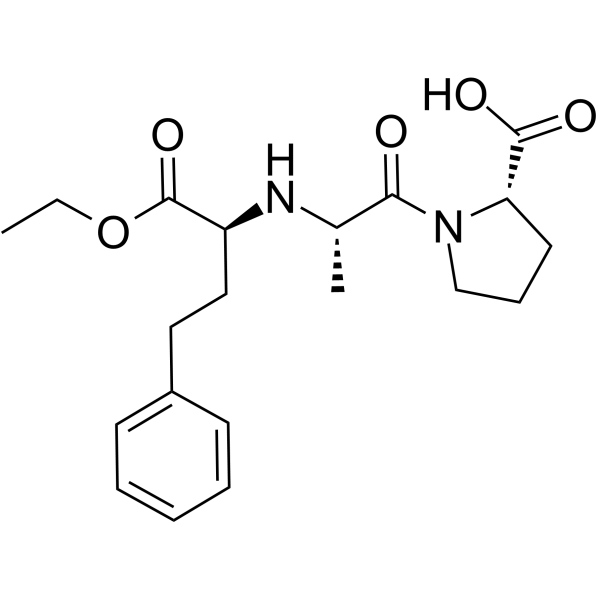
Enalapril (MK-421) is an orally active angiotensin-converting enzyme inhibitor. Enalapril blocks the conversion of angiotensin I to angiotensin II, regulates the renin-angiotensin system, reduces preload and afterload, and decreases plasma angiotensin II levels. Enalapril inhibits apoptosis, reduces nitric oxide metabolite levels, stabilizes endothelial cells, enhances endothelial antioxidant defense, scavenges reactive oxygen species (ROS), and alleviates neuronal damage. Enalapril attenuates glutathione depletion, protein/lipid oxidation, tissue damage, and type III collagen immunolabeling in organs of diabetic rats. Enalapril reduces systolic blood pressure and urinary albumin excretion, and delays the progression of diabetic cardiac/renal injury. Enalapril is used in research related to asymptomatic left ventricular dysfunction, congestive heart failure, Alzheimer's disease, diabetes mellitus, acute myocardial infarction, atrial fibrillation, hypertension, cerebral ischemia, chronic heart failure, and single-ventricle physiology .
loading...
    loading...
13
13 Cited Publications
Cat. No.: HY-B0331A
CAS No.: 76095-16-4
Synonyms: MK-421 maleate
Enalapril maleate (MK-421 maleate) is an orally active angiotensin-converting enzyme inhibitor. Enalapril maleate blocks the conversion of angiotensin I to angiotensin II, regulates the renin-angiotensin system, reduces preload and afterload, and decreases plasma angiotensin II levels. Enalapril maleate inhibits apoptosis, reduces nitric oxide metabolite levels, stabilizes endothelial cells, enhances endothelial antioxidant defense, scavenges reactive oxygen species (ROS), and alleviates neuronal damage. Enalapril maleate attenuates glutathione depletion, protein/lipid oxidation, tissue damage, and type III collagen immunolabeling in organs of diabetic rats. Enalapril maleate reduces systolic blood pressure and urinary albumin excretion, and delays the progression of diabetic cardiac/renal injury. Enalapril maleate is used in research related to asymptomatic left ventricular dysfunction, congestive heart failure, Alzheimer's disease, diabetes mellitus, acute myocardial infarction, atrial fibrillation, hypertension, cerebral ischemia, chronic heart failure, and single-ventricle physiology .
loading...
    loading...

