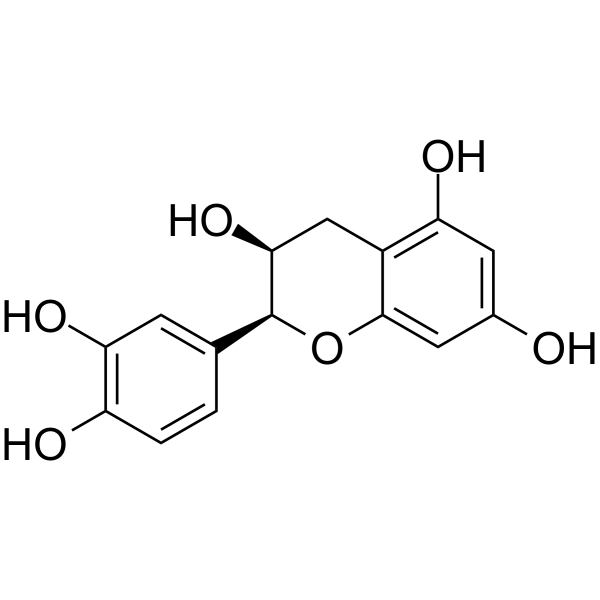
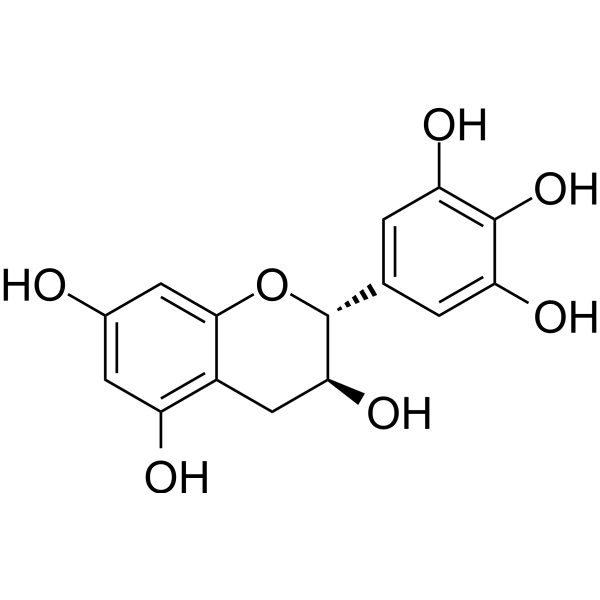
122 Results for "

polyphenol

" in MedChemExpress (MCE) Product Catalog:
Products (122)

122 Results for "polyphenol" in MCE Product Catalog:

59
59 Publications Verification
Cat. No.: HY-13653
CAS No.: 989-51-5
Purity:  99.75%
Synonyms: EGCG; Epigallocatechol Gallate
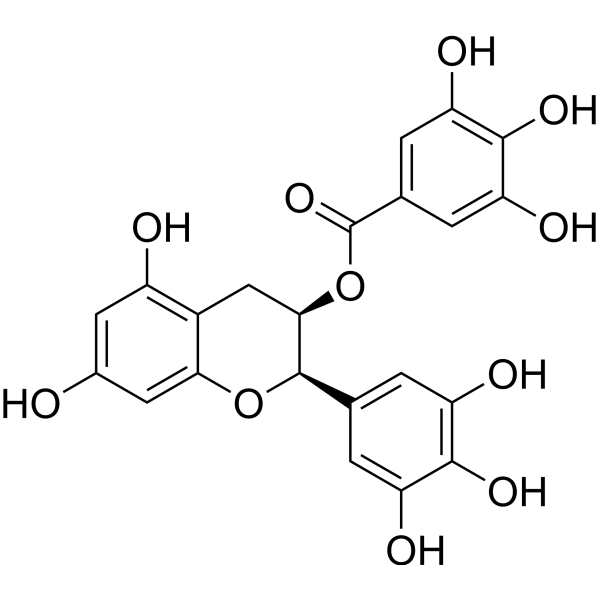
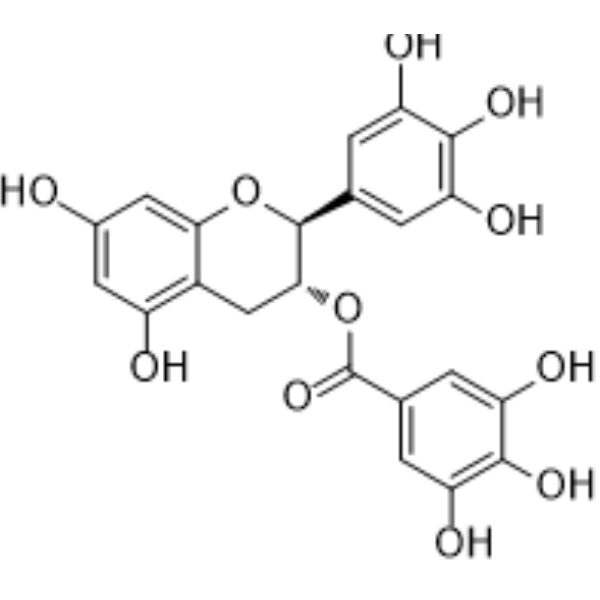
(-)-Epigallocatechin Gallate (EGCG) is a major polyphenol in green tea, which can inhibit cell proliferation and induce cell apoptosis. (-)-Epigallocatechin Gallate inhibits glutamate dehydrogenase 1/2 (GDH1/2, GLUD1/2) activity. (-)-Epigallocatechin Gallate has a potent anticancer, antioxidant and anti-inflammatory properties against various types of cancers such as colorectal cancer, myeloid leukemia, thyroid carcinoma .
59
59 Publications Verification
Cat. No.: HY-13653R
CAS No.: 989-51-5
Purity:  98.05%
Synonyms: EGCG(Standard); Epigallocatechol Gallate (Standard)
(-)-Epigallocatechin Gallate (Standard) is the analytical standard of (-)-Epigallocatechin Gallate. This product is intended for research and analytical applications. (-)-Epigallocatechin Gallate (EGCG) is a major polyphenol in green tea, which can inhibit cell proliferation and induce cell apoptosis. (-)-Epigallocatechin Gallate inhibits glutamate dehydrogenase 1/2 (GDH1/2, GLUD1/2) activity. (-)-Epigallocatechin Gallate has a potent anticancer, antioxidant and anti-inflammatory properties against various types of cancers such as colorectal cancer, myeloid leukemia, thyroid carcinoma .
15
15 Cited Publications
Cat. No.: HY-N0063
CAS No.: 65995-63-3
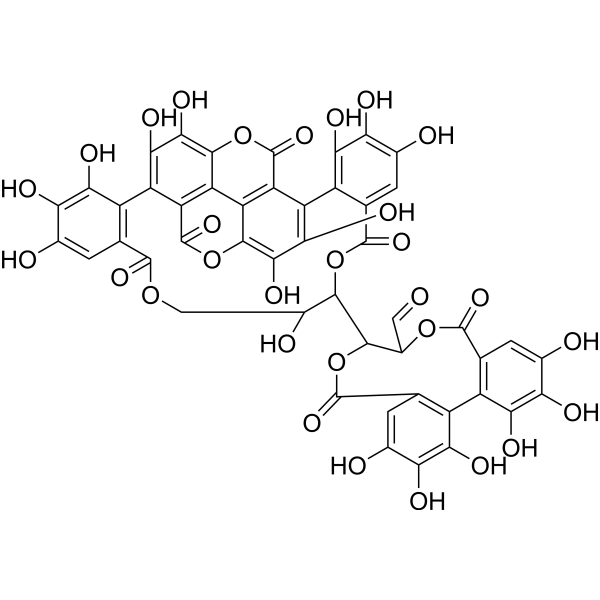
Punicalagin is a polyphenol ingredient isolated from Pomegranate (Punica granatum L.) or the leaves of Terminalia catappa L.. Punicalagin is a reversible and non-competitive 3CL pro inhibitor and inhibits SARS-CoV-2 replication in vitro. Punicalagin is an anti-hepatitis B virus (HBV) agent and has antioxidant, anti-inflammatory, and anticancer effects. Punicalagin has the potential for the research of COVID-19 .
8
8 Cited Publications
Cat. No.: HY-N2342
CAS No.: 37064-30-5
Synonyms: PCC1
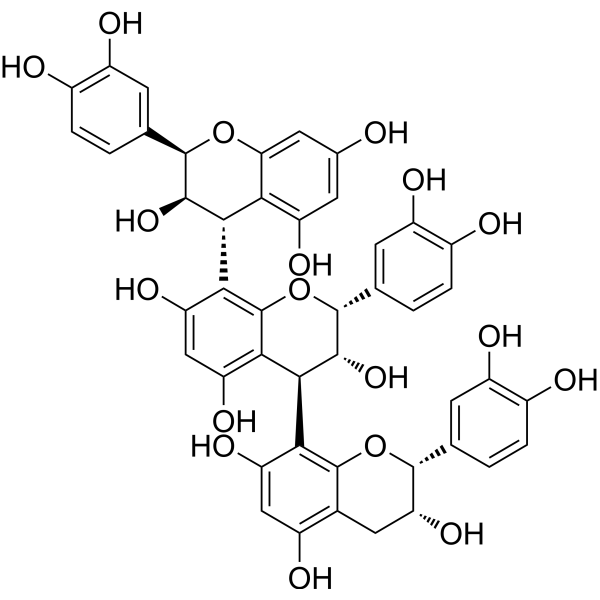
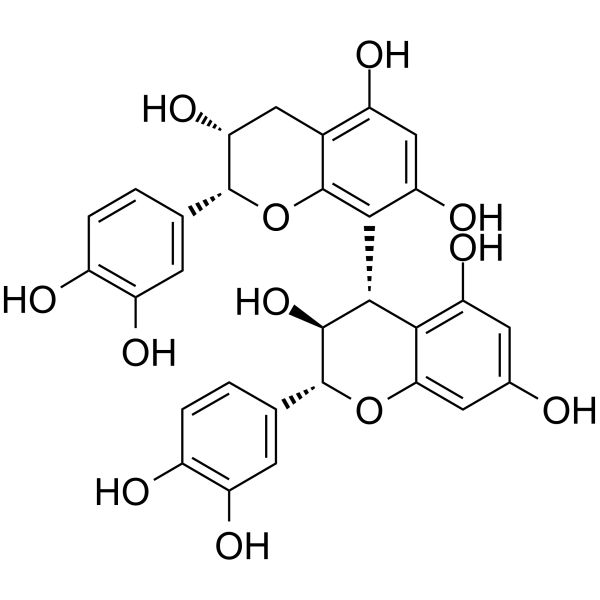
Procyanidin C1 (PCC1), a natural polyphenol with oral activity, causes DNA damage, cell cycle arrest and induces apoptosis. Procyanidin C1 decreases the level of Bcl-2, but enhances BAX, caspase 3 and 9 expression in cancer cells. Procyanidin C1 shows senotherapeutic activity and increases lifespan in mice .
7
7 Cited Publications
Cat. No.: HY-N1445
CAS No.: 482-35-9
Synonyms: Isoquercetin; Quercetin 3-glucoside
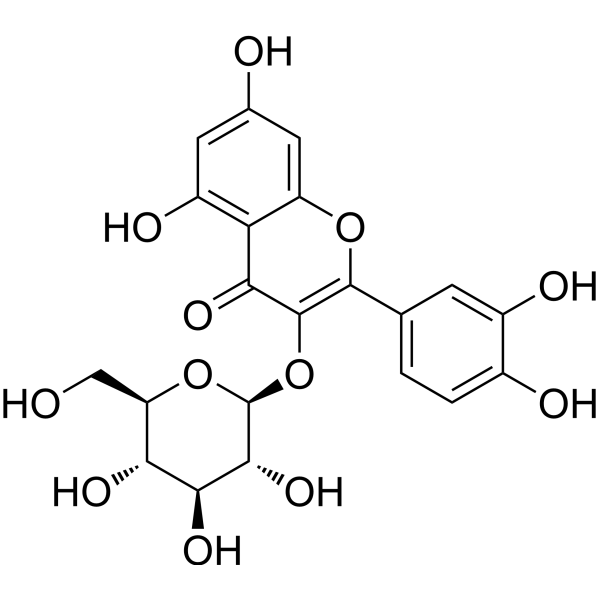
Isoquercetin (Quercetin 3-glucoside) is a naturally occurring polyphenol that has antioxidant, anti-proliferative, and anti-inflammatory properties. Isoquercetin alleviates ethanol-induced hepatotoxicity, oxidative stress, and inflammatory responses via the Nrf2/ARE antioxidant signaling pathway . Isoquercetin regulates the expression of nitric oxide synthase 2 (NO2) via modulating the nuclear factor-κB (NF-κB) transcription regulation system. Isoquercetin has high bioavailability and low toxicity, is a promising candidate agent to prevent birth defects in diabetic pregnancies .
6
6 Cited Publications
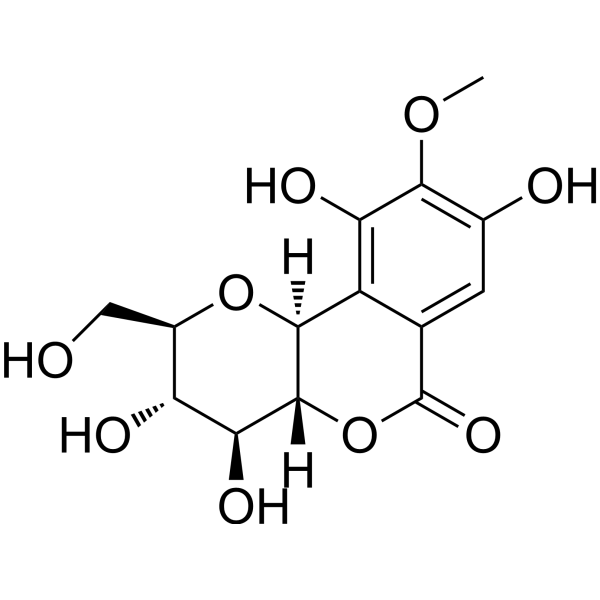
Cat. No.: HY-N0017
CAS No.: 477-90-7
Synonyms: Cuscutin
Bergenin is a cytoprotective and antioxidative polyphenol found in many medicinal plants. Bergenin has a wide spectrum activities such as hepatoprotective, antiinflammatory, immunomodulatory, antitumor, antiviral, and antifungal properties .
5
5 Cited Publications
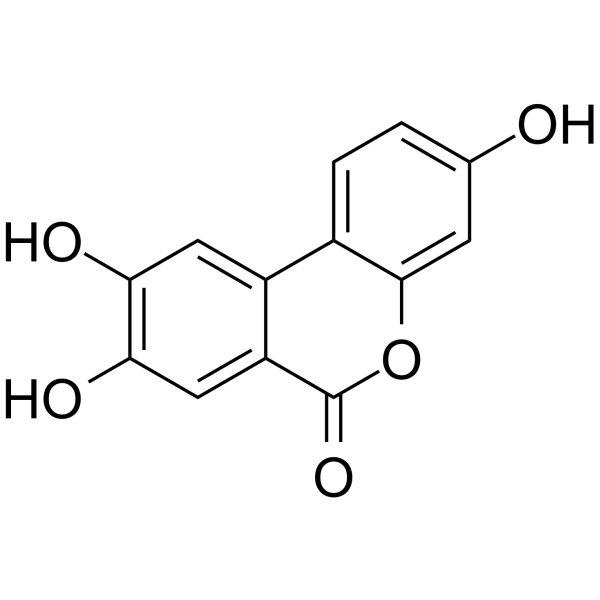
Cat. No.: HY-135897
CAS No.: 165393-06-6
Purity:  ≥98.0%
Urolithin C, a gut-microbial metabolite of Ellagic acid, is a glucose-dependent activator of insulin secretion. Urolithin C is a L-type Ca 2+ channel opener and enhances Ca 2+ influx. Urolithin C induces cell apoptosis through a mitochondria-mediated pathway and also stimulates reactive oxygen species (ROS) formation .
4
4 Cited Publications
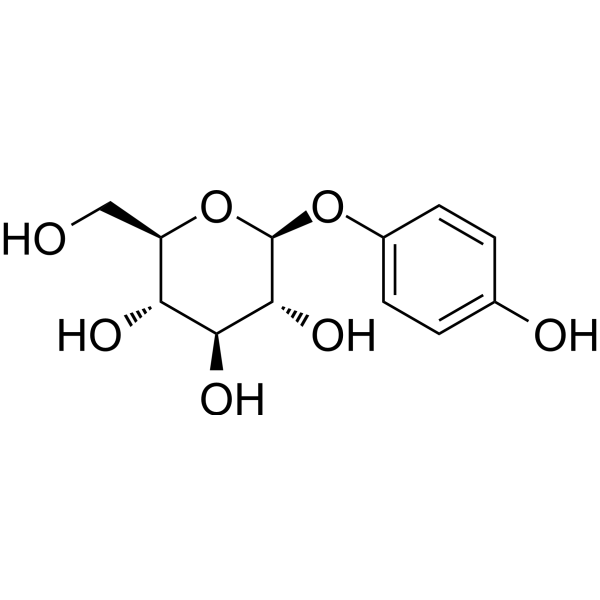
Cat. No.: HY-N0192
CAS No.: 497-76-7
Synonyms: β-Arbutin
Arbutin (β-Arbutin) is a competitive inhibitor of tyrosinase, with Ki app values of 1.42 mM for monophenolase; 0.9 mM for diphenolase. Arbutin is also used as depigmenting agents . Arbutin is a natural polyphenol isolated from the bearberry plant Arctostaphylos uvaursi, possesses with anti-oxidant, anti-inflammatory and anti-tumor properties .
4
4 Cited Publications
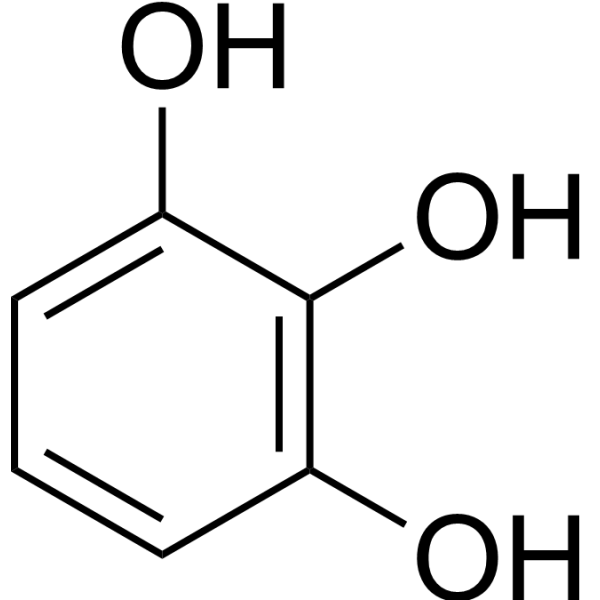
Cat. No.: HY-N1579
CAS No.: 87-66-1
Pyrogallol is a polyphenol compound, which has anti-fungal and anti-psoriatic properties. Pyrogallol is a reductant that is able to generate free radicals, in particular superoxide anions.
4
4 Cited Publications
Cat. No.: HY-N2593
CAS No.: 32507-66-7
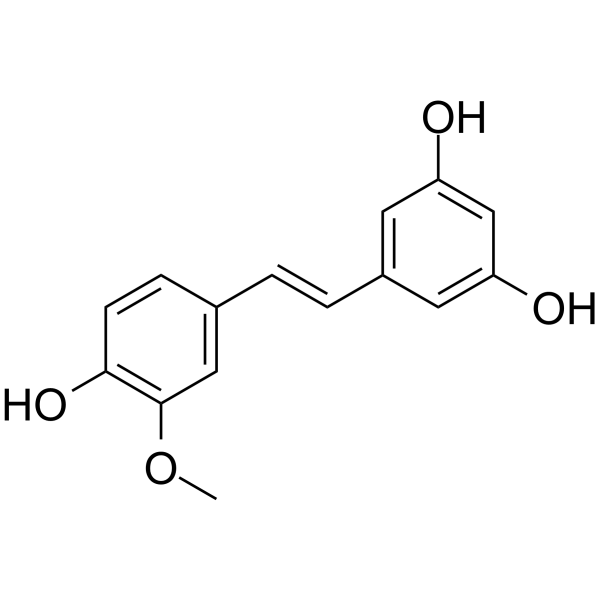
Isorhapontigenin is an orally active dietary polyphenol. Isorhapontigenin acts as a potent antioxidant that reduces the production of reactive oxygen species (ROS). Isorhapontigenin promotes the binding of JUN to the AP-1 site on the SESN2 promoter, induces SESN2 transcription, triggers MAPK8-dependent JUN activation, and upregulates the expression of PPAR-α, PGC-1α and CPT-1A to facilitate fatty acid oxidation. Isorhapontigenin induces autophagy, apoptosis and preadipocyte differentiation; it inhibits tumor growth, cell invasion, NF-κB transcriptional activity, the PI3K/Akt signaling pathway, STAT1 phosphorylation and MMP-2 expression. Isorhapontigenin alleviates oxidative stress, inflammatory cytokine release and triglyceride accumulation; it increases intracellular ATP levels and promotes Nrf2 nuclear translocation. Isorhapontigenin improves insulin sensitivity in adipose tissue and glucose tolerance, and reduces postprandial blood glucose, insulin and free fatty acid levels. Isorhapontigenin is applicable to research on bladder cancer, liver injury, chronic obstructive pulmonary disease, acute lung injury and type 2 diabetes .
3
3 Cited Publications
Cat. No.: HY-N0522
CAS No.: 4233-96-9
Synonyms: (-)-Gallocatechol gallate
(-)-Gallocatechin gallate is the polyphenol isolated from tea, with cancer-preventive activities.
2
2 Cited Publications
Cat. No.: HY-N1925
CAS No.: 84650-60-2
Tea polyphenol is the floorboard of phenolic compounds in tea. Tea polyphenol exhibits biological activity including antioxidant and anti-cancer activities, inhibition of cell proliferation, induction of apoptosis, cell cycle arrest and modulation of carcinogen metabolism .
1
1 Cited Publications
Cat. No.: HY-W016562
CAS No.: 495-69-2
Synonyms: Benzoylglycine
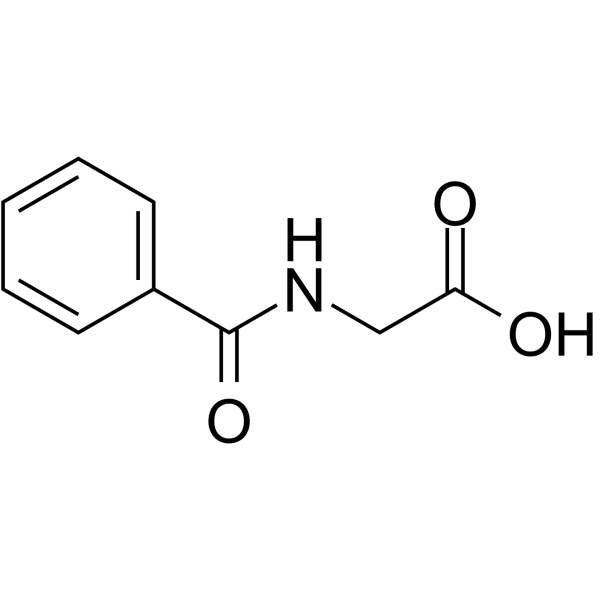
Hippuric Acid is an orally active metabolite. Hippuric Acid can be produced by intestinal microorganisms from the metabolism of polyphenols, benzoic acid. Hippuric Acid decreases NRF2, MMP9 and leads to ROS accumulation. Hippuric Acid activates TGFβ/SMAD signaling. Hippuric Acid improves hyperuricemia and colitis. Hippuric Acid can also be used in cardiovascular disease research . .
1
1 Cited Publications
Cat. No.: HY-N0704
CAS No.: 55576-66-4
Agrimol B, a polyphenol, is an orally active and potent SIRT1 activator. Agrimol B shows anti-adipogenic and anticancer activity. Agrimol B shows antibacterial activity against plant pathogens. Agrimol B dramatically inhibits 3T3-L1 adipocyte differentiation by reducing PPARγ, C/EBPα, FAS, UCP-1, and apoE expression. The action of Agrimol B on the cancer cells is likely derived from its effect on c-MYC, SKP2 and p27 .
1
1 Cited Publications
Cat. No.: HY-N0295
CAS No.: 139-85-5
Synonyms: Catechaldehyde; Protocatechuic aldehyde; Rancinamycin IV
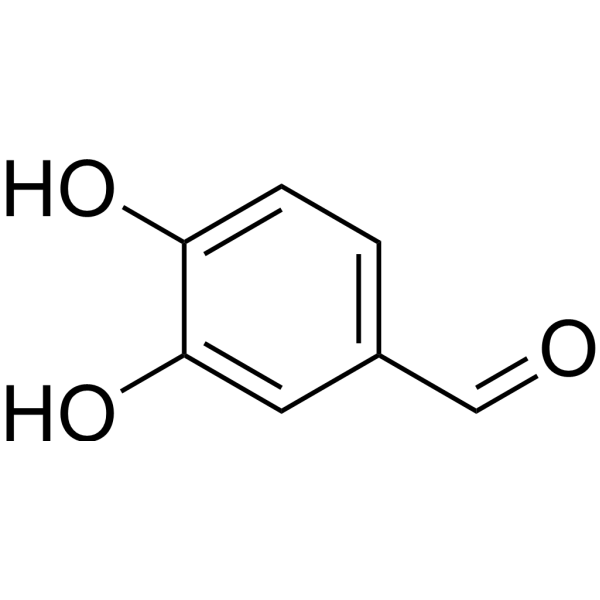
Protocatechualdehyde (Catechaldehyde), a natural polyphenol compound isolated from the roots of radix Salviae Miltiorrhizae, is associated with a wide variety of biological activities and has been widely used in medicine as an antioxidant, anti-aging, an antibacterial and anti-inflammatory agent .
1
1 Cited Publications
Cat. No.: HY-107208
CAS No.: 29106-51-2
Purity:  99.89%
Synonyms: (-)-Procyanidin B4
Procyanidol B4 ((-)-Procyanidin B4) is an orally active polyphenol found in Q.gilva. Procyanidol B4 exerts antioxidant activity by scavenging DPPH (HY-112053) (IC50: 12.15 μM) and Nitro blue tetrazolium chloride (NBT) (HY-15925) (IC50: 8.67 μM). Procyanidol B4 exhibits anti-inflammatory activity by inhibiting the expression of COX-2 and IL-1β and iNOS .
1
1 Cited Publications
Cat. No.: HY-B1890
CAS No.: 7295-85-4
Synonyms: rel-Cianidanol; rel-Catechuic acid
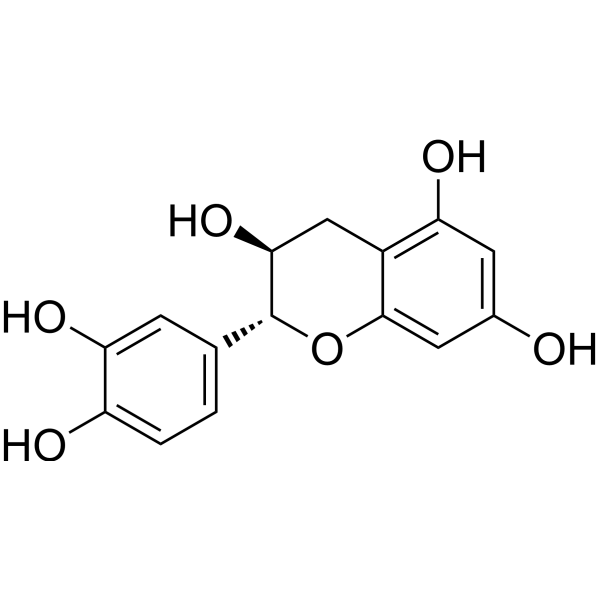
(±)-Catechin (rel-Cianidanol) is the racemate of the green tea polyphenol Catechin. Catechin has anticancer activity and induces apoptosis. (±)-Catechin has two forms, (+)-Catechin and its enantiomer (-)-Catechin. (+)-Catechin inhibits cyclooxygenase-1 (COX-1) with an IC50 of 1.4 μM. (-)-Catechin can effectively promote hBM-MSC adipocyte differentiation and increase adiponectin and PPARγ levels. (±)-Catechin has anti-tumor, anti-obesity, anti-diabetic, anti-cardiovascular, anti-infectious, hepatoprotective and neuroprotective effects .
1
1 Cited Publications
Cat. No.: HY-N0001A
CAS No.: 35323-91-2
Synonyms: Dexepicatechin; (+)-Epicatechol
(+)-Epicatechin (Dexepicatechin) is a catechin and a polyphenol, with antioxidant activities .
1
1 Cited Publications
Cat. No.: HY-N0521A
CAS No.: 970-73-0
(+)-Gallocatechin is a polyphenol compound from green tea, possesses anticancer activity .
1
1 Cited Publications
Cat. No.: HY-113085
CAS No.: 1637-75-8
Purity:  99.83%
3-Hydroxyhippuric acid is an acylglycine. 3-Hydroxyhippuric acid inhibits kynureninase (Ki=60 μM). The concentration of 3-Hydroxyhippuric acid in autistic experimental groups is higher than that in control groups. 3-Hydroxyhippuric acid is a biomarker for Clostridium and is positively correlated with the content of Clostridium. 3-Hydroxyhippuric acid is one of the major metabolites of catechin-rich and wine polyphenol-rich diets. 3-Hydroxyhippuric acid can be used in the research of neurodegenerative diseases and autism spectrum disorders .

