1. Search Result
Search Result
Results for "

polyunsaturated fatty acid chloride

" in MedChemExpress (MCE) Product Catalog:

87

Inhibitors & Agonists

10

Biochemical Assay Reagents

22

Natural
Products

3

Recombinant Proteins

9

Isotope-Labeled Compounds

3

Antibodies

1

Click Chemistry

1

Oligonucleotides

Cat. No. Product Name Target Research Areas Chemical Structure
  • HY-109590
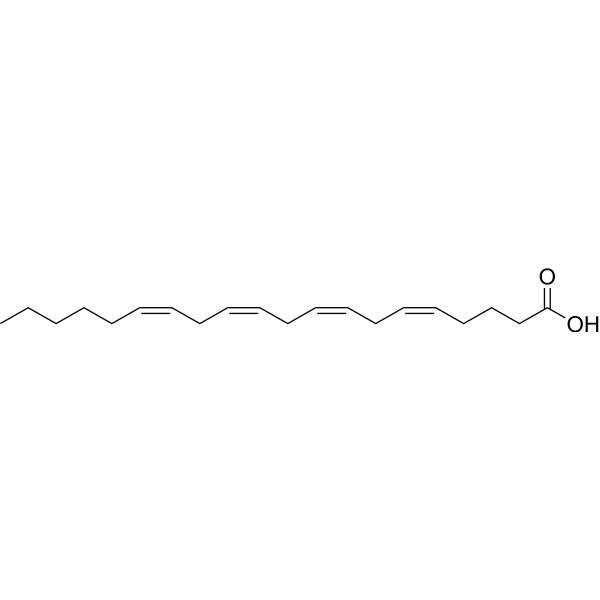
    Arachidonic acid
    Maximum Cited Publications
    55 Publications Verification

    Immunocytophyt

    Endogenous Metabolite Cardiovascular Disease Inflammation/Immunology
    Arachidonic acid (Immunocytophyt) is a polyunsaturated omega-6 fatty acid and a major constituent of biomembranes. Arachidonic acid also acts as the substrate for various lipid mediators, such as prostaglandins (PGs). Arachidonic acid improves cognitive response and cardiovascular function .
    Arachidonic acid
  • HY-B0660
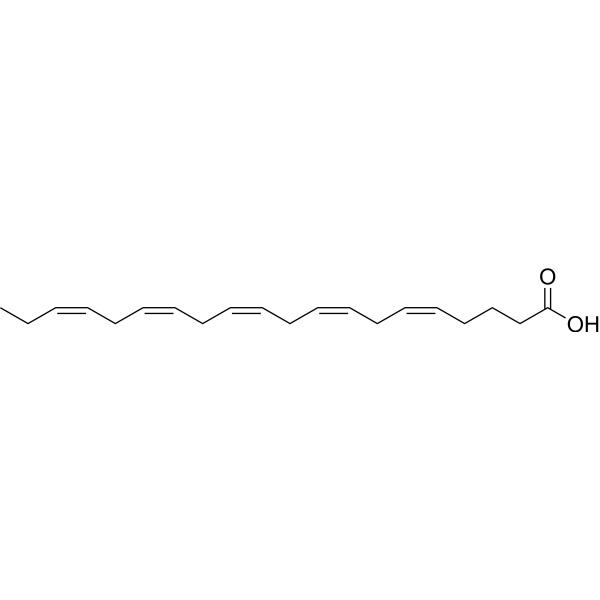
    Eicosapentaenoic Acid
    25+ Cited Publications

    EPA; Timnodonic acid

    Endogenous Metabolite Histone Demethylase Neurological Disease Cancer
    Eicosapentaenoic Acid (EPA) is an orally active Omega-3 long-chain polyunsaturated fatty acid (ω-3 LC-PUFA). Eicosapentaenoic Acid exhibits a DNA demethylating action that promotes the re-expression of the tumor suppressor gene CCAAT/enhancer-binding protein δ (C/EBPδ). Eicosapentaenoic Acid activates RAS/ERK/C/EBPβ pathway through H-Ras intron 1 CpG island demethylation in U937 leukemia cells. Eicosapentaenoic Acid can promote relaxation of vascular smooth muscle cells and vasodilation .
    Eicosapentaenoic Acid
  • HY-N0121
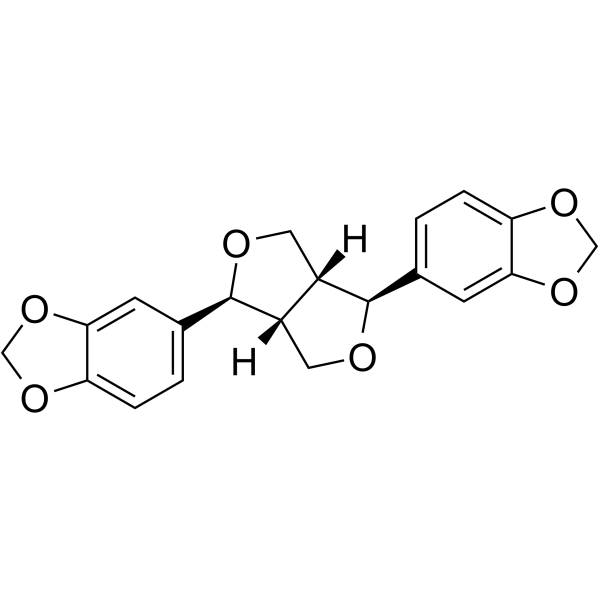
    Sesamin
    10+ Cited Publications

    Stearoyl-CoA Desaturase (SCD) Neurological Disease
    Sesamin, abundant lignan found in sesame oil, is a potent and selective delta 5 desaturase inhibitor in polyunsaturated fatty acid biosynthesis. Sesamin exerts effective neuroprotection against cerbral ischemia .
    Sesamin
  • HY-113130
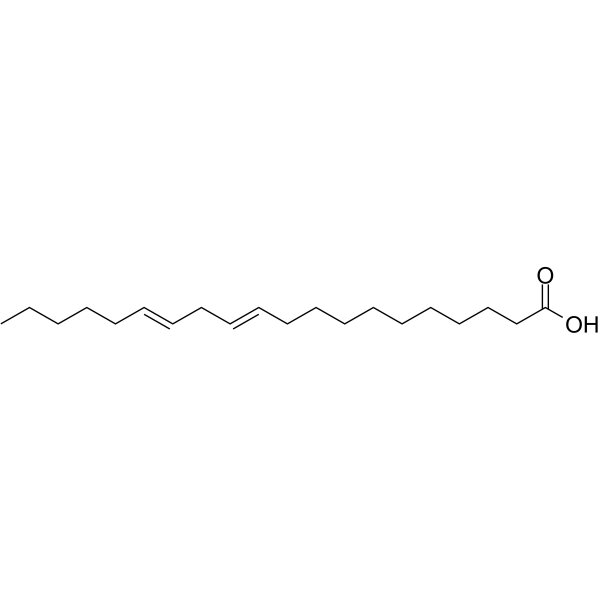
    Eicosadienoic acid
    1 Publications Verification

    Endogenous Metabolite Metabolic Disease
    Eicosadienoic acid is a rare, naturally occurring n-6 polyunsaturated fatty acid found mainly in animal tissues .
    Eicosadienoic acid
  • HY-W013215
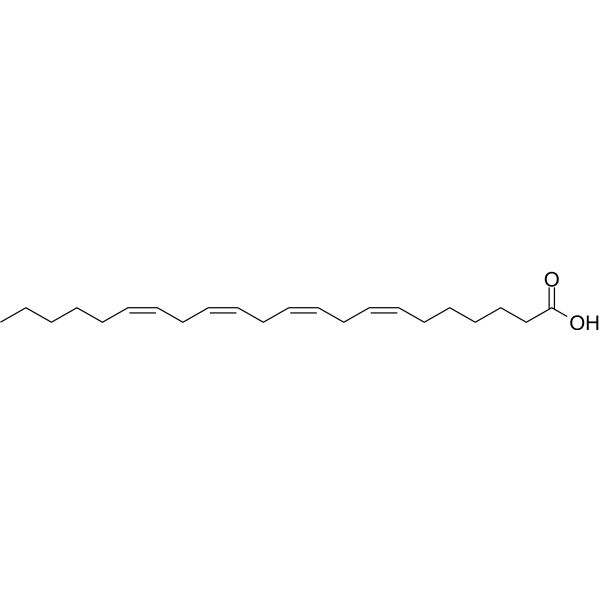
    Adrenic acid
    1 Publications Verification

    cis-7,10,13,16-Docosatetraenoic acid

    Endogenous Metabolite Metabolic Disease Inflammation/Immunology
    Adrenic Acid (cis-7,10,13,16-Docosatetraenoic acid) is a naturally polyunsaturated fatty acid in the adrenal gland, brain, kidney, and vasculature. Adrenic Acid can regulate the vascular tone in arteries of the adrenal cortex. Adrenic Acid also is an inflammation enhancer in non-alcoholic fatty liver disease .
    Adrenic acid
  • HY-19996
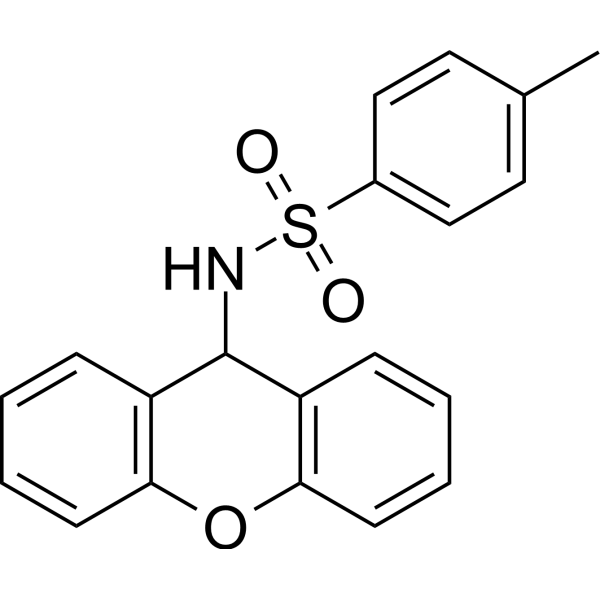
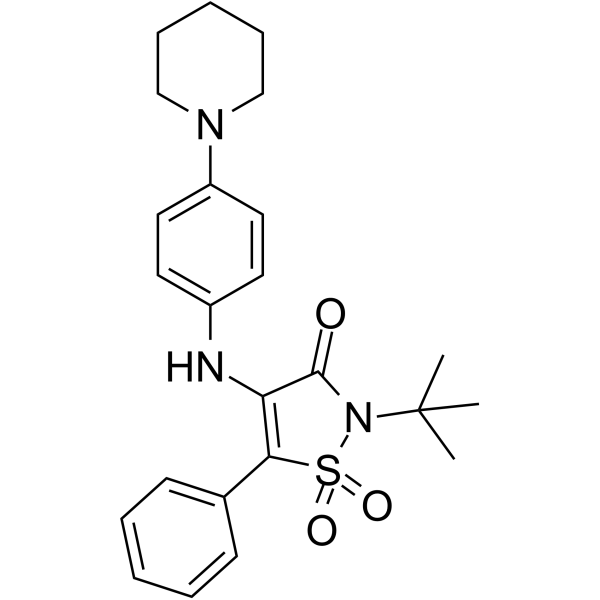
    AH-7614
    5+ Cited Publications

    Free Fatty Acid Receptor Metabolic Disease
    AH-7614 is a potent and selective FFA4 (GPR120) antagonist, with pIC50s of 7.1, 8.1, and 8.1 for human, mouse, and rat FFA4, respectively. AH-7614 has selectivity for FFA4 over FFA1 (pIC50<4.6). AH-7614 is able to block effects of both the polyunsaturated ω-6 fatty acid linoleic acid and the synthetic FFA4 agonist .
    AH-7614
  • HY-21268
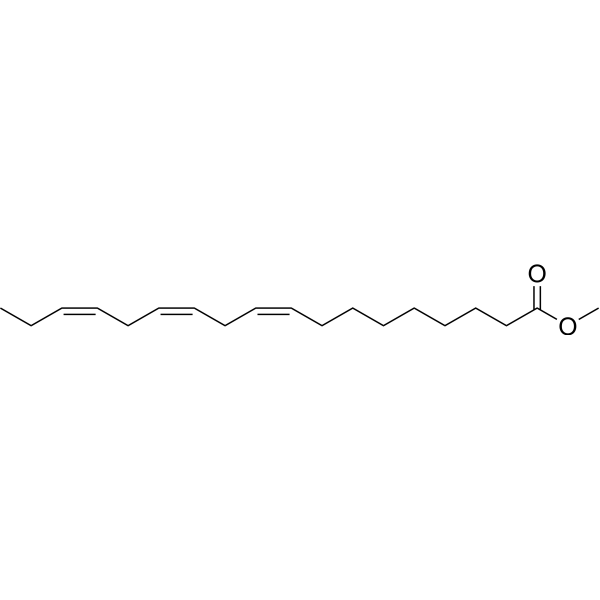
    Methyl linolenate
    1 Publications Verification

    Linolenic acid methyl ester

    Environmental Pollutants Melatonin Receptor Metabolic Disease
    Methyl linolenate is a polyunsaturated fattly acid (PUFA). Methyl linolenate has an anti-melanogenesis activity with an IC50 of 60 μM. Methyl linolenate can also be used for studies of the mechanisms and prevention of oxidation/peroxidation of unsaturated fatty acids .
    Methyl linolenate
  • HY-W749411

    Biochemical Assay Reagents Endogenous Metabolite Others
    Malondialdehyde tetrabutylammonium is a quaternary ammonium salt formed by the decomposition of polyunsaturated fatty acids in plant cell membranes. Malondialdehyde tetrabutylammonium can be used for the quantification of malondialdehyde, a biomarker of lipid peroxidation .
    Malondialdehyde tetrabutylammonium
  • HY-109590A
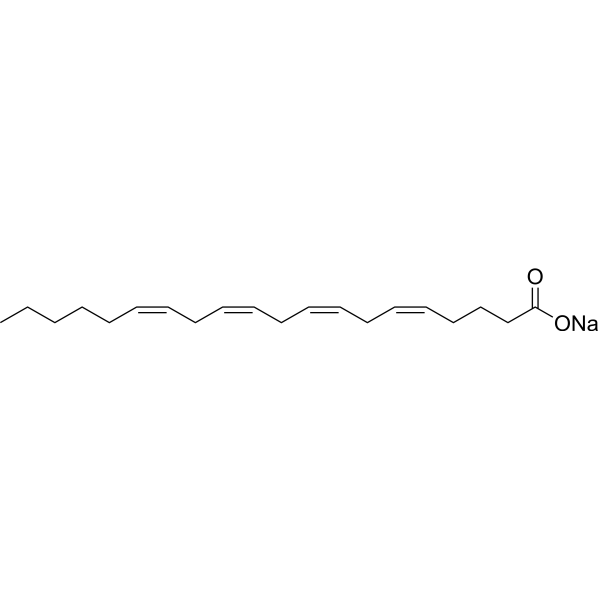
    Arachidonic acid sodium salt
    Maximum Cited Publications
    55 Publications Verification

    Immunocytophyt sodium salt

    Endogenous Metabolite Cardiovascular Disease Neurological Disease Inflammation/Immunology
    Arachidonic acid (Immunocytophyt) sodium salt is a polyunsaturated omega-6 fatty acid and a major constituent of biomembranes. Arachidonic acid sodium salt also acts as the substrate for various lipid mediators, such as prostaglandins (PGs). Arachidonic acid sodium salt improves cognitive response and cardiovascular function .
    Arachidonic acid sodium salt
  • HY-Y1887

    Environmental Pollutants Biochemical Assay Reagents Insecticide Cardiovascular Disease Infection Inflammation/Immunology
    Cottonseed oil is an edible oil extracted from the seeds of cotton (Gossypium hirsutum). Its fatty acid composition includes 26-35% saturated fatty acids, 42-52% polyunsaturated fatty acids, and 18-24% monounsaturated fatty acids. Cottonseed oil is regarded as an Insecticide, as it is used to protect the trunks of apple trees from damage by the apple clearwing moth. Cottonseed oil possesses anti-inflammatory and cardioprotective properties. It also has extensive applications in many fields such as biofuels, animal husbandry, cosmetics, agriculture, and chemical industry .
    Cottonseed oil
  • HY-131897
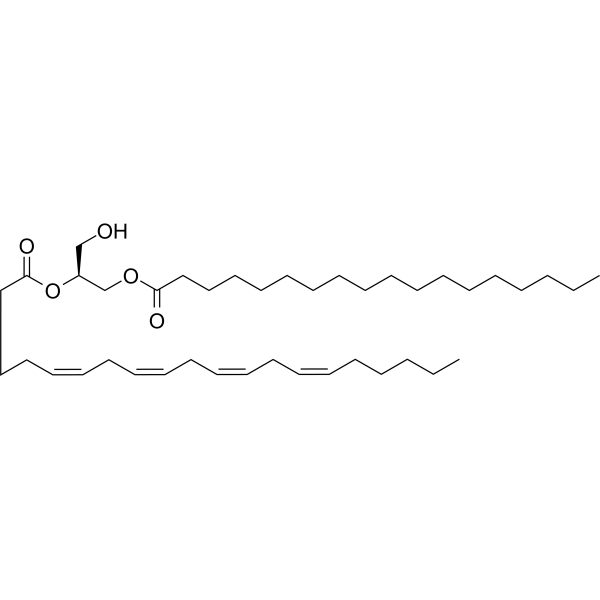
    1-Stearoyl-2-arachidonoyl-sn-glycerol
    1 Publications Verification

    PKC TRP Channel Endogenous Metabolite Neurological Disease
    1-Stearoyl-2-arachidonoyl-sn-glycerol is a diacylglycerol (DAG) containing polyunsaturated fatty acids. 1-Stearoyl-2-arachidonoyl-sn-glycerol can activate PKC. 1-Stearoyl-2-arachidonoyl-sn-glycerol also can augment nonselective cation channel (NSCC) activity .
    1-Stearoyl-2-arachidonoyl-sn-glycerol
  • HY-N0729D

    Glutathione Peroxidase SOD Cardiovascular Disease
    Linoleic acid is a critical component of polyunsaturated fatty acids. Linoleic acid reduces GSH-PX and T-SOD activities. Linoleic acid functions as a structural component to maintain a certain level of membrane fluidity of the transdermal water barrier of the epidermis. Linoleic acid can cause acute oxidative damage to red blood cells, ultimately leading to partial acute anemia. Linoleic acid can be used in the research of skin diseases associated with linoleic acid deficiency .
    Linoleic acid,suitable for cell culture
  • HY-18282

    LXR Cardiovascular Disease Metabolic Disease Cancer
    AZ876 is a selective, orally active agonist of liver X receptor (LXRα/β) (Ki=0.007 μM [LXRα, human], 0.011 μM [LXRβ, human]. AZ876 induces the expression of target genes such as ABCA1 and ABCG1, promotes reverse cholesterol transport (RCT) and regulates lipid metabolism and anti-inflammatory effects. AZ876 increases cardiac polyunsaturated fatty acid levels, reduces myocardial fibrosis, and reduces lesion area and monocyte adhesion in atherosclerosis models. AZ876 can be used in cardiovascular disease research, such as preventing and treating β-adrenergic-induced cardiac diastolic dysfunction and inhibiting the progression of atherosclerosis .
    AZ876
  • HY-139066
    Punicic acid
    1 Publications Verification

    Trichosanic acid

    TNF Receptor GLUT Proteasome Tau Protein PKC Neurological Disease Metabolic Disease Inflammation/Immunology
    Punicic acid is a bioactive compound of pomegranate seed oil. Punicic acid is an isomer of conjugated α-linolenic acid and ω-5 polyunsaturated fatty acids. Punicic acid has anti-inflammatory and antioxidant activities and can inhibit the expression of inflammatory mediators such as tumor necrosis factor α (TNF-α). Punicic acid can also reduce the formation of β-amyloid deposits and hyperphosphorylation of tau by increasing the expression of GLUT4 protein and inhibiting the overactivation of calpain, and is used to prevent and treat neurodegenerative diseases. In addition, punicic acid also has breast cancer inhibitor properties that depend on lipid peroxidation and PKC pathways .
    Punicic acid
  • HY-W089800

    trans-2-Nonen-1-al

    COX Lipoxygenase Apoptosis Cardiovascular Disease Inflammation/Immunology
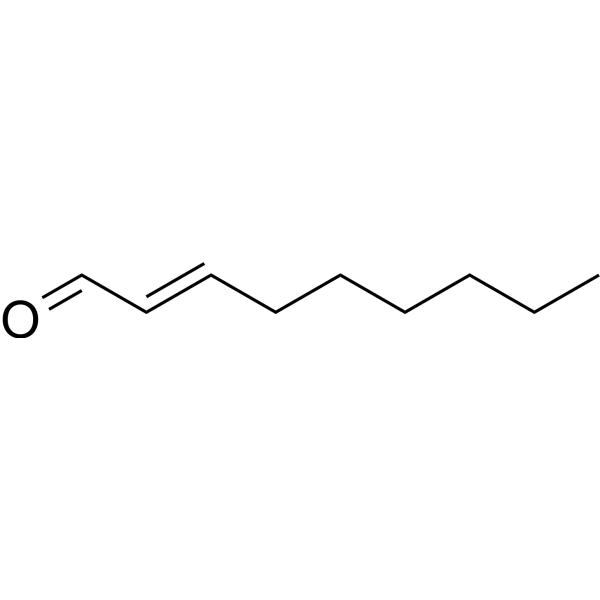
    trans-2-Nonenal (trans-2-Nonen-1-al) is an endogenous peroxidation product of polyunsaturated fatty acids, acting as an inhibitor of COX and 12-LOX, as well as an inducer of apoptosis. trans-2-Nonenal is also a malodorous compound secreted by the human body, and its content gradually increases with aging. trans-2-Nonenal inhibits the activities of multiple enzymes such as platelet membrane-bound PTPase, preferentially covalently modifies proteins at lysine residues to form immunogenic adducts, and regulates platelet Arachidonic acid (HY-109590) metabolism. trans-2-Nonenal also exhibits significant cytotoxicity, reduces the viability of keratinocytes, promotes their apoptosis, and effectively decreases the thickness of epidermal models and the number of proliferating cells. trans-2-Nonenal is commonly used in studies of thrombotic, atherosclerotic diseases, renal adenocarcinoma, etc. .
    trans-2-Nonenal
  • HY-119546

    PNLA

    Free Fatty Acid Receptor Inflammation/Immunology
    Pinolenic acid (PNLA) is a polyunsaturated fatty acid that can be isolated from Pinus orientalis and Pinus pinaster seed oil. Pinolenic acid has anti-inflammatory and lipid-lowering activities .
    Pinolenic acid
  • HY-115437

    Biochemical Assay Reagents Others
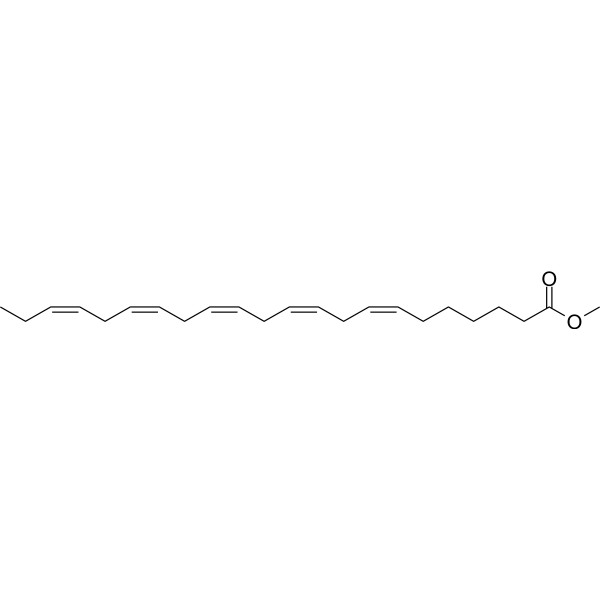
    Methyl all-cis-7,10,13,16,19-docosapentaenoate is a long-chain polyunsaturated omega-3 fatty acid esters.
    Methyl all-cis-7,10,13,16,19-docosapentaenoate
  • HY-113120

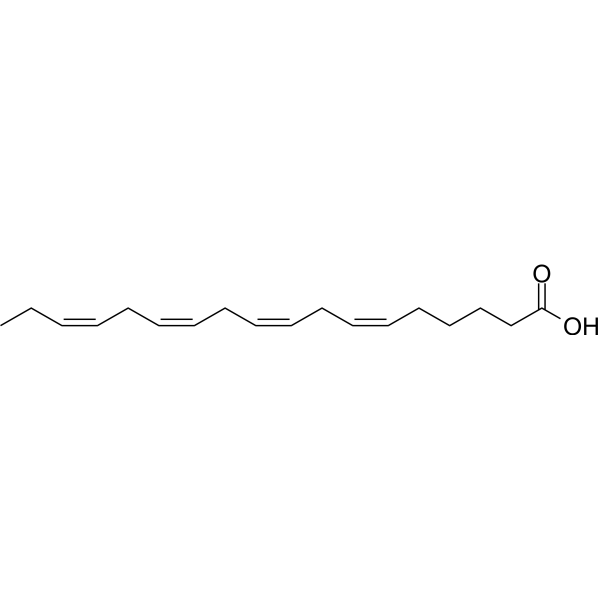
    6Z,9Z,12Z,15Z-Octadecatetraenoic acid

    Lipoxygenase Metabolic Disease
    Stearidonic acid (6Z,9Z,12Z,15Z-Octadecatetraenoic acid) is an orally active polyunsaturated fatty acid found in blackcurrant seed oil. Stearidonic acid can inhibit 5-lipoxygenase and reduce leukotriene and 5-HETE synthesis. Stearidonic acid can increase the content of eicosapentaenoic acid (EPA) in red blood cells. Stearidonic acid can be used for the research of metabolic disease .
    Stearidonic acid
  • HY-139285

    Endogenous Metabolite Metabolic Disease
    Arachidonic acid-alkyne is aω‑alkynyl lipid surrogates for polyunsaturated fatty acid. Arachidonic acid-alkyne has low rates of oxidation. Arachidonic acid-alkyne can be used for tracking the polyunsaturated fatty acids .
    Arachidonic acid-alkyne
  • HY-125139

    ω-3 Arachidonic acid ethyl ester, in ethanol, 98%; (all-Z)-8,11,14,17-Eicosatetraenoic acid ethyl ester, in ethanol, 98%

    Biochemical Assay Reagents Cardiovascular Disease Others
    omega-3 Arachidonic acid ethyl ester, in ethanol, 98% is a rare polyunsaturated fatty acid found in very small amounts in dietary sources. Omega-3 fatty acids are known to be essential for the growth and development of infants, and they protect against heart disease, blood clots, high blood pressure, and inflammatory and autoimmune diseases. In human platelet membranes, omega-3 arachidonic acid inhibits arachidonyl-CoA synthetase with a Ki of 14 μM. It also inhibits arachidonoyl-CoA synthetase in calf brain extract with an IC50 of approximately 5 μM. Omega-3 ethyl arachidonate is the more lipophilic form of the free acid.
    omega-3 Arachidonic acid ethyl ester, in ethanol, 98%
  • HY-17639

    RX-10045

    Biochemical Assay Reagents Inflammation/Immunology
    Navamepent is an analog of naturally occurring resolvin E1 (a major dietary omega-3 polyunsaturated fatty-acid metabolite) with potent anti-inflammatory and cell survival benefits. Navamepent is highly effective against dry eye and goblet cell loss thereby accelerating tear production. Also, Navamepent can reduce corneal inflammation, epithelial damage, and accelerate corneal tissue repair. In addition, Navamepent can inhibit the release of several key proinflammatory mediators from corneal epithelial cells. Navamepent is a click chemistry reagent, it contains an Alkyne group and can undergo copper-catalyzed azide-alkyne cycloaddition (CuAAc) with molecules containing Azide groups.
    Navamepent
  • HY-B0660R

    EPA (Standard); Timnodonic acid (Standard)

    Reference Standards Endogenous Metabolite Histone Demethylase Neurological Disease Cancer
    Eicosapentaenoic Acid (Standard) is the analytical standard of Eicosapentaenoic Acid. This product is intended for research and analytical applications. Eicosapentaenoic Acid (EPA) is an orally active Omega-3 long-chain polyunsaturated fatty acid (ω-3 LC-PUFA). Eicosapentaenoic Acid exhibits a DNA demethylating action that promotes the re-expression of the tumor suppressor gene CCAAT/enhancer-binding protein δ (C/EBPδ). Eicosapentaenoic Acid activates RAS/ERK/C/EBPβ pathway through H-Ras intron 1 CpG island demethylation in U937 leukemia cells. Eicosapentaenoic Acid can promote relaxation of vascular smooth muscle cells and vasodilation .
    Eicosapentaenoic Acid (Standard)
  • HY-N0121A

    Others Others
    (-)-Sesamin isolated from Asarum forbesii Maxim, is an isomer of Sesamin. Sesamin is a potent and selective delta 5 desaturase inhibitor in polyunsaturated fatty acid biosynthesis .
    (-)-Sesamin
  • HY-135298

    Environmental Pollutants Metabolic Disease
    Soya fatty acids is a class of polyunsaturated fatty acids extracted from soybean .
    Soya fatty acids
  • HY-P2976

    LOX

    Endogenous Metabolite Others
    Lipoxygenase, general (LOX) is a dioxygenase, is often used in biochemical studies. Lipoxygenase, general catalyzes the formation of corresponding hydroperoxides from polyunsaturated fatty acids such as linoleic acid and arachidonic acid .
    Lipoxygenase, general
  • HY-115369

    Biochemical Assay Reagents Others
    cis-13,16,19-Docosatrienoic acid methyl ester is an ester form of docosatrienoic acid, a rare omega-3 fatty acid not found in the normal phospholipid polyunsaturated fatty acid pool Easily detectable, it inhibits the binding of [3H]-LTB4 to porcine neutrophils at a concentration of 5 μM. Methyl docosatrienoate is more fat-soluble than the free acid and may be more desirable than the free acid in some formulations.
    Methyl (13Z,16Z,19Z)-docosatrienoate
  • HY-158812

    Drug Derivative Metabolic Disease
    Eicosapentaenoyl-L-carnitine chloride is a long-chain acylcarnitine composed of Eicosapentaenoic Acid (HY-B0660) and L-Carnitine (HY-B0399). The levels of Eicosapentaenoyl-L-carnitine chloride are increased in the eyes of mice fed a diet high in n-3/n-6 polyunsaturated fatty acids (PUFAs) in a mouse model of myopia induced by out-of-focus lenses .
    Eicosapentaenoyl-L-carnitine chloride
  • HY-N7140R
    Gamma-Linolenic acid (Standard)
    5+ Cited Publications

    γ-Linolenic acid (Standard)

    Reference Standards Endogenous Metabolite Metabolic Disease
    Gamma-Linolenic acid (Standard) is the analytical standard of Gamma-Linolenic acid. This product is intended for research and analytical applications. Gamma-linolenic acid (γ-Linolenic acid) is an omega-6 (n-6), 18 carbon (18C-) polyunsaturated fatty acid (PUFA) extracted from Perilla frutescens. Gamma-linolenic acid supplements could restore needed PUFAs and mitigate the disease .
    Gamma-Linolenic acid (Standard)
  • HY-165061

    Sciadonic acid

    Apolipoprotein Inflammation/Immunology
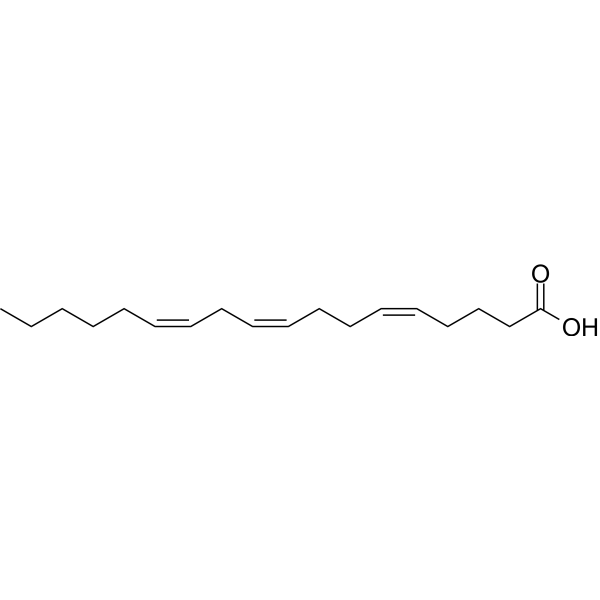
    5(Z),11(Z),14(Z)-Eicosatrienoic acid (Sciadonic acid), a polyunsaturated fatty acid sourced from maritime pine seed oil, gymnospermae leaves and seeds, and freshwater gastropods, has been shown to reduce high-density lipoprotein and ApoA1 levels in transgenic mice expressing human ApoA1 when included in their diet. In vitro studies indicate that it diminishes cholesterol efflux, and when applied topically in its methyl ester form, it alleviates inflammatory processes, likely by displacing arachidonic acid from phospholipid pools and lowering concentrations of downstream inflammatory mediators such as prostaglandin E2 and leukotrienes.
    5(Z),11(Z),14(Z)-Eicosatrienoic acid
  • HY-145548

    Endogenous Metabolite Others
    cis-4,10,13,16-Docosatetraenoic acid is a long chain polyunsaturated fatty acid derived from the lipids of rat testis .
    cis-4,10,13,16-Docosatetraenoic acid
  • HY-120987

    Biochemical Assay Reagents Others
    6,9,12,15-octadecatetraenoic acid (Glycerol α-monoelaidate) is a rare omega-3 series polyunsaturated fatty acid. In normal people, it accounts for less than 0.25% of serum phospholipid fatty acids. It is found in certain natural oils, such as echium and blackcurrant, and to the extent that these oils are incorporated into nutraceuticals, stearidonic acid can be an important polyunsaturated species in the human diet. Ethyl stearidonic acid, an ester of the free acid, is less water soluble but more suitable for formulating stearidonic acid-containing diets and dietary supplements.
    Ethyl stearidonate
  • HY-120958

    C24:6n-3

    Endogenous Metabolite Metabolic Disease
    Nisinic acid (C24:6n-3) is a very long chain polyunsaturated fatty acid (VLCPUFA) that is a component of triglycerides and cholesterol esters in mouse and rat testis .
    Nisinic acid
  • HY-130238

    (±)8-HDoHE; 8-hydroxy Docosahexaenoic acid; (±)8-HDoHE

    Endogenous Metabolite Metabolic Disease
    (±)8-HDHA is an autoxidation product of docosahexaenoic acid (DHA) in vitro. It is also produced from incubations of DHA in rat liver, brain, and intestinal microsomes. (±)8-HDHA is a potential marker of oxidative stress in brain and retina where DHA is an abundant polyunsaturated fatty acid.
    (±)8-HDHA
  • HY-116015

    Endogenous Metabolite Inflammation/Immunology
    Dihomo-γ-Linolenic acid methyl ester is the methyl ester form of Dihomo-γ-Linolenic Acid (DGLA) (HY-A0143). Dihomo-γ-Linolenic acid is an n-6 polyunsaturated fatty acid that is metabolized mainly through the cyclooxygenase (COX) pathway to the anti-inflammatory eicosanoid prostaglandin (PG) E1. Dihomo-γ-Linolenic acid has anti-inflammatory and antiproliferation effects .
    Dihomo-γ-Linolenic acid methyl ester
  • HY-130288

    (±)13-HDoHE; 13-hydroxy Docosahexaenoic acid; (±)13-HDoHE

    Lipoxygenase Inflammation/Immunology
    (±)13-HDHA is an autoxidation product of docosahexaenoic acid (DHA) in vitro. It is also produced from incubations of DHA in rat liver, brain, and intestinal microsomes. Fresh water hydra is shown to metabolize DHA to 13(R)-HDHA, presumably via the 11R-lipoxygenase activity. (±)13-HDHA is a potential marker of oxidative stress in brain and retina where DHA is an abundant polyunsaturated fatty acid.
    (±)13-HDHA
  • HY-126720

    Endogenous Metabolite Metabolic Disease
    N-Lignoceroyl Taurine is an arachidonoyl amino acid and taurine conjugate with a fatty acid that can be isolated from bovine brain. N-Lignoceroyl Taurine is one of several novel taurine-conjugated fatty acids discovered during mass spectrometry lipidomic analysis of the brain and spinal cord of wild-type and fatty acid amide hydrolase (FAAH) knockout mice. N-Lignoceroyl Taurine levels were 23-26-fold higher in FAAH -/- mice compared to wild-type mice, suggesting that FAAH utilizes N-Lignoceroyl Taurine as a substrate. However, in vitro experiments with purified FAAH showed that N-Lignoceroyl Taurine was hydrolyzed 2,000-fold slower in FAAH compared to oleoylethanolamide. N-Acyl Taurines with polyunsaturated acyl chains can activate members of the transient receptor potential (TRP) calcium channel family, including TRPV1 and TRPV4.
    N-Lignoceroyl Taurine
  • HY-W011269
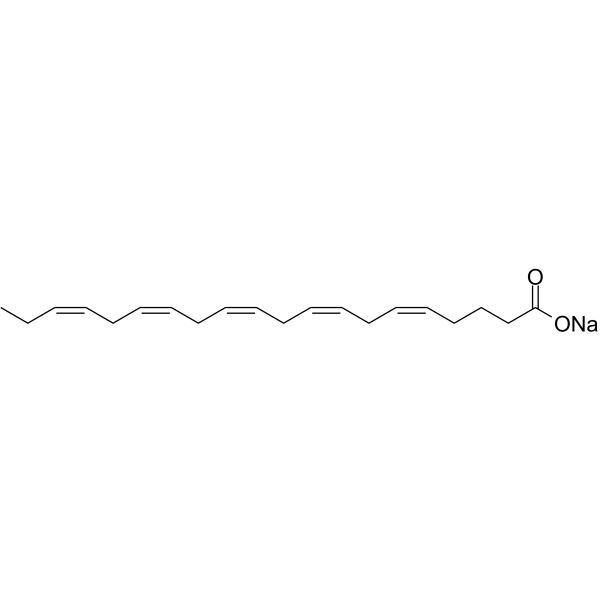
    Eicosapentaenoic Acid sodium
    25+ Cited Publications

    EPA sodium; Timnodonic acid sodium

    Endogenous Metabolite Histone Demethylase Cardiovascular Disease Metabolic Disease Cancer
    Eicosapentaenoic Acid (EPA)sodium is an orally active Omega-3 long-chain polyunsaturated fatty acid (ω-3 LC-PUFA). Eicosapentaenoic Acid sodium exhibits a DNA demethylating action that promotes the re-expression of the tumor suppressor gene CCAAT/enhancer-binding protein δ (C/EBPδ). Eicosapentaenoic Acid sodium activates RAS/ERK/C/EBPβ pathway through H-Ras intron 1 CpG island demethylation in U937 leukemia cells. Eicosapentaenoic Acid sodium can promote relaxation of vascular smooth muscle cells and vasodilation .
    Eicosapentaenoic Acid sodium
  • HY-117057S

    Isotope-Labeled Compounds Endogenous Metabolite Metabolic Disease
    Hexaenoic acid-d6 is deuterium labeled Hexaenoic acid. Very long chain polyunsaturated fatty acids (VLCPUFAs) are important components of ceramides and sphingomyelin and are present in retina, sperm, and brain. Tetratriaconta-16(Z),19(Z),22(Z),25(Z),28(Z),31(Z)-hexaenoic acid is a C34:6 VLCPUFA whose specific biological actions are largely unknown. This VLCPUFA, along with others, has been investigated for its role in activating protein kinase C .
    Hexaenoic acid-d6
  • HY-124187

    Ethyl pinolenate

    Biochemical Assay Reagents Others
    Pinolenic acid is a polyunsaturated fatty acid found in the seed oils of red pine (Pinus orientalis) and maritime pine (Pinus pinaster). Both oils were found to have lipid-lowering properties. A diet containing marine pine nut oil (MPSO) reduces HDL and ApoA1 levels in transgenic mice expressing human ApoA1. MPSO was found to reduce cholesterol efflux in vitro. Korean pine nut oil supplements may help obesity by reducing appetite. People who take this oil experience an increase in the satiety hormones CCK and GLP-1 and a decrease in appetite. The activity of the oil is attributed to pinolenic acid. Pinolenic acid is not metabolized to arachidonic acid and can reduce the level of arachidonic acid in the phosphatidylinositol fraction of HepG2 cells from 15.9% to 7.0%. Pinolenic acid ethyl ester is a neutral, more lipophilic form of the free acid.
    Pinolenic acid ethyl ester
  • HY-169030

    Biochemical Assay Reagents Metabolic Disease
    Diarachidonin is a diacylglycerol that contains the ω-6 polyunsaturated 20-carbon fatty acid Arachidic acid (HY-W004260).
    Diarachidonin
  • HY-124303

    Biochemical Assay Reagents Metabolic Disease
    4(Z),7(Z),10(Z),13(Z),16(Z)-Nonadecapentaenoic acid is a polyunsaturated fatty acid (PUFA).
    4(Z),7(Z),10(Z),13(Z),16(Z)-Nonadecapentaenoic acid
  • HY-122504

    Potassium Channel Neurological Disease
    Linoleoyl glycine is a modified polyunsaturated fatty acid. Linoleoyl glycine has activating effects on human KCNQ1/KCNE1 (hKCNQ1/hKCNE1) channels expressed in Xenopus oocytes .
    Linoleoyl glycine
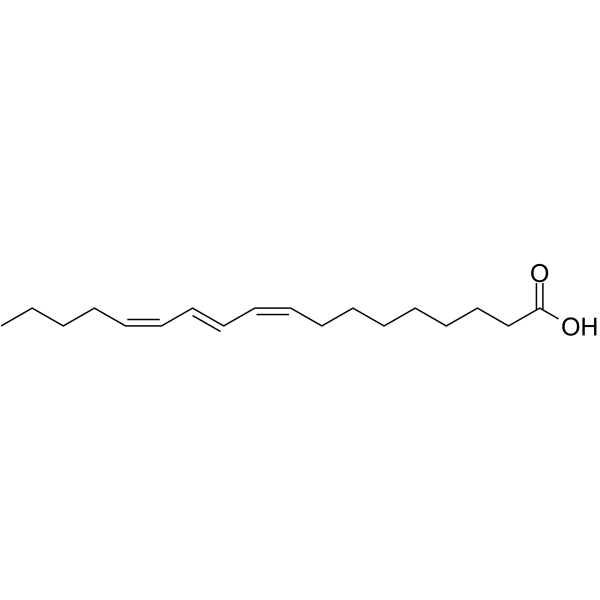
  • HY-134544

    Apoptosis Cancer
    Calendic acid (8(E),10(E),12(Z)-Octadecatrienoic acid) is a conjugated polyunsaturated fatty acid (PUFA) that can be isolated from C. officinalis seed oil. Calendic acid has anticancer activity .
    Calendic acid
  • HY-N0121R

    Stearoyl-CoA Desaturase (SCD) Reference Standards Neurological Disease
    Sesamin (Standard) is the analytical standard of Sesamin. This product is intended for research and analytical applications. Sesamin, abundant lignan found in sesame oil, is a potent and selective delta 5 desaturase inhibitor in polyunsaturated fatty acid biosynthesis. Sesamin exerts effective neuroprotection against cerbral ischemia .
    Sesamin (Standard)
  • HY-127023

    EPA-5-HT

    Endogenous Metabolite FAAH Interleukin Related Tyrosine Hydroxylase Metabolic Disease
    Eicosapentaenoyl serotonin (EPA-5-HT) is an endogenous fatty acid-serotonin conjugate lipid mediator. Eicosapentaenoyl serotonin acts as an inhibitor of fatty acid amide hydrolase (FAAH). Eicosapentaenoyl serotonin suppresses IL-17 release in Concanavalin A (HY-P2149)-stimulated human peripheral blood mononuclear cells. Eicosapentaenoyl serotonin is regulated by polyunsaturated fatty acids and modulates intestinal immunity and Th17 signaling. Eicosapentaenoyl serotonin can be used for the study of inflammatory bowel disease-related mechanisms .
    Eicosapentaenoyl serotonin
  • HY-W127851

    Cypridina luciferin analog

    Biochemical Assay Reagents Others Cancer
    CLA, or conjugated linoleic acid, is a polyunsaturated fatty acid that occurs naturally in a variety of animal products, such as meat and dairy. It has several potential benefits for human health, including the ability to reduce body fat mass, improve insulin sensitivity, and reduce inflammation. CLA has been extensively studied for its effects on weight loss and muscle growth, as well as its potential role in preventing chronic diseases such as heart disease and cancer. Additionally, it can be taken as a dietary supplement in capsule form.
    CLA
  • HY-W753927

    C18:2(9E,12Z); C18:2 n-6

    Endogenous Metabolite Metabolic Disease
    9(E),12(Z)-Octadecadienoic acid is an ω-6 polyunsaturated fatty acid and an isomer of linoleic acid (HY-N0729) that contains a trans double bond at the C9 position. It has been found as a minor component of bovine milk fat and in partially hydrogenated vegetable oils. 9(E),12(Z)-Octadecadienoic acid levels increase in rabbit meat following supplementation with heated sunflower oil, α-tocopheryl acetate, and zinc.
    9(Z)​,​12(E)​-​Octadecadienoic Acid
  • HY-W746625

    all-cis-4,7,10,13,16-DPA methyl ester

    Drug Derivative Cardiovascular Disease Neurological Disease Inflammation/Immunology
    all-cis-4,7,10,13,16-Docosapentaenoic acid methyl ester (all-cis-4,7,10,13,16-DPA methyl ester) is the methyl ester derivative of all-cis-4,7,10,13,16-Docosapentaenoic acid, that can be used as a nutritional supplement to increase all-cis-4,7,10,13,16-Docosapentaenoic acid intake. all-cis-4,7,10,13,16-Docosapentaenoic acid is a long-chain polyunsaturated fatty acid, that plays a role in cardiovascular health, neuroprotection, and inflammation regulation .
    all-cis-4,7,10,13,16-Docosapentaenoic acid methyl ester
  • HY-18282R

    LXR Cardiovascular Disease Metabolic Disease Cancer
    AZ876 (Standard) is the analytical standard of AZ876. This product is intended for research and analytical applications. AZ876 is a selective, orally active agonist of liver X receptor (LXRα/β) (Ki=0.007 μM [LXRα, human], 0.011 μM [LXRβ, human]. AZ876 induces the expression of target genes such as ABCA1 and ABCG1, promotes reverse cholesterol transport (RCT) and regulates lipid metabolism and anti-inflammatory effects. AZ876 increases cardiac polyunsaturated fatty acid levels, reduces myocardial fibrosis, and reduces lesion area and monocyte adhesion in atherosclerosis models. AZ876 can be used in cardiovascular disease research, such as preventing and treating β-adrenergic-induced cardiac diastolic dysfunction and inhibiting the progression of atherosclerosis .
    AZ876 (Standard)
  • HY-B0660S1

    EPA 1,2,3,4,5-13C, FA 20:5-13C5

    Isotope-Labeled Compounds Endogenous Metabolite Histone Demethylase Neurological Disease Cancer
    Eicosapentaenoic acid 1,2,3,4,5- 13C5 (EPA 1,2,3,4,5- 13C, FA 20:5- 13C5) is 13C labeled Eicosapentaenoic Acid. Eicosapentaenoic Acid (EPA) is an orally active Omega-3 long-chain polyunsaturated fatty acid (ω-3 LC-PUFA). Eicosapentaenoic Acid exhibits a DNA demethylating action that promotes the re-expression of the tumor suppressor gene CCAAT/enhancer-binding protein δ (C/EBPδ). Eicosapentaenoic Acid activates RAS/ERK/C/EBPβ pathway through H-Ras intron 1 CpG island demethylation in U937 leukemia cells. Eicosapentaenoic Acid can promote relaxation of vascular smooth muscle cells and vasodilation .
    Eicosapentaenoic acid 1,2,3,4,5-13C5

Inquiry Online

Your information is safe with us. * Required Fields.

Salutation


Country or Region *

Applicant Name *


Organization Name *

Department *


Email Address *


Product Name *

Cat. No.


Requested quantity *

Phone Number *


Remarks

Inquiry Online

Inquiry Information

Product Name:
Cat. No.:
Quantity:
MCE Japan Authorized Agent:

