

724 Results for "

raw cow's milk

" in MedChemExpress (MCE) Product Catalog:
Products (724)

724 Results for "raw cow's milk" in MCE Product Catalog:

162
162 Publications Verification
Cat. No.: HY-13982
CAS No.: 749886-87-1
Purity:  99.30%
Target:  

NF-κB

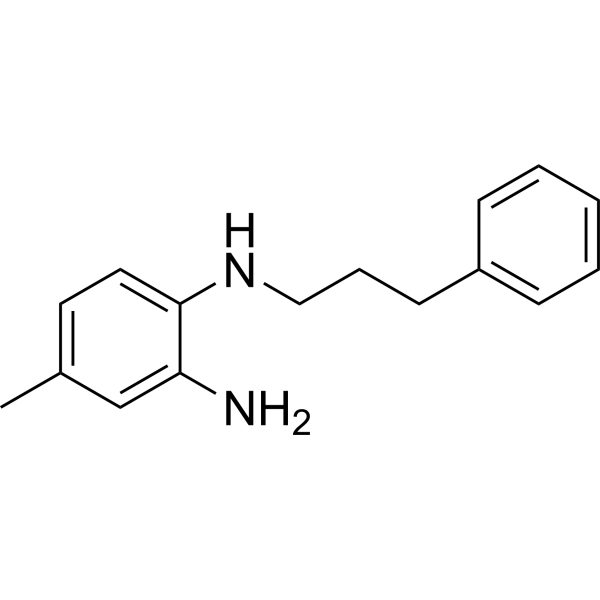
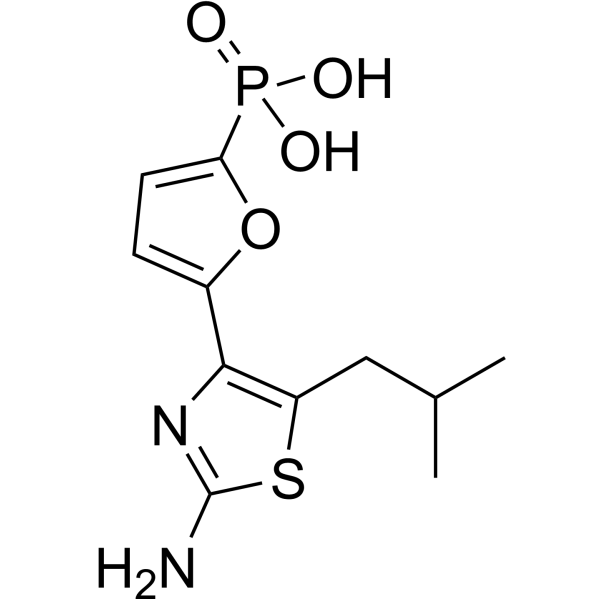
JSH-23 is an NF-κB inhibitor which inhibits NF-κB transcriptional activity with an IC50 of 7.1 μM in lipopolysaccharide (LPS)-stimulated macrophages RAW 264.7. JSH-23 inhibits nuclear translocation of NF-κB p65 without affecting IκBα degradation .
loading...
    loading...
51
51 Cited Publications
Cat. No.: HY-B2167
CAS No.: 6217-54-5
Synonyms: DHA; Cervonic acid
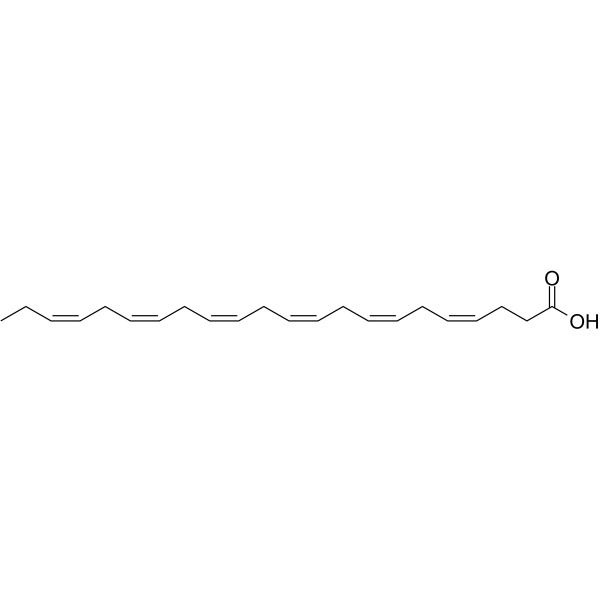
Docosahexaenoic Acid (DHA) is an omega-3 fatty acid abundantly present brain and retina. It can be obtained directly from fish oil and maternal milk.
loading...
    loading...
11
11 Cited Publications
Cat. No.: HY-N7073
CAS No.: 65666-07-1
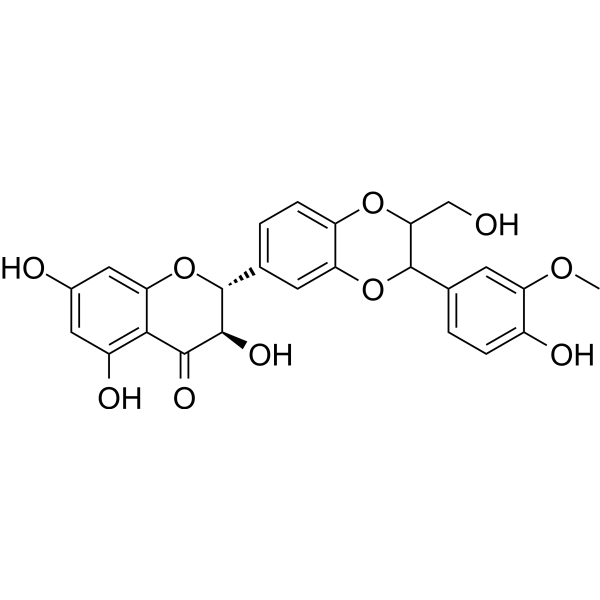
Silymarin is an extract of the milk thistle (Silybum marianum). Silymarin is an effective SARS-CoV-2 main protease (M pro) inhibitor. Silymarin can significantly reduce tumor cell proliferation, angiogenesis as well as insulin resistance. Silymarin has the chemopreventive effect on hepatocellular carcinoma (HCC). Silymarin has the potential for COVID-19 research .
loading...
    loading...
10
10 Cited Publications
Cat. No.: HY-N0779A
CAS No.: 802918-57-6
Synonyms: Silibinin
Silybin is a flavonolignan isolated from milk thistle (Silybum marianum) seeds. Silybin induces apoptosis and exhibits hepatoprotective, antioxidant, anti-inflammatory, anti-cancer activity .
loading...
    loading...
8
8 Cited Publications
Cat. No.: HY-111152
CAS No.: 912798-42-6
Purity:  99.89%
Target:  

STAT

Research Areas:  

Cancer

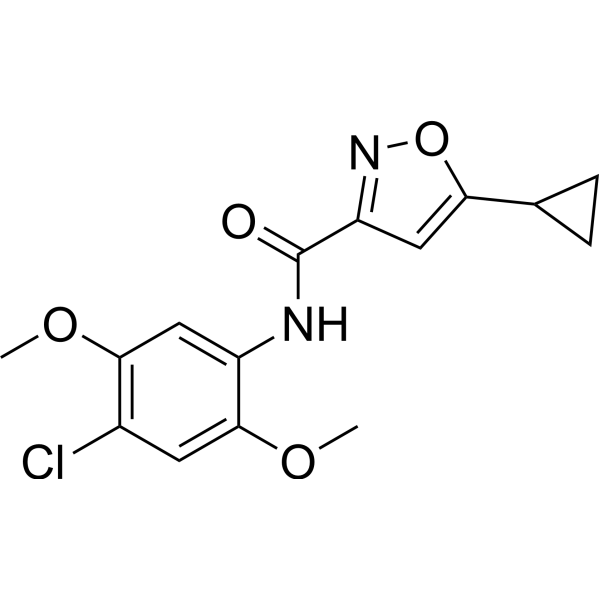
ML115, a molecular probe of the signal transducer, is a selective STAT3 agonist, with an EC50 of 2 nM. ML115 increases the expression of BCL3, a known STAT3-dependent oncogene. ML115 is inactive against the related STAT1, STAT5 and NF-κB anti-targets. ML115 counteracts the effects of Ginsenoside Rc (HY-N0042) on cell viability and inflammatory responses in LPS (HY-D1056)-stimulated H9c2 and RAW264.7 cells, while altering oxidative stress markers. ML115 can be used for the study of breast and prostate cancers .
loading...
    loading...
7
7 Cited Publications
Cat. No.: HY-N2041
CAS No.: 544-63-8
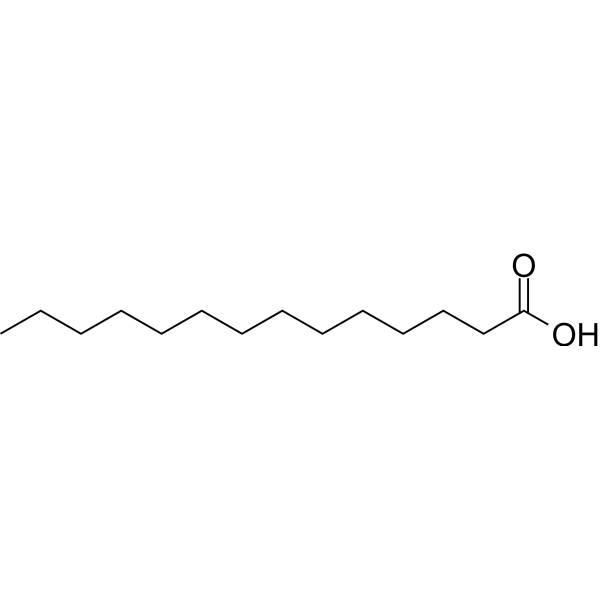
Myristic acid is an orally active saturated 14-carbon fatty acid found in most animal and plant fats, especially milk fat coconut oil, palm oil and nutmeg oil. Myristic acid exerts anti-inflammatory activity through the NF-κB pathway. Myristic acid has antibacterial, anti-inflammatory and analgesic properties .
loading...
    loading...
7
7 Cited Publications
Cat. No.: HY-16307
CAS No.: 261365-11-1
Target:  

FBPase

Research Areas:  

Metabolic Disease Cancer

MB05032 is a fructose-1,6-bisphosphatase (FBP1/FBPase) inhibitor with an IC50 value of 16 nM. MB05032 blocks FBP1-mediated glycolysis inhibition in NK cells, restores NK cell glucose uptake, lactate production, degranulation, perforin production, and cytotoxicity against gastric cancer cells. MB05032 elevates ATP/ADP ratios, increases glucose utilization, and enhances insulin secretion in pancreatic β-cells. MB05032 increases neutrophil adhesion, phagocytosis, and mRNA abundance of HKII, ITGA9, CD36 in subclinically hypocalcemic dairy cows. MB05032 inhibits gluconeogenesis in hepatocytes, acts as the active metabolite of prodrug Managlinat dialanetil (MB06322) (HY-14955). MB05032 can be used for the research of gastric cancer, type 2 diabetes, subclinical hypocalcemia, and insulin resistance .
loading...
    loading...
6
6 Cited Publications
Cat. No.: HY-Y0271
CAS No.: 57-13-6
Synonyms: Carbonyl diamide
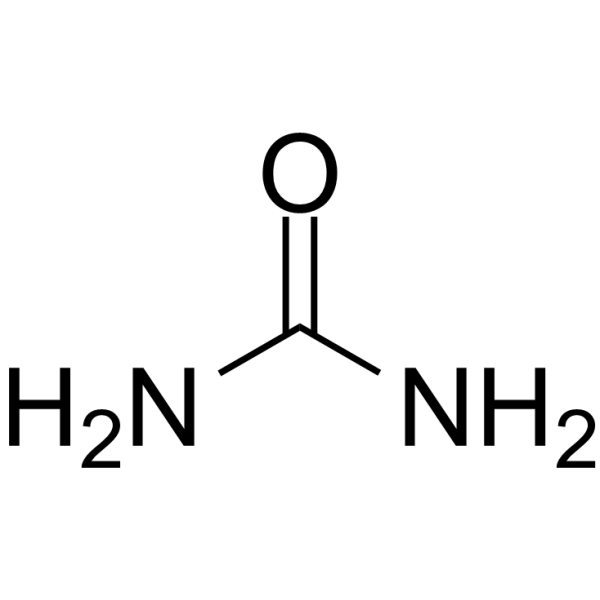
Urea is a powerful protein denaturant via both direct and indirect mechanisms . A potent emollient and keratolytic agent . Used as a diuretic agent. Blood urea nitrogen (BUN) has been utilized to evaluate renal function . Widely used in fertilizers as a source of nitrogen and is an important raw material for the chemical industry.
loading...
    loading...
5
5 Cited Publications
Cat. No.: HY-N9965
CAS No.: 41263-94-9
Synonyms: 2'-FL
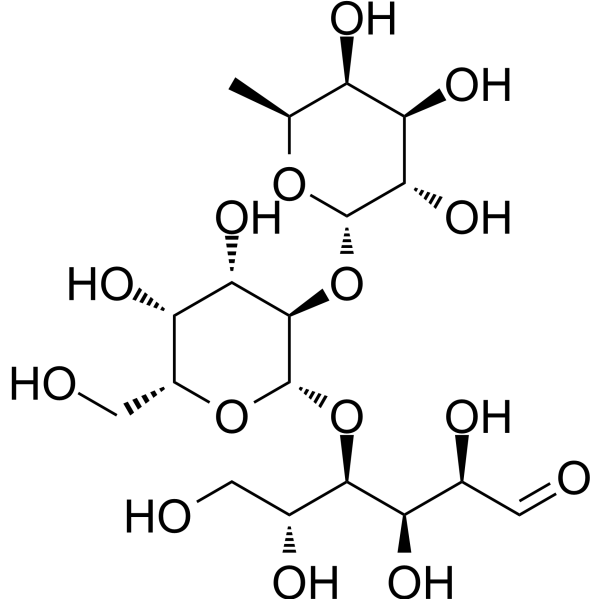
2'-Fucosyllactose (2'-FL) is an oligosaccharide that could be derived from human milk. 2'-Fucosyllactose regulates the expression of CD14, alleviates colitis and regulates the gut microbiome. 2'-Fucosyllactose stimulates T cells to increase IFN-γ production and decreases IL-6, IL-17, and TNF-α production of cytokines .
loading...
    loading...
4
4 Cited Publications
Cat. No.: HY-B2123
CAS No.: 63-42-3
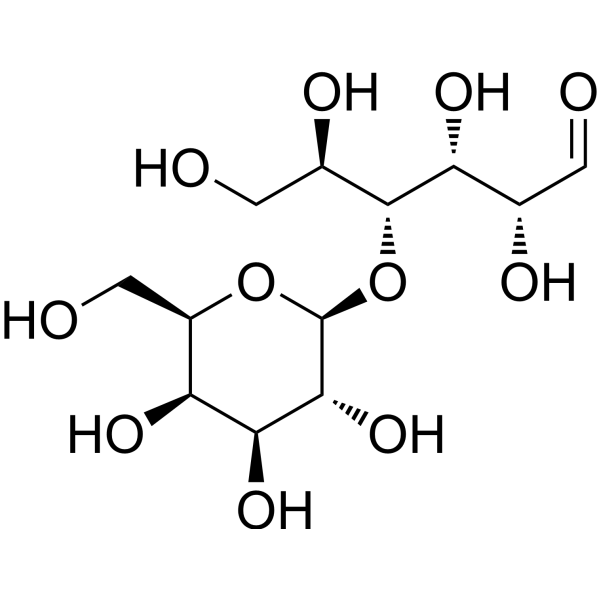
Lactose is a β-galactoside consisting of galactose and glucose residues, the main carbohydrate in mammalian breast milk. Lactose, a macronutrient and an inducer of host innate immune responses, possesses immune modulatory functions .
loading...
    loading...
4
4 Cited Publications
Cat. No.: HY-N0617
CAS No.: 80651-76-9
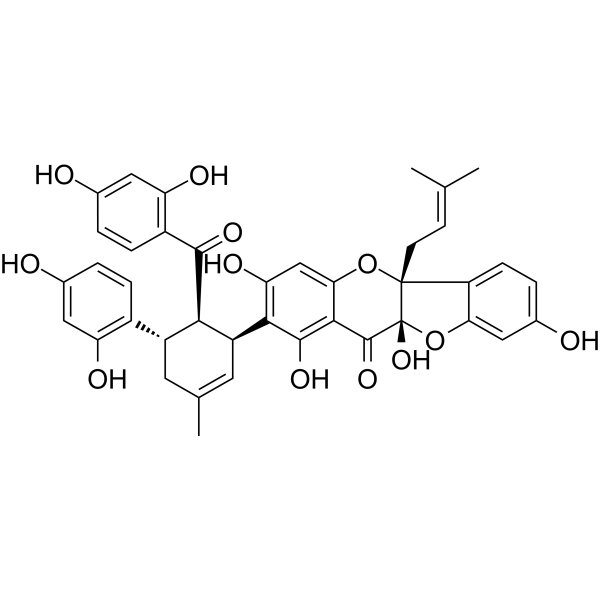
Sanggenon C, a flavonoid, exerts protective effects against cardiac hypertrophy and fibrosis via suppression of the calcineurin/NFAT2 pathway. Sanggenon C inhibits mitochondrial fission to induce apoptosis by blocking the ERK signaling pathway. Sanggenon C inhibits inducible nitric oxide synthase expression in RAW264.7 cells, and TNF-α-stimulated cell adhesion and VCAM-1 expression, by suppressing NF-κB activity. Sanggenon C possesses antioxidant, anti-inflammatory and antitumor activities .
loading...
    loading...
3
3 Cited Publications
Cat. No.: HY-W011527
CAS No.: 146-80-5
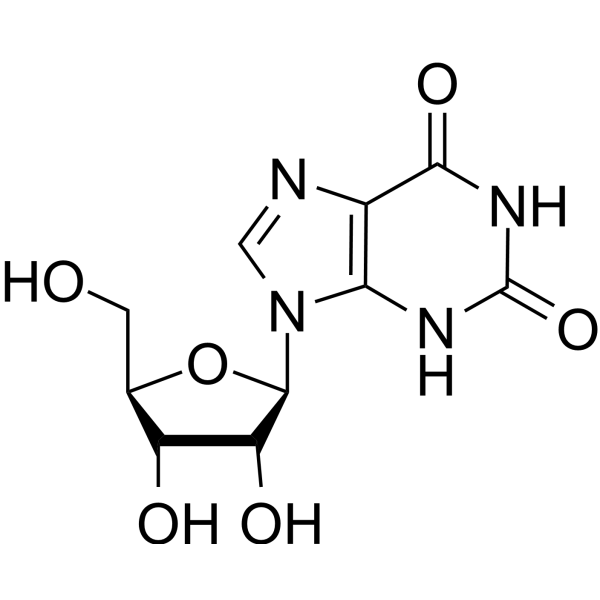
Xanthosine is a nucleoside derived from xanthine and ribose. Xanthosine activates the AMPK/FoxO1/AKT/GSK3β signaling cascade. Xanthosine promotes cell proliferation and regulates blood glucose metabolism. Xanthosine increases milk production in cows and goats. Xanthosine is used in mammary stem cell and type 2 diabetes research .
loading...
    loading...
3
3 Cited Publications
Cat. No.: HY-17383
CAS No.: 151533-22-1
Target:  

Antifolate

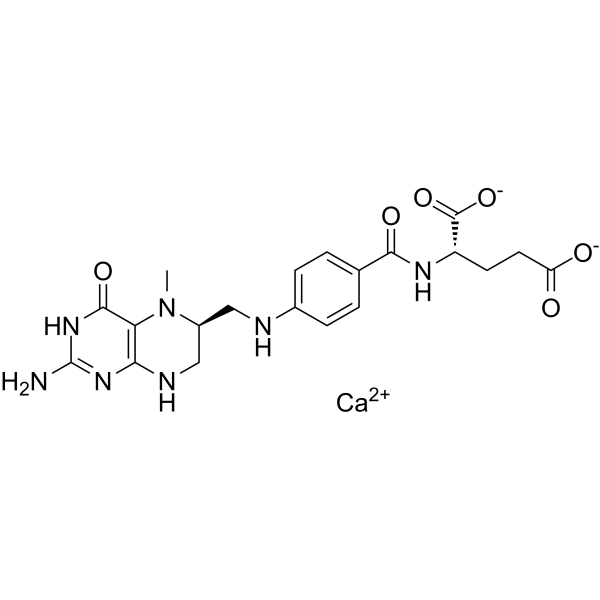
Levomefolate calcium is a synthetic calcium salt of L-5-methyltetrahydrofolate and an orally active and brain-penetrant folate supplement. Levomefolate calcium incorporates into body folate pools to increase plasma and red blood cell folate levels over time. Levomefolate calcium does not significantly increase folate concentrations in breast milk. Levomefolate calcium can be used for the research of neural tube defects and megaloblastic anemia .
loading...
    loading...
3
3 Cited Publications
Cat. No.: HY-K1099

MCE Endotoxin Detection Kit (Recombinant Factor C) is suitable for the detection of endotoxins in therapeutic injectable drugs for human use (such as chemical drugs, antibiotics, and biologics), as well as in medical devices including dialysis fluids and implantable devices. It can be applied throughout raw material screening, process development, manufacturing, and commercialization stages.

loading...
    loading...
2
2 Cited Publications
Cat. No.: HY-P3021
CAS No.: 12671-19-1
Research Areas:  

Infection

Human milk lysozyme is the lysozyme found in human milk. Human milk lysozyme is thought to be a key defense factor in protecting the gastrointestinal tract of newborns against bacterial infection .
loading...
    loading...
2
2 Cited Publications
Cat. No.: HY-N0569
CAS No.: 18449-41-7
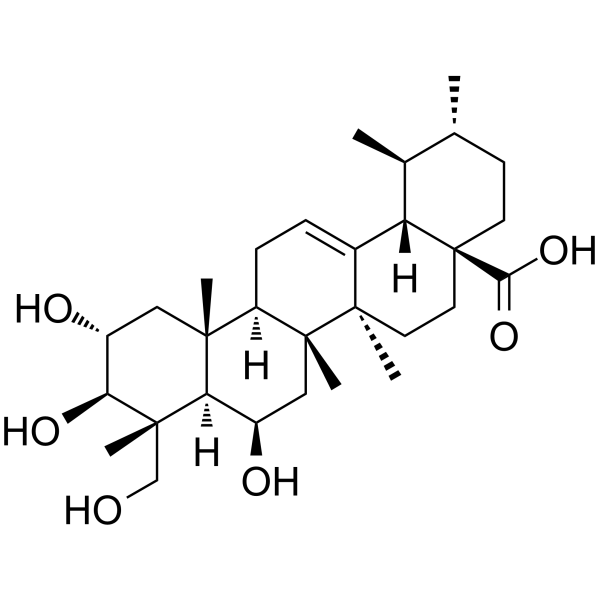
Madecassic acid is isolated from Centella asiatica (Umbelliferae). Madecassic acid has anti-inflammatory properties caused by iNOS, COX-2, TNF-alpha, IL-1beta, and IL-6 inhibition via the downregulation of NF-κB activation in RAW 264.7 macrophage cells .
loading...
    loading...
2
2 Cited Publications
Cat. No.: HY-W002105
CAS No.: 3238-40-2
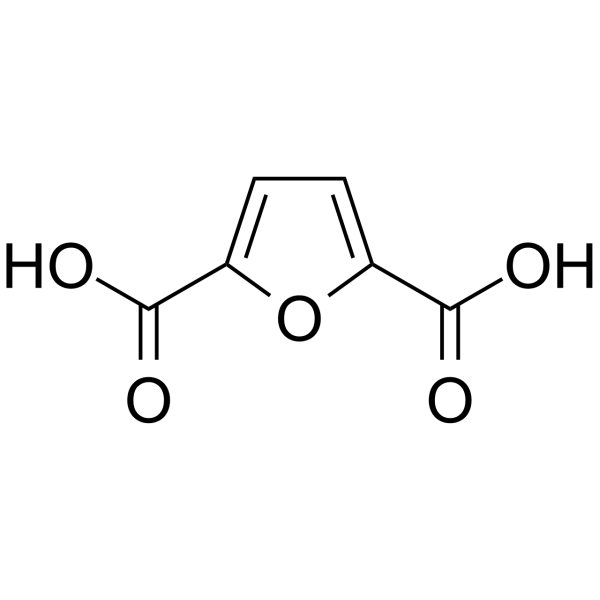
2,5-Furandicarboxylic acid is an endogenous metabolite that can be detected in human urine. 2,5-Furandicarboxylic acid serves as an environmentally friendly substitute for terephthalic acid in the production of polyesters. 2,5-Furandicarboxylic acid can be used as the raw material for various chemical intermediates to synthesize polymers, polyurethanes, thermosetting resins, and plasticizers .
loading...
    loading...
2
2 Cited Publications
Cat. No.: HY-N0515
CAS No.: 945619-74-9
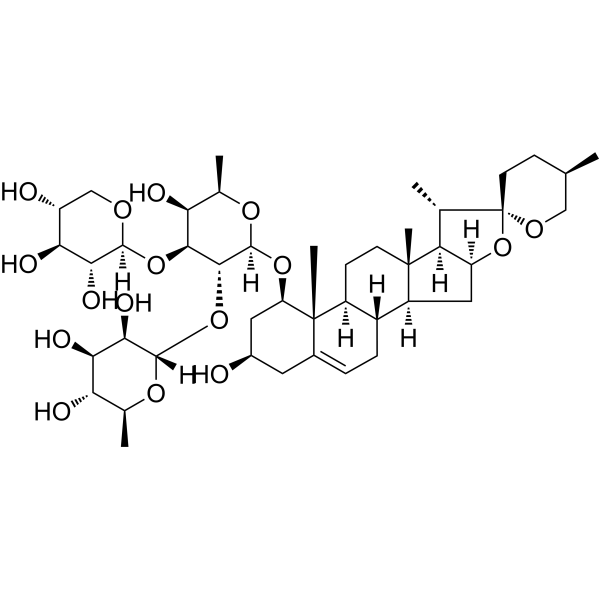
Ophiopogonin D can be isolated from the tubers of Ophiopogon japonicus, is a rare naturally occurring C29 steroidal glycoside. Ophiopogonin D is a CYP2J3 inducer that significantly inhibits Ang II induced NF-κB nuclear translocation, IκBα down-regulation, intracellular Ca 2+ overload and activation of pro-inflammatory cytokines by increasing the expression of CYP2J2/EETs and PPARα in human umbilical vein endothelial cells (HUVECs). Ophiopogonin D can inhibit isteoclastic differentiation in RAW264.7 cells. Ophiopogonin D has protective effect as an antioxidant in H2O2-induced endothelial injury. Ophiopogonin D blocks ERK signaling cascades. Ophiopogonin D alleviates high-fat diet-induced metabolic syndrome and changes the structure of gut microbiota in mice. Ophiopogonin D has been used against inflammatory, metabolic and cardiovascular diseases .
loading...
    loading...
2
2 Cited Publications
Cat. No.: HY-107825
CAS No.: 577-85-5
Purity:  99.92%
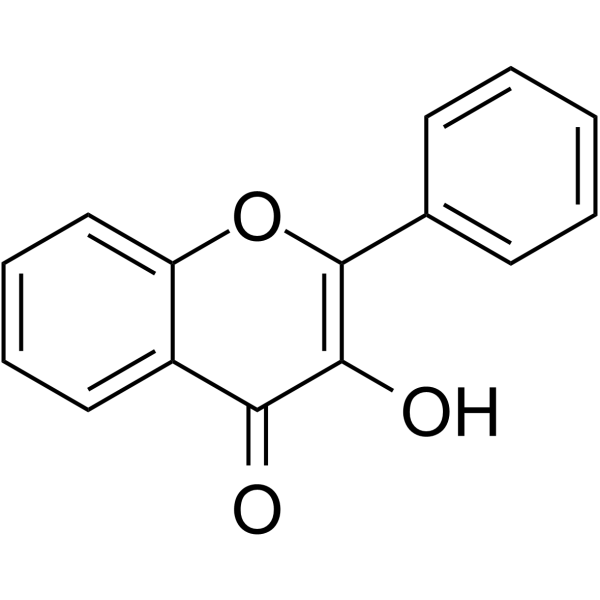
Flavonol is a cholinesterase (ChE) inhibitor, with an IC50 value of 120 μM and a Ki value of 74 μM. Flavonol has antioxidant, free radical-scavenging, antibacterial properties, and immune modulation functions. Flavonol inhibits the PriA helicase of Staphylococcus aureus. Flavonol can suppress the production of NO in LPS-activated RAW 264.7 cells by inhibiting the expression of the iNOS enzyme. Flavonol shows protective and analgesic effects in mice through various neuronal pathways. Flavonol can be used in research related to tumors and atherosclerosis diseases .
loading...
    loading...
2
2 Cited Publications
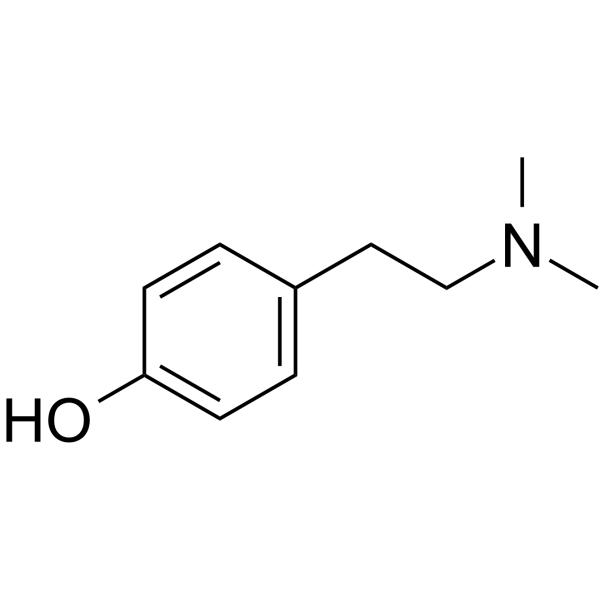
Cat. No.: HY-N0113
CAS No.: 539-15-1
Synonyms: Ordenina; Peyocactine
Hordenine (Ordenina; Peyocactine) is a multifunctional alkaloid with oral activity and blood-brain barrier penetration. Hordenine inhibits LPS-induced phosphorylation of p38, JNK, ERK1/2, p65, IκB, and AKT, prevents p65 nuclear translocation, and suppresses inflammatory cytokines and mediators. Hordenine promotes M2 macrophage polarization, restores blood-milk barrier integrity, alleviates oxidative stress by reducing ROS and MDA, and attenuates LPS-induced lung injury and pulmonary edema. Hordenine inhibits cAMP production, CREB phosphorylation, and MITF expression, thereby suppressing melanin synthesis in melanocytes and reconstructed epidermis. Hordenine activates the Wnt/β-catenin signaling pathway, promotes dermal papilla cell proliferation and hair shaft elongation, and accelerates hair regeneration. Hordenine activates DRD2, acts as a D3R partial agonist, α2A-AR full agonist, and 5-HT2A-R antagonist, and inhibits SERT and DAT. Hordenine inhibits α-synuclein accumulation and ameliorates motor deficits in Parkinson's disease models. Hordenine limits alcohol intake, reduces relapse drinking behavior, and modulates alcohol-induced conditioned place preference. Hordenine can be used for research on mastitis, skin pigmentation, acute lung injury, foodborne diseases, hair loss, Parkinson's disease, bacterial infections, and alcohol use disorder .
loading...
    loading...

