

1. Search Result
Search Result
Results for "

various types of cancer

" in MedChemExpress (MCE) Product Catalog:

81

Inhibitors & Agonists

9

Screening Libraries

1

Fluorescent Dyes

3

Biochemical Assay Reagents

3

Peptides

6

Inhibitory Antibodies

15

Natural
Products

5

Isotope-Labeled Compounds

3

Oligonucleotides

Targets Recommended:
Cat. No. Product Name Target Research Areas Chemical Structure
  • HY-13653
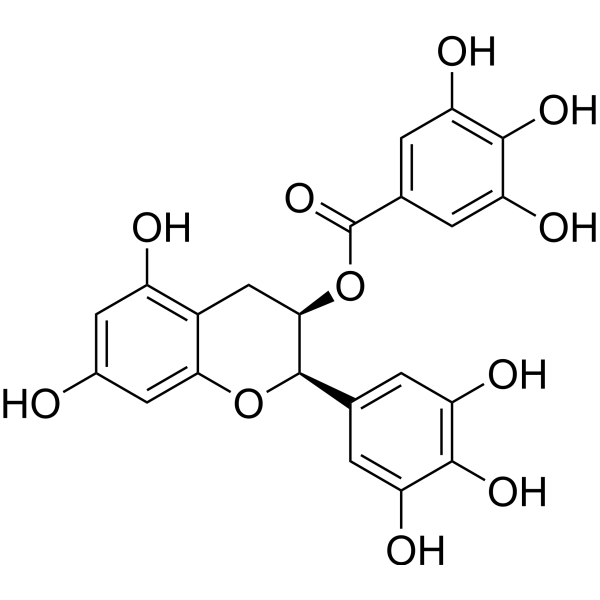
    (-)-Epigallocatechin Gallate
    Maximum Cited Publications
    57 Publications Verification

    EGCG; Epigallocatechol Gallate

    Endogenous Metabolite Apoptosis Inflammation/Immunology Cancer
    (-)-Epigallocatechin Gallate (EGCG) is a major polyphenol in green tea, which can inhibit cell proliferation and induce cell apoptosis. (-)-Epigallocatechin Gallate inhibits glutamate dehydrogenase 1/2 (GDH1/2, GLUD1/2) activity. (-)-Epigallocatechin Gallate has a potent anticancer, antioxidant and anti-inflammatory properties against various types of cancers such as colorectal cancer, myeloid leukemia, thyroid carcinoma .
    (-)-Epigallocatechin Gallate
  • HY-156498
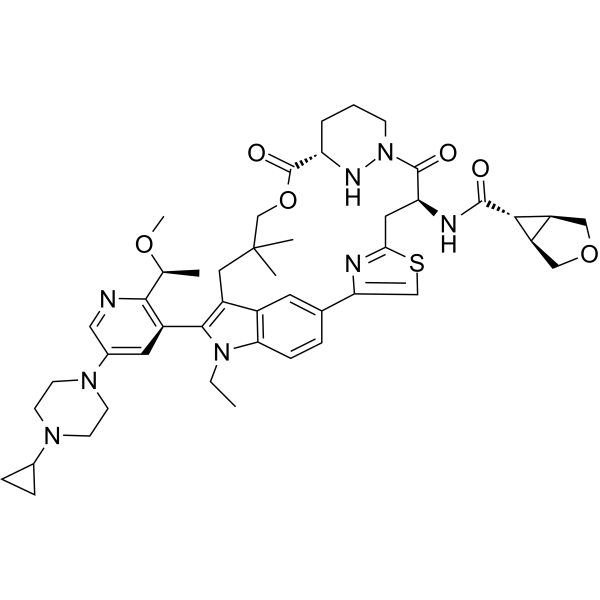
    RMC-7977
    10+ Cited Publications

    Ras ERK Raf Ribosomal S6 Kinase (RSK) AMPK Apoptosis PARP Cancer
    RMC-7977 is an orally active triple-complex RAS inhibitor that can simultaneously bind to cyclophilin A (CYPA) (Kd = 195 nM) and KRAS (G12V) (Kd = 292 μM). It exhibits broad-spectrum inhibitory activity against KRAS, NRAS, and HRAS proteins and their various wild-type and mutant variants. RMC-7977 induces apoptosis by inhibiting the phosphorylation of ERK, CRAF, and RSK, as well as increasing PARP cleavage. This leads to tumor regression, reduces resistance in KRAS G12C cancer models, and demonstrates good tolerability across various RAS cancer models .
    RMC-7977
  • HY-13780
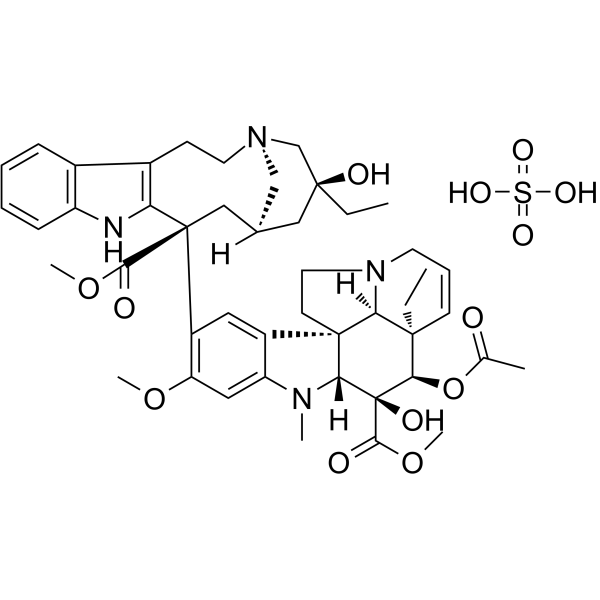
    Vinblastine sulfate
    15+ Cited Publications

    Vincaleukoblastine sulfate salt

    Microtubule/Tubulin nAChR Autophagy Cancer
    Vinblastine sulfate is a cytotoxic alkaloid used against various cancer types. Vinblastine sulfate inhibits the formation of microtubule and suppresses nAChR with an IC50 of 8.9 μM.
    Vinblastine sulfate
  • HY-146244
    Agatolimod
    1 Publications Verification

    ODN 2006; PF-3512676; CpG 7909; ODN 7909

    Toll-like Receptor (TLR) Bacterial NO Synthase Apoptosis Infection Cancer
    Agatolimod ((ODN 2006; PF-3512676; CpG 7909)) is a TLR9 agonist and immunomodulator with an EC50 of 180 nM against human TLR9. Agatolimod activates and upregulates the expression of both TLR9 and TLR6, and mediates downstream signaling pathways via IRAK4, IRF5, IRF7. Agatolimod induces Th1-type innate and adaptive immune responses, activates various immune cells and promotes antigen presentation, regulates antibody levels and immune cell infiltration, upregulates the secretion of multiple cytokines, induces apoptosis and cell cycle arrest, enhances cytotoxicity, and clears intracellular Salmonella. Agatolimod is applicable to research on COVID-19, breast cancer, lung adenocarcinoma, HPV-related tumors, melanoma, and salmonellosis .
    Agatolimod
  • HY-126370A

    Endogenous Metabolite YAP Apoptosis Interleukin Related STAT ERK Ras Cancer
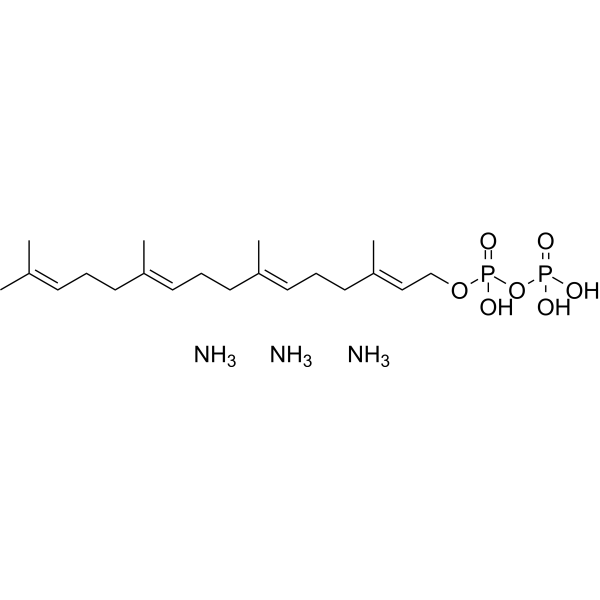
    Geranylgeranyl pyrophosphate triammonium is a type of isoprenoid metabolic intermediate, mainly synthesized through the mevalonate pathway. Geranylgeranyl pyrophosphate triammonium is a key precursor in various biological synthesis processes, especially as a necessary substrate for post-translational modification of proteins - geranylgeranyl phosphorylation. Geranylgeranyl pyrophosphate triammonium regulates various cellular processes and disease progression through protein geranylgeranyl phosphorylation, such as activating the YAP signaling pathway, promoting cell proliferation and inhibiting apoptosis; promoting IL-2 production and STAT5 phosphorylation; and influencing metabolic homeostasis and cancer, etc .
    Geranylgeranyl pyrophosphate triammonium
  • HY-B0807A

    Dopamine Receptor NADPH Oxidase Dengue Virus Flavivirus Neurological Disease Inflammation/Immunology Cancer
    Prochlorperazine dimaleate is an orally active phenothiazine-type dopamine D2 receptor (D2R) antagonist. Prochlorperazine exhibits anti-cancer activity in vitro against various cancer cell lines. Prochlorperazine dimaleate exhibits IC50 values of 6.4 μM, 4.5 μM and 2.3 μM for NOX1, NOX2 and NOX5, respectively. Prochlorperazine dimaleate has antedesmosidic activity against dengue virus (DENV). Prochlorperazine dimaleate can be used for research on nausea, vomiting, migraine, and schizophrenia .
    Prochlorperazine dimaleate
  • HY-B0965
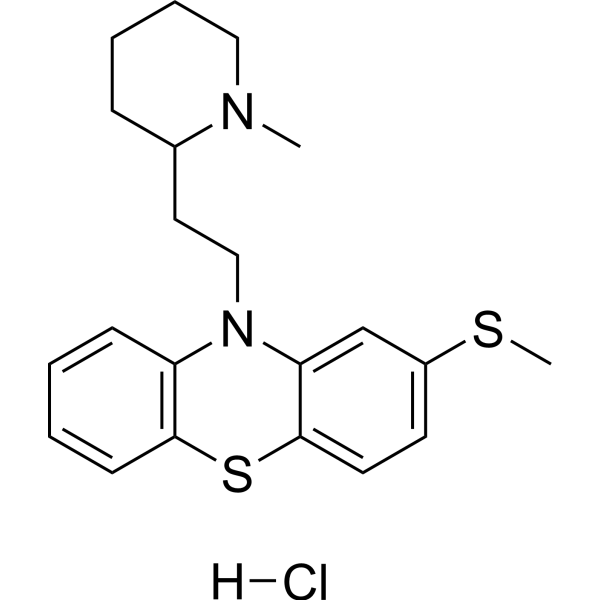
    Thioridazine hydrochloride
    5 Publications Verification

    Dopamine Receptor Apoptosis 5-HT Receptor Autophagy Bacterial Infection Neurological Disease Cancer
    Thioridazine hydrochloride, an orally active antagonist of the dopamine receptor D2 family proteins, exhibits potent anti-psychotic and anti-anxiety activities. Thioridazine hydrochloride is also a potent inhibitor of PI3K-Akt-mTOR signaling pathways with anti-angiogenic effect. Thioridazine hydrochloride shows antiproliferative and apoptosis induction effects in various types of cancer cells, with specificity on targeting cancer stem cells (CSCs) .
    Thioridazine hydrochloride
  • HY-B0965A
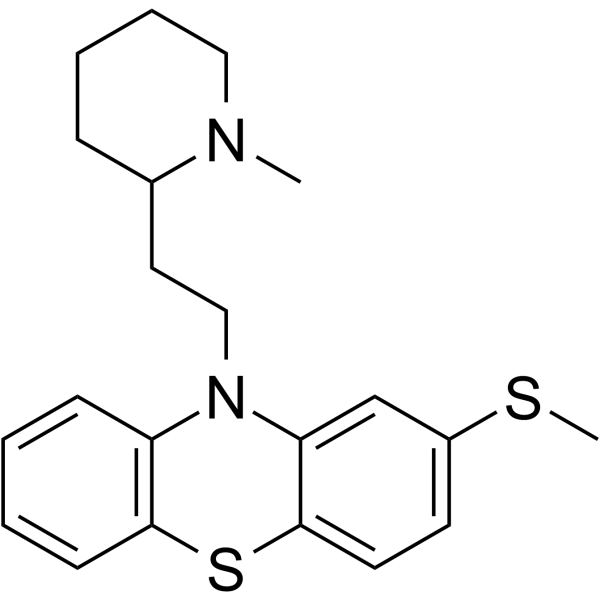
    Thioridazine
    5 Publications Verification

    Dopamine Receptor Apoptosis 5-HT Receptor Autophagy Bacterial Neurological Disease Cancer
    Thioridazine, an antagonist of the dopamine receptor D2 family proteins, exhibits potent anti-psychotic and anti-anxiety activities. Thioridazine is also a potent inhibitor of PI3K-Akt-mTOR signaling pathways with anti-angiogenic effect. Thioridazine shows antiproliferative and apoptosis induction effects in various types of cancer cells, with specificity on targeting cancer stem cells (CSCs) .
    Thioridazine
  • HY-P990106

    VEGFR Apoptosis Inflammation/Immunology Cancer
    Anti-Mouse VEGFR-2 Antibody (DC101) is a rat anti-mouse VEGFR2 monoclonal antibody. Anti-Mouse VEGFR-2 Antibody (DC101) inhibits tumor angiogenesis by blocking the binding of VEGF and VEGFR2. Anti-Mouse VEGFR-2 Antibody (DC101) promotes immune cell infiltration and induces tumor cell apoptosis. Anti-Mouse VEGFR-2 Antibody (DC101) can be used for researches on various types of cancer such as melanoma, lung cancer and breast cancer .
    Anti-Mouse VEGFR-2 Antibody (DC101)
  • HY-13270

    E7010

    Microtubule/Tubulin Autophagy Apoptosis Cancer
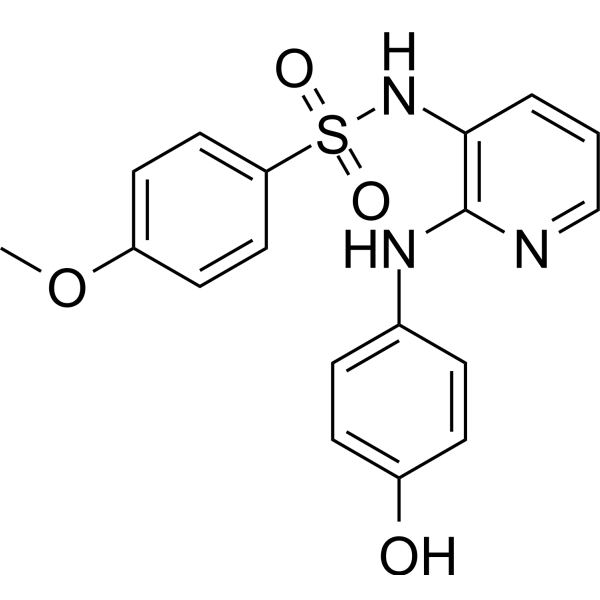
    ABT-751 (E7010) is a novel, highly orally bioavailable sulfonamides antimitotic compound and tubulin binder. It prevents tubulin aggregation by binding to the colchicine site on β-tubulin, leading to cell cycle arrest in G2/M phase and inducing apoptosis, thus effectively preventing cell division. ABT-751 induces autophagy by inhibiting the AKT/MTOR signaling pathway. ABT-751 showed significant inhibition against various types of cancer cells, including lung, gastric, colon, and breast cancer .
    ABT-751
  • HY-N3002

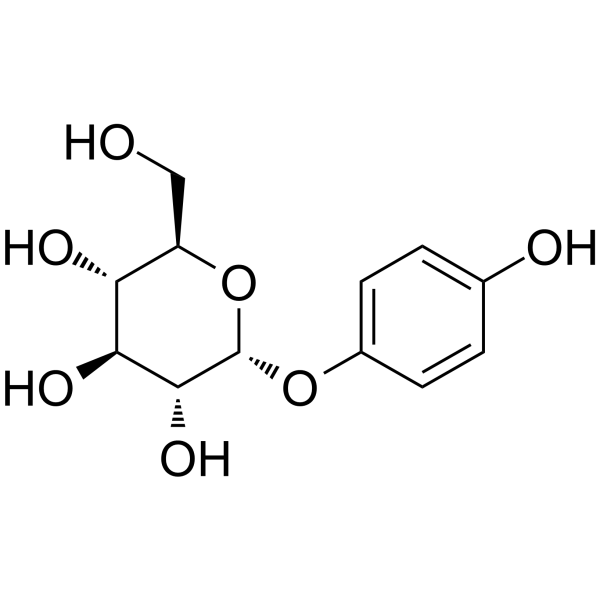
    4-Hydroxyphenyl α-D-glucopyranoside

    Tyrosinase Neurological Disease Metabolic Disease Cancer
    α-Arbutin (4-Hydroxyphenyl α-D-glucopyranoside) is a tyrosinase inhibitor, which is used as an effective skin whiteners. α-Arbutin is promising for research of various diseases such as hyperpigmentation disorders, types of cancers, central nervous system disorders, osteoporosis, diabetes .
    α-Arbutin
  • HY-150097

    Biochemical Assay Reagents Metabolic Disease Inflammation/Immunology Cancer
    Recombinant Human Serum Albumin (rHSA) is a non-glycosylated monomeric plasma protein that acts as a core factor for maintaining plasma colloid osmotic pressure. Recombinant Human Serum Albumin (rHSA) possesses multiple physiological functions including carrier, metabolic regulation, detoxification, antioxidation and enzyme mimicking. Recombinant Human Serum Albumin (rHSA) not only scavenges reactive oxygen and nitrogen species via specific residues and binds a variety of endogenous and exogenous compounds to maintain redox homeostasis, but also serves as a biomarker for multiple diseases such as cancer and inflammation. Recombinant Human Serum Albumin (rHSA) broadly supports the development of implantable materials, surgical adhesives and ligand capture, and can be used for research on critical illnesses including hypovolemia, liver failure, severe sepsis and various types of trauma resuscitation .
    Recombinant Human Serum Albumin(rHSA)
  • HY-A0084A
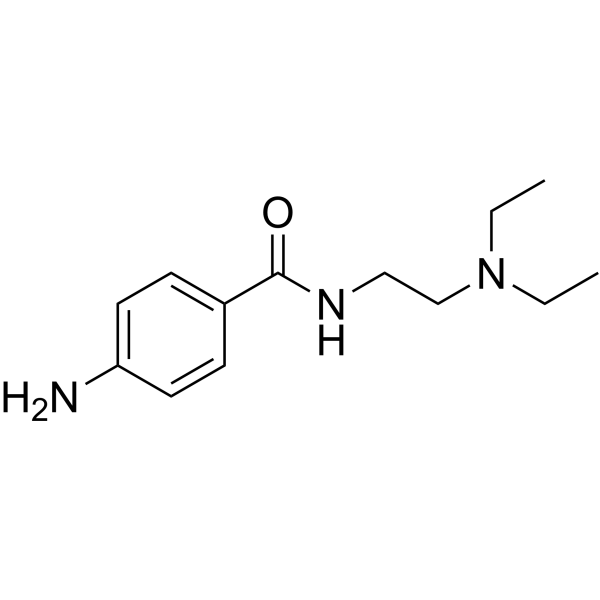
    Procainamide
    5+ Cited Publications

    Procaine amide; SP 100

    DNA Methyltransferase Potassium Channel Cardiovascular Disease Cancer
    Procainamide (Procaine amide) is a specific and potent inhibitor of DNA methyltransferase 1 (DNMT1), which reactivates the expression of tumor suppressor factors by demethylating tumor suppressor genes. Procainamide induces vacuolization in various cell types and reduces cell proliferation and migration. Procainamide relaxes airway smooth muscle by activating potassium channels. Procainamide can be used in cancer and arrhythmia research .
    Procainamide
  • HY-A0084
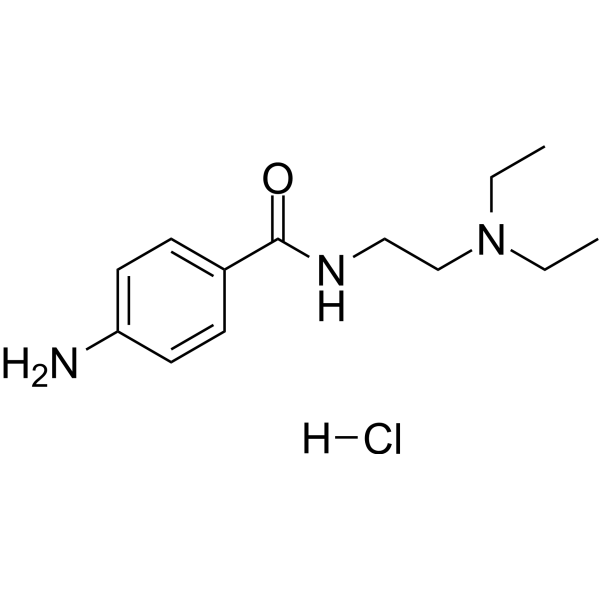
    Procainamide hydrochloride
    5+ Cited Publications

    Procaine amide hydrochloride; SP 100 hydrochloride

    DNA Methyltransferase Potassium Channel Cancer
    Procainamide hydrochloride (Procaine amide hydrochloride) is a specific and potent inhibitor of DNA methyltransferase 1 (DNMT1), which reactivates the expression of tumor suppressor factors by demethylating tumor suppressor genes. Procainamide hydrochloride induces vacuolization in various cell types and reduces cell proliferation and migration. Procainamide hydrochloride relaxes airway smooth muscle by activating potassium channels. Procainamide hydrochloride can be used in cancer and arrhythmia research .
    Procainamide hydrochloride
  • HY-13653R
    (-)-Epigallocatechin Gallate (Standard)
    Maximum Cited Publications
    57 Publications Verification

    EGCG(Standard); Epigallocatechol Gallate (Standard)

    Reference Standards Endogenous Metabolite Apoptosis Inflammation/Immunology Cancer
    (-)-Epigallocatechin Gallate (Standard) is the analytical standard of (-)-Epigallocatechin Gallate. This product is intended for research and analytical applications. (-)-Epigallocatechin Gallate (EGCG) is a major polyphenol in green tea, which can inhibit cell proliferation and induce cell apoptosis. (-)-Epigallocatechin Gallate inhibits glutamate dehydrogenase 1/2 (GDH1/2, GLUD1/2) activity. (-)-Epigallocatechin Gallate has a potent anticancer, antioxidant and anti-inflammatory properties against various types of cancers such as colorectal cancer, myeloid leukemia, thyroid carcinoma .
    (-)-Epigallocatechin Gallate (Standard)
  • HY-19767
    GSK 3008348
    2 Publications Verification

    Integrin TGF-β Receptor Infection Inflammation/Immunology Cancer
    GSK 3008348 is a small molecule antagonist of integrin αvβ6 with IC50 values for αvβ6, αvβ1, αvβ3, αvβ5, and αvβ8 are 1.50, 2.83, 12.53, 4.00, and 2.26 nM, respectively. GSK 3008348 can target the αvβ6 integrin, inhibit TGF-β activation, and thereby alleviate the fibrotic process. GSK 3008348 prevents the binding of the foot-and-mouth disease virus (FMDV) to the αvβ6 integrin receptor on the surface of host cells, thereby inhibiting the entry of the virus. GSK 3008348 can be used for research on pulmonary fibrosis and various types of cancer .
    GSK 3008348
  • HY-126370

    Endogenous Metabolite YAP Apoptosis Interleukin Related STAT ERK Ras Cancer
    Geranylgeranyl pyrophosphate is a type of isoprenoid metabolic intermediate, mainly synthesized through the mevalonate pathway. Geranylgeranyl pyrophosphate is a key precursor in various biological synthesis processes, especially as a necessary substrate for post-translational modification of proteins - geranylgeranyl phosphorylation. Geranylgeranyl pyrophosphate regulates various cellular processes and disease progression through protein geranylgeranyl phosphorylation, such as activating the YAP signaling pathway, promoting cell proliferation and inhibiting apoptosis; promoting IL-2 production and STAT5 phosphorylation; and influencing metabolic homeostasis and cancer, etc .
    Geranylgeranyl pyrophosphate
  • HY-N0772
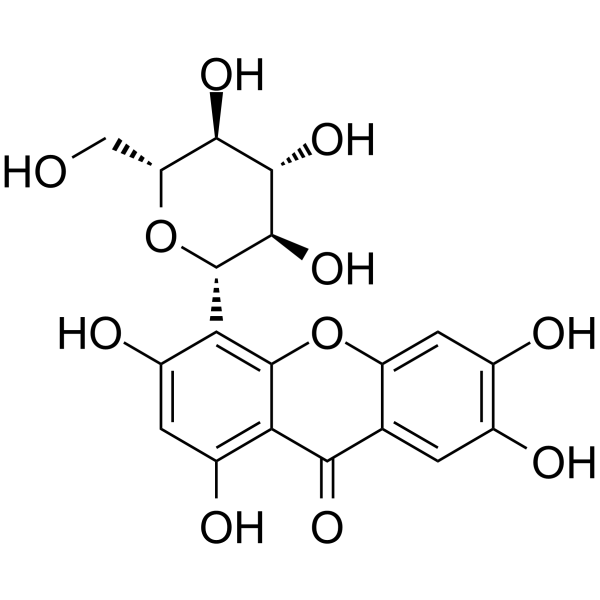
    Isomangiferin
    4 Publications Verification

    VEGFR NOD-like Receptor (NLR) NF-κB Bacterial AMPK Acetyl-CoA Carboxylase Apoptosis Reactive Oxygen Species (ROS) HSV Drug Derivative Infection Metabolic Disease Inflammation/Immunology Cancer
    Isomangiferin is an orally active xanthone C-glucoside, and its chemical structure is similar to Mangiferin (HY-N0290). Isomangiferin is an effective VEGFR-2 kinase inhibitor, which can induces cell apoptosis, inhibit the growth, metastasis and angiogenesis of breast cancer. Isomangiferin exerts anti-inflammatory effects by inhibiting the HMGB1/NLRP3/NF-κB signaling pathway, thereby improving the renal function indicators of diabetic mice. Isomangiferin exhibits inhibitory effects on various bacteria and herpes simplex virus type 1 (HSV-1). Isomangiferin promotes the migration and osteogenic differentiation of bone marrow mesenchymal stem cells (BMSCs) and reduces cell apoptosis and the production of ROS by activating the AMPK/ACC pathway, thereby facilitating fracture healing .
    Isomangiferin
  • HY-N2896

    Reactive Oxygen Species (ROS) Apoptosis Fungal Bacterial NF-κB SOD AMPK mTOR Notch Toll-like Receptor (TLR) Wnt MyD88 Sirtuin Infection Neurological Disease Inflammation/Immunology Cancer
    Arjunolic acid is an orally active, multifunctional bioactive compound. Arjunolic acid exhibits free radical scavenging activity, as well as fungal and bacterial activities. Arjunolic acid induces apoptosis (Apoptosis) in various cancer cells. Arjunolic acid protects hepatocytes against induced oxidative stress and apoptosis by reducing reactive oxygen species and inhibiting NF-κB activation. Arjunolic acid regulates pancreatic dysfunction in type 2 diabetic rats by blocking the activation of the TLR-4/MyD88 and canonical Wnt pathways. Arjunolic acid inhibits neuroinflammation and ameliorates depressive behaviors via the SIRT1/AMPK/Notch1 signaling pathway in microglia. Arjunolic acid improves Crohn's disease-like colitis by restoring gut microbiota composition and inhibiting TLR4 signaling. Arjunolic acid suppresses osteosarcoma progression by inhibiting Wnt3a-mediated M2 polarization of macrophages. Arjunolic acid ameliorates diabetic retinopathy via the autophagy pathway regulated by AMPK/mTOR/HO-1. Arjunolic acid is applicable to research related to type 2 diabetes, organ toxicity, depression, Crohn's disease, osteosarcoma, diabetic retinopathy, and testicular dysfunction .
    Arjunolic acid
  • HY-121368

    Parasite Infection Inflammation/Immunology Cancer
    Mahanine is a carbazole alkaloid with various biological properties. Mahanine is a potent anticancer agent against different types of cancer cells. Mahanine exhibits antileishmanial activity and can be used for Leishmania infection research research.
    Mahanine
  • HY-NP132A

    Biochemical Assay Reagents Integrin Autophagy Apoptosis Discoidin Domain Receptor Cancer
    Recombinant humanized type III collagen (MW 55900) is a type III collagen with a molecular weight of 55900 Da. Recombinant humanized type III collagen has various biological functions, such as promoting skin extracellular matrix regeneration and improving the cell microenvironment. Recombinant humanized type III collagen inhibits the proliferation, migration, and invasion of breast cancer cells. Type III collagen functions in cell adhesion, migration, proliferation and differentiation through its interaction with integrins .
    Recombinant humanized type III collagen (MW 55900)
  • HY-P99413

    ASP1650

    HCV Cancer
    IMAB027 (ASP1650) is a specific anti-CLDN6 mAb, while CLDN6 (Claudin 6) is a tight junction membrane protein, aberrantly expressed in various human cancer types, ovarian cancers particularly. IMAB 027 shows anti-tumor activity, and induces apoptosis in CLDN6 + ovarian and testicular cancer cell lines .
    IMAB027
  • HY-121382

    Cholinesterase (ChE) Apoptosis Necroptosis Neurological Disease Cancer
    Gypsogenin is a selective mixed-type BChE inhibitor (Ki=19.99 μM) that also exhibits significant cytotoxicity against various human cancer cell lines. Gypsogenin inhibits tumor growth by inducing cell cycle arrest and triggering apoptosis. Gypsogenin displays antibacterial activity against bacteria such as Bacillus subtilis and Bacillus thuringiensis, and often serves as a key parent nucleus for the synthesis of anticancer compounds. Gypsogenin is widely used in research on Alzheimer's disease and various cancers including colon cancer, melanoma, and leukemia .
    Gypsogenin
  • HY-19767A
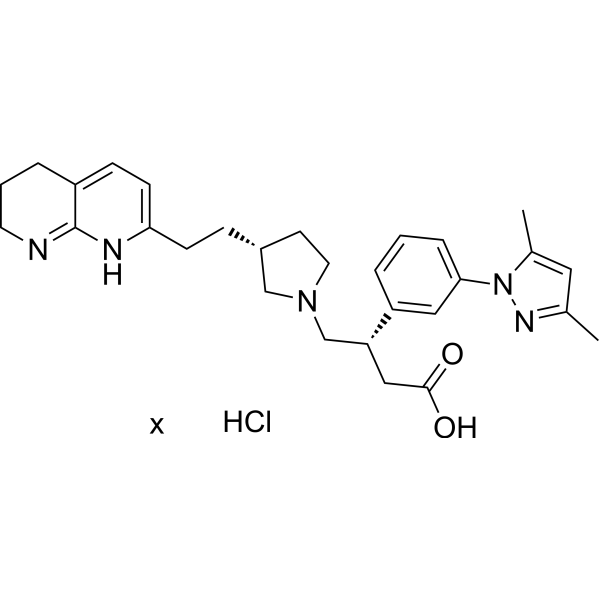
    GSK 3008348 hydrochloride
    2 Publications Verification

    Integrin TGF-β Receptor Infection Inflammation/Immunology Cancer
    GSK 3008348 hydrochloride is a small molecule antagonist of integrin αvβ6 with IC50 values for αvβ6, αvβ1, αvβ3, αvβ5, and αvβ8 are 1.50, 2.83, 12.53, 4.00, and 2.26 nM, respectively. GSK 3008348 hydrochloride can target the αvβ6 integrin, inhibit TGF-β activation, and thereby alleviate the fibrotic process. GSK 3008348 hydrochloride prevents the binding of the foot-and-mouth disease virus (FMDV) to the αvβ6 integrin receptor on the surface of host cells, thereby inhibiting the entry of the virus. GSK 3008348 hydrochloride can be used for research on pulmonary fibrosis and various types of cancer .
    GSK 3008348 hydrochloride
  • HY-13780R

    Vincaleukoblastine sulfate salt (Standard)

    Reference Standards Microtubule/Tubulin Autophagy nAChR Cancer
    Vinblastine (sulfate) (Standard) is the analytical standard of Vinblastine (sulfate). This product is intended for research and analytical applications. Vinblastine sulfate is a cytotoxic alkaloid used against various cancer types. Vinblastine sulfate inhibits the formation of microtubule and suppresses nAChR with an IC50 of 8.9 μM.
    Vinblastine sulfate (Standard)
  • HY-150526

    Endogenous Metabolite Apoptosis Inflammation/Immunology Cancer
    EGCG-4″-sulfate is a major polyphenol in green tea, which can inhibit cell proliferation and induce cell apoptosis. (-)-Epigallocatechin Gallate sulfate inhibits glutamate dehydrogenase 1/2 (GDH1/2, GLUD1/2) activity. EGCG-4″-sulfate has a potent anticancer, antioxidant and anti-inflammatory properties against various types of cancers such as colorectal cancer, myeloid leukemia, thyroid carcinoma .
    EGCG-4″-sulfate
  • HY-13653S1

    EGCG-d4; Epigallocatechol Gallate-d4

    Isotope-Labeled Compounds Apoptosis Inflammation/Immunology Cancer
    (-)-Epigallocatechin Gallate-d4 (EGCG-d4) is the deuterium labeled (-)-Epigallocatechin Gallate (HY-13653). (-)-Epigallocatechin Gallate (EGCG) is a major polyphenol in green tea, which can inhibit cell proliferation and induce cell apoptosis. (-)-Epigallocatechin Gallate inhibits glutamate dehydrogenase 1/2 (GDH1/2, GLUD1/2) activity. (-)-Epigallocatechin Gallate has a potent anticancer, antioxidant and anti-inflammatory properties against various types of cancers such as colorectal cancer, myeloid leukemia, thyroid carcinoma .
    (-)-Epigallocatechin Gallate-d4
  • HY-16129

    Calmodulin Checkpoint Kinase (Chk) MAPKAPK2 (MK2) MAP3K Cancer
    CBP-501, a cell-permeable calmodulin-binding peptide and a G2-abrogating drug candidate, inhibits the activity of multiple Ser 216-specific kinases, such as MAPKAP-K2, C-Tak1, CHK1 and CHK2, with IC50 values of 0.9 μM, 1.4 μM 3.4 μM and 6.5 μM, respectively. CBP-501 is used for various types of cancer .
    CBP-501
  • HY-50055

    ERK Cancer
    EtDO-P4 is a nanomolar inhibitor of glycosphingolipid (GSL) synthesis. EtDO-P4 suppresses activation of the EGFR-induced ERK pathway and various receptor tyrosine kinases (RTKs). EtDO-P4 can be used for various types of cancer, including Burkitt’s lymphoma .
    EtDO-P4
  • HY-144669

    Aldehyde Dehydrogenase (ALDH) Cancer
    ALDH1A3-IN-2 (Compound 15) is a potent inhibitor of ALDH1A3 with an IC50 of 1.29 μM. Aldehyde dehydrogenases (ALDHs) are overexpressed in various tumor types including prostate cancer. ALDH1A3-IN-2 has the potential for the research of cancer diseases .
    ALDH1A3-IN-2
  • HY-E70290

    GALNT1

    Endogenous Metabolite β-catenin Wnt Cancer
    N-Acetylgalactosaminyltransferase 1 (GALNT1) is a glycosyltransferase that initiates mucin-type O-glycosylation by transferring α-GalNAc from UDP-GalNAc to serine (Ser) or threonine (Thr) residues in proteins. Overexpression of N-Acetylgalactosaminyltransferase 1 in gastric cancer can promote abnormal O-glycosylation of CD44, thereby activating the Wnt/β-catenin signaling pathway and regulating the malignant behavior of gastric cancer cells. Additionally, N-Acetylgalactosaminyltransferase 1 plays a crucial role in cancer growth and metastasis by modifying the O-glycosylation of various glycoproteins, such as mucin (MUC1), osteopontin (OPN), matrix metalloproteinase-14 (MMP14), and integrin α3 .
    N-Acetylgalactosaminyltransferase 1
  • HY-19671

    SR-45023A; SR 9223i; SK&F-99085

    HMG-CoA Reductase (HMGCR) Apoptosis Cancer
    Apomine (SR-45023A) is an orally active antineoplastic agent that inhibits the mevalonate/isoprenoid pathway in cholesterol synthesis. Apomine can accelerate the degradation of 3-hydroxy-3-methylglutaryl-CoA reductase (HMGR). Apomine can also inhibit the growth of various types of cancer cells, including lung cancer, colon cancer, breast cancer, and skin cancer. Apomine is able to induce apoptosis in tumor cell lines derived from leukemia, colon cancer, liver cancer, ovarian cancer, and breast cancer .
    Apomine
  • HY-P991571

    GC-1118A

    EGFR PERK Akt Cancer
    GC1118 (GC-1118A) is a fully human anti-EGFR monoclonal antibody with binding affinity of 0.16 nM (KD) to EGFR. GC1118 displays potent inhibitory effects on high- and low-affinity EGFR ligand-induced signaling. GC1118 shows potent anti proliferative activity in KRAS wild-type and KRAS mutant cells. GC1118 can reach the tumor by crossing both BBB (blood-brain barrier) and BTB (brain-tumor barrier) and shows superior anti-tumor effects in various mice xenograft models. GC1118 can be used for the researches of cancer, such as colorectal cancer .
    GC1118
  • HY-N7205

    Others Cancer
    Glaucocalyxin D is a ent-kauranoid-type diterpenoid that can be isolated from Rabdosia japonica. Glaucocalyxin D shows cytotoxicity against various human tumor cell lines. Glaucocalyxin D can be used for cancer research .
    Glaucocalyxin D
  • HY-179148

    EGFR Apoptosis Cancer
    EGFR-IN-184 (compound 5p) is an EGFR inhibitor (IC50 = 65.6 nM). EGFR-IN-184 has anti proliferative activity against various tumor cells, such as T47D (IC50 = 15 μM), PC3 (IC50 = 55 μM), HCT116 (IC50 = 36 μM) cells. EGFR-IN-184 can significantly induce cell apoptosis and block the cell cycle. EGFR-IN-184 can be used for research on various types of cancer .
    EGFR-IN-184
  • HY-W130177

    Biochemical Assay Reagents Cancer
    Iodocholine iodide is a non-toxic, metabolizable "green" catalyst that can catalyze the free radical polymerization of functional polymers. Iodocholine iodide is also the non-radioactive iodide of Carbon-11 choline. C-11 Choline can be used in PET imaging and non-informative bone scintigraphy, CT or MRI to monitor various types of cancer .
    Iodocholine iodide
  • HY-B0965AS

    Dopamine Receptor Apoptosis 5-HT Receptor Autophagy Bacterial Neurological Disease
    Thioridazine-d3 (hydrochloride) is the deuterium labeled Thioridazine. Thioridazine, an antagonist of the dopamine receptor D2 family proteins, exhibits potent anti-psychotic and anti-anxiety activities. Thioridazine is also a potent inhibitor of PI3K-Akt-mTOR signaling pathways with anti-angiogenic effect. Thioridazine shows antiproliferative and apoptosis induction effects in various types of cancer cells, with specificity on targeting cancer stem cells (CSCs) .
    Thioridazine-d3 hydrochloride
  • HY-148264

    HIF-2α-IN-7; NKT2152

    HIF/HIF Prolyl-Hydroxylase Infection Metabolic Disease Inflammation/Immunology Cancer
    Imdatifan (HIF-2α-IN-7) is a hypoxia inducible factor 2α (HIF-2α) inhibitor. Imdatifan can inhibit HIF-2α with an EC50 value of 6 nM. Imdatifan can be used for the research of various types of diseases including cancer, liver disease, inflammatory disease, pulmonary diseases and iron load disorders .
    Imdatifan
  • HY-179149

    Polo-like Kinase (PLK) Apoptosis Cancer
    PLK4-IN-6 (compound C05) is an PLK4 inhibitor (IC50 < 0.1 nM). PLK4-IN-6 has anti proliferative activity against various tumor cells, such as IMR-32 (IC50 = 0.948 μM), MCF-7 (IC50 = 0.979 μM), H460 (IC50 = 1.679 μM) cells. PLK4-IN-6 can significantly induce cell apoptosis and block the cell cycle. PLK4-IN-6 can be used for research on various types of cancer .
    PLK4-IN-6
  • HY-178947

    METTL3 Apoptosis Cancer
    ZINC13000658 is a METTL inhibitor. ZINC13000658 exhibits significant anti proliferative activity in various cells and can induce G1 phase cell cycle arrest and apoptosis such as HepG2 (IC50 = 5.632 µM) and SNU-449 (IC50 = 6.184 µM) cells. ZINC13000658 may be related to the inhibition of the activity of multiple methyltransferases such as METTL1, 3, 6, 16, 18, etc. ZINC13000658 can be used for research on various types of cancer .
    ZINC13000658
  • HY-16129A

    Calmodulin MAP3K MAPKAPK2 (MK2) Checkpoint Kinase (Chk) Cancer
    CBP-501 acetate, a cell-permeable calmodulin-binding peptide and a G2-abrogating drug candidate, inhibits the activity of multiple Ser 216-specific kinases, such as MAPKAP-K2, C-Tak1, CHK1 and CHK2, with IC50 values of 0.9 μM, 1.4 μM 3.4 μM and 6.5 μM, respectively. CBP-501 acetate is used for various types of cancer .
    CBP-501 acetate
  • HY-170017S

    EGCG-d3/d4; Epigallocatechol Gallate-d3/d4

    Isotope-Labeled Compounds Apoptosis Inflammation/Immunology Cancer
    (-)-Epigallocatechin Gallate-d3/d4 (EGCG-d3/d4) is the deuterium labeled (-)-Epigallocatechin Gallate (HY-13653). (-)-Epigallocatechin Gallate (EGCG) is a major polyphenol in green tea, which can inhibit cell proliferation and induce cell apoptosis. (-)-Epigallocatechin Gallate inhibits glutamate dehydrogenase 1/2 (GDH1/2, GLUD1/2) activity. (-)-Epigallocatechin Gallate has a potent anticancer, antioxidant and anti-inflammatory properties against various types of cancers such as colorectal cancer, myeloid leukemia, thyroid carcinoma .
    (−)-Epigallocatechin Gallate-d3/d4
  • HY-E70758

    c-Met/HGFR Cancer
    Mesenchymal-to-epithelial transition (MET) is a receptor tyrosine kinase for hepatocyte growth factor (HGF). MET overactivation is strongly associated with angiogenesis, cellular motility, growth, and invasion. Aberrant MET signaling can drive tumorigenesis in several cancer types through various molecular mechanisms, including MET amplification, MET exon 14 skipping mutation, MET overexpression, and MET fusions. MET Y1235D is a mutant of MET. MET Y1235D Recombinant Human Active Protein Kinase is a recombinant MET Y1235D protein that can be used to study MET Y1235D-related functions .
    MET Y1235D Recombinant Human Active Protein Kinase
  • HY-E70751

    c-Met/HGFR Cancer
    Mesenchymal-to-epithelial transition (MET) is a receptor tyrosine kinase for hepatocyte growth factor (HGF). MET overactivation is strongly associated with angiogenesis, cellular motility, growth, and invasion. Aberrant MET signaling can drive tumorigenesis in several cancer types through various molecular mechanisms, including MET amplification, MET exon 14 skipping mutation, MET overexpression, and MET fusions. MET G1163R is a mutant of MET. MET G1163R Recombinant Human Active Protein Kinase is a recombinant MET G1163R protein that can be used to study MET G1163R-related functions .
    MET G1163R Recombinant Human Active Protein Kinase
  • HY-P990259

    Transmembrane Glycoprotein Inflammation/Immunology Cancer
    Anti-Mouse CD96 Antibody (3.3) is a rat-derived anti-mouse CD96 IgG1 λ type antibody inhibitor. Anti-Mouse CD96 Antibody (3.3) blocks binding of CD155 to CD96. Anti-Mouse CD96 Antibody (3.3) can enhance the antitumor efficacy of multiple immune-checkpoint inhibitors. Anti-Mouse CD96 Antibody (3.3) shows potent anti-tumor and anti-metastatic activity in various tumor models. Anti-Mouse CD96 Antibody (3.3) can be used for the researches of cancer and inflammation, such as mammary carcinoma .
    Anti-Mouse CD96 Antibody (3.3)
  • HY-106200A

    Lipoxygenase Cardiovascular Disease Inflammation/Immunology Cancer
    CJ-13,610 (hydrochloride) is an orally active and potent nonredox-type 5-lipoxygenase inhibitor with an IC50 value of 0.07 μM. CJ-13,610 (hydrochloride) competes with activating LOOH at a regulatory LOOH-binding site with high affinity, thereby preventing 5-lipoxygenase catalysis. CJ-13,610 (hydrochloride) is promising for research of diseases related to elevated levels of 5-lipoxygenase such as inflammatory reactions, allergic asthma, various types of cancer and atherosclerosis .
    CJ-13,610 hydrochloride
  • HY-W299574A

    Others Cancer
    (Rac)-HfLeu hydrochloride is an anticancer agent with good cell membrane permeability. (Rac)-HfLeu hydrochloride has excellent proliferation inhibition ability for cancer cells. (Rac)-HfLeu hydrochloride can be used for research on various types of cancer .
    (Rac)-HfLeu hydrochloride
  • HY-160063

    Fluorescent Dye DNA Alkylator/Crosslinker Cancer
    SW1 aptamer sodium is a high-affinity DNA aptamer (Kd: 123.62 nM) that targets liver cancer SMMC-7721 cells and targets intracellular components within the nucleus. SW1 aptamer sodium can also identify various other types of cancer cells and tissues, serving as an effective molecular probe for clinical cancer diagnosis .
    SW1 aptamer sodium
  • HY-144671

    Aldehyde Dehydrogenase (ALDH) Cancer
    ALDH3A1-IN-2 (Compound 19) is a potent inhibitor of ALDH3A1 with an IC50 of 1.29 μM. Aldehyde dehydrogenases (ALDHs) are overexpressed in various tumor types including prostate cancer. ALDH3A1-IN-2 has the potential for the research of cancer diseases .
    ALDH3A1-IN-2
  • HY-144096

    Histone Methyltransferase Cancer
    EZH2-IN-11 is a potent inhibitor of E2HZ. The oncogenic activities of EZH2 have been shown by a number of studies in various different cancer types. EZH2-IN-11 has the potential for the research of cancer diseases (extracted from patent WO2019204490A1, compound 17) .
    EZH2-IN-11

Inquiry Online

Your information is safe with us. * Required Fields.

Salutation


Country or Region *

Applicant Name *


Organization Name *

Department *


Email Address *


Product Name *

Cat. No.


Requested quantity *

Phone Number *


Remarks

Inquiry Online

Inquiry Information

Product Name:
Cat. No.:
Quantity:
MCE Japan Authorized Agent:

