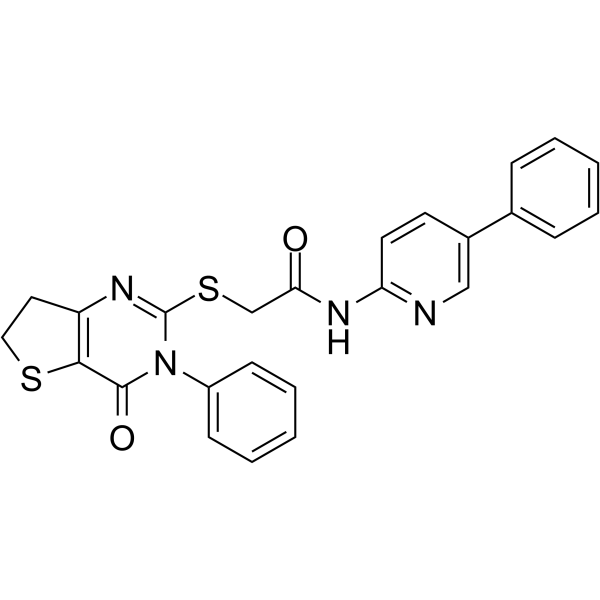
Cancer Stem Cells
Cancer stem cells (CSCs) are populations of cancer cells that have the properties of stem cells i.e. self-renewal and ability to generate differentiated progenies. CSCs have high plasticity, which changes their phenotypic and functional appearance. They have important roles in tumor development, expansion, resistance, relapse and metastasis. Multiple studies have shown that CSCs originate from non-malignant stem or progenitor cells. Inhibition of developmental signaling pathways that are critical for stem and progenitor cell homeostasis and function has important implications in strategies to target CSCs in cancer research.
Studies have shown that CSCs develop several mechanisms to protect themselves from toxins and genotoxic stress, including enhanced DNA damage repair capacity, increased expression of drug transporters, maintenance of a low reactive oxygen species (ROS) environment, and recruitment of a protective niche. Therefore, targeting signaling pathways that are required to maintain stem cells is the current therapeutic strategy for CSCs. For example, hedgehog pathway, Notch and Wnt signaling pathways.
Newly developed drugs targeting surface markers of CSCs opens the new avenues for cancer therapy, such as CD44, CD133, EpCAM, Sox2, and Oct-3/4.
-
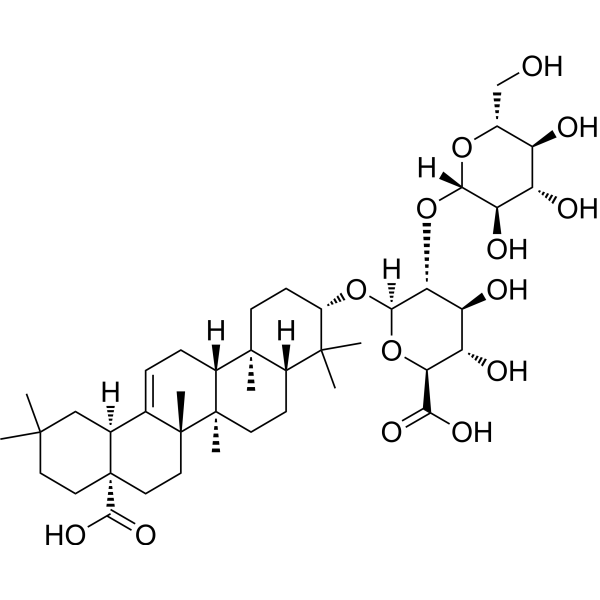
Zingibroside R1
 0 Images
Zingibroside R1 is an orally active triterpene saponin with multiple biological activities including antioxidant, anti-inflammatory, antiviral, and metabolic regulatory properties. Zingibroside R1 reduces the expression of PIN family members, inhibits the expression of PLT1/PLT2, WOX5, SHR, and SCR, disrupts auxin transport and distribution, triggers plant ROS responses, and inhibits root growth. Zingibroside R1 extends the lifespan of Caenorhabditis elegans, enhances its heat stress resistance, and improves its motor ability. Hydrogel derivatives of Zingibroside R1 inhibit the proliferation of Candida albicans by binding to its β-1,3-glucan and exhibit antifungal activity. Zingibroside R1 inhibits GLUT1-mediated uptake and alleviates liver injury. Zingibroside R1 can be used in research related to neurodegenerative diseases, vulvovaginal candidiasis, acute liver injury, Ehrlich ascites tumor and HIV-1 infection.

-
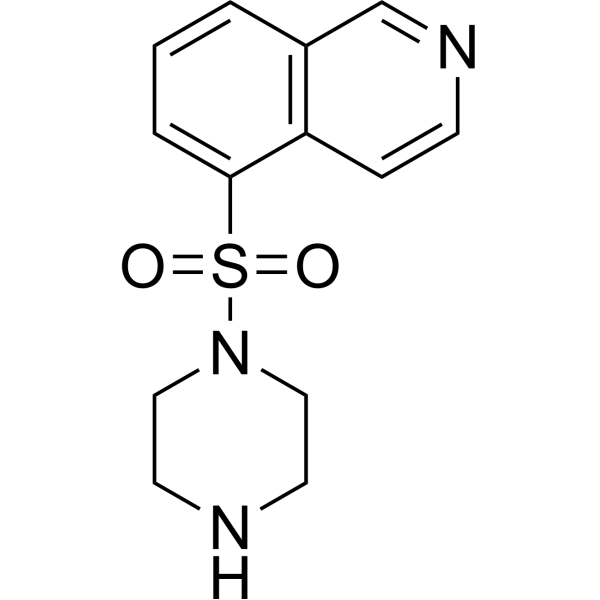
Forskolin (Standard)
 0 ImagesSynonyms: Coleonol (Standard); Colforsin (Standard); HL 362 (Standard)
Forskolin (Standard) is the analytical standard of Forskolin. This product is intended for research and analytical applications. Forskolin (Coleonol) is a potent adenylate cyclase activator with an IC50 of 41 nM and an EC50 of 0.5 μM for type I adenylyl cyclase. Forskolin is also an inducer of intracellular cAMP formation. Forskolin induces differentiation of various cell types and activates pregnane X receptor (PXR) and FXR. Forskolin exerts a inotropic effect on the heart, and has platelet antiaggregatory and antihypertensive actions. Forskolin also induces autophagy.
-
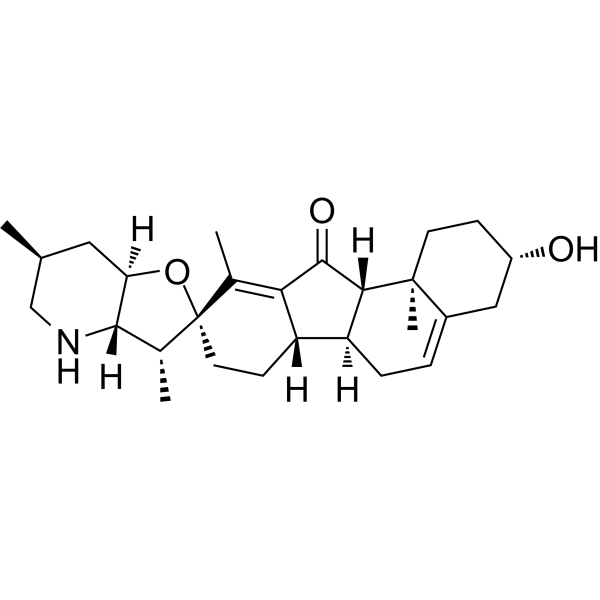
Jervine
 0 Images
Jervine (11-Ketocyclopamine) is an orally active steroidal alkaloid and Hedgehog signaling pathway inhibitor. Jervine can be isolated from Veratrum californicum. Jervine regulates Wnt, inhibits the AKT/mTOR signaling pathway, and activates the AMPK signaling pathway. Jervine induces DNA damage, Apoptosis, Autophagy, ROS production and Mitochondrial damage. Jervine exhibits anti-cancer and anti-inflammatory activities. Jervine reduces tumor growth rate and weight in xenograft models. Jervine can be used in studies related to triple-negative breast cancer, nasopharyngeal carcinoma and non-small cell lung cancer.
-
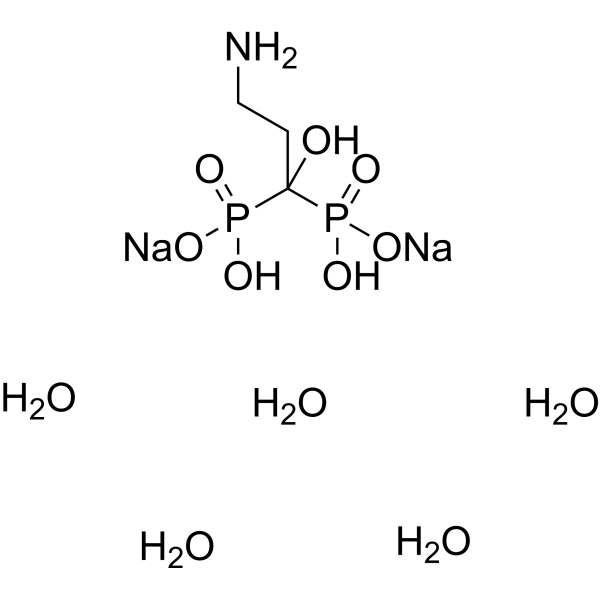
Pamidronate disodium pentahydrate
 0 Images
Pamidronate disodium pentahydrate, the second-generation nitrogen-containing bisphosphonate, is an inhibitor of bone loss. Pamidronate disodium pentahydrate significantly inhibits subchondral bone loss in early osteoarthritis by upregulating the expression of osteoprotegerin in cartilage and subchondral bone, and inhibiting the expression of RANKL and MMP-9 in both tissues, as well as TLR-4 in cartilage, thereby alleviating cartilage degeneration. Additionally, Pamidronate disodium pentahydrate can inhibit the signaling of Wnt and β-catenin, and is applicable for research on osteoporosis and osteosarcoma.

-
Monensin sodium (Standard)
 0 ImagesCat. No.: HY-N0150RCAS No.: 22373-78-0Synonyms: Monensin A sodium (Standard)
Monensin (sodium) (Standard) is the analytical standard of Monensin (sodium). This product is intended for research and analytical applications. Monensin (Monensin A) sodium, an orally active antibiotic, is an ionophore that mediates Na+/H+ exchange. Monensin sodium is a potent Wnt signaling inhibitor. Monensin sodium causes a marked enlargement of the multivesicular bodies (MVBs) and regulates exosome secretion. Monensin sodium can be used for bacterial, fungal, and parasitic infections research, and shows anticancer effects.
-
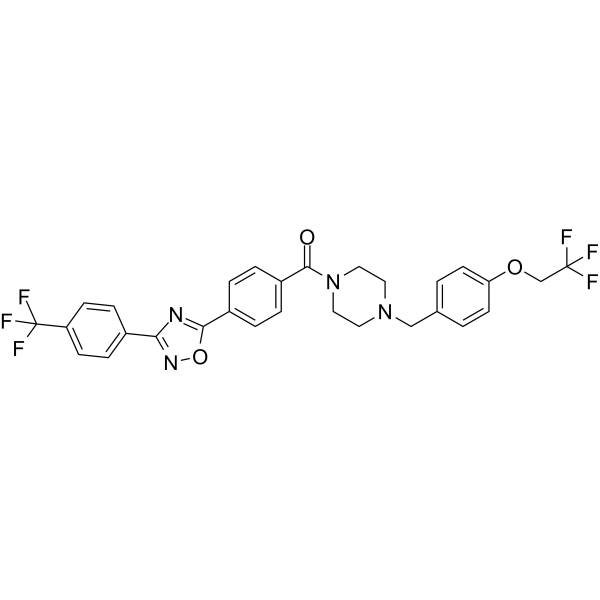
HP590
 0 Images
HP590 is an orally active, novel and potent STAT3 inhibitor (STAT3 luciferase activity: IC50=27.8 nM; ATP inhibition: IC50=24.7 nM). HP590 shows anti-proliferative activity to gastric cancer cells and induces apoptosis.
-
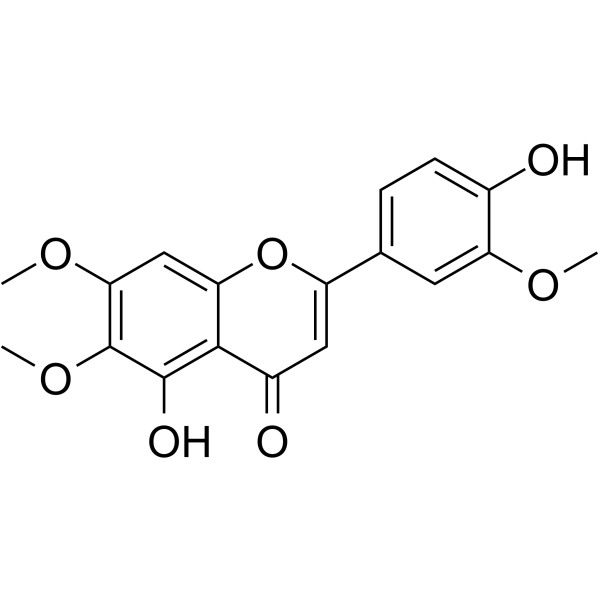
Cirsilineol
 0 Images
Cirsilineol, a natural flavone compound, selectively inhibits IFN-γ/STAT1/T-bet signaling in intestinal CD4+ T cells. Cirsilineol has potent immunosuppressive and anti-tumor properties. Cirsilineol significantly ameliorates trinitro-benzene sulfonic acid (TNBS)-induced T-cell-mediated experimental colitis in mice.
-
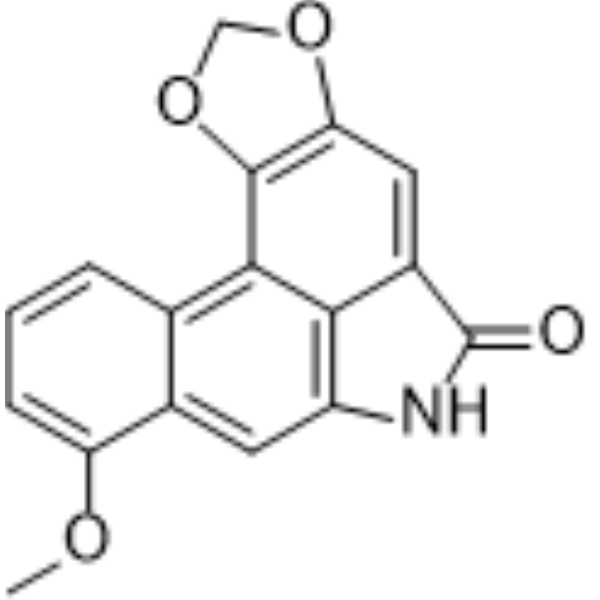
Aristolactam I
 0 ImagesSynonyms: Aristololactam; Aristolactam
Aristolactam I is an AQP1 inhibitor and Aristolochic acid I metabolite. Aristolactam I can be isolated from Aristolochia plants. Aristolactam I downregulates Twist1 expression, increases E-cadherin expression, and activates the TGF-β/Smad signaling pathway. Aristolactam I has anticancer activity against breast cancer. Aristolactam I is nephrotoxic. Aristolactam I is mainly used in the study of breast cancer and kidney diseases such as renal interstitial fibrosis.
-
YMU1
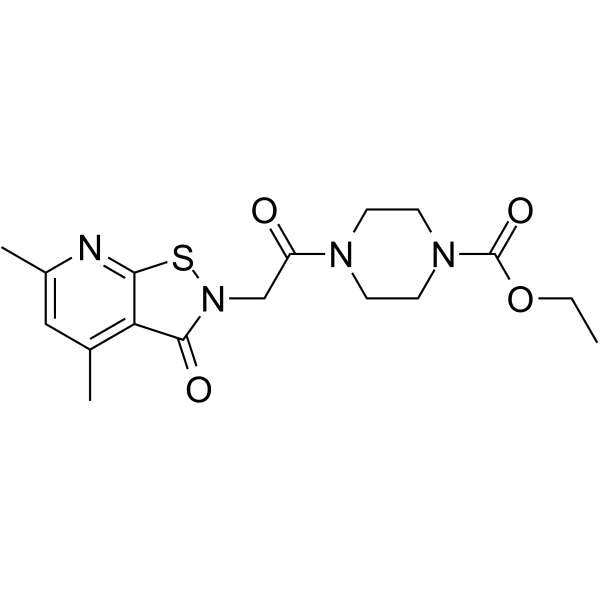 0 Images
YMU1 is a selective inhibitor of human thymidylate kinase (hTMPK) with an IC50 of 610 nM. YMU1 inhibits tumor proliferation.
-
(Rac)-Hesperetin
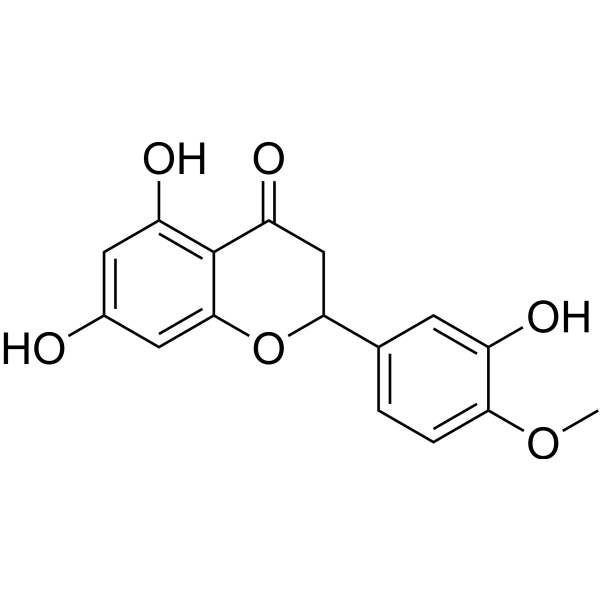 0 Images
(Rac)-Hesperetin is the racemate of Hesperetin (HY-N0168), an orally active multi-target inhibitor. (Rac)-Hesperetin exhibits significant anti-tumor and anti-inflammatory activities by blocking the TGF-β1-mediated Fyn/RhoA signaling axis and the TLR4-MyD88-NF-κB inflammatory pathway. (Rac)-Hesperetin inhibits the formation of actin stress fibers and the migration and invasion of cancer cells, and is suitable for triple-negative breast cancer research. In inflammation models, (Rac)-Hesperetin effectively alleviates lung injury by reducing the release of pro-inflammatory mediators and regulating the activity of oxidative stress enzymes, and is suitable for acute lung injury research. (Rac)-Hesperetin also interferes with the entry and early replication processes of channel catfish virus, inhibits viral gene expression and progeny virus production, thereby protecting cells from virus-induced cytopathic effects.
-
Curculigoside
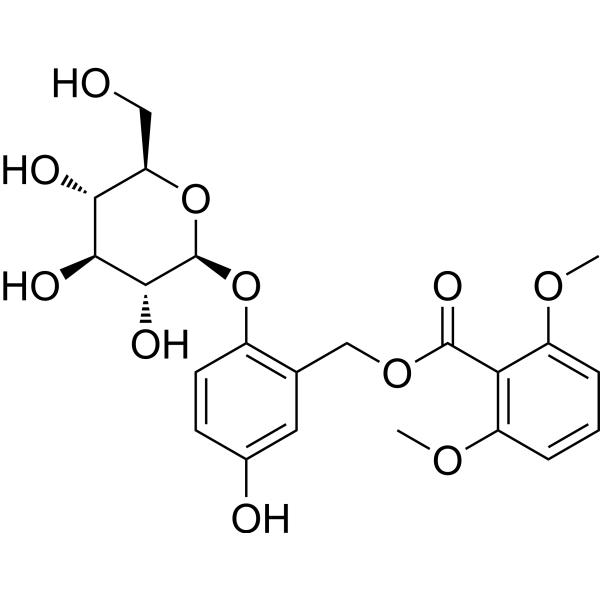 0 Images
Curculigoside is the main saponin in C. orchioide, exerts significant antioxidant, anti-osteoporosis, antidepressant and neuroprotection effects. Curculigoside possesses significant anti-arthritic effects in vivo and in vitro via regulation of the JAK/STAT/NF-κB signaling pathway.
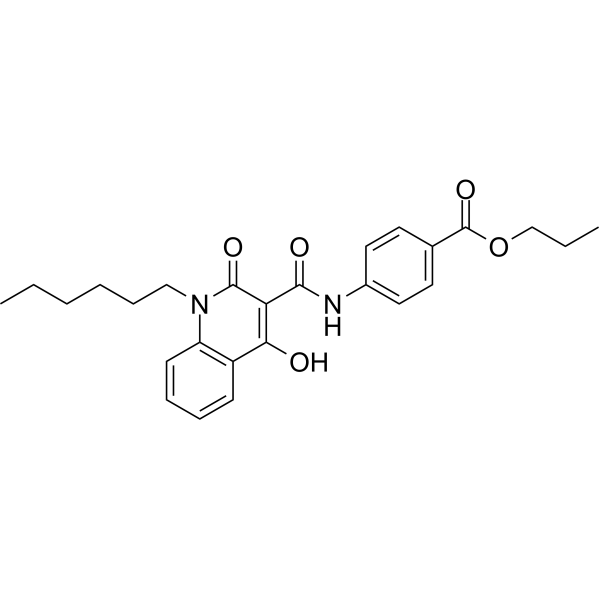
-
Miclxin
 0 ImagesSynonyms: DS37262926
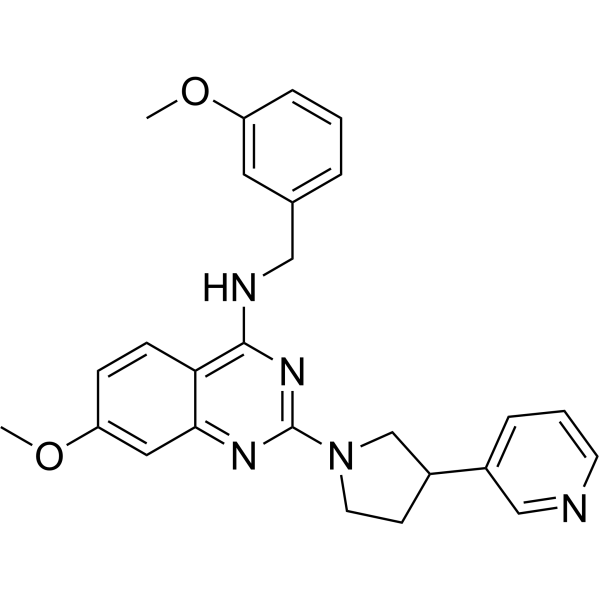
Miclxin (DS37262926) is a potent inhibitor of mutant β-catenin, involving in Wnt signaling pathway. Miclxin induces β-catenin-dependent apoptosis, leads to severe mitochondrial damage with the loss of mitochondrial membrane. Miclxin kills tumor via targeting to MIC60, a major components of the mitochondrial contact site and cristae organizing system (MICOS) complex.
-
Aurothiomalate sodium
 0 Images
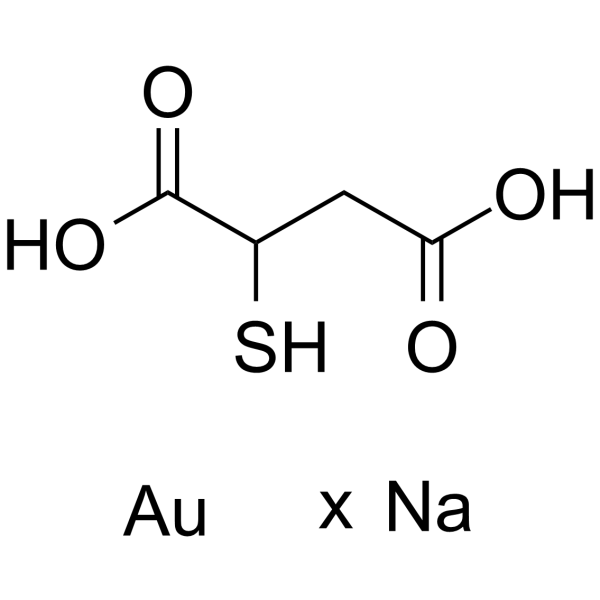
Aurothiomalate sodium acts as an inhibitor of PKCI and TrxR1. Aurothiomalate sodium disrupts the PKCI-Par6-Rac1 signaling pathway, and also inhibits TrxR1 activity, TNFα-induced NF-κB activation, and the expression of pro-inflammatory genes. Aurothiomalate sodium blocks Kras-mediated BASC expansion and lung tumor growth, inhibits anchorage-independent growth and tumorigenicity of lung cancer cells, and suppresses neutrophil chemotaxis, phagocytosis, and leukocyte extravasation. Aurothiomalate sodium can be used in research related to rheumatoid arthritis and non-small cell lung cancer.
-
Licoricesaponin G2
 0 Images
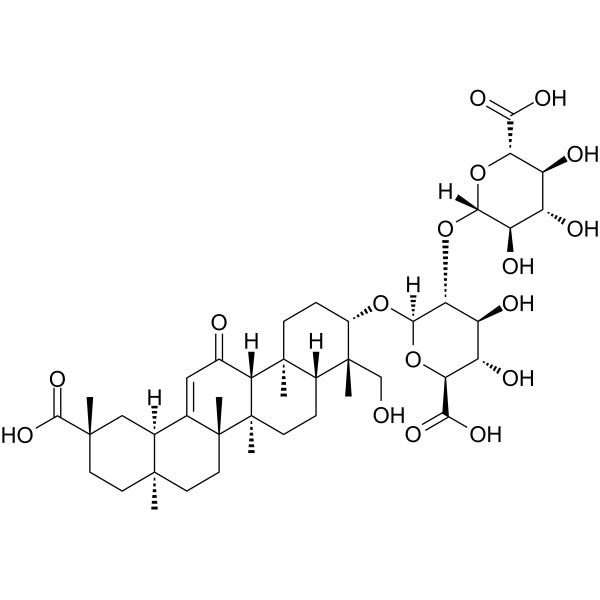
Licoricesaponin G2 is an orally active component found in Licorice. Licoricesaponin G2 significantly ameliorates Bleomycin (HY-108345)-induced pulmonary fibrosis by inhibiting the TNF-α signaling pathway, reducing epithelial-mesenchymal transition, and decreasing extracellular matrix deposition. Licoricesaponin G2 inhibits cancer cells proliferation, migration, inhibits PI3K/AKT/mTOR signaling pathway and increases ROS production. Licoricesaponin G2 can be used for the research of lung cancer and pulmonary fibrosis.