



Cancer Stem Cells
Cancer stem cells (CSCs) are populations of cancer cells that have the properties of stem cells i.e. self-renewal and ability to generate differentiated progenies. CSCs have high plasticity, which changes their phenotypic and functional appearance. They have important roles in tumor development, expansion, resistance, relapse and metastasis. Multiple studies have shown that CSCs originate from non-malignant stem or progenitor cells. Inhibition of developmental signaling pathways that are critical for stem and progenitor cell homeostasis and function has important implications in strategies to target CSCs in cancer research.
Studies have shown that CSCs develop several mechanisms to protect themselves from toxins and genotoxic stress, including enhanced DNA damage repair capacity, increased expression of drug transporters, maintenance of a low reactive oxygen species (ROS) environment, and recruitment of a protective niche. Therefore, targeting signaling pathways that are required to maintain stem cells is the current therapeutic strategy for CSCs. For example, hedgehog pathway, Notch and Wnt signaling pathways.
Newly developed drugs targeting surface markers of CSCs opens the new avenues for cancer therapy, such as CD44, CD133, EpCAM, Sox2, and Oct-3/4.
-
Valproic acid (Standard)
 0 ImagesSynonyms: VPA (Standard); 2-Propylpentanoic acid (Standard); Dipropylacetic acid (Standard)
Valproic acid (Dipropylacetic Acid) (Standard) is an analytical standard for valproic acid. This product is intended for research and analytical applications. Valproic acid is an orally active HDAC inhibitor (IC50=0.5-2 mM), inhibits the activity of HDAC1 (IC50=400 μM), and induces the degradation of HDAC2. Valproic acid activates Notch1 signaling and inhibits the proliferation of small cell lung cancer (SCLC) cells. Valproic acid is used in the study of epilepsy, bipolar disorder, metabolic diseases, HIV infection, and migraine.
-
SD-436
 0 Images
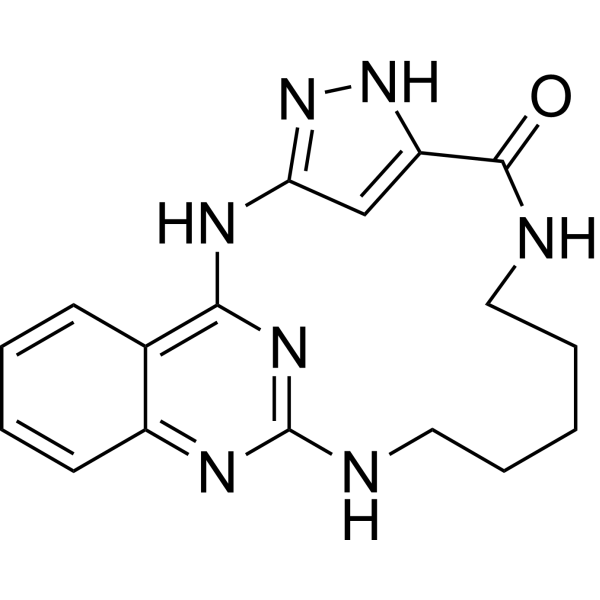
SD-436 is a highly selective and efficacious STAT3 PROTAC degrader (DC50: 0.5 μM), with IC50 of 19 nM (STAT3), 270 nM (STAT1), 360 nM (STAT4), >10 μM (STAT5) and >10 μM (STAT6). SD-436 promotes ubiquitination and degradation of STAT3, and induces tumor regression. SD-436 can be used for tumor research, such as leukemia and lymphoma.
-
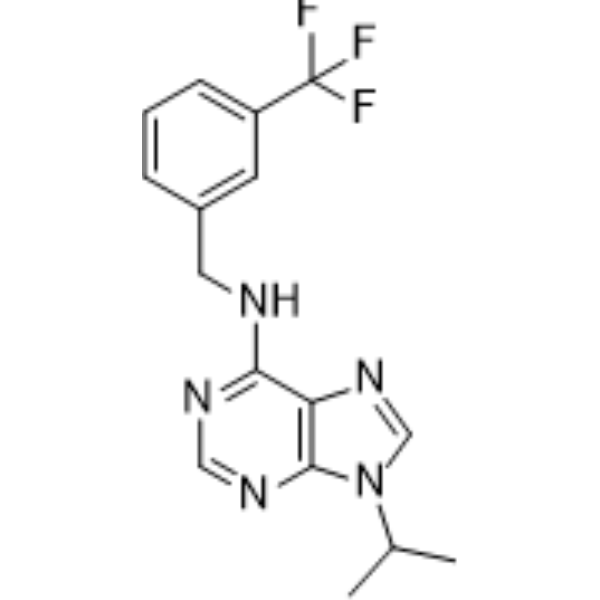
FzM1
 0 Images
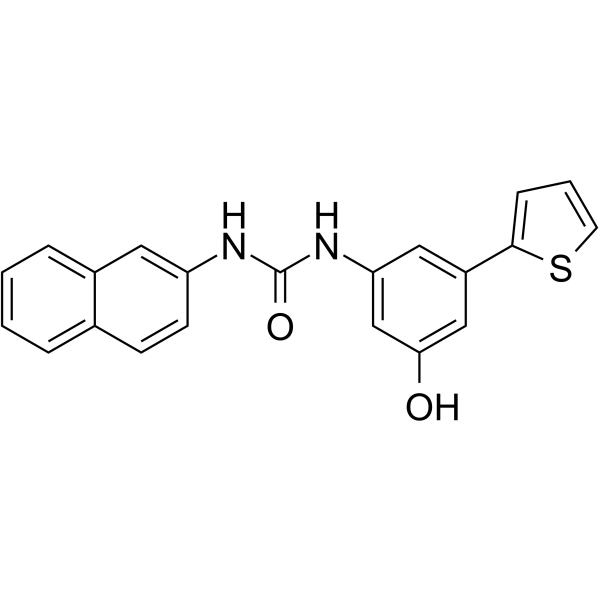
FzM1 is a negative allosteric modulator (NAM) of Frizzled receptor FZD4. FzM1 reduces WNT5A-dependent WNT responsive element (WRE) activity (log EC50inh=?6.2). FzM1 binds to an allosteric binding site located in intracellular loop 3 (ICL3) of FZD4 and alters the conformation of the receptor, ultimately inhibiting the WNT/β-catenin cascade.
-
Hyaluronic acid sodium (MW 200-1560)
 0 Images
Hyaluronic acid sodium (MW 200-1560) is a biopolymer composed of repeating disaccharide units, with a molecular weight of 200-1560. Hyaluronic acid sodium is a major component of the extracellular matrix (ECM). It is synthesized on the plasma membrane. Hyaluronic acid sodium exerts its effects by binding to receptors CD44 and RHAMM. Hyaluronic acid sodium activates PI3K-Akt signaling. Hyaluronic acid sodium also enhances cell invasion and angiogenesis by promoting or stimulating the binding of proteolytic MMP-9 to the cell surface. Elevated hyaluronic acid levels are associated with tumor cell growth, adhesion, migration, invasion, and angiogenesis in digestive system cancers. Hyaluronic acid sodium is involved in tissue remodeling and rapid cell proliferation in several physiological processes, including embryonic morphogenesis and wound healing. Hyaluronic acid sodium can be used as a regulator of cancer-associated lymphangiogenesis. Hyaluronic acid sodium can be used as a drug delivery carrier for sodium butyrate, enhancing its anti-proliferative activity against breast cancer cell lines. Hyaluronic acid sodium can lubricate the corneal endothelium. Hyaluronic acid sodium can improve tissue hydration and enhance the resistance of cells to mechanical damage. Hyaluronic acid sodium has been conjugated with antibodies to ensure that the active compound continues to exert its effects at the site of inflammation. Hyaluronic acid sodium can be used in research in the fields of osteoarthritis, ophthalmology, cosmetic dermatology, oncology, and liver diseases.
-
Cyanidin-3-O-arabinoside
 0 ImagesCat. No.: HY-129139CAS No.: 111613-04-8
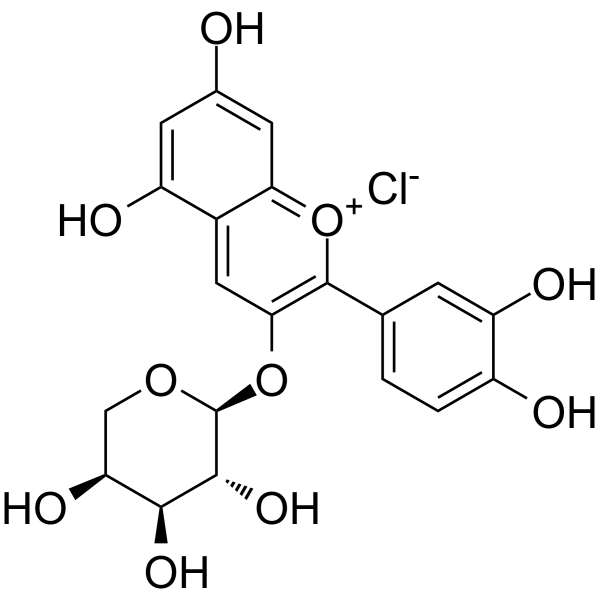
Cyanidin-3-O-arabinoside is a p38 MAPK phosphorylation inhibitor. Cyanidin-3-O-arabinoside reduces the expression of VDAC1, inhibits mtROS accumulation, reverses cellular senescence, blocks excessive mitochondrial calcium influx, reduces the formation of mitochondria-associated endoplasmic reticulum membranes, and suppresses the VDAC1-IP3R1 interaction. Cyanidin-3-O-arabinoside activates hair follicle stem cell proliferation and improves the condition of slowed hair growth. Cyanidin-3-O-arabinoside is applicable to research related to colon cancer and androgenetic alopecia.
-
JHU395
 0 Images
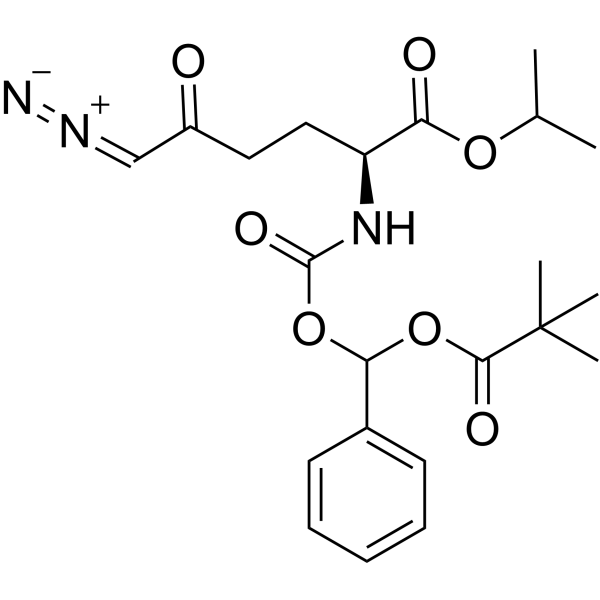
JHU395 is an orally active prodrug of 6-diazo-5-oxo-l-norleucine (HY-108357) and an antagonist of Glutamine amidotransferase. JHU395 blocks de novo purine synthesis, inhibits glutamine utilization, and induces Apoptosis. JHU395 exhibits antitumor activity. JHU395 can be used in research related to malignant peripheral nerve sheath tumors and MYC-driven medulloblastomas.
-
ZLDI-8
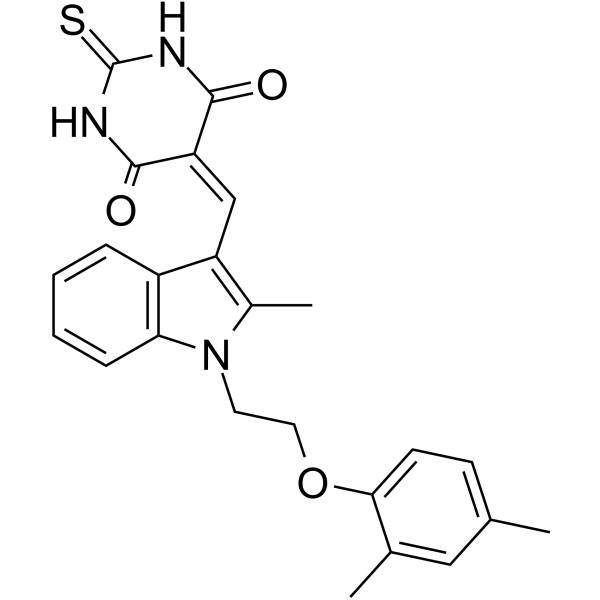 0 Images
ZLDI-8 is a Notch activating/cleaving enzyme ADAM-17 inhibitor and inhibits the cleavage of Notch protein. ZLDI-8 decreases the expression of pro-survival/anti-apoptosis and epithelial-mesenchymal transition (EMT) related proteins. ZLDI-8 is also a competitive and irreversible tyrosine phosphatase (Lyp) inhibitor with an IC50 of 31.6 μM and a Ki of 26.22 μM. ZLDI-8 inhibits the growth of MHCC97-H cells with an IC50 of 5.32 μM.
-
3',4'-Dimethoxyflavone
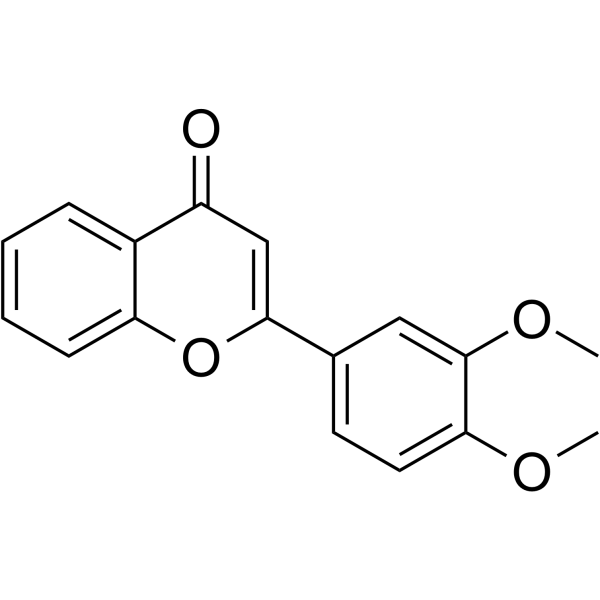 0 Images
3',4'-Dimethoxyflavone is a lipophilic flavone, can be isolated from the leaves of Primula veris. 3',4'-Dimethoxyflavone can reduce the synthesis and accumulation of PARP and protect cortical neurones against cell death induced by Parthanatos. 3',4'-Dimethoxyflavone is also an aryl hydrocarbon receptor antagonist in human breast cancer cells. 3',4'-Dimethoxyflavone can promote the proliferation of human hematopoietic stem cells. 3',4'-Dimethoxyflavone has various biological activities, including antioxidant, anti-cancer, anti-inflammatory, anti-atherogenic, hypolipidaemic, and neuroprotective or neurotrophic effects.
-
Leelamine hydrochloride
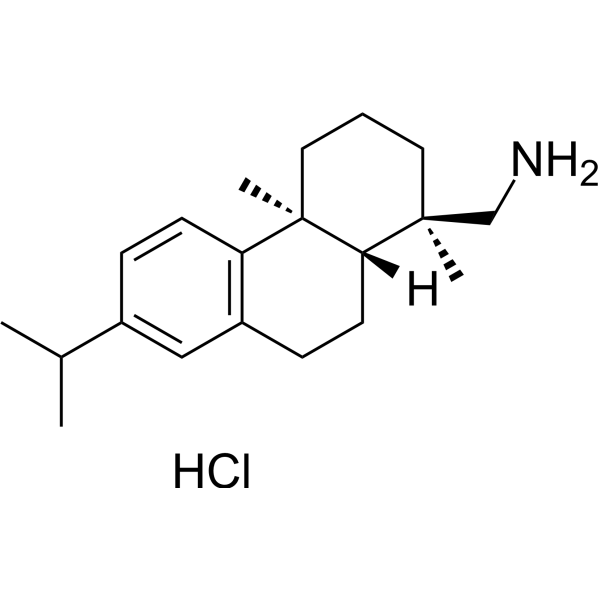 0 Images
Leelamine hydrochloride is an orally active weakly basic amine that inhibits NPC1 and the androgen receptor AR-V7, and acts as a cannabinoid receptor agonist. Leelamine hydrochloride also functions as a lysosome affinity agent that blocks endocytosis, disrupts autophagic flux and cholesterol transport, thereby altering the RTK-AKT/STAT/MAPK signaling cascade. Leelamine hydrochloride induces cancer cell death and autophagosome accumulation, and can be used in research related to melanoma, castration-resistant prostate cancer and breast cancer.
-
Trilinolein
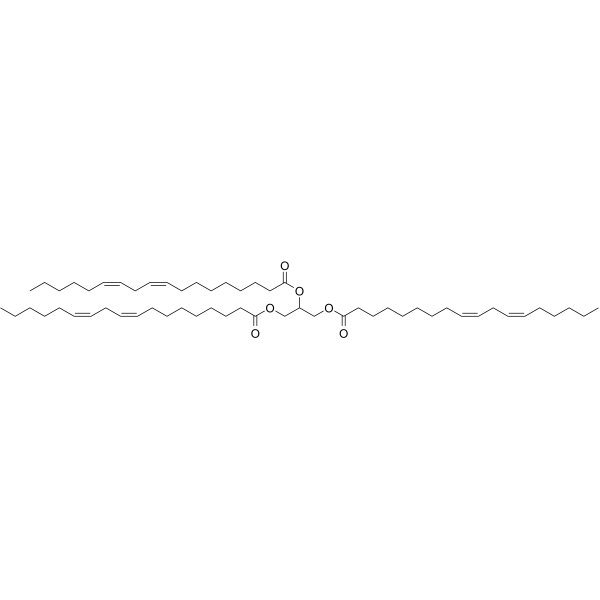 0 Images
Trilinolein is an orally active triglyceride that inhibits the PI3K/Akt, Ras/MEK/ERK signaling pathways, and MMP-2. Trilinolein can reduce oxidative stress, induce apoptosis, and inhibit cell migration. Trilinolein can be used in the research fields of cardiovascular disease, cerebrovascular disease (such as cerebral ischemia), and non-small cell lung cancer.
-
NRX-103094
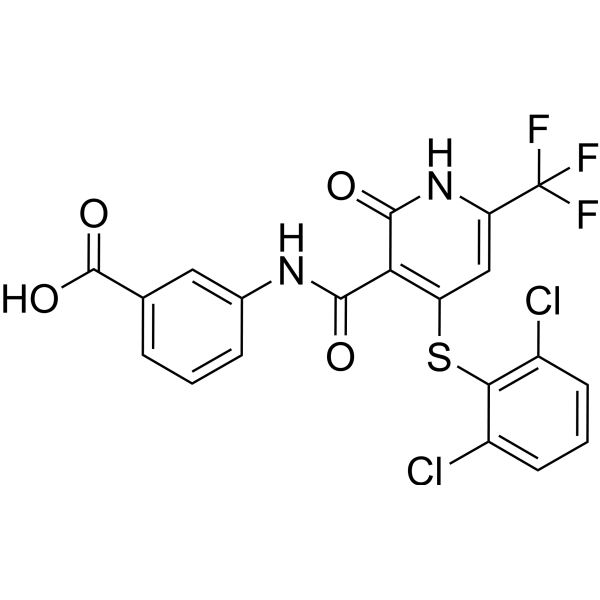 0 Images
NRX-103094 is a Molecular glue and β-catenin/β-TrCP interaction enhancer, with an EC50 of 62 nM for the binding of pSer33/S37A β-catenin peptide to recombinant β-TrCP/Skp1 complex. NRX-103094 shows selectivity for Ser37 phosphorylation-deficient β-catenin, and has no effect on wild-type doubly phosphorylated β-catenin or other β-TrCP substrates. NRX-103094 can be used in research related to colorectal cancer and ovarian endometrioid adenocarcinoma.
-
Khasianine
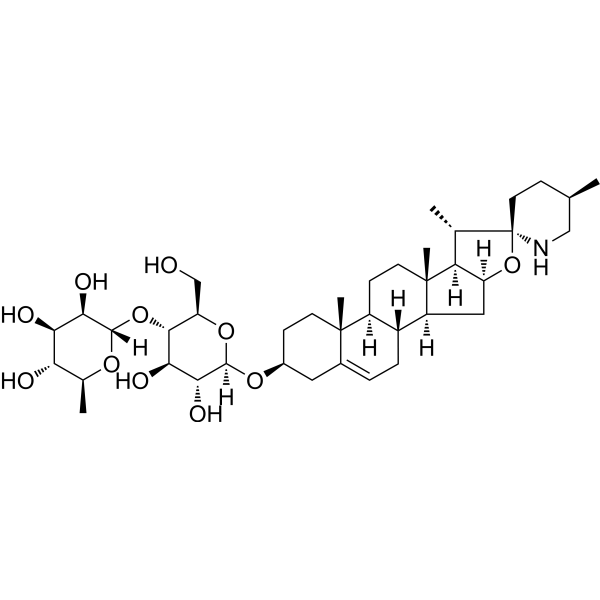 0 Images
Khasianine is a steroidal glycoalkaloid. Khasianine alleviates psoriasis-like skin inflammation by inhibiting the TNF-α/NF-κB axis. Khasianine can downregulate the RhoA pathway and exhibits potential antimetastatic activity. Khasianine upregulates the expression of TNFR I and TNFR II without inducing apoptotic effects. Khasianine can be used in studies related to psoriasis, pancreatic ductal adenocarcinoma, and liver cancer.
-
Doxycycline hydrochloride (Standard)
 0 Images
Doxycycline hydrochloride (Standard) is the analytical standard of Doxycycline hydrochloride (HY-N0565A). This product is intended for research and analytical applications. Doxycycline hydrochloride is an orally active highly lipophilic, tissue-permeable MMP inhibitor with broad-spectrum antibacterial activity. Doxycycline hydrochloride is also a semi-synthetic antibiotic with chelating properties, which blocks bacterial protein synthesis and inhibits extracellular matrix degradation through interactions with zinc and calcium atoms. Doxycycline hydrochloride also inhibits mitochondrial biogenesis, translation, and the expression of respiratory chain proteins. Doxycycline hydrochloride induces apoptosis, inhibits autophagy and EMT, downregulates stem cell markers, and activates the PI3K-AKT pathway, thereby effectively inhibiting the viability and proliferation of cancer cells such as breast cancer cells. Doxycycline hydrochloride also promotes the survival and self-renewal of embryonic stem cells and neural stem cells, and reduces the frequency of medium changes in culture. Doxycycline hydrochloride has been applied in studies related to breast cancer, prostate cancer, bladder cancer, and other cancers.
-
GSK143 dihydrochloride
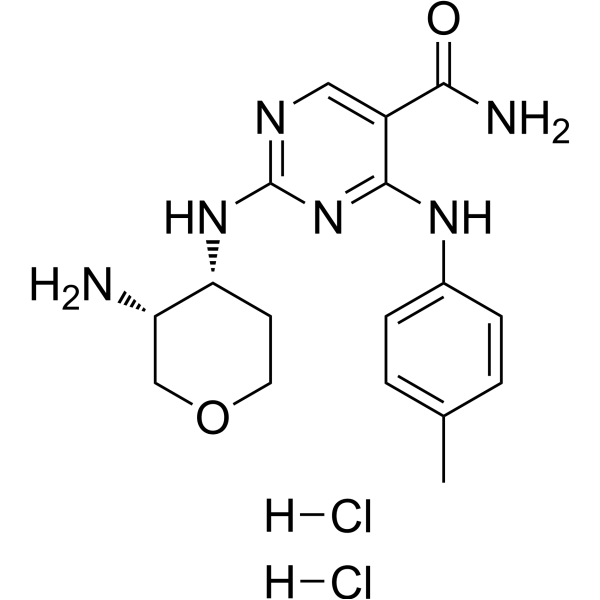 0 Images
GSK143 dihydrochloride is an orally active and highly selective spleen tyrosine kinase (SYK) inhibitor with a pIC50 of 7.5. GSK143 dihydrochloride inhibits phosphorylated Erk (pErk: pIC50=7.1). GSK143 dihydrochloride reduces inflammation and prevents recruitment of immune cells in the intestinal muscularis in mice.



