



Cancer Targeted Therapy
Cancer targeted therapy is the foundation of precision medicine; it uses drugs or other substances to target specific genes and proteins that control cancer cells’ growth, division and spreading. Compared to traditional chemotherapy drugs, targeted-drugs can specifically act on cancer cells with high efficacy without damaging normal cells. Drugs used in cancer targeted therapy mainly includes small molecules and macromolecules (e.g., monoclonal antibodies), which can target cancer cells and constituents in the tumor microenvironment to activate the immune system. Anti-angiogenesis drugs, such as those targeting vascular endothelial growth factor (VEGF), epidermal growth factor receptor (EGFR), transforming growth factor (TGF)-α, TGF-β, Tumor necrosis factor (TNF)-α, and platelet-derived endothelial growth factor (PDGFR) inhibit the proliferation and metastasis of cancer cells. In recent years, the proportion of antibody drugs in cancer treatment has gradually become prominent. Antibody-drug conjugates (ADCs) are a new type of targeted drugs that are composed of monoclonal antibody, cytotoxic drug and linker. ADCs can deliver drugs to tumor cells and minimize the toxicity to normal tissues. Proteolysis-targeting chimera (PROTAC) is a useful technology for targeted protein degradation. PROTAC exploits the ubiquitin-proteasome system and forms a ternary complex with a hijacked E3 ubiquitin ligase and target protein, leading to polyubiquitination and degradation of the target protein.
Targeted therapy is a useful strategy in treatment of cancer either alone or in combination with standard chemotherapy. At present, targeted therapy has proved significant clinical success in the treatment of many types of cancer, including breast cancer, colorectal cancer, leukemia, ovarian cancer and lung cancer.
-
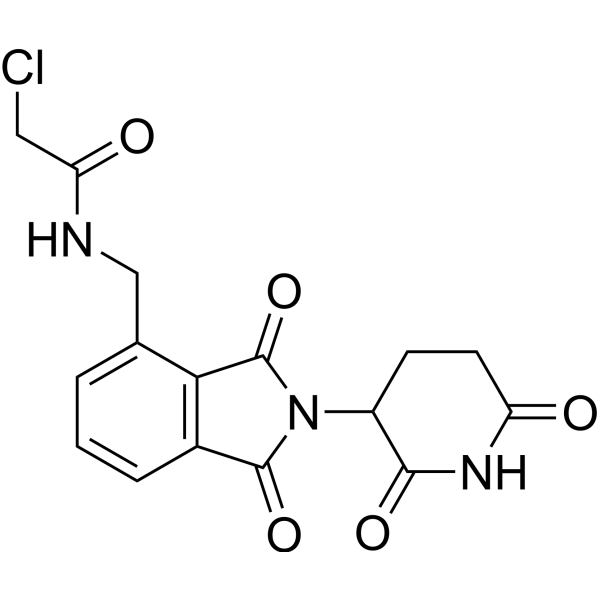
TNF-α-IN-1
 0 Images
TNF-α-IN-1 (Compound I-7) is a TNF-α inhibitor. TNF-α-IN-1 can be studied in research for cancers, heart disease, autoimmune disease and infections.
-
PROTAC AURKA degrader 3
 0 ImagesCat. No.: HY-168543Purity: 99.78%
PROTAC AURKA degrader 3 is a selective AURKA PROTAC degrader, with DC50 values of 2.05, 157.85 and 43.05 nM against AURKA, AURKB and TTK, respectively. PROTAC AURKA degrader 3 exhibits cytotoxicity against acute myeloid leukemia cells. PROTAC AURKA degrader 3 can be used for research related to acute myeloid leukemia.

-
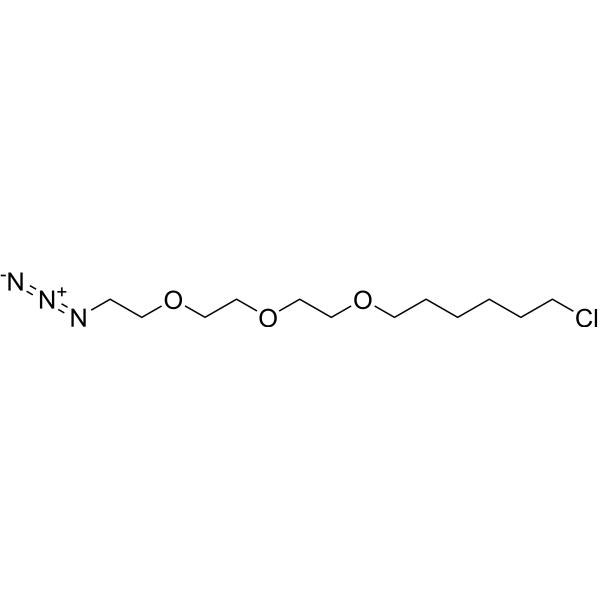
Azido-PEG3-C6-Cl
 0 ImagesCat. No.: HY-138466CAS No.: 1625717-44-3
Azido-PEG3-C6-Cl is a PEG-based PROTAC linker that can be used in the synthesis of PROTACs. Azido-PEG3-C6-Cl is a click chemistry reagent, it contains an Azide group and can undergo copper-catalyzed azide-alkyne cycloaddition reaction (CuAAc) with molecules containing Alkyne groups. It can also undergo strain-promoted alkyne-azide cycloaddition (SPAAC) reactions with molecules containing DBCO or BCN groups.
-
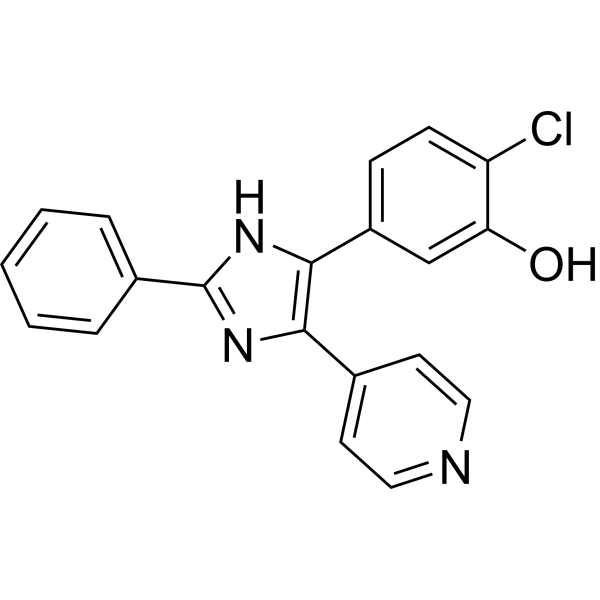
SP11
 0 Images
SP11 is a mitochondrial fission protein 1 (Fis1) inhibitor with an IC50 of 9.4 μM. SP11 binds only to activated Fis1 by engaging Cys41. SP11 preserves mitochondrial integrity and function during oxidative stress, inhibits hydrogen peroxide-induced mitochondrial ROS production, mitochondrial fragmentation, and Drp1 mitochondrial translocation. SP11 can be used for the research of parkinson’s disease.
-
Vonsetamig
 0 ImagesCat. No.: HY-P990095CAS No.: 2408319-33-3Synonyms: REGN5459
Vonsetamig (REGN5459) is a human bispecific antibody targeting BCMA and CD3. Vonsetamig triggers T-cell activation, induces plasma cell depletion, and triggers low-level cytokine release. Vonsetamig can be used for the research of relapsed/refractory multiple myeloma.
-
hsa-miR-200c-3p inhibitor
 0 ImagesCat. No.: HY-RI00407
hsa-miR-200c-3p inhibitors are chemically-modified oligonucleotides that hybridize with mature miRNAs. The miRNA inhibitors have full-length nucleotide 2'-methoxy modification. The miRNA inhibitors strongly compete with mature miRNAs to prevent the complementary pairing of miRNAs and their target genes, thereby inhibiting miRNAs from functioning.
-
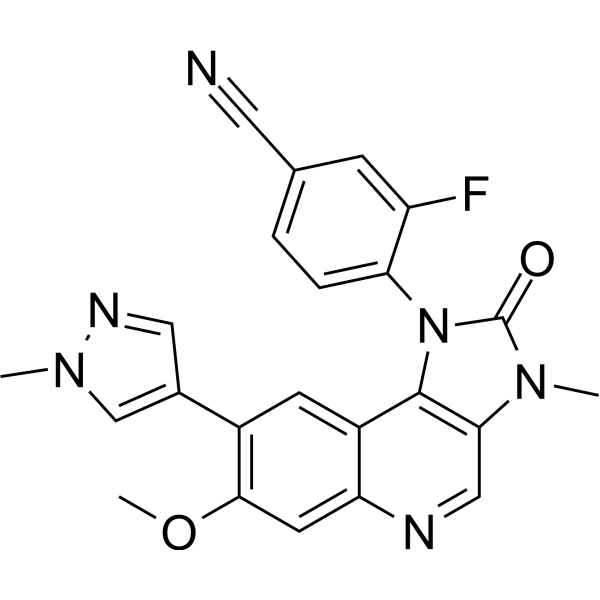
M3541
 0 Images
M3541 is an orally effective DNA-dependent protein kinase (DNA-PK) inhibitor. M3541 inhibits ionizing radiation-induced ATM autophosphorylation and phosphorylation of downstream substrates (KAP1, CHK2, p53), blocks DSB end resection and homologous recombination repair, and simultaneously induces non-homologous end joining, G2-M phase arrest, polyploidization, and cell death. M3541 can be used for research on solid tumors, acute myeloid leukemia, non-small cell lung cancer, triple-negative breast cancer, etc..
-
CM-1758
 0 Images
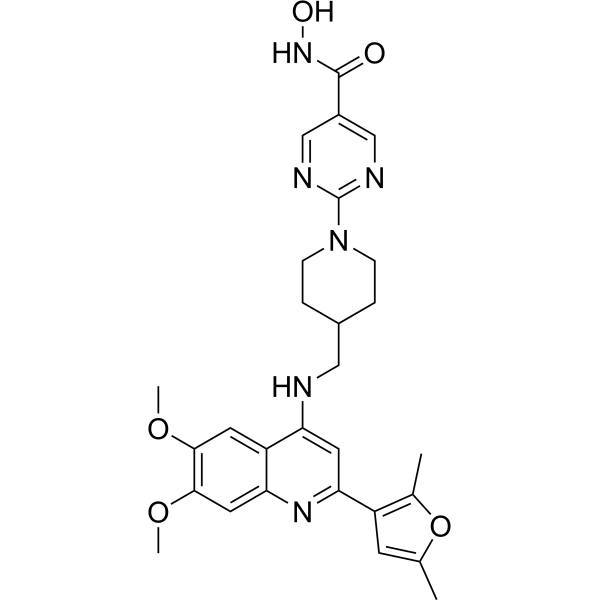
CM-1758 is a histone deacetylase (HDAC) inhibitor. CM-1758 inhibits tumor growth in vivo. CM-1758 induces acetylation of non-histone proteins in acute myeloid leukemia cells.
-
MG-HuR2
 0 Images
MG-HuR2 is a molecular glue degrader targeting HuR (ELAVL1) with a Kd of 0.2018 μM. MG-HuR2 recruits the E3 ubiquitin ligase RNF126 and induces proteasome-dependent degradation of HuR. MG-HuR2 exhibits a unique biphasic degradation profile. MG-HuR2 reduces the expression of HuR and its downstream targets Bcl2/FOXQ1, inhibits breast cancer cell proliferation, enhances cytotoxicity and apoptosis (apoptosis), and suppresses the growth of 3D breast cancer tumor spheres. MG-HuR2 can be used in studies related to breast cancer and HuR-targeted protein degradation.
-
Rilmenidine
 0 Images
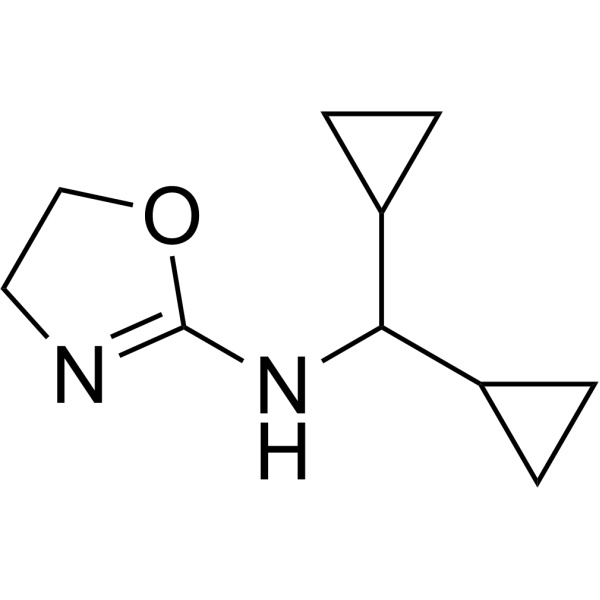
Rilmenidine, an innovative antihypertensive agent, is an orally active, selective I1 imidazoline receptor agonist. Rilmenidine is an alpha 2-adrenoceptor agonist. Rilmenidine induces autophagy. Rilmenidine acts both centrally by reducing sympathetic overactivity and in the kidney by inhibiting the Na+/H+ antiport. Rilmenidine modulates proliferation and stimulates the proapoptotic protein Bax thus inducing the perturbation of the mitochondrial pathway and apoptosis in human leukemic K562 cells.
-
L1BC8
 0 Images
L1BC8 (compound 13a) is a BRD4 PROTAC degrader with anticancer effects. L1BC8 is also a drug-linker conjugate for ADC that can be used for the synthesis of ADCs. The resulting BRD4-degrader antibody conjugates exhibit potent and antigen-dependent BRD4 degradation and antiproliferation activities in cell-based experiments.
-
PDS-0330
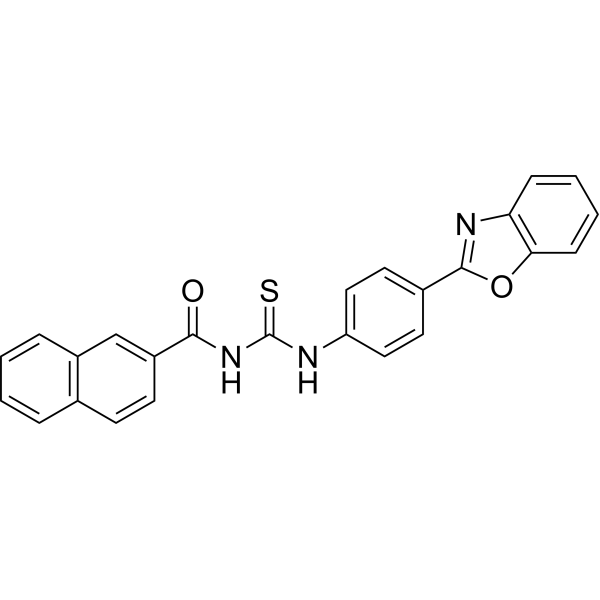 0 ImagesSynonyms: KVA-E-23A
PDS-0330 is a specific and potent Claudin-1 inhibitor. PDS-0330 interferes with claudin-1/Src association and inhibits colorectal cancer (CRC) progression and metastasis.
-
Necrostatin-1 (inactive control)
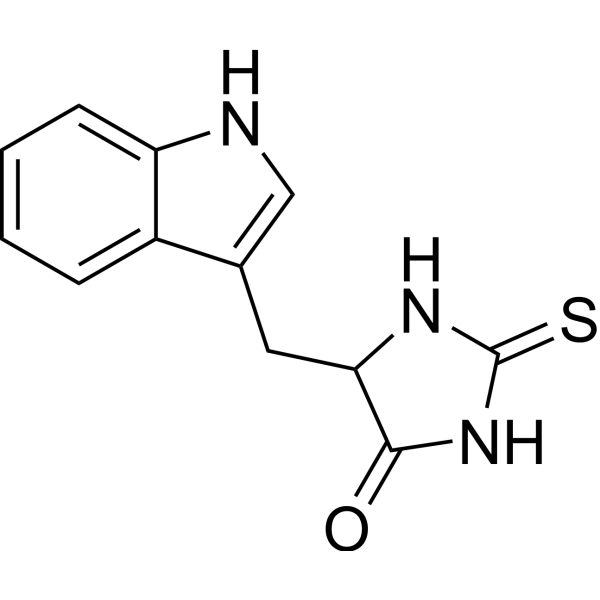 0 ImagesSynonyms: Nec-1 (inactive control)
Necrostatin-1 (Nec-1) (inactive control) is an inactive analog of Necrostatin-1 (HY-15760). Necrostatin-1 is a potent necroptosis inhibitor.
-
Tigecycline tetramesylate
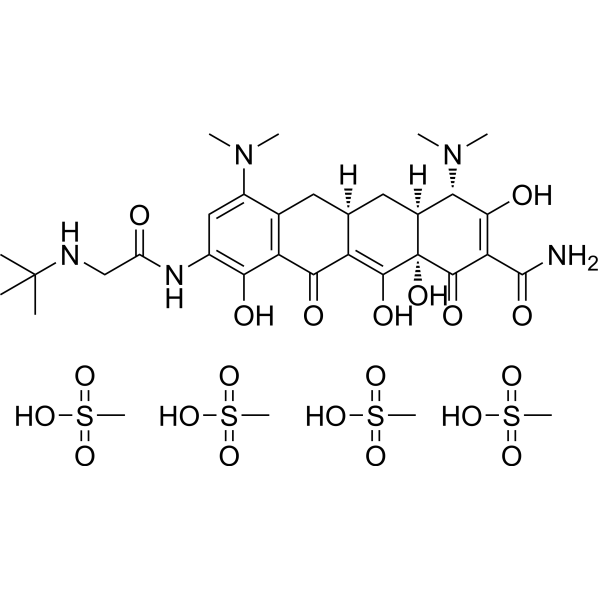 0 ImagesCat. No.: HY-B0117CSynonyms: GAR-936 tetramesylate
Tigecycline tetramesylate (GAR-936 tetramesylate) is a broad-spectrum glycylcycline antibiotic. The mean inhibitory concentration (MIC) of Tigecycline for E. coli (MG1655 strain) is approximately 125 ng/mL. MIC50 and MIC90 are 1 and 2 mg/L for Acinetobacter baumannii (A. baumannii), respectively.
-
FKB04
 0 Images
FKB04 is a telomeric repeat binding factor 2 (TRF2) inhibitor that exerts its antitumor activity by disrupting the telomere maintenance mechanism in liver cancer cells, leading to T-loop defects, telomere shortening, and cellular senescence. Additionally, FKB04 can inhibit tumor growth in a human liver cancer xenograft mouse model (with Huh-7 cells implanted in BALB/c mice). FKB04 can be used in liver cancer research.




