



Apoptosis
Apoptosis
Apoptosis is a distinctive form of cell death exhibiting specific morphological and biochemical characteristics, including cell membrane blebbing, chromatin condensation, genomic DNA fragmentation, and exposure of specific phagocytosis signaling molecules on the cell surface. Cells undergoing apoptosis differ from those dying through necrosis. Necrotic cells are usually recognized by the immune system as a danger signal and, thus, resulting in inflammation; in contrast, apoptotic death is quiet and orderly.
There are two major pathways of apoptotic cell death induction: The intrinsic pathway, also called the Bcl-2-regulated or mitochondrial pathway, is activated by various developmental cues or cytotoxic insults, such as viral infection, DNA damage and growth-factor deprivation, and is strictly controlled by the BCL-2 family of proteins. The extrinsic or death-receptor pathway is triggered by ligation of death receptors (members of the tumor necrosis factor (TNF) receptor family, such as Fas or TNF receptor-1 (TNFR1)) that contain an intracellular death domain, which can recruit and activate caspase-8 through the adaptor protein Fas-associated death domain (FADD; also known as MORT1) at the cell surface. This recruitment causes subsequent activation of downstream (effector) caspases, such as caspase-3, -6 or -7, without any involvement of the BCL-2 family.
Studies suggest that alterations in cell survival contribute to the pathogenesis of a number of human diseases, including cancer, viral infections, autoimmune diseases, neurodegenerative disorders, and AIDS (acquired immunodeficiency syndrome). Treatments designed to specifically alter the apoptotic threshold may have the potential to change the natural progression of some of these diseases.
All Product Categories
-
Apoptosis Inhibitors
(904)
View all products
-
Apoptosis Agonists
(7)
View all products
-
Apoptosis Antagonists
(9)
View all products
-
Apoptosis Activators
(363)
View all products
-
Apoptosis Modulators
(60)
View all products
-
Apoptosis Inducers
(7944)
View all products
-
Apoptosis Degrader
(1)
View all products
-
Apoptosis Controls
(33)
View all products
-
Apoptosis Related Products (9888)
Related Products (9888)

-
Antibodies (120)
-
Pomalidomide (Standard)
 0 ImagesSynonyms: CC-4047 (Standard)Pomalidomide (Standard) is the analytical standard of Pomalidomide. This product is intended for research and analytical applications. Pomalidomide, the third-generation immunomodulatory agent, acts as molecular glue. Pomalidomide interacts with the E3 ligase cereblon and induces degradation of essential Ikaros transcription factors.
-
cis-3,4',5-Trimethoxy-3'-hydroxystilbene
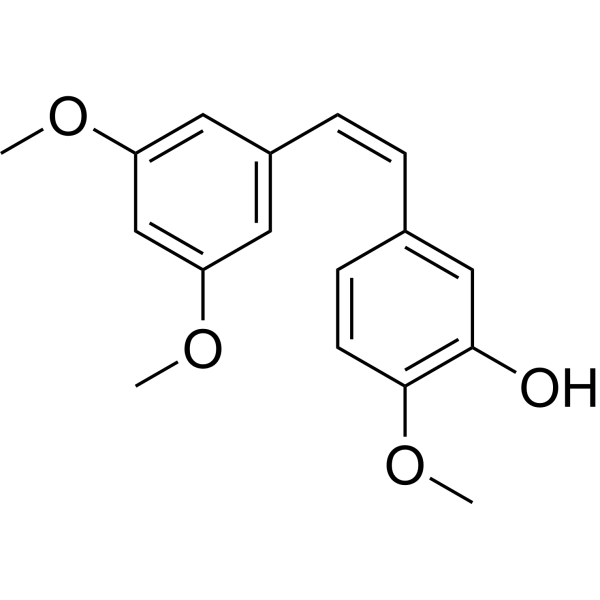 0 Imagescis-3,4',5-Trimethoxy-3'-hydroxystilbene is a stilbene. cis-3,4',5-Trimethoxy-3'-hydroxystilbene induces cytochrome c release to the cytoplasm. cis-3,4',5-Trimethoxy-3'-hydroxystilbene-induced apoptosis is associated with mitochondrial release of cytochrome c. cis-3,4',5-Trimethoxy-3'-hydroxystilbene also suppresses tubulin polymerization. cis-3,4',5-Trimethoxy-3'-hydroxystilbene can be used for leukemic research.
-
Alisol A 24-acetate
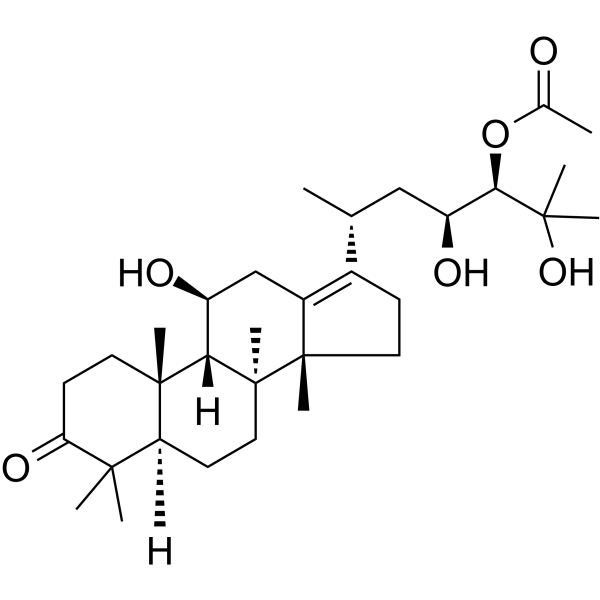 0 ImagesSynonyms: Alisol A 24-monoacetate; Alisol A monoacetateAlisol A 24-acetate (Alisol A monoacetate) is an orally active derivative of protostane-type tetracyclic triterpenoid. Alisol A 24-acetate upregulates the expression of adiponectin, AMPKα, CPT1, and ACOX1; downregulates the expression of SREBP-1c, ACC, FAS, Bcl-2, Bcl-xl, PPAR-γ, perilipin A, and NFATc1; inhibits the activity of PI3K/Akt/mTOR and HMGR; and activates the PKA and ERK signaling pathways. Alisol A 24-acetate regulates cell apoptosis (apoptosis), autophagy (Autophagy, hepatic lipid accumulation, inflammatory response, neuroprotection, MRSA membrane integrity, and osteoclast differentiation. Alisol A 24-acetate can be used in research related to non-alcoholic fatty liver disease, nephrotoxicity, obesity, global cerebral ischemia-reperfusion injury, bacterial infection, and osteoporosis.
-
Navitoclax (Standard)
 0 ImagesSynonyms: ABT-263 (Standard)Navitoclax (Standard) (ABT-263 (Standard)) is the analytical standard of Navitoclax (HY-10087). This product is intended for research and analytical applications. Navitoclax (ABT-263 ) is an orally active BH3 mimetic and an inhibitor of Bcl-2, Bcl-xL, and Bcl-w, with a Ki value of <1 nM for each target. Navitoclax triggers endogenous Apoptosis and downregulates the expression of Survivin and TGFβ2. Navitoclax alleviates fibrosis and induces thrombocytopenia. Navitoclax exhibits anticancer activity against a variety of tumors and enhances the efficacy of chemotherapy and radiotherapy. Navitoclax can be used in the research of acute lymphoblastic leukemia, ovarian cancer, and fibrotic diseases.
-
CIGB-300 acetate
 0 ImagesCat. No.: HY-P4056APurity: 99.59%Synonyms: P15-Tat acetateCIGB-300 acetate (P15-Tat acetate) is an anti-casein kinase 2 (CK2) peptide that exhibits anticancer properties by interfering with the phosphorylation of protein kinase CK2. CIGB-300 acetate induces apoptosis in multiple tumor cell lines and can be used in cancer research.
-
Dimethyl malonate (Standard)
 0 ImagesDimethyl malonate is a competitive inhibitor of succinate dehydrogenase (SDH). Dimethyl malonate is able to cross the blood-brain barrier and hydrolyse to malonate. Dimethyl malonate reduces neuronal apoptosis.
-
2-Aminobenzothiazole
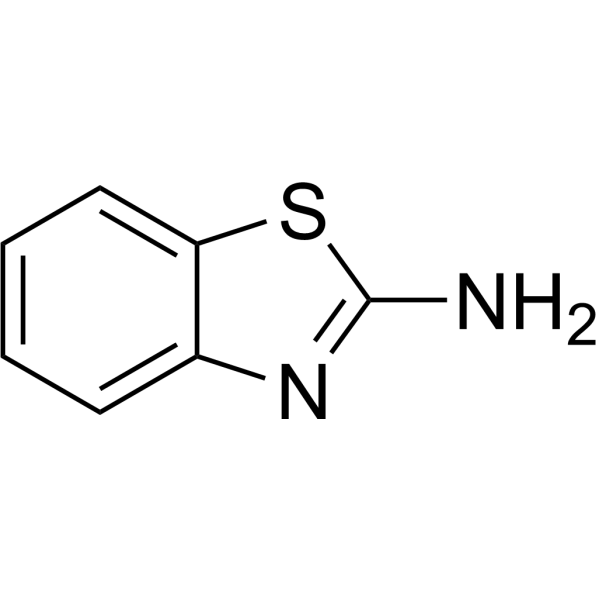 0 Images2-Aminobenzothiazole acts as a caspase 3/7 activator, an anticancer cytotoxic agent, and also exhibits neurotoxicity. 2-Aminobenzothiazole drives the apoptotic pathway by activating caspase 3/7, induces mitochondrial inner membrane depolarization, and triggers both early and late apoptosis via a caspase-dependent pathway. In zebrafish models, 2-Aminobenzothiazole induces oxidative damage in brain tissues and inhibits genes related to GABA and 5-HT synthesis pathways. Long-term exposure to 2-Aminobenzothiazole impairs motor ability, social behavior, anxiety-like state and cognitive function. 2-Aminobenzothiazole can be used in studies of human laryngeal carcinoma and related neurotoxicity.
-
Dimethoate (Standard)
 0 ImagesDimethoate (Standard) is the analytical standard of Dimethoate. This product is intended for research and analytical applications. Dimethoate is an organophosphate insecticide and acaricide. Dimethoate is an orally active acetylcholinesterase inhibitor. Dimethoate induces reactive oxygen species (ROS). Dimethoate induces DNA damage and cell apoptosis in vivo. Dimethoate affect immune system in mice.
-
7-Hydroxystaurosporine
 0 ImagesCat. No.: HY-13661CAS No.: 112953-11-4Synonyms: UCN-01; KRX-06017-Hydroxystaurosporine (UCN-01), a derivative of Staurosporine (HY-15141), is a selective protein kinase C (PKC) inhibitor with antitumor activity. 7-hydroxystaurosporine induces apoptosis and inhibits cell proliferation in colon carcinoma and leukemia cells, suppresses invasion and migration in glioblastoma cells. 7-Hydroxystaurosporine exhibits efficacy in breast cancer xenograft mouse models. 7-Hydroxystaurosporine can be used for colon carcinoma, breast cancer, glioblastoma and leukemia research.
-
Cereulide
 0 ImagesCat. No.: HY-P3003CAS No.: 157232-64-9Cereulide is an orally active, blood-brain barrier-permeable emetic toxin. Cereulide acts as a potassium ionophore that inserts into membranes, forms complexes with K+, and transports K+ from the cytoplasm into the mitochondrial matrix. Cereulide disrupts the electrochemical gradient of the inner mitochondrial membrane, leading to mitochondrial swelling and dysfunction, uncoupling of oxidative phosphorylation, inhibition of ATP synthesis, ROS accumulation, and ultimately triggering apoptosis and autophagy. Cereulide exhibits multi-organ toxicity and can be used for research on emetic food poisoning.
-
Edaravone (Standard)
 0 ImagesEdaravone (Standard) is the analytical standard of Edaravone. This product is intended for research and analytical applications. Edaravone is a strong novel free radical scavenger, and inhibits MMP-9-related brain hemorrhage in rats treated with tissue plasminogen activator.
-
Tat-NTS peptide
 0 ImagesCat. No.: HY-P10275Purity: 99.88%Tat-NTS peptide is a cell-penetrating peptide with neuroprotective effects. Tat-NTS peptide can specifically inhibit the nuclear translocation of ANXA1 and reduce neuronal apoptosis in ischemic areas. Moreover, Tat-NTS peptide can reduce the volume of cerebral ischemic infarction and can be used in the research of ischemic stroke.
-
Simetryn
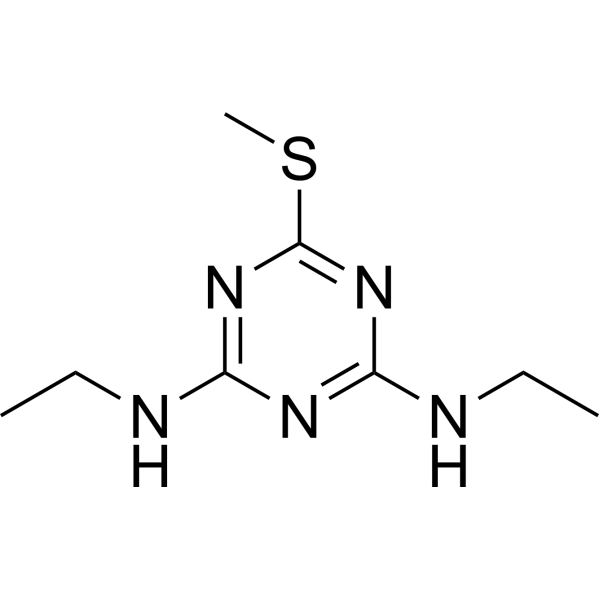 0 ImagesSimetryn is a triazine herbicide that exerts teratogenicity. Simetryn inhibits photosynthesis by blocking electron transfer in the chloroplast photosystem II and activates the MEK/Erk signaling pathway. Simetryn triggers vascular and developmental abnormalities in zebrafish and tadpoles, suppresses proliferation, enhances apoptosis, and induces malformations. Simetryn serves as a tool to establish a zebrafish model for studying arteriovenous malformations and related pathogenesis. Simetryn controls paddy weeds and can be used for research on developmental and vascular disorders.
-
CCCP (Standard)
 0 ImagesSynonyms: Carbonyl cyanide 3-chlorophenylhydrazone (Standard); Carbonyl Cyanide m-Chlorophenylhydrazone (Standard)CCCP (Standard) is the analytical standard of CCCP. This product is intended for research and analytical applications. CCCP is an oxidative phosphorylation (OXPHOS) uncoupler. CCCP induces activation of PINK1 leading to Parkin Ser65 phosphorylation.
-
C10 Bisphosphonate
 0 ImagesC10 Bisphosphonate is an acid sphingomyelinase (aSMase) inhibitor with an IC50 of 0.02 μM in rats. C10 Bisphosphonate inhibits Dexamethasone (HY-14648)-induced cell apoptosis (apoptosis) and alleviates platelet-activating factor (PAF)-induced pulmonary edema. C10 Bisphosphonate can be used for the research of pulmonary edema.
-
2-Hydroxy-3-methylanthraquinone
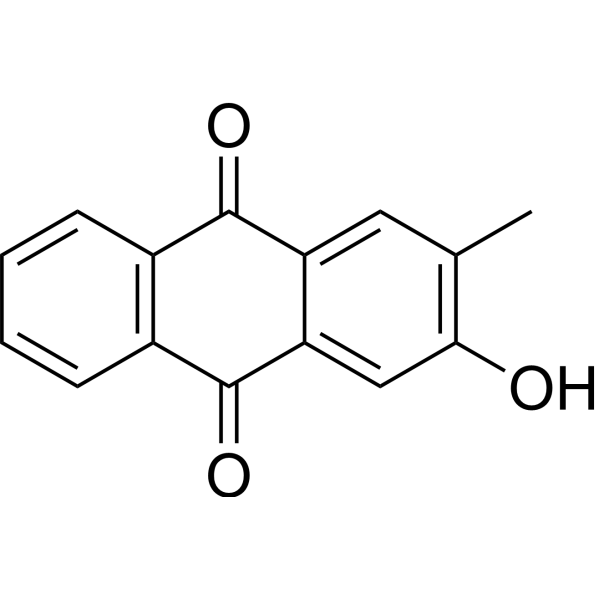 0 Images2-Hydroxy-3-methylanthraquinone (compound 1) is a natural compound isolated from a water extract of Hedyotis diffusa WILLD. 2-Hydroxy-3-methylanthraquinone shows inhibitory activity against protein tyrosine kinases v-src and pp60src, and induces growth arrest and apoptosis in the HepG2 cancer cells.
-
D-Pantothenic acid hemicalcium salt (Standard)
 0 ImagesSynonyms: Calcium pantothenate (Standard); Calcium D-pantothenate (Standard); Vitamin B5 calcium salt (Standard)D-Pantothenic acid (hemicalcium salt) (Standard) is the analytical standard of D-Pantothenic acid (hemicalcium salt). This product is intended for research and analytical applications. D-Pantothenic acid hemicalcium salt is a vitamin that reduces patulin in apple juice.
-
Mitotane (Standard)
 0 ImagesSynonyms: 2,4′-DDD (Standard); o,p'-DDD (Standard)Mitotane (Standard) is the analytical standard of Mitotane. This product is intended for research and analytical applications. Mitotane (2,4′-DDD), an isomer of DDD and derivative of dichlorodiphenyltrichloroethane (DDT), is an antineoplastic agent, can be used to research adrenocortical carcinoma. Mitotane exert its adrenocorticolytic effect at least in part through lipotoxicity induced by intracellular free cholesterol (FC) accumulation. Mitotane can have direct pituitary effects on corticotroph cells. Mitotane can induce CYP3A4 gene expression via steroid and xenobiotic receptor (SXR) activation, and has agent-agent interactions.
-
trans-Trimethoxyresveratrol
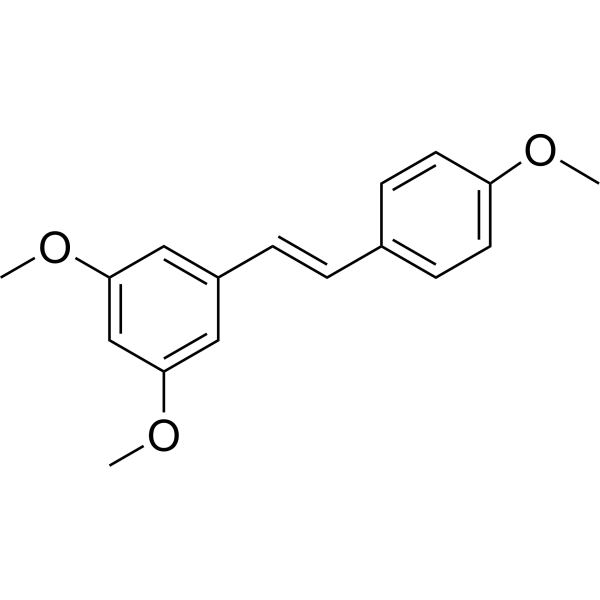 0 ImagesSynonyms: trans-trismethoxy Resveratrol; (E)-Resveratrol trimethyl ether; trans-3,5,4'-TrimethoxystilbeneTrans-Trimethoxyresveratrol (trans-trismethoxy Resveratrol; (E)-Resveratrol trimethyl ether; trans-3,5,4'-Trimethoxystilbene) is an orally active natural derivative of Resveratrol (HY-16561). Trans-Trimethoxyresveratrol has an enhanced anticancer profile compared to Resveratrol, exhibiting higher potency than resveratrol, with improved cancer cell proliferation inhibition, induction of cell cycle arrest, decreased metastasis, and increased apoptosis. Trans-Trimethoxyresveratrol causes microtubule disassembling and tubulin depolymerization and exerts anti-angiogenic effects through VEGFR2. Trans-Trimethoxyresveratrol can be used for the studies of anti-angiogenic and anti-cancer (such as non-small cell lung cancer and osteosarcoma).
-
Taltobulin intermediate-3
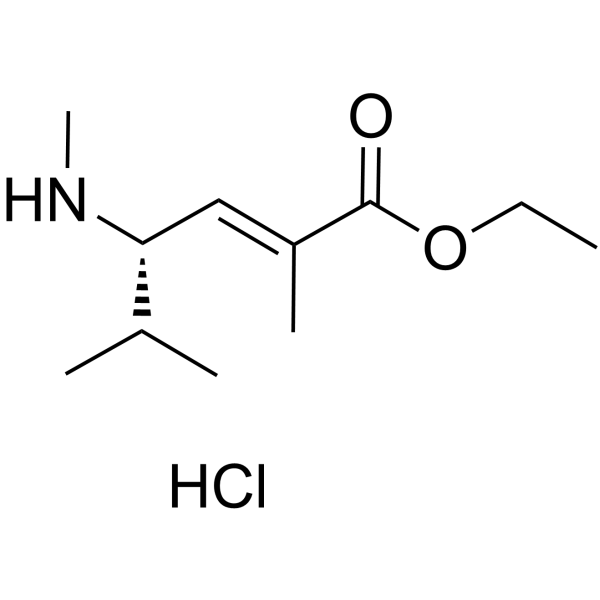 0 ImagesTaltobulin intermediate-3 is an intermediate in the synthesis of Taltobulin (HY-15584). Taltobulin is a common toxin component in ADC preparation (ADC Cytotoxin), and it is also a powerful tubulin (Microtubule/Tubulin) inhibitor. Taltobulin disrupts tubulin polymerization, induces mitotic arrest, and induces apoptosis.




