



Bax
BAX (BCL2-associated X protein) is a pro-apoptotic member of the BCL-2 family that regulates programmed cell death through mitochondrial apoptosis and functions as a critical determinant of cellular survival following apoptotic stimuli[1][2]. BAX forms heterodimers with anti-apoptotic BCL-2 proteins, and the balance between BAX and BCL-2 influences mitochondrial outer membrane permeabilization (MOMP), cytochrome c release, and activation of the intrinsic apoptotic pathway[2][3][4]. Mechanistically, BAX belongs to the pore-forming executioner subgroup of the BCL-2 family and undergoes activation in response to cellular stress signals, including p53-dependent apoptotic signaling, thereby promoting mitochondrial membrane permeabilization and irreversible cell death commitment[1][3][5]. In disease models, dysregulated BAX activity contributes to the pathophysiology of cancer, neurodegenerative disorders, and other apoptosis-associated conditions, making mitochondrial apoptosis a major target for therapeutic intervention[3][4][6]. Compared with related BCL-2 family isoforms, BAX is distinguished by its direct executioner function in apoptosis, whereas many alternative BCL-2 family isoforms display variable anti-apoptotic or context-dependent activities that remain incompletely characterized[3]. A notable BAX isoform, BaxΔ2, retains pro-apoptotic activity despite N-terminal alterations, highlighting functional diversity within the BAX locus and providing experimental models for studying non-canonical apoptotic mechanisms[7]. For experimental applications, BAX-dependent signaling is widely used to evaluate mitochondrial apoptosis, while therapeutic strategies targeting BCL-2 family interactions, including BH3 mimetics, are actively investigated to modulate BAX-mediated cell death in cancer research[3][6].
References:
- [1]. Brady HJ, et al. Bax. The pro-apoptotic Bcl-2 family member, Bax. Int J Biochem Cell Biol. 1998 Jun;30(6):647-50. [Content Brief]
- [2]. Bax gene information from NCBI.
- [3]. Warren CFA, et al. BCL-2 family isoforms in apoptosis and cancer. Cell Death Dis. 2019 Feb 21;10(3):177. [Content Brief]
- [4]. Vogler M, et al. The BCL2 family: from apoptosis mechanisms to new advances in targeted therapy. Signal Transduct Target Ther. 2025 Mar 21;10(1):91. [Content Brief]
- [5]. Maes ME, et al. BAX to basics: How the BCL2 gene family controls the death of retinal ganglion cells. Prog Retin Eye Res. 2017 Mar;57:1-25. [Content Brief]
- [6]. Huang Y, et al. The adjuvant treatment role of ω-3 fatty acids by regulating gut microbiota positively in the acne vulgaris. J Dermatolog Treat. 2024 Dec;35(1):2299107. [Content Brief]
- [7]. Rabezanahary H, et al. Live virus neutralizing antibodies against pre and post Omicron strains in food and retail workers in Québec, Canada. Heliyon. 2024 May 21;10(10):e31026. [Content Brief]
-
Bax Related Products (220)
Related Products (220)

-
Antibodies (3)
-
Trijuganone C
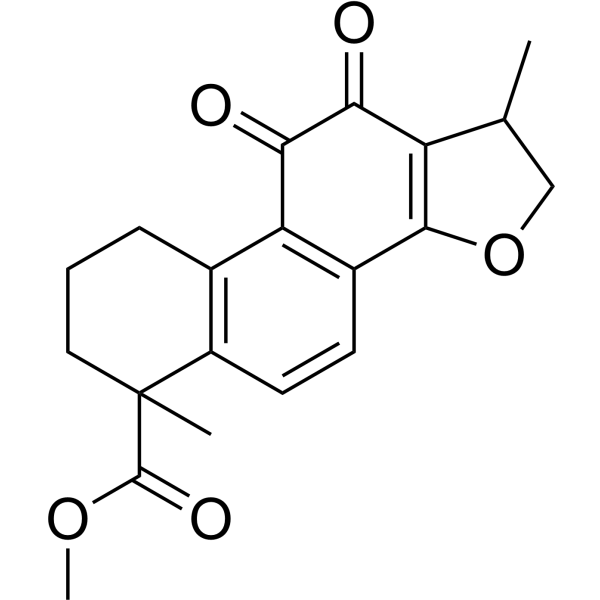 0 ImagesCat. No.: HY-N8617CAS No.: 135247-94-8Trijuganone C is a tanshinone-type diterpenoid compound. Trijuganone C can be isolated from the roots of Salvia miltiorrhiza Bunge. Trijuganone C induces chromatin condensation, DNA fragmentation, activation of Caspase-3, -8 and -9, as well as cleavage of PARP. Trijuganone C activates Bid and Bax, leading to loss of mitochondrial membrane potential and inducing the release of cytochrome c from mitochondria into the cytosol. Trijuganone C exerts antiproliferative effects through Apoptosis induction mediated by Mitochondrial dysfunction and Caspase activation. Trijuganone C exhibits significant antiproliferative activity against leukemia cells and colon cancer cells.
-
Jaceosidin (Standard)
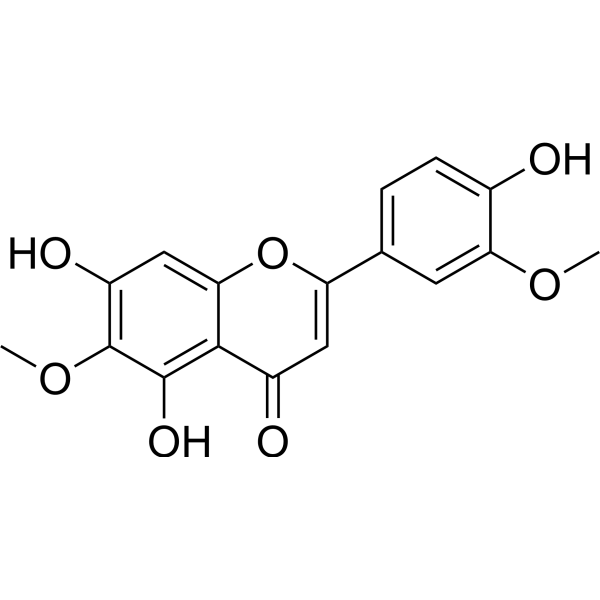 0 ImagesCat. No.: HY-N0831RCAS No.: 18085-97-7Jaceosidin (Standard) is the analytical standard of Jaceosidin. This product is intended for research and analytical applications. Jaceosidin is a flavonoid isolated from Artemisia vestita, induces apoptosis in cancer cells, activates Bax and down-regulates Mcl-1 and c-FLIP expression. Jaceosidin exhibits anti-cancer, anti-inflammatory activities, decreases leves of inflammatory markers, and suppresses COX-2 expression and NF-κB activation.
-
Bcl-2-IN-10
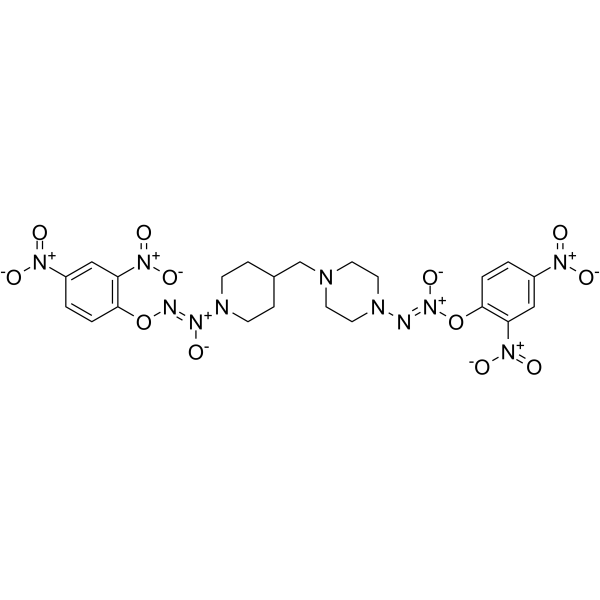 0 ImagesCat. No.: HY-150540CAS No.: 2773354-28-0Bcl-2-IN-10 is an active Bcl-2 inhibitor that can release up to four nitric oxide (NO) molecules. Bcl-2-IN-10 has cytotoxic activities against cancer cells, such as human leukemia, breast cancer and lung cancer. Bcl-2-IN-10 induces cell apopotosis and arrest cell cycle of G2/M phase, and can be used in cancer-related research.
-
GGW
 0 ImagesCat. No.: HY-187115CAS No.: 20762-32-7GGW is a tripeptide with neuroprotective activity. GGW blocks the mitochondria-mediated apoptosis pathway, reverses glutamate-induced upregulation of the pro-apoptotic protein Bax and downregulation of the anti-apoptotic protein Bcl-2. GGW reduces ROS production, reverses the depletion of SOD and Glutathione Peroxidase, decreases intracellular calcium concentration, and reverses the collapse of mitochondrial membrane potential. GGW can be used in studies related to memory impairment induced by sleep deprivation.
-
QNX-10
 0 ImagesCat. No.: HY-175020QNX-10 is a fatty acid synthase (FASN) inhibitor (IC50 = 0.7 μM) with anticancer activity. QNX-10 exhibits potent FASN inhibition and cytotoxicity against colorectal and breast cancer cells. QNX-10 induces apoptosis and cell cycle arrest in S phase by upregulating the pro-apoptotic protein Bax and downregulating the anti-apoptotic protein Bcl-xL. QNX-10 can be used to investigate anticancer therapies targeting FASN enzymes.
-
Antitumor agent-77
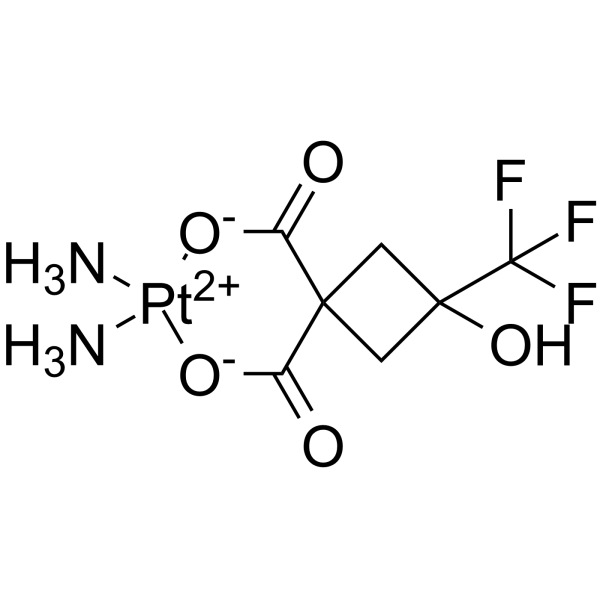 0 ImagesCat. No.: HY-151429CAS No.: 2870703-21-0Antitumor agent-77 is an antitumor agent, inhibits cancer cells growth and migration. Antitumor agent-77 triggers ferroptosis by inhibiting GPx-4 and elevating COX2. Antitumor agent-77 also activates intrinsic apoptotic pathway (Bax-Bcl-2-caspase-3) and hinders Epithelial-mesenchymal transition (EMT) process of cancer cells.
-
2-Methoxyjuglone
 0 ImagesCat. No.: HY-N17440CAS No.: 15127-94-32-Methoxyjuglone, a naphthoquinone, is an apoptosis inducer. 2-Methoxyjuglone activates caspase-9 and caspase-3 via the mitochondrial cytochrome c-dependent intrinsic apoptosis cascade. 2-Methoxyjuglone increases pro-apoptotic Bax levels, decreases anti-apoptotic Bcl-2 levels, and promotes mitochondrial cytochrome c release. 2-Methoxyjuglone induces apoptosis morphological features, early apoptosis, S-phase and G2/M-phase cell cycle arrest, and DNA double-strand breaks. 2-Methoxyjuglone exerts activity against Gram-positive bacteria, pathogenic fungi, and phytopathogenic fungi. 2-Methoxyjuglone can be used for the research of hepatocellular carcinoma, osteosarcoma, colon adenocarcinoma, breast cancer, fungal infection, bacterial infection.
-
EGFR-IN-217
 0 ImagesCat. No.: HY-189142EGFR-IN-217 is an ATP-competitive EGFR kinase inhibitor, with an IC50 of 60.7 nM against EGFR. EGFR-IN-217 exhibits kinase inhibitory activity against PI3K-α and mTOR. EGFR-IN-217 upregulates pro-apoptotic factors including P53, Bax, PUMA, and caspase-7, -8 and -9, and downregulates the anti-apoptotic protein BCL-2, thereby inducing cell apoptosis and cycle arrest. EGFR-IN-217 shows tumor growth inhibitory effects in the solid Ehrlich ascites carcinoma xenograft mouse model. EGFR-IN-217 can be applied in the research of solid Ehrlich ascites carcinoma, hepatocellular carcinoma, and breast cancer.
-
Sargachromanol E
 0 ImagesCat. No.: HY-123364CAS No.: 856414-54-5Sargachromanol E is an apoptosis inducer, anti-inflammatory agent, and anti-aging agent. Sargachromanol E activates caspase-3, mediates PARP cleavage, downregulates Bcl-xL and upregulates Bax levels, and drives sub-G1 phase cell cycle arrest, inhibits LPS-induced COX-2 and iNOS transcription and expression (NO: IC50 = 6.99 μg/mL), reduces p38 MAPK and ERK1/2 phosphorylation levels, and suppresses the release of pro-inflammatory mediators such as TNF-α, IL-1β, and prostaglandin E2 (PGE2). Sargachromanol E can be used for research on skin aging, leukemia, oral squamous cell carcinoma, and inflammation-related studies.
-
Lobetyol
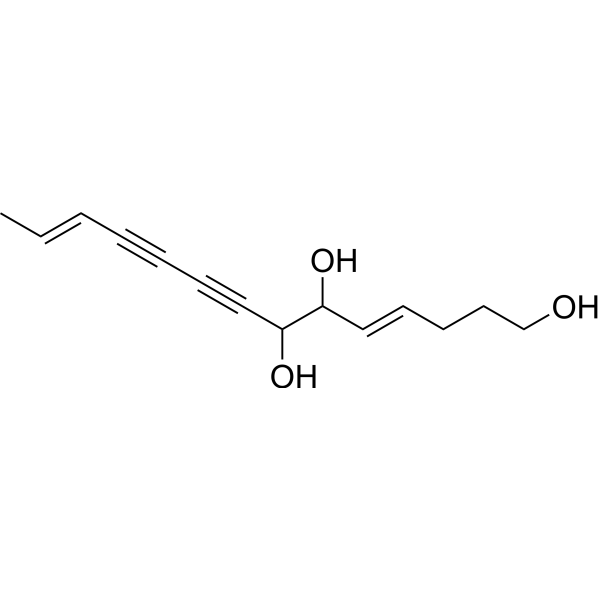 0 ImagesCat. No.: HY-117652CAS No.: 136171-87-4Lobetyol is a natural compound that can be isolated from Lobelia chinensis. Lobetyol induces apoptosis and cell cycle arrest in MKN45 cells. Lobetyol shows anti-virus, anti-inflammation and anti-tumor activity. Lobetyol is a click chemistry reagent, it contains an Alkyne group and can undergo copper-catalyzed azide-alkyne cycloaddition (CuAAc) with molecules containing Azide groups.
-
FMP
 0 ImagesCat. No.: HY-168877FMP is a Platinum(IV) complexe. FMP significantly upregulates the expression of γ-H2AX and p53. FMP increases the production of ROS. FMP markedly upregulates the expressions of Apoptosis-related proteins (DR5, Fas, caspase-8, Cyt-c, caspase-3, cleaved-PARP1, Bax). FMP shows antiproliferative activity against breast cancer.
-
Metuzumab
 0 ImagesCat. No.: HY-P991883Synonyms: Licartin; Metuximab; MehuzumabMetuzumab (Licartin) is a human-mouse chimeric IgG1 monoclonal antibody targeting CD147. Metuzumab induces Apoptosis, reduces levels of Cyclin D1, full-length Caspase-3, and Bcl-2, and increases Bax expression. Metuzumab enhances the sensitivity of non-small cell lung cancer (NSCLC) cells to Gemcitabine (HY-17026). Metuzumab is applicable for research on hepatocellular carcinoma and non-small cell lung cancer [1] [2].
-
MHY219
 0 ImagesCat. No.: HY-116267CAS No.: 1326750-61-1MHY219 is a histone deacetylase (HDAC) inhibitor with an IC50 of 0.276 μM. MHY219 inhibits total HDAC enzyme activity, increases histone H3 and H4 hyperacetylation. MHY219 induces cance cells phase arrest, apoptosis and inhibits proliferationin. MHY219 increases cleavage of PARP, Bax, cytochrome c levels, androgen receptor expression and decreases Bcl-2 expression. MHY219 can be used for the research of prostate cancer.
-
YVPGP
 0 ImagesCat. No.: HY-P10992CAS No.: 2095286-57-8YVPGP is an oligopeptide exacted from Anthopleura anjunae. YVPGP has a significant antitumor activity by mediating PI3K/AKT/mTOR signaling pathway. YVPGP arrests DU-145 cells in the S phase and induces apoptosis via mitochondrial and death receptor pathways (caspase3, 7, 8, 9). YVPGP effectively inhibits tumor growth in DU-145 xenografts mice model, promising for prostate cancer research.
-
IKKβ-IN-7
 0 ImagesCat. No.: HY-181837CAS No.: 3117527-92-8IKKβ-IN-7 is an IKKβ inhibitor with an IC50 value of 9.44 μM. IKKβ-IN-7 induces DNA damage, S-phase cell cycle arrest, ROS accumulation, mitochondrial membrane potential loss, and apoptosis. IKKβ-IN-7 inhibits phosphorylation of p65 and IκBα, suppresses p65 nuclear translocation, and regulates NF-κB-controlled genes. IKKβ-IN-7 suppresses tumor growth in xenograft models and shows activity against colorectal cancer with low normal cell cytotoxicity. IKKβ-IN-7 can be used for the research of colorectal cancer.
-
BRD4 Inhibitor-15
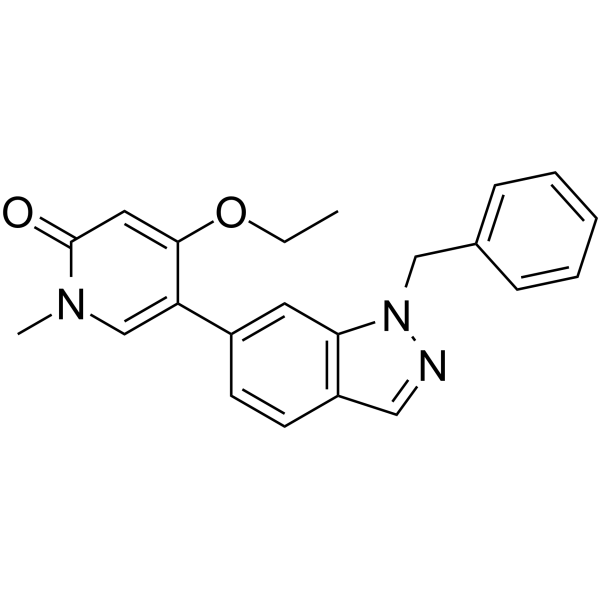 0 ImagesCat. No.: HY-143235CAS No.: 2761366-60-1BRD4 Inhibitor-15 (compound 13) is a potent BRD4 inhibitor, with an IC50 of 18 nM. BRD4 Inhibitor-15 induces apoptosis of 22RV1 cells by regulating Bcl-2/Bax proteins and activating caspase-3 signaling pathway. BRD4 Inhibitor-15 down-regulates the c-Myc level in 22RV1 cells. BRD4 Inhibitor-15 can be used for prostate cancer research.
-
A2AR/EGFR-IN-1
 0 ImagesCat. No.: HY-184116A2AR/EGFR-IN-1 is a dual A2AR/EGFR inhibitor, with an IC50 of 0.037 μM against A2AR and an IC50 of 8.37 μM against EGFR. A2AR/EGFR-IN-1 induces cell cycle arrest at S and G2/M phases. A2AR/EGFR-IN-1 upregulates the expression of TP53, Caspase3 and Bax, downregulates the expression of Bcl2, and promotes cell Apoptosis. A2AR/EGFR-IN-1 restores colon crypt structure in an azoxymethane (HY-111375)-induced colorectal cancer model in vivo. A2AR/EGFR-IN-1 can be used for research related to colorectal cancer.
-
CIB-Q22
 0 ImagesCIB-Q22 is a potent pyruvate carboxylase (PC) inhibitor with an IC50 of 1.74 nM. CIB-Q22 suppresses hepatocellular carcinoma (HCC) cell proliferation, migration, and invasion. CIB-Q22 induces apoptosis and ferroptosis, promotes mitochondrial oxidative stress and dysfunction, inhibits glycolysis and anaplerotic flux, and reverses epithelial-mesenchymal transition (EMT). CIB-Q22 can be used for the study of hepatocellular carcinoma.
-
ZSNI-21
 0 ImagesCat. No.: HY-172394ZSNI-21 is a ADAM17/HDAC2 inhibitor with ADAM17 IC50 0.939 μM and HDAC2 IC50 0.844 μM. ZSNI-21 regulates the expression of apoptosis-related proteins (Bax, Bcl-2) and Cyclin D1, and induces apoptosis.. ZSNI-21 can be used for the research of hepatocellular carcinoma, breast cancer, and non-small cell lung cancer.
-
TFSeB
 0 ImagesCat. No.: HY-174419CAS No.: 3017240-62-6TFSeB is an orally active neuroprotective agent. TFSeB can reduce Streptozotocin (STZ) (HY-13753) induced MAO-B and AChE activity. TFSeB exerts neuroprotective effects by increasing the expression of BCL-2, BDNF, NRF2, and decreasing the expression of BAX. TFSeB can reduce lipid peroxidation (TBARS) and reactive oxygen species (ROS) levels. TFSeB can reduce neuroinflammation. TFSeB can be used for research on Alzheimer’s disease.




