



FAK Inhibitor
-
JP-153
 0 Images
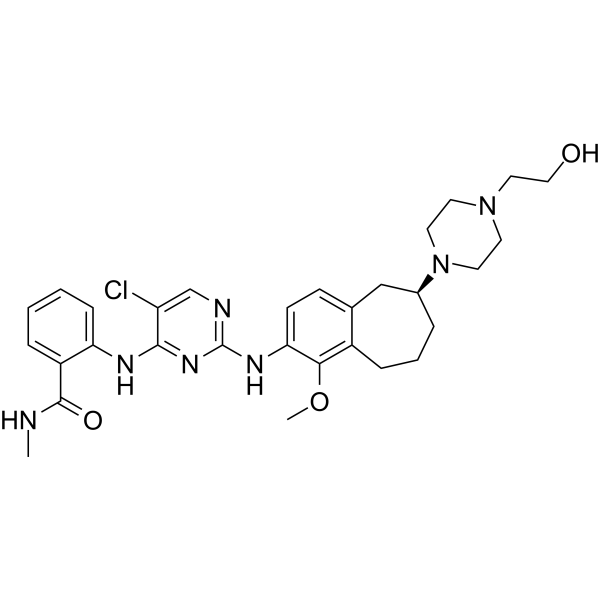
JP-153 is the Src-FAK-Paxillin signaling inhibitor. JP-153 inhibits Src-dependent phosphorylation of paxillin (Y118) and downstream activation of Akt (S473). JP-153 reduces VEGF-induced migration and proliferation in retinal endothelial cells. JP-153 can be uesd for the study of neovascular eye disease.
-
BI-3663
 0 Images
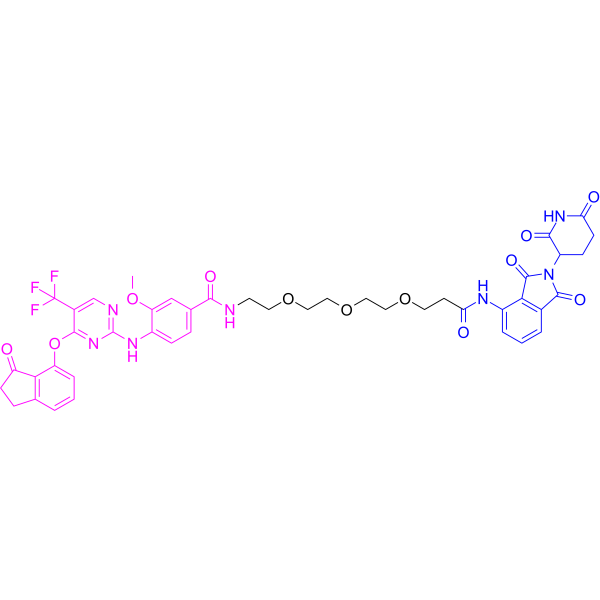
BI-3663 is a highly selective PTK2/FAK PROTAC (DC50 = 30 nM) with a Cereblon E3 ligase ligand capable of degrading PTK2, with an IC50 value of 18 nM. BI-3663 is a PROTAC generated by linking the PTK2/FAK inhibitor BI-4464 (HY-124625) with a Pomalidomide (HY-10984) derivative via a linker. BI-3663 can induce PTK2 degradation at low nanomolar concentrations. BI-3663 has antitumor activity.
-
AT-533
 0 Images
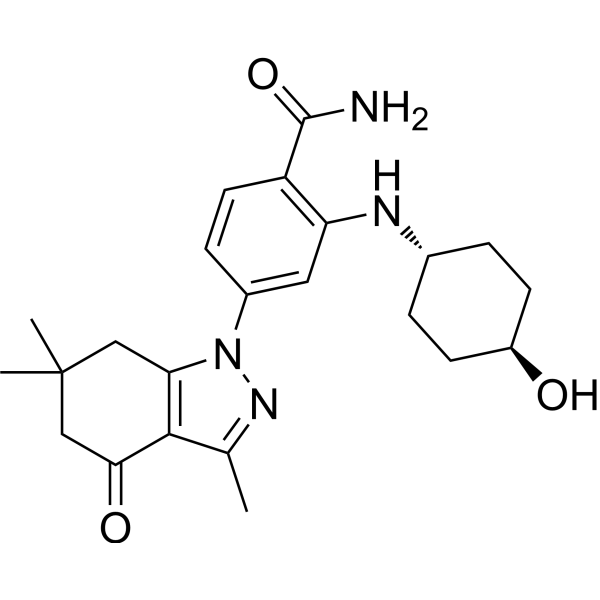
AT-533 is a potent Hsp90 and HSV inhibitor. AT-533 suppresses tumor growth and angiogenesis by blocking the HIF-1α/VEGF/VEGFR-2 signaling pathway. AT-533 also inhibits the activation of the downstream pathways, including Akt/mTOR/p70S6K, Erk1/2 and FAK. AT-533 inhibits the tube formation, cell migration, and invasion of human umbilical vein endothelial cells (HUVECs).
-
BI-4464
 0 Images
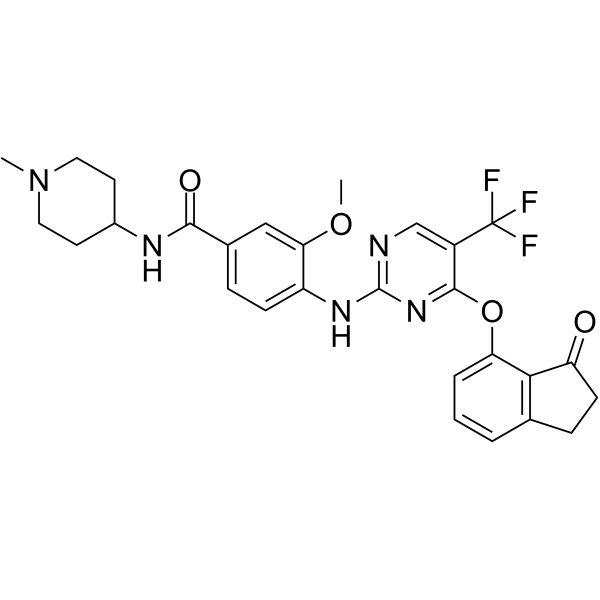
BI-4464 is a highly selective, ATP competitive PTK2/FAK protein kinase inhibitor with an IC50 value of 17 nM. BI-4464 is a FAK (HY-43760) ligand and linker conjugate. BI-4464 can be used to construct proteolysis targeting chimeras (PROTACs), such as PROTAC FAK degrader 4 (HY-178467). PROTAC FAK degrader 4 is a highly potent and selective FAK PROTAC degrader.
-
PDZ1i
 0 ImagesSynonyms: 113B7
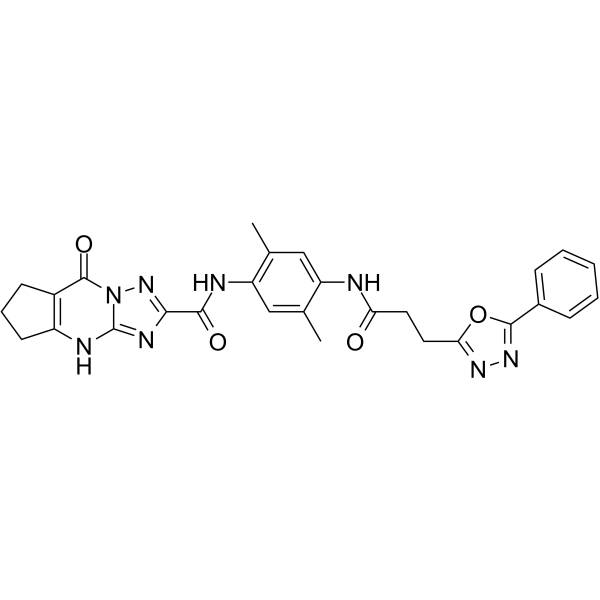
PDZ1i (113B7) is a inhibitor of MDA-9/Syntenin, with selective binding to the PDZ1 domain. PDZ1i inhibits radiation-induced invasion of glioblastoma (GBM) cells, radiosensitizes GBM cells, and impairs GBM-related signaling pathways (including Src/EphA2, EGFRvIII/FAK, and NF-κB). PDZ1i reduces radiation-induced secretion of invasion-related proteases (MMP-2, MMP-9, ADAM9). PDZ1i shows anti-tumor effects in nude mice bearing intracranial U1242-luc xenografts or GBM xenografts. PDZ1i can be used for the study of glioblastoma (GBM), breast cancer and prostate cancer.
-
Flavokawain C
 0 Images
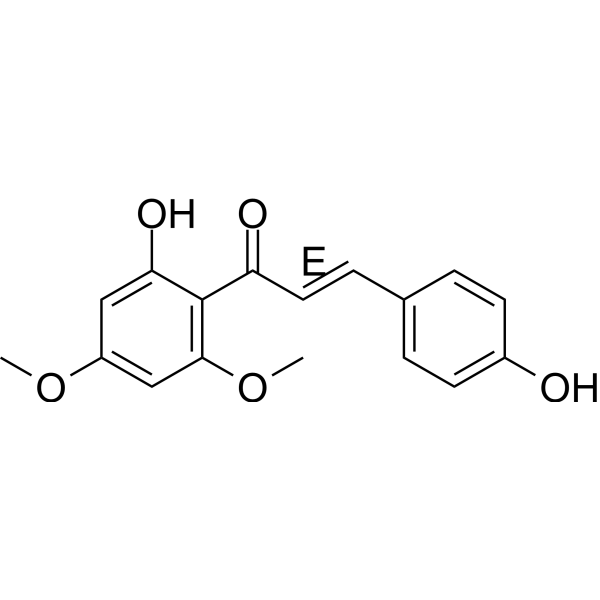
Flavokawain C is an orally active natural chalcone. Flavokawain C inhibits the proliferation of various cancer cells. Flavokawain C upregulates GADD153 in cancer cells, inhibits the phosphorylation of Akt and JNK, suppresses early ERK phosphorylation, activates late ERK phosphorylation, activates caspase related subtypes, induces PARP-1 cleavage, causes upregulation of p21 and p27, downregulation of mutant p53 and anti-apoptotic IAP proteins, elevates intracellular ROS levels, reduces SOD activity, and induces apoptosis. Flavokawain C downregulates FABP4, induces autophagy in cancer cells, and activates the AMPK/mTOR pathway. Flavokawain C decreases the expression of glycolysis-related proteins GLUT1 and HK2, and inhibits glycolysis in nasopharyngeal carcinoma cells. Flavokawain C inhibits the activation of the EGFR/PI3K/Akt/mTOR signaling pathway and reduces the expression of HSP90B1. Flavokawain C inhibits angiogenesis by decreasing the expression of angiogenic proteins Ang-1 and VEGF in human umbilical vein endothelial cells. Flavokawain C increases γ-H2AX levels in cells, inhibits the phosphorylation of FAK, PI3K and AKT in cells, and induces DNA damage in cells. Flavokawain C exerts anti-tumor activity in multiple tumor xenograft mouse models. Flavokawain C is applicable to research related to colorectal cancer, colon adenocarcinoma, nephroblastoma, nasopharyngeal carcinoma and liver cancer.
-
LXG6403
 0 Images
LXG6403 is an orally active and irreversible LOX inhibitor (IC50 = 1.3 μM). LXG6403 is ~3.5-fold more specific for LOX than LOXL2 and does not inhibit LOXL1. LXG6403 inhibits FAK signaling and induces ROS generation and DNA damage, leading to G1 arrest and apoptosis in chemoresistant triple-negative breast cancer (TNBC) cell lines. LXG6403 alters the extracellular matrix (ECM) and collagen structure, reducing collagen cross-linking and deposition, thereby increasing drug penetration and reducing tumor stiffness. LXG6403 overcomes Doxorubicin (HY-15142) resistance in chemoresistant TNBC PDX in vivo and can be used to study high-stiffness resistant tumors.
-
Creosol
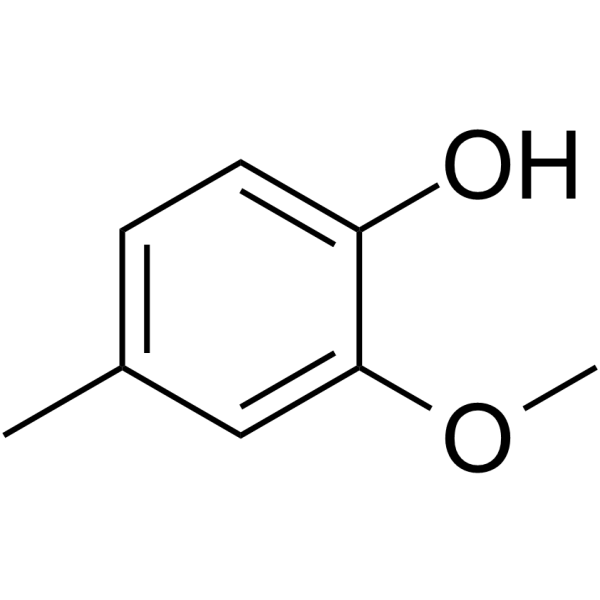 0 ImagesSynonyms: 2-Methoxy-4-methylphenol
Creosol (2-Methoxy-4-methylphenol) is an endogenous metabolite that acts as an important chemical intermediate and potential biofuel mainly derived from lignocellulosic biomass. Creosol is blood brain barrier penetrable.
-
APG-2449
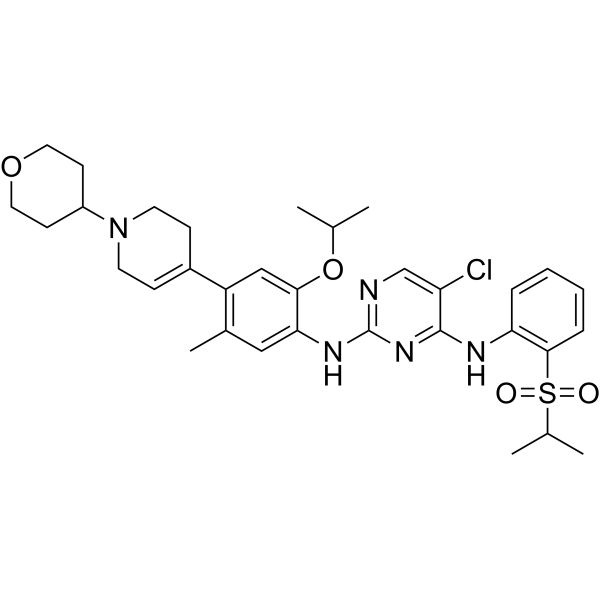 0 Images
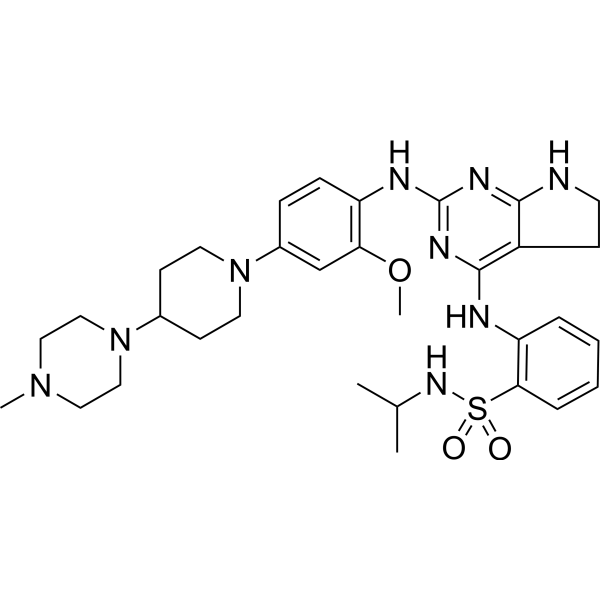
APG-2449 is an orally active inhibitor for BCL-2 and multikinase (ALK/FAK/ROS1) with potent antitumor activities. APG-2449 reduces cell viability and enhances apoptosis in acute myeloid leukemia cells in vitro. APG-2449 decreases activation of FAK and its downstream effectors. APG-2449 can be studied in research for mesothelioma tumor, non-small cell lung cancer, ovarian cancer, hematologic and solid malignancies.
-
Harringtonolide
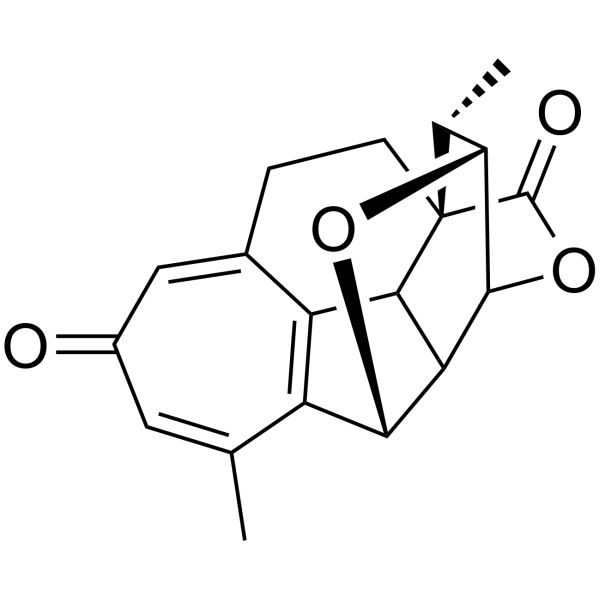 0 Images
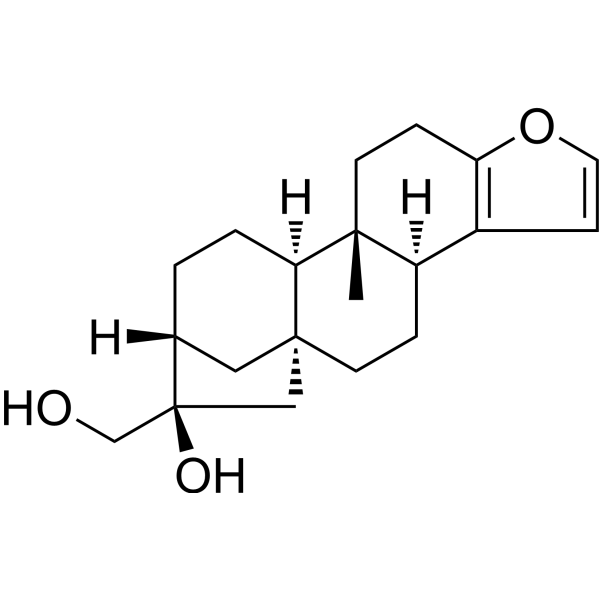
Harringtonolide is a potent RACK1 inhibitor (IC50=39.66 μM in A375 cells). Harringtonolide inhibits the epithelial-mesenchymal transition (EMT) process and cell proliferation by affecting the interaction between FAK and RACK1. Harringtonolide has plant growth inhibitory, antiviral, anti-inflammatory, and antiproliferation activities.
-
PF-562271 (besylate)
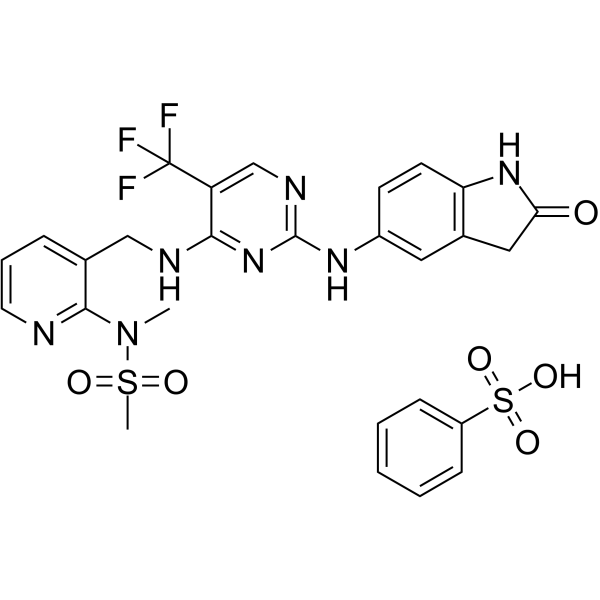 0 ImagesSynonyms: VS-6062 (besylate)
PF-562271 besylate (VS-6062 besylate) is an orally active, ATP-competitive, reversible FAK/Pyk2 inhibitor, with an IC50 of 1.5 nM for FAK and 13 nM for Pyk2. PF-562271 besylate induces tumor regression, and inhibits tumor growth, invasion and metastasis. PF-562271 besylate exerts no effect on tumor necrosis, angiogenesis or apoptosis in an orthotopic mouse model of pancreatic ductal adenocarcinoma. When combined with Sunitinib (HY-10255A), PF-562271 besylate reduces tumor vascularization, decreases serum alpha-fetoprotein levels and improves cachexia. PF-562271 besylate can be used in research related to prostate cancer, breast cancer, pancreatic cancer, colon cancer, glioblastoma, lung cancer, pancreatic ductal adenocarcinoma and hepatocellular carcinoma.
-
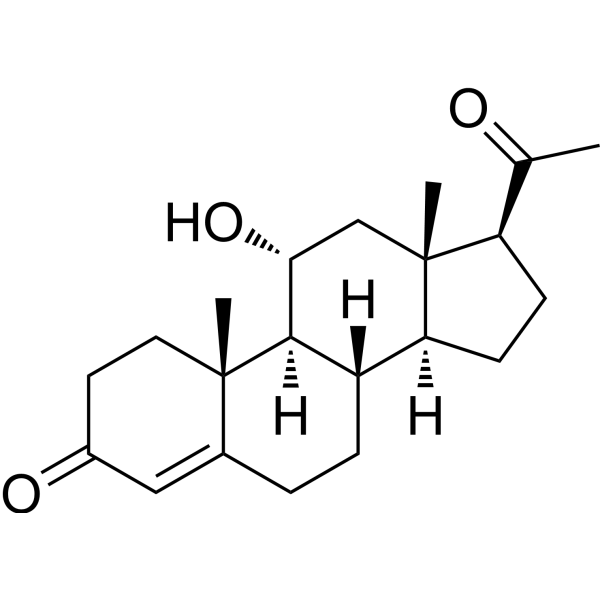
11alpha-Hydroxyprogesterone
 0 Images
11alpha-Hydroxyprogesterone is a naturally occurring steroid hormone and an 11β-hydroxysteroid dehydrogenase (11β-HSD) inhibitor. 11alpha-Hydroxyprogesterone decreases FAK protein expression and regulates epithelial-mesenchymal transition, cell migration, and cell invasion. 11alpha-Hydroxyprogesterone exhibits antiandrogenic and blood pressure-regulating activities. 11alpha-Hydroxyprogesterone is used in the research of breast cancer and malaria.

-
FAK-IN-2
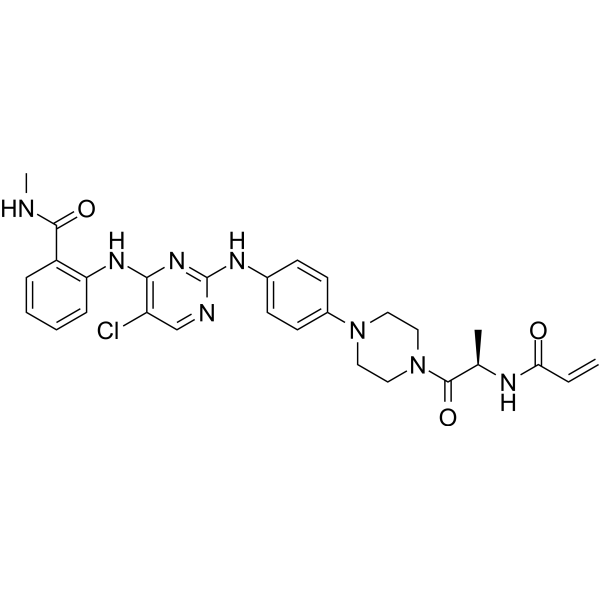 0 ImagesCat. No.: HY-144448CAS No.: 2872588-02-6
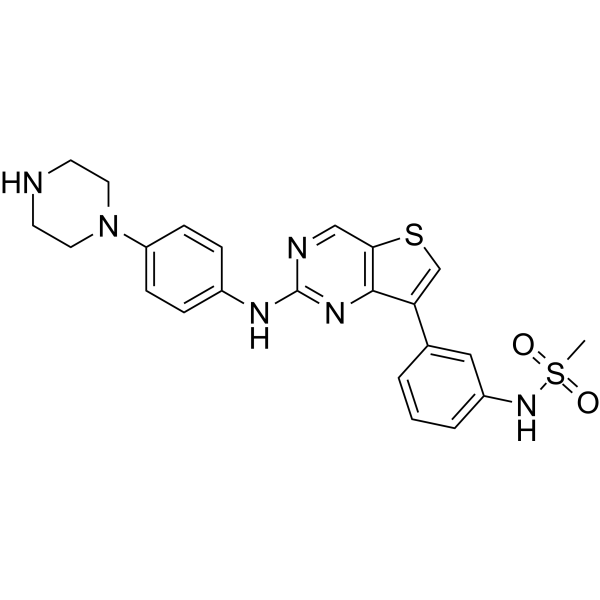
FAK-IN-2 is a potent and orally active focal adhesion kinase (FAK) inhibitor, with anticancer activity (FAK IC50= 35 nM). FAK-IN-2 covalently inhibits the autophosphorylation of FAK in a dose-dependent manner, and inhibits the clone formation and migration of tumor cells, inducing apoptosis.



