



Glycosidase
Glycosidase
Glycosidase are a class of enzymes which catalyze the hydrolysis of glycosidic bonds. In living organisms, Glycosidase are involved in carbohydrate metabolism. They can degrade polysaccharides such as starch and glycogen into monosaccharides, providing energy for cells. Glycosidase also participate in the synthesis and modification of biological macromolecules such as glycoproteins and glycolipids, playing a crucial role in cell recognition and signal transduction. Additionally, in plants and microorganisms, Glycosidase are involved in the metabolism of cell wall polysaccharide components, affecting cell growth, differentiation, and morphogenesis. Gene mutations of Glycosidase can trigger genetic diseases, leading to abnormal metabolism in the body and damage to organ functions. Changes in their activity are associated with various diseases such as diabetes, infectious diseases, and tumors, and can influence the occurrence and development of diseases[1][2].
References:
- [1]. Wang X, et al. Metabolites extracted from microorganisms as potential inhibitors of glycosidases (α-glucosidase and α-amylase): A review. Front Microbiol. 2022 Nov 17;13:1050869.
- [2]. Ohtsubo K, et al. Glycosylation in cellular mechanisms of health and disease. Cell. 2006 Sep 8;126(5):855-67. [Content Brief]
All Product Categories
-
Glycosidase Inhibitors
(456)
View all products
-
Glycosidase Antagonist
(1)
View all products
-
Glycosidase Activators
(20)
View all products
-
Glycosidase Modulators
(8)
View all products
-
Glycosidase Chemical
(1)
View all products
-
Glycosidase Inducers
(2)
View all products
-
Glycosidase Degrader
(1)
View all products
-
Glycosidase Controls
(6)
View all products
-
Glycosidase Substrates
(25)
View all products
-
Glycosidase Ligands
(3)
View all products
-
Glycosidase Related Products (697)
Related Products (697)

-
Antibodies (3)
-
CHI3L1-IN-3
 0 ImagesCHI3L1-IN-3 is a CHI3L1 inhibitor. CHI3L1-IN-3 binds to CHI3L1 with Kds of 13.76 μM and 13.5 μM in MST and SPR assays, respectively. CHI3L1-IN-3 demonstrates extended plasma half-lives and microsomal stability, along with reduced intrinsic clearance. CHI3L1-IN-3 induces dose-dependent cytotoxicity, reduces spheroid mass and inhibits migration in a 3D multicellular glioblastoma (GBM) spheroid model. CHI3L1-IN-3 can be used for the study of GBM.
-
Plantagoside
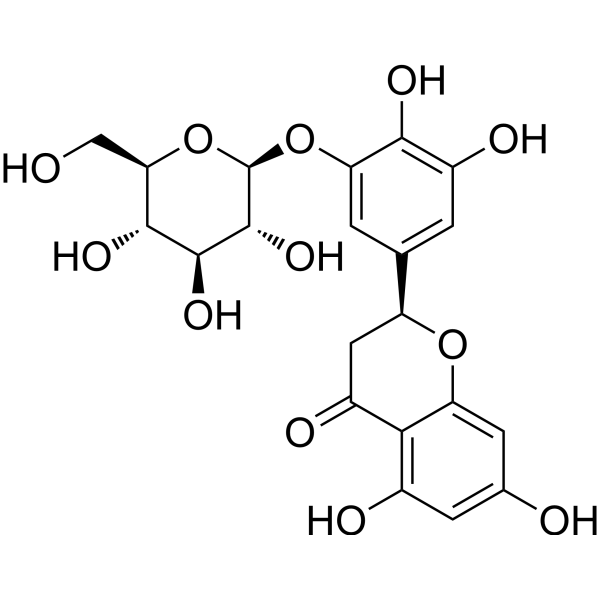 0 ImagesPlantagoside is a flavanone glucoside found in Plantago asiatica seeds, acting as a specific non-competitive α-mannosidase inhibitor with IC50 values of 5 μM and a Ki of 2.7 μM (jack bean). Plantagoside suppresses antibody response and Concanavalin A (HY-P2149)-induced lymphocyte proliferation in mouse spleen cells. Plantagoside inhibits the Maillard reaction, advanced glycation end product formation, and glycation-dependent protein-protein cross-link formation. Plantagoside can be used for the research of diabetes.
-
N,N′-Diferuloylputrescine
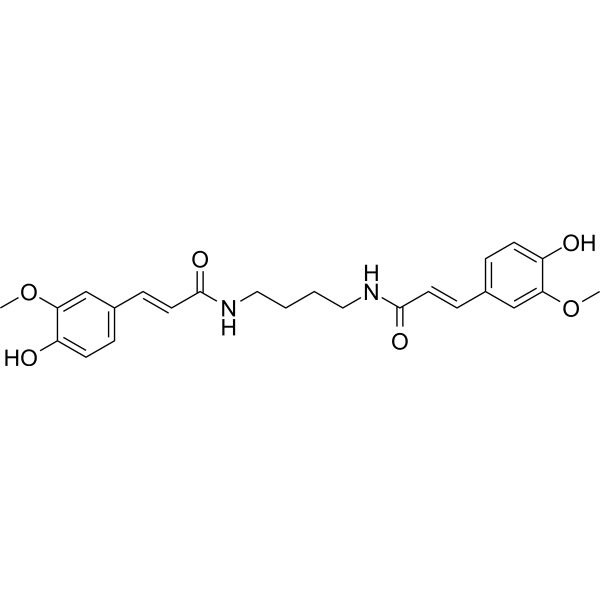 0 ImagesCat. No.: HY-N12267CAS No.: 42369-86-8Synonyms: (E/Z)-TerrestribisamideN,N′-Diferuloylputrescine ((E/Z)-Terrestribisamide) is an inhibitor of pigmentation that reduces pigmentation in vivo. N,N′-Diferuloylputrescine exhibits anti-melanogenic, antioxidant, and α-glucosidase (α-glucosidase) inhibitory activities. N,N′-Diferuloylputrescine significantly decreases MITF protein levels and scavenges reactive oxygen species, while protecting neuroblastoma cells, keratinocytes, and erythrocytes from oxidative damage. N,N′-Diferuloylputrescine can be used for research on pigmentation, non-insulin-dependent diabetes mellitus, neurodegenerative diseases, and skin aging.
-
Lotusine hydroxide
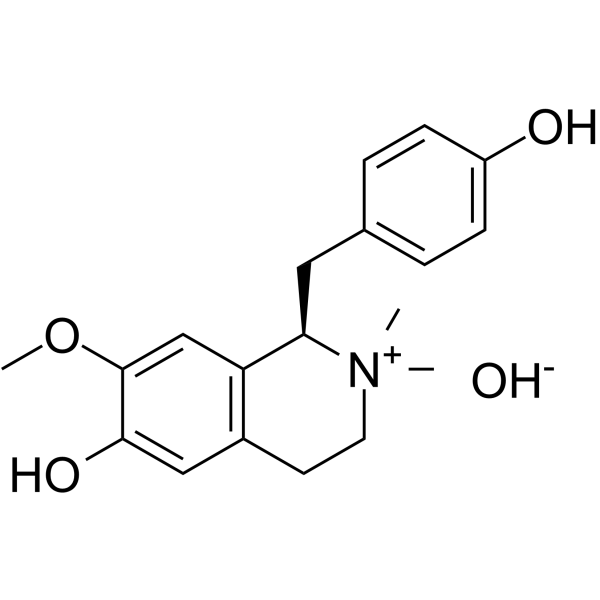 0 ImagesLotusine hydroxide is an orally active signaling pathway modulator and enzyme inhibitor, with an IC50 of 30.60 μg/mL against α-amylase and an IC50 of 36.15 μg/mL against α-glucosidase. Lotusine hydroxide inhibits the EGFR-Akt-ERK signaling pathway by reducing the levels of phosphorylated EGFR, Akt and ERK. Lotusine hydroxide induces apoptosis, triggers G0/G1 cell cycle arrest and inhibits cancer cell proliferation. Lotusine hydroxide reduces lipid peroxidation and increases the activities of SOD, CAT and GPx. Lotusine hydroxide is applicable to researches related to non-small cell lung cancer, type 2 diabetes and autism spectrum disorder.
-
Terphenyllin
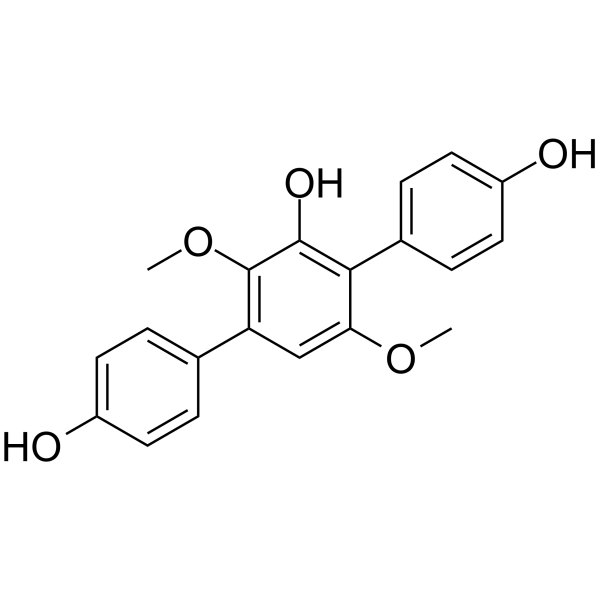 0 ImagesTerphenyllin is a naturally abundant p-terphenyl metabolite isolated from the coral derived fungus Aspergillus candidus, has significant α-glucosidase inhibitory activity.
-
Eleutherol
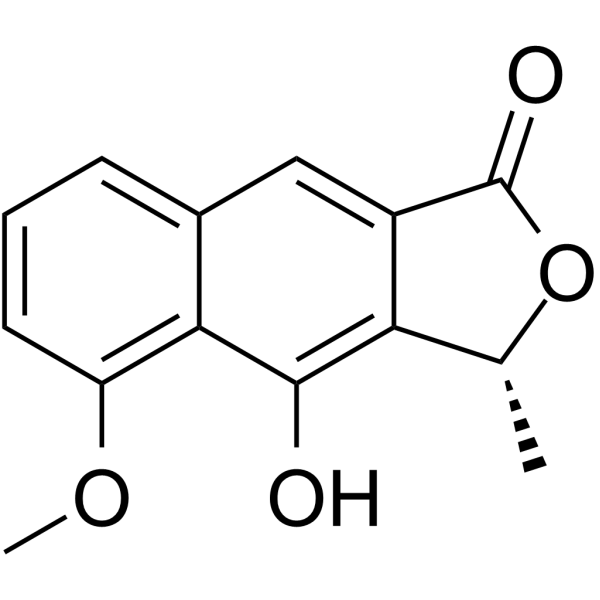 0 ImagesEleutherol is a naphthalene isolated from E. americana with antifungal activities. Eleutherol is against yeasts Candida albicans, C. tropicalis, Saccharomyces cerevisiae and Cryptococcus neoformans with MIC values between 7.8 µg/mL and 250 µg/mL. Eleutherol inhibits α-glucosidase function with an IC50>1.00 mM.
-
Delphinidin-3-O-galactoside chloride
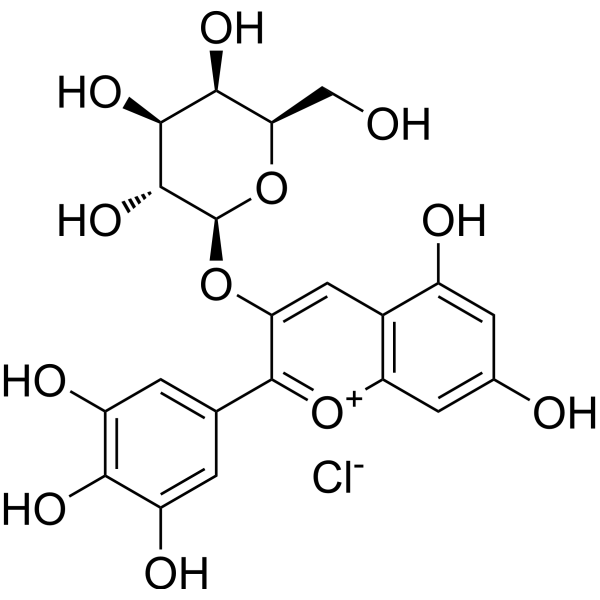 0 ImagesDelphinidin-3-O-galactoside chloride is an anthocyanin found in abbiteye blueberry. Delphinidin-3-O-galactoside chloride show inhibitory activitiesagainst α-glucosidase with an IC50 of 68.33 μM, and tyrosinase with an IC50 of 34.14 μM. Delphinidin-3-O-galactoside chloride attenuates HO-1 and HSP70 messenger RNA down-regulation, suppresses cytotoxicity, reduces endoplasmic reticulum stress responses, scavenges free radicals, reduces intracellular triglyceride levels and lipid droplet accumulation. Delphinidin-3-O-galactoside chloride can be used for the researches of diabesity, melanoma and inflammation.
-
α-Mannosidase
 0 Imagesα-Mannosidase is a hydrolytic enzyme targeting mannose-containing glycoproteins or glycolipids. α-Mannosidase is promising for research of inherited α-mannosidosis.
-
β-Glucocerebrosidase modulator 1
 0 Imagesβ-Glucocerebrosidase modulator 1 (Compound 28) is an allosteric modulator for β-Glucocerebrosidase with an EC50 of 9.0 μM and a Kd of 0.050 μM.
-
Panasenoside
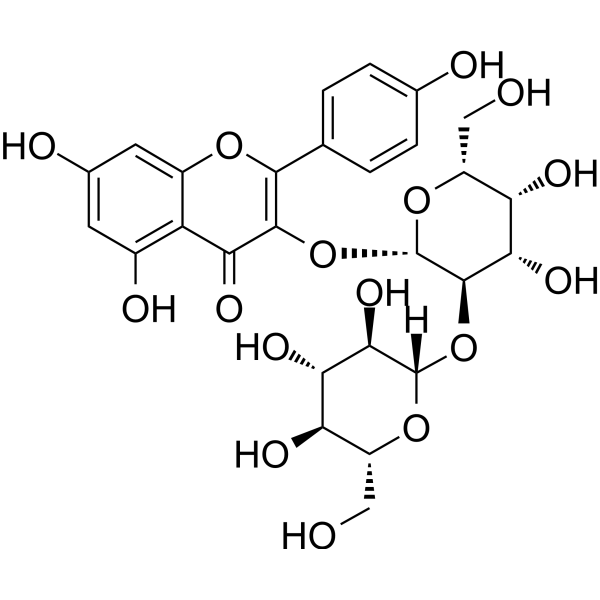 0 ImagesPanasenoside is a flavonoid isolated from Lilium pumilum DC. Panasenoside exhibits α-glucosidase inhibitory activity.
-
Butyl isobutyl phthalate
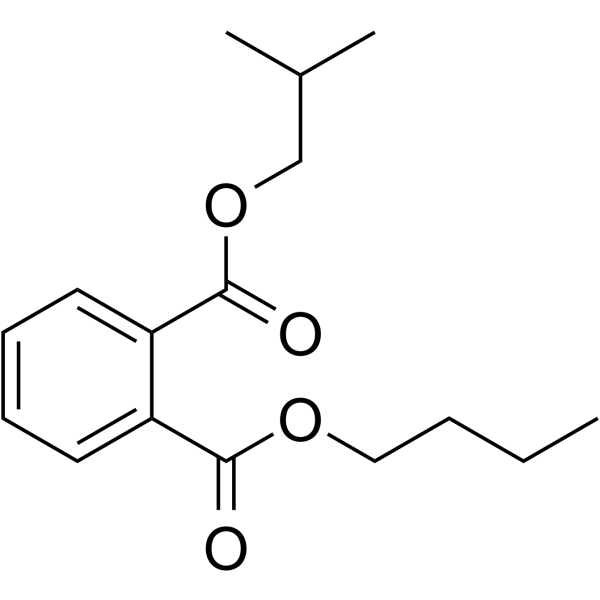 0 ImagesButyl isobutyl phthalate is isolated from the rhizoid of Laminaria japonica. Butyl isobutyl phthalate is a non-competitive α-glucosidase inhibitor with an IC50 value of 38 μM. Butyl isobutyl phthalate shows a hypoglycemic effect and has the potential for diabetes treatment.
-
Ambroxol-d5 hydrochloride
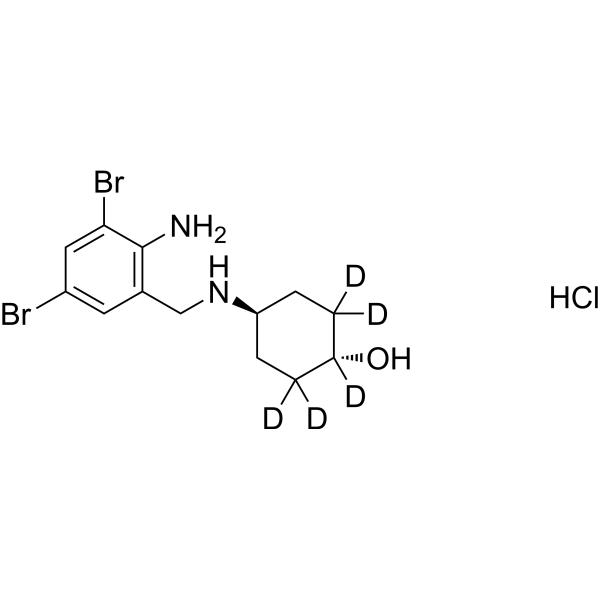 0 ImagesSynonyms: NA-872-d5 hydrochlorideAmbroxol-d5 (hydrochloride) is the deuterium labeled Ambroxol hydrochloride. Ambroxol hydrochloride (NA-872 hydrochloride), an active metabolite of the proagent Bromhexine, has potent expectorant effects. Ambroxol hydrochloride is a glucocerebrosidase (GCase) chaperone and increases glucocerebrosidase activity. Ambroxol hydrochloride induces lung autophagy and has the potential for Parkinson disease and neuronopathic Gaucher disease research.
-
NCGC00092410
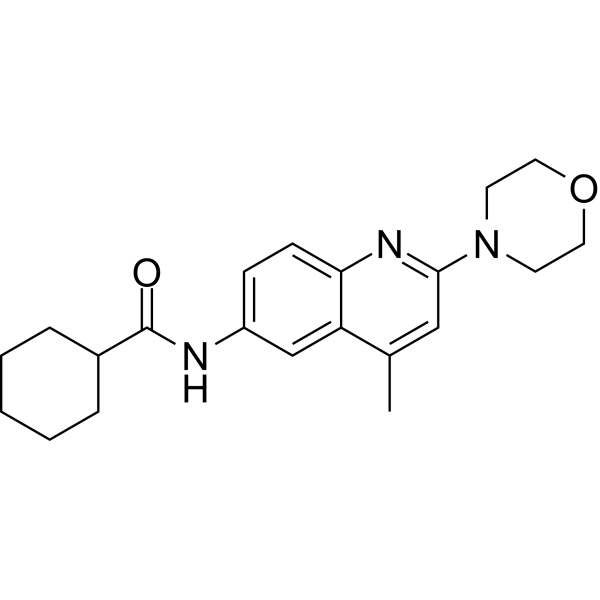 0 ImagesNCGC00092410 is a potent, selective, and nonsugar glucocerebrosidase (GC) inhibitor, with an IC50 of 31 nM. NCGC00092410 shows no activity against the related hydrolases at concentrations up to 77 μM. NCGC00092410, a GC chaperone, and increases the activity and lysosomal localization of glucocerebrosidase in mutant cell lines. NCGC00092410 can be used for the research of Gaucher disease.
-
Linustatin
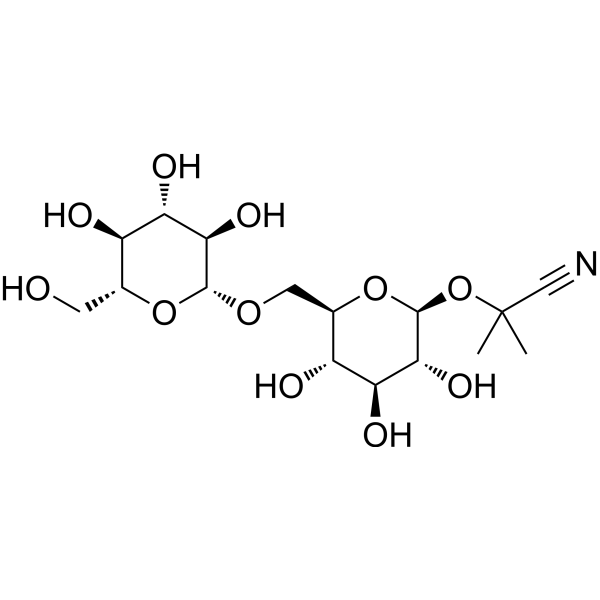 0 ImagesLinustatin is a cyanogenic glycoside compound. Linustatin serves as the natural substrate of the specific β-diglucosidase Linustatinase.
-
Pongamol
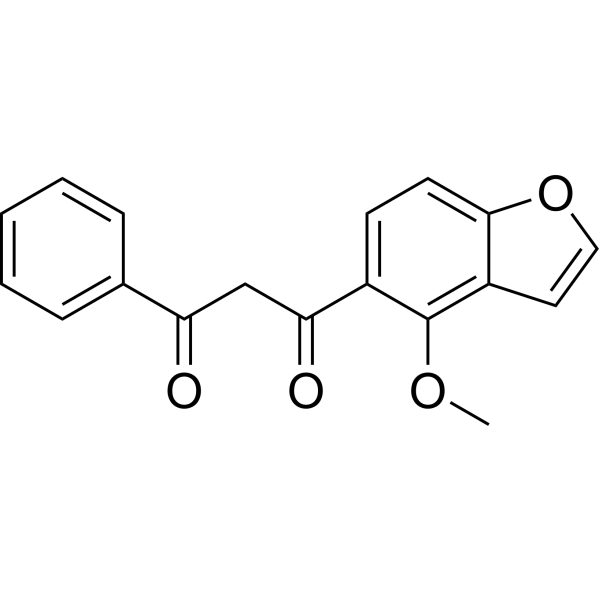 0 ImagesPongamol (Lanceolatin C) is an orally active flavonoid with an IC50 of 75 μM and a Ki of 58 μM against PTPase-1B, and an IC50 of 103.5 μM against intestinal α-Glycosidase. Pongamol reduces the release of IL‑1β, TNF‑α, COX‑2 and iNOS in cells, reverses the nuclear translocation of NF‑κB, and upregulates the levels of Beclin 1 and LC3 Ⅱ/LC3 Ⅰ. Pongamol promotes glucose uptake by increasing the level of GLUT4 on the surface of skeletal muscle cells. Pongamol inhibits epithelial-mesenchymal transition by suppressing the FAK/Akt-mTOR signaling pathway. Pongamol inhibits neuronal cytotoxicity, suppresses cell apoptosis and extends the lifespan of Caenorhabditis elegans by activating the MAPKs/Nrf2 signaling pathway. Pongamol exerts hypoglycemic effects in diabetic mouse models. Pongamol exhibits antibacterial activity. Pongamol alleviates oxidative stress, neuroinflammation, Aβ deposition and excessive phosphorylation of Tau Protein, and restores autophagy function in Alzheimer's disease mouse models by inhibiting the Akt/mTOR signaling pathway. Pongamol is applicable to research related to Alzheimer's disease, type 2 diabetes, non-small cell lung cancer and postprandial hyperglycemia.
-
CHI3L1-IN-2
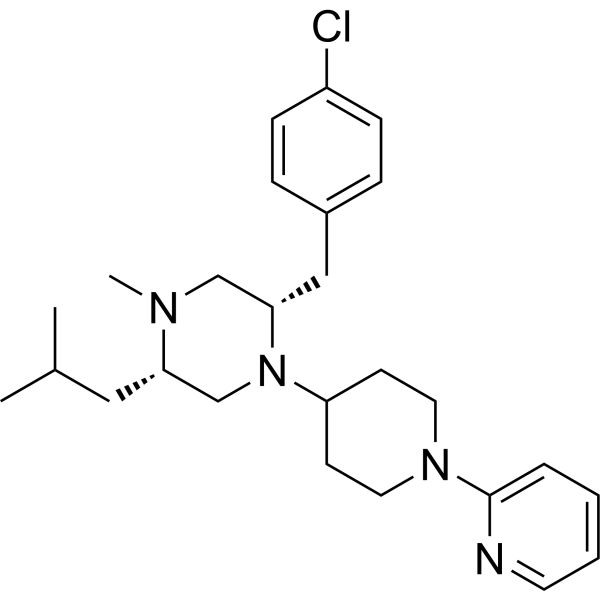 0 ImagesCHI3L1-IN-2 (Compound 36) is a CHI3L1 (Chitinase-3-Like Protein 1) inhibitor. CHI3L1-IN-2 inhibits the? interaction between CHI3L1 and heparan sulfate (CHI3L1:HSIII), with an IC50 of 26 nM. CHI3L1, also known as YKL-40, is a glycoprotein associated with inflammation, fibrosis, and cancer.
-
Petunidin-3-O-glucoside chloride
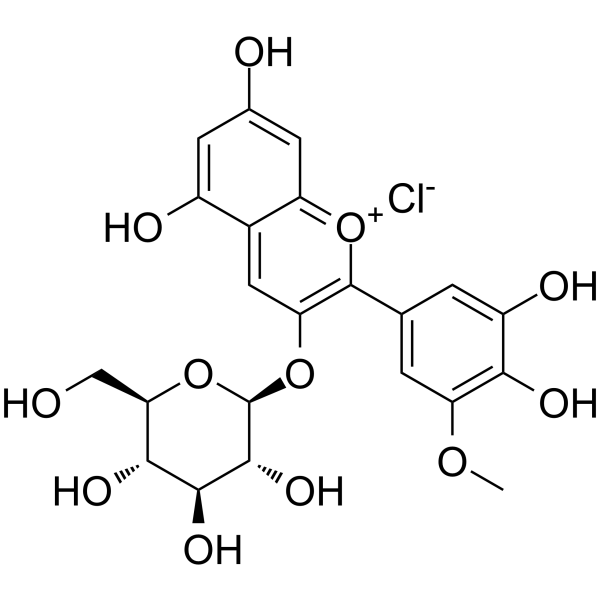 0 ImagesPetunidin-3-O-glucoside chloride is a blood-brain barrier-penetrating tyrosinase inhibitor with an IC50 of 10.3 μM and a Ki of 9.0 μM. Petunidin-3-O-glucoside also acts as an α-glucosidase inhibitor with an IC50 of 218.2 µM. Petunidin-3-O-glucoside chloride inhibits the SIRT3/p53-mediated mitochondrial pathway and the PI3K/Akt-ERK pathway, suppresses glycolysis, and induces cell apoptosis. Petunidin-3-O-glucoside chloride scavenges ROS to exert antioxidant activity. It can be used in research related to glioblastoma multiforme, skin anti-aging and whitening, as well as obesity.
-
Endoglycoceramidase II (EGCase II)
 0 ImagesCat. No.: HY-E70038CAS No.: 2763216-34-6Endoglycoceramidase II (EGCase II) is an endo-β-glucosidase that releases intact glycans from ceramides in glycosphingolipids. Endoglycoceramidase II catalyzes the hydrolysis of β-glycosidic linkages between oligosaccharides and ceramides in various glycosphingolipids.
-
Endo-β-Galactosidase
 0 ImagesCat. No.: HY-E70136CAS No.: 52720-51-1Synonyms: Keratan-sulfate endo-1,4-beta-galactosidase; KeratanaseEndo-β-Galactosidase catalyzes the hydrolysis of internal β1-4 galactose linkages in unbranched, repeating poly-N-acetyllactosamine ([GlcNAc- (1-3)Gal- (1-4)]n) structures.
-
Alglucosidase alfa
 0 ImagesSynonyms: rhGAAAlglucosidase alfa (rhGAA) is a recombinant human acid α-glucosidase. Alglucosidase alfa is taken up by cells via the cation-independent mannose-6-phosphate receptor (CI-MPR) pathway and transported to lysosomes, where GAA degrades glycogen in the acidic lysosomal environment. Alglucosidase alfa is applicable to research related to lysosomal glycogen metabolism and glycogen storage diseases.




