



MMP
Matrix metalloproteinases
MMPs (Matrix metalloproteinases) are zinc-dependent endopeptidases. The MMPs belong to a larger family of proteases known as the metzincin superfamily. MMPs are capable of degrading all kinds of extracellular matrix proteins, but also can process a number of bioactive molecules. They are known to be involved in the cleavage of cell surface receptors, the release of apoptotic ligands and chemokine/cytokine inactivation. MMPs are also thought to play a major role on cell behaviors such as cell proliferation, migration, differentiation, angiogenesis, apoptosis, and host defense. MMP-2 and MMP-9 are thought to be important in metastasis. MMP-1 is thought to be important in rheumatoid arthritis and osteoarthritis. Recent data suggests active role of MMPs in the pathogenesis of Aortic Aneurysm. Excess MMPs degrade the structural proteins of the aortic wall. Disregulation of the balance between MMPs and TIMPs is also a characteristic of acute and chronic cardiovascular diseases.
MMP Isoform Specific Products
-
MMP-1
(63)
View all products
-
MMP-2
(145)
View all products
-
MMP-3
(56)
View all products
-
MMP-8
(30)
View all products
-
MMP-9
(183)
View all products
-
MMP-13
(54)
View all products
-
MMP-14
(23)
View all products
-
MMP-17
(3)
View all products
-
ADAM10
(9)
View all products
-
ADAM17
(10)
View all products
-
MMP-7
(22)
View all products
-
MMP-12
(18)
View all products
-
MMP-10
(8)
View all products
-
MMP
(436)
View all products
-
ADAM8
(1)
View all products
-
MMP-19
(1)
View all products
All Product Categories
-
MMP Inhibitors
(592)
View all products
-
MMP Agonists
(2)
View all products
-
MMP Antagonist
(1)
View all products
-
MMP Activators
(35)
View all products
-
MMP Modulators
(3)
View all products
-
MMP Chemicals
(2)
View all products
-
MMP Inducers
(13)
View all products
-
MMP Degrader
(1)
View all products
-
MMP Controls
(5)
View all products
-
MMP Substrates
(14)
View all products
-
MMP Ligands
(3)
View all products
-
Matrix Metalloproteinases Proteins
(41)
View all products
-
MMP-1 Proteins
(2)
View all products
-
MMP-2 Proteins
(7)
View all products
-
MMP-3 Proteins
(2)
View all products
-
MMP-7 Proteins
(2)
View all products
-
MMP-10 Proteins
(1)
View all products
-
MMP-12 Proteins
(2)
View all products
-
MMP-8 Proteins
(7)
View all products
-
MMP-9 Proteins
(11)
View all products
-
MMP-13 Proteins
(1)
View all products
-
MMP-14 Proteins
(1)
View all products
-
ADAM8 Proteins
(4)
View all products
-
ADAM10 Proteins
(1)
View all products
-
ADAM17/TACE Proteins
(3)
View all products
-
MMP Related Products (790)
Related Products (790)

-
Recombinant Proteins (49)
-
Antibodies (15)
-
MMP Isoform Comparison
-
Barakol
 0 ImagesCat. No.: HY-167825CAS No.: 24506-68-1Barakol is an anticancer and anxiolytic agent identified in Cassia siamea. Barakol inhibits MMP-3 activity and enhances the cytotoxicity and antimetastatic effects of Doxorubicin (HY-15142) against cancer cells. Barakol induces apoptosis via reactive oxygen species (ROS) production, upregulation of the Bax/Bcl-2 protein ratio, and activation of caspase-9. Barakol exerts anxiolytic activity with diazepam-like effects, increases spontaneous longitudinal smooth muscle contraction of rat ileum in a concentration-dependent manner (EC50 = 0.3 mM), and inhibits norepinephrine-induced contraction suppression. Barakol can be used in research related to anxiety, intestinal motility, and neuroblastoma.
-
CTS-1027 (Standard)
 0 ImagesSynonyms: Ro 1130830 (Standard); RS 130830 (Standard)
-
Tranexamic acid-13C6
 0 ImagesCat. No.: HY-B0149S2Synonyms: Cyclocapron-13C6Tranexamic acid-13C6 (Cyclocapron-13C6) is 13C labeled Tranexamic acid. Tranexamic acid (cyclocapron), a cyclic analog of lysine, is an orally active antifibrinolytic agent. Tranexamic acid attenuates the effects of severe trauma, inhibits urokinase plasminogen activator and ameliorates dry wrinkles. Tranexamic acid can used for the research of hemostasis .
-
Alvelestat (Standard)
 0 ImagesSynonyms: AZD9668 (Standard)Alvelestat (Standard) (AZD9668 (Standard)) is the analytical standard of Alvelestat (HY-15651). This product is intended for research and analytical applications. Alvelestat (AZD9668) is an orally active, selective inhibitor of neutrophil elastase. Alvelestat reduces elastase activity, myeloperoxidase release, neutrophil recruitment and activation, and calcium phosphate precipitation; promotes smooth muscle cell colonization and collagen deposition; and inhibits the formation of neutrophil extracellular traps (NETs) as well as NET-derived neutrophil elastase activity. Alvelestat restores endothelial dysfunction, regulates antioxidant factors, improves the expression of endothelial tight junctions, reduces vascular leakage, and accelerates wound healing. Alvelestat prevents pulmonary hemorrhage, matrix protein degradation, airspace enlargement, and small airway wall remodeling; and alleviates cigarette-induced inflammatory responses. Alvelestat inhibits the growth of abdominal aortic aneurysms exacerbated by Porphyromonas gingivalis. Alvelestat can be used in research related to chronic obstructive pulmonary disease, abdominal aortic aneurysm, radiation-induced skin injury, and bronchiectasis.
-
Famotidine hydrochloride
 0 ImagesCat. No.: HY-B0377ACAS No.: 125193-62-6Synonyms: MK-208 hydrochlorideFamotidine hydrochloride (MK-208 hydrochloride) is an orally active and highly selective histamine H2 receptor antagonist. It inhibits gastric acid secretion by blocking the Gs signaling pathway, and regulates intracellular cAMP and ERK pathways. Famotidine hydrochloride inhibits TLR3-mediated inflammatory pathways, and reduces the expression of various inflammatory mediators and interferon-related genes. Famotidine hydrochloride scavenges DPPH and nitric oxide free radicals, alleviates oxidative stress damage in gastric tissue, inhibits proMMP-9, improves vascular endothelial permeability, and restores the normal physiological functions of neutrophils and eosinophils. Famotidine hydrochloride crosses intestinal epithelial cells via facilitated diffusion and passive diffusion, blocks paracellular cation transport, and increases intestinal transepithelial electrical resistance. Famotidine hydrochloride reduces serum levels of transaminases and alkaline phosphatase, exerts analgesic effects and gastric protective effects simultaneously. Famotidine hydrochloride can be used in studies related to COVID-19, liver injury and acute gastric ulcer.
-
Ro 31-9790 (Standard)
 0 ImagesCat. No.: HY-101703RCAS No.: 145337-55-9Synonyms: GI4747 (Standard)Ro 31-9790 (Standard) is the analytical standard of Ro 31-9790 (HY-101703). This product is intended for research and analytical applications. Ro 31-9790 is a synthetic metalloproteinase (MMP) inhibitor.
-
Ecliptasaponin A (Standard)
 0 ImagesCat. No.: HY-N1508RCAS No.: 78285-90-2Ecliptasaponin A (Standard) is the analytical standard for Ecliptasaponin A (HY-N1508). Ecliptasaponin A is an orally active pentacyclic triterpenoid saponin. Ecliptasaponin A exerts anti-tumor activity by activating ASK1/JNK pathway, inducing apoptosis and autophagy in lung cancer cells. Ecliptasaponin A exerts anti-inflammatory/anti-fibrotic effects and protects the cardiovascular system by inhibiting the HMGB1/TLR4/NF-κB pathway, and the expression of COX-2 and MMP-9. Ecliptasaponin A can enhance SOD activity, reduce MDA levels, and alleviate oxidative stress damage. Ecliptasaponin A exerts chondroprotective effects by inhibiting the expression of MMP13 and regulating inflammatory factors. Ecliptasaponin A improves ovarian function and regulates sex hormones by upregulating the expression of ESR1 receptors.
-
Marimastat (Standard)
 0 ImagesSynonyms: BB2516 (Standard); TA2516 (Standard)Marimastat (Standard) is the analytical standard of Marimastat. This product is intended for research and analytical applications. Marimastat (BB2516) is a broad spectrum and orally bioavailable inhibitor of MMPs, with potent activity against MMP-9 (IC50=3 nM), MMP-1 (IC50=5 nM), MMP-2 (IC50=6 nM), MMP-14 (IC50=9 nM) and MMP-7 (IC50=13 nM), used in the treatment of cancer. Marimastat (BB2516) is an angiogenesis and metastasis inhibitor, which limits the growth and production of blood vessels. As an antimetatstatic agent it prevents malignant cells from breaching the basement membranes.
-
Alisol B 23-acetate (Standard)
 0 ImagesSynonyms: 23-Acetylalismol B (Standard); 23-O-Acetylalisol B (Standard); Alisol B monoacetate (Standard)Alisol B 23-acetate (Standard) is the analytical standard of Alisol B 23-acetate (HY-N0805). This product is intended for research and analytical applications. Alisol B 23-acetate is an orally active prototerpane-type triterpenoid. Alisol B 23-acetate can be isolated from Alisma orientalis. Alisol B 23-acetate induces Apoptosis, promotes ROS generation, downregulates CDK4/6, MMP-2/9, upregulates cleaved PARP, activates FXR and inhibits Syk. Alisol B 23-acetate has anti-inflammatory and hepatoprotective activities. Alisol B 23-acetate protects the kidney from ischemia-reperfusion injury. Alisol B 23-acetate has anticancer activity against ovarian cancer, colon cancer, lung cancer, and gastric cancer. Alisol B 23-acetate can be used in the study of atherosclerosis and allergic asthma.
-
SB-3CT (Standard)
 0 ImagesSB-3CT (Standard) is the analytical standard of SB-3CT. This product is intended for research and analytical applications. SB-3CT is a potent and competitive matrix metalloproteinase MMP-2 and MMP-9 inhibitor with Ki values of 13.9 and 600 nM, respectively. SB-3CT has high selectivity for gelatinases. SB-3CT shows blood-brain barrier permeability and has neuroprotective effects and anticancer activity.
-
Lysyl-phenylalanyl-lysine
 0 ImagesCat. No.: HY-165339CAS No.: 54925-87-0Lysyl-phenylalanyl-lysine (Compound KFK) is a tripeptide and belongs to the peptide segments related to thrombospondin-1 (TSP-1) (HY-P0299). Lysyl-phenylalanyl-lysine can activate LAP-TGF-β1 and release active TGF-β1, thereby inhibiting abnormal expression of MMP. Lysyl-phenylalanyl-lysine can be used for research on skin aging-related diseases and poor wound healing.
-
Levamlodipine-d4
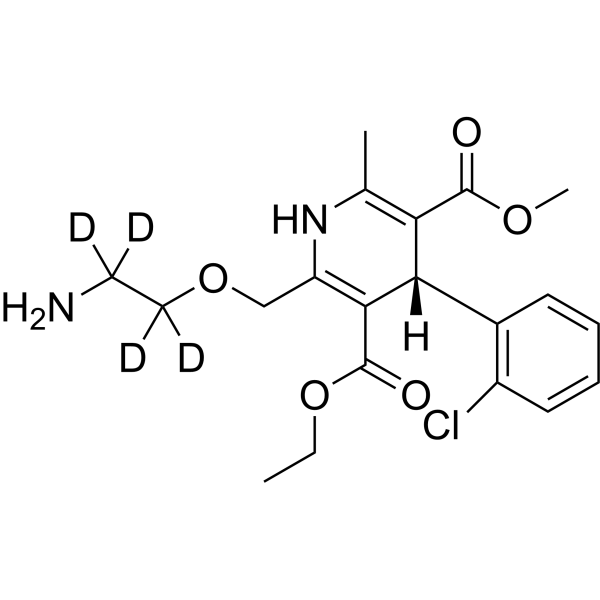 0 ImagesSynonyms: (S)-Amlodipine-d4; Levoamlodipine-d4Levamlodipine-d4 is the deuterium labeled Levamlodipine. Levamlodipine ((S)-Amlodipine; Levoamlodipin) is an orally active L-type calcium channel blocker and MMP-9 modulator with high permeability and retention properties. Levamlodipine significantly enhances plaque stability and improves lipid profiles by reducing blood pressure, decreasing systolic blood pressure variability, and inhibiting MMP-9 expression in atherosclerotic plaques. Levamlodipine not only alleviates cardiac and aortic hypertrophy and prevents renal atrophy, but also produces synergistic effects in blood pressure reduction and organ protection when combined with bisoprolol (HY-129029). Levamlodipine exerts no significant inhibitory effect on abdominal aortic intimal hyperplasia. When excessively accumulated in the epidermis, Levamlodipine may induce changes in keratin structure, impair the skin barrier and trigger inflammation; long-term use further exacerbates skin irritation caused by local administration. Levamlodipine can be used in research related to hypertension and atherosclerosis.
-
CM-352
 0 ImagesCat. No.: HY-117464CAS No.: 1664361-37-8CM-352 (compound 5) is an inhibitor of matrix metalloproteinases (MMPs) (MMP-3: IC50=15 nM; MMP-10: IC50=12 nM). CM-352 has significant antifibrinolytic activity (EC50=0.7 nM) and can significantly prolong blood coagulation time. CM-352 can be used in anti-bleeding research.
-
Lixisenatide (Leu-13C6,15N) TFA
 0 ImagesCat. No.: HY-P0119SLixisenatide (Leu-13C6,15N) TFA is the 13C- and 15N-labeled Lixisenatide (HY-P0119). Lixisenatide is a glucagon-like peptide-1 (GLP-1) receptor agonist. Lixisenatide inhibits the inflammatory response through down regulation of pro-inflammatory cytokines, and suppresses of the Akt-MEK1/2 signaling pathway. Lixisenatide can inhibit oxidative stress, mitochondrial dysfunction and apoptosis. Lixisenatide can be used for the researches of inflammation, metabolic disease, neurological disease and cardiovascular disease, such as rheumatoid arthritis, diabetes, Alzheimer's disease and atherosclerosis.
-
MMI-166
 0 ImagesCat. No.: HY-183408CAS No.: 193809-84-6MMI-166 is an orally active selective matrix metalloproteinase (MMP) inhibitor (MMP-2 (IC50 = 2 nM), MMP-9 (IC50 = 53 nM)). MMI-166 can prevent tumor invasion, metastasis and angiogenic, and promotes apoptosis. MMI-166 dose not only directly inhibits the enzymatic activity of MMP-2 and MMP-9 but also downregulates their protein synthesis and expression levels at the post-transcriptional level. MMI-166 can be used in research on colon cancer, head and neck squamous cell carcinoma, microglioma, lung cancer, and pancreatic cancer.

-
RH01617
 0 ImagesCat. No.: HY-129699CAS No.: 302333-18-2RH01617 is a Kv1.5. potassium channel and MMP-13 inhibitor. RH01617 can be used for research of atrial fibrillation.
-
ND-378
 0 ImagesCat. No.: HY-124341CAS No.: 1807453-72-0ND-378 is a potent and selective inhibitor of matrix metalloproteinases (MMP-2) with a Ki value of 230 nM. ND-378 can be used to study spinal cord injury (SCI).
-
Alvelestat-13C,d3
 0 ImagesCat. No.: HY-15651SSynonyms: AZD9668-13C,d3Alvelestat-13C,d3 (AZD9668-13C,d3) is the deuterated, 13C-labeled Alvelestat (HY-15651). Alvelestat (AZD9668) is an orally active, selective inhibitor of neutrophil elastase. Alvelestat reduces elastase activity, myeloperoxidase release, neutrophil recruitment and activation, and calcium phosphate precipitation; promotes smooth muscle cell colonization and collagen deposition; and inhibits the formation of neutrophil extracellular traps (NETs) as well as NET-derived neutrophil elastase activity. Alvelestat restores endothelial dysfunction, regulates antioxidant factors, improves the expression of endothelial tight junctions, reduces vascular leakage, and accelerates wound healing. Alvelestat prevents pulmonary hemorrhage, matrix protein degradation, airspace enlargement, and small airway wall remodeling; and alleviates cigarette-induced inflammatory responses. Alvelestat inhibits the growth of abdominal aortic aneurysms exacerbated by Porphyromonas gingivalis. Alvelestat can be used in research related to chronic obstructive pulmonary disease, abdominal aortic aneurysm, radiation-induced skin injury, and bronchiectasis.
-
Homoeriodictyol (Standard)
 0 ImagesHomoeriodictyol (Standard) is the analytical standard of Homoeriodictyol (HY-N8210). This product is intended for research and analytical applications. Homoeriodictyol is an orally active, bitter-tasting flavanone that can penetrate the blood-brain barrier. Homoeriodictyol enhances synaptic-related protein expression through NCOA4-mediated ferritin autophagy. Homoeriodictyol improves memory impairment in mice by inhibiting the NLRP3 inflammasome. Homoeriodictyol protects human endothelial cells from oxidative damage by activating Nrf2 and inhibiting mitochondrial dysfunction. Homoeriodictyol enhances ROS activity and induces apoptosis, exhibiting anticancer effects. Homoeriodictyol inhibits the survival and migration of androgen-resistant prostate cancer cells in vitro. Homoeriodictyol exerts antinociceptive activity in mice in vivo.




