



Mitochondrial Metabolism
Mitochondria use multiple carbon fuels to produce ATP and metabolites, including pyruvate, which is generated from glycolysis; amino acids such as glutamine; and fatty acids. These carbon fuels feed into the TCA cycle in the mitochondrial matrix to generate the reducing equivalents NADH and FADH2, which deliver their electrons to the electron transport chain. Mitochondria are complex organelles that play an important role in many facets of cellular function, from metabolism to immune regulation and cell death. Mitochondria are actively involved in a wide variety of cellular processes and molecular interactions, such as calcium buffering, lipid flux, and intracellular signaling. It is increasingly recognized that mitochondrial dysfunction is a hallmark of many diseases such as obesity/diabetes, cancer, cardiovascular and neurodegenerative diseases. Mitochondrial metabolism is a key determinant of tumor progression by impacting on functions such as epithelial-to-mesenchymal transition. Mitochondrial metabolism and derived oncometabolites shape the epigenetic landscape to alter aggressiveness features of cancer cells. Changes in mitochondrial metabolism are relevant for the survival of tumors in response to therapy.
All Product Categories
-
Mitochondrial Metabolism Related Products (635)
Related Products (635)

-
Antibodies (52)
-
Related Compound Screening Libraries (2)
-
WJ-39
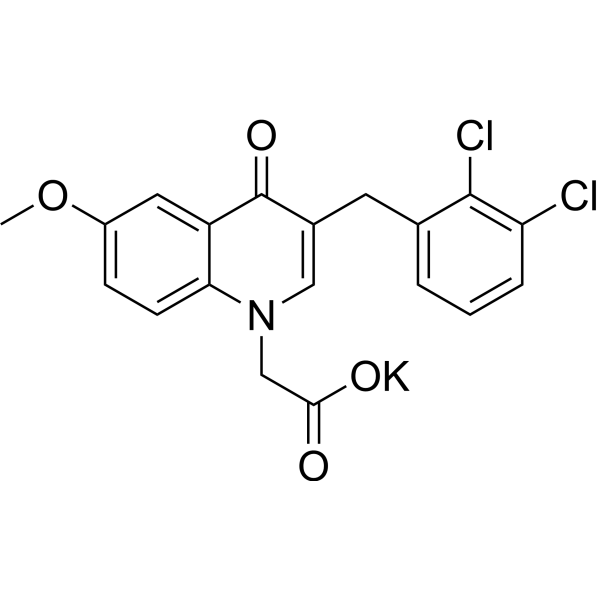 0 ImagesWJ-39 is an orally active aldose reductase (AR) inhibitor. WJ-39 improves tubular damage in diabetic nephropathy rats by activating PINK1/Parkin signaling, promoting mitophagy, and attenuating apoptosis.
-
Isobutyryl-CoA trisodium
 0 ImagesCat. No.: HY-164094APurity: 99.0%Isobutyryl-CoA trisodium is a substrate of isobutyryl-CoA dehydrogenase.
-
Desipramine-d4
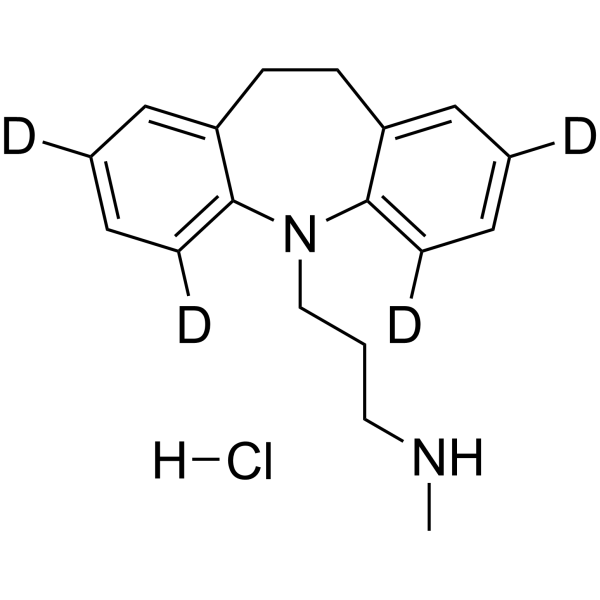 0 ImagesDesipramine-d4 is the deuterium labeled Desipramine (HY-B1272A). Desipramine is a first-generation tricyclic antidepressant. Desipramine selectively binds to norepinephrine transporter and blocks neuronal norepinephrine reuptake. Desipramine activates MAPK signaling via ERK1/2, JNK, and p38, represses NF-κB and AP-1 activity, and induces apoptosis via ROS elevation, mitochondrial membrane potential reduction, and intracellular calcium increase. Desipramine also shows anyi-inflammatory activity, inhibiting TNF-α production. Desipramine can be used for the research of hepatocellular cancer, inflammation, and neurological diseases.
-
Meldonium (Standard)
 0 ImagesSynonyms: MET-88 (Standard); Quaterin (Standard)Meldonium (Standard) is the analytical standard of Meldonium. This product is intended for research and analytical applications. Meldonium (MET-88) functions as a cardioprotective agent by cpmpetetively inhibiting γ-butyrobetaine hydroxylase (BBOX) and carnitine/organic cation transporter type 2 (OCTN2). Mildronate (Meldonium) exhibits IC50 values of 34-62 μM for human recombinant BBOX and an EC50 of 21 μM for human OCTN2. Meldonium is a fatty acid oxidation inhibitor.
-
Momordicine I
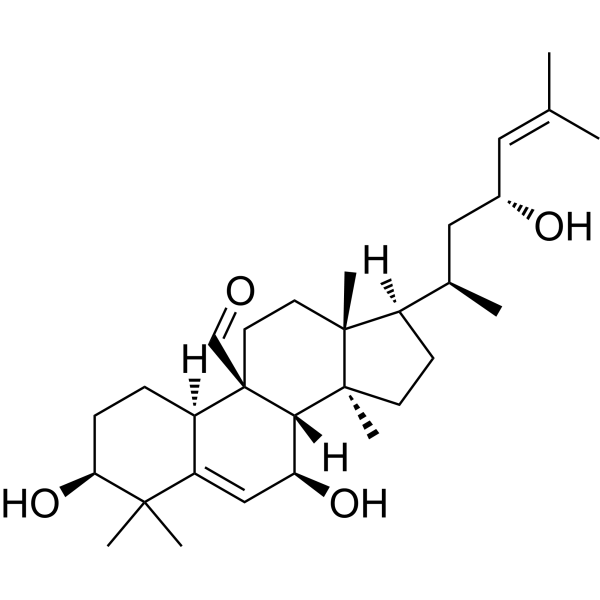 0 ImagesCat. No.: HY-122949CAS No.: 91590-76-0Momordicine I is a cucurbitane-type triterpenoids. Momordicine I suppresses glioma growth by promoting apoptosis and impairing mitochondrial oxidative phosphorylation. Momordicine I inhibits glycolysis, lipid metabolism, induces autophagy in HNC cells to suppress head and neck cancer growth. Momordicine I alleviates isoproterenol-induced cardiomyocyte hypertrophy through suppression of PLA2G6 and DGK-ζ. Momordicine I exerts its cardiovascular benefits by upregulating nitric oxide, inhibiting the activity of angiotensin-converting enzyme (ACE), activating the PI3K/Akt pathway, reducing oxidative stress and inflammation. Momordicine I inhibits AKT1, IL-6, and SRC, suggesting its potential application in type 2 diabetes.
-
3-Carene
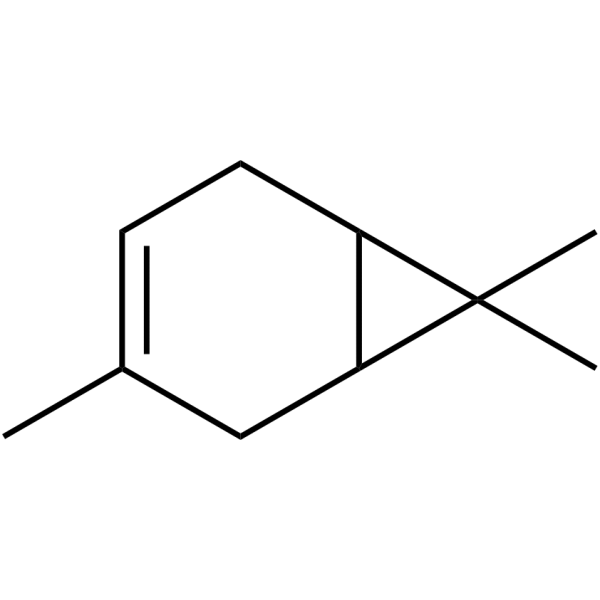 0 ImagesCat. No.: HY-N6663CAS No.: 13466-78-93-Carene is an orally active TCA cycle enzyme inhibitor. 3-Carene inhibits succinate dehydrogenase and malate dehydrogenase as well as pyruvate kinase, disrupting energy metabolism. 3-Carene disrupts cell wall and cell membrane integrity, leading to potassium ion leakage, protein leakage, membrane depolarization, ATP depletion, morphological disruption, and cell lysis. 3-Carene interferes with amino acid metabolism, pantothenate and CoA biosynthesis, purine and pyrimidine metabolism, and aminoacyl-tRNA biosynthesis. 3-Carene enhances GABA receptor-mediated synaptic responses. 3-Carene can be used in research on bacterial infections, inflammation, anxiety, and sleep disorders.
-
Thifluzamide
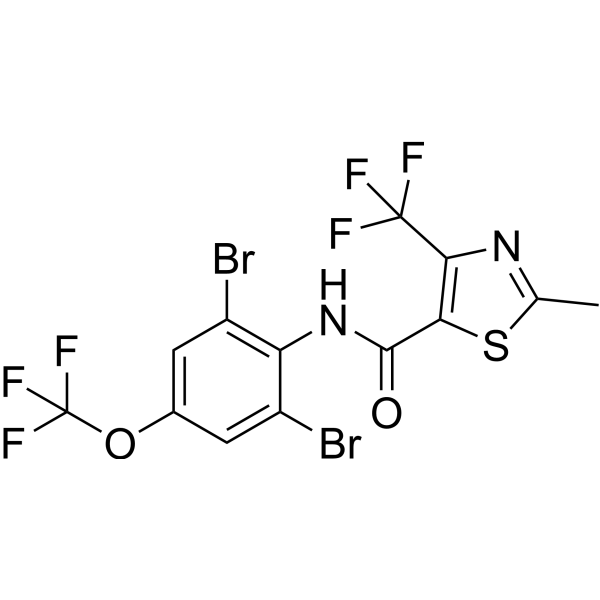 0 ImagesThifluzamide is a fungicide that inhibits fungal respiration by blocking the ubiquinone-binding site in mitochondrial complex II. Thifluzamide exhibits significant activity against Basidiomycota pathogens (such as Rhizoctonia cerealis, Ustilago and Puccinia genera) and is commonly used in studies on wheat sharp eyespot. Thifluzamide displays a dual mechanism in regulating lipid metabolism: it reduces fatty acid synthase activity to inhibit endogenous fatty acid synthesis, and increases carnitine palmitoyltransferase-I activity to accelerate fatty acid β-oxidation, thereby reducing total cholesterol and triglyceride levels in the liver. Thifluzamide also induces hepatotoxicity in zebrafish models and carries a risk of developmental toxicity. Thifluzamide inhibition of Rhizoctonia cerealis may result in low to moderate levels of drug resistance, leading to the generation of stable drug-resistant mutants.
-
FCCP (Standard)
 0 ImagesSynonyms: Carbonyl cyanide 4-(trifluoromethoxy)phenylhydrazone (Standard)FCCP (Standard) is the analytical standard of FCCP. This product is intended for research and analytical applications. FCCP is an uncoupler of oxidative phosphorylation (OXPHOS) in mitochondria. FCCP induces activation of PINK1 leading to Parkin Ser65 phosphorylation.
-
Glyburide-d11
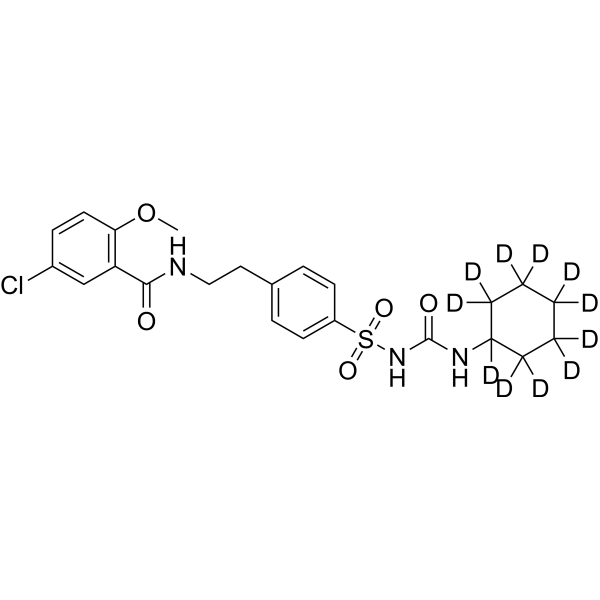 0 ImagesGlyburide-d11 is the deuterium labeled Glibenclamide. Glibenclamide (Glyburide) is an orally active ATP-sensitive K+ channel (KATP) inhibitor and can be used for the research of diabetes and obesity. Glibenclamide inhibits P-glycoprotein. Glibenclamide directly binds and blocks the SUR1 subunits of KATP and inhibits the cystic fibrosis transmembrane conductance regulator protein (CFTR). Glibenclamide interferes with mitochondrial bioenergetics by inducing changes on membrane ion permeability. Glibenclamide can induce autophagy.
-
CCI-006
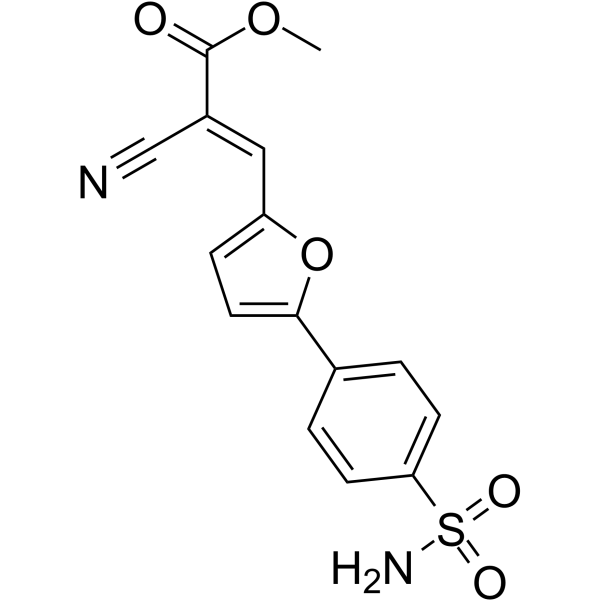 0 ImagesCCI-006 is a selective inhibitor and chemosensitizer of MLL-rearranged leukemia cells, by inhibits mitochondrial respiration resulting in insurmountable mitochondrial depolarization and a pro-apoptotic unfolded protein response (UPR) in a subset of MLL-r leukemia cells.
-
Cardanol monoene
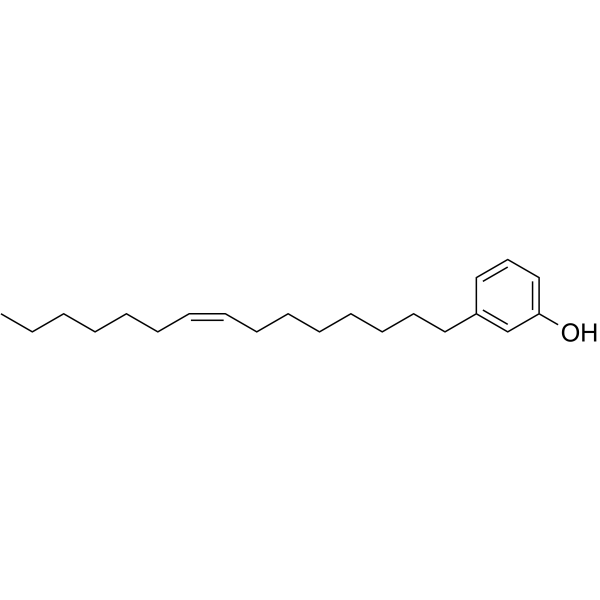 0 ImagesCardanol monoene (Cardanol C15:1) is a phenolic compound which can be found in cashew nut shell liquid. Cardanol monoene can inhibit cancer cells proliferation, migration, cause S phase arrest, induce apoptosis, ROS production and mitochondrial depolarization. Cardanol monoene downregulates MMP-2, MMP-9, cyclinA1 expression, regulates CDK2, p53, Bax, cytochrome c, cleaved caspase-3, cleaved PARP, Apaf-1 expression and Bax/Bcl-2 ratio. Cardanol monoene shows weak DPPH radical scavenging activity and AChE inhibition activity. Cardanol monoene is lethal to Artemia salina nauplii. Cardanol monoene. Cardanol monoene can be used for the research of cancer, infection and inflamation.
-
STA-013
 0 ImagesCat. No.: HY-179572Purity: 99.18%STA-013 is a EphB tyrosine kinase inhibitor. STA-013 shows promising potency against EphB1 (IC50 = 0.69 µM), EphB2 (IC50 = 1.73 µM), and EphB4 (IC50 = 1.02 µM) tyrosine kinases. STA-013 results a inhibition of the EphB phosphorylated signal, coupled with increased p-AKT/AKT signaling, to suggest insulin signaling activation. STA-013 inhibits EphB tyrosine kinase by enhancing insulin receptor beta (IRβ) signaling, and decreasing TGF-β levels in the heart. STA-013 can be used for the study of type 2 diabetes and cardiac complications (diabetic cardiomyopathy).
-
DiOC5(3)
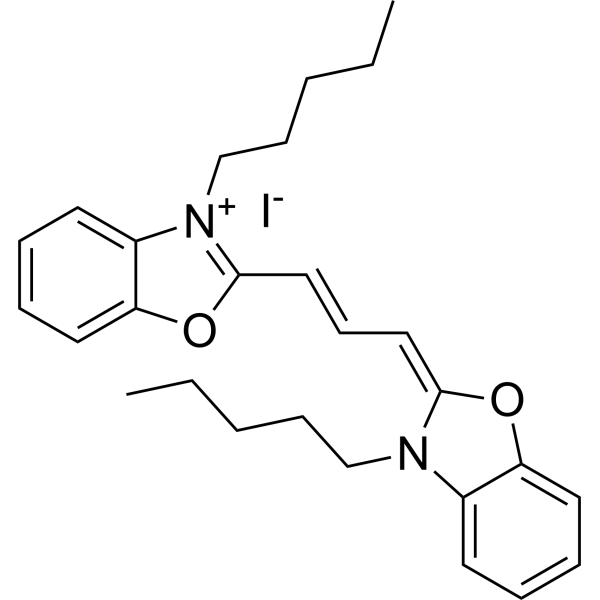 0 ImagesSynonyms: 3,3′-Dipentyloxacarbocyanine iodideDiOC5(3) (3,3′-Dipentyloxacarbocyanine iodide) is a mitochondrial Fluorescent dye that alters membrane potential, and it also acts as an inhibitor of NADH-ubiquinone reductase (respiratory complex I). DiOC5(3) increases the NADH/NAD ratio and induces excessive production of ROS. DiOC5(3) induces Apoptosis. DiOC5(3) accumulates in the mitochondria of leukemia stem-like cells via organic anion-transporting polypeptides, specifically labels these cells, and inhibits their proliferation. DiOC5(3) enhances the cellular uptake of Hoechst 33342 (HY-15559), reduces Hoechst 33342-associated cytotoxicity, and improves the resolution of DNA content analysis by flow cytometry. DiOC5(3) shows no detectable fluorescence signal when excited in the 400-500 nm ultraviolet light range. DiOC5(3) is applicable to leukemia-related research.
-
mPTP-IN-1
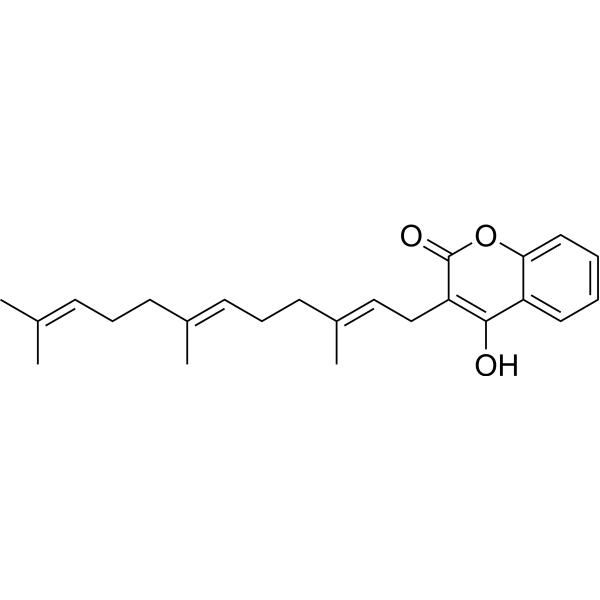
 0 ImagesmPTP-IN-1 (Compound 14e) is a mitochondrial permeability transition pore (mPTP) inhibitor. mPTP-IN-1 blocks calcium-induced mPTP opening by targeting the C subunit of ATP synthase. mPTP-IN-1 can be used to study myocardial ischemia/reperfusion injury (IRI).

-
Mito-apocynin (C2)
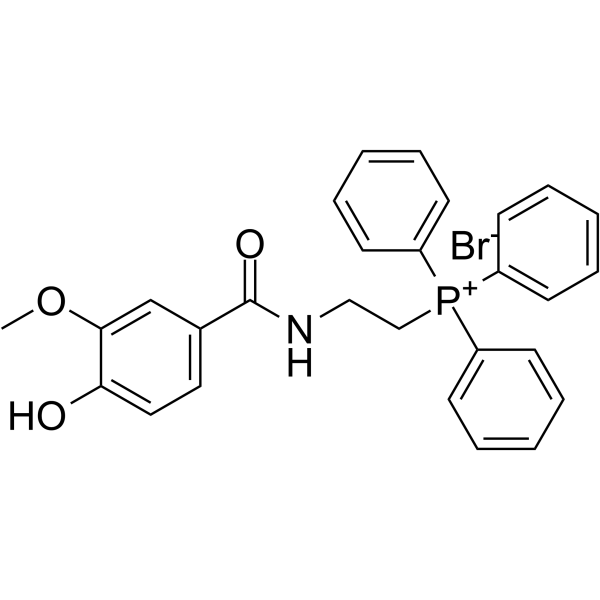 0 ImagesMito-apocynin (C2), an orally active mitochondria-targeted triphenylphosphonium (TPP)-based compound, is synthesized by conjugating the Apocynin moiety with a TPP + cation. Mito-apocynin (C2) exhibits antineuroinflammatory effect.
-
2-Hydroxy-4-methoxybenzoic acid
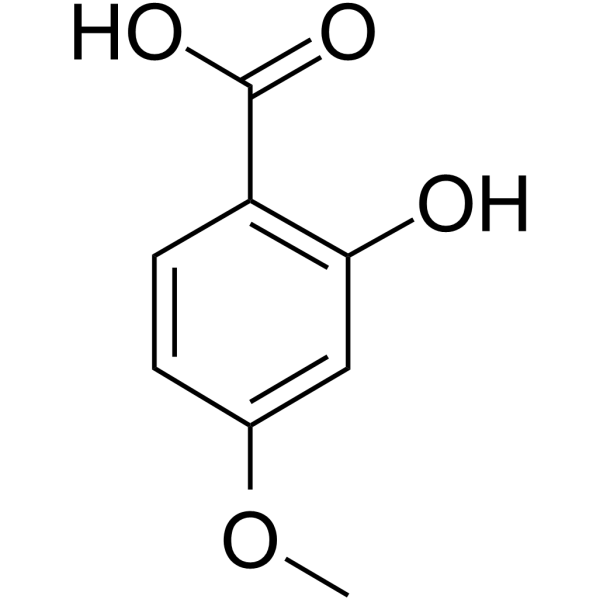 0 Images2-Hydroxy-4-methoxybenzoic acid is an orally active inhibitor of MCT-1 and MCT-4, as well as a plant biomarker. 2-Hydroxy-4-methoxybenzoic acid can be isolated from roots. 2-Hydroxy-4-methoxybenzoic acid induces Apoptosis and loss of mitochondrial membrane potential. 2-Hydroxy-4-methoxybenzoic acid exhibits anticancer activity against breast cancer. 2-Hydroxy-4-methoxybenzoic acid normalizes lactic acid levels. 2-Hydroxy-4-methoxybenzoic acid neutralizes viper venom and attenuates its lethal, hemorrhagic, coagulant and anticoagulant activities in male albino mice. 2-Hydroxy-4-methoxybenzoic acid possesses antihyperlipidemic, antidiabetic and hepatoprotective activities.
-
Lilial (Standard)
 0 ImagesCat. No.: HY-W014684RCAS No.: 80-54-6Lilial (Standard) is the analytical standard of Lilial. This product is intended for research and analytical applications. Lilial is a widely used synthetic fragrance and ester in consumer products. Lilial possesses estrogenic activity in vitro. Lilial can induce a toxic effect on mitochondria that causes a decrease in the viability of HaCaT cells. Lilial can increase NRF2 protein level in vitro. Lilial is able to target respiratory chain complexes, inhibit complexes I and II of the electron transport chain, increase the generation of reactive oxygen species, and decrease the level of intracellular ATP. Lilial can induce systemic toxicity in vivo. Lilial induces significant DNA strand breaks.




