



STAT
STAT is a family of cytoplasmic protein that regulates many aspects of growth, survival and differentiation in cells. The transcription factors of this family are activated by Janus kinase and dysregulation of this pathway is frequently observed in primary tumours and leads to increased angiogenesis, enhanced survival of tumours and immunosuppression. Gene knockout studies have provided evidence that STAT proteins are involved in the development and function of the immune system and play a role in maintaining immune tolerance and tumour surveillance. STAT proteins were originally described as latent cytoplasmic transcription factors that require phosphorylation for nuclear retention. The unphosphorylated STAT proteins shuttle between cytosol and the nucleus waiting for its activation signal. Once the activated transcription factor reaches the nucleus, it binds to consensus DNA-recognition motif called gamma-activated sites (GAS) in the promoter region of cytokine-inducible genes and activates transcription of these genes.
STAT Isoform Specific Products
All Product Categories
-
STAT Inhibitors
(716)
View all products
-
STAT Agonists
(9)
View all products
-
STAT Antagonists
(5)
View all products
-
STAT Activators
(78)
View all products
-
STAT Modulators
(23)
View all products
-
STAT Inducers
(2)
View all products
-
STAT Degraders
(26)
View all products
-
STAT Controls
(2)
View all products
-
STAT Ligands
(7)
View all products
-
STAT Related Products (931)
Related Products (931)

-
Antibodies (25)
-
STAT Isoform Comparison
-
Fezakinumab
 0 ImagesSynonyms: ILV 094Fezakinumab (ILV 094) is an anti-IL-22 monoclonal antibody. Fezakinumab inhibits IL-22 signal transduction, and regulates the JAK1/STAT3 pathway as well as apoptotic proteins. Fezakinumab alleviates airway remodeling, alveolar enlargement and inflammatory cell infiltration in lung tissues. Fezakinumab reduces the levels of neutrophils, lymphocytes, eosinophils and macrophages in lung tissues. Fezakinumab can be used in the research of chronic obstructive pulmonary disease and skin diseases.
-
Anti-Mouse IL-6 Antibody (MP5-20F3)
 0 ImagesCat. No.: HY-P990212Purity: 99.36%Anti-Mouse IL-6 Antibody (MP5-20F3) is an anti-mouse IL-6 IgG1 monoclonal antibody. Anti-Mouse IL-6 Antibody (MP5-20F3) reshapes the tumor microenvironment by blocking IL-6. Anti-Mouse IL-6 Antibody (MP5-20F3) can inhibit the STAT3 pathway and enhance T cell infiltration. Anti-Mouse IL-6 Antibody (MP5-20F3) can be used for researches on inflammation and infection conditions such as malignant pleural effusion (MPE).
-
L-Glutamine-15N-1
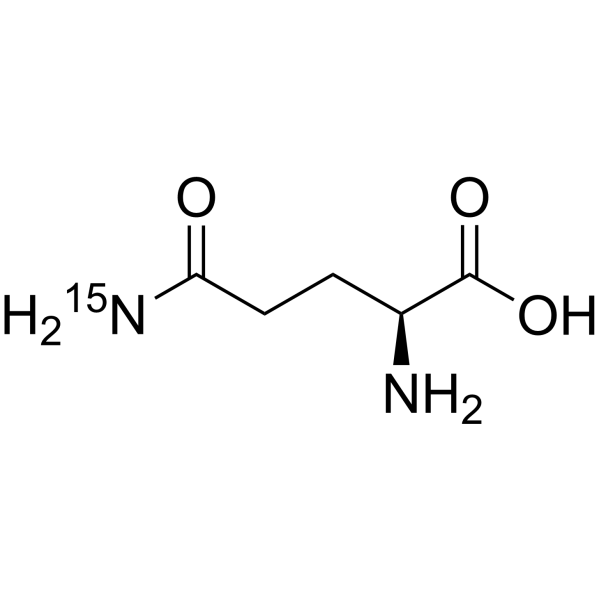 0 ImagesSynonyms: L-Glutamic acid 5-amide-15N-1L-Glutamine-15N-1 is the 15N-labeled L-Glutamine (HY-N0390). L-Glutamine is an orally active nutritional agent and cellular metabolism regulator. L-Glutamine is taken up in a Na+-dependent manner and targets multiple key molecules including glutaminase, mTORC1, NF-κB, STAT-3 and HIF-1α. L-Glutamine enhances glutaminolytic catabolism, drives the conversion of glutamate to α-ketoglutarate, thereby regulating gene expression, integrating metabolic signals, mediating glutamine flux and maintaining redox homeostasis. L-Glutamine also promotes cell proliferation, osteogenic differentiation and fracture healing, exerts neuroprotective and cardioprotective effects, and inhibits osteoarthritis. L-Glutamine can be applied to research related to osteoporosis, osteoarthritis, ischemic stroke and acute cantharidin-induced cardiotoxicity.
-
Nifuratel
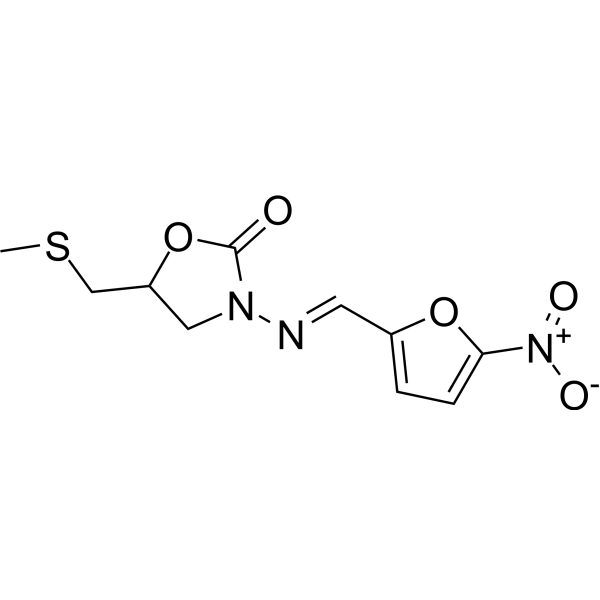 0 ImagesNifuratel (NF 113) is an orally active broad-spectrum antibiotic with antiprotozoal, antibacterial, anticancer and anti-inflammatory activities, and has good inhibitory effects on Candida and Trichomonas. Nifuratel is also a STAT3 inhibitor, which significantly inhibits the growth and proliferation of human gastric cancer cells and induces apoptosis. In addition, Nifuratel also inhibits mast cell-mediated antigen hypersensitivity reactions and can be used in the study of IgE-mediated allergic diseases.
-
L-Glutamine (Standard)
 0 ImagesL-Glutamine (Standard) is the analytical standard of L-Glutamine (HY-N0390). This product is intended for research and analytical applications. L-Glutamine is an orally active nutritional agent and cellular metabolism regulator. L-Glutamine is taken up in a Na+-dependent manner and targets multiple key molecules including glutaminase, mTORC1, NF-κB, STAT-3 and HIF-1α. L-Glutamine enhances glutaminolytic catabolism, drives the conversion of glutamate to α-ketoglutarate, thereby regulating gene expression, integrating metabolic signals, mediating glutamine flux and maintaining redox homeostasis. L-Glutamine also promotes cell proliferation, osteogenic differentiation and fracture healing, exerts neuroprotective and cardioprotective effects, and inhibits osteoarthritis. L-Glutamine can be applied to research related to osteoporosis, osteoarthritis, ischemic stroke and acute cantharidin-induced cardiotoxicity.
-
YM-341619
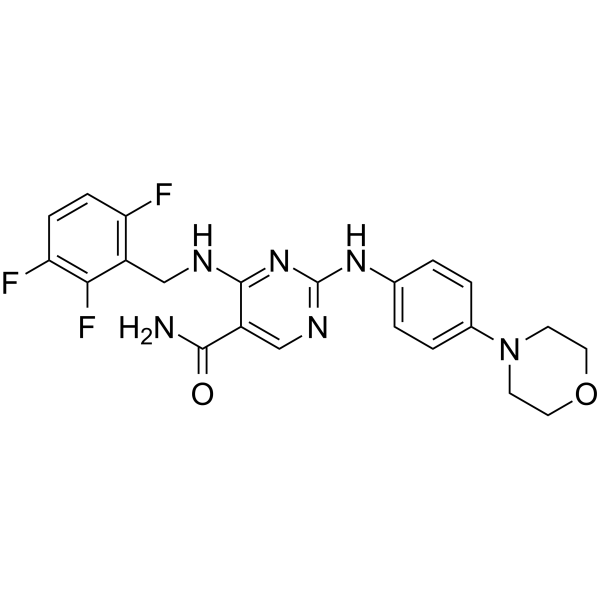 0 ImagesSynonyms: AS1617612YM-341619 (AS1617612) is a potent and orally active STAT6 inhibitor with an IC50 of 0.70 nM. YM-341619 inhibits Th2 differentiation in mouse spleen T cells induced by IL-4 (IC50=0.28 nM) without affecting Th1 cell differentiation. YM-341619 is a promising compound for the the research of allergic diseases, such as allergic asthma.
-
STAT6-IN-5
 0 ImagesSTAT6-IN-5 (compound 84) is a STAT6 inhibitor (IC50=0.24 μM), which can be used for the research of inflammatory diseases and allergic diseases (e.g. atopic dermatitis).
-
STAT4-IN-1
 0 ImagesCat. No.: HY-173236Purity: 99.17%STAT4-IN-1 is an inhibitor of STAT4 with a Ki of 0.35 μM. STAT4-IN-1 is expected to be used in the research of autoimmune diseases, including inflammatory bowel disease, multiple sclerosis, rheumatoid arthritis, and diabetes.
-
BCI-137
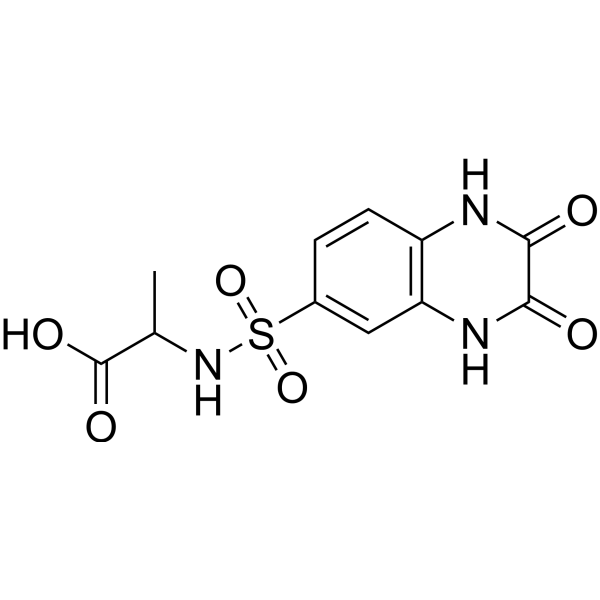 0 ImagesBCI-137 is a Argonaute 2 (AGO2) inhibitor. By inhibiting AGO2 function, reducing PTPN6/SHP-1 protein levels and enhancing STAT1 phosphorylation, BCI-137 restores the sensitivity of tumor cells to IFN-γ. BCI-137 effectively enhances the recruitment, activation and cytotoxicity of CD8+ T cells. BCI-137 exerts a synergistic effect with anti-PD-1 antibodies and significantly reduces tumor volume in preclinical mouse models. BCI-137 exhibits favorable safety profiles and does not cause significant weight loss or death in mice. BCI-137 can be used in research related to bladder cancer, colorectal cancer, melanoma and other related fields.
-
Perindopril
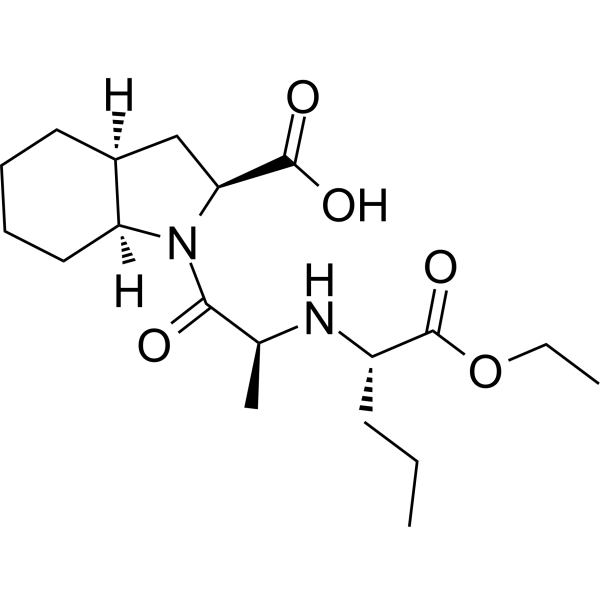 0 ImagesSynonyms: S-9490Perindopril erbumine is an angiotensin-converting enzyme inhibitor. Perindopril erbumine modulates NFκB and STAT3 signaling and inhibits glial activation and neuroinflammation. Perindopril erbumine can be used for the research of Chronic Kidney Disease and high blood pressure.

-
Peramivir
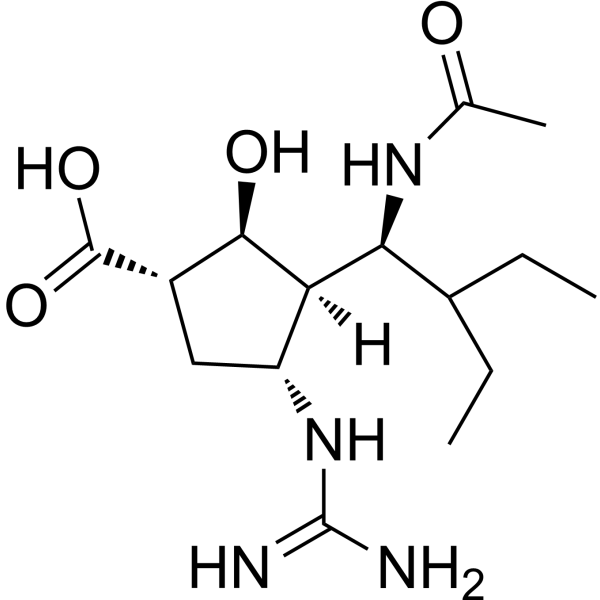 0 ImagesSynonyms: RWJ-270201; BCX-1812Peramivir is an novel cyclopentane neuraminidase inhibitor of influenza virus. Peramivir has antiviral activity and anti-cytokines stom effects. Peramivir can be used for the research of COVID-19.
-
Pexmetinib
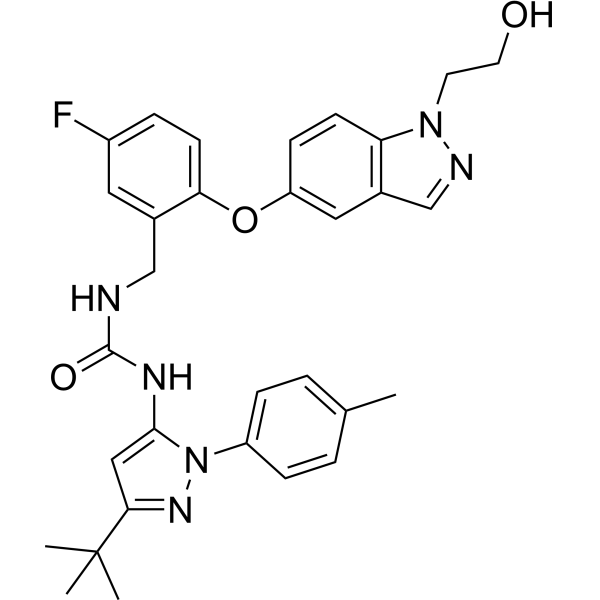 0 ImagesSynonyms: ARRY-614Pexmetinib (ARRY-614) is an orally active dual Tie-2 and p38 MAPK inhibitor. Pexmetinib binds to Tie-2 and p38 MAPK in a "DFG-out" conformation, attenuates the phosphorylation of p38, inhibits STAT3 activation, reduces the promoter-binding activity of NFATc1, and decreases the expression of MMPs. Pexmetinib inhibits leukemia cell proliferation, abrogates TNF-α-mediated myelosuppression of healthy hematopoietic stem cells, stimulates hematopoiesis in primary myelodysplastic syndrome (MDS) samples, inhibits RANKL-induced osteoclast formation and bone resorption, and suppresses migration, invasion and induced osteolysis of breast cancer cells. Pexmetinib can be used in research related to myelodysplastic syndrome, acute myeloid leukemia and breast cancer-induced osteolysis.
-
L-Glutamine-d5
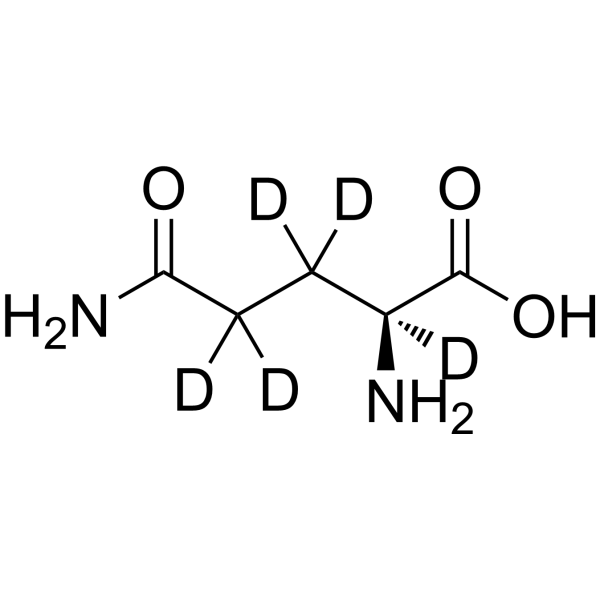 0 ImagesSynonyms: L-Glutamic acid 5-amide-d5L-Glutamine-d5 is the deuterium labeled L-Glutamine (HY-N0390). L-Glutamine is an orally active nutritional agent and cellular metabolism regulator. L-Glutamine is taken up in a Na+-dependent manner and targets multiple key molecules including glutaminase, mTORC1, NF-κB, STAT-3 and HIF-1α. L-Glutamine enhances glutaminolytic catabolism, drives the conversion of glutamate to α-ketoglutarate, thereby regulating gene expression, integrating metabolic signals, mediating glutamine flux and maintaining redox homeostasis. L-Glutamine also promotes cell proliferation, osteogenic differentiation and fracture healing, exerts neuroprotective and cardioprotective effects, and inhibits osteoarthritis. L-Glutamine can be applied to research related to osteoporosis, osteoarthritis, ischemic stroke and acute cantharidin-induced cardiotoxicity.
-
Nifuroxazide
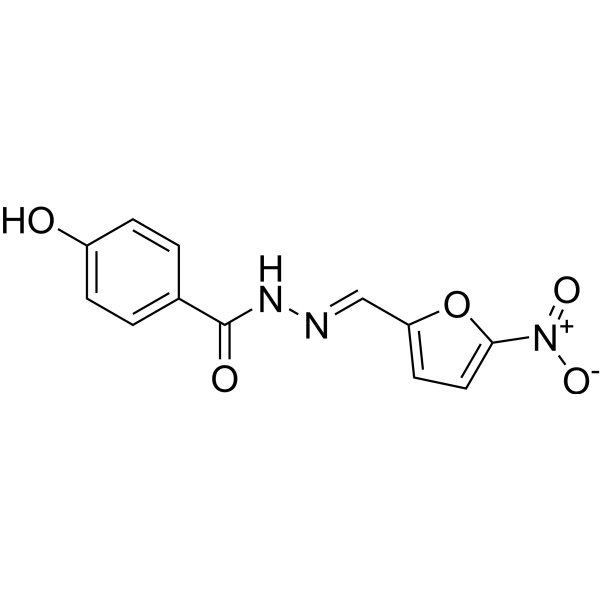 0 ImagesNifuroxazide is an effective inhibitor of STAT3, also exerts potent anti-tumor and anti-metastasis activity. Nifuroxazide is an orally active nitrofuran antibiotic.
-
BD750
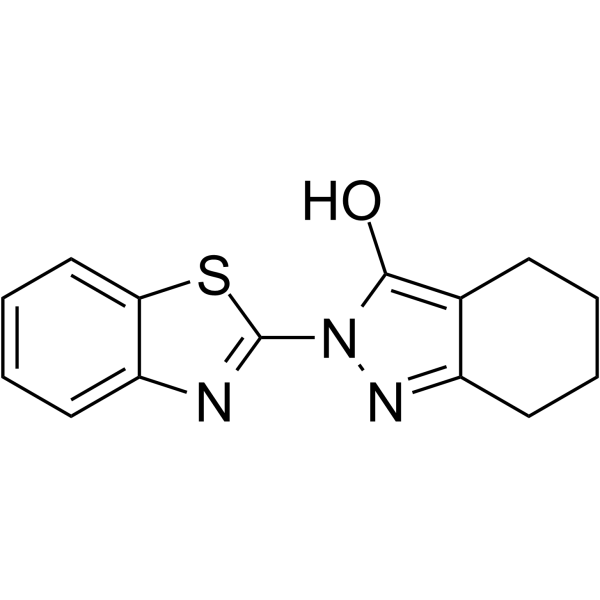 0 ImagesBD750, an effective immunosuppressant and a JAK3/STAT5 inhibitor, inhibits IL-2-induced JAK3/STAT5-dependent T cell proliferation, with IC50 values of 1.5 μM and 1.1 μM in mouse and human T cells, respectively.
-
Atractylenolide II
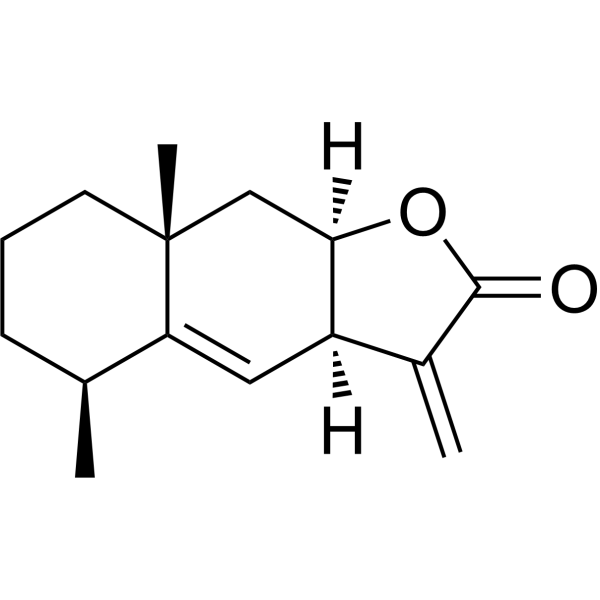
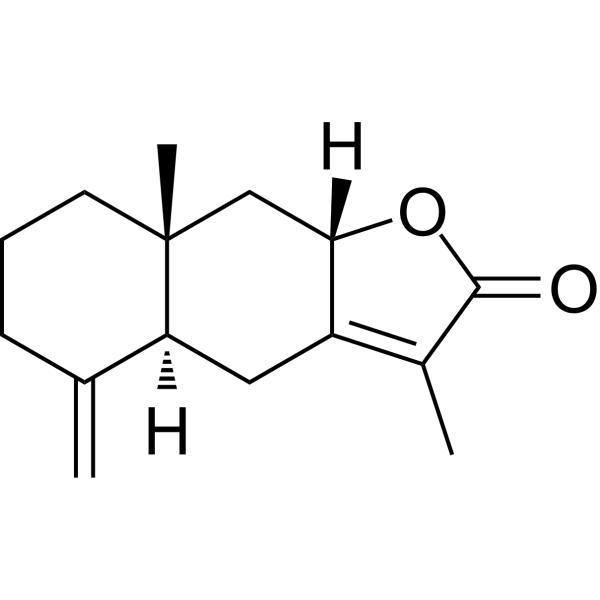 0 ImagesSynonyms: AsterolideAtractylenolide II (Asterolide) is a sesquiterpenoid compound. Atractylenolide II can induce G1 phase cell cycle arrest and apoptosis in B16 melanoma cells. Atractylenolide II is an orally effective anticancer agent that can exert anti-melanoma effects by inhibiting the STAT3 signaling pathway. In addition, Atractylenolide II has been shown to ameliorate myocardial fibrosis, oxidative stress, and neuroprotective activity.
-
MS4078
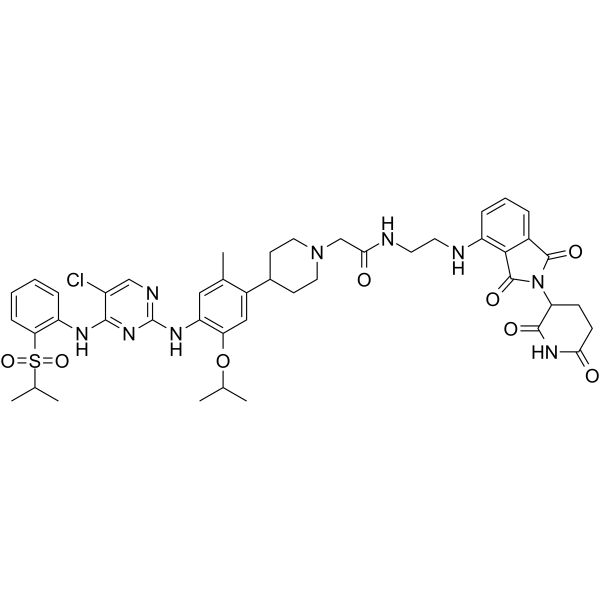 0 ImagesMS4078 is a ALK PROTAC degrader with a DC50 of 11 nM in SU-DHL-1 cells and a DC50 of 59 nM in NCI-H2228 cells, and its Kd value for ALK binding is 19 nM. MS4078 induces ALK degradation via the ubiquitin-proteasome pathway by recruiting cereblon, and inhibits the phosphorylation of ALK and STAT3, thereby suppressing cancer cell proliferation. MS4078 is applicable for the research of non-small cell lung cancer and anaplastic large cell non-Hodgkin's lymphoma.
-
Sarilumab
 0 ImagesSynonyms: Anti-Human IL6Rα, Human AntibodySarilumab is a monoclonal antibody targeting IL6 that binds to IL6R and blocks the binding of IL6, thereby inhibiting the activation of the downstream STAT3 phosphorylation signaling pathway. In tumor cells with active IL6/STAT3 signaling pathways, Sarilumab induces Apoptosis and inhibits cell growth. Sarilumab is applicable to research related to prostate cancer, lung cancer and rheumatoid arthritis.




