



p38 MAPK
The p38 MAPK family consists of highly conserved proline-directed serine-threonine protein kinases that are activated in response to a number many growth factors, cytokines, and chemotactic substances, such as vascular endothelial growth factor (VEGF), fibroblast growth factor (FGF), PDGF, TNF, interleukins, lipopolysaccharide (LPS) and formyl-methionyl-leucyl-phenylalanine (fMLP). It is well known that p38 is involved in inflammation, apoptosis, cardiomyocyte hypertrophy and cell differentiation.
The p38 MAPK family is composed of four proteins: p38α (encoded by the gene Mapk14), p38β (Mapk11), p38γ (Mapk12), and p38δ (Mapk13). Their coding genes have a distinct tissue distribution and they appear differentially expressed, being Mapk14 the most highly expressed. p38 MAPKs are substrates for three MAP2K (MKK6, MKK3, and MKK4). The contribution of each of these MAP2K to p38 MAPKs activation depends on the stimulus and the cell type. The MAP3Ks that lead to p38 MAPKs activation are ASK1, DLK1, TAK1, TAO1, TAO2, TPL2, MLK3, MEKK3, MEKK4, and ZAK1.
p38 MAPK Isoform Specific Products
All Product Categories
-
p38 MAPK Inhibitors
(821)
View all products
-
p38 MAPK Agonists
(6)
View all products
-
p38 MAPK Antagonists
(2)
View all products
-
p38 MAPK Activators
(216)
View all products
-
p38 MAPK Modulators
(20)
View all products
-
p38 MAPK p53 Inhibitors
(2)
View all products
-
p38 MAPK Inducers
(11)
View all products
-
p38 MAPK Degraders
(3)
View all products
-
p38 MAPK Control
(1)
View all products
-
p38 MAPK Ligands
(2)
View all products
-
AKT Serine/Threonine Kinase 1 (AKT1) Proteins
(3)
View all products
-
p38 MAPK Related Products (1175)
Related Products (1175)

-
Recombinant Proteins (3)
-
Antibodies (20)
-
p38 MAPK Isoform Comparison
-
Talmapimod
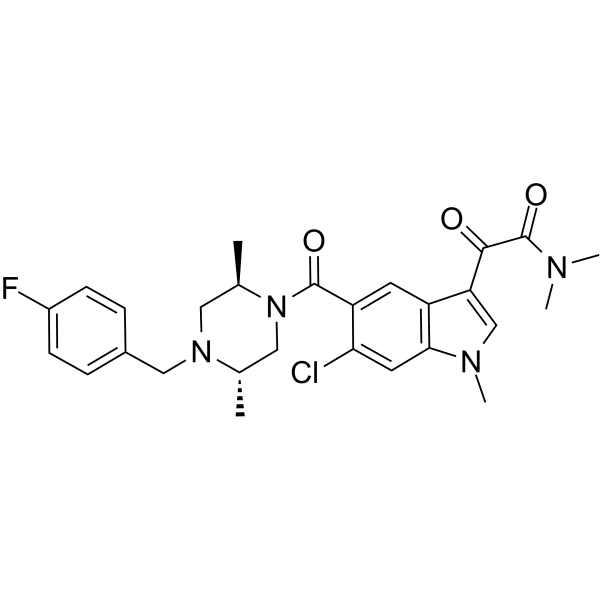 0 ImagesSynonyms: SCIO-469Talmapimod (SCIO-469) is an orally active and selective inhibitor of p38α MAPK with an IC50 of 9 nM. Talmapimod inhibits the secretion of inflammatory factors (such as TNFα, IL-1β, IL-6, and VEGF) by suppressing the p38α MAPK pathway, and it also inhibits angiogenesis and osteoclast activation. Talmapimod inhibits the growth of multiple myeloma cells and induces apoptosis. Talmapimod can be used to study various hematological malignancies (such as multiple myeloma, myelodysplastic syndrome).
-
Kukoamine B
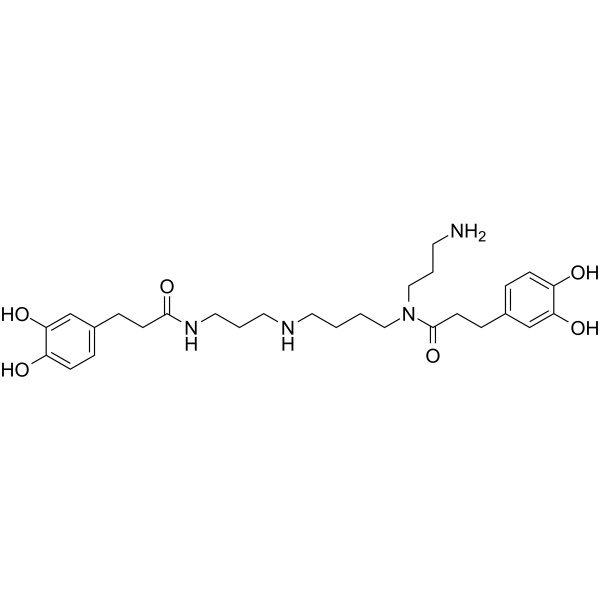 0 ImagesKukoamine B, a spermine alkaloid, is a potent dual LPS and CpG DNA inhibitor with Kd values of 1.23 µM and 0.66 µM, respectively. Kukoamine B exerts anti-inflammatory, anti-diabetic, anti-oxidant, anti-osteoporotic and neuroprotective effects. Kukoamine B has the potential for the study of sepsis.
-
Vaccarin
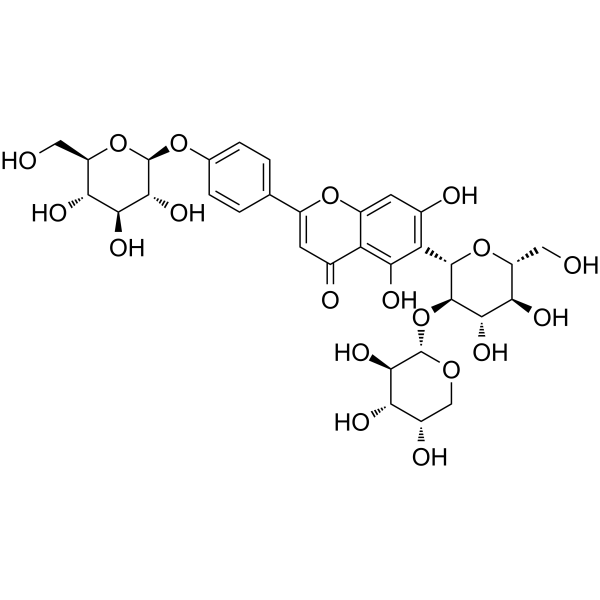 0 ImagesVaccarin is an orally active flavonoid glycoside with multiple biological functions. Vaccarin promotes neovascularization by activating AKT and ERK. Vaccarin activates the AMPK signaling pathway to improve insulin resistance and steatosis. Vaccarin is a MAPK, NF-κB, and NFAT inhibitor, effectively blocking RANKL-induced osteoclastogenesis.
-
Benzoylpaeoniflorin
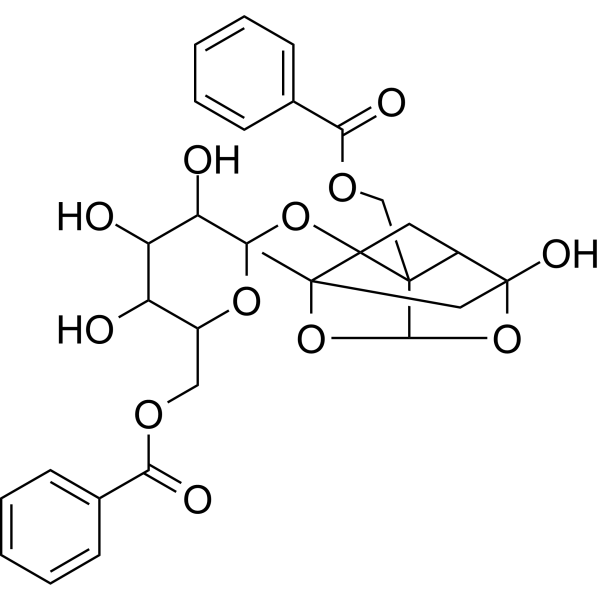 0 ImagesBenzoylpaeoniflorin is an orally active monoterpene glycoside compound. Benzoylpaeoniflorin exerts anti-inflammatory, anti-allergic, psoriasis-improving and sepsis-improving effects by inhibiting signaling pathways such as TNF/NF-κB and MAPK, as well as regulating immune homeostasis. Benzoylpaeoniflorin can be used in research related to immune, allergic and inflammatory diseases.
-
Pectolinarigenin
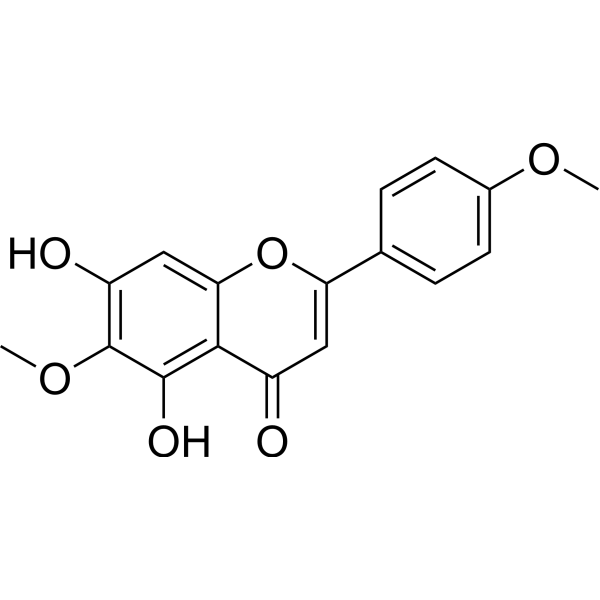 0 ImagesPectolinarigenin is an orally active dual inhibitor of COX-2/5-LOX with anti-inflammatory, antioxidant, antitumor and neuroprotective activities. Pectolinarigenin exerts neuroprotective and anti-inflammatory effects on astrocyte inflammation via the NFκB and MAPK pathways. Pectolinarigenin inhibits LPS-induced phosphorylation of ERK1/2, N-FκB and p38MAPK, directly inhibits the enzymatic activity or binding of COX-2, 5-LOX and HIF-1α, and reduces the level of XIAP. Pectolinarigenin modifies Keap1 to promote nuclear accumulation of Nrf2, induces ARE-mediated antioxidant enzyme expression, and possesses direct free radical scavenging activity. Pectolinarigenin reduces the release of NO, proinflammatory mediators and leukotrienes, and increases the level of IL-10. Pectolinarigenin induces G2/M cell cycle arrest, apoptosis (Apoptosis) and autophagy (Autophagy) via the PI3K/AKT/mTOR signaling pathway. Pectolinarigenin reduces renal crystal deposition and inhibits melanin synthesis. Pectolinarigenin inhibits inflammation and alleviates allergy in mouse models of inflammation. Pectolinarigenin alleviates renal injury, inflammation and oxidative stress in mice by inhibiting HIF-1α activity. Pectolinarigenin can be used for the research of neurodegenerative diseases, inflammatory/allergic diseases, calcium oxalate nephrocalcinosis, gastric cancer, melasma, post-inflammatory diseases and chloasma.
-
Roburic acid
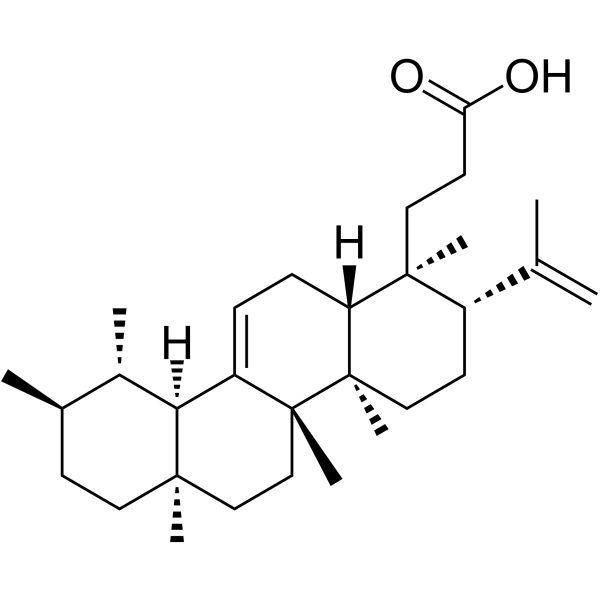 0 ImagesRoburic acid acts as an anti-inflammatory, anti-tumor and osteoclastogenesis inhibitor, with a Ki of 7.066 μM against human TNF, an IC50 of 9 μM against human COX-2, and an IC50 of 5 μM against ovine COX-1. Roburic acid reduces the production of inflammatory mediators such as NO and IL-6 in macrophages by inhibiting the NF-κB and MAPK (p38/JNK) pathways. By competitively inhibiting the TNF-TNF-R1 interaction, Roburic acid blocks the downstream NF-κB signaling pathway, thereby inducing cell cycle arrest and apoptosis in cancer cells. Roburic acid specifically inhibits osteoclastogenesis and bone resorption by suppressing the RANKL/TRAF6/NF-κB/NFATc1 axis. Roburic acid can be used in research related to osteolytic diseases such as osteoporosis, colorectal cancer and inflammatory diseases.
-
Isoscopoletin
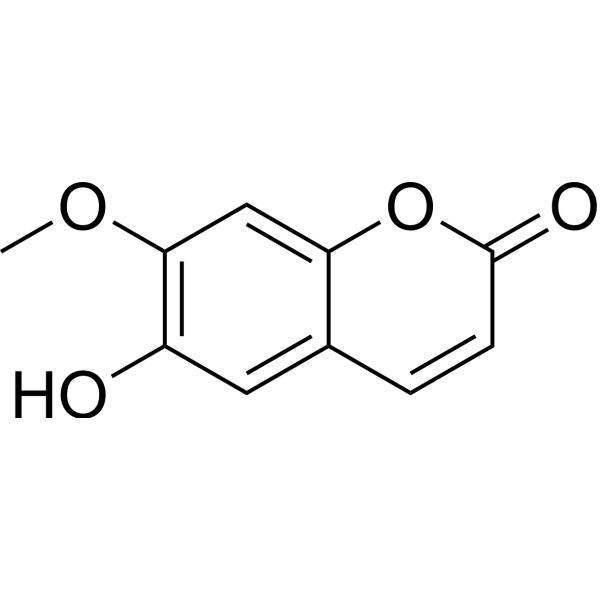 0 ImagesIsoscopoletin (6-Hydroxy-7-methoxycoumarin) is an active constituent in Artemisia argyi leaves. Isoscopoletin shows substantial inhibition against cell proliferation, with IC50s of 4.0 μM and 1.6 μM for human CCRF-CEM leukaemia cells and multidrug resistant subline CEM/ADR5000, respectively. Isoscopoletin (6-Hydroxy-7-methoxycoumarin) possesses inhibitory activity against HBV replication. Isoscopoletin exhibits anti-inflammatory activity through inhibition of MAPK/NF-κB/STAT/AKT signaling pathway.
-
Isobavachin
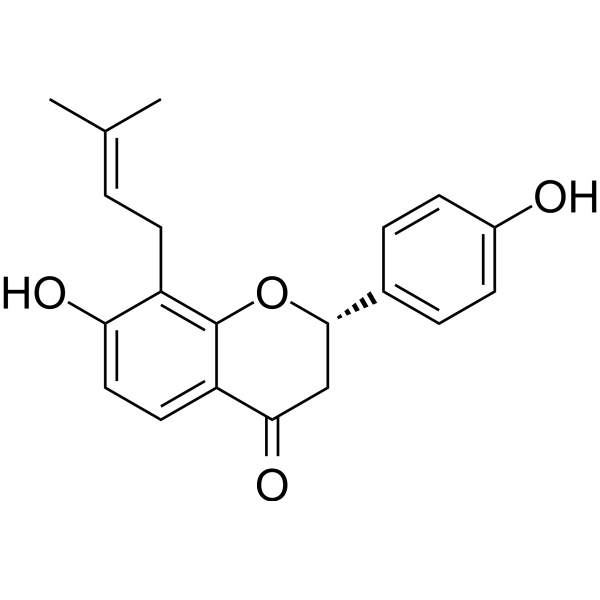 0 ImagesIsobavachin is an orally active, blood-brain barrier-penetrating prenylated flavonoid present in Psoralea corylifolia. Isobavachin inhibits human CYP2B6, CYP2C9, CYP2C19, UGT1A1, UGT1A9, and UGT2B7. Isobavachin suppresses MAPK activation, NF-κB nuclear translocation, overexpression of iNOS/COX-2, FcεRI-mediated signaling pathways, and RANKL-induced osteoclastogenesis. Isobavachin induces autophagy, cytotoxicity, neuronal differentiation, and NRF2 activation; it alleviates oxidative damage, inflammatory responses, apoptosis, iron accumulation, mitochondrial biogenesis, and mast cell degranulation. Isobavachin is applicable to research related to liver injury, inflammatory diseases, osteoporosis, liver cancer, prostate cancer, glioma, periodontitis-induced bone loss, and Alzheimer's disease.
-
Fumaric acid-13C4
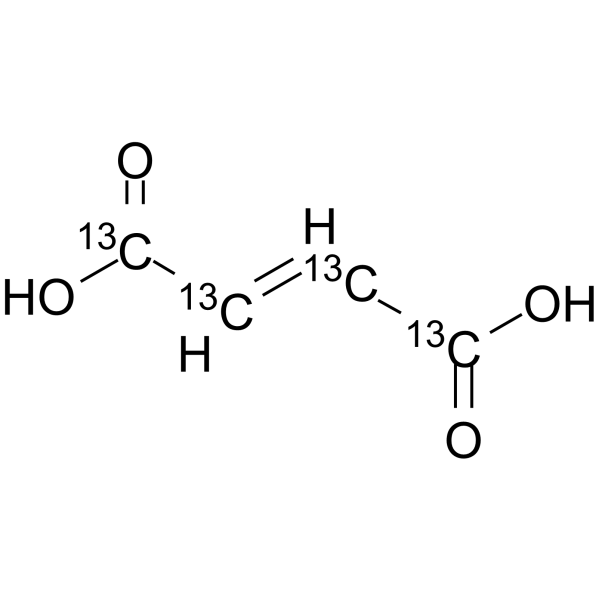 0 ImagesFumaric acid-13C4 is the 13C-labeled Fumaric acid (HY-W015883). Fumaric acid is an unsaturated dicarbonic acid, an intermediate product of the citric acid cycle that provides intracellular energy in the form of ATP. Fumaric acid exerts anti-inflammatory effects by inhibiting the NF-κB signaling pathway dependent on p38 MAPK. Fumaric acid can be used in the study of pregnancy-induced hypertension.
-
Coniferyl ferulate
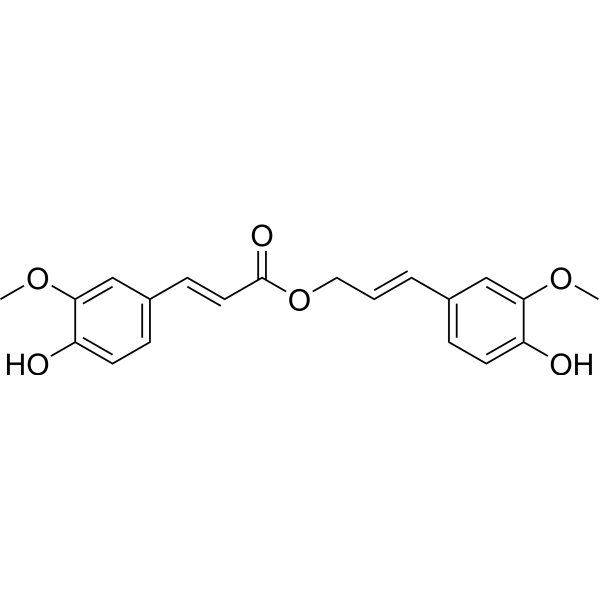 0 ImagesConiferyl ferulate is an orally active phenolic acid compound. Coniferyl ferulate is a potent inhibitor of glutathione S-transferase (GST) (IC50 = 0.3 μM), which downregulates P-gp expression, induces apoptosis in B-MD-C1 (ADR+/+) cells, and reverses multidrug resistance. Coniferyl ferulate blocks the NMDAR/NR2B-CaMKII-MAPKs signaling pathway, inhibits ROS production and mitochondrial apoptosis, while reshapes the intestinal microbiota and microbial metabolism, ameliorates colonic inflammation and alleviates depressive symptoms in mice. Coniferyl ferulate can alleviate the toxicity of xylene to hematopoietic stem and progenitor cells by targeting Mgst2. Coniferyl ferulate exhibits antibacterial activity against the Gram-positive Bacillus subtilis and Staphylococcus aureus.
-
Hederacoside C
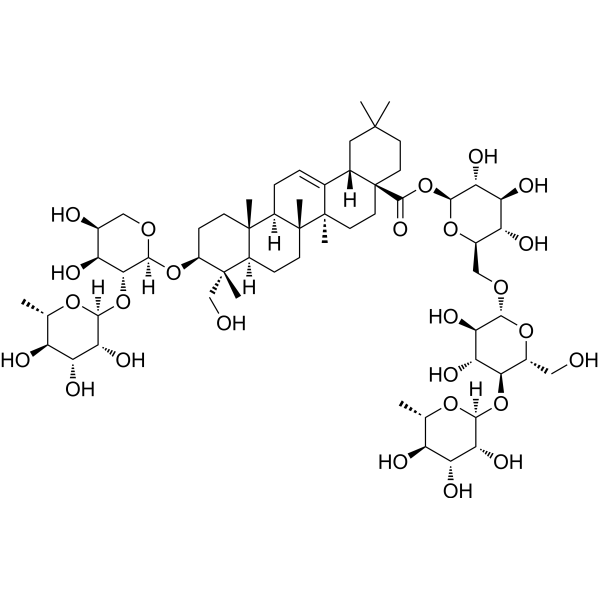 0 ImagesSynonyms: Kalopanaxsaponin BHederacoside C (Kalopanaxsaponin B) is an ingredient that can be obtained mainly from ivy leaves. Hederacoside C mediates inflammation by inhibiting activation of MAPK/NF-κB and its downstream signaling pathway. Hederacoside C has anti-inflammatory and antibacterial activity.
-
MJ33 lithium salt
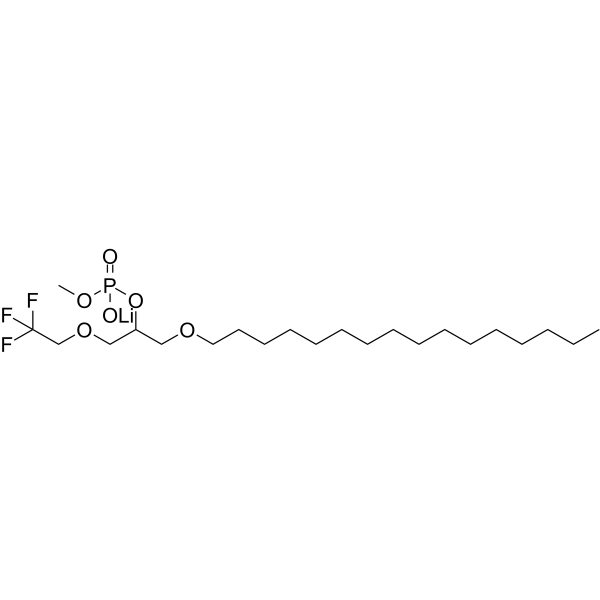 0 ImagesMJ-33 lithium salt is a competitive phospholipase A2 (PLA2) inhibitor with an IC50 of 0.3 μM. MJ-33 lithium salt inhibits NOX2 activation and reduces ROS production by blocking the PLA2 activity of Prdx6. MJ-33 lithium salt effectively inhibits the activity of acidic PLA2 (pH 4.0) and reduces the degradation of alveolar surfactant phosphatidylcholine (PC), but exerts no effect on alkaline PLA2 (pH 8.5). MJ-33 lithium salt significantly alleviates lung oxidative injury induced by ischemia-reperfusion (I/R). MJ-33 lithium salt significantly inhibits the invasion, migration and adhesion abilities of prostate cancer cells by suppressing the MAPK, AKT, NF-κB and AP-1 signaling pathways. MJ-33 lithium salt can be used for the research of ROS-related diseases and prostate cancer.
-
Neoandrographolide
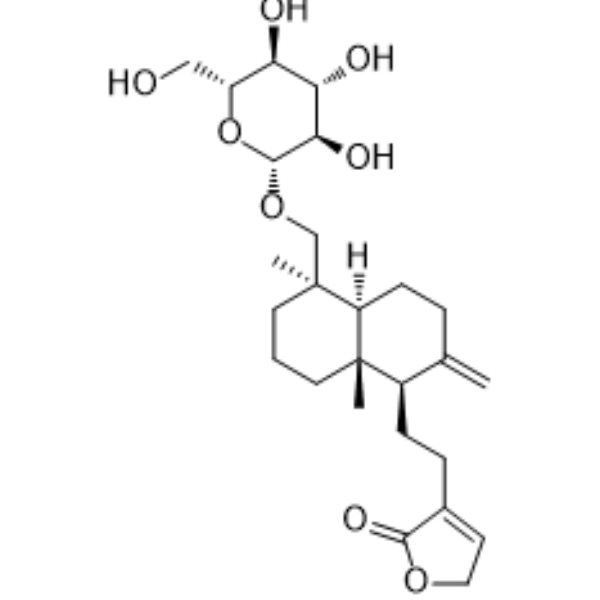 0 ImagesSynonyms: NeoandrographisideNeoandrographolide is a diterpenoid compound isolated from Andrographis paniculata. Neoandrographolide inhibits osteoclasts differentiation and bone resorption through inhibition of MAPK/NF-κB/PI3K/AKT/GSK3β/PPAR/CAMK signaling pathway. Neoandrographolide inhibits apoptosis in rat embryonic ventricular cardiomyocytes. Neoandrographolide inhibits iNOS and the generation of ROS, activates eNOS, exhibiting anti-inflammatory and hypolipidemic activity.
-
N-Acetylmuramic acid
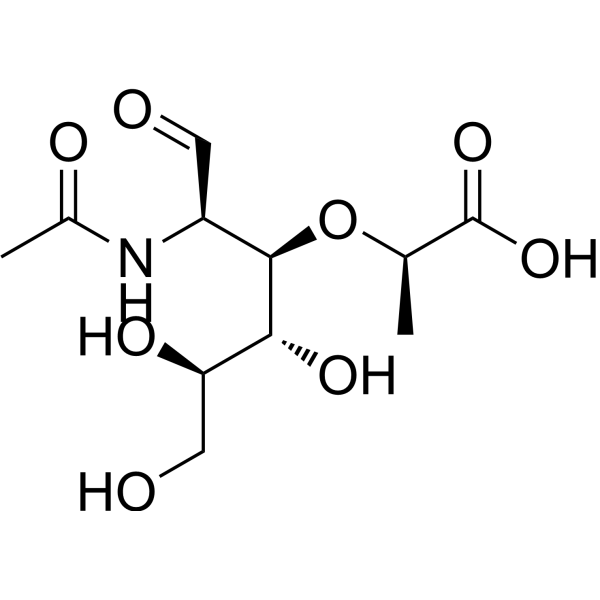 0 ImagesSynonyms: MurNAc; NAMAN-acetylmuramic acid is a component of the bacterial cell wall peptidoglycan, essential for maintaining cell shape and integrity. N-acetylmuramic acid inhibits spore germination by inhibiting a coat-associated hexosaminidase and a core enzyme. N-acetylmuramic acid is required by Bacteroides forsythus for proliferation and the maintenance of its cell shape. N-Acetylmuramic acid inhibits the p38 MAPK/NF-κB signaling pathway, and exhibits anti-inflammatory activity. N-Acetylmuramic acid is orally active.
-
KW-2478
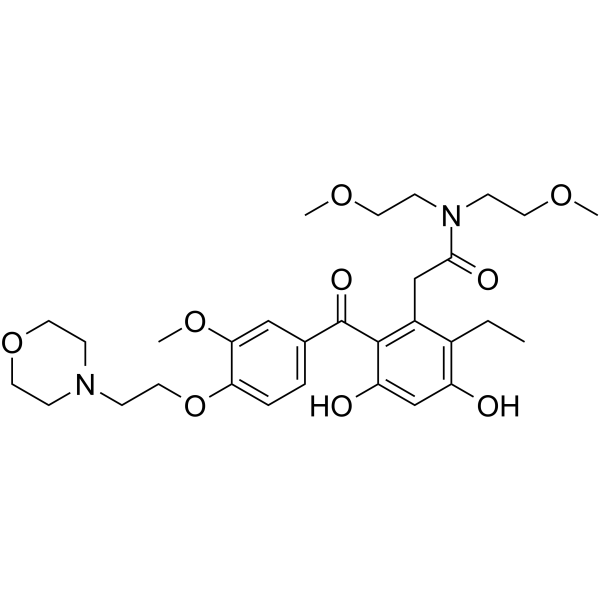 0 ImagesKW-2478 is an HSP90 inhibitor (IC50 = 3.8 nM). KW-2478 inhibits the growth and induces apoptosis in chronic myeloid leukemia (CML) cells and liver cancer cells. KW-2478 weakens the BCR/ABL and MAPK signaling pathways, leading to increased p27 and p21 expression and decreased cyclin B1 expression. KW-2478 downregulates STAT3 expression. KW-2478 may be used in research on cancers such as CML and liver cancer.
-
Ginsenoside F2
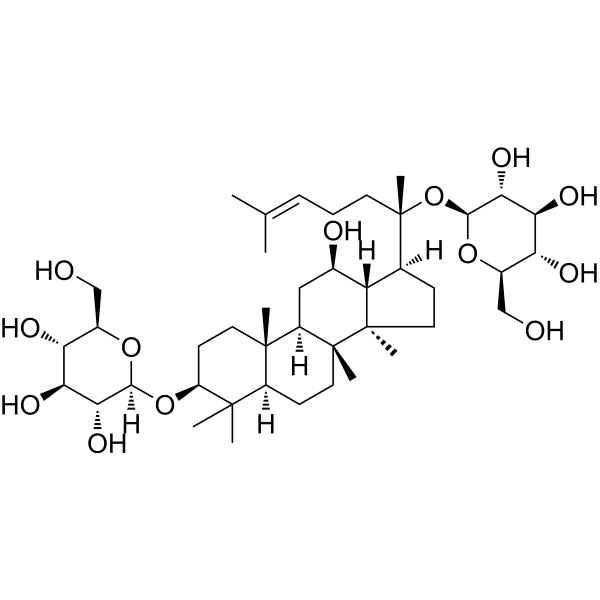 0 ImagesGinsenoside F2 is an orally active bioactive compound that participates in the regulation of metabolism and inflammation. Ginsenoside F2 promotes the phosphorylation of AMPK and ACC, binds to PPARγ, inhibits the phosphorylation of MAPK, activates the PI3K/AKT/GSK-3β pathway, reduces GLRX expression, and regulates lipid metabolism. Ginsenoside F2 reduces ROS production and MDA levels, restores SOD activity in cells, and alleviates oxidative stress. Ginsenoside F2 induces cell apoptosis (Apoptosis) and increases the number of cleaved caspase-3-positive cells. Ginsenoside F2 reduces body weight gain, adipose tissue weight and serum lipid levels in obese mice, and activates the hepatic AMPK signaling pathway and the expression of antioxidant enzymes. Ginsenoside F2 alleviates atopic dermatitis in mice by inhibiting inflammation and reshaping the gut microbiota. Ginsenoside F2 is applicable to research related to insulin resistance, obesity, atopic dermatitis, liver cancer, glioblastoma and glioma.
-
2"-O-Galloylhyperin
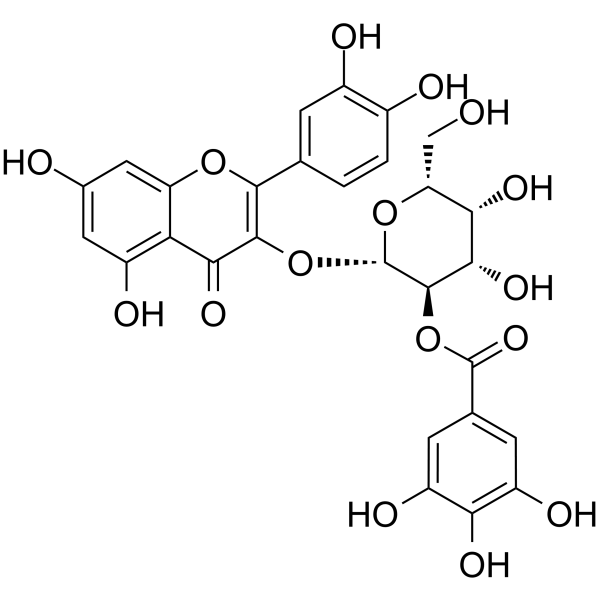 0 Images2''-O-Galloylhyperin is an active natural compound with anti‑inflammatory, antioxidant, anti‑adipogenic, antifibrotic, and cytostatic activities. 2''-O-Galloylhyperin upregulates SIRT1/Nrf2 signaling, inhibits NF-κB and MAPK (ERK1/2, p38, JNK) phosphorylation, suppresses TSHR activation, reduces ROS accumulation, and enhances SOD and GSH-Px activities. 2''-O-Galloylhyperin protects against LPS-induced tissue injury, enhances survival, and inhibits adipogenesis and fibrosis. 2"-O-Galloylhyperin can be used for the research of sepsis, acute lung injury, and thyroid eye disease.
-
Inflachromene
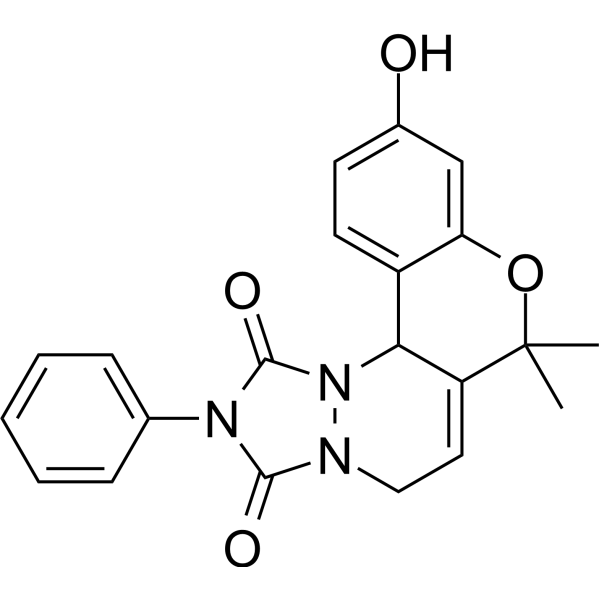 0 ImagesInflachromene, a microglial inhibitor, binds to HMGB1 and HMGB2 and exerts anti-inflammatory effects. Inflachromene effectively downregulates proinflammatory functions of HMGB and reduces neuronal damage. Inflachromene can be used for the research of neuroinflammatory disorders.




