



AS2863619
Based on 6 publication(s) in Google Scholar
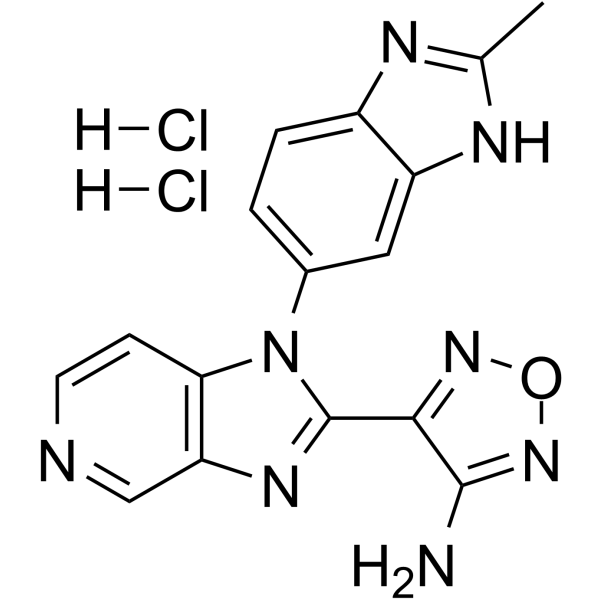
AS2863619 is an orally active CDK8/19 inhibitor that also inhibits BMP2, MDA5 and RIG-I receptors. AS2863619 targets Stat5a-CDK8/19 to promote the differentiation of CD4+ T cells into regulatory T cells and induce FOXP3 expression, thereby restoring immune homeostasis and establishing transplant immune tolerance. AS2863619 also enhances the BMP2/SMAD signaling pathway to promote osteogenic differentiation and inhibit adipogenic differentiation. AS2863619 exerts osteoprotective effects by alleviating inflammation-induced impairment of osteogenic function and inducing neutrophil apoptosis (apoptosis). AS2863619 can be applied to research in related fields such as periodontitis-induced bone defects.
Nos produits utilisent uniquement pour la recherche. Nous ne vendons pas aux patients.
- Pureté : 98.02%
- CAS No.: 2241300-51-4
- Formule: C16H14Cl2N8O
- Masse moléculaire:405.24
-
Stockage:
4°C, sealed storage, away from moisture
* In solvent : -80°C, 6 months; -20°C, 1 month (sealed storage, away from moisture)

To place orders, for customer services and technical support, please contact: MedChemExpress USA
Tel: 609-228-6898 E-mail: [email protected] [email protected]


-
 Activité biologique
-
Chemical Information
-
Solvant et solubilité
- Protocole
- Pureté et documentation
- Références
-
 Help & FAQs


-
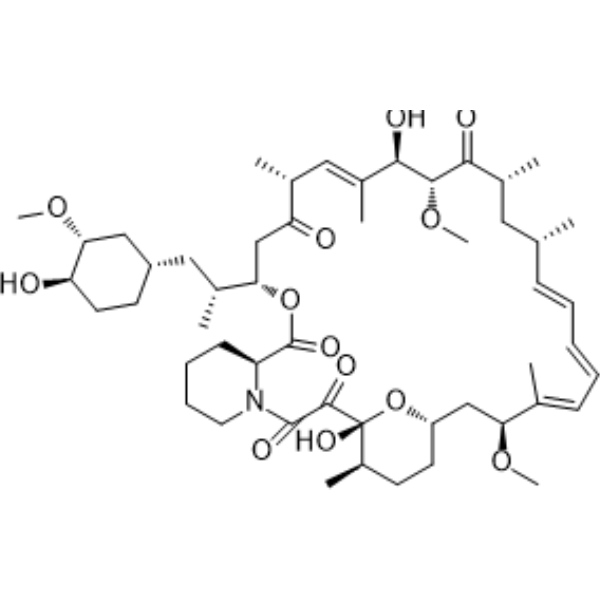
HY-10219
RapamycinmTOR Inhibitor -
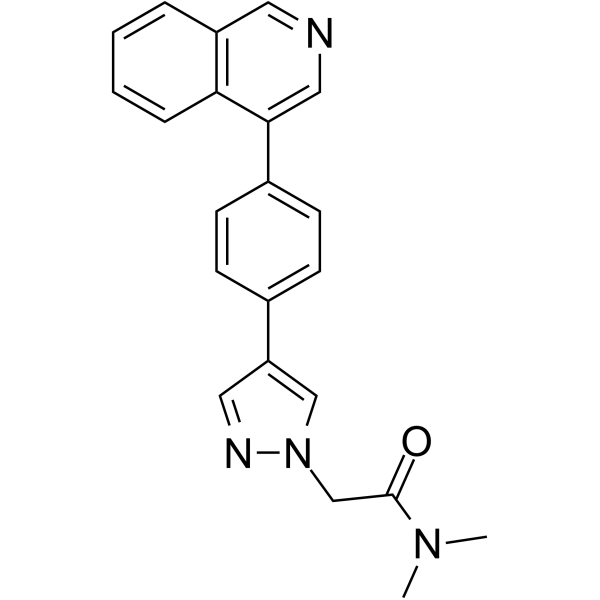
HY-120350
BI-1347CDK8 Inhibitor -
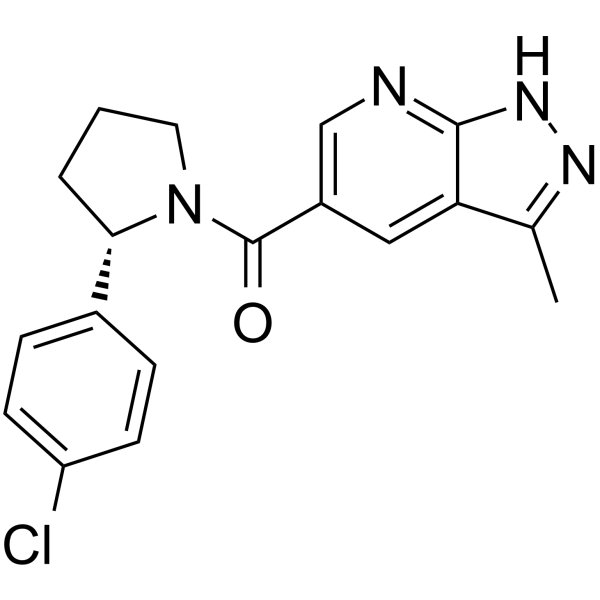
HY-101611
MSC2530818CDK8 Inhibitor -
HY-101800
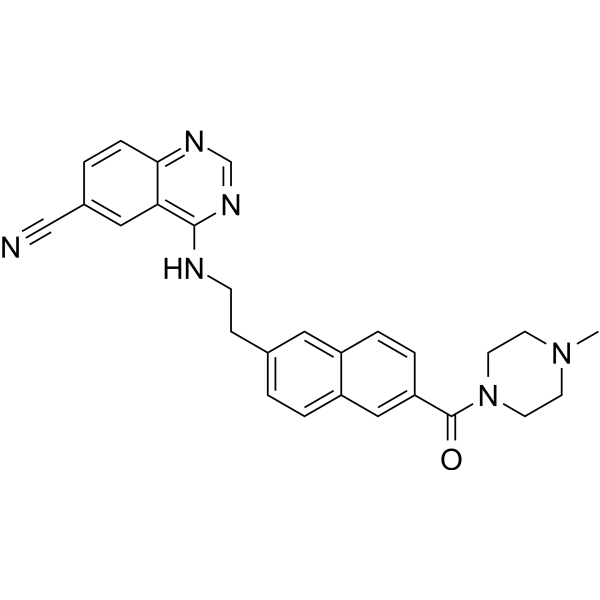
Senexin BCDK8/19 Inhibitor -
HY-12681
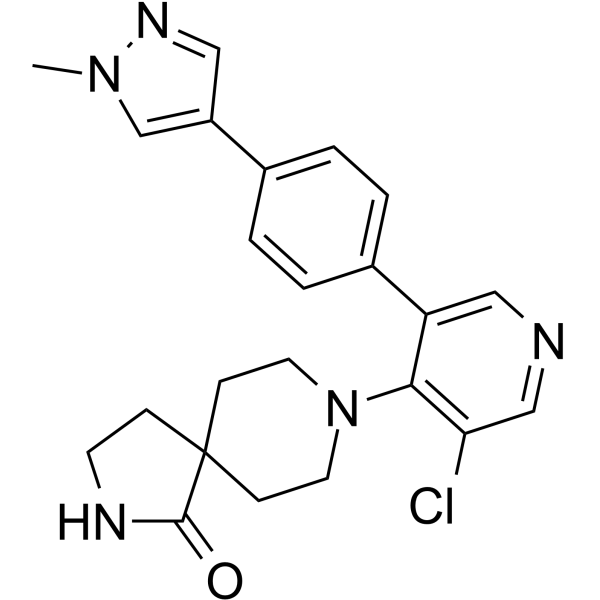
CCT251545WNT Pathway Inhibitor -
HY-10108
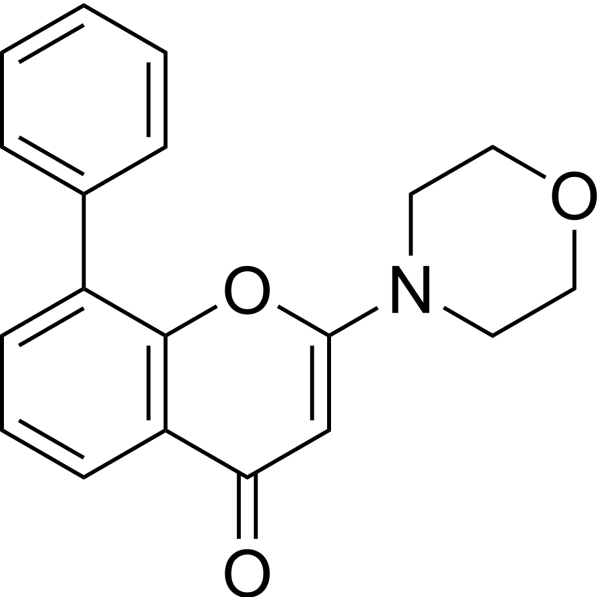
LY294002PI3K Inhibitor -
HY-111388A
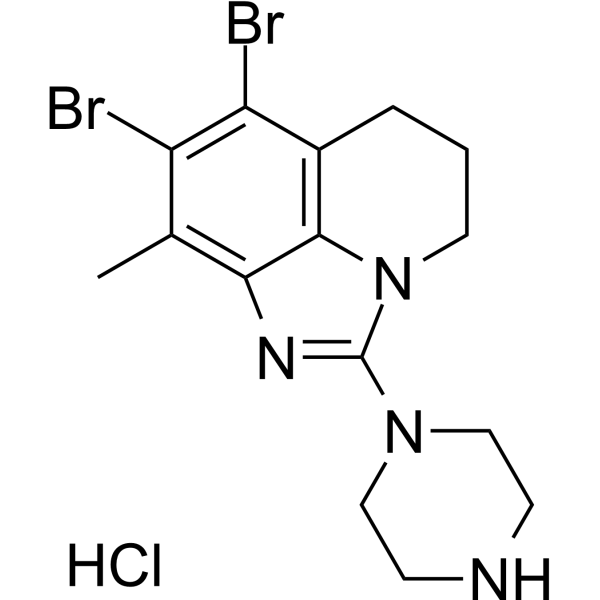
Romaciclib monohydrochlorideCDK Inhibitor -
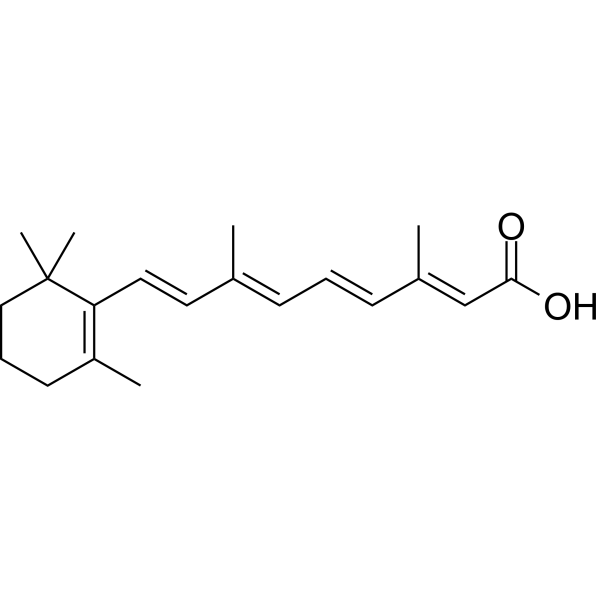
HY-14649
Retinoic acidRAR Agonist -
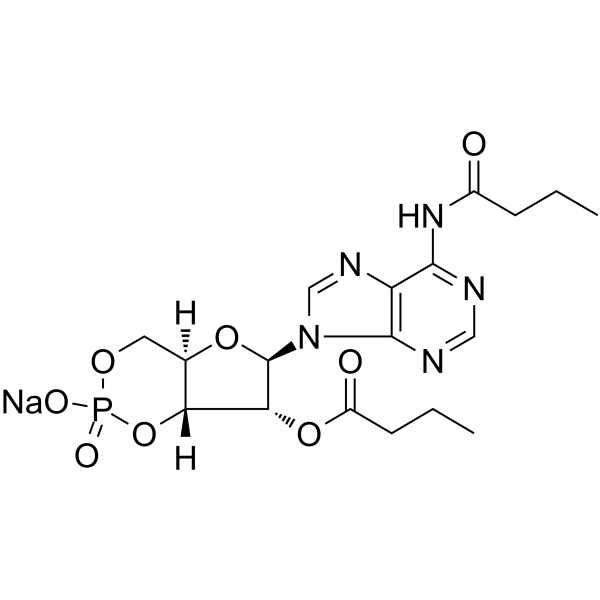
HY-B0764
Bucladesine sodiumcAMP Analog -
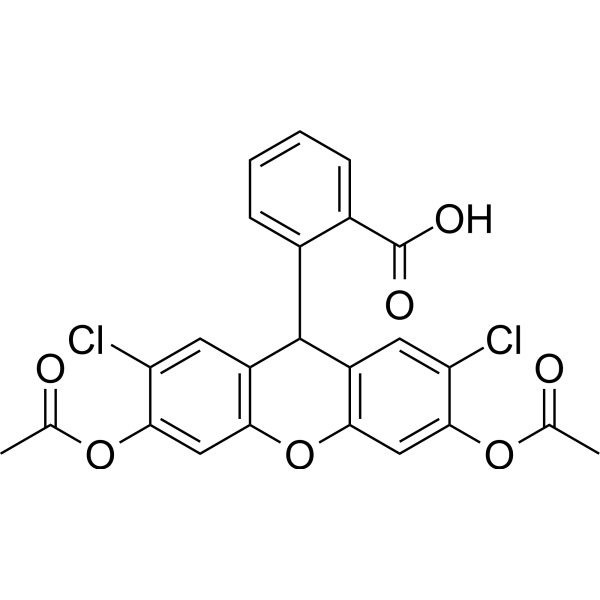
HY-D0940
H2DCFDAROS-Sensitive Probe -
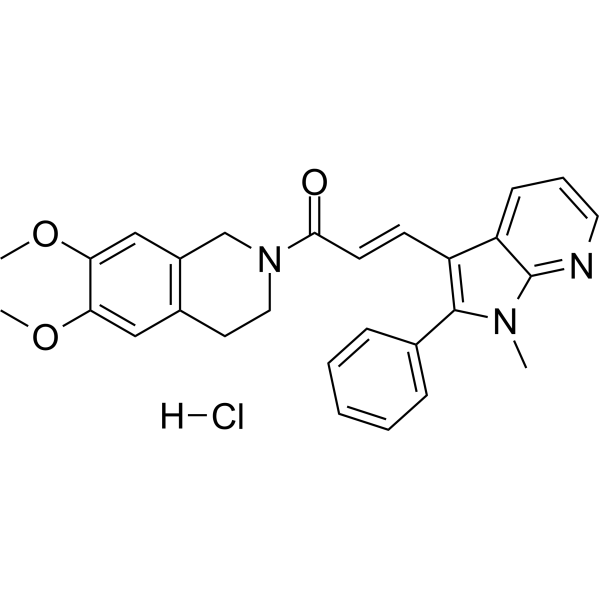
HY-13013
SIS3Smad3 Inhibitor -
HY-100523
ML385Nrf2 Inhibitor
Publications Citing Use of MedChemExpress (MCE) AS2863619
More

Activité biologique
Description
IC50 & Target
[1]|
CDK8 0.61 nM (IC50) |
CDK19 4.28 nM (IC50) |
GSK3α 76.67 nM (IC50) |
GSK3β 63.06 nM (IC50) |
STAT5 |
In Vitro
AS2863619 , combination with IL-2 and TGF-β, enhances the differentiation of primary CD4+ T cells isolated from the spleens of DBA/1 mice into Treg, and its efficacy is superior to that of the regimens using IL-2 alone combined with either TGF-β or AS2863619[1].
AS2863619 (125 nM-2 μM; 7-10 d) enhances osteogenic differentiation of human periodontal ligament stem cells, with concentrations of 250 nM and 500 nM increasing ALP activity, upregulating key osteogenic markers, and accelerating mineralized nodule formation on day 10[2].
AS2863619 (250 nM-500 nM; 7-21 d) inhibits adipogenic differentiation of human periodontal ligament stem cells by reducing lipid droplet formation and downregulating key adipogenic genes[2].
AS2863619 (250 nM-500 nM; 7-10 d) alleviates rhTNF-α-induced osteogenic differentiation impairment of human periodontal ligament stem cells by inhibiting the RIG-I/MDA5 receptor-mediated RLR signaling pathway, and the 500 nM concentration reverses the inflammatory impairment blocked by the RLR agonist Poly (I:C)[2].
Combination of AS2863619 (1 mM/mL; 5 d) with IL-2 and TGF-β1 induces transdifferentiation of allogeneic antigen-specific Balb/c CD4+ T cells into ag-Treg, while upregulating the expression of Treg-specific genes and enriching pathways associated with T cell tolerance induction[3].
AS2863619 (0.01-10 μM; 2 h) significantly increases the apoptosis level of human polymorphonuclear neutrophils (PMNs) stimulated by IC, with a value comparable to that of the negative control group, while it does not significantly reduce cell viability[4].
MedChemExpress (MCE) has not independently confirmed the accuracy of these methods. They are for reference only.
-
Cell Line:Mouse CD4+ T cells
-
Concentration:1 μM
-
Incubation Time:22 hours
-
Result:Suppressed serine phosphorylation of the PSP motif of STAT5b to ~40% while enhancing tyrosine phosphorylation in the C-terminal domain to ~160% of control-treated samples.
In Vivo
MedChemExpress (MCE) has not independently confirmed the accuracy of these methods. They are for reference only.
-
Animal Model:Mice with DNFB-induced contact skin hypersensitivity[1]
-
Dosage:30 mg/kg
-
Administration:Oral administration; daily; for 2 weeks
-
Result:The degree of the secondary response, with milder infiltration of inflammatory cells into the skin and decreased ratios of interferon-γ+ (IFN-γ+) cells.
- Phagocytosis Functional Assay
- RNA extraction experimental
- Detection of Apoptosis
- TUNEL staining for apoptotic DNA fragmentation
- Annexin V plus membrane-impermeant dye apoptosis staining
- Mesenchymal stromal/stem cell osteogenic differentiation
- Apoptosis Solutions
- Research Protocol for Inflammation-related Diseases


Chemical Information
-
CAS No. 2241300-51-4
-
Appearance Solid
-
Masse moléculaire 405.24
-
Formule C16H14Cl2N8O
-
Color White to off-white
-
SMILES
NC1=NON=C1C(N2C3=CC=C4N=C(C)NC4=C3)=NC5=C2C=CN=C5.[H]Cl.[H]Cl
-
Livraison
Room temperature in continental US; may vary elsewhere.
-
Stockage
4°C, sealed storage, away from moisture
* In solvent : -80°C, 6 months; -20°C, 1 month (sealed storage, away from moisture)


Publications (6)
-
Journal Impact Factor
-
Most Recent
-
Cell Stem Cell
Human iPSC-derived CD4+ Treg-like cells engineered with chimeric antigen receptors control GvHD in a xenograft model. [Abstract]2024 Jun 6;31(6):795-802.e6. PMID: 38848686 -
Biomaterials
Engineered peripheral CD4 T cells delivery across the BBB promote intracerebral Treg conversion unleashes microglial phagocytotic activity for Alzheimer's disease treatment. [Abstract]2026 Feb:325:123574. PMID: 40763582 -
JCI Insight
CAR-engineered cytolytic Tregs reverse pulmonary fibrosis and remodel the fibrotic niche with limited CRS. [Abstract]2025 Jul 8;10(15):e182050. PMID: 40627450 -
-
-
Elife
Sustained store-operated calcium entry utilizing activated chromatin state leads to instability in iTregs. [Abstract]2023 Dec 6:12:RP88874. PMID: 38055613


Solvant et solubilité
In Vitro:
DMSO : 250 mg/mL (616.92 mM; Need ultrasonic; Hygroscopic DMSO has a significant impact on the solubility of product, please use newly opened DMSO)
H2O : ≥ 100 mg/mL (246.77 mM)
* "≥" means soluble, but saturation unknown.
Please refer to the solubility information to select the appropriate solvent. Once prepared, please aliquot and store the solution to prevent product inactivation from repeated freeze-thaw cycles.
Storage method and period of stock solution: -80°C, 6 months; -20°C, 1 month (sealed storage, away from moisture). When stored at -80°C, please use it within 6 months. When stored at -20°C, please use it within 1 month.
* Note: If you choose water as the stock solution, please dilute it to the working solution, then filter and sterilize it with a 0.22 μm filter before use.
Please refer to the solubility information to select the appropriate solvent. Once prepared, please aliquot and store the solution to prevent product inactivation from repeated freeze-thaw cycles.
Storage method and period of stock solution: -80°C, 6 months; -20°C, 1 month (sealed storage, away from moisture). When stored at -80°C, please use it within 6 months. When stored at -20°C, please use it within 1 month.
* Note: If you choose water as the stock solution, please dilute it to the working solution, then filter and sterilize it with a 0.22 μm filter before use.
Concentration (start) × Volume (start) = Concentration (final) × Volume (final)
In Vivo:
Select the appropriate dissolution method based on your experimental animal and administration route.
- For the following dissolution methods, please ensure to first prepare a clear stock solution using an In Vitro approach and then sequentially add co-solvents:
- To ensure reliable experimental results, the clarified stock solution can be appropriately stored based on storage conditions. As for the working solution for In Vivo experiments, it is recommended to prepare freshly and use it on the same day.
- The percentages shown for the solvents indicate their volumetric ratio in the final prepared solution. If precipitation or phase separation occurs during preparation, heat and/or sonication can be used to aid dissolution.
Add each solvent one by one: 10% DMSO 40% PEG300 5% Tween-80 45% Saline
Solubility: ≥ 2.25 mg/mL (5.55 mM); Clear solution
This protocol yields a clear solution of ≥ 2.25 mg/mL (saturation unknown).
Taking 1 mL working solution as an example, add 100 μL DMSO stock solution (22.5 mg/mL) to 400 μL PEG300, and mix evenly; then add 50 μL Tween-80 and mix evenly; then add 450 μL Saline to adjust the volume to 1 mL.
Preparation of Saline: Dissolve 0.9 g sodium chloride in ddH₂O and dilute to 100 mL to obtain a clear Saline solution.
Add each solvent one by one: 10% DMSO 90% (20% SBE-β-CD in Saline)
Solubility: ≥ 2.25 mg/mL (5.55 mM); Clear solution
This protocol yields a clear solution of ≥ 2.25 mg/mL (saturation unknown).
Taking 1 mL working solution as an example, add 100 μL DMSO stock solution (22.5 mg/mL) to 900 μL 20% SBE-β-CD in Saline, and mix evenly.
Preparation of 20% SBE-β-CD in Saline (4°C, storage for one week): 2 g SBE-β-CD powder is dissolved in 10 mL Saline, completely dissolve until clear.
In Vivo Dissolution Calculator
Please enter the basic information of animal experiments:
-
-
-
-
Recommended: Prepare an additional quantity of animals to account for potential losses during experiments.
Working solution concentration: 0.22 mg/mL
This product has good water solubility, please refer to the measured solubility data in water/PBS/Saline for details.


Pureté et documentation
-
Fiche technique (291 KB)
-
SDS (252 KB)
- English - EN (252 KB)
- Français - FR (252 KB)
- Deutsch - DE (252 KB)
- Norwegian - NO (252 KB)
- Español - ES (252 KB)
- Swedish - SV (252 KB)
- Italian - IT (252 KB)
- Korean - KR (252 KB)
- Portuguese - PT (252 KB)
-
Instruction de manipulation (2659 KB)
Références
[1]. Fang K, et al. Progress and Future Perspectives of Treg Cell Therapy. Front Biosci (Landmark Ed). 2025;30(11):41250. [Content Brief]
[2]. He H, et al. AS2863619 boosts osteogenesis in periodontal ligament stem cells and mitigates inflammatory impairment. Int Immunopharmacol. 2025;161:115101. [Content Brief]
[3]. Bulygin A, et al. Assessment and Characterization of Induced Alloantigen-Specific Regulatory T Cells Obtained by the Inhibition of CDK8/19 with the AS2863619 Compound. Int J Mol Sci. 2025;26(22):10957. Published 2025 Nov 12. [Content Brief]
[5]. Akamatsu M, et al. Conversion of antigen-specific effector/memory T cells into Foxp3-expressing Treg cells by inhibition of CDK8/19. Sci Immunol. 2019 Oct 25;4(40). pii: eaaw2707. [Content Brief]


Complete Stock Solution Preparation Table
Please refer to the solubility information to select the appropriate solvent. Once prepared, please aliquot and store the solution to prevent product inactivation from repeated freeze-thaw cycles.
Storage method and period of stock solution: -80°C, 6 months; -20°C, 1 month (sealed storage, away from moisture). When stored at -80°C, please use it within 6 months. When stored at -20°C, please use it within 1 month.
| Optional Solvent | Concentration Solvent Mass | 1 mg | 5 mg | 10 mg | 25 mg |
|---|---|---|---|---|---|
| H2O / DMSO | 1 mM | 2.4677 mL | 12.3384 mL | 24.6767 mL | 61.6918 mL |
| 5 mM | 0.4935 mL | 2.4677 mL | 4.9353 mL | 12.3384 mL | |
| 10 mM | 0.2468 mL | 1.2338 mL | 2.4677 mL | 6.1692 mL | |
| 15 mM | 0.1645 mL | 0.8226 mL | 1.6451 mL | 4.1128 mL | |
| 20 mM | 0.1234 mL | 0.6169 mL | 1.2338 mL | 3.0846 mL | |
| 25 mM | 0.0987 mL | 0.4935 mL | 0.9871 mL | 2.4677 mL | |
| 30 mM | 0.0823 mL | 0.4113 mL | 0.8226 mL | 2.0564 mL | |
| 40 mM | 0.0617 mL | 0.3085 mL | 0.6169 mL | 1.5423 mL | |
| 50 mM | 0.0494 mL | 0.2468 mL | 0.4935 mL | 1.2338 mL | |
| 60 mM | 0.0411 mL | 0.2056 mL | 0.4113 mL | 1.0282 mL | |
| 80 mM | 0.0308 mL | 0.1542 mL | 0.3085 mL | 0.7711 mL | |
| 100 mM | 0.0247 mL | 0.1234 mL | 0.2468 mL | 0.6169 mL |
* Note: If you choose water as the stock solution, please dilute it to the working solution, then filter and sterilize it with a 0.22 μm filter before use.


AS2863619 Related Classifications
HY-126675A Related Classifications
 Powered by Bioz