



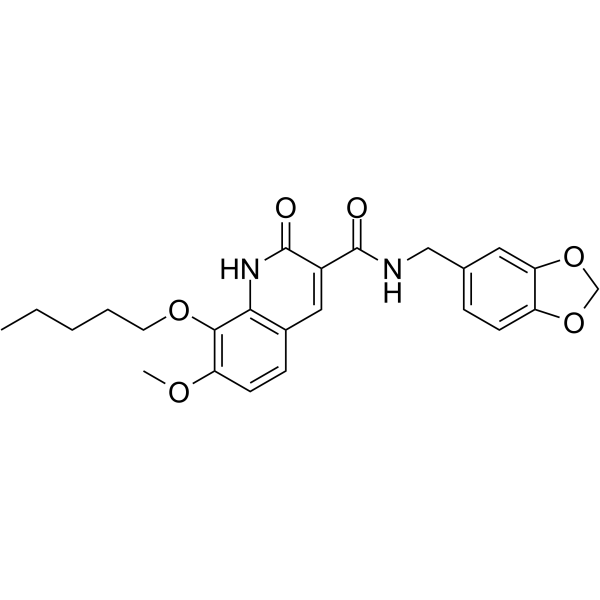
JTE-907

Based on 1 Customer Validation
JTE-907 is a selective and orally active cannabinoid CB2 receptor inverse agonist and exerts anti-inflammatory effects. JTE-907 upregulates IL-6, MCP-1, IL-1β, VEGF, ANGPTL4, and TRPV1 in mature adipocytes. JTE-907 downregulates CB1, MCP-1, and IL-1β in preadipocytes. JTE-907 inhibits ear swelling in mice. JTE-907 reverses the protective effects of CB2 agonists and Anandamide (HY-10863) against cytokine-evoked colonic mucosal damage. JTE-907 can be used for the research of allergic dermatitis, obesity, and colitis.
For research use only. We do not sell to patients.
- Purity : 98.54%
- CAS No.: 282089-49-0
- Formula: C24H26N2O6
- Molecular Weight:438.47
-
Storage:
4°C, stored under nitrogen
* In solvent : -80°C, 6 months; -20°C, 1 month (stored under nitrogen)

To place orders, for customer services and technical support, please contact: MedChemExpress USA
Tel: 609-228-6898 E-mail: [email protected] [email protected]


-
 Biological Activity
-
Chemical Information
-
Solvent & Solubility
- Protocols
- Purity & Documentation
- References
-
 Help & FAQs


-
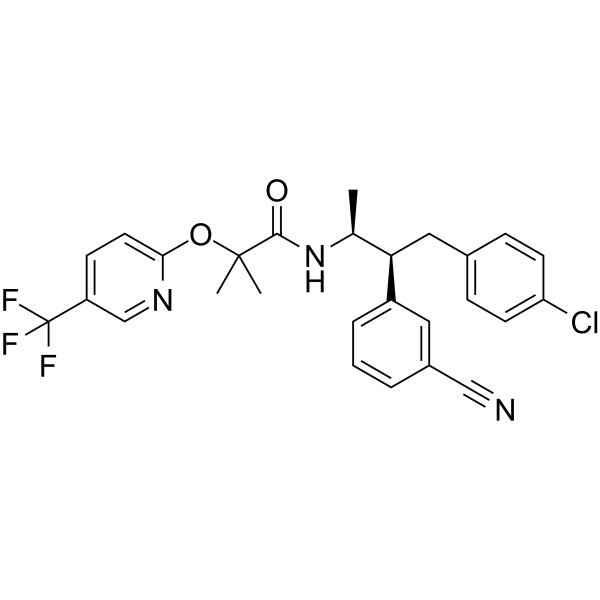
HY-10013
TaranabantCB1 Receptor Invert Agonist -
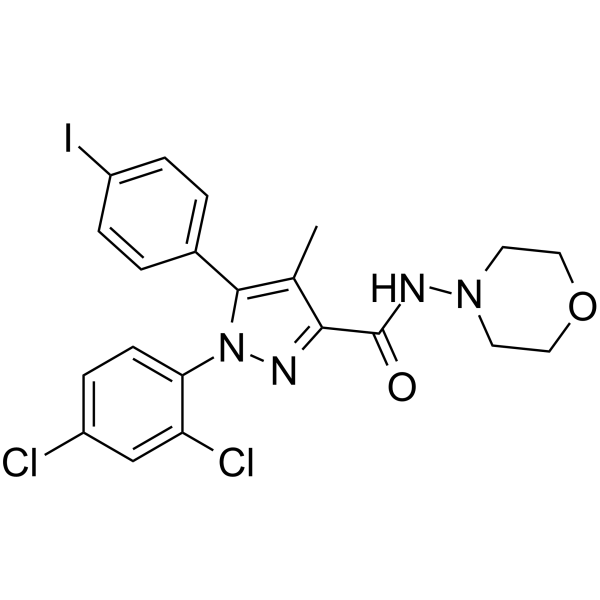
HY-13505
AM281CB1 Antagonist -
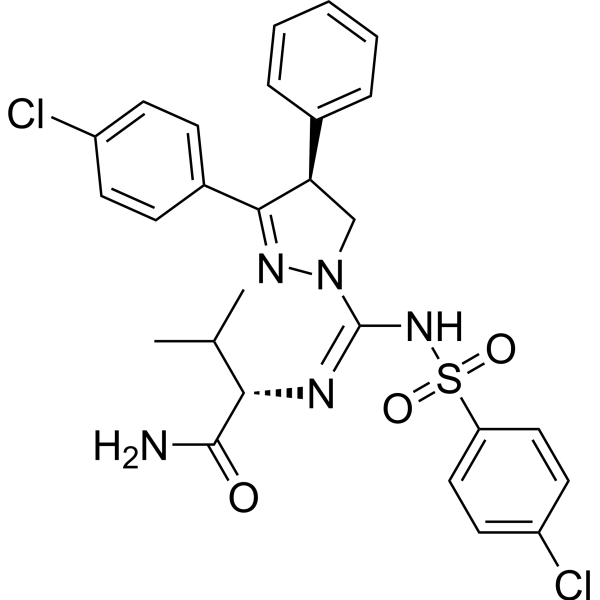
HY-18697
JD-5037CB1 Receptor Antagonist -
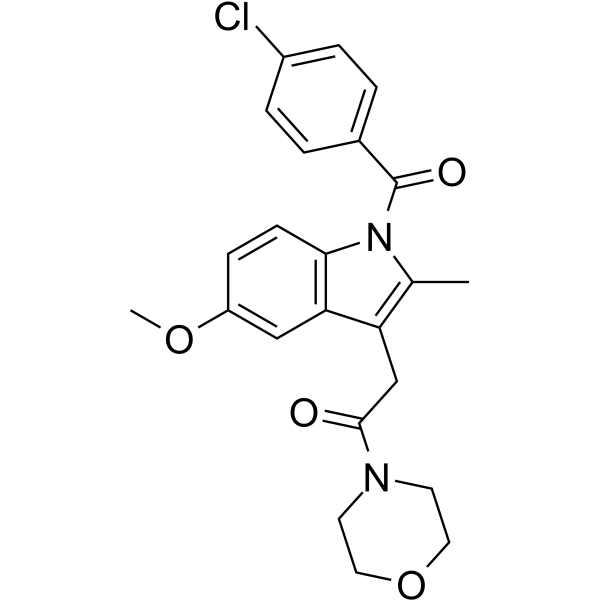
HY-15420
BML-190Cannabinoid Receptor Agonist -
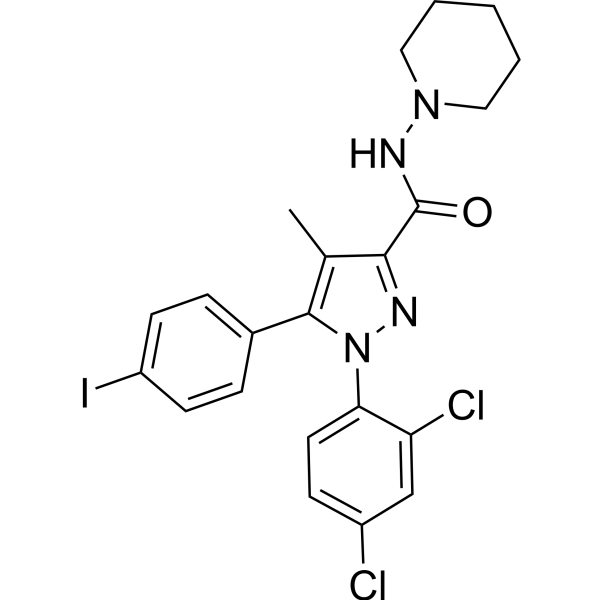
HY-15443
AM251CB1 Receptor Antagonist -
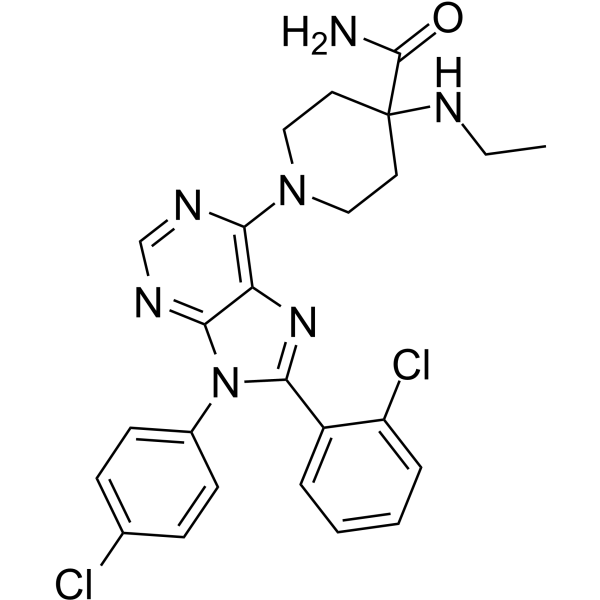
HY-10871
OtenabantCannabinoid Receptor Antagonist -
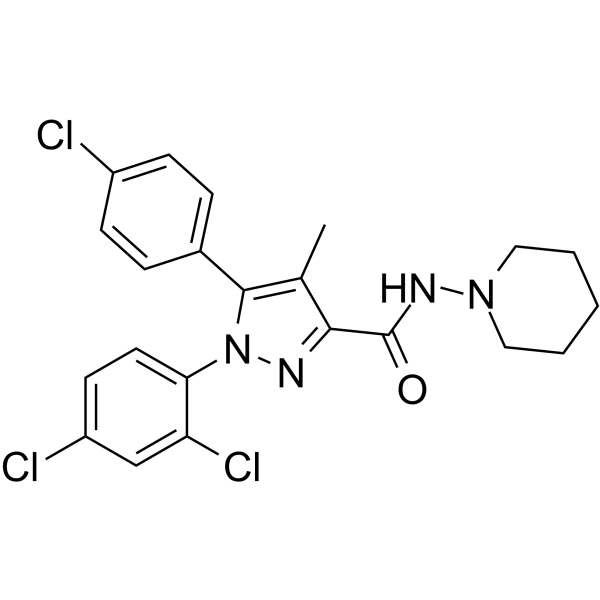
HY-14136
Rimonabant -
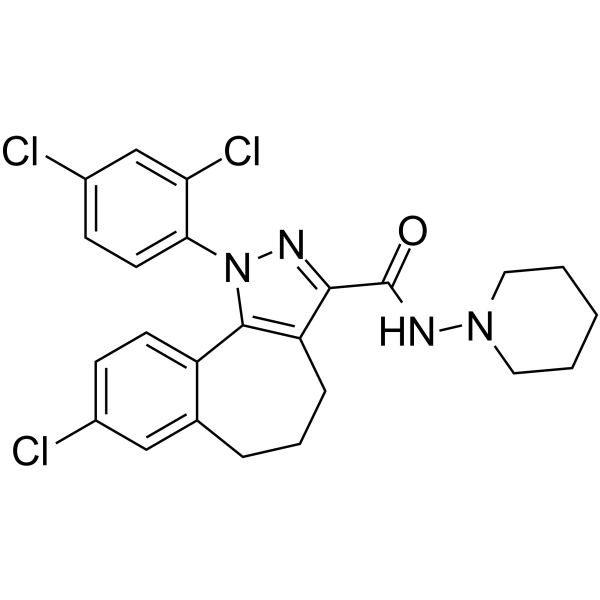
HY-117139
NESS 0327Cannabinoid Antagonist -
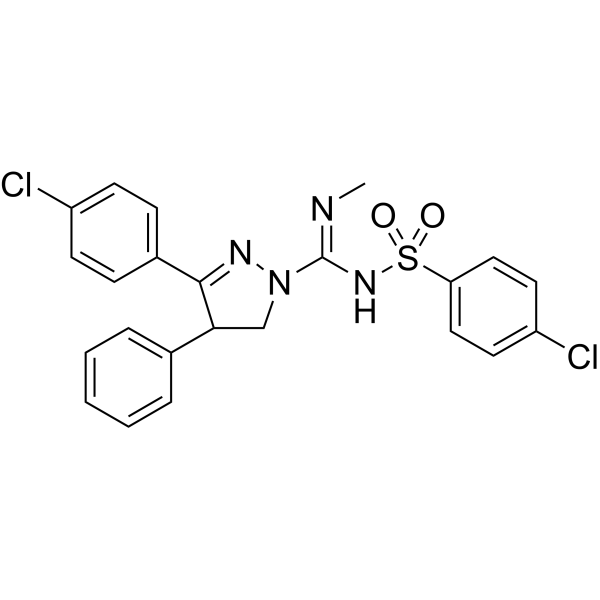
HY-14791A
(±)-IbipinabantCannabinoid Receptor Antagonist -
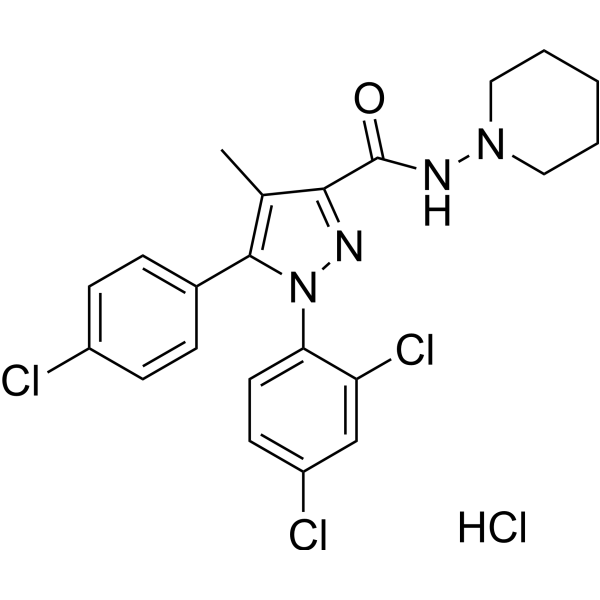
HY-14137
Rimonabant HydrochlorideCB1 Antagonist -
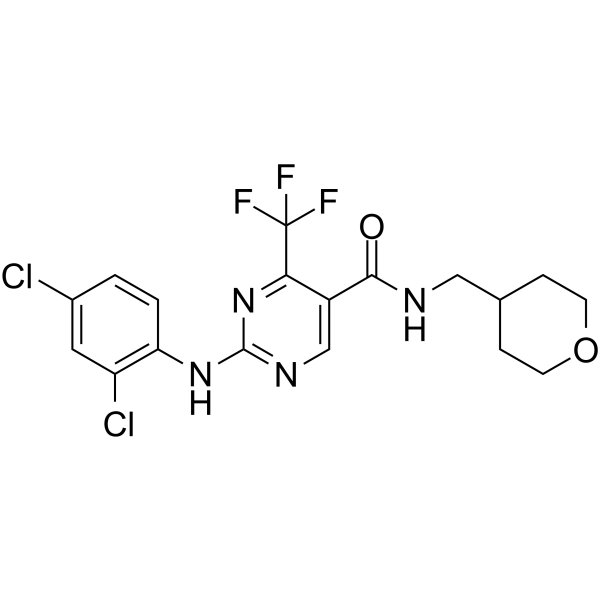
HY-14167
GW842166XCannabinoid Receptor Agonist -
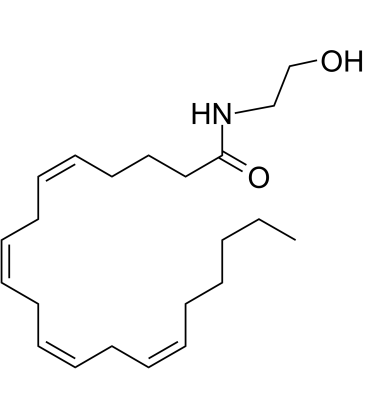
HY-10863
AnandamideCB1/2 Agonist
All VEGFR Isoforms
More

Biological Activity
Description
|
CB2 |
CB1 |
IL-6 |
IL-1β |
TRPV1 |
ANGPTL4 |
Cellular Effect
|
Cell Line

|
Type | Value | Description | References |
|---|---|---|---|---|
| CHO | IC50 |
644 nM
Compound: JTE-907
|
Antagonist activity at CB2 receptor (unknown origin) stably expressed in CHO cells co-expressing co-expressing Ga15/16 assessed as calcium current after 45 mins by fluo-4 AM assay
Antagonist activity at CB2 receptor (unknown origin) stably expressed in CHO cells co-expressing co-expressing Ga15/16 assessed as calcium current after 45 mins by fluo-4 AM assay
|
[PMID: 24445310] |
In Vitro
JTE-907 (1-10 μM; 4-20 h) upregulates pro-inflammatory and angiogenic gene expression and IL-6 secretion in mature human subcutaneous adipocytes via CB1 and TRPV1 receptors[2].
JTE-907 (10 μM; 20 h) downregulates CB1, MCP-1, and IL-1β gene expression in human subcutaneous preadipocytes[2].
JTE-907 (0.1 μM; 20 h) reverses the CB2 receptor-mediated protective effects of Anandamide (HY-10863) and JWH-015 against cytokine-induced colitis-like damage in healthy human colonic mucosal explants, including restoring crypt damage, luminal epithelial damage, and lamina propria lymphocyte density to levels comparable to cytokine-only treatment[4].
MedChemExpress (MCE) has not independently confirmed the accuracy of these methods. They are for reference only. Further protocols information, click here.
In Vivo
JTE-907 (0.01-10 mg/kg; p.o.; single dose 1 h pre-arachidonic acid exposure) does not inhibit arachidonic acid-induced cutaneous ear swelling in female BALB/c mice[1].
JTE-907 (0.1-10 mg/kg; p.o.; once daily for 6 days plus two doses around the 4th DNFB exposure) significantly suppresses DNFB-induced allergic dermatitis ear swelling in female BALB/c mice without inducing systemic immunosuppression-related changes to spleen or thymus weight[1].
MedChemExpress (MCE) has not independently confirmed the accuracy of these methods. They are for reference only.


Chemical Information
-
CAS No. 282089-49-0
-
Appearance Solid
-
Molecular Weight 438.47
-
Formula C24H26N2O6
-
Color Off-white to light yellow
-
SMILES
O=C(C1=CC2=C(NC1=O)C(OCCCCC)=C(OC)C=C2)NCC3=CC=C(OCO4)C4=C3
-
Shipping
Room temperature in continental US; may vary elsewhere.
-
Storage
4°C, stored under nitrogen
* In solvent : -80°C, 6 months; -20°C, 1 month (stored under nitrogen)


Solvent & Solubility
In Vitro:
DMSO : 125 mg/mL (285.08 mM; Need ultrasonic; Hygroscopic DMSO has a significant impact on the solubility of product, please use newly opened DMSO)
Please refer to the solubility information to select the appropriate solvent. Once prepared, please aliquot and store the solution to prevent product inactivation from repeated freeze-thaw cycles.
Storage method and period of stock solution: -80°C, 6 months; -20°C, 1 month (stored under nitrogen). When stored at -80°C, please use it within 6 months. When stored at -20°C, please use it within 1 month.
Please refer to the solubility information to select the appropriate solvent. Once prepared, please aliquot and store the solution to prevent product inactivation from repeated freeze-thaw cycles.
Storage method and period of stock solution: -80°C, 6 months; -20°C, 1 month (stored under nitrogen). When stored at -80°C, please use it within 6 months. When stored at -20°C, please use it within 1 month.
Concentration (start) × Volume (start) = Concentration (final) × Volume (final)

Protocols
-
Large-size fat particle sorting
Large-size fat particle sorting is widely used to isolate cells up to 200 μm in diameter. Single-cell flow sorting will allow greater insight into adipocyte heterogeneity by identifying gene expression, protein composition, and metabolic signatures at the single-cell level.
-
DSS-Induced Colitis
Dextran sulfate sodium (DSS)-induced colitis is generated by administering DSS in mouse drinking water, producing epithelial injury, barrier disruption, weight loss, diarrhea, fecal blood, colon shortening, histologic mucosal damage, and inflammatory mediator changes; the model is mainly used to study acute or chronic intestinal inflammation resembling selected features of ulcerative colitis. DSS injury is interpreted through clinical and tissue readouts rather than a single molecular endpoint: daily body weight, stool consistency, and bleeding are combined into a disease activity index, while colon length, histology, cytokines, myeloperoxidase activity, intestinal permeability, and tight-junction markers provide complementary measures of inflammation and barrier damage.
-
TPA/Croton Oil Ear Edema and Dermatitis
The TPA (12-O-tetradecanoylphorbol-13-acetate) and croton oil-induced mouse ear edema model is a well-established acute cutaneous inflammation system used to evaluate topical anti-inflammatory activity by measuring edema formation, neutrophil infiltration, vascular permeability, and cytokine-mediated skin responses in vivo. The inflammatory response is triggered by topical application of phorbol esters (TPA) or croton oil constituents, leading to rapid activation of protein kinase C signaling, leukocyte recruitment, and increased vascular permeability, which can be quantified by ear thickness, weight, dye extravasation, and biochemical markers such as myeloperoxidase (MPO) activity and pro-inflammatory mediators in ear tissue homogenates. This model is widely used for screening anti-inflammatory agents, where reductions in edema and inflammatory biomarkers reflect suppression of acute dermal inflammation and immune cell infiltration. Histological evaluation typically confirms epidermal
-
TNBS-Induced Colitis
TNBS-induced colitis is produced by intrarectal delivery of 2,4,6-trinitrobenzene sulfonic acid in ethanol, where ethanol disrupts the mucosal barrier and TNBS haptenates colonic proteins, generating immune-mediated colonic inflammation with weight loss, diarrhea, ulceration, transmural injury, inflammatory-cell infiltration, and cytokine responses. The model is used as an experimental intestinal inflammation model with Crohn’s disease–like features, especially when Th1-type responses, IL-12–dependent inflammation, chronic relapsing inflammation, or fibrosis-related endpoints are studied.
-
Research Protocol for Inflammation-related Diseases
The NLRP3 inflammasome is a cytosolic innate immune signaling platform that integrates priming signals and danger-signal activation to promote caspase-1 activation, maturation of IL-1β and IL-18, and gasdermin D-mediated pyroptotic cell death. The core experimental logic is to determine whether inflammatory disease phenotypes are driven by increased NLRP3 expression, ASC-containing inflammasome assembly, caspase-1 cleavage, GSDMD cleavage, and extracellular release of IL-1β/IL-18 rather than by nonspecific cell injury alone. The pathway is strongly linked to inflammation-related disease phenotypes because monosodium urate crystals activate NALP3/NLRP3 inflammasome signaling in gout-like crystal inflammation, cholesterol crystals activate NLRP3 inflammasomes in atherogenesis models, and DSS-induced intestinal inflammation has been reported to involve NLRP3 inflammasome activity. However, experimental colitis studies also show context-dependent protective effects of NLRP3 inflammasome co
-
Research Protocol for Metabolic Diseases
AMP-activated protein kinase, AMPK, is a conserved cellular energy sensor that responds to reduced cellular energy status and coordinates metabolism by increasing ATP-generating catabolic pathways while suppressing ATP-consuming anabolic processes. In metabolic disease research, the AMPK pathway is experimentally relevant because it regulates hepatic lipid synthesis, fatty acid oxidation, glucose production, skeletal-muscle glucose disposal, mTORC1-linked biosynthesis, autophagy, mitochondrial homeostasis, and whole-body energy balance. The central pathway logic is that energy stress, metformin, exercise-like stimulation, or direct AMPK activators increase AMPKα Thr172 phosphorylation and downstream substrate phosphorylation, including ACC and RAPTOR. Phosphorylation of ACC suppresses lipogenesis and supports fatty acid oxidation, whereas phosphorylation of RAPTOR suppresses mTORC1 signaling and links cellular energy status to growth and protein synthesis control. The pathway is linked
-
Pyroptosis Solutions
Pyroptosis is a lytic inflammatory cell-death pathway executed by gasdermin pores, most classically through inflammasome-mediated activation of caspase-1, cleavage of gasdermin D, membrane pore formation, LDH release, and secretion of IL-1β and IL-18. The canonical pathway is commonly modeled by priming cells with an inflammatory signal such as LPS to induce pro-IL-1β and inflammasome components, followed by an activation signal such as ATP or nigericin to activate NLRP3, ASC speck formation, caspase-1 cleavage, GSDMD cleavage, cytokine release, and pyroptotic membrane rupture. The non-canonical pathway is triggered when cytosolic LPS activates mouse caspase-11 or human caspase-4/5, leading to GSDMD cleavage and pyroptosis, and this can secondarily activate NLRP3-dependent IL-1β release. Pyroptosis is linked to inflammatory injury, infection, cancer, liver disease, ocular disease, placental inflammation, and other disease phenotypes, but unresolved questions include which gasdermin fam


Purity & Documentation
-
Data Sheet (273 KB)
-
SDS (393 KB)
- English - EN (393 KB)
- Français - FR (393 KB)
- Deutsch - DE (393 KB)
- Norwegian - NO (393 KB)
- Español - ES (393 KB)
- Swedish - SV (393 KB)
- Italian - IT (393 KB)
- Korean - KR (393 KB)
- Portuguese - PT (393 KB)
-
Handling Instructions (2659 KB)
References
[1]. Ueda Y, et al. Involvement of cannabinoid CB(2) receptor-mediated response and efficacy of cannabinoid CB(2) receptor inverse agonist, JTE-907, in cutaneous inflammation in mice. Eur J Pharmacol. 2005;520(1-3):164-171. [Content Brief]
[2]. González-Muniesa P, et al. Upregulation of the expression of inflammatory and angiogenic markers in human adipocytes by a synthetic cannabinoid, JTE-907. Horm Metab Res. 2010;42(10):710-717. [Content Brief]
[4]. Harvey BS, et al. Cannabinoid CB2 receptor activation attenuates cytokine-evoked mucosal damage in a human colonic explant model without changing epithelial permeability. Cytokine. 2013;63(2):209-217. [Content Brief]


Complete Stock Solution Preparation Table
Please refer to the solubility information to select the appropriate solvent. Once prepared, please aliquot and store the solution to prevent product inactivation from repeated freeze-thaw cycles.
Storage method and period of stock solution: -80°C, 6 months; -20°C, 1 month (stored under nitrogen). When stored at -80°C, please use it within 6 months. When stored at -20°C, please use it within 1 month.
| Optional Solvent | Concentration Solvent Mass | 1 mg | 5 mg | 10 mg | 25 mg |
|---|---|---|---|---|---|
| DMSO | 1 mM | 2.2807 mL | 11.4033 mL | 22.8066 mL | 57.0164 mL |
| 5 mM | 0.4561 mL | 2.2807 mL | 4.5613 mL | 11.4033 mL | |
| 10 mM | 0.2281 mL | 1.1403 mL | 2.2807 mL | 5.7016 mL | |
| 15 mM | 0.1520 mL | 0.7602 mL | 1.5204 mL | 3.8011 mL | |
| 20 mM | 0.1140 mL | 0.5702 mL | 1.1403 mL | 2.8508 mL | |
| 25 mM | 0.0912 mL | 0.4561 mL | 0.9123 mL | 2.2807 mL | |
| 30 mM | 0.0760 mL | 0.3801 mL | 0.7602 mL | 1.9005 mL | |
| 40 mM | 0.0570 mL | 0.2851 mL | 0.5702 mL | 1.4254 mL | |
| 50 mM | 0.0456 mL | 0.2281 mL | 0.4561 mL | 1.1403 mL | |
| 60 mM | 0.0380 mL | 0.1901 mL | 0.3801 mL | 0.9503 mL | |
| 80 mM | 0.0285 mL | 0.1425 mL | 0.2851 mL | 0.7127 mL | |
| 100 mM | 0.0228 mL | 0.1140 mL | 0.2281 mL | 0.5702 mL |


JTE-907 Related Classifications
HY-103325 Related Classifications
 Powered by Bioz