



Hydroxy Fatty Acids
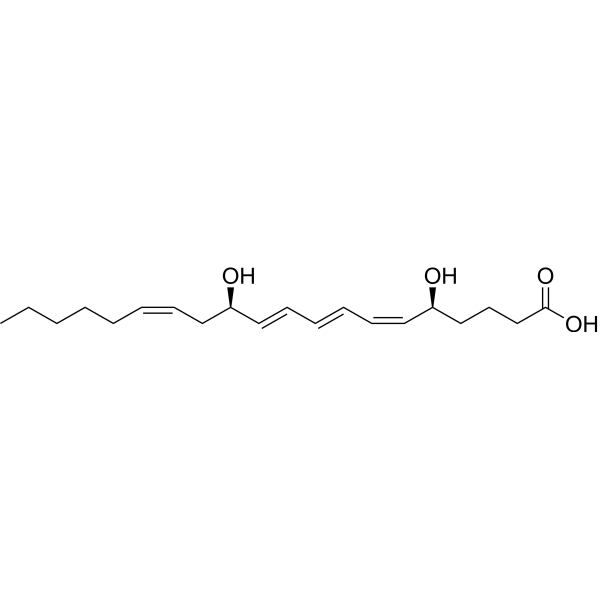
- Formula: C20H32O4
- Molecular Weight: 336.47
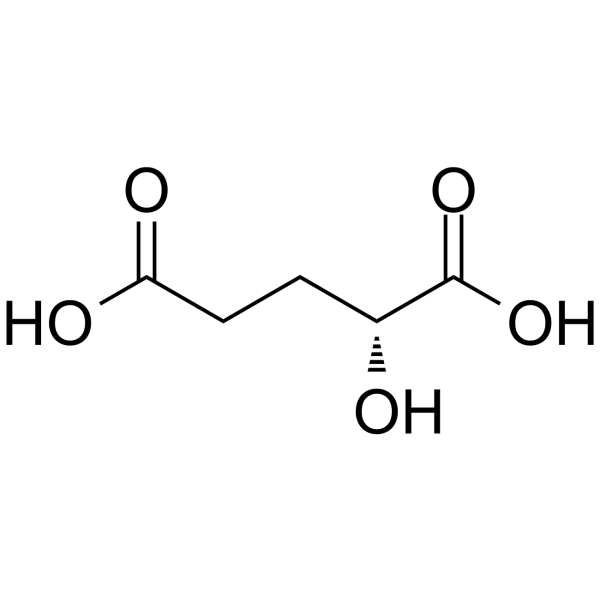
- Formula: C5H8O5
- Molecular Weight: 148.11
D-α-Hydroxyglutaric acid ((R)-2-Hydroxyglutarate) is the principal metabolite accumulating in neurometabolic disease D-2-hydroxyglutaric aciduria. D-α-Hydroxyglutaric acid is a weak competitive antagonist of α-ketoglutarate (α-KG) and inhibits multiple α-KG-dependent dioxygenases with a Ki of 10.87 mM. D-α-Hydroxyglutaric acid increases reactive oxygen species (ROS) production. D-α-Hydroxyglutaric acid binds and inhibits ATP synthase and inhibits mTOR signaling.
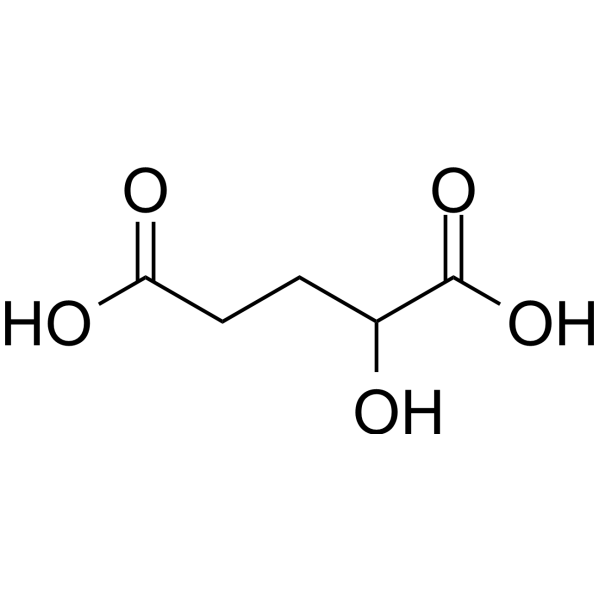
- Formula: C5H8O5
- Molecular Weight: 148.11
α-Hydroxyglutaric acid (2-Hydroxyglutarate) is an α-hydroxy acid form of glutaric acid. α-Hydroxyglutaric acid is a competitive inhibitor of multiple α-ketoglutarate-dependent dioxygenases, including histone demethylases and the TET family of 5-methlycytosine (5mC) hydroxylases.
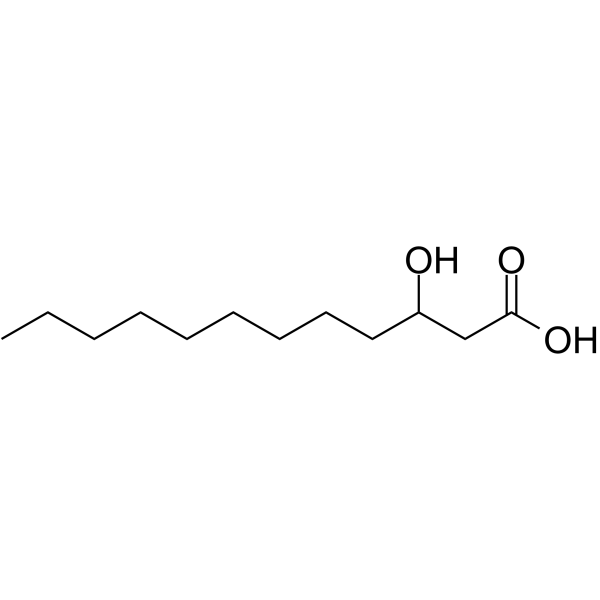
- Formula: C12H24O3
- Molecular Weight: 216.32
3-Hydroxydodecanoic acid is a medium-chain fatty acid. 3-Hydroxydodecanoic acid activates GPR84 and promotes IL-12 production. 3-Hydroxydodecanoic acid has anticancer activity against colon cancer, lung cancer, and melanoma.
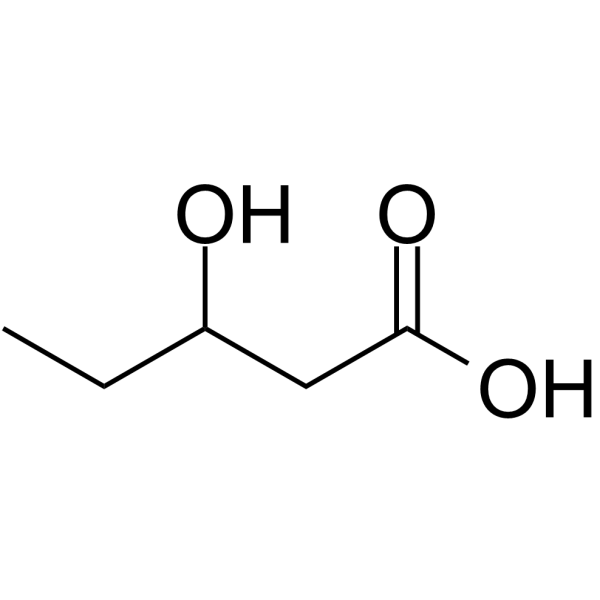
- Formula: C5H10O3
- Molecular Weight: 118.13
3-Hydroxyvaleric acid is a five-carbon ketone body byproduct that can undergo an anaplerotic reaction to replenish the intermediates of the tricarboxylic acid cycle. 3-Hydroxyvaleric acid is one of the important monomers for the synthesis of polyhydroxyalkanoates (PHA). PHA is a type of biodegradable plastic that is widely used in environmentally friendly packaging, disposable products, and medical materials.
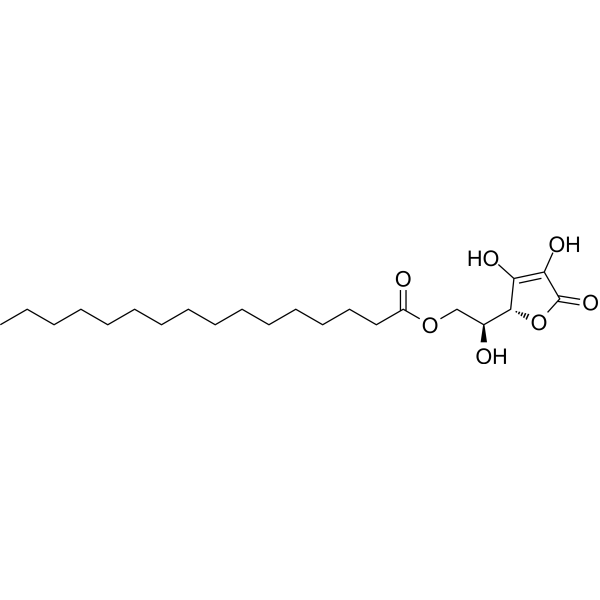
- Formula: C22H38O7
- Molecular Weight: 414.53
Ascorbyl palmitate is an orally active ester formed from ascorbic acid and palmitic acid, used as an antioxidant and food additive. Ascorbyl palmitate in preventing fat and oil oxidation is more efficient than Butylated hydroxyanisole (HY-B1066) and Butylated hydroxytoluene (HY-Y0172). Ascorbyl palmitate mitigates inhibition of collagen synthesis by select calcium and sodium channel blockers. Ascorbyl palmitate induces Apoptosis in human umbilical vein endothelial cells (HUVECs). Ascorbyl palmitate ameliorates inflammatory diseases by inhibition of NLRP3 inflammasome.
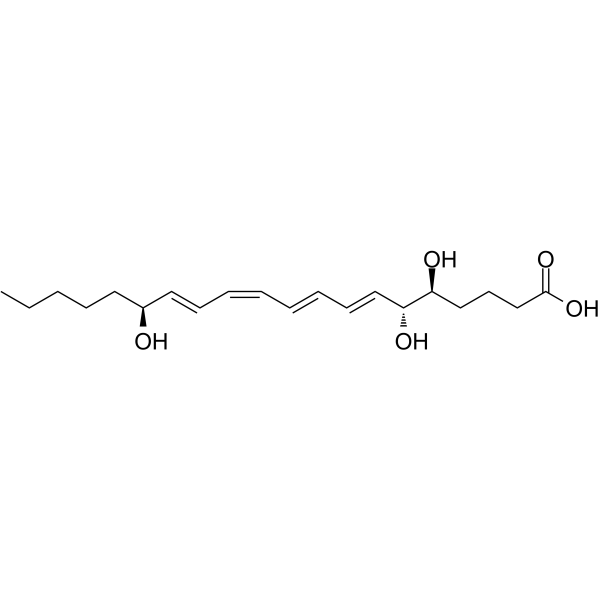
- Formula: C20H32O5
- Molecular Weight: 352.47
Lipoxin A4 (LXA4), an endogenous lipoxygenase-derived eicosanoid mediator, has potent dual pro-resolving and anti-inflammatory properties. Lipoxin A4 inhibits proliferation and inflammatory cytokine/chemokine production of human epidermal keratinocytes (NHEKs) associated with the ERK1/2 and NF-kB pathways. Lipoxin A4 inhibits serum amyloid A (SAA)-mediated IL-8 release with an IC50 value of 25.74 nM.
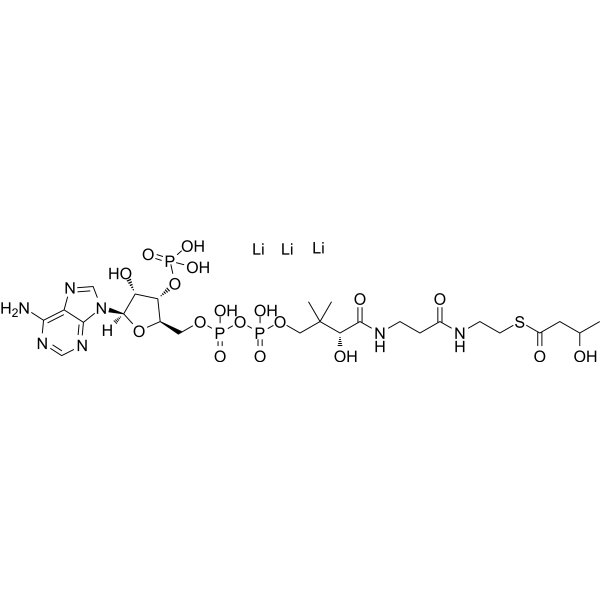
- Formula: C25H42Li3N7O18P3S
- Molecular Weight: 874.45
DL-β-Hydroxybutyryl coenzyme A lithium is an intermediate in the fermentation of butyric acid and the metabolism of lysine and tryptophan, and is produced from β-hydroxybutyric acid by short-chain-CoA synthase.
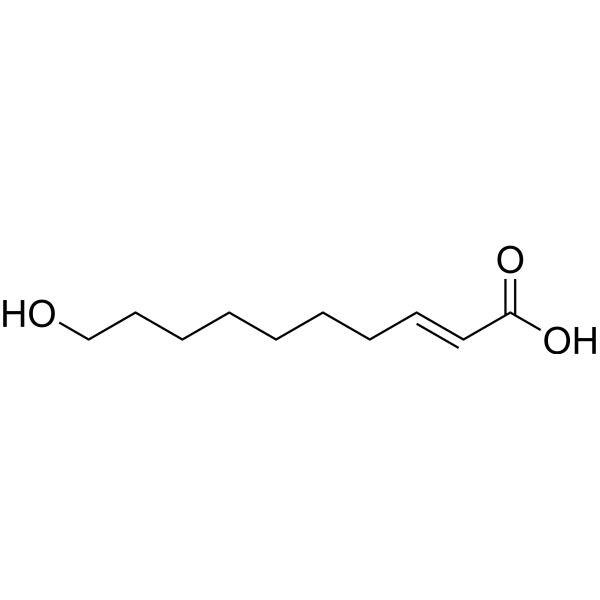
- Formula: C10H18O3
- Molecular Weight: 186.25
10-Hydroxy-2-decenoic acid (10-HDA) is an orally active unsaturated medium-chain fatty acid with various physiological activities. 10-Hydroxy-2-decenoic acid induces ROS-mediated apoptosis in A549 cells. 10-Hydroxy-2-decenoic acid inhibits VEGF-induced angiogenesis in human venous endothelial cells. 10-Hydroxy-2-decenoic acid alleviates non-alcoholic fatty liver disease (NAFLD) by activating the AMPK-α signaling pathway. 10-Hydroxy-2-decenoic acid protects against bone loss by inhibiting NF-κB signaling downstream of FFAR4. 10-Hydroxy-2-decenoic acid is an antibiotic against many bacteria and fungi, such as Neurospora sitophila, molds and Staphylococcus aureus. 10-Hydroxy-2-decenoic acid has longevity-promoting effects in C. elegans. 10-Hydroxy-2-decenoic acid prevents osteoarthritis by targeting aspartyl β hydroxylase and inhibiting chondrocyte senescence.
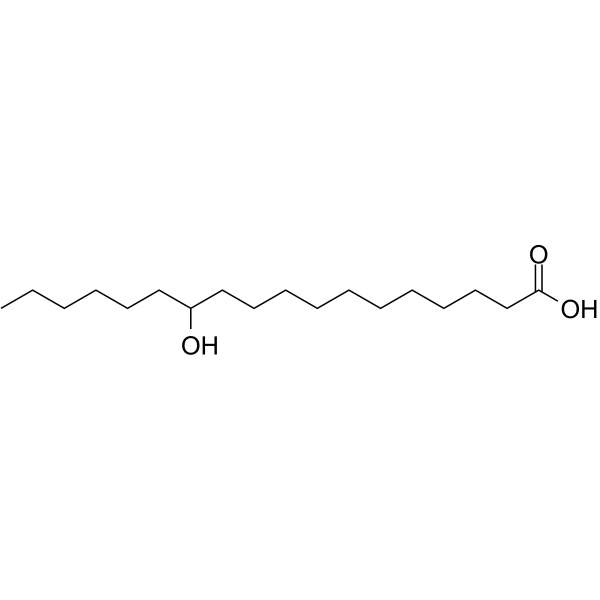
- Formula: C18H36O3
- Molecular Weight: 300.48
12-Hydroxystearic acid is a structurally simple and cost-effective low molecular weight organogelator, and its metal salts and derivatives find roles in many important applications.

- Formula: C6H10O8
- Molecular Weight: 210.14
Saccharic acid is a competitive and potent inhibitor of β-glucuronidase. Saccharic acid inhibits glucuronide synthesis. Saccharic acid as an efficient iron chelate to enhance photo-Fenton
degradation of organic contaminants.
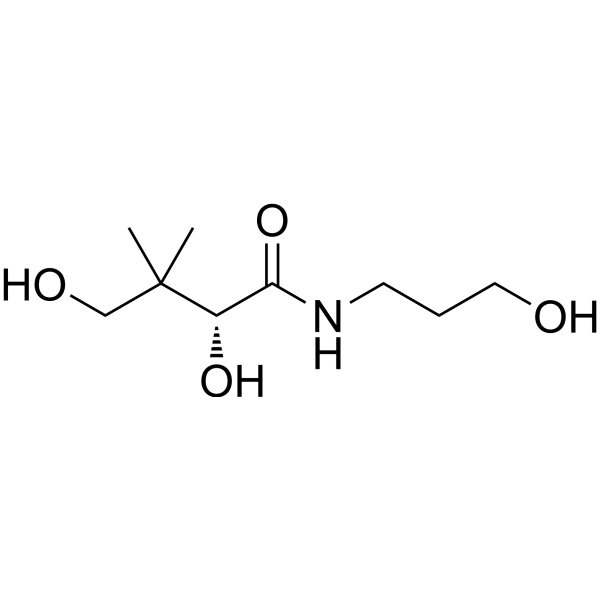
- Formula: C9H19NO4
- Molecular Weight: 205.25
D-Panthenol is the biologically-active alcohol of pantothenic acid, which leads to an elevation in the amount of coenzyme A in the cell. D-panthenol exhibits nephroprotective effect in AKI, promotes tissue repair and regeneration.
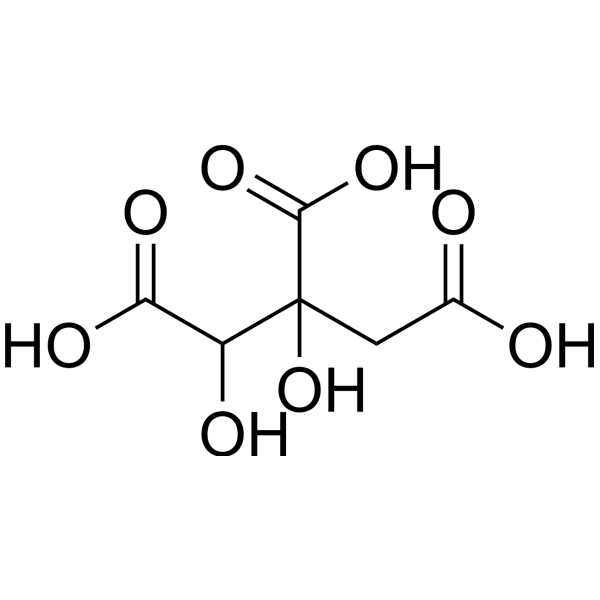
- Formula: C6H8O8
- Molecular Weight: 208.12
Hydroxycitric acid is an orally active, multi-target, multi-bioactive organic acid. activates Nrf2 and its downstream molecule GPX4, increases glutathione levels, and thereby inhibits ferroptosis. Hydroxycitric acid activates the Nrf2/Keap1 and ACLY/NF-κB signaling pathways, upregulates the activities of antioxidant enzymes such as superoxide dismutase, reduces MDA content, thereby alleviating oxidative stress and renal tubular epithelial cell apoptosis, and improves pulmonary vascular and right ventricular remodeling. Hydroxycitric acid activates both the AMPK and mTORC1/S6K pathways, triggers the unfolded protein response, arrests the cancer cell cycle, and induces DNA fragmentation.
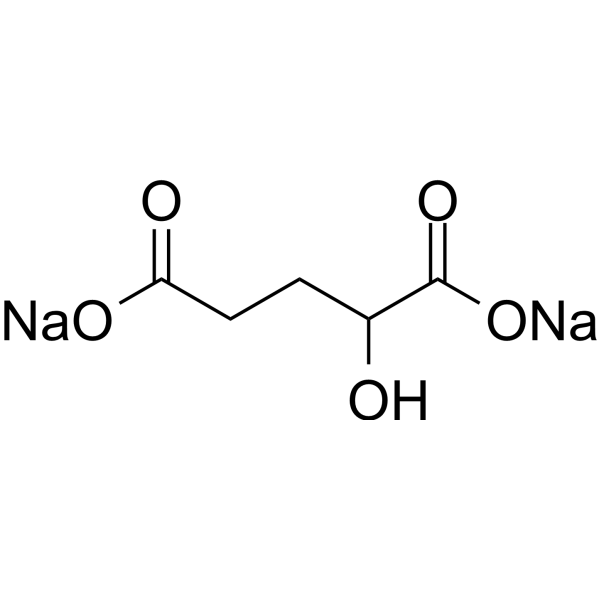
- Formula: C5H6Na2O5
- Molecular Weight: 192.08
α-Hydroxyglutaric acid (2-Hydroxyglutarate) disodium is an α-hydroxy acid form of glutaric acid. α-Hydroxyglutaric acid disodium is a competitive inhibitor of multiple α-ketoglutarate-dependent dioxygenases, including histone demethylases and the TET family of 5-methlycytosine (5mC) hydroxylases.
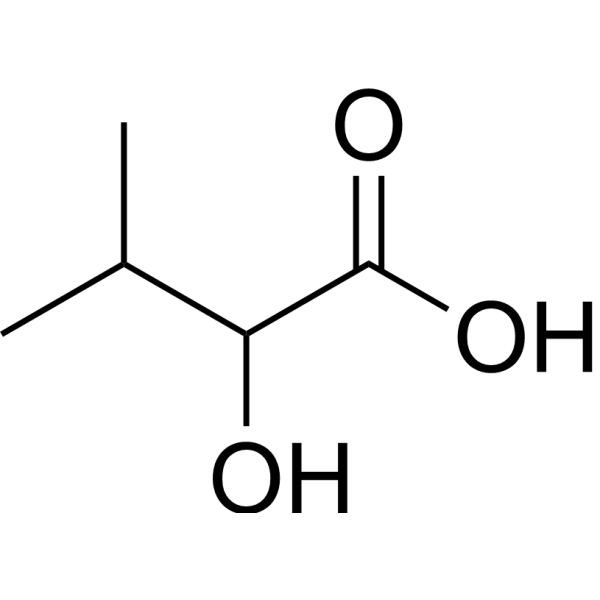
- Formula: C5H10O3
- Molecular Weight: 118.13
2-Hydroxy-3-methylbutanoic acid (α-Hydroxyisovaleric acid) is an α-hydroxy analogue of valine and a valine precursor that reduces urea excretion. 2-Hydroxy-3-methylbutanoic acid can promote the growth of chickens and rats, and is converted into valine in the body, participating in protein synthesis and maintaining nitrogen balance, thereby supporting animal growth and development. 2-Hydroxy-3-methylbutanoic acid has a more significant effect on the valine-deficient dietary model. 2-Hydroxy-3-methylbutanoic acid is mainly used in animal nutrition research to evaluate its potential application as a nitrogen source substitute in feed.
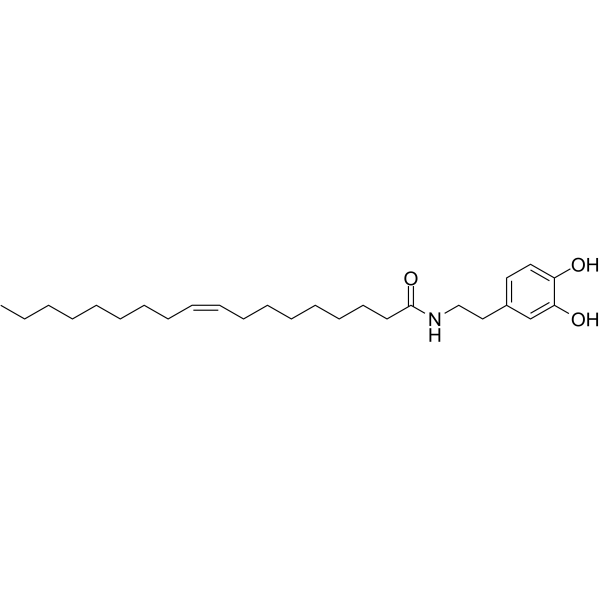
- Formula: C26H43NO3
- Molecular Weight: 417.62
N-Oleoyldopamine (OLDA) is an orally active TRPV1 activator and 5-LOX inhibitor with blood-brain barrier permeability. N-Oleoyldopamine excites histaminergic neurons in the tuberomammillary nucleus via a dopamine receptor mechanism, a process independent of TRPV1 and cannabinoid receptors. On one hand, N-Oleoyldopamine promotes the release of insulin and glucose-dependent insulinotropic polypeptide through a GPR119-dependent pathway to improve glucose tolerance; on the other hand, N-Oleoyldopamine improves left ventricular function and reduces myocardial infarction size by triggering the release of substance P and calcitonin gene-related peptide. N-Oleoyldopamine is used in studies related to glycemic abnormalities and myocardial ischemia-reperfusion injury.
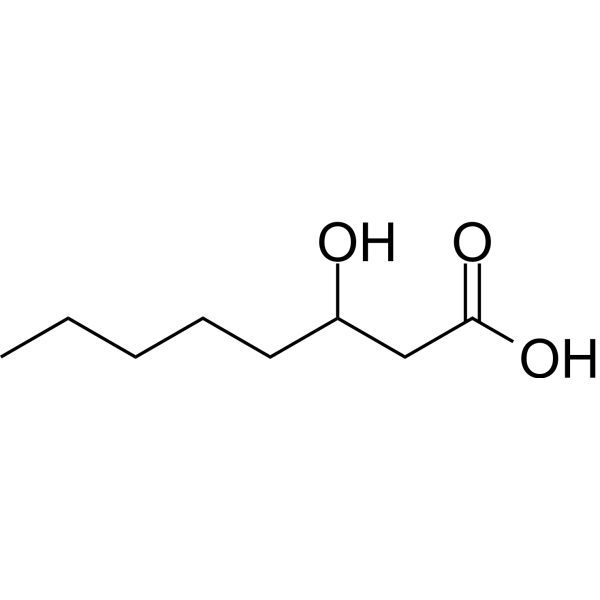
- Formula: C8H16O3
- Molecular Weight: 160.21
3-Hydroxyoctanoic acid is a medium-chain β-hydroxy fatty acid that possesses antibacterial, antifungal, and quorum-sensing regulatory activities. 3-Hydroxyoctanoic acid is an endogenous agonist of the human HCAR3 receptor, decreases intracellular cAMP, reduces IL-1beta secretion, increases IL-10 secretion, and decreases ROS production in macrophages. 3-Hydroxyoctanoic acid inhibits quorum-sensing-regulated pyocyanin production in Pseudomonas aeruginosa PAO1 and inhibits the yeast-to-hypha transition in Candida albicans. 3-Hydroxyoctanoic acid is used in research related to metabolism, bacterial infections, and fungal infections.
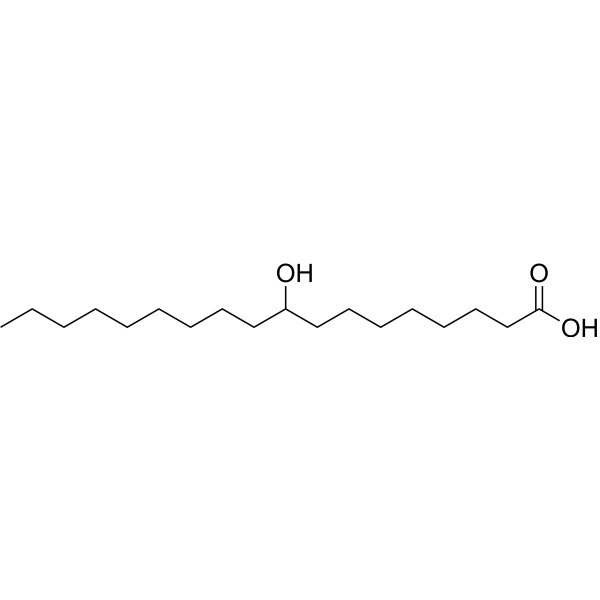
- Formula: C18H36O3
- Molecular Weight: 300.48
9-Hydroxyoctadecanoic acid (9-HSA) is an HDAC1 inhibitor that inhibits ∼66.4% HDAC1 enzymatic activity at 5 μM. 9-Hydroxyoctadecanoic acid shows anticancer activity.

- Formula: C16H32O3
- Molecular Weight: 272.42
16-Hydroxyhexadecanoic acid (Juniperic acid) is one of the main monomers of cutin in Vicia faba flower petals. 16-Hydroxyhexadecanoic acid can be used as an internal standard for the measurement of hydroxy and hydroperoxy fatty acids in plasma.
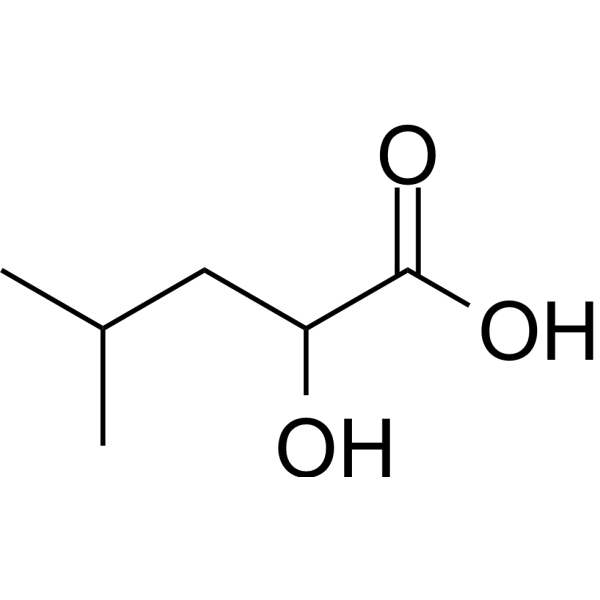
- Formula: C6H12O3
- Molecular Weight: 132.16
Leucic acid (α-Hydroxyisocaproic acid) is an orally active end-product of the microbial metabolism of leucine. Leucic acid can bind to HCAR2, alters AMPK and ERK1/2 phosphorylation status, suppresses lipid synthesis, promotes catabolism, reduces adiposity, enhances lean mass and exercise capacity. Leucic acid suppresses pro-inflammatory cytokine secretion, inflammation-related gene mRNA expression. Leucic acid decreases basal protein synthesis, attenuates myotube atrophy. Leucic acid can be used for the research of obesity.



