

97 Results for "

IL-6/STAT3

" in MedChemExpress (MCE) Product Catalog:
Products (97)

97 Results for "IL-6/STAT3" in MCE Product Catalog:

1
1 Cited Publications
Cat. No.: HY-153190A
Purity:  99.27%
Target:  

Ferroptosis STAT

Research Areas:  

Cancer

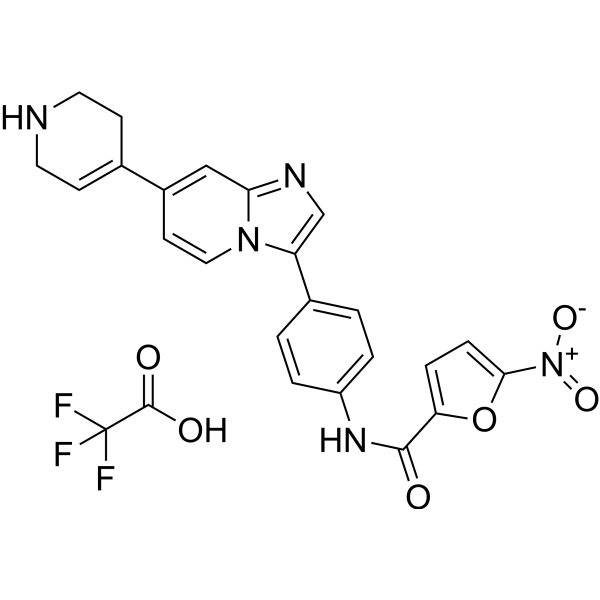
W1131 TFA is a potent STAT3 inhibitor that induces ferroptosis. W1131 inhibits cancer progression in subcutaneous xenograft, organoid, and PDX models of gastric cancer. W1131 effectively alleviates cancer cell chemoresistance to 5-FU (HY-90006). W1131 regulates the cell cycle, DNA damage response, and oxidative phosphorylation, including the IL6-JAK-STAT3 pathway and the ferroptosis pathway .
loading...
    loading...
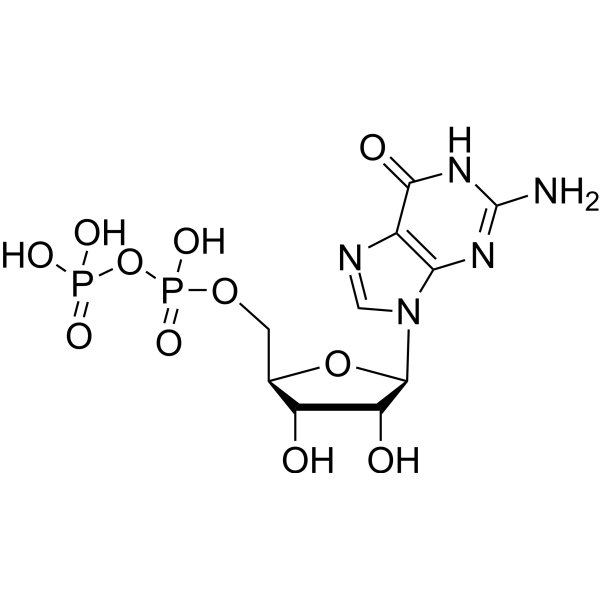
Cat. No.: HY-113066C
CAS No.: 43139-22-6
Purity:  99.88%
Synonyms: GDP sodium, Type I, 96% (HPLC)
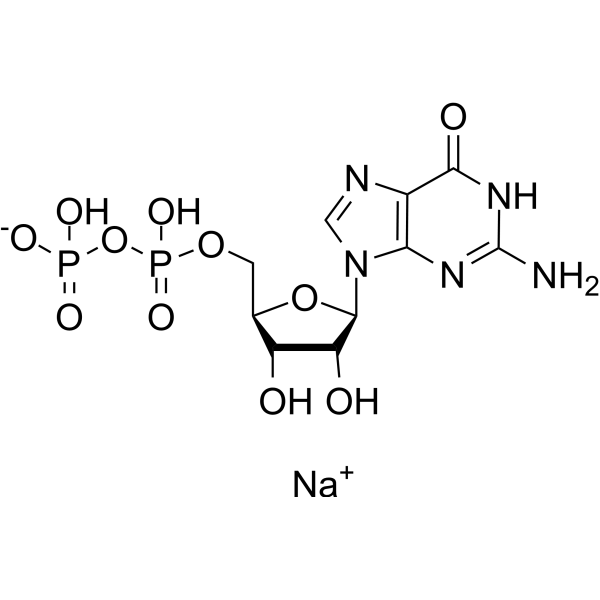
Guanosine 5'-diphosphate (GDP) sodium, 96% (HPLC) is a nucleoside diphosphate that activates adenosine 5'-triphosphate-sensitive K + channel. Guanosine 5'-diphosphate sodium, 96% (HPLC) is an iron mobilizer, which forms a complex with hepcidin to inhibit the hepcidin-ferroportin (FPN) interaction and modulates the IL-6/stat-3 pathway. Guanosine 5'-diphosphate sodium, 96% (HPLC) ameliorates the Turpentine-induced anemia of inflammation (AI) in mice when combined with FeSO4. Guanosine 5'-diphosphate sodium, 96% (HPLC) can be used in the research of AI .
loading...
    loading...
Cat. No.: HY-P9916
CAS No.: 1189541-98-7
Synonyms: Anti-Human IL6Rα, Human Antibody
Sarilumab is a monoclonal antibody targeting IL6 that binds to IL6R and blocks the binding of IL6, thereby inhibiting the activation of the downstream STAT3 phosphorylation signaling pathway. In tumor cells with active IL6/STAT3 signaling pathways, Sarilumab induces Apoptosis and inhibits cell growth. Sarilumab is applicable to research related to prostate cancer, lung cancer and rheumatoid arthritis .
loading...
    loading...
Cat. No.: HY-129138
CAS No.: 2611-67-8
Purity:  99.37%
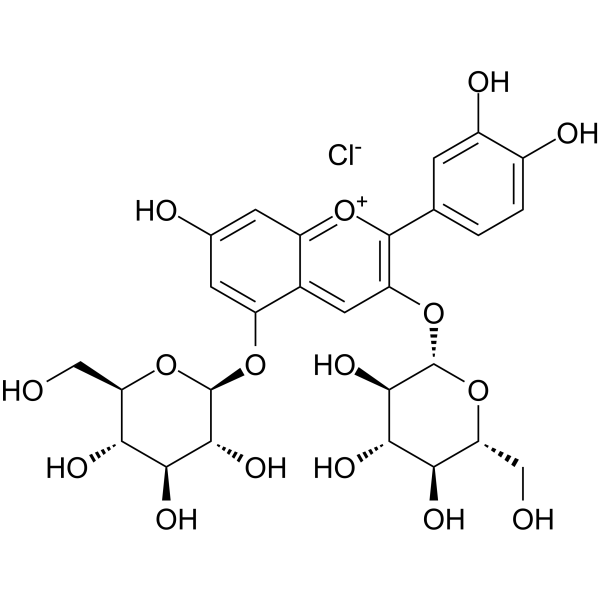
Cyanidin 3,5-diglucoside chloride is an anthocyanin. Cyanidin 3,5-diglucoside chloride inhibits inflammatory cytokines (IL-1α, IL-1β, and IL-6) expression and NO production. Cyanidin 3,5-diglucoside chloride inhibits the phosphorylation of STAT3, IκB, ERK, p38, and AKT. Cyanidin 3,5-diglucoside chloride inhibits high pressure-induced decrease in GLAST. Cyanidin 3,5-diglucoside chloride exerts anti-inflammatory and skin barrier modulating effects. Cyanidin 3,5-diglucoside chloride can be used in retinal research [3].
loading...
    loading...
Cat. No.: HY-112338
CAS No.: 823828-18-8
Purity:  98.29%
Synonyms: CPD188
Target:  

STAT Apoptosis

Research Areas:  

Cancer

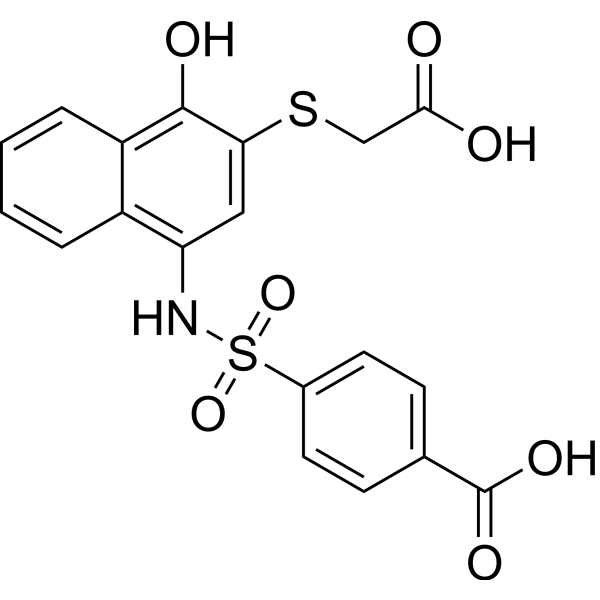
C188 (CPD188) is a STAT3 inhibitor with anticancer effects. C188 inhibits STAT3 SH2/pY-peptide binding (IC50 of 20 µM against pY-peptide binding) and IL-6-mediated STAT3 phosphorylation. C188 is selective for STAT3 over STAT1. C188 inhibits nuclear-to-cytoplasmic translocation of Stat3. C188 shows highly active induces apoptosis in breast cancer cell lines with constitutive Stat3 activation (EC50s of 0.73 µM, 3.96 µM, and 7.01 µM in MDA-MB-468, MDA-MB-231, and MDA-MB-435 cultures, respectively) .
loading...
    loading...
Cat. No.: HY-113066
CAS No.: 146-91-8
Synonyms: GDP
Guanosine 5'-diphosphate (GDP) is a nucleoside diphosphate that activates adenosine 5'-triphosphate-sensitive K + channel. Guanosine 5'-diphosphate is an iron mobilizer, which forms a complex with hepcidin to inhibit the hepcidin-ferroportin (FPN) interaction and modulates the IL-6/stat-3 pathway. Guanosine 5'-diphosphate ameliorates the Turpentine-induced anemia of inflammation (AI) in mice when combined with FeSO4. Guanosine 5'-diphosphate can be used in the research of AI .
loading...
    loading...
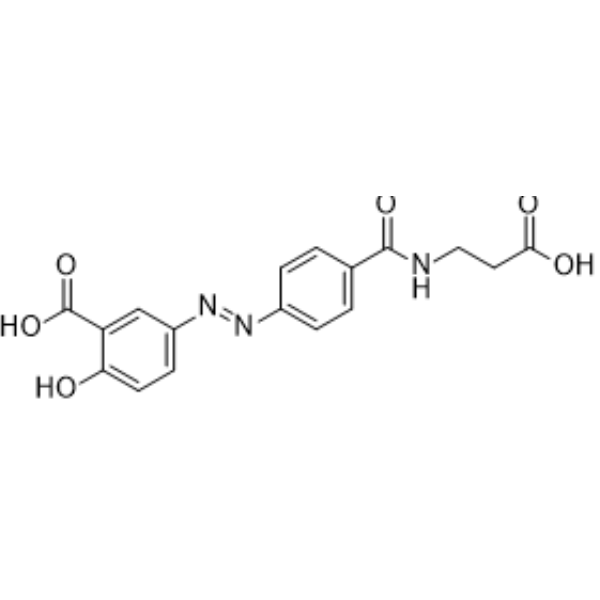
Cat. No.: HY-B0667
CAS No.: 80573-04-2
Research Areas:  

Inflammation/Immunology Cancer

Balsalazide is a prodrug of amino salicylic acid that releases mesalamine (HY-15027) in the colon, offering various anti-inflammatory effects in areas of colitis, and it also exerts related anticancer effects by regulating the IL-6/STAT3 pathway [3].
loading...
    loading...
Cat. No.: HY-146066
CAS No.: 2108714-20-9
Purity:  99.54%
α7 nAchR-JAK2-STAT3 agonist 1 is a potent α7 nAchR-JAK2-STAT3 agonist, with an IC50 value of 0.32 μM for nitric oxide (NO). α7 nAchR-JAK2-STAT3 agonist 1 effectively suppresses the expression of iNOS, IL-1β, and IL-6 in murine RAW264.7 macrophages. α7 nAchR-JAK2-STAT3 agonist 1 can inhibit LPS-induced NO release, NF-κB activation and cytokine production. α7 nAchR-JAK2-STAT3 can be used for researching sepsis .
loading...
    loading...
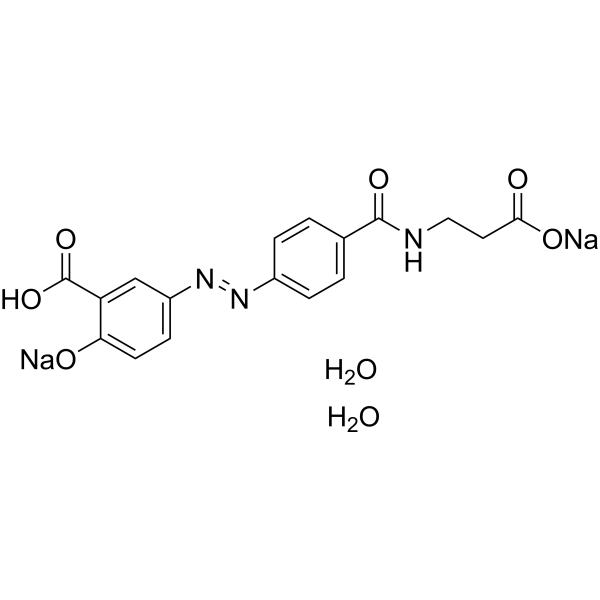
Cat. No.: HY-B0667A
CAS No.: 150399-21-6
Synonyms: Balsalazide disodium dihydrate
Research Areas:  

Inflammation/Immunology Cancer

Balsalazide sodium hydrate is a prodrug of amino salicylic acid that releases mesalamine (HY-15027) in the colon, offering various anti-inflammatory effects in areas of colitis, and it also exerts related anticancer effects by regulating the IL-6/STAT3 pathway [3].
loading...
    loading...
Cat. No.: HY-168894
CT-1 is a secreted protein belonging to the IL-6 cytokine family. Overexpression of CT-1 enhances cell proliferation, migration and angiogenesis via the ADMA/DDAH pathway. CT-1 inhibits the growth of triple-negative breast cancer cells by simultaneously inducing Ferroptosis in N2-type tumor-associated neutrophils and cancer cells. CT-1 activates the Jak/STAT-3, p42/p44 MAPK and AMPK pathways, and inhibits GSK-3β activity through phosphorylation to induce cardiomyocyte hypertrophy. CT-1 enhances the viability of cardiomyocytes and neurons, reduces cell Apoptosis, induces the expression of heat shock proteins (HSP) and BNP, and inhibits TNF levels. CT-1 exerts anti-tumor activity in mouse models of triple-negative breast cancer. CT-1 improves cognitive impairment in mice. CT-1 is applicable to the research of ischemic heart disease, triple-negative breast cancer, myocardial hypertrophy, Parkinson's disease, hypertensive heart disease, myocardial infarction, acute Chagas cardiomyopathy, high-fat diet-induced cognitive impairment and diabetes-related cognitive impairment [3] .
loading...
    loading...
Cat. No.: HY-124686
CAS No.: 859218-37-4
ER-464195-01 is an orally active calreticulin (CRT) and integrin α subunits (ITGAs) binding inhibitor. ER-464195-01 inhibits leukocyte infiltration and subsequent inflammatory cascade reactions by dissociating the binding between CRT and ITGA. ER-464195-01 down-regulates the expression of pro-inflammatory genes (such as TNF-α, IL-1β, IL-6, IL-17f) induced by DSS (HY-116282C), and inhibit the phosphorylation of STAT3 and the production of serum amyloid A (SAA). ER-464195-01 can be used for the study of inflammatory bowel disease (IBD) .
loading...
    loading...
Cat. No.: HY-N0688
CAS No.: 13476-25-0
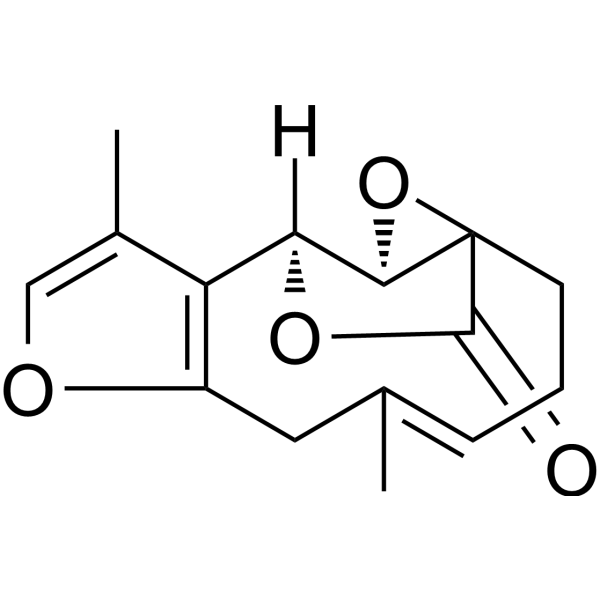
Linderane is an orally active natural sesquiterpene lactone with blood-brain barrier permeability. Linderane indirectly activates PDE3 by activating ERK/STAT3, thereby inhibiting the cAMP/PKA/CREB signaling pathway and hepatic gluconeogenesis. Linderane protects pancreatic β cells against oxidative damage by inhibiting the activation of the p38 MAPK pathway and activating the Nrf2 pathway. Linderane inhibits cell apoptosis and ameliorates intestinal mucosal inflammation by suppressing the IL-6/JAK/STAT3 signaling pathway. Linderane reduces pain sensitivity and alleviates anxiety-like behaviors by activating cannabinoid receptor 2 (CB2R). Linderane can be used in studies related to type 2 diabetes, ulcerative colitis, and chronic inflammatory pain with anxiety [3] .
loading...
    loading...
Cat. No.: HY-148706
CAS No.: 1245814-52-1
Purity:  ≥98.0%
Target:  

STAT

Research Areas:  

Infection Cancer

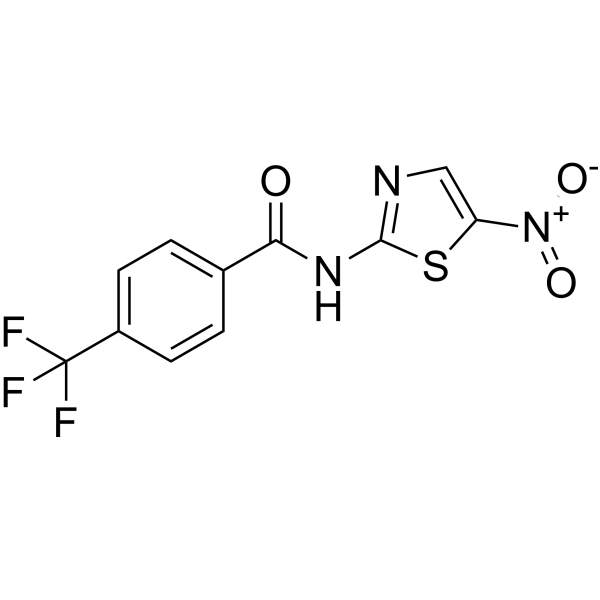
STAT3-IN-17 is a moderate STAT3 inhibitor (IC50=0.7 μM; HEK-Blue IL-6), with antiproliferative activity in HeLa cells. STAT3-IN-17 has good pharmacokinetic characteristics. STAT3-IN-17 also inhibits pyruvate-ferredoxin oxidoreductase (PFOR), and inhibits Helicobacter pylori .
loading...
    loading...
Cat. No.: HY-N0427
CAS No.: 6873-13-8
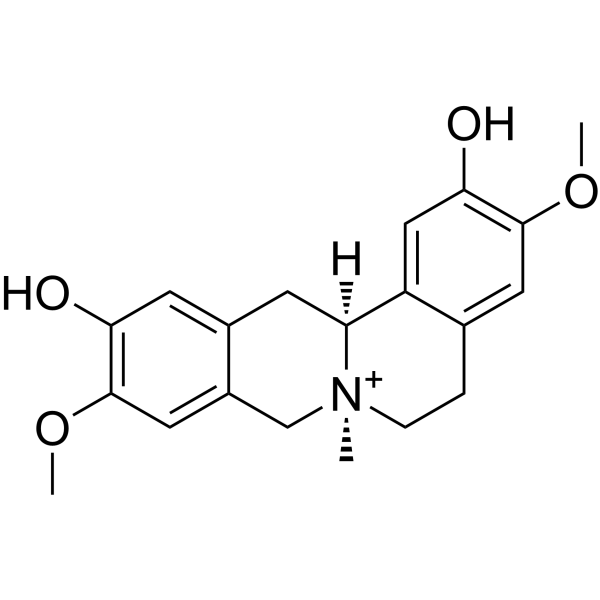
Phellodendrine is an orally active plant alkaloid. Phellodendrine inhibits the proliferation of KRAS-mutated pancreatic cancer cells by suppressing macropinocytosis and glutamine metabolism, inducing ROS accumulation and mitochondrial apoptosis. Phellodendrine promotes autophagy by activating the AMPK/mTOR pathway, alleviating intestinal damage in ulcerative colitis. Phellodendrine can alleviate gouty arthritis by inhibiting the IL-6/STAT3 signaling pathway. Phellodendrine suppresses allergic reactions by altering the conformation of MRGPRB3/MRGPRX2 protein, thereby inhibiting the activation of PKC and subsequent downstream MAPK and NF-κB signaling. Phellodendrine inhibits the AKT/NF-κB pathway and down-regulates the expression of COX-2, thereby protecting zebrafish embryos from oxidative stress. Phellodendrine has an anti-major depressive disorder (MDD) effect by down-regulating CHRM1, HTR1A, and the PI3K/Akt signaling pathway [3] [6].
loading...
    loading...
Cat. No.: HY-P99012
CAS No.: 1236278-28-6
Synonyms: ALD-518; BMS-945429
Clazakizumab (ALD-518; BMS-945429) is a monoclonal antibody inhibitor targeting IL-6 that binds to and blocks IL-6-mediated signaling (including trans-signaling), reducing STAT3 phosphorylation, innate immune cell infiltration, endothelial activation, and complement activation, thereby protecting the kidney from ischemia-reperfusion injury. Clazakizumab can be used in research on renal ischemia-reperfusion injury and obesity-related hypercoagulability [3] .
loading...
    loading...
Cat. No.: HY-N8146
CAS No.: 53729-52-5
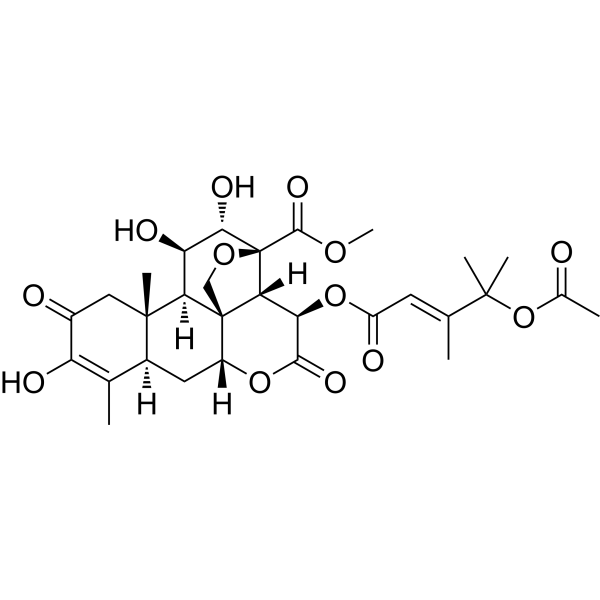
Bruceantinol is a quassinoid that can be isolated from Brucea javanica, inhibits pepper mottle virus (PepMoV) in pepper. Bruceantinol is a STAT3 inhibitor demonstrating potent antitumor activity in in vitro and in vivo human colorectal cancer (CRC) models. Bruceantinol has potent anti-leukemic activity. Bruceantinol strongly inhibits STAT3 DNA-binding ability (IC50 = 2.4 pM), blocks the constitutive and IL-6-induced STAT3 activation, and suppresses transcription of MCL-1, PTTG1, survivin and c-Myc. Bruceantinol binds with CDK2/4/6 to facilitate protein degradation through proteasome pathway. Bruceantinol can dose- and time-dependently reduces the cell growth, impede cell proliferation, disrupts the cell cycle, and induces necrosis in MCF-7 cells and apoptosis in MDA-MB-231 cells [3].
loading...
    loading...
Cat. No.: HY-N11011
CAS No.: 57423-72-0
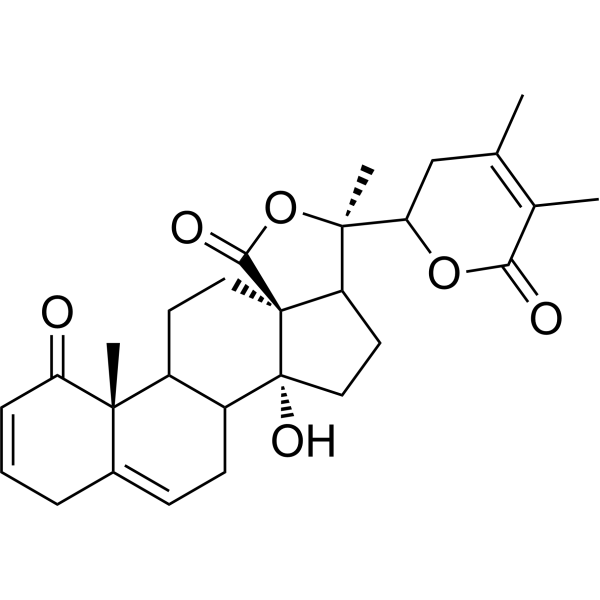
Withaphysalin A is a withanolide compound with anti-inflammatory and antioxidant activities. Withaphysalin A inhibits LPS (HY-D1056)-induced nuclear translocation of NF-κB p65, as well as phosphorylation of STAT3, ERK, JNK and p38 MAPK. Withaphysalin A upregulates the expression of HO-1. Withaphysalin A inhibits LPS-induced production of NO, PGE2, IL-1β, IL-6 and TNF-α. Withaphysalin A downregulates LPS-induced expression of iNOS and COX-2. Withaphysalin A interacts with B-cell activating factor protein (BAFF) to exert inhibitory effects. Withaphysalin A exhibits ELOVL6 inhibitory activity. Withaphysalin A can be used in the research of inflammatory diseases, nephrotic syndrome and chronic myeloid leukemia [3].
loading...
    loading...
Cat. No.: HY-N14323
CAS No.: 184877-64-3
Madindoline A is an orally active gp130 antagonist with a KD of 288 μM. Madindoline A inhibits IL-6- and IL-11-induced osteoclastogenesis, suppresses IL-6-stimulated serum amyloid A protein production, inhibits bone resorption and bone loss, and also inhibits IL-6- and IL-11-dependent cell line growth, as well as IL-6-dependent Stat3 tyrosine phosphorylation. Madindoline A is applicable for the research of hormone-dependent postmenopausal osteoporosis .
loading...
    loading...
Cat. No.: HY-N7064
CAS No.: 256-96-2
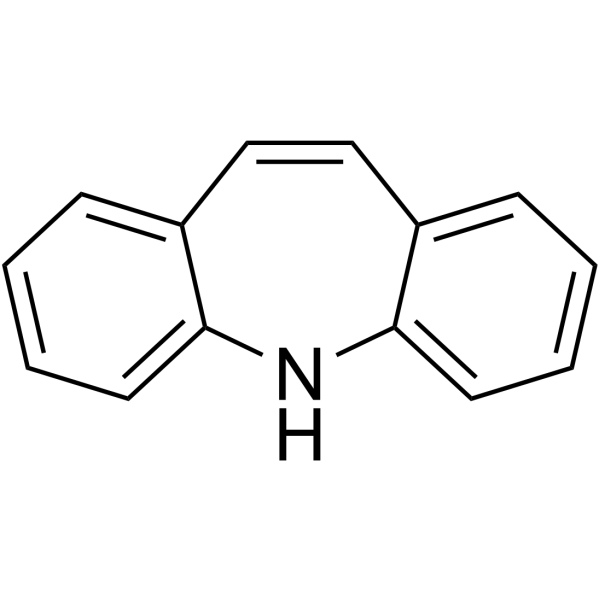
Iminostilbene is a chemical precursor of carbamazepine. Additionally, Iminostilbene is an orally active inhibitor of PKM2 (Pyruvate Kinase M2) and COX2 (Cyclooxygenase-2). Iminostilbene exerts its effects by inhibiting PKM2 and its interaction with HIF-1α and STAT3, reducing COX2 and iNOS expression, and decreasing LPS-induced release of IL-1β, IL-6, TNF-α, and MCP-1, thereby suppressing macrophage-mediated inflammatory responses and improving myocardial ischemia/reperfusion (MI/R) injury. Iminostilbene holds promise for research in inflammation regulation, cardiovascular diseases (such as MI/R injury), and macrophage-mediated immune-related diseases .
loading...
    loading...
Cat. No.: HY-N7653
CAS No.: 529-51-1
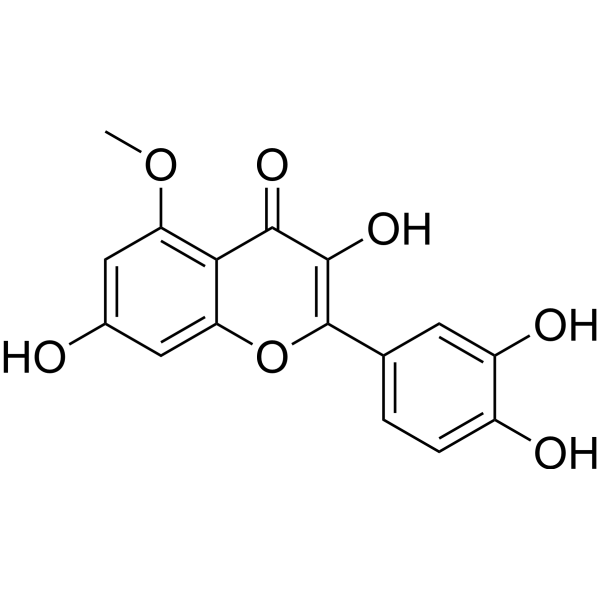
Azaleatin is an orally active inhibitor of hQC, NS2B-NS3 protease and E. coli β-glucuronidase, with IC50 values of 1.1 μM, 38.00 μg/mL and 0.57 μM, respectively. Azaleatin inhibits the activities of NF-κB, MyD88, JAK1, TLR4, STAT3, IL-1β, IL-6, COX-2, TNF-α and β-glucuronidase, blocks pro-inflammatory signaling pathways, reduces the levels of ROS, MDA and uric acid, elevates the levels of GPx, GSR, GST, SOD, CAT, HO-1 and GSH, scavenges free radicals and exerts reducing capacity. Azaleatin inhibits the expression of pro-apoptotic proteins Bax, Caspase-9 and Caspase-3, and upregulates the expression of anti-apoptotic protein Bcl-2. Azaleatin reduces the levels of cardiac injury markers, restores cardiac histological structure, inhibits Aβ aggregation, dengue protease activity, hepatic stellate cell proliferation and cancer cell growth, and also exhibits antibacterial activity. Azaleatin can be used in studies related to subchronic cardiotoxicity, Alzheimer's disease, dengue fever, hyperuricemia, liver fibrosis, gastric cancer and bacterial infections [3] [6] .
loading...
    loading...

