
1332 Results for "

L929 normal fibroblasts

" in MedChemExpress (MCE) Product Catalog:
Products (1332)

1332 Results for "L929 normal fibroblasts" in MCE Product Catalog:

20
20 Cited Publications
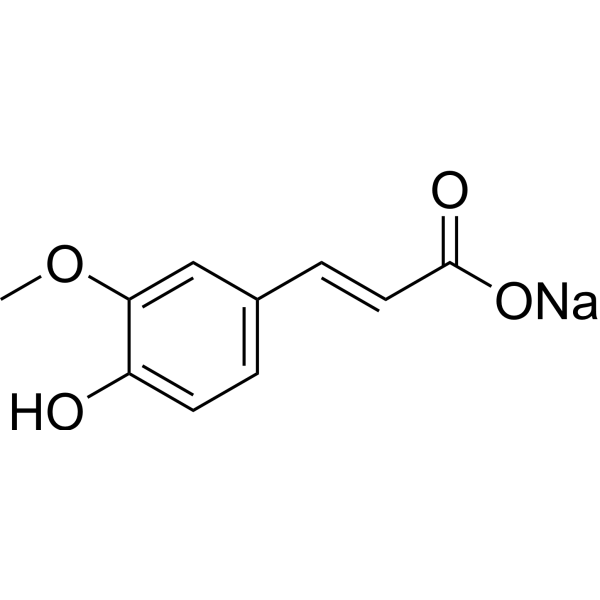
Cat. No.: HY-N0060A
CAS No.: 24276-84-4
Synonyms: Coniferic acid sodium
Ferulic acid sodium is a novel fibroblast growth factor receptor 1 (FGFR1) inhibitor with IC50s of 3.78 and 12.5 μM for FGFR1 and FGFR2, respectively.
loading...
    loading...
19
19 Cited Publications
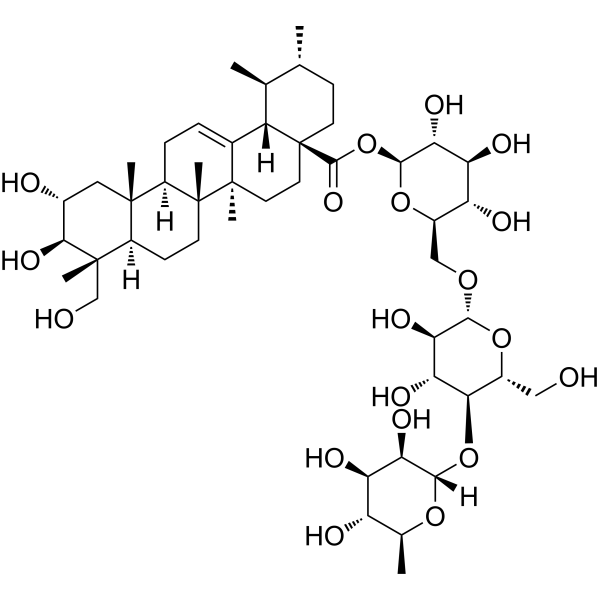
Cat. No.: HY-N0439
CAS No.: 16830-15-2
Asiaticoside, a trisaccaride triterpene from Centella asiatica, suppresses TGF-β/Smad signaling through inducing Smad7 and inhibiting TGF-βRI and TGF-βRII in keloid fibroblasts; Asiaticoside shows antioxidant, anti-inflammatory, and anti-ulcer properties.
loading...
    loading...
18
18 Cited Publications
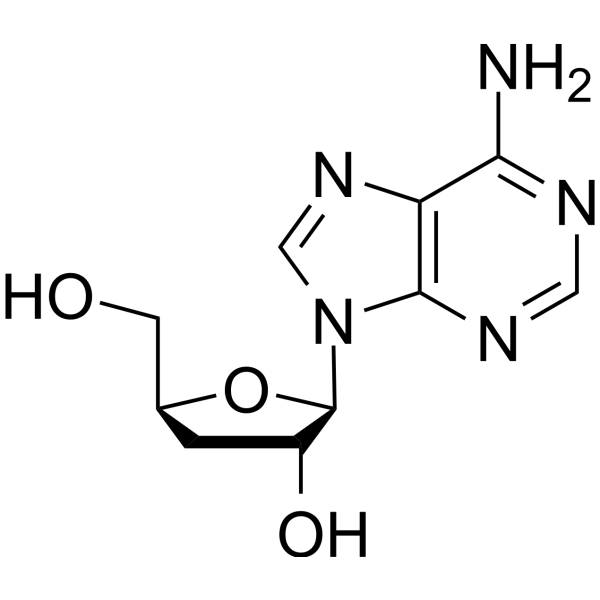
Cat. No.: HY-N0262
CAS No.: 73-03-0
Synonyms: 3'-Deoxyadenosine
Cordycepin (3'-Deoxyadenosine) is a nucleoside derivative and inhibits IL-1β-induced MMP-1 and MMP-3 expression in rheumatoid arthritis synovial fibroblasts (RASFs) in a dose-dependent manner . Cordycepin kills Mycobacterium tuberculosis through hijacking the bacterial adenosine kinase .
loading...
    loading...
17
17 Cited Publications
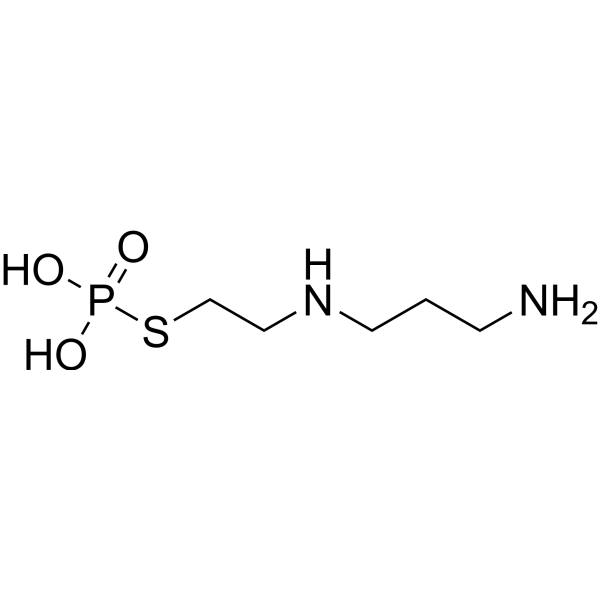
Cat. No.: HY-B0639
CAS No.: 20537-88-6
Synonyms: WR2721
Research Areas:  

Cancer

Amifostine (WR2721) is a broad-spectrum cytoprotective agent and a radioprotector. Amifostine selectively protects normal tissues from damage caused by radiation and chemotherapy. Amifostine is potent hypoxia-inducible factor-α1 (HIF-α1) and p53 inducer. Amifostine protects cells from damage by scavenging oxygen-derived free radicals. Amifostine reduces renal toxicity and has antiangiogenic action .
loading...
    loading...
17
17 Cited Publications
Cat. No.: HY-B0639A
CAS No.: 112901-68-5
Synonyms: WR2721 trihydrate
Research Areas:  

Cancer

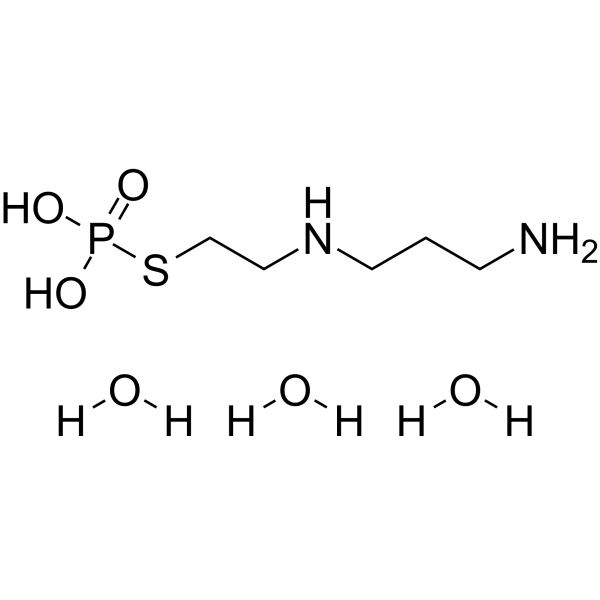
Amifostine trihydrate (WR2721 trihydrate) is a broad-spectrum cytoprotective agent and a radioprotector. Amifostine trihydrate selectively protects normal tissues from damage caused by radiation and chemotherapy. Amifostine trihydrate is potent hypoxia-inducible factor-α1 (HIF-α1) and p53 inducer. Amifostine trihydrate protects cells from damage by scavenging oxygen-derived free radicals. Amifostine trihydrate reduces renal toxicity and has antiangiogenic action .
loading...
    loading...
16
16 Cited Publications
Cat. No.: HY-16657
CAS No.: 163847-77-6
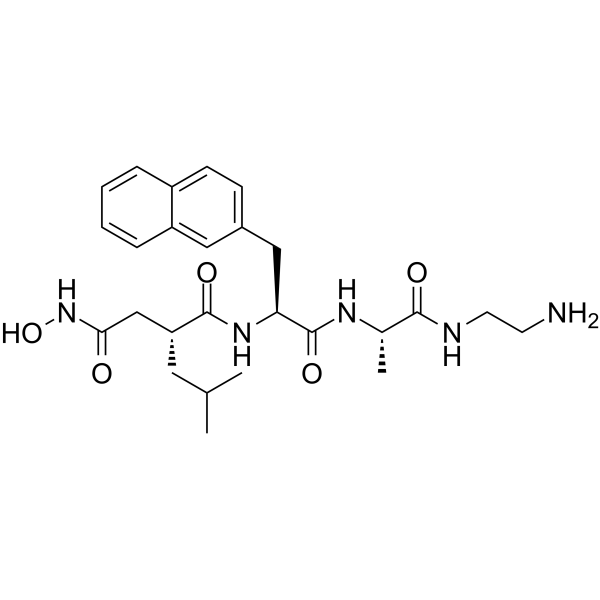
TAPI-1 is a broad-spectrum MMP inhibitor and NF-κB p65 inhibitor that targets ADAM17/TACE, ADAM10 and other proteins. TAPI-1 reduces the proteolytic cleavage of membrane-bound TNF-α, decreases TNF-α levels, inhibits NF-κB pathway activation, and downregulates profibrotic markers. TAPI-1 reduces the proportion of proinflammatory immune cells, alleviates cardiac and airway fibrosis, and improves cardiac function after myocardial infarction. Meanwhile, TAPI-1 inhibits the viability, migration and invasion of esophageal squamous cell carcinoma cells, enhances the chemosensitivity of Cisplatin (HY-17394), induces apoptosis, and shows low toxicity to normal esophageal epithelial cells. TAPI-1 can be widely used in studies related to myocardial infarction-induced heart failure, severe traumatic tracheal stenosis, esophageal squamous cell carcinoma and other conditions .
loading...
    loading...
13
13 Cited Publications
Cat. No.: HY-14187
CAS No.: 1951-25-3
Purity:  98.32%
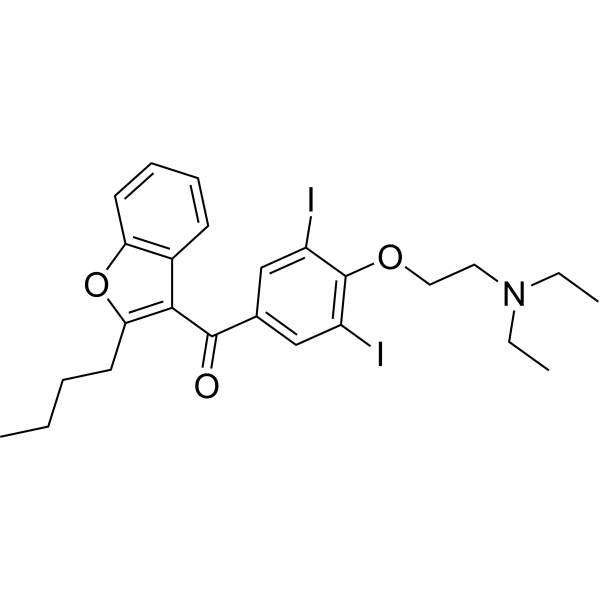
Amiodarone, a benzofuran-based Class III antiarrhythmic agent, inhibits WT outward ionic current (IhERG) tails with an IC50 of ∼45 nM . Amiodarone induces cell proliferation and myofibroblast differentiation via ERK1/2 and p38 MAPK signaling in fibroblasts . Amiodarone can be used in the research of both supraventricular and ventricular arrhythmias .
loading...
    loading...
13
13 Cited Publications
Cat. No.: HY-14188
CAS No.: 19774-82-4
Purity:  99.86%
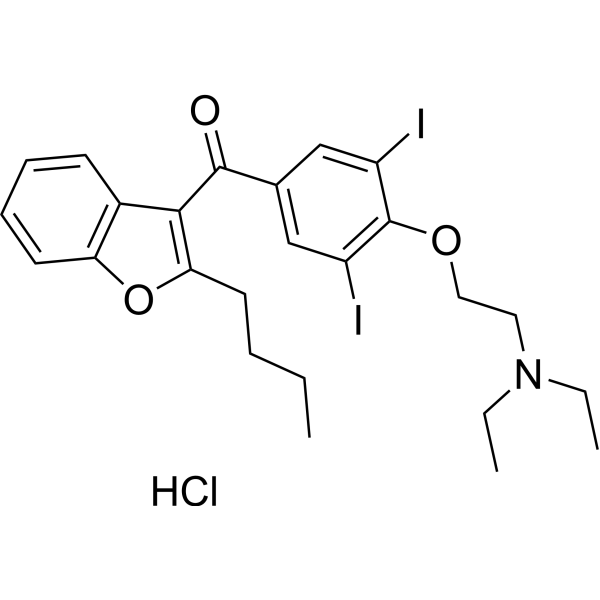
Amiodarone hydrochloride, a benzofuran-based Class III antiarrhythmic agent, inhibits WT outward ionic current (IhERG) tails with an IC50 of ∼45 nM . Amiodarone hydrochloride induces cell proliferation and myofibroblast differentiation via ERK1/2 and p38 MAPK signaling in fibroblasts . Amiodarone hydrochloride can be used in the research of both supraventricular and ventricular arrhythmias .
loading...
    loading...
13
13 Cited Publications
Cat. No.: HY-15650
CAS No.: 1561178-17-3
Purity:  99.68%
Research Areas:  

Cancer

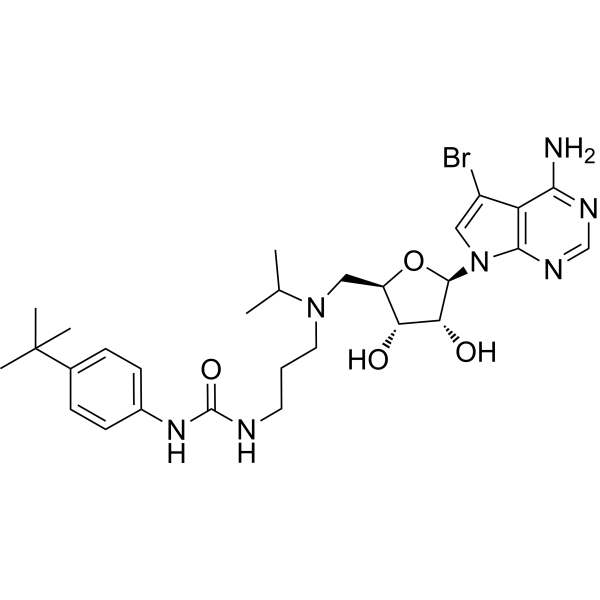
SGC0946 is a selective DOT1L inhibitor with an IC50 value of 0.3 nM. By inhibiting DOT1L, SGC0946 can induce G1 phase arrest, suppress cell self-renewal and metastatic potential, and induce cell differentiation in cancer cells. SGC0946 can be used in the research of tumors such as leukemia and breast cancer, and also serves as a probe to further investigate the cellular mechanisms of DOT1L in normal and diseased cells .
loading...
    loading...
12
12 Cited Publications
Cat. No.: HY-116084
CAS No.: 1184-78-7
Purity:  ≥98.0%
Trimethylamine N-oxide is a gut microbe-dependent metabolite of dietary choline and other trimethylamine-containing nutrients. Trimethylamine N-oxide induces inflammation by activating the ROS/NLRP3 inflammasome. Trimethylamine N-oxide also accelerates fibroblast-myofibroblast differentiation and induces cardiac fibrosis by activating the TGF-β/smad2 signaling pathway .
loading...
    loading...
12
12 Cited Publications
Cat. No.: HY-108915
CAS No.: 62637-93-8
Purity:  ≥98.0%
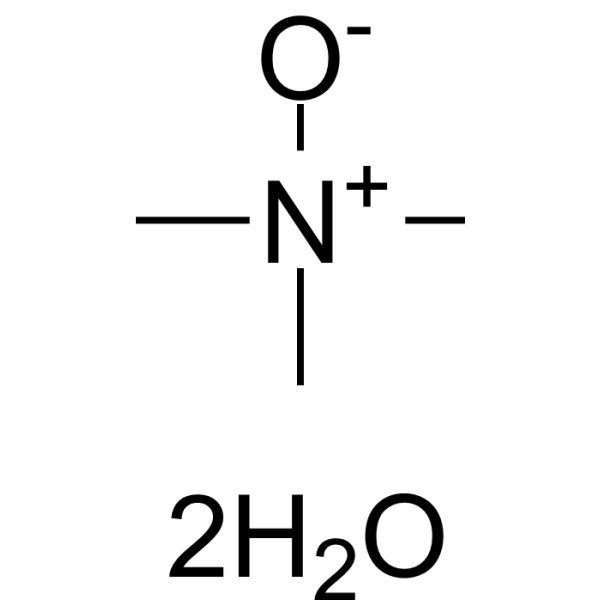
Trimethylamine N-oxide dihydrate is a gut microbe-dependent metabolite of dietary choline and other trimethylamine-containing nutrients. Trimethylamine N-oxide dihydrate induces inflammation by activating the ROS/NLRP3 inflammasome. Trimethylamine N-oxide dihydrate also accelerates fibroblast-myofibroblast differentiation and induces cardiac fibrosis by activating the TGF-β/smad2 signaling pathway .
loading...
    loading...
12
12 Cited Publications
Cat. No.: HY-K3001

DMEM (Dulbecco's Modified Eagle Medium) is a widely used basal medium for supporting the growth of many different mammalian cells. Cell lines successfully cultured in DMEM include Hela, 293, Cos-7, and PC-12, as well as primary fibroblasts, neurons, glial cells, HUVECs, and smooth muscle cells. The 500 mL is defined as the base specification. All larger sizes correspond to incremental volumes of this base.

loading...
    loading...
11
11 Cited Publications
Cat. No.: HY-136278
CAS No.: 146724-94-9
Purity:  98.10%
Synonyms: Diethylamine NONOate; NOC-18
Target:  

NO Synthase

Research Areas:  

Cardiovascular Disease

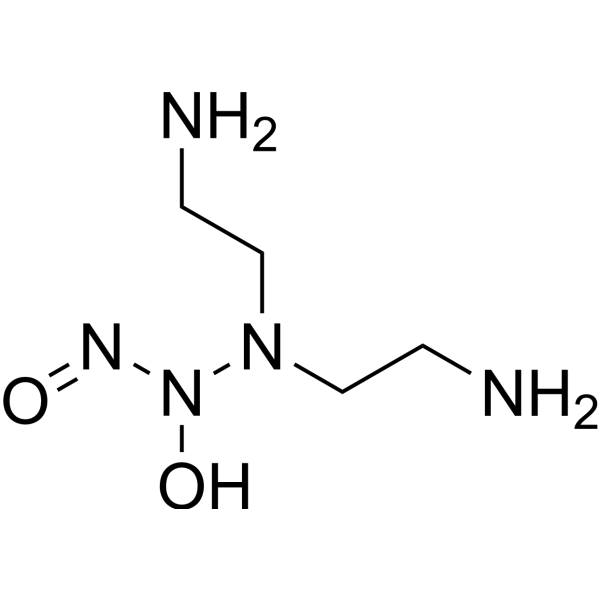
DETA NONOate (NOC 18) is an exogenous nitric oxide (NO) donor. DETA NONOate shows a slow release normal amounts of NO and long-acting .
loading...
    loading...
11
11 Cited Publications
Cat. No.: HY-12823
CAS No.: 1538604-68-0
Purity:  99.97%
Target:  

FGFR

Research Areas:  

Cancer

BLU9931 is a potent, highly selective, and irreversible fibroblast growth factor receptor 4 (FGFR4) inhibitor with an IC50 of 3 nM and a Kd of 6 nM. BLU9931 has significant antitumor activity .
loading...
    loading...
11
11 Cited Publications
Cat. No.: HY-12682
CAS No.: 311795-38-7
Purity:  99.88%
Synonyms: Compound 968
Target:  

Glutaminase

Research Areas:  

Cancer

Glutaminase C-IN-1 (Compound 968) is an allosteric inhibitor of Glutaminase C that inhibits cancer cell growth without affecting their normal cellular counterparts .
loading...
    loading...
11
11 Cited Publications
Cat. No.: HY-B1777
CAS No.: 71-44-3
Synonyms: NSC 268508; Neuridine
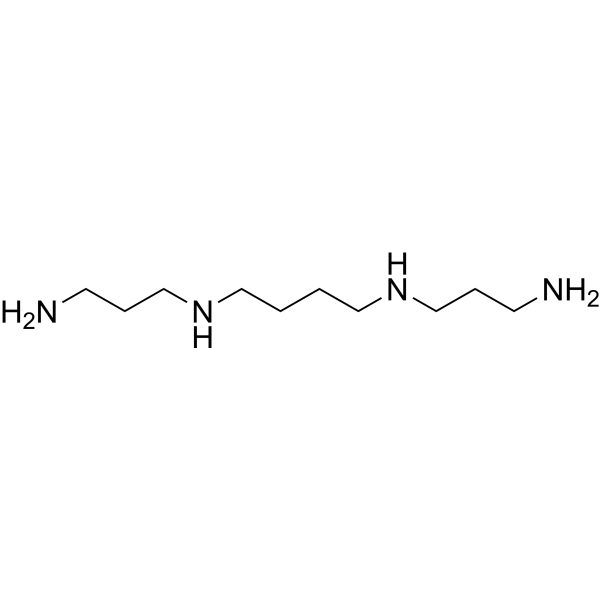
Spermine is a natural antioxidant and anti-inflammatory agent. Spermine is known to inhibit some bacterial cultures, especially strains of Staphylococcus aureus. Spermine can reversibly inhibits DNA synthetic response, mixed lymphocyte response and the induction of cytolytic lymphocyte response in primary cultures of murine spleen cells. Spermine is a polyamine nitric oxide donor that can provide nitric oxide to platelets and inhibit platelet activation to a certain extent concentration-dependently. Spermine occurs in mammalian tissues, plants, bacteria, ribosomes and bacteriophage. Spermine inhibits primary human embryo lung fibroblasts in vitro .
loading...
    loading...
11
11 Cited Publications
Cat. No.: HY-B1777A
CAS No.: 306-67-2
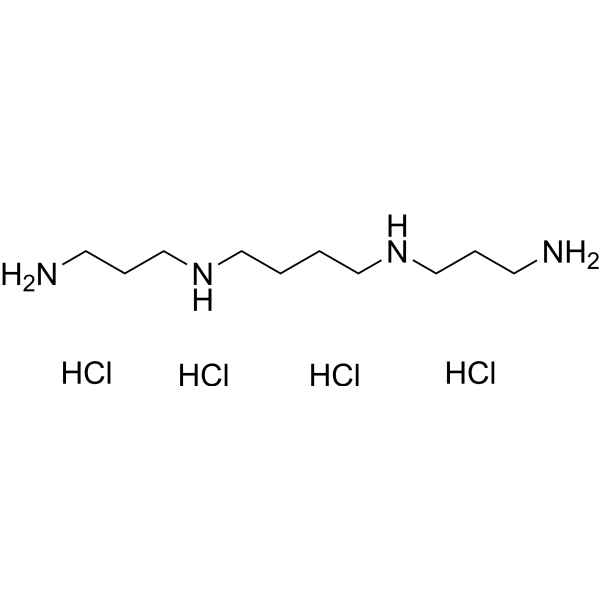
Spermine tetrahydrochloride is a polyamine nitric oxide donor that can provide nitric oxide to platelets and inhibit platelet activation to a certain extent concentration-dependently. Spermine tetrahydrochloride occurs in mammalian tissues, plants, bacteria, ribosomes and bacteriophage. Spermine tetrahydrochloride inhibits primary human embryo lung fibroblasts in vitro. Spermine is a natural antioxidant and anti-inflammatory agent. Spermine is known to inhibit some bacterial cultures, especially strains of Staphylococcus aureus. Spermine induces neurotoxicity in the striarum dose-dependently. Spermine can reversibly inhibits DNA synthetic response, mixed lymphocyte response and the induction of cytolytic lymphocyte response in primary cultures of murine spleen cells .
loading...
    loading...
10
10 Cited Publications
Cat. No.: HY-129241
CAS No.: 330834-54-3
Purity:  99.33%
AGX51 is a pan-Id (inhibitors of DNA-binding/differentiation proteins) antagonist that disrupts ID-E protein interactions, thereby triggering ubiquitin-mediated proteasomal degradation of ID1, ID2, ID3 and ID4. AGX51 induces ROS production, G0/G1 cell cycle arrest, non-apoptotic cell death, and regulates EMT-related proteins. AGX51 reduces the proliferation, migration and myofibroblast differentiation of lung fibroblasts, alleviates pulmonary fibrosis, inhibits cancer cell viability and tumor growth, impairs neovascularization, and shows no obvious toxicity in mice. AGX51 can be used in research related to idiopathic pulmonary fibrosis, triple-negative breast cancer, breast cancer, pancreatic ductal adenocarcinoma, colorectal tumors, wet age-related macular degeneration and retinopathy of prematurity .
loading...
    loading...
9
9 Cited Publications
Cat. No.: HY-N2334
CAS No.: 640-79-9
Synonyms: Chenodeoxycholylglycine
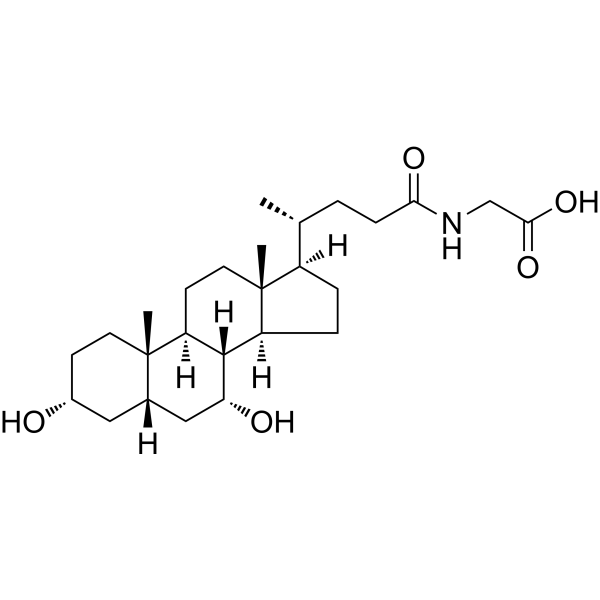
Glycochenodeoxycholic acid (Chenodeoxycholylglycine) is a relatively toxic bile salt generated in the liver from chenodeoxycholic acid and glycine. Glycochenodeoxycholic acid inhibits Autophagosome formation and impairs lysosomal function by inhibiting lysosomal proteolysis and increasing lysosomal pH in human normal liver cells, leading to the Apoptosis of human hepatocyte cells. Glycochenodeoxycholic acid induces stemness and chemoresistance via activating STAT3 signaling pathway in hepatocellular carcinoma cells (HCC). Glycochenodeoxycholic acid is promising for research in the field of cholestasis desease, hepatocellular carcinoma and primary sclerosing cholangitis (PSC) .
loading...
    loading...
9
9 Cited Publications
Cat. No.: HY-N2334A
CAS No.: 16564-43-5
Synonyms: Chenodeoxycholylglycine sodium salt; Sodium glycochenodeoxycholate
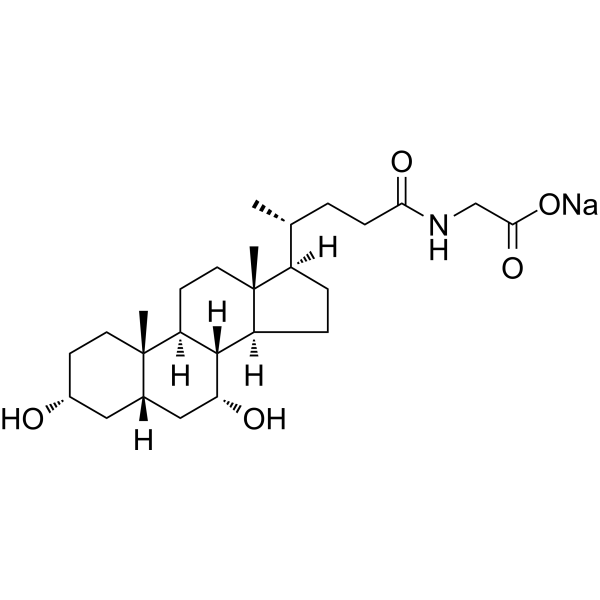
Glycochenodeoxycholic acid sodium salt (Sodium glycochenodeoxycholate) is a relatively toxic bile salt generated in the liver from chenodeoxycholic acid and glycine. Glycochenodeoxycholic acid sodium salt inhibits Autophagosome formation and impairs lysosomal function by inhibiting lysosomal proteolysis and increasing lysosomal pH in human normal liver cells, leading to the Apoptosis of human hepatocyte cells. Glycochenodeoxycholic acid sodium salt induces stemness and chemoresistance via activating STAT3 signaling pathway in hepatocellular carcinoma cells (HCC). Glycochenodeoxycholic acid sodium salt is promising for research in the field of cholestasis desease, hepatocellular carcinoma and primary sclerosing cholangitis (PSC) .
loading...
    loading...

