957 Results for "

affective

" in MedChemExpress (MCE) Product Catalog:
Products (957)

957 Results for "affective" in MCE Product Catalog:

13
13 Cited Publications
Cat. No.: HY-N0728A
CAS No.: 822-18-4
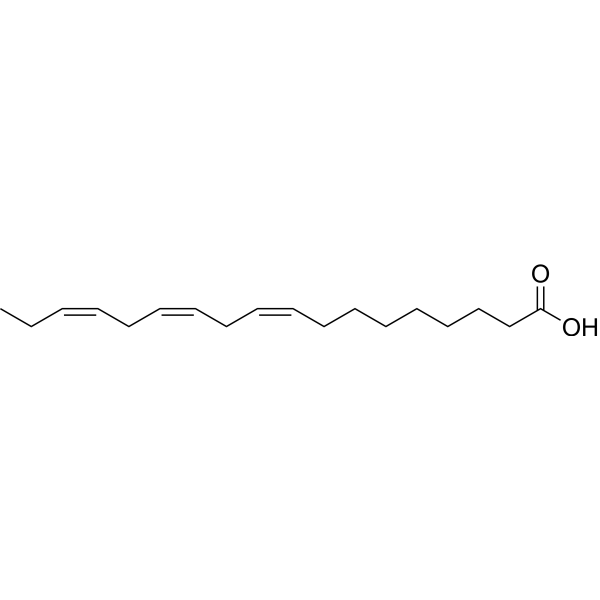
Synonyms: ALA; C18:3 (9Z,12Z,15Z); C18:3 n-3
α-Linolenic acid sodium (ALA; C18:3 (9Z,12Z,15Z); C18:3 n-3) is an essential fatty acid that cannot be synthesized by humans. α-Linolenic acid sodium can affect the process of thrombotic through the modulation of PI3K/Akt signaling. α-Linolenic acid sodium possess the anti-arrhythmic properties and is related to cardiovascular disease and cancer .
loading...
    loading...
13
13 Cited Publications
Cat. No.: HY-N0728
CAS No.: 463-40-1
Synonyms: ALA free base; C18:3 (9Z,12Z,15Z) free base; C18:3 n-3 free base
α-Linolenic acid (ALA (free base); C18:3 (9Z,12Z,15Z) (free base); C18:3 n-3 (free base)) is an essential fatty acid that cannot be synthesized by humans. α-Linolenic acid can affect the process of thrombotic through the modulation of PI3K/Akt signaling. α-Linolenic acid possess the anti-arrhythmic properties and is related to cardiovascular disease and cancer .
loading...
    loading...
12
12 Cited Publications
Cat. No.: HY-B1232
CAS No.: 54-36-4
Synonyms: Su-4885
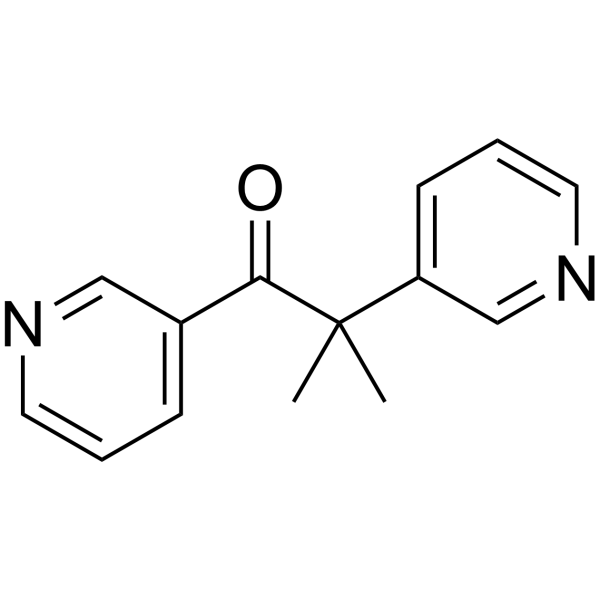
Metyrapone (Su-4885) is a potent and orally active 11β-hydroxylase inhibitor and an autophagy activator, also inhibits the production of aldosterone. Metyrapone inhibits synthesis of endogenous adrenal corticosteroid, decreases glucocorticoid levels, and also affects behavior and emotion. In addition, Metyrapone increases the efficiency of autophagic process via downregulation of mTOR pathway, and interacts with Pseudomonas putida cytochrome P-450. Metyrapone can be used for researching Cushing's syndrome and depression .
loading...
    loading...
11
11 Cited Publications
Cat. No.: HY-16931
CAS No.: 340316-62-3
Target:  

Arp2/3 Complex

Research Areas:  

Cancer

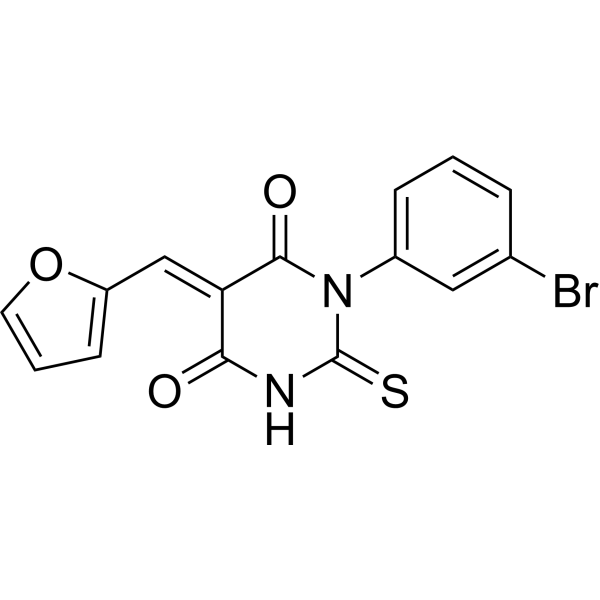
SMIFH2 is a formin specific inhibitor. SMIFH2 inhibits actin polymerization by Formins and affects the actin cytoskeleton .
loading...
    loading...
11
11 Cited Publications
Cat. No.: HY-B0112
CAS No.: 38304-91-5
Synonyms: U10858
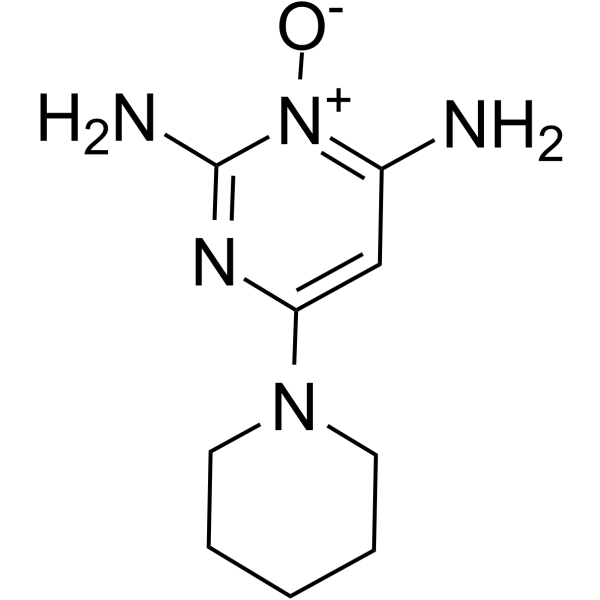
Minoxidil (U10858) is an ATP-sensitive potassium (KATP) channel opener, a potent oral antihypertensive agent and a peripheral vasodilator that promotes vasodilation also affects hair growth. Minoxidil is also a potent inhibitor of soybean lipoxygenaseare with an IC50 of 20 μM .
loading...
    loading...
11
11 Cited Publications
Cat. No.: HY-F0001
CAS No.: 606-68-8
Synonyms: Disodium NADH
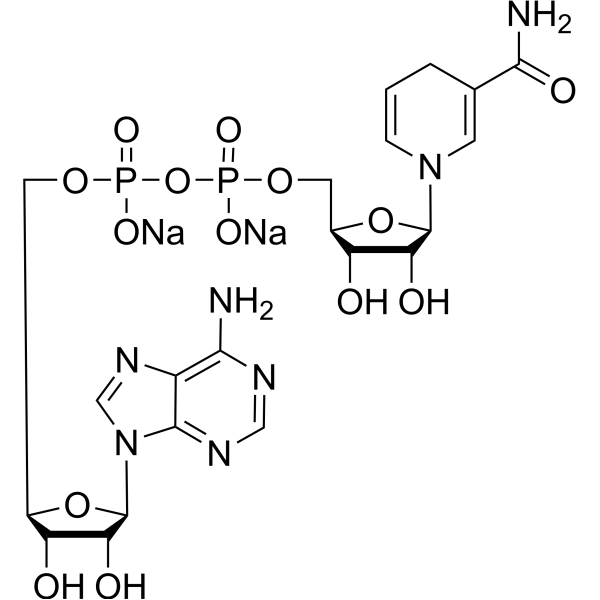
NADH disodium salt (Disodium NADH) is an orally effective reduced coenzyme. NADH disodium salt plays a role in regenerating electron donors during cellular energy metabolism, including glycolysis, β-oxidation, and the tricarboxylic acid (TCA) cycle. NADH disodium salt regulates calcium homeostasis by promoting the opening of IP3-gated Ca 2+ channels and inhibiting Ryanodine receptor, and affects mitochondrial function through direct interaction with VDAC. NADH disodium salt is used in cytoprotective studies related to cerebral ischemic injury, neurodegenerative diseases, aging, and signal transduction .
loading...
    loading...
8
8 Cited Publications
Cat. No.: HY-14262
CAS No.: 163521-12-8
Purity:  99.84%
Synonyms: EMD 68843; SB659746A
Research Areas:  

Neurological Disease

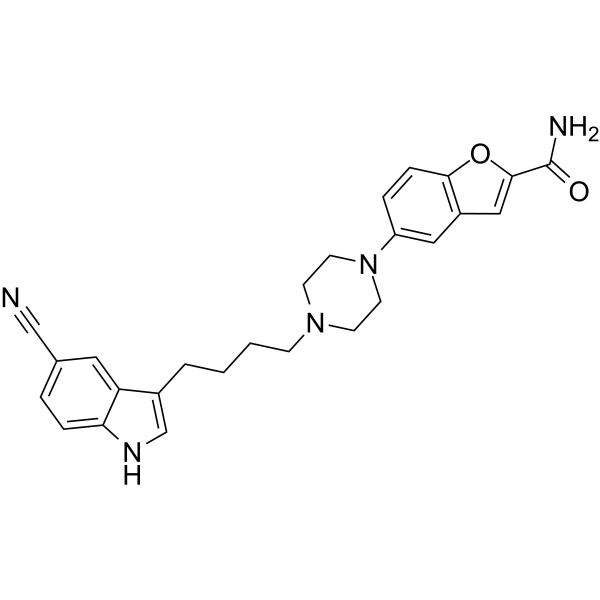
Vilazodone (EMD 68843; SB 659746A) is a potent, selective and orally active serotonin reuptake inhibitor (SSRI) and partial 5-HT1A receptor agonist. Vilazodone exhibits antidepressant efficacy in vivo can be used for the research of major depressive disorder (MDD) and affective disorders .
loading...
    loading...
8
8 Cited Publications
Cat. No.: HY-14197
CAS No.: 17780-72-2
Purity:  99.76%
Synonyms: M&B 9302
Clorgyline (M&B 9302) is a selective, irreversible monoamine oxidase A (MAO-A) inhibitor that can cross the blood-brain barrier and exhibits activity against the 5-HT Receptor at very high doses. Clorgyline regulates monoamine neurotransmitter levels, the release of dopamine and acetylcholine, the uptake and effects of Tyramine (HY-W007606), noradrenergic function, circadian locomotor activity rhythms, feeding behavior, and body weight. Clorgyline induces tumor-suppressive transcriptional programs, secretory differentiation, androgen signaling regulation, Bcl-2 expression, and radioprotective effects in non-malignant cells. Clorgyline is used in the research of high-grade prostate cancer, Huntington's disease, major affective disorder, radiation-induced normal tissue toxicity, and obesity .
loading...
    loading...
8
8 Cited Publications
Cat. No.: HY-14197A
CAS No.: 17780-75-5
Purity:  99.92%
Synonyms: M&B 9302 hydrochloride
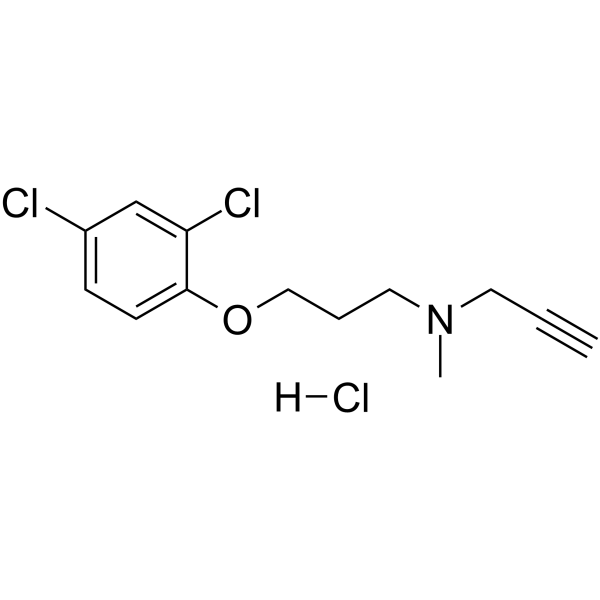
Clorgyline hydrochloride (M&B 9302 hydrochloride) is a selective, irreversible monoamine oxidase A (MAO-A) inhibitor that can cross the blood-brain barrier and exhibits activity against the 5-HT Receptor at very high doses. Clorgyline hydrochloride regulates monoamine neurotransmitter levels, the release of dopamine and acetylcholine, the uptake and effects of Tyramine (HY-W007606), noradrenergic function, circadian locomotor activity rhythms, feeding behavior, and body weight. Clorgyline hydrochloride induces tumor-suppressive transcriptional programs, secretory differentiation, androgen signaling regulation, Bcl-2 expression, and radioprotective effects in non-malignant cells. Clorgyline hydrochloride is used in the research of high-grade prostate cancer, Huntington's disease, major affective disorder, radiation-induced normal tissue toxicity, and obesity .
loading...
    loading...
7
7 Cited Publications
Cat. No.: HY-128868G
CAS No.: 60842-46-8
FITC-Dextran (MW 150000) is a fluorescent probe for fluorescein isothiocyanate (FITC) dextran (Ex=491 nm; Em=518 nm). FITC-Dextran (MW 150000) can be used as a marker to reveal heat shock-induced cell damage and to study the early and late stages of apoptosis. FITC-Dextran (MW 150000) can be used in perfusion studies in animals or in fluorescence microlymphography, to study processes that affect the permeability of the blood brain barrier (BBB) . FITC-Dextran (MW 150000) can be used as fluorescent probe to study cell permeability .
loading...
    loading...
7
7 Cited Publications
Cat. No.: HY-B1692
CAS No.: 15985-39-4
Synonyms: MSX; MSO
Target:  

Glutaminase

Research Areas:  

Neurological Disease

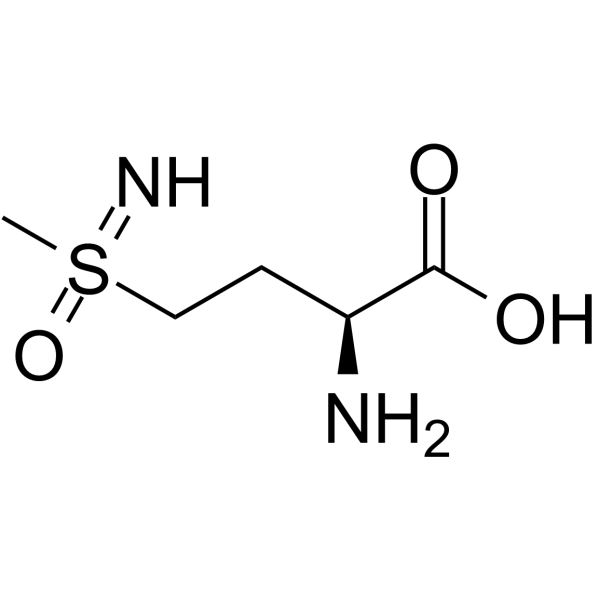
L-Methionine-DL-sulfoximine (MSX; MSO), a highly specific and irreversible inhibitor of Glutamine synthetase (GS), is also a potent convulsant which metabolically and morphologically primarily affects astroglia. L-Methionine-DL-sulfoximine has been employed to inhibit the Gln-dependent ammonia-stimulated neuronal toxicity in vitro, potentiating Gln deficit-dependent depression. L-Methionine-DL-sulfoximine tremendously increases the rate of release of fixed nitrogen in cyanobacteria. L-Methionine-DL-sulfoximine is a promising candidate for research in biofertilizers and convulsive seizures (CS) .
loading...
    loading...
6
6 Cited Publications
Cat. No.: HY-B1946
CAS No.: 60-51-5
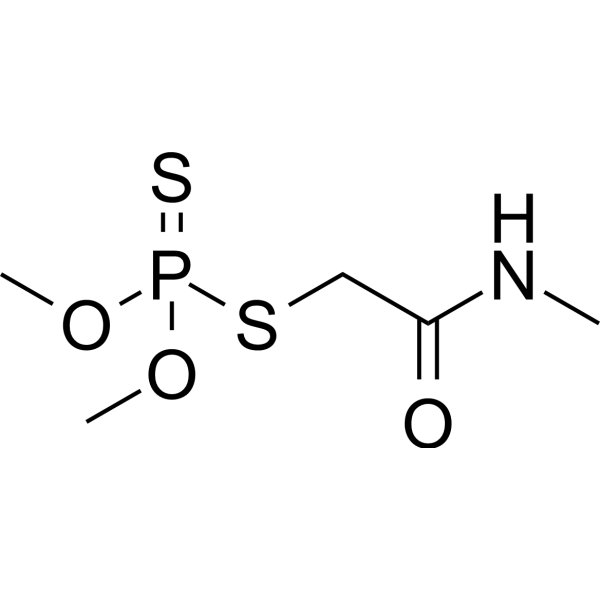
Dimethoate is an organophosphate insecticide and acaricide. Dimethoate is an orally active acetylcholinesterase inhibitor. Dimethoate induces reactive oxygen species (ROS). Dimethoate induces DNA damage and cell apoptosis in vivo. Dimethoate affect immune system in mice .
loading...
    loading...
6
6 Cited Publications
Cat. No.: HY-D0185
CAS No.: 312693-72-4
Target:  

Endogenous Metabolite

Research Areas:  

Metabolic Disease

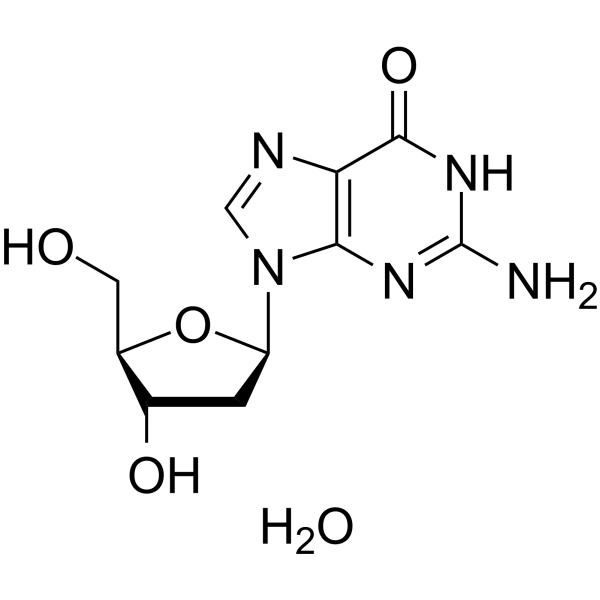
2'-Deoxyguanosine monohydrate is a nucleoside composed of guanine and 2'-deoxyribose, and it is one of the basic structural units of DNA. The oxidation products of 2'-Deoxyguanosine monohydrate may participate in DNA damage, which in turn may affect gene expression or induce cancer .
loading...
    loading...
6
6 Cited Publications
Cat. No.: HY-151361
CAS No.: 2417674-27-0
Purity:  98.00%
Target:  

AMPK

Research Areas:  

Cancer

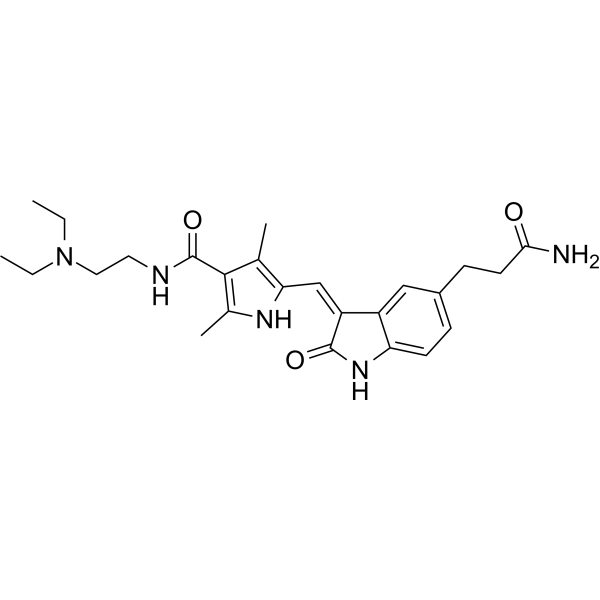
AMPK-IN-3 (compound 67) is a potent and selective AMPK inhibitor with IC50s of 60.7, 107 and 3820 nM for AMPK (α2), AMPK (α1) and KDR, respectively. AMPK-IN-3 inhibits AMPK does not affect cell viability or cause significant cytotoxicity in K562 cells. AMPK-IN-3 can be used in study of cancer .
loading...
    loading...
5
5 Cited Publications
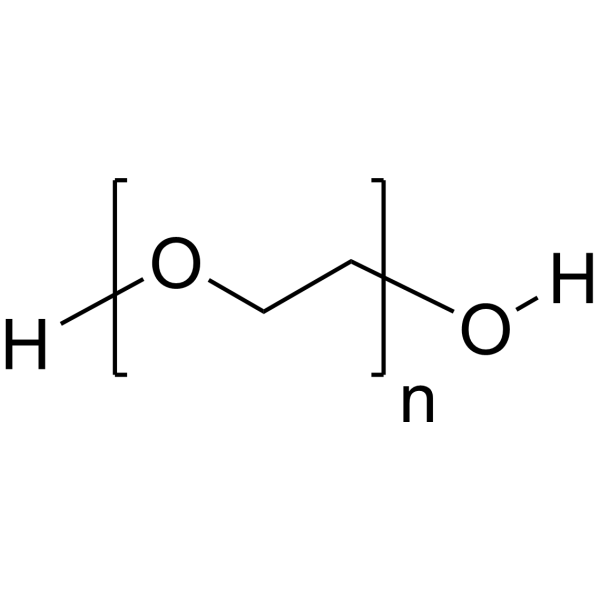
Cat. No.: HY-Y0873I
CAS No.: 25322-68-3
Synonyms: Polyethylene glycol 6000
PEG6000 can be used as an excipient, such as Ointment base, lubricant, etc. Pharmaceutical excipients, or pharmaceutical auxiliaries, refer to other chemical substances used in the pharmaceutical process other than pharmaceutical ingredients. Pharmaceutical excipients generally refer to inactive ingredients in pharmaceutical preparations, which can improve the stability, solubility and processability of pharmaceutical preparations. Pharmaceutical excipients also affect the absorption, distribution, metabolism, and elimination (ADME) processes of co-administered drugs .
loading...
    loading...
5
5 Cited Publications
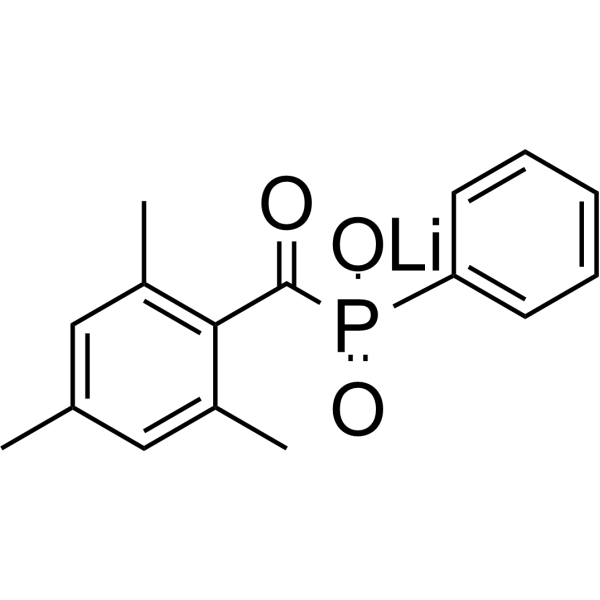
Cat. No.: HY-44076
CAS No.: 85073-19-4
Synonyms: Lithium phenyl-2,4,6-trimethylbenzoylphosphinate
LAP (Lithium phenyl-2,4,6-trimethylbenzoylphosphinate) is a free radical initiator. The free radicals produced by LAP under bioprinting conditions are potentially cytotoxic and mutagenic. In addition, the concentration of LAP affects the mechanical strength of 3D printed scaffolds. Generally, the concentration range of LAP used for curing is 0.05%-1%. The elastic modulus produced at a concentration of 0.1% is the highest, with enhanced mechanical properties and excellent biocompatibility .
loading...
    loading...
5
5 Cited Publications
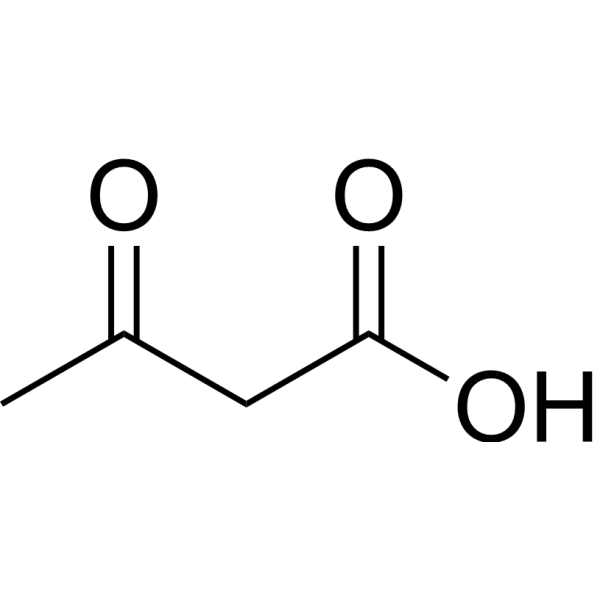
Cat. No.: HY-112540
CAS No.: 541-50-4
Acetoacetic acid is an oxidative stress inducer that affects the antioxidant enzyme system and lipoprotein metabolism. Acetoacetic acid induces oxidative stress by decreasing the mRNA expression and activity of superoxide dismutase (SOD), catalase (CAT), and glutathione peroxidase (GSH-Px), increasing MDA content, and inhibiting very low density lipoprotein (VLDL) assembly by downregulating apolipoprotein ApoB100, ApoE, and low density lipoprotein receptor (LDLR), leading to triglyceride (TG) accumulation in hepatocytes. Acetoacetic acid can be used to study metabolic diseases .
loading...
    loading...
5
5 Cited Publications
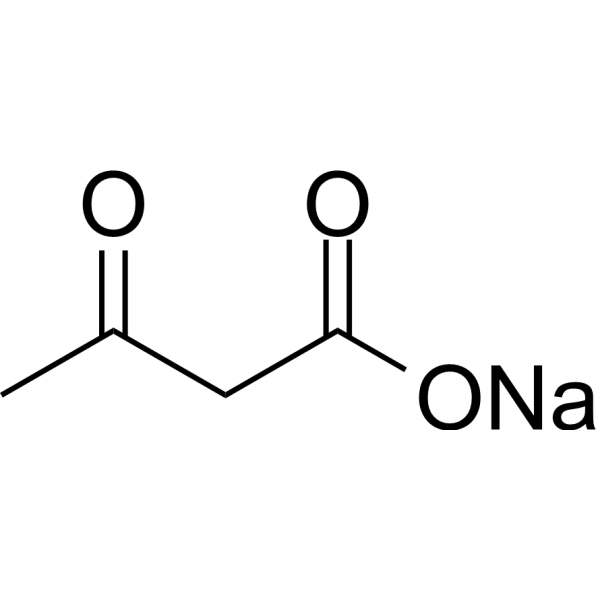
Cat. No.: HY-112540B
CAS No.: 623-58-5
Purity:  ≥98.0%
Acetoacetic acid sodium is an oxidative stress inducer that affects the antioxidant enzyme system and lipoprotein metabolism. Acetoacetic acid sodium induces oxidative stress by decreasing the mRNA expression and activity of superoxide dismutase (SOD), catalase (CAT), and glutathione peroxidase (GSH-Px), increasing MDA content, and inhibiting very low density lipoprotein (VLDL) assembly by downregulating apolipoprotein ApoB100, ApoE, and low density lipoprotein receptor (LDLR), leading to triglyceride (TG) accumulation in hepatocytes. Acetoacetic acid sodium can be used to study metabolic diseases .
loading...
    loading...
5
5 Cited Publications
Cat. No.: HY-112540A
CAS No.: 3483-11-2
Purity:  ≥98.0%
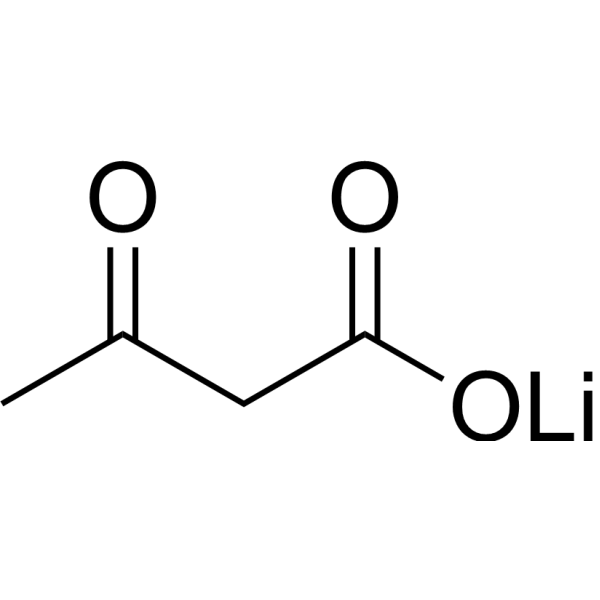
Acetoacetic acid lithium is an oxidative stress inducer that affects the antioxidant enzyme system and lipoprotein metabolism. Acetoacetic acid lithium induces oxidative stress by decreasing the mRNA expression and activity of superoxide dismutase (SOD), catalase (CAT), and glutathione peroxidase (GSH-Px), increasing MDA content, and inhibiting very low density lipoprotein (VLDL) assembly by downregulating apolipoprotein ApoB100, ApoE, and low density lipoprotein receptor (LDLR), leading to triglyceride (TG) accumulation in hepatocytes. Acetoacetic acid lithium can be used to study metabolic diseases .
loading...
    loading...
4
4 Cited Publications
Cat. No.: HY-W040821
CAS No.: 454-29-5
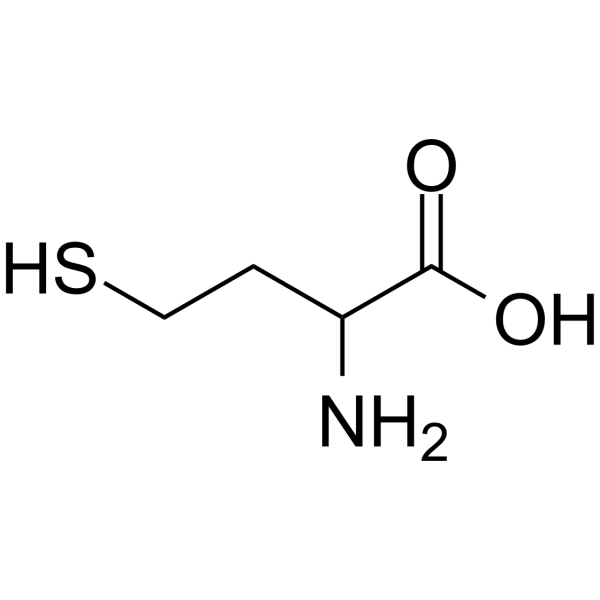
DL-Homocysteine is a weak neurotoxin, and can affect the production of kynurenic acid in the brain. DL-Homocysteine is correlated with Vitamin B12, renal functions and folate levels, affects the cross-sectional cognition indirectly through white matter microstructural integrity .
loading...
    loading...

