
83 Results for "

microglial activation

" in MedChemExpress (MCE) Product Catalog:
Products (83)

83 Results for "microglial activation" in MCE Product Catalog:

1
1 Cited Publications
Cat. No.: HY-155659
CAS No.: 3137918-83-0
Purity:  99.86%
Research Areas:  

Neurological Disease

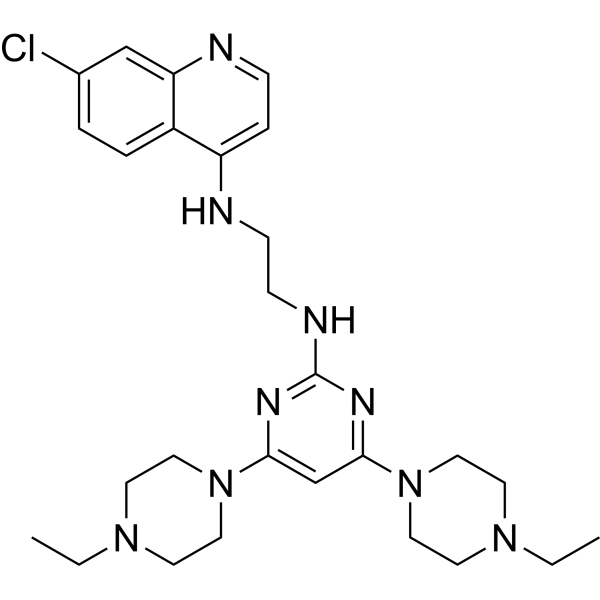
4A7C-301 is a blood-brain barrier-permeable Nurr1 agonist, with IC50 values of 48.22 nM and 107.71 nM for binding to Nurr1-LBD in the [ 3H]-CQ competition assay and TR-FRET assay, respectively. The EC50 of 4A7C-301 for activating Nurr1 transcriptional activity is 6.53 μM, and its EC50 in N27-A dopaminergic cells is approximately 0.2 μM. 4A7C-301 binds directly to Nurr1-LBD, enhances the transcriptional function of Nurr1, and restores the reduction of Nurr1 protein induced by MPP + or αSyn. 4A7C-301 alleviates oxidative stress and mitochondrial dysfunction, protects midbrain dopaminergic neurons, inhibits microglial activation, and restores impaired autophagic flux. 4A7C-301 can be used in studies related to neuroprotection and Parkinson's disease .
loading...
    loading...
1
1 Cited Publications
Cat. No.: HY-P1206
CAS No.: 174688-78-9
Target:  

Somatostatin Receptor

Research Areas:  

Neurological Disease

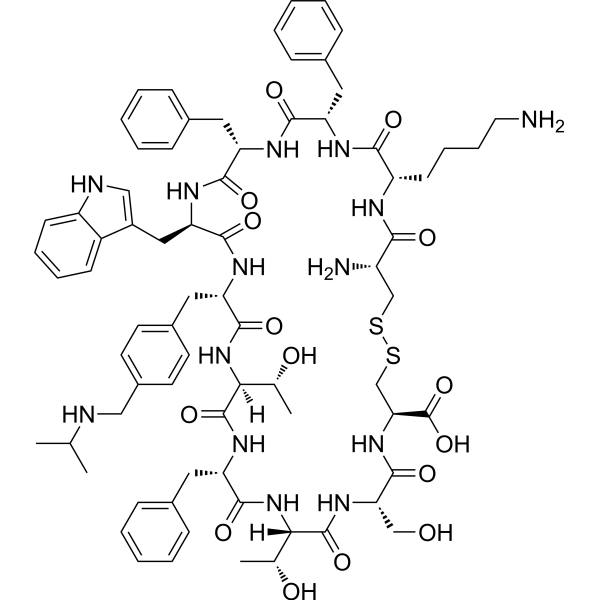
CH 275 is a peptidic somatostatin analog that acts as an agonist of SST1 (IC50 = 30.9 nM, Ki = 52 nM). The IC50 values of CH 275 for sst3, sst4, sst2, and sst5 are 345 nM, >1 μM, >10 μM, and >10 μM, respectively. CH 275 binds to SSTR1 via the IAmp9-Asp137 ion pair interaction and the hydrophobic interaction between the isopropyl group of IAmp9 and Leu107, and reduces the extracellular acidification rate. CH 275 induces weak sst1 internalization, exerts immunosuppressive effects on macrophages, and decreases macrophage viability, MCP-1 expression/secretion, and IL-8 secretion, but does not alter proMMP-9 secretion or IL-8 mRNA levels. CH 275 reduces hippocampal β-amyloid levels and alleviates plaque pathology without inducing hippocampal microglial activation. CH 275 is used in research on Alzheimer's disease, Parkinson's disease, and depression .
loading...
    loading...
1
1 Cited Publications
Cat. No.: HY-123789
CAS No.: 956507-49-6
Purity:  98.1%
Research Areas:  

Inflammation/Immunology

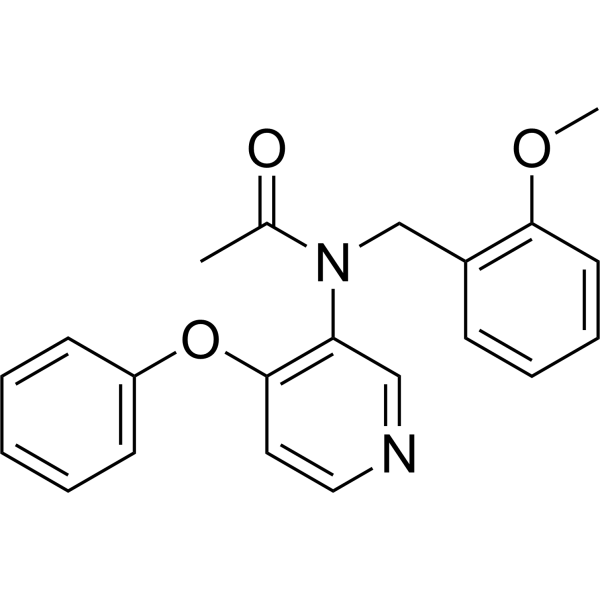
T-5342126 is a toll-like receptor 4 (TLR4) antagonist. It reduces LPS-induced production of nitric oxide (NO) in RAW 264.7 cells (IC50=27.8 μM), as well as decreases LPS-induced IL-8, TNF-α, and IL-6 production in isolated human whole blood (IC50s=110.5, 315.6, and 318.4 μM, respectively). T-5342126 (82 mg/kg) reduces ethanol intake and the abundance of ionized calcium-binding adapter molecule 1 (Iba1), a marker of microglial activation, in the central nucleus of the amygdala in ethanol-dependent mice.
loading...
    loading...
Cat. No.: HY-175510
CAS No.: 3114105-24-4
Target:  

TREM receptor

Research Areas:  

Neurological Disease

TREM2 agonist-5 is the microglial lipid-sensing receptor (TREM2) agonist with a Kd of 71.36 μM. TREM2 agonist-5 is a racemic structural analog of the TREM2 agonist VG-3927 and exhibits superior microglial phagocytosis and activates TREM2 signaling in HEK293-hTREM2/DAP12 cells. TREM2 agonist-5 displays a superior in vitro pharmacokinetic profile to VG-3927. TREM2 agonist-5 can used for the study of Alzheimer’s disease .
loading...
    loading...
Cat. No.: HY-14536A
CAS No.: 61-73-4
Purity:  ≥95.0%
Synonyms: Basic Blue 9 (purity≥70%); CI-52015 (purity≥70%); Methylthioninium chloride (purity≥70%)
Methylene blue (purity≥70%) is a guanylyl cyclase (sGC), monoamine oxidase A (MAO-A) and NO synthase (NOS) inhibitor. Methylene blue (purity≥70%) is a vasopressor and is often used as a dye in several medical procedures. Methylene blue (purity≥70%) through the nitric oxide syntase/guanylate cyclase signalling pathway to reduce prepulse inhibition. Methylene blue (purity≥70%) is a REDOX cycling compound and able to cross the blood-brain barrier. Methylene blue (purity≥70%) is a Tau aggregation inhibitor. Methylene blue reduces cerebral edema, attenuated microglial activation and reduced neuroinflammation .
loading...
    loading...
Cat. No.: HY-153248
CAS No.: 253307-65-2
Purity:  99.44%
PBR28 is a translocator protein (TSPO) binding positron emission tomography (PET) radiotracer with blood-brain barrier permeability . PBR28 binds to TSPO, a marker of microglial activation and neuroinflammation, and is used for neuroinflammation imaging in brain diseases and HIV-infected individuals .
loading...
    loading...
Cat. No.: HY-P99185
CAS No.: 648895-38-9
Synonyms: AAB-001
Research Areas:  

Neurological Disease

Bapineuzumab (AAB-001) is a humanized IgG1 monoclonal antibody that binds to the N-terminal region of amyloid beta in a helical conformation. Bapineuzumab induces microglial activation by upregulating CD11B, producing pro-inflammatory cytokines (IL-1β and TNFα), clearing plaques, and reducing insoluble and aggregated Aβ. Bapineuzumab can be used for research on Alzheimer's disease .
loading...
    loading...
Cat. No.: HY-P6442
CAS No.: 1020407-90-2
Chemerin15 is an anti-inflammatory peptide derived from Chemerin. Chemerin15 binds to ChemR23. Chemerin15 inhibits TNFα-induced activation of Syk, ERK and Src kinases. Chemerin15 increases the expression of p-p38 mRNA and protein. Chemerin15 mediates phagocytosis, resolution of inflammation, CD62L shedding and downregulation of PSGL-1 expression in macrophages and microglia. Chemerin15 inhibits neutrophil-mediated vascular inflammation and myocardial ischemia-reperfusion injury via ChemR23. Chemerin15 enhances microglial phagocytosis, thereby alleviating cerebral ischemia-reperfusion injury .
loading...
    loading...
Cat. No.: HY-178324
CAS No.: 364611-21-2
T2M-010 is a potent, brain-penetrant TREM2 agonist (Kd = 0.83 μM). T2M-010 activates receptor-proximal signaling, inducing SYK phosphorylation in TREM2-expressing cells, and promotes microglial phagocytosis. T2M-010 can be used for the study of protective microglial responses relevant to Alzheimer’s disease (AD) .
loading...
    loading...
Cat. No.: HY-P10227
CAS No.: 2040964-58-5
Synonyms: ONL-1204
Xelafaslatide (ONL-1204) is a Fas receptor antagonist. Xelafaslatide blocks the Fas receptor signaling pathway and inhibits downstream apoptosis and inflammatory pathways. Xelafaslatide suppresses neuroinflammation and microglial activation in glaucoma models, protects retinal ganglion cells and prevents axonal degeneration. Xelafaslatide is applicable to relevant research on glaucoma .
loading...
    loading...
Cat. No.: HY-126066
CAS No.: 6216-81-5
Purity:  99.95%
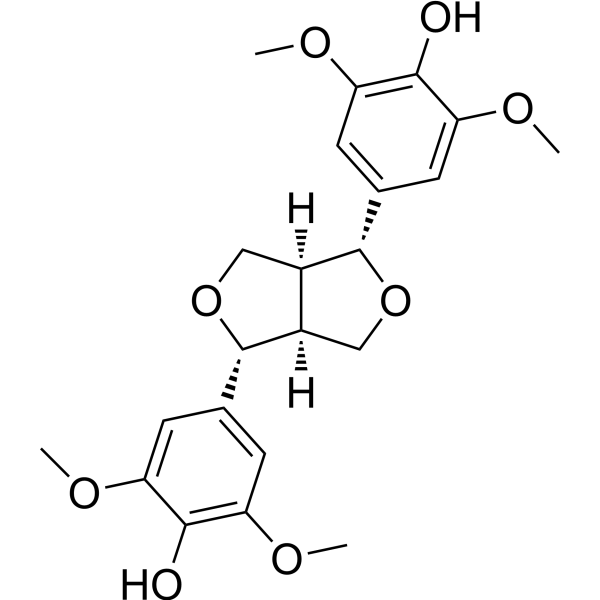
(-)-Syringaresinol is an orally active isomer of syringaresinol (HY-N8307) found in Annona Montana. (-)-Syringaresinol exhibits antioxidant, anti-inflammatory, and anticancer activities. (-)-Syringaresinol can alleviate ulcerative colitis via the PI3K-Akt/MAPK/Wnt signaling pathway. (-)-Syringaresinol inhibits HL-60 cell proliferation by arresting the G1 phase and inducing apoptosis. (-)-Syringaresinol inhibits LPS (HY-D1056)-induced microglial activation by downregulating the NF-κB p65 signaling pathway and its interaction with ERβ, exerting anti-neuroinflammatory effects .
loading...
    loading...
Cat. No.: HY-171705
CAS No.: 1478585-60-2
KMS99220 is an orally active, blood-brain barrier-permeable activator of the Nrf2 inhibitory protein Keap-1. KMS99220 enhances the activity of AMPK, activates the Nrf2 signaling pathway, and reduces the phosphorylation of IκB, nuclear translocation of NFκB, as well as the phosphorylation levels of JNK, IKK and p38 MAPK via HO-1. KMS99220 binds to Keap1 to trigger the nuclear translocation of Nrf2, induces the expression of HO-1, NQO1, GCLC, GCLM and proteasome subunits; enhances proteasomal enzymatic activity; inhibits iNOS expression, nitric oxide production and IL-1β generation; attenuates microglial activation; reduces α-synuclein aggregation; and prevents dopaminergic neuron degeneration and motor dysfunction. KMS99220 prevents the degeneration of dopaminergic neurons in the substantia nigra, induces the expression of Nrf2 downstream target genes, and effectively ameliorates associated motor dysfunction in a mouse model of Parkinson's disease. KMS99220 is applicable to research related to Parkinson's disease .
loading...
    loading...
Cat. No.: HY-N3201
CAS No.: 630057-39-5
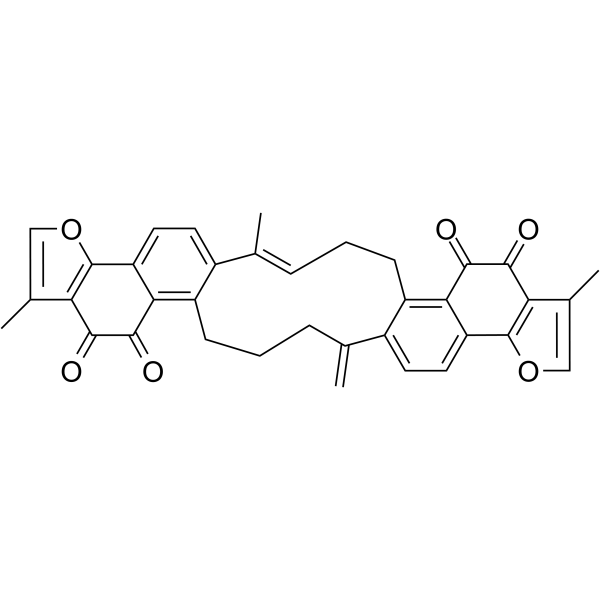
Neoprzewaquinone (NEO) is an orally active phenanthraquinone derivative isolated from Salvia miltiorrhiza Bunge. Neoprzewaquinone A inhibits IL-15Rα, blocks the ROCK2/STAT3 pathway to impair the migration and invasion abilities of triple-negative breast cancer cells; induces apoptosis of hepatocellular carcinoma cells by inhibiting the PI3K-AKT pathway; suppresses LPS-induced inflammation via binding to TLR4/MD2, and inhibits IL-15-induced proliferation, migration and phagocytosis of microglial cells; protects osteoblasts from mitochondrial dysfunction and apoptosis in diabetic osteoporosis by activating PRKD2 and the ELF5/PRKD2/PI3K/AKT/mTOR axis. Neoprzewaquinone A can be used in the research of diseases including rheumatoid arthritis, hepatocellular carcinoma, diabetic osteoporosis and triple-negative breast cancer .
loading...
    loading...
Cat. No.: HY-N8371
CAS No.: 142279-40-1
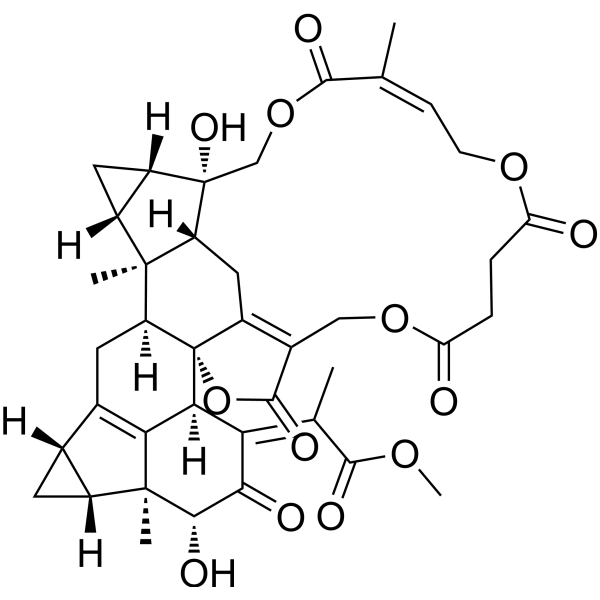
Shizukaol B is a lindenane-type dimeric sesquiterpene, used to be isolated from the whole plant of Chloranthus henryi. Shizukaol B has anti-inflammatory effect against lipopolysaccharide (LPS)-induced activation of BV2 microglial cells. Shizukaol B inhibits iNOS and COX-2, and suppresses NO production, TNF-α, and IL-1β expression .
loading...
    loading...
Cat. No.: HY-163565
CAS No.: 2770960-52-4
BIIB129 is a covalent, selective, orally active, and brain-penetrant BTK inhibitor (Kd = 0.63 nM). BIIB129 binds to Cys481 and forms a hydrogen bond with Asn484, blocking BCR and FcγR signaling. BIIB129 inhibits B cell activation and proliferation, FcγR-induced microglial proliferation, FcγR-mediated ROS production in neutrophils, FcγR-induced TNF secretion in monocytes, and B cell-mediated antigen presentation to T cells. BIIB129 can be used for research on multiple sclerosis .
loading...
    loading...
Cat. No.: HY-N3463
CAS No.: 5835-26-7
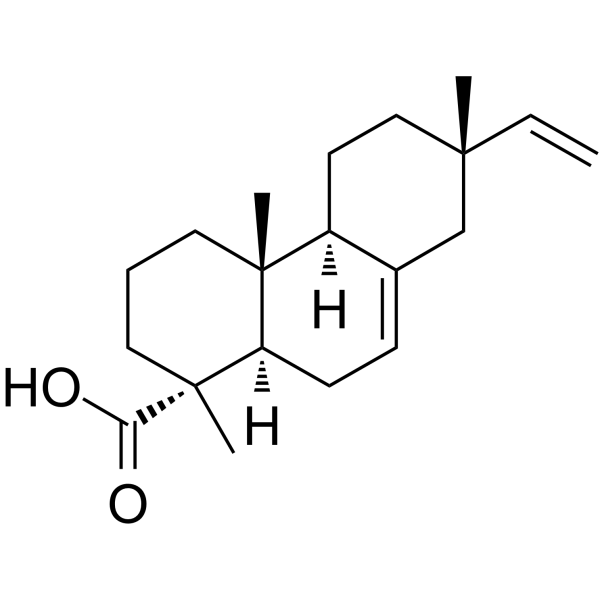
Isopimaric acid is a coniferous tree defense compound. Isopimaric acid binds to AKT and inhibits mTOR phosphorylation, thereby regulating the AKT/mTOR pathway. Isopimaric acid inhibits oxidative stress, inflammation, microglial migration, apoptosis, autophagic flux, ornithine decarboxylase activity, breast cancer proliferation and metastasis, and fungal spore germination. Isopimaric acid also induces M2 microglial polarization, mitochondrial damage, ROS accumulation, starvation-induced colon cancer cell apoptosis, and breast cancer cell cycle arrest. Isopimaric acid activates potassium channels, regulates sodium channels and calcium channels, reduces myocardial excitability, and improves arrhythmia. Isopimaric acid acts as an oxidative substrate for CYP6BW1/3, down-regulates PINK1/Parkin, and regulates calcium homeostasis, oxidative phosphorylation, EMT, and the Wnt pathway. Isopimaric acid exhibits activity against drug-resistant Staphylococcus aureus, repels feeding, and promotes the growth of rice seedlings. Isopimaric acid is suitable for research related to epilepsy, tumors, drug-resistant bacterial infections, atrial fibrillation, hypertension, hyperlipidemia, pulmonary tuberculosis, etc .
loading...
    loading...
Cat. No.: HY-400882
CAS No.: 958233-17-5
Tosylate-DPA-714 is a GMP-grade precursor for the radiosynthesis of DPA-714 (HY-122607). It crosses the blood-brain barrier and exhibits steroidogenic activity. DPA-714 is a specific ligand for the 18 kDa translocator protein (TSPO) with a Ki of 7.0 nM. Tosylate-DPA-714 is safe and does not bind to central benzodiazepine receptors (benzodiazepine receptor). As a radiolabeling precursor, Tosylate-DPA-714 reacts with 18F via nucleophilic aliphatic substitution to form 18F-DPA-714, enabling specific targeted binding to TSPO. 18F-DPA-714 accurately reflects the level of neuroinflammation mediated by microglial activation, and is used for PET molecular imaging of neurological diseases such as Alzheimer's disease and multiple sclerosis .
loading...
    loading...
Cat. No.: HY-147512
CAS No.: 2986688-90-6
Purity:  99.20%
Target:  

Cannabinoid Receptor

Research Areas:  

Inflammation/Immunology

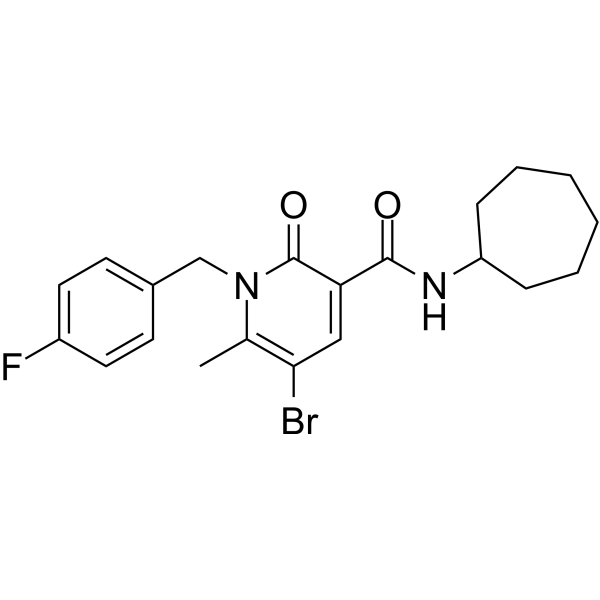
CB1/2 agonist 1 is a potent and cross the blood-brain barrier CB1/2 agonist with EC50s of 56.15, 11.63 nM for CB1R and CB2R, respectively. CB1/2 agonist 1 reduces glutamate release and LPS-induced activation of microglial cells. CB1/2 agonist 1 shows anti-inflammatory and antinociceptive effects. CB1/2 agonist 1 has the potential for the research of multiple sclerosis .
loading...
    loading...
Cat. No.: HY-W049881
CAS No.: 2521-07-5
9-Methyl-β-carboline is a monoamine oxidase inhibitor and dopaminergic modulator, with an IC50 of 1 μM against human MAO-A and an IC50 of 15.5 μM against human MAO-B. 9-Methyl-β-carboline possesses cognitive enhancement potential and can cross the blood-brain barrier. 9-Methyl-β-carboline increases dopamine levels by inhibiting monoamine oxidase activity and microglial proliferation. 9-Methyl-β-carboline activates PKA/PKC and mitochondrial respiratory chain complex I, promotes neurotrophic factor expression and reduces α-synuclein (α-synuclein) levels, thereby reversing neurotoxin-induced dopaminergic neuron damage. 9-Methyl-β-carboline also regulates the PI3K pathway and exerts an anti-proliferative effect on astrocytes. 9-Methyl-β-carboline is widely used in Parkinson's disease-related studies .
loading...
    loading...
Cat. No.: HY-B1829AR
CAS No.: 2392-39-4
Synonyms: Dexamethasone 21-phosphate disodium (Standard)
Dexamethasone phosphate (Dexamethasone 21-phosphate) disodium (Standard) is the analytical standard of Dexamethasone phosphate disodium (HY-B1829A). This product is intended for research and analytical applications. Dexamethasone phosphate (Dexamethasone 21-phosphate) disodium is a prodrug form of the glucocorticoid Dexamethasone (HY-14648). Dexamethasone phosphate disodium is produced by introducing a phosphate ester group at the 21-position of the Dexamethasone molecule, forming a salt with sodium ions, thereby significantly improving water solubility. Dexamethasone phosphate disodium inhibits LPS (HY-D1056)-induced degradation of IRAK-1 and IRAK-4, and blocks LPS-induced activation of TRAF6, p-TAK1 and p-JNK. Dexamethasone phosphate disodium inhibits the secretion of RANTES, TGF-β1 and NO, promotes the production of MIP-1α and IL-10, and blocks microglial migration. Dexamethasone phosphate disodium is almost completely converted to Dexamethasone in rat blood, and supports transdermal delivery via iontophoresis. Dexamethasone phosphate disodium can be used in research related to steroid-dependent ulcerative colitis, chemotherapy-induced vomiting, allergic asthma and acute colitis (inflammatory bowel disease).
loading...
    loading...

