


1173 Results for "

simulated intestinal fluid

" in MedChemExpress (MCE) Product Catalog:
Products (1173)

1173 Results for "simulated intestinal fluid" in MCE Product Catalog:

15
15 Cited Publications
Cat. No.: HY-13315A
CAS No.: 158966-92-8
Purity:  99.94%
Synonyms: MK0476 free base
Target:  

Leukotriene Receptor

Research Areas:  

Inflammation/Immunology Cancer

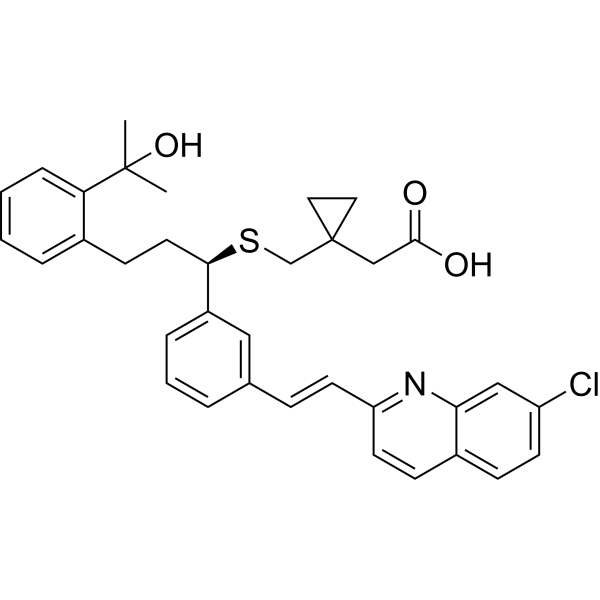
Montelukast (MK0476 free base) is a potent, selective and orally active antagonist of cysteinyl leukotriene receptor 1 (CysLT1). Montelukast can be used for the reseach of asthma and liver injury. Montelukast also has an antioxidant effect in intestinal ischemia-reperfusion injury, and could reduce cardiac damage. Montelukast decreases eosinophil infiltration into the asthmatic airways. Montelukast can also be used for COVID-19 research .
loading...
    loading...
14
14 Cited Publications
Cat. No.: HY-112005
CAS No.: 4004-05-1
Purity:  98.80%
Synonyms: Dioleoylphosphatidylethanolamine; 1,2-Dioleoyl-sn-glycero-3-phosphoethanolamine
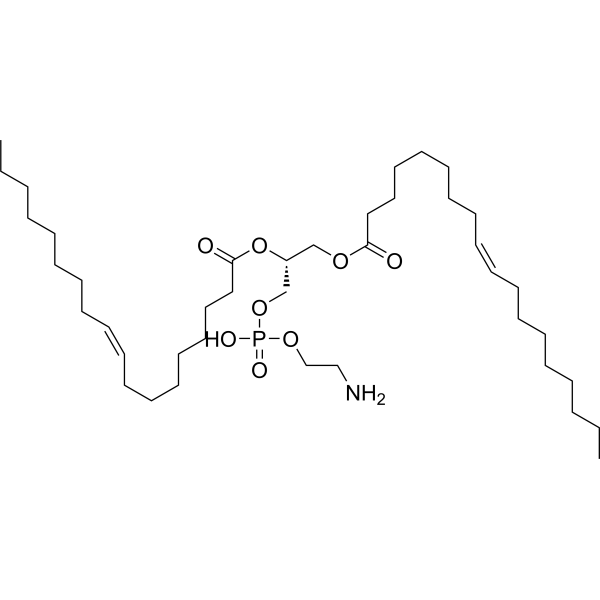
DOPE (Dioleoylphosphatidylethanolamine; 1,2-Dioleoyl-sn-glycero-3-phosphoethanolamine) is an orally active inhibitor of ferroptosis with anti-inflammatory and intestinal barrier maintenance activities. DOPE regulates the expression of ACSL4, SLC7A11 and GPX4 to restore the redox system balance, thereby reducing the levels of lipid peroxides, iron ions and intestinal inflammatory factors (IL-1β and IL-6). DOPE promotes the migration and proliferation of intestinal epithelial cells and increases the level of tight junction proteins; it also destabilizes endosomal membranes, mediates the conjugation of RVG peptides with mesenchymal stem cell-derived exosomes to enhance brain targeting. DOPE can be applied to research related to neonatal necrotizing enterocolitis and Alzheimer's disease .
loading...
    loading...
13
13 Cited Publications
Cat. No.: HY-156131
CAS No.: 53179-11-6
Synonyms: ADL 2-1294
Loperamide (ADL 2-1294) is selective and orally active μ opioid receptor agonist with Ki valuess of 3, 48 and 1156 nM against μ, δ and κ opioid receptor, respectively. Loperamide produces antinociception and antihyperalgesia. Loperamide exhibits peripheral selectivity, enhancing fluid, electrolyte, and glucose absorption, reversing PGE2 (HY-101952)- and Cholera toxin (HY-P1446)-induced intestinal secretion, and reducing intestinal motility. Loperamide can be used for the researches of inflammatory pain and protracted diarrhoea .
loading...
    loading...
13
13 Cited Publications
Cat. No.: HY-B1125
CAS No.: 3416-24-8
Synonyms: D-Glucosamine; Chitosamine
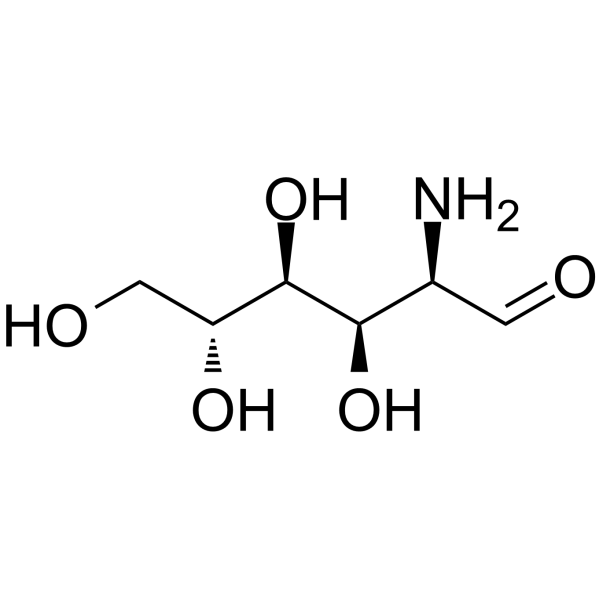
Glucosamine (D-Glucosamine) is an amino sugar and a prominent precursor in the biochemical synthesis of glycosylated proteins and lipids, is used as a dietary supplement. Glucosamine also is a natural constituent of glycosaminoglycans in the cartilage matrix and synovial fluid, which when administered exogenously, exerts pharmacological effects on osteoarthritic cartilage and chondrocytes .
loading...
    loading...
13
13 Cited Publications
Cat. No.: HY-N0733
CAS No.: 66-84-2
Synonyms: D-(+)-Glucosamine hydrochloride; Chitosamine hydrochloride
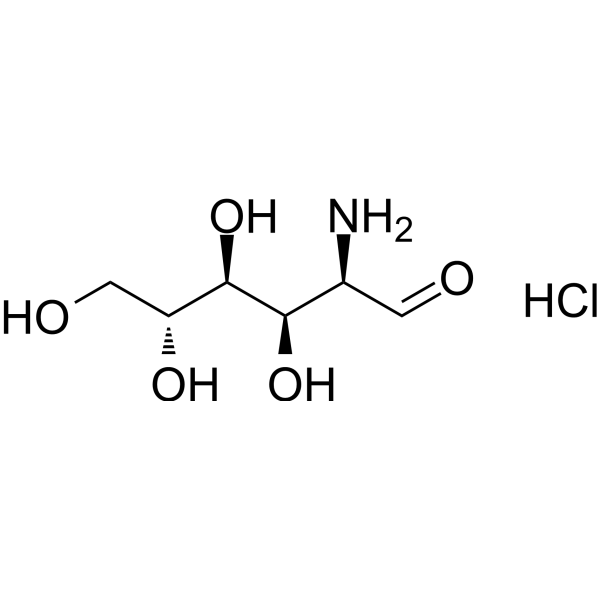
Glucosamine hydrochloride (D-Glucosamine hydrochloride) is an amino sugar and a prominent precursor in the biochemical synthesis of glycosylated proteins and lipids, is used as a dietary supplement. Glucosamine hydrochloride also is a natural constituent of glycosaminoglycans in the cartilage matrix and synovial fluid, which when administered exogenously, exerts pharmacological effects on osteoarthritic cartilage and chondrocytes .
loading...
    loading...
13
13 Cited Publications
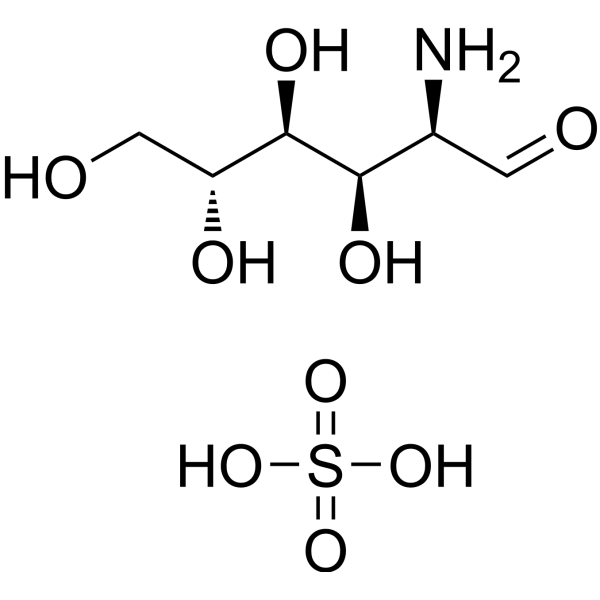
Cat. No.: HY-N0487
CAS No.: 29031-19-4
Synonyms: D-Glucosamine sulfate
Glucosamine sulfate (D-Glucosamine sulfate) is an amino sugar and a prominent precursor in the biochemical synthesis of glycosylated proteins and lipids, is used as a dietary supplement. Glucosamine sulfate also is a natural constituent of glycosaminoglycans in the cartilage matrix and synovial fluid, which when administered exogenously, exerts pharmacological effects on osteoarthritic cartilage and chondrocytes .
loading...
    loading...
13
13 Cited Publications
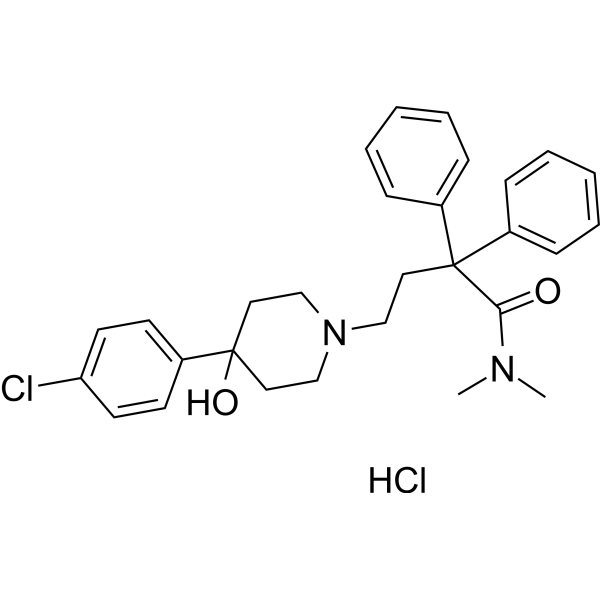
Cat. No.: HY-B0418A
CAS No.: 34552-83-5
Synonyms: R-18553 hydrochloride
Loperamide (hydrochloride) (R-18553 (hydrochloride)) is an opioid receptor agonist . Loperamide hydrochloride is a selective and competitive human intestinal carboxylesterases (hiCE) inhibitor. Loperamide hydrochloride has anti-diarrheal effect .
loading...
    loading...
11
11 Cited Publications
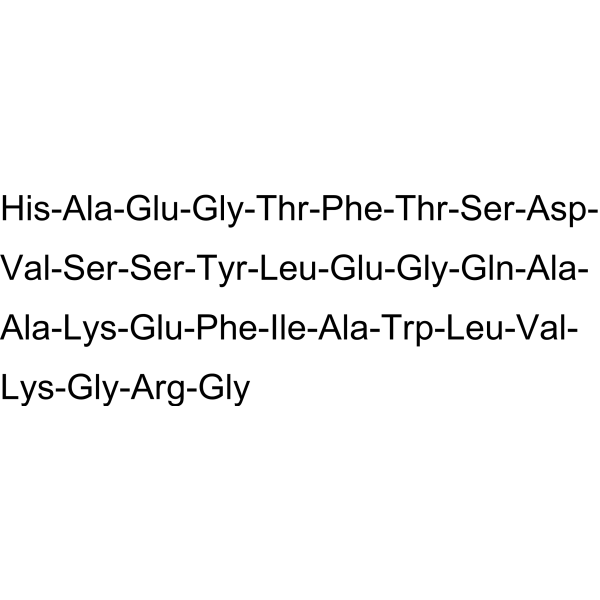
Cat. No.: HY-P0054
CAS No.: 1119517-19-9
Synonyms: Glucagon-like peptide-1 (GLP-1)(7-36), amide acetate; Human GLP-1 (7-36), amide acetate
Target:  

GCGR

Research Areas:  

Metabolic Disease

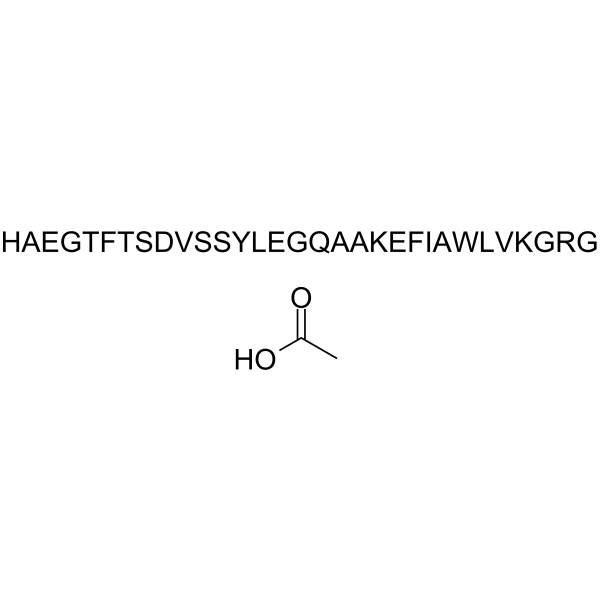
GLP-1(7-36), amide acetate is a major intestinal hormone that stimulates glucose-induced insulin secretion from β cells.
loading...
    loading...
11
11 Cited Publications
Cat. No.: HY-P0054B
Synonyms: Glucagon-like peptide-1 (GLP-1)(7-36), amide TFA; Human GLP-1 (7-36), amide TFA
Target:  

GCGR

Research Areas:  

Metabolic Disease

GLP-1(7-36), amide TFA is a major intestinal hormone that stimulates glucose-induced insulin secretion from β cells .
loading...
    loading...
11
11 Cited Publications
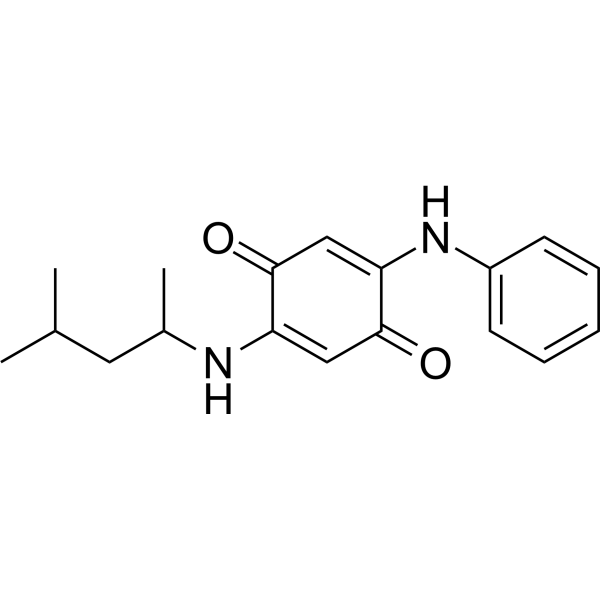
Cat. No.: HY-153169
CAS No.: 2754428-18-5
Purity:  99.30%
Synonyms: 6PPD-Quinone
6PPD-Q (6PPD-Quinone) is an environmental pollutant that can be detected in human urine and is widely present in the environment. 6PPD-Q targets and binds to CNR2, CNR1, AA2AR, LCAT, and TRPA1, with CNR2 exhibiting the highest binding affinity, potentially acting as a CNR2 receptor agonist to activate cannabinoid receptors. 6PPD-Q induces intestinal inflammation and barrier damage by disrupting mitochondrial function, reducing neuronal glycolysis metabolites and TCA cycle intermediates, and exacerbating α-synuclein (α-syn) aggregation. 6PPD-Q is applicable in research on environmental toxicology, neurodegenerative diseases, and inflammation-related disorders .
loading...
    loading...
10
10 Cited Publications
Cat. No.: HY-P0055
CAS No.: 106612-94-6
Target:  

GLP Receptor

Research Areas:  

Metabolic Disease

GLP-1(7-37) is an intestinal insulinotropic hormone that augments glucose induced insulin secretion.
loading...
    loading...
10
10 Cited Publications
Cat. No.: HY-P0055A
CAS No.: 1450806-98-0
Target:  

GLP Receptor

Research Areas:  

Metabolic Disease

GLP-1(7-37) acetate is an intestinal insulinotropic hormone that augments glucose induced insulin secretion .
loading...
    loading...
10
10 Cited Publications
Cat. No.: HY-B0135
CAS No.: 54-31-9
Target:  

GABA Receptor

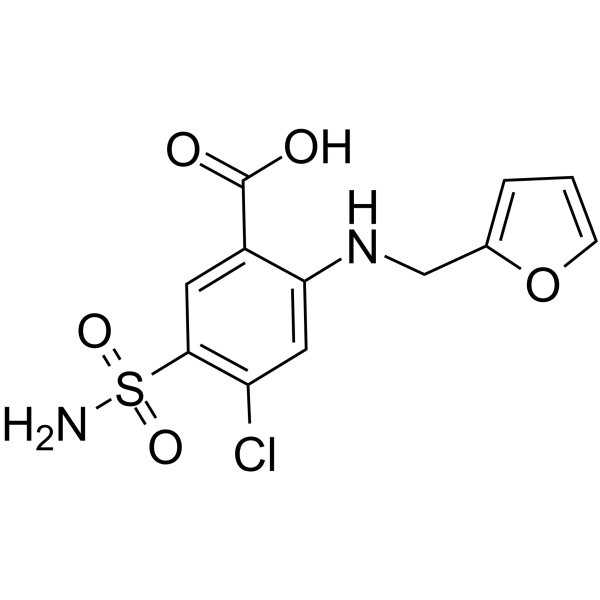
Furosemide is an orally active GABAA receptor antagonist. Furosemide inhibits carbonic anhydrase, the sodium-chloride cotransporter, sodium reabsorption, tubuloglomerular feedback, and GABA-induced chloride flux. Furosemide can be used as a diuretic reagent. Furosemide is applied in the research of hepatic necrosis, sepsis-associated acute kidney injury, hypoalbuminemia-related fluid retention, and congestive heart failure .
loading...
    loading...
10
10 Cited Publications
Cat. No.: HY-B0135A
CAS No.: 41733-55-5
Target:  

GABA Receptor

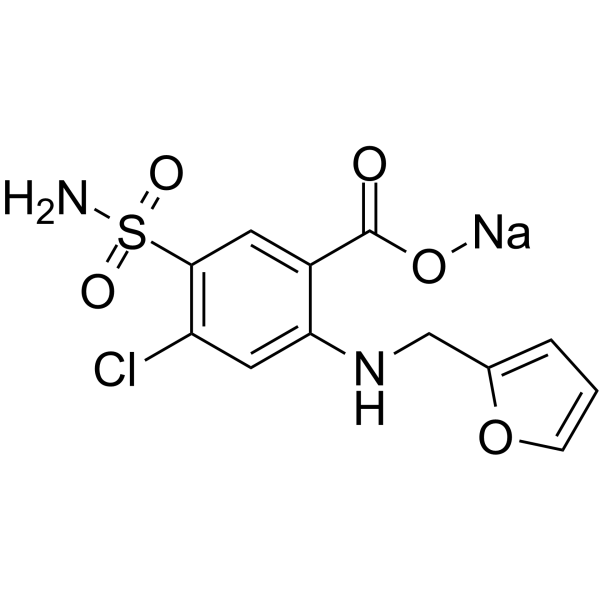
Furosemide sodium is an orally active GABAA receptor antagonist. Furosemide sodium inhibits carbonic anhydrase, the sodium-chloride cotransporter, sodium reabsorption, tubuloglomerular feedback, and GABA-induced chloride flux. Furosemide sodium can be used as a diuretic reagent. Furosemide sodium is applied in the research of hepatic necrosis, sepsis-associated acute kidney injury, hypoalbuminemia-related fluid retention, and congestive heart failure .
loading...
    loading...
10
10 Cited Publications
Cat. No.: HY-120601
CAS No.: 130-22-3
Purity:  ≥95.0%
Synonyms: ARS sodium
Target:  

Fluorescent Dye

Research Areas:  

Others

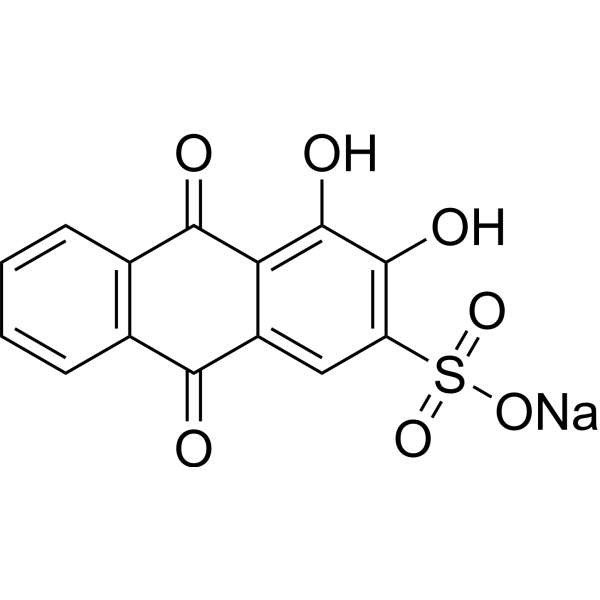
Alizarin Red S sodium is an anthraquinone derivative dye. When combined with cations such as calcium ions, the functional group of Alizarin Red S sodium can form a coordination bond with the cation through the oxygen atom to show orange-red fluorescence. Alizarin Red S sodium can be used for screening of calcium compounds in synovial fluid and detecting osteoblast differentiation, and can also be used for bone staining in mice. Excitation/emission wavelength: 500/570 nm .
loading...
    loading...
10
10 Cited Publications
Cat. No.: HY-120601A
CAS No.: 83-61-4
Synonyms: ARS
Target:  

Fluorescent Dye

Research Areas:  

Others

Alizarin Red S (ARS) is an anthraquinone derivative dye. When combined with cations such as calcium ions, the functional group of Alizarin Red S can form a coordination bond with the cation through the oxygen atom to show orange-red fluorescence. Alizarin Red S can be used for screening of calcium compounds in synovial fluid and detecting osteoblast differentiation, and can also be used for bone staining in mice. Excitation/emission wavelength: 500/570 nm .
loading...
    loading...
10
10 Cited Publications
Cat. No.: HY-116282C
CAS No.: 9011-18-1
Synonyms: DSS (MW 35000-45000); DXS (MW 35000-45000)
Target:  

Apoptosis

Dextran sulfate sodium salt (DSS) (MW 35000-45000) is a polymer of dehydrated glucose with a molecular weight of approximately 35000-45000. DSS with different molecular weights exhibits different biological activities. Dextran sulfate sodium salt (DSS) (MW 35000-45000) is a potent inducer of colitis. Dextran sulfate sodium salt (DSS) (MW 35000-45000) can be used to induce model acute colitis, chronic colitis, and colitis-related colon cancer. Dextran sulfate sodium salt (DSS) (MW 35000-45000) may be related to macrophage dysfunction, intestinal flora dysbiosis, and is particularly toxic to the colonic epithelium .
loading...
    loading...
10
10 Cited Publications
Cat. No.: HY-B0113
CAS No.: 73590-58-6
Synonyms: H 16868
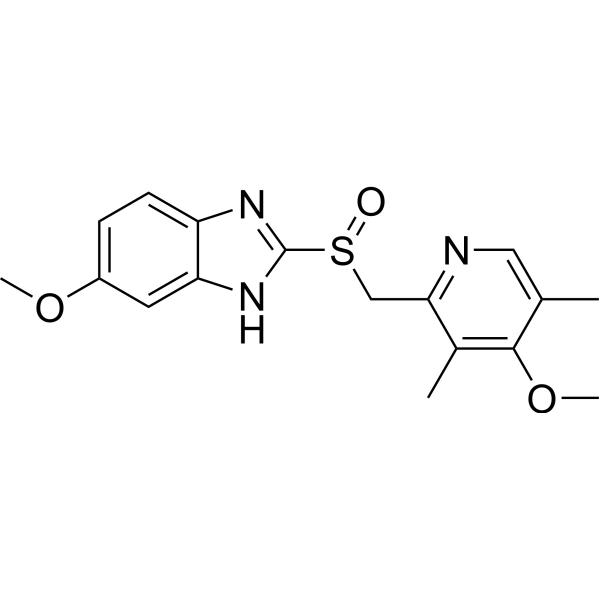
Omeprazole (H 16868) is an orally active H +,K +-ATPase inhibitor and a proton pump inhibitor. Omeprazole competitively inhibits CYP2C19, CYP3A4, and CYP2C9 activity. Omeprazole inhibits gastric acid secretion and can be used for acid-related gastrointestinal disorders. Omeprazole inhibits pancreatic cancer cell proliferation, induces apoptosis, autophagosome accumulation (elevated LC3-I and LC3-II levels), oxidative stress, and cytogenetic imbalance, modulates lysosomal transport, reduces inflammatory cytokines. Omeprazole alters small intestinal morphology and magnesium absorption, and induces gastric mucosa morphologic changes. Omeprazole also has neuroprotective and antibacterial effects .
loading...
    loading...
10
10 Cited Publications
Cat. No.: HY-B0113A
CAS No.: 95510-70-6
Synonyms: H 16868 sodium
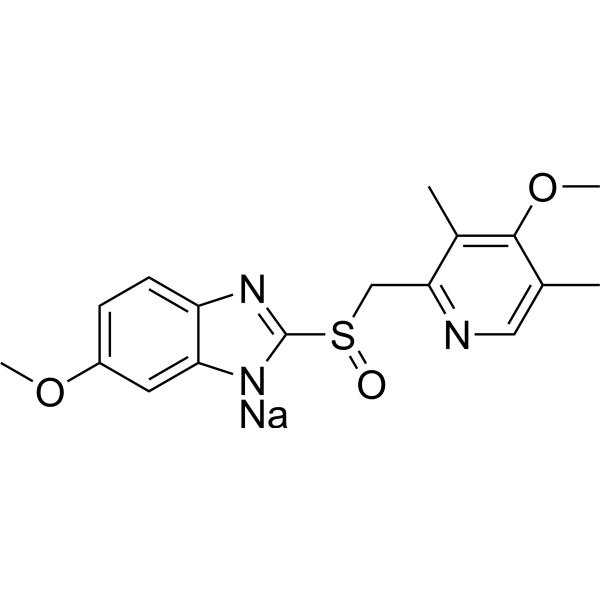
Omeprazole (H 16868) sodium is an orally active H +,K +-ATPase inhibitor and a proton pump inhibitor. Omeprazole sodium competitively inhibits CYP2C19, CYP3A4, and CYP2C9 activity. Omeprazole sodium inhibits gastric acid secretion and can be used for acid-related gastrointestinal disorders. Omeprazole sodium inhibits pancreatic cancer cell proliferation, induces apoptosis, autophagosome accumulation (elevated LC3-I and LC3-II levels), oxidative stress, and cytogenetic imbalance, modulates lysosomal transport, reduces inflammatory cytokines. Omeprazole sodium alters small intestinal morphology and magnesium absorption, and induces gastric mucosa morphologic changes. Omeprazole sodium also has neuroprotective and antibacterial effects .
loading...
    loading...
10
10 Cited Publications
Cat. No.: HY-N0847
CAS No.: 68370-47-8
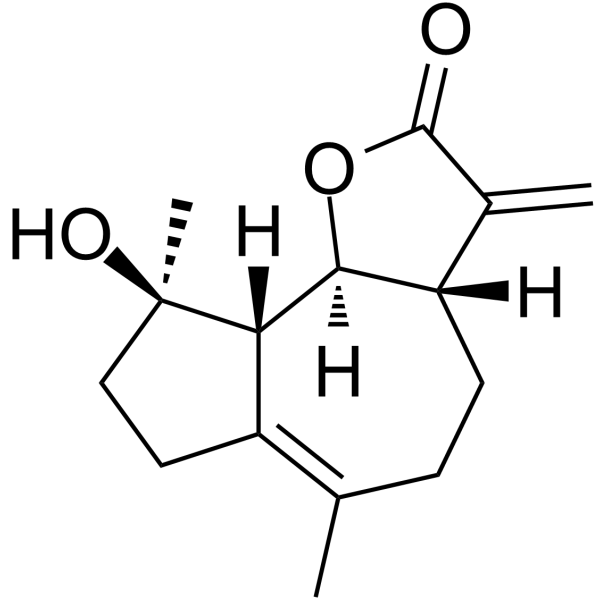
Micheliolide is a sesquiterpene lactone with anti-cancer and anti-inflammatory effects, which is derived from Michelia compressa and Michelia champaca. Micheliolide can attenuate high glucose-stimulated NF-κB activation, IκBα degradation, and the expression of MCP-1, TGF-β1, and FN in mouse mesangial cells. Micheliolide inhibits LPS (HY-D1056)-induced activation of NF-κB and PI3K/Akt/p70S6K pathways to play an anti-inflammatory role. Micheliolide inhibits dextran sodium sulphate (DSS) (HY-116282)-induced inflammatory intestinal disease, colitis-associated cancer and rheumatic arthritis .
loading...
    loading...

