511 Results for "

Disodium

" in MedChemExpress (MCE) Product Catalog:
Products (511)

511 Results for "Disodium" in MCE Product Catalog:

9
9 Cited Publications
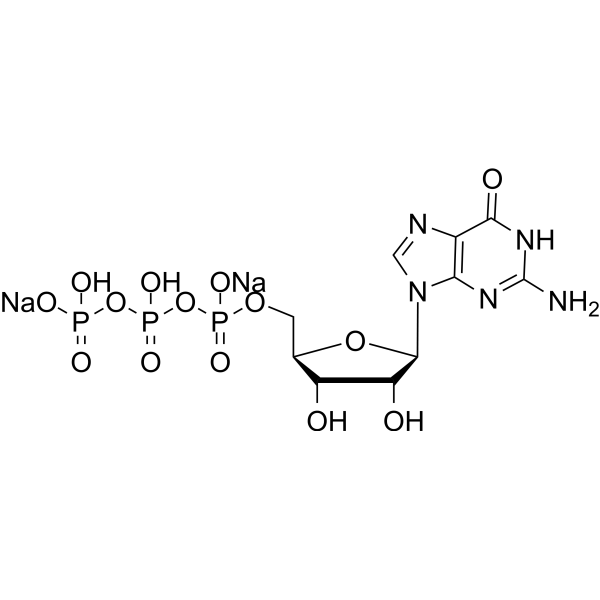
Cat. No.: HY-W010737
CAS No.: 56001-37-7
Synonyms: GTP Disodium
Guanosine triphosphate (GTP) disodium is a critical nucleotide and regulator of cellular metabolism. Guanosine triphosphate disodium promotes ribosomal DNA localization, pre-rRNA transcription and ribosome biogenesis by binding to RNA polymerase I and GPN proteins (GPN1/3). Guanosine triphosphate disodium links MYC-dependent ribosome biogenesis to nucleotide sufficiency, acts as a metabolic gatekeeper supporting protein synthesis, DNA/RNA synthesis and cellular signal transduction, while also participating in the physiological activities of pancreatic β-cells and serving as an oxidative substrate for reactive oxygen species. In small cell lung cancer with high MYC expression, Guanosine triphosphate disodium accumulates through the IMPDH-driven synthetic pathway, thereby affecting apoptosis and mitotic processes. Guanosine triphosphate disodium is used in the research of small cell lung cancer, hepatoblastoma and cellular metabolism .
loading...
    loading...
9
9 Cited Publications
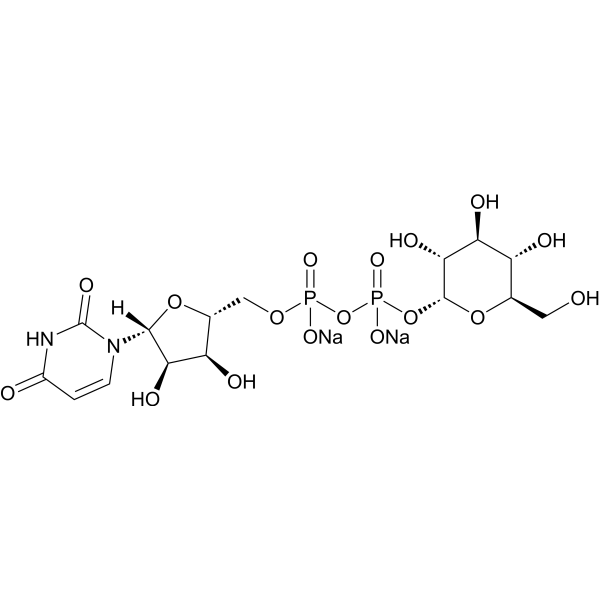
Cat. No.: HY-N7032
CAS No.: 28053-08-9
Synonyms: UDP-D-Glucose Disodium
Uridine 5’-diphosphoglucose (UDP-glucose) disodium, secreted by cardiomyocytes during ischemia and reperfu, is a potent agonist of the proinflammatory P2Y14 receptor. It acts an important role in the regulation of inflammation and neutrophil polarization in neutrophils. Uridine 5’-diphosphoglucose disodium is also the precursor of glucose-containing oligosaccharides, polysaccharides, glycoproteins, and glycolipids in animal tissues and in some microorganisms. Uridine 5’-diphosphoglucose disodium is promising for research in counteracting myocardial infarction/reperfusion (MIR)-induced inflammation in the heart tissue.
loading...
    loading...
8
8 Cited Publications
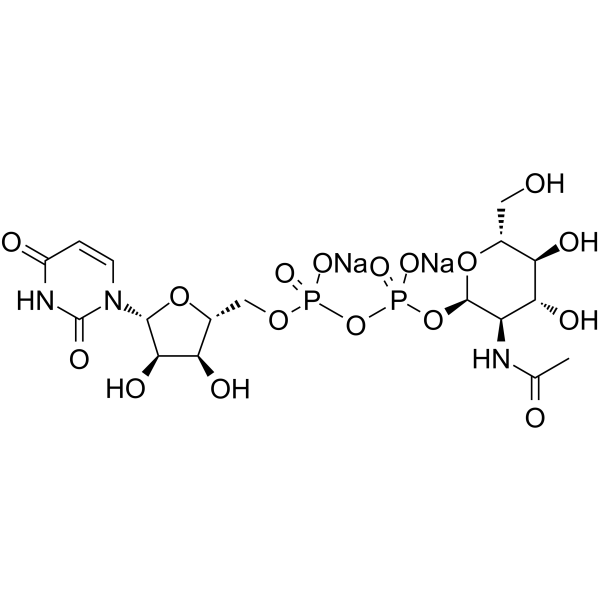
Cat. No.: HY-112174
CAS No.: 91183-98-1
Pureté:  99.92%
Synonyms: UDP-α-D-N-Acetylglucosamine Disodium
Target:  

OGT

Domaines de recherche:  

Metabolic Disease

UDP-GlcNAc Disodium Salt (UDP-α-D-N-Acetylglucosamine Disodium Salt) is a donor substrate of O-GlcNAc transferase (OGT).
loading...
    loading...
8
8 Cited Publications
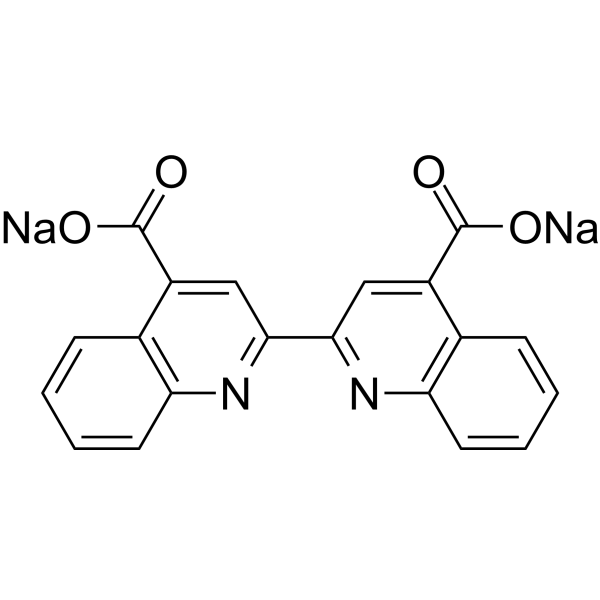
Cat. No.: HY-15908
CAS No.: 979-88-4
Pureté:  99.52%
Synonyms: Disodium bicinchoninate
Domaines de recherche:  

Others

BCA is a chelating agent targeting Cu I. BCA forms a water-soluble complex with Cu I at a 2:1 stoichiometric ratio, which not only inhibits its oxidation and disproportionation reactions, but also mediates the Cu I-catalyzed azide-alkyne cycloaddition click chemistry reaction to achieve bioconjugation of fluorophores or biotin with functionalized proteins. BCA chelates Cu + from proteins that reduce Cu 2+, forming a purple compound detectable by colorimetry, and thus is used to determine the total protein concentration in solution. BCA is a potential small-molecule candidate for AHAS inhibitors .
loading...
    loading...
8
8 Cited Publications
Cat. No.: HY-W127530
CAS No.: 60934-46-5
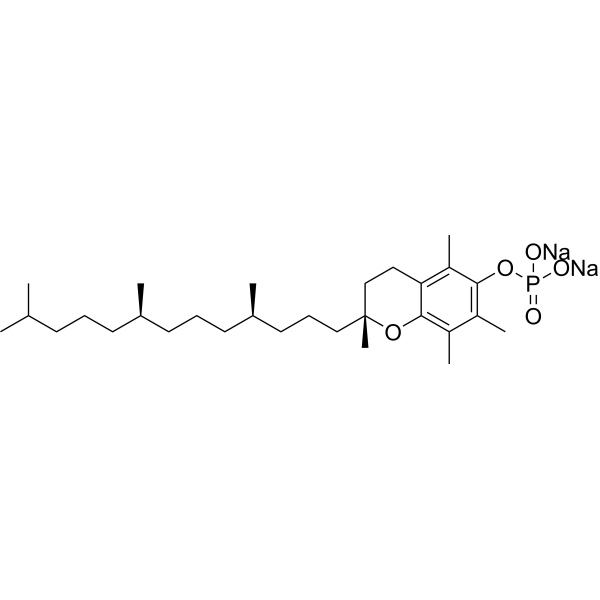
Synonyms: alpha-Tocopherol phosphate Disodium; TocP Disodium; Vitamin E phosphate Disodium
α-Tocopherol phosphate disodium is an antioxidant that protects against long-wave UVA1 induced cell death and scavenge UVA1 induced ROS in a skin cell model. α-Tocopherol phosphate disodium exhibits angiogenesis-promoting activity .
loading...
    loading...
7
7 Cited Publications
Cat. No.: HY-F0002A
CAS No.: 24292-60-2
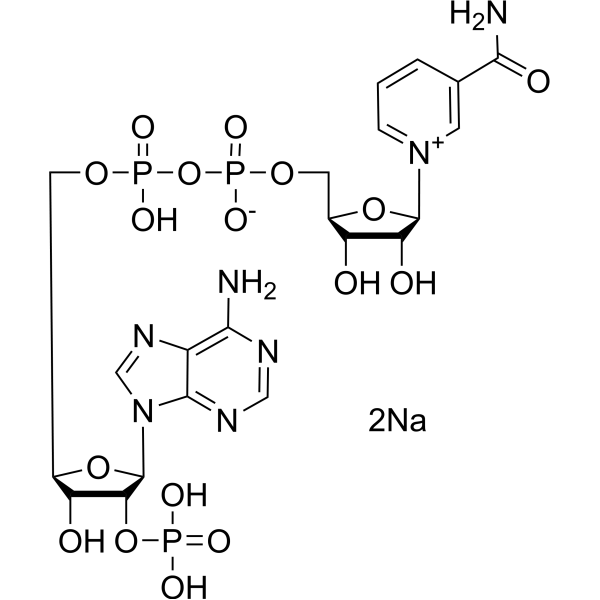
Synonyms: Disodium NADP
NADP disodium salt is the disodium salt form of NADP (HY-113325). NADP is a coenzyme involved in cellular electron transfer reactions in biological metabolism, which is alternately oxidized (NADP+) and reduced (NADPH), and can maintain cellular redox homeostasis and regulate many biological events, including cellular metabolism. NADPH is a universal electron donor that provides reducing ability for synthetic metabolic reactions and redox balance. NADPH plays a multifunctional role in regulating inflammation, redox homeostasis, and synthetic metabolism processes .
loading...
    loading...
7
7 Cited Publications
Cat. No.: HY-14521A
CAS No.: 120408-07-3
Pureté:  ≥98.0%
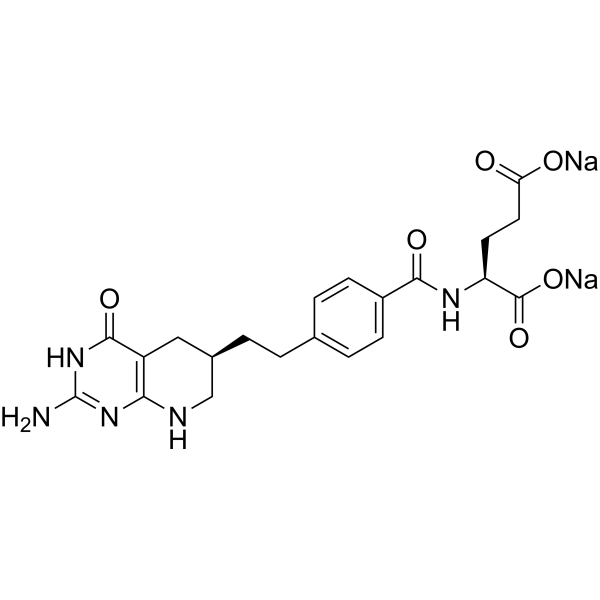
Synonyms: DDATHF Disodium
Domaines de recherche:  

Cancer

Lometrexol (DDATHF) disodium, an antipurine antifolate, can inhibit the activity of glycinamide ribonucleotide formyltransferase (GARFT) but do not induce detectable levels of DNA strand breaks. Lometrexol disodium can further inhibit de novo purine synthesis, causing abnormal cell proliferation and apoptosis, even cell cycle arrest. Lometrexol disodium has anticancer activity. Lometrexol disodium also is a potent human Serine hydroxymethyltransferase1/2 (hSHMT1/2) inhibitor .
loading...
    loading...
7
7 Cited Publications
Cat. No.: HY-D0217
CAS No.: 71-67-0
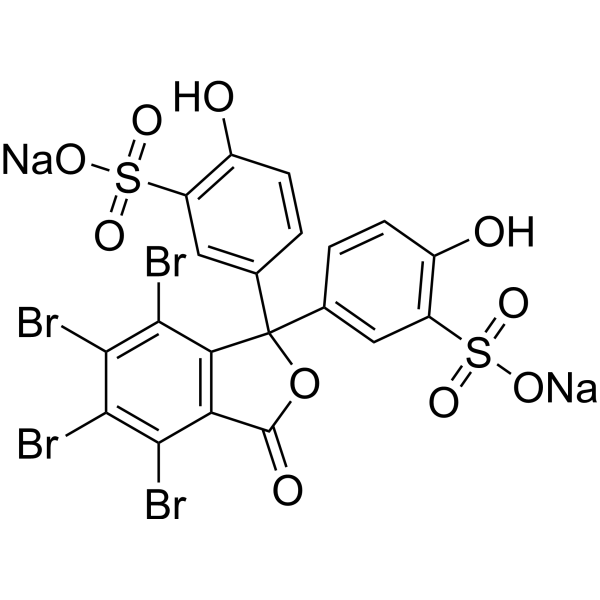
Synonyms: Bromosulfophthalein Disodium salt
Sulfobromophthalein (Bromosulfophthalein) disodium salt is an organic anion dye used in the study of a variety of membrane carriers expressed in animal tissues and involved in transport of agents and metabolites .
loading...
    loading...
6
6 Cited Publications
Cat. No.: HY-136072
CAS No.: 2170848-99-2
Pureté:  ≥99.0%
Target:  

Bacterial

Domaines de recherche:  

Infection

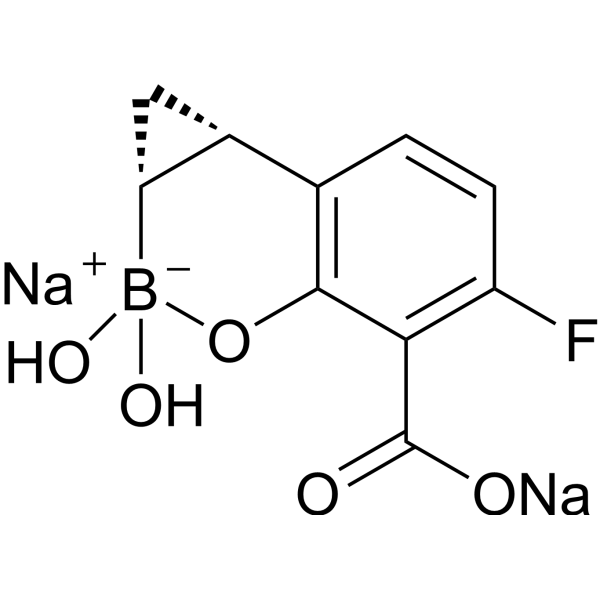
Xeruborbactam disodium is a potent, ultra-broad-spectrum boronic acid beta-lactamase inhibitor. Xeruborbactam disodium inhibits key serine and metallo beta-lactamases at a nano molar range .
loading...
    loading...
6
6 Cited Publications
Cat. No.: HY-B0525A
CAS No.: 4800-94-6
Synonyms: Sodium carbenicillin
Target:  

Antibiotic Bacterial

Domaines de recherche:  

Infection

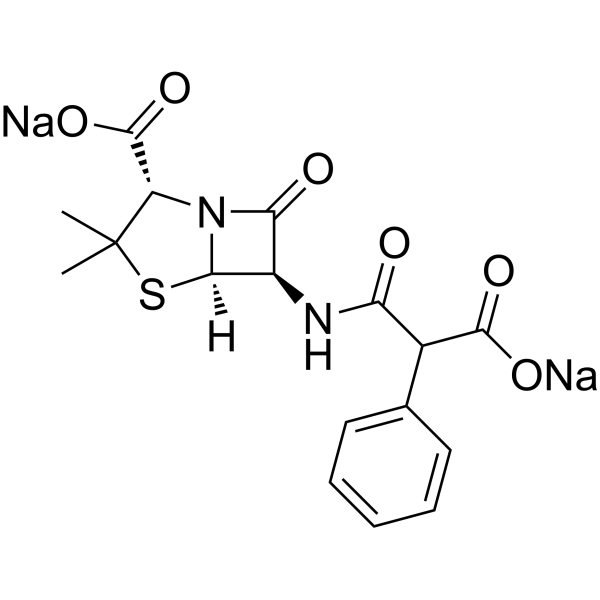
Carbenicillin disodium (Sodium carbenicillin) is a broad-spectrum semi-synthetic penicillin antibiotic for gram-negative bacteria. Carbenicillin disodium can interfere the cell wall synthesis while displaying low toxicity to plant tissue .
loading...
    loading...
5
5 Cited Publications
Cat. No.: HY-B0657A
CAS No.: 22560-50-5
Synonyms: Clodronate Disodium salt
Target:  

Apoptosis

Domaines de recherche:  

Metabolic Disease Cancer

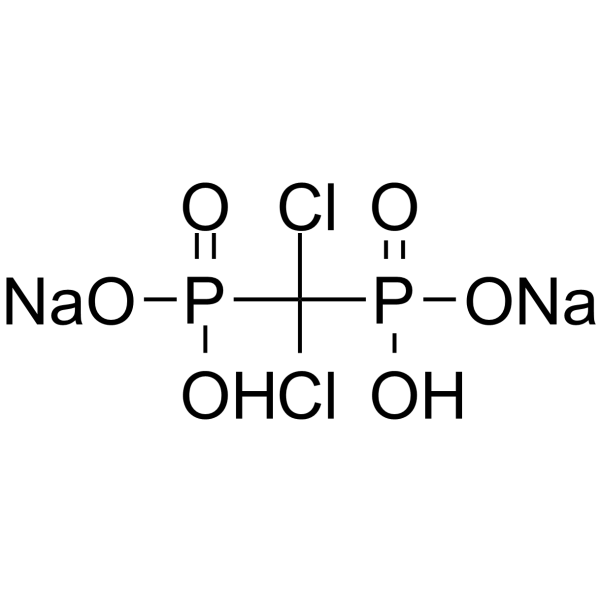
Clodronic acid (Clodronate) disodium salt is an orally active bisphosphonate. Clodronic acid disodium salt inhibits osteoclast-mediated bone resorption. Clodronic acid disodium salt reduces skeletal event risk in malignant bone disease, impairs malignant osteolysis, blocks bone matrix growth-factor release, induces apoptosis in osteoclasts and macrophages. Clodronic acid disodium salt is effective in the maintenance or improvement of bone mineral density. Clodronic acid disodium salt can be used for the research of multiple myeloma and postmenopausal osteoporosis .
loading...
    loading...
5
5 Cited Publications
Cat. No.: HY-107794
CAS No.: 88416-50-6
Pureté:  99.86%
Synonyms: Disodium clodronate tetrahydrate
Target:  

Apoptosis

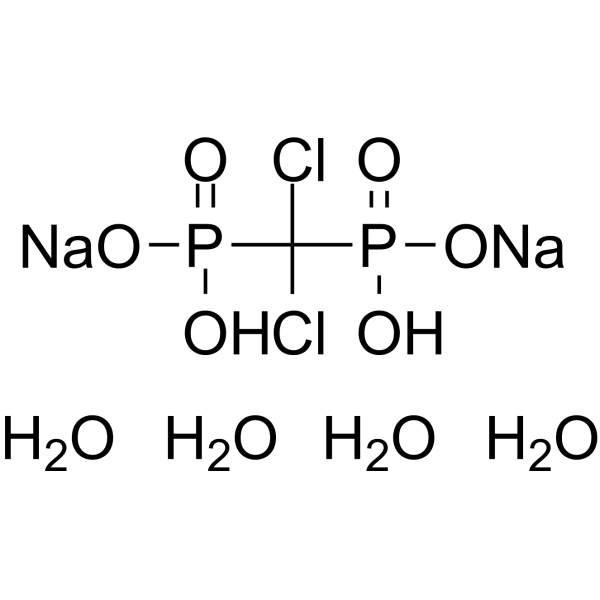
Clodronate disodium tetrahydrate (Disodium clodronate tetrahydrate) is first-generation bisphosphonate, with anti-osteoporotic, anti-inflammatory and analgesic effects. Clodronate disodium tetrahydrate is a selective, potent, reversible and Cl - competitive vesicular nucleotide transporter (VNUT) inhibitor, with an IC50 of 15.6 nM. Clodronate disodium tetrahydrate inhibits vesicular ATP release from neurons and reduces chronic neuropathic and inflammatory pain .
loading...
    loading...
5
5 Cited Publications
Cat. No.: HY-N0666D
CAS No.: 5598-53-8
Synonyms: Disodium L-aspartate
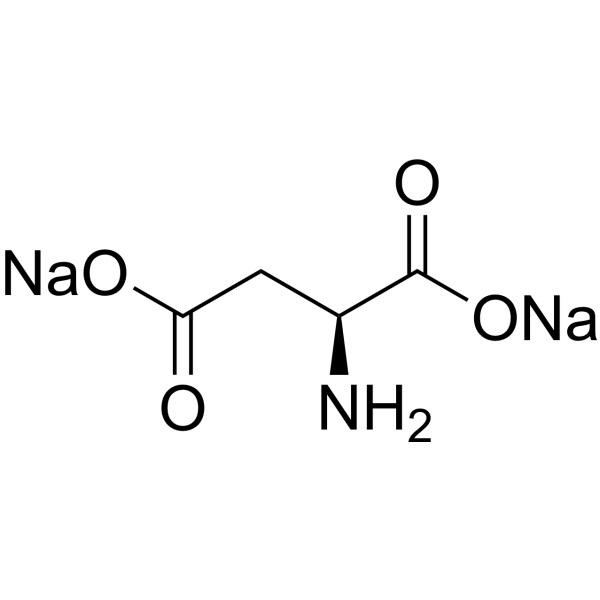
L-Aspartic acid disodium (disodium L-aspartate) is a NMDA receptor agonist and acidic amino acid. L-Aspartic acid disodium has no independent analgesic activity. L-Aspartic acid disodium can antagonize the analgesic effects of D-Aspartic acid and Morphine. L-Aspartic acid disodium regulates polymorph transformation, crystal growth/aggregation and nucleation processes of calcium carbonate, and can serve as a biomineralization template. L-Aspartic acid disodium promotes burst firing of central neurons. L-Aspartic acid disodium can be used in studies related to cerebral ischemia and epilepsy .
loading...
    loading...
5
5 Cited Publications
Cat. No.: HY-W250303A
CAS No.: 63474-37-3
Synonyms: Hydroxybutanedioic acid Disodium hydrate; Disodium DL-malate hydrate; E 296 Disodium hydrate
Malic acid disodium hydrate is an organic compound that is commonly used as a food additive, buffering agent, and nutritional supplement. It contains sodium and malic acid. Malic acid disodium hydrate has a variety of properties that make it suitable for these applications, including the ability to enhance food flavor, improve texture, and regulate acidity. In addition, due to its potential health benefits, including improved energy production, reduced fatigue, and enhanced athletic performance, Malic acid disodium hydrate can be used as a dietary supplement .
loading...
    loading...
5
5 Cited Publications
Cat. No.: HY-114364
CAS No.: 137868-52-1
Pureté:  99.42%
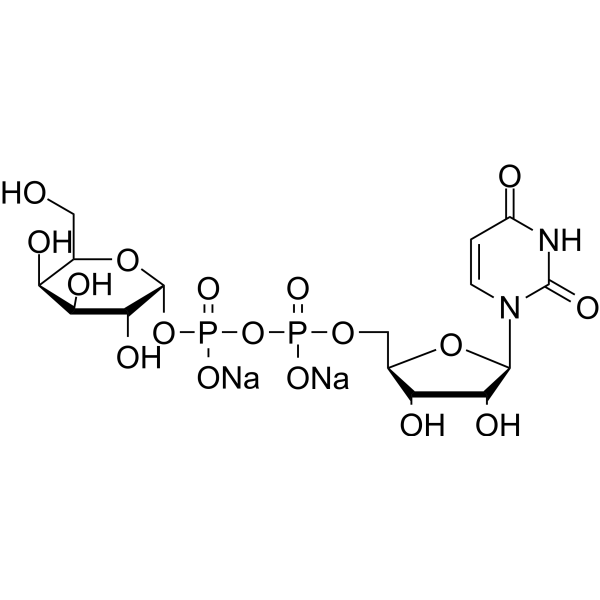
UDP-Galactose disodium is a monosaccharide and a key glycosyl donor molecule in cells that participates in nucleotide sugar metabolism. UDP-Galactose disodium is the natural agonist of the P2Y14 receptor coupled to Gi proteins in the immune system (IC50 = 0.67 μM, hP2Y14). UDP-Galactose disodium can be used to study cell signal transduction and substance metabolism .
loading...
    loading...
5
5 Cited Publications
Cat. No.: HY-W250303
CAS No.: 676-46-0
Synonyms: Hydroxybutanedioic acid Disodium salt; E 296 Disodium salt
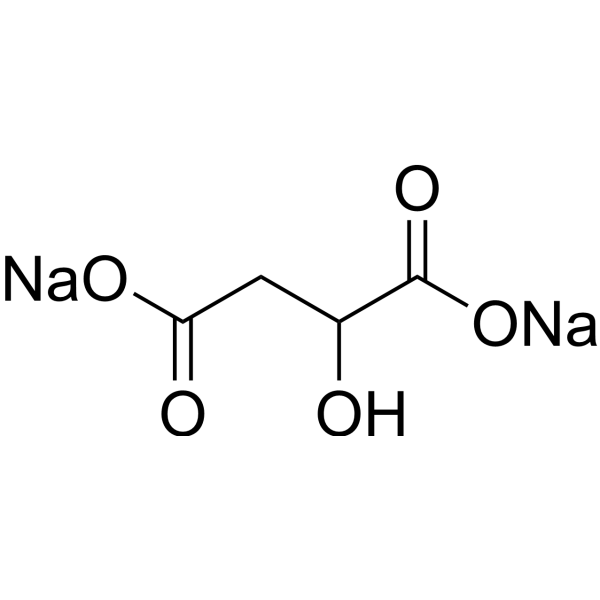
Sodium DL-Malate is an organic compound commonly used as a food additive, buffer and nutritional supplement. It contains sodium and malic acid. Malic acid disodium salt has several properties suitable for these applications, including the ability to enhance food flavor, improve texture and regulate acidity. Additionally, it can be used as a dietary supplement due to its potential health benefits, including improved energy production, reduced fatigue, and enhanced athletic performance.
loading...
    loading...
4
4 Cited Publications
Cat. No.: HY-100542
CAS No.: 103404-90-6
Pureté:  ≥98.0%
Synonyms: Disodium (R)-2-hydroxyglutarate
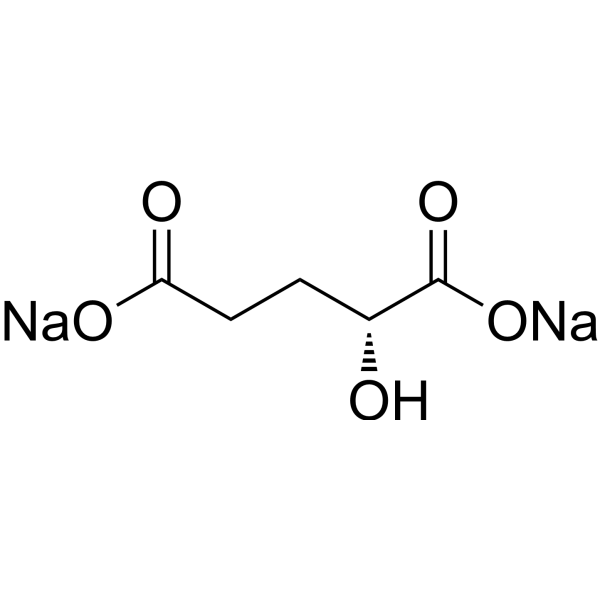
D-α-Hydroxyglutaric acid disodium (Disodium (R)-2-hydroxyglutarate) is the principal metabolite accumulating in neurometabolic disease D-2-hydroxyglutaric aciduria. D-α-Hydroxyglutaric acid disodium is a weak competitive antagonist of α-ketoglutarate (α-KG) and inhibits multiple α-KG-dependent dioxygenases with a Ki of 10.87 mM. D-α-Hydroxyglutaric acid disodium increases reactive oxygen species (ROS) production. D-α-Hydroxyglutaric acid disodium binds and inhibits ATP synthase and inhibits mTOR signaling .
loading...
    loading...
4
4 Cited Publications
Cat. No.: HY-W094516
CAS No.: 6106-21-4
Synonyms: Wormwood acid Disodium hexahydrate
Disodium succinate hexahydrate (Wormwood acid disodium hexahydrate) is an anti-anxiety agent with oral activity. Disodium succinate hexahydrate is an intermediate product of the tricarboxylic acid cycle. Disodium succinate hexahydrate is an important platform chemical. Disodium succinate hexahydrate can be used as surfactant, additive, ion chelating agent, flavoring agent and other applications in chemical, pharmaceutical and food fields .
loading...
    loading...
4
4 Cited Publications
Cat. No.: HY-W015883A
CAS No.: 17013-01-3
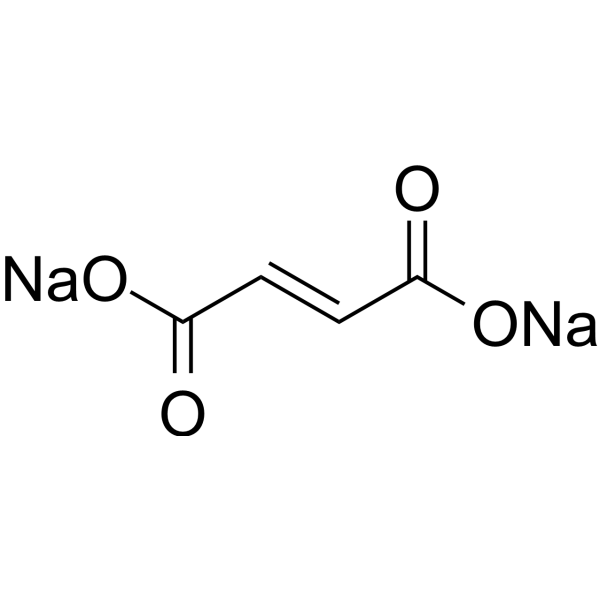
Fumaric acid disodium is an unsaturated dicarbonic acid, an intermediate product of the citric acid cycle that provides intracellular energy in the form of ATP. Fumaric acid disodium exerts anti-inflammatory effects by inhibiting the NF-κB signaling pathway dependent on p38 MAPK. Fumaric acid disodium can be used in the study of pregnancy-induced hypertension .
loading...
    loading...
4
4 Cited Publications
Cat. No.: HY-W010907
CAS No.: 6640-22-8
Target:  

GPR35 ERK

Domaines de recherche:  

Neurological Disease

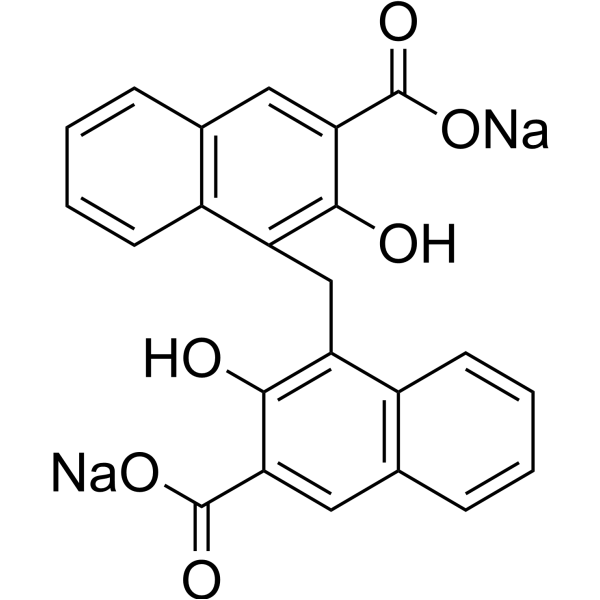
Pamoic acid disodium is a potent GPR35 agonist with an EC50 value of 79 nM. Pamoic acid disodium induces GPR35 internalization and activates ERK1/2 with EC50 values of 22 nM and 65 nM, respectively. Pamoic acid disodium potently recruits β-arrestin2 to GPR35 and has an antinociceptive effect .
loading...
    loading...

