
10024 Results for "

Acetoacetic acid lithium (Standard)

" in MedChemExpress (MCE) Product Catalog:
Products (10024)

10024 Results for "Acetoacetic acid lithium (Standard)" in MCE Product Catalog:

52
52 Publications Verification
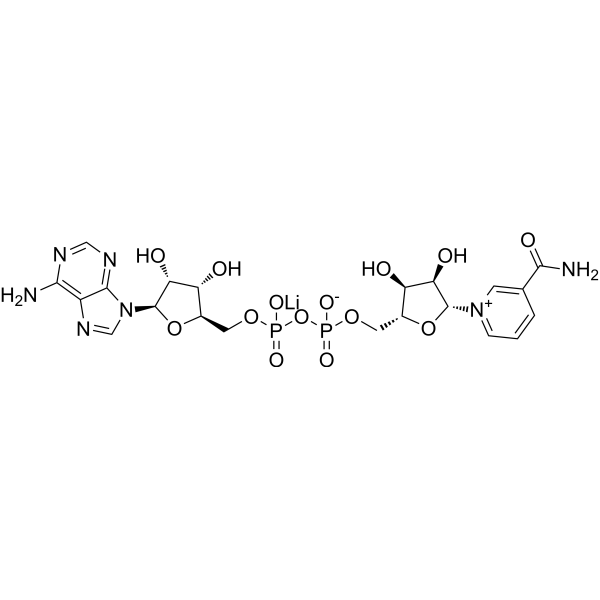
Cat. No.: HY-W250163
CAS No.: 64417-72-7
Synonyms: β-DPN lithium; β-NAD lithium; β-Nicotinamide Adenine Dinucleotide lithium
NAD+ lithium (β-DPN lithium) is a lithium salt of nicotinamide adenine dinucleotide. NAD+ is a coenzyme in the REDOX reaction. NAD+ can directly or indirectly affect several key cellular functions, including metabolic pathways, DNA repair, chromatin remodeling, cell aging, and immune cell function .
loading...
    loading...
47
47 Cited Publications
Cat. No.: HY-W010625
CAS No.: 867-55-0
Lithium 2-hydroxypropanoate is a lithium salt. Lithium 2-hydroxypropanoate has immunomodulatory activity (slightly enhancing PHA (HY-N7038)-induced lymphocyte proliferation). Lithium 2-hydroxypropanoate can be used in antioxidant activity assays. Lithium 2-hydroxypropanoate can be used in the research of mental diseases .
loading...
    loading...
43
43 Cited Publications
Cat. No.: HY-P0014
CAS No.: 204656-20-2
Liraglutide is a glucagon-like peptide-1 (GLP-1) receptor agonist used clinically to treat type 2 diabetes mellitus.
loading...
    loading...
43
43 Cited Publications
Cat. No.: HY-P0014B
Target:  

GLP Receptor

Research Areas:  

Metabolic Disease

Liraglutide (TFA) is an agonist of glucagon-like peptide 1 receptor (GLP-1). Liraglutide (TFA) can activate GLP-1, leading to the release of insulin in the presence of increased glucose concentration. Liraglutide (TFA) also reduces glucagon secretion in a glucose-dependent manner. Liraglutide (TFA) can be studied in research on type 2 diabetes .
loading...
    loading...
23
23 Cited Publications
Cat. No.: HY-W099571
CAS No.: 4485-12-5
Synonyms: Stearic acid lithium; lithium octadecanoate
Lithium stearate (Stearic acid (lithium)) is a compound that forms vesicles in reaction with silver nitrate, thereby changing the reaction kinetics of the nucleation and self-assembly process of silver stearate. It has the activity that even in the presence of excess silver nitrate, only about 80% can be converted into silver stearate and the residual lithium stearate will inhibit the growth process of silver stearate crystals, thereby producing silver stearate crystals that are much smaller than those obtained from sodium stearate, providing an opportunity to further control the self-assembly and crystal growth of silver stearate.
loading...
    loading...
22
22 Cited Publications
Cat. No.: HY-Y0649
CAS No.: 7447-41-8
Synonyms: LiCl, Premium grade
Lithium chloride, 99% (LiCl, Premium grade) is a biochemical reagent that can be used as a biological material or organic compound for life science related research .
loading...
    loading...
17
17 Cited Publications
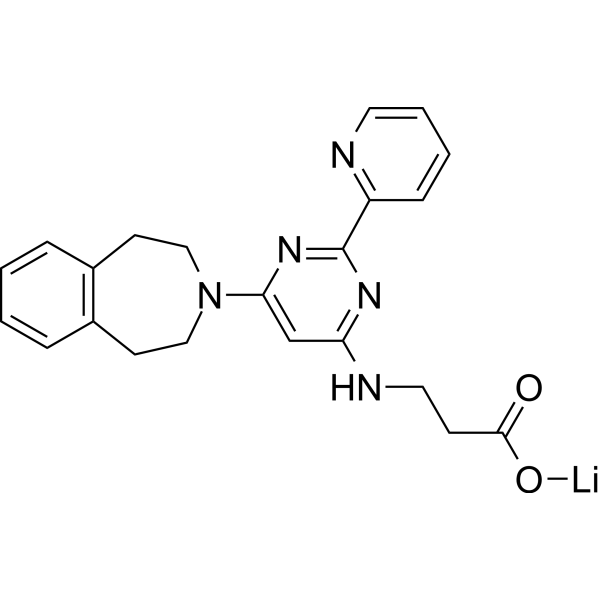
Cat. No.: HY-15648D
CAS No.: 2309668-29-7
Purity:  98.33%
Target:  

Histone Demethylase

Research Areas:  

Cancer

GSK-J1 lithium salt is a potent inhibitor of H3K27me3/me2-demethylases JMJD3/KDM6B and UTX/KDM6A, with IC50 of 60 nM towards KDM6B.
loading...
    loading...
15
15 Cited Publications
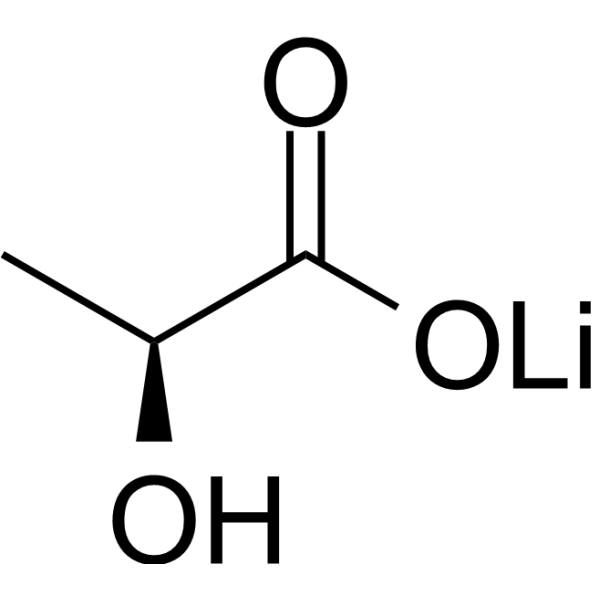
Cat. No.: HY-D0884
CAS No.: 27848-80-2
Synonyms: (S)-2-Hydroxypropanoic acid lithium
L-Lactic acid lithium ((S)-2-Hydroxypropanoic acid lithium) is a buildiing block which can be used as a precursor for the production of the bioplastic polymer poly-lactic acid. L-Lactic acid lithium has antiproliferative activity .
loading...
    loading...
14
14 Cited Publications
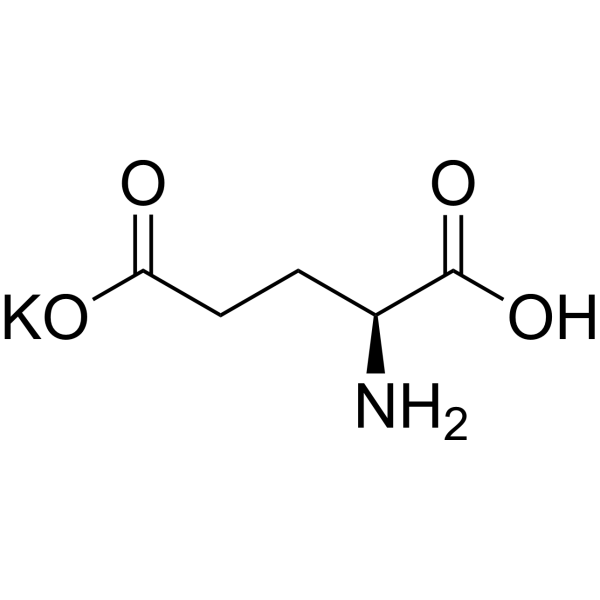
Cat. No.: HY-W337739
CAS No.: 19473-49-5
Synonyms: Monopotassium L-glutamate
Research Areas:  

Others

L-Glutamic acid monopotassium salt is a food additive and flavor enhancer that can reduce the harmful effects of lithium .
loading...
    loading...
13
13 Cited Publications
Cat. No.: HY-113071A
CAS No.: 2618458-93-6
Purity:  ≥98.0%
Synonyms: MVA lithium salt
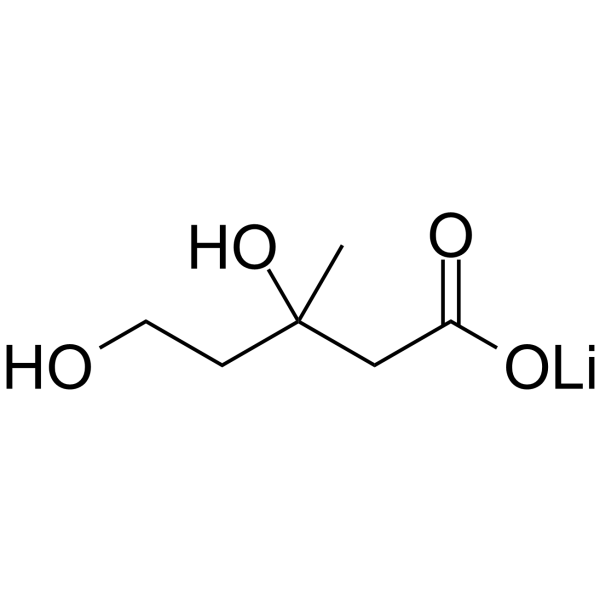
Mevalonic acid (MVA) lithium salt is a precursor substance of the mevalonate pathway, which is essential for cell growth and proliferation. Mevalonic acid lithium salt is effective in inhibiting Simvastatin (HY-17502)-induced decrease in C2C12 cell viability in vitro. Mevalonic acid lithium salt can be used in studies of myopathy and heart failure .
loading...
    loading...
13
13 Cited Publications
Cat. No.: HY-B1295
CAS No.: 6080-58-6
Synonyms: Litarex tetrahydrate
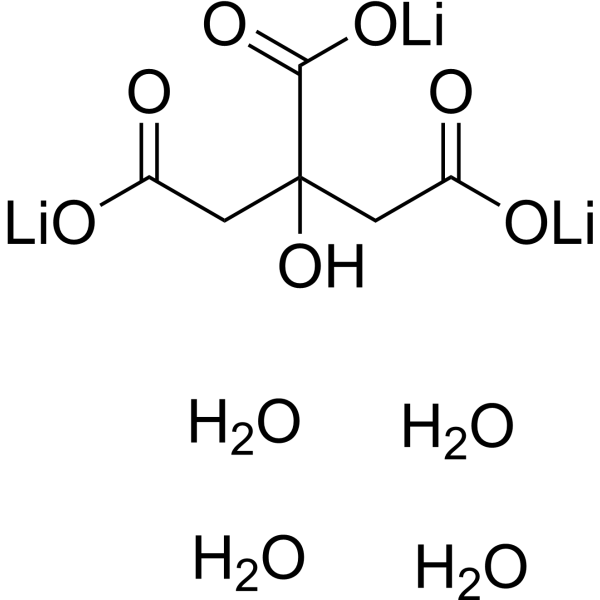
Lithium citrate (Litarex) tetrahydrate is a natural preservative and food tartness enhancer. Lithium citrate tetrahydrate induces apoptosis and cell cycle arrest at G2/M phase and S phase in HaCaT cells. Lithium citrate tetrahydrate cause oxidative damage of the liver by means of the decrease of antioxidative enzyme activities. Lithium citrate tetrahydrate is also an acidulant, emulsifier, sequestrant and buffering agent widely used across many industries .
loading...
    loading...
10
10 Cited Publications
Cat. No.: HY-A0256B
CAS No.: 61177-44-4
Research Areas:  

Infection

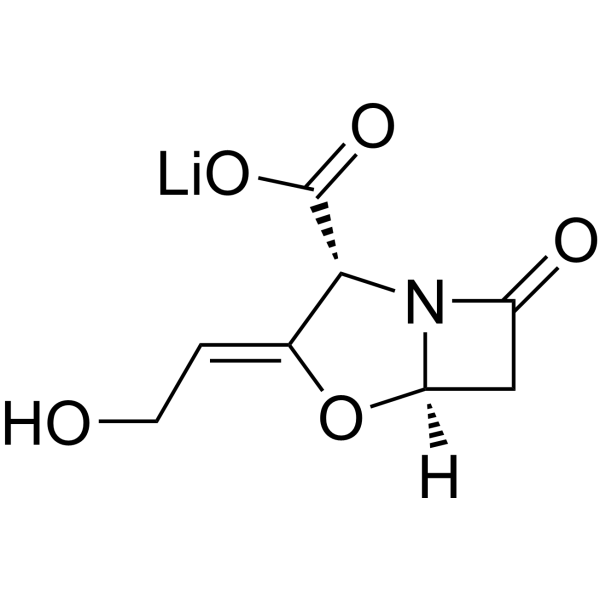
Clavulanate lithium is a potent β-lactamase inhibitor and acts as an antibiotic .
loading...
    loading...
7
7 Cited Publications
Cat. No.: HY-W015851
CAS No.: 13613-65-5
Synonyms: (R)-(-)-3-Hydroxybutanoic acid sodium; (R)-3-Hydroxybutyric acid sodium
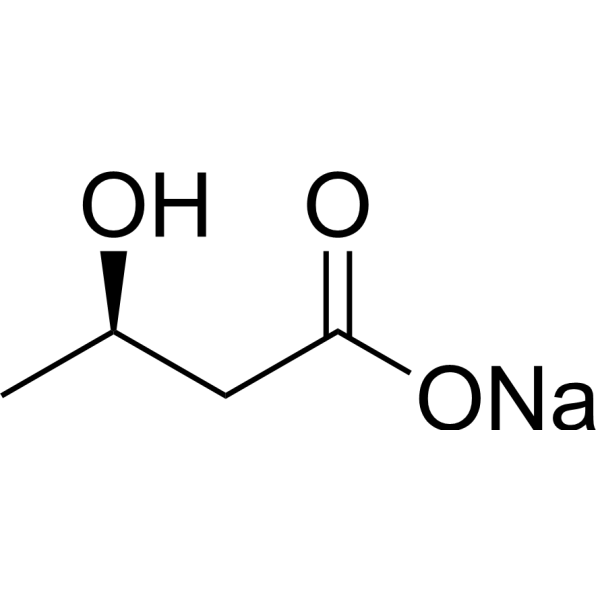
(R)-3-Hydroxybutanoic acid ((R)-3-Hydroxybutyric acid) sodium is a metabolite converted from acetoacetic acid catalyzed by 3-hydroxybutyrate dehydrogenase. (R)-3-Hydroxybutanoic acid sodium can function as a nutrition source, and as a precursor for vitamins, antibiotics and pheromones .
loading...
    loading...
7
7 Cited Publications
Cat. No.: HY-113596A
CAS No.: 32140-51-5
Purity:  97%
Synonyms: Acetyl-CoA lithium
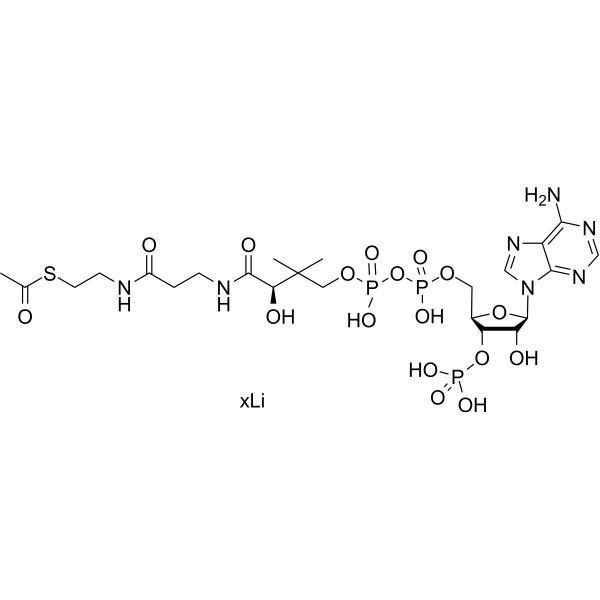
Acetyl-coenzyme A (Acetyl-CoA) lithium is a membrane-impermeant central metabolic intermediate, participates in the TCA cycle and oxidative phosphorylation metabolism. Acetyl-coenzyme A lithium, regulates various cellular mechanisms by providing (sole donor) acetyl groups to target amino acid residues for post-translational acetylation reactions of proteins. Acetyl Coenzyme A lithium is also a key precursor of lipid synthesis .
loading...
    loading...
7
7 Cited Publications
Cat. No.: HY-W051723
CAS No.: 625-72-9
Synonyms: (R)-(-)-3-Hydroxybutanoic acid; (R)-3-Hydroxybutyric acid
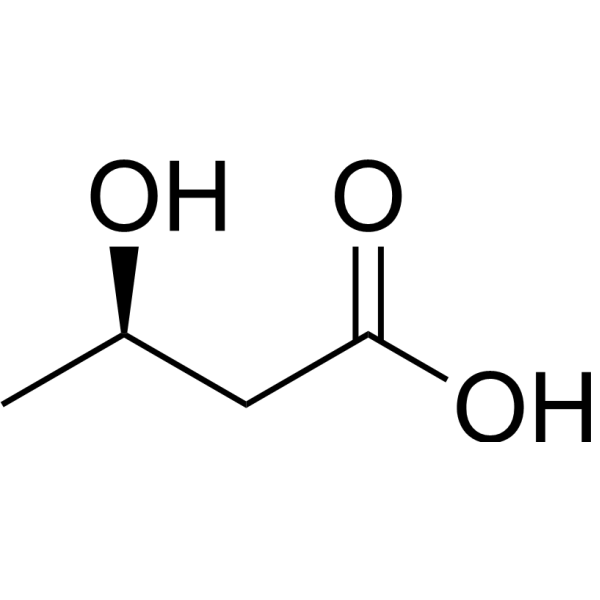
(R)-3-Hydroxybutanoic acid is a metabolite, and converted from acetoacetic acid catalyzed by 3-hydroxybutyrate dehydrogenase. (R)-3-Hydroxybutanoic acid has applications as a nutrition source and as a precursor for vitamins, antibiotics and pheromones .
loading...
    loading...
6
6 Cited Publications
Cat. No.: HY-W094474
CAS No.: 85144-11-2
Synonyms: hydrate/monohydrateortrihydrate
Target:  

GSK-3 Apoptosis

Research Areas:  

Infection Neurological Disease

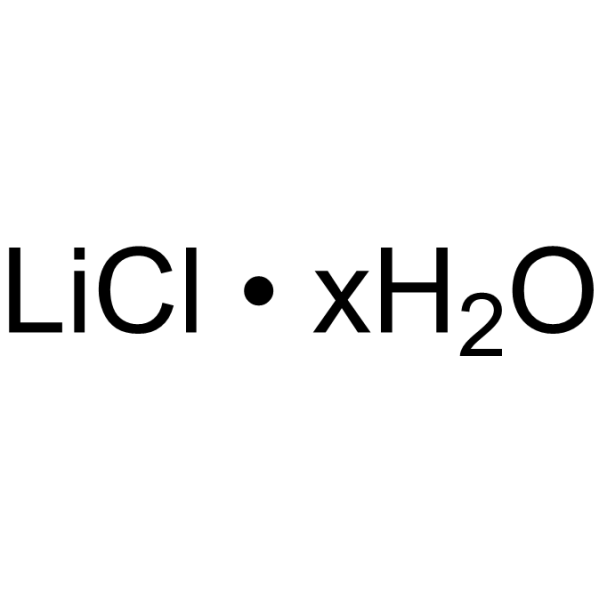
Lithium chloride hydrate, an orally active mood stabilizer, is a potent virus inhibitor and effective immunomodulatory agent. Lithium chloride hydrate has antidepressant activity by inhibiting GSK3β and promoting neurogenesis. Lithium chloride hydrate alleviates cognition dysfunction and the symptoms of acute mania and depression. Lithium chloride hydrate can also be used for research of virus infection and Alzheimer's disease .
loading...
    loading...
5
5 Cited Publications
Cat. No.: HY-112540B
CAS No.: 623-58-5
Purity:  ≥98.0%
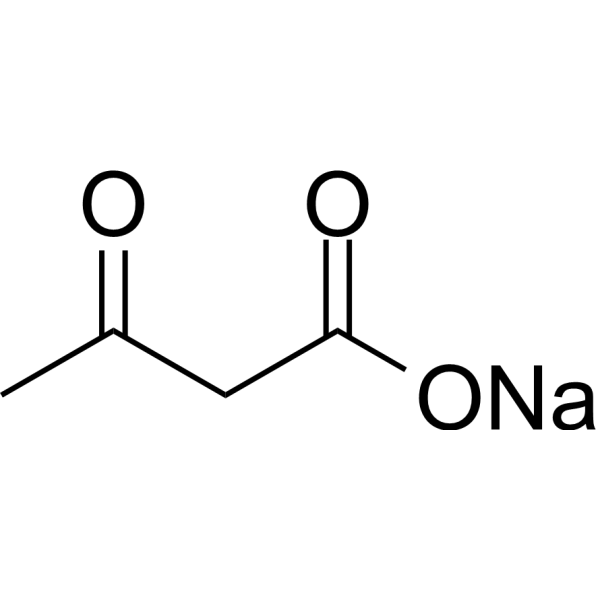
Acetoacetic acid sodium is an oxidative stress inducer that affects the antioxidant enzyme system and lipoprotein metabolism. Acetoacetic acid sodium induces oxidative stress by decreasing the mRNA expression and activity of superoxide dismutase (SOD), catalase (CAT), and glutathione peroxidase (GSH-Px), increasing MDA content, and inhibiting very low density lipoprotein (VLDL) assembly by downregulating apolipoprotein ApoB100, ApoE, and low density lipoprotein receptor (LDLR), leading to triglyceride (TG) accumulation in hepatocytes. Acetoacetic acid sodium can be used to study metabolic diseases .
loading...
    loading...
5
5 Cited Publications
Cat. No.: HY-112540
CAS No.: 541-50-4
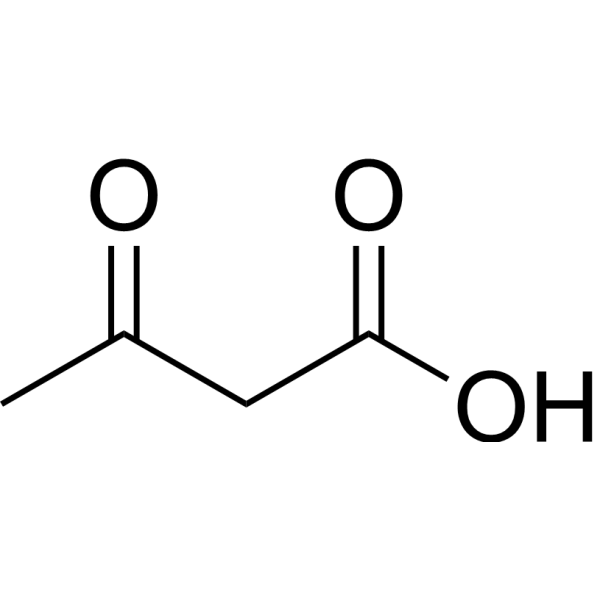
Acetoacetic acid is an oxidative stress inducer that affects the antioxidant enzyme system and lipoprotein metabolism. Acetoacetic acid induces oxidative stress by decreasing the mRNA expression and activity of superoxide dismutase (SOD), catalase (CAT), and glutathione peroxidase (GSH-Px), increasing MDA content, and inhibiting very low density lipoprotein (VLDL) assembly by downregulating apolipoprotein ApoB100, ApoE, and low density lipoprotein receptor (LDLR), leading to triglyceride (TG) accumulation in hepatocytes. Acetoacetic acid can be used to study metabolic diseases .
loading...
    loading...
5
5 Cited Publications
Cat. No.: HY-112540A
CAS No.: 3483-11-2
Purity:  ≥98.0%
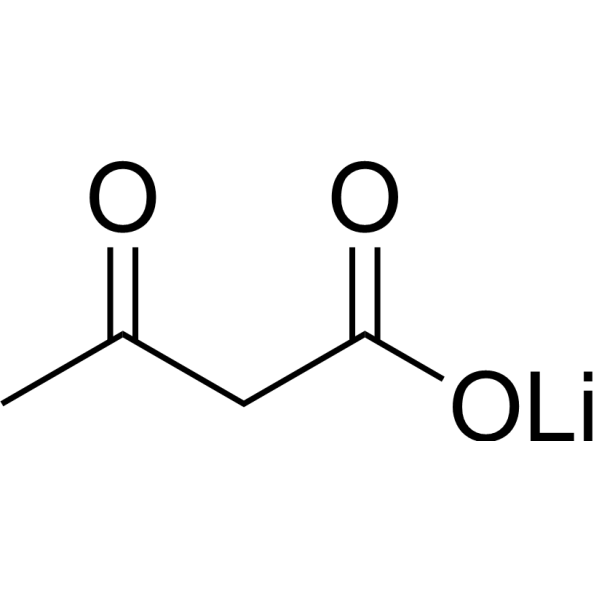
Acetoacetic acid lithium is an oxidative stress inducer that affects the antioxidant enzyme system and lipoprotein metabolism. Acetoacetic acid lithium induces oxidative stress by decreasing the mRNA expression and activity of superoxide dismutase (SOD), catalase (CAT), and glutathione peroxidase (GSH-Px), increasing MDA content, and inhibiting very low density lipoprotein (VLDL) assembly by downregulating apolipoprotein ApoB100, ApoE, and low density lipoprotein receptor (LDLR), leading to triglyceride (TG) accumulation in hepatocytes. Acetoacetic acid lithium can be used to study metabolic diseases .
loading...
    loading...
5
5 Cited Publications
Cat. No.: HY-44076
CAS No.: 85073-19-4
Synonyms: lithium phenyl-2,4,6-trimethylbenzoylphosphinate
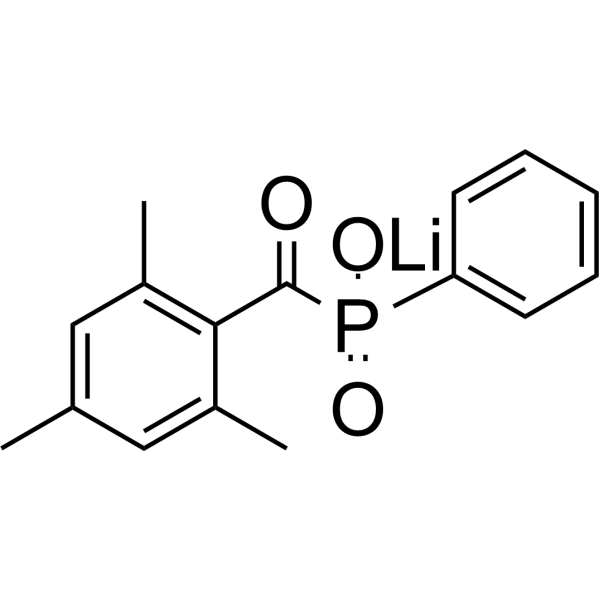
LAP (Lithium phenyl-2,4,6-trimethylbenzoylphosphinate) is a free radical initiator. The free radicals produced by LAP under bioprinting conditions are potentially cytotoxic and mutagenic. In addition, the concentration of LAP affects the mechanical strength of 3D printed scaffolds. Generally, the concentration range of LAP used for curing is 0.05%-1%. The elastic modulus produced at a concentration of 0.1% is the highest, with enhanced mechanical properties and excellent biocompatibility .
loading...
    loading...

