
2510 Results for "

Breast cancer cells

" in MedChemExpress (MCE) Product Catalog:
Products (2510)

2510 Results for "Breast cancer cells" in MCE Product Catalog:

644
644 Publications Verification
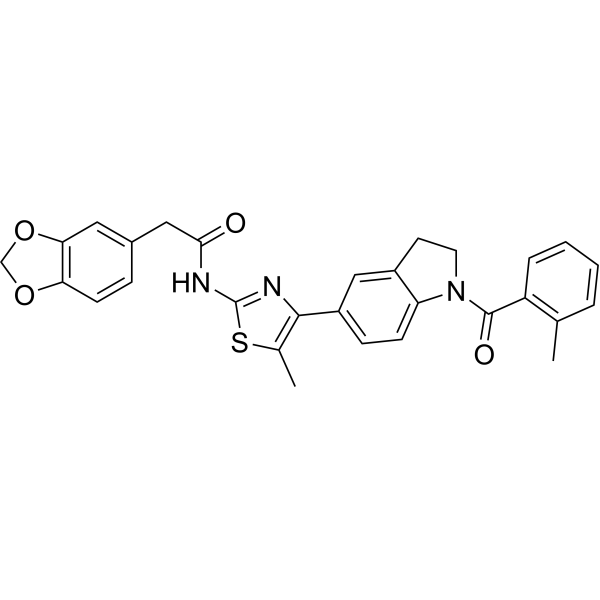
Cat. No.: HY-100523
CAS No.: 846557-71-9
Purity:  99.96%
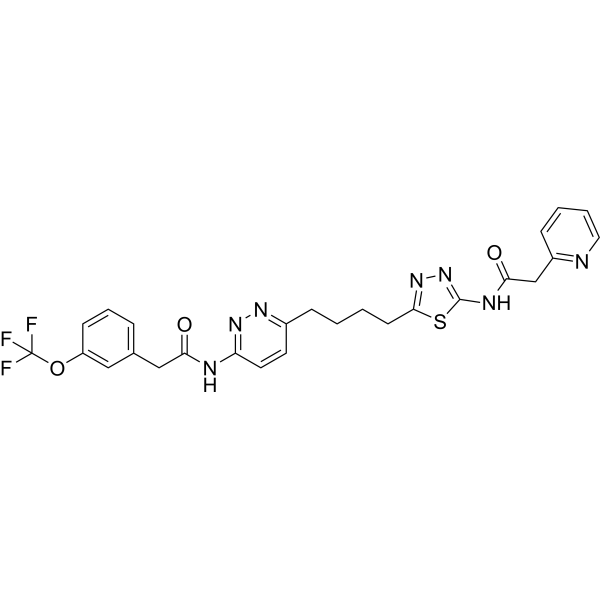
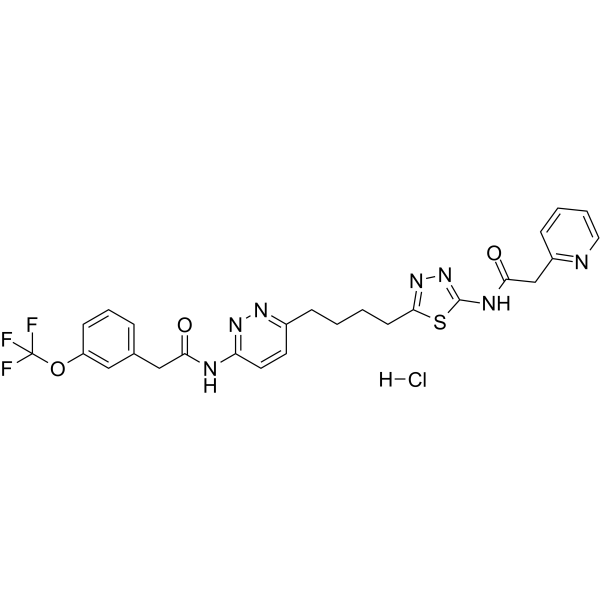
ML385 is a potent and selective Nrf2 inhibitor with an IC50 of 1.9 μM. ML385 directly binds to the Neh1 domain of NRF2, interferes with the binding of the MAFG-NRF2 protein complex to the antioxidant response element (ARE) DNA sequence, thereby blocking the expression of downstream target genes of NRF2. ML385 can be used in studies related to adult T-cell leukemia, breast cancer, myocardial ischemia/reperfusion injury, non-small cell lung cancer, esophageal squamous cell carcinoma, head and neck squamous cell carcinoma, and lung squamous cell carcinoma .
loading...
    loading...
316
316 Cited Publications
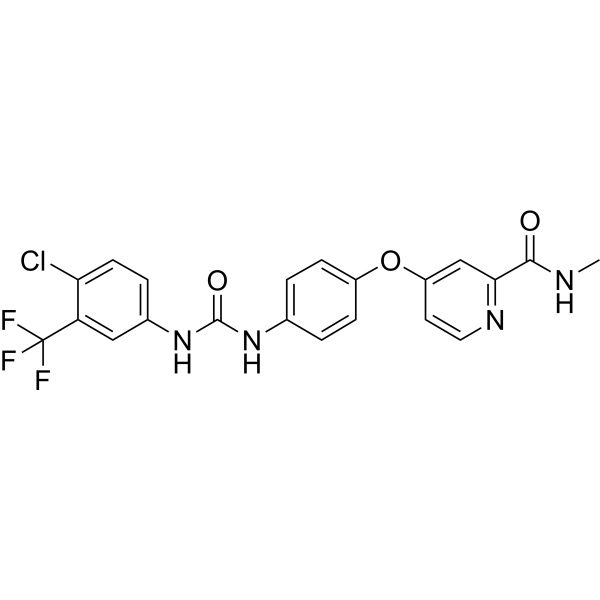
Cat. No.: HY-10201
CAS No.: 284461-73-0
Purity:  99.92%
Synonyms: Bay 43-9006
Sorafenib (Bay 43-9006) is a potent oral active multikinase inhibitor. Sorafenib blocks autophosphorylation and activity of receptor tyrosine kinases (VEGFR-2, VEGFR-3) and RAF family kinases, thereby suppressing the RAF/MEK/ERK and PI3K/Akt pathways, inhibiting STAT3 phosphorylation, and selectively inhibiting the MAPK pathway in cancer cells. Sorafenib induces cell cycle arrest, autophagy, apoptosis, and PARP cleavage, reduces Bcl-2, Bcl-XL, cyclin D1 levels, and activates Bak and Bax. Sorafenib inhibits tumor growth and metastasis in mouse and rat models. Sorafenib can be used for cancer research, such as colon, breast, non-small-cell lung cancer (NSCLC), ovarian, pancreatic, melanoma, colorectal and hepatocellular carcinoma .
loading...
    loading...
316
316 Cited Publications
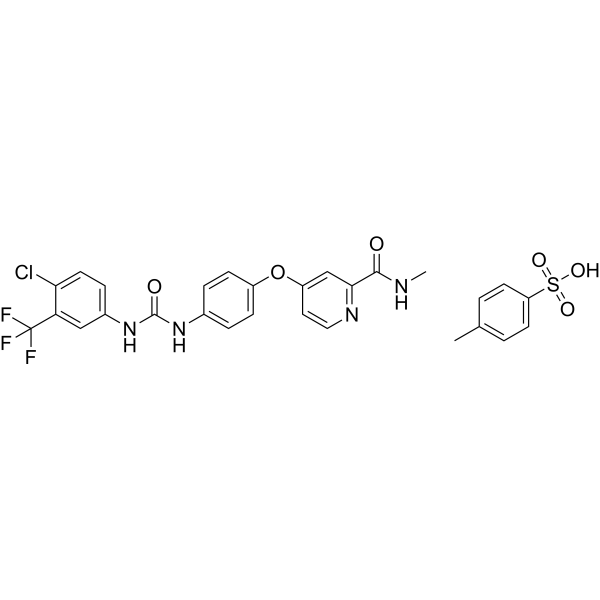
Cat. No.: HY-10201A
CAS No.: 475207-59-1
Purity:  99.75%
Synonyms: Bay 43-9006 tosylate
Sorafenib (Bay 43-9006) tosylate is a potent oral active multikinase inhibitor. Sorafenib blocks autophosphorylation and activity of receptor tyrosine kinases (VEGFR-2, VEGFR-3) and RAF family kinases, thereby suppressing the RAF/MEK/ERK and PI3K/Akt pathways, inhibiting STAT3 phosphorylation, and selectively inhibiting the MAPK pathway in cancer cells. Sorafenib tosylate induces cell cycle arrest, autophagy, apoptosis, and PARP cleavage, reduces Bcl-2, Bcl-XL, cyclin D1 levels, and activates Bak and Bax. Sorafenib tosylate inhibits tumor growth and metastasis in mouse and rat models. Sorafenib tosylate can be used for cancer research, such as colon, breast, non-small-cell lung cancer (NSCLC), ovarian, pancreatic, melanoma, colorectal and hepatocellular carcinoma .
loading...
    loading...
300
300 Cited Publications
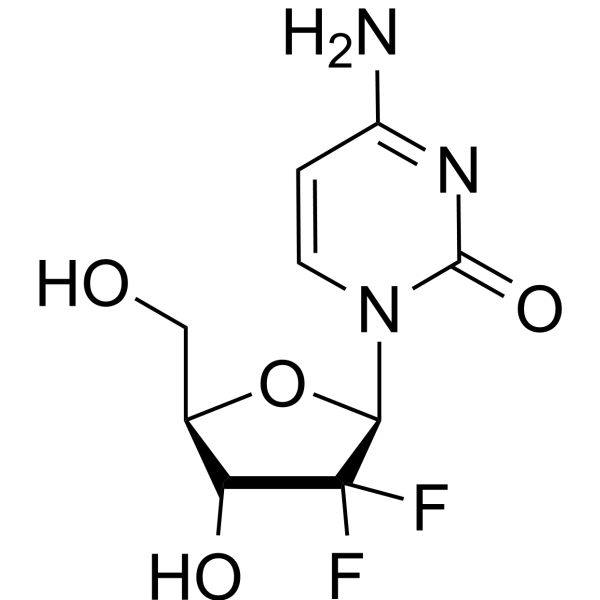
Cat. No.: HY-17026
CAS No.: 95058-81-4
Synonyms: LY 188011
Gemcitabine (LY 188011) is a pyrimidine nucleoside analog antimetabolite and an antineoplastic agent. Gemcitabine inhibits DNA synthesis and repair, and can modulate autophagy. Gemcitabine induces apoptosis through the activation of p38 MAPK. Gemcitabine demonstrates efficacy in mouse models of pancreatic and breast cancer. Gemcitabine can be used for cancer research, such as pancreatic cancer, non-small cell lung cancer, and breast cancer .
loading...
    loading...
255
255 Cited Publications
Cat. No.: HY-50767
CAS No.: 571190-30-2
Synonyms: PD 0332991
Target:  

CDK

Research Areas:  

Cancer

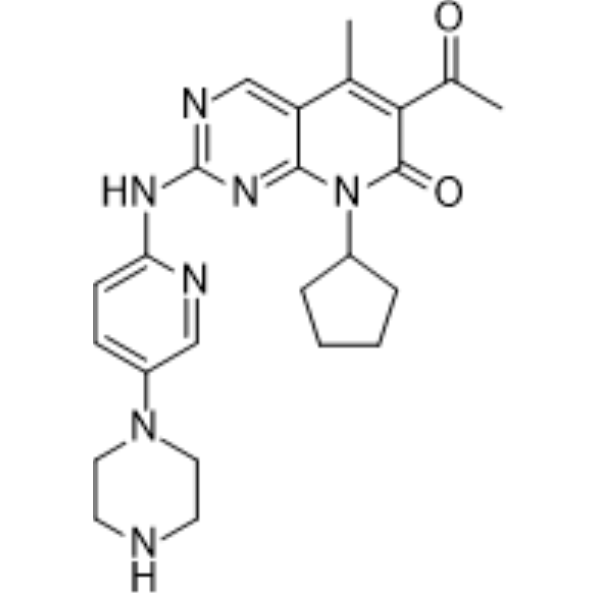
Palbociclib (PD 0332991) is an orally active selective CDK4 and CDK6 inhibitor with IC50 values of 11 and 16 nM, respectively. Palbociclib has potent anti-proliferative activity and induces cell cycle arrest in cancer cells, which can be used in the research of HR-positive and HER2-negative breast cancer and hepatocellular carcinoma .
loading...
    loading...
255
255 Cited Publications
Cat. No.: HY-50767A
CAS No.: 827022-32-2
Synonyms: PD 0332991 monohydrochloride
Target:  

CDK

Research Areas:  

Cancer

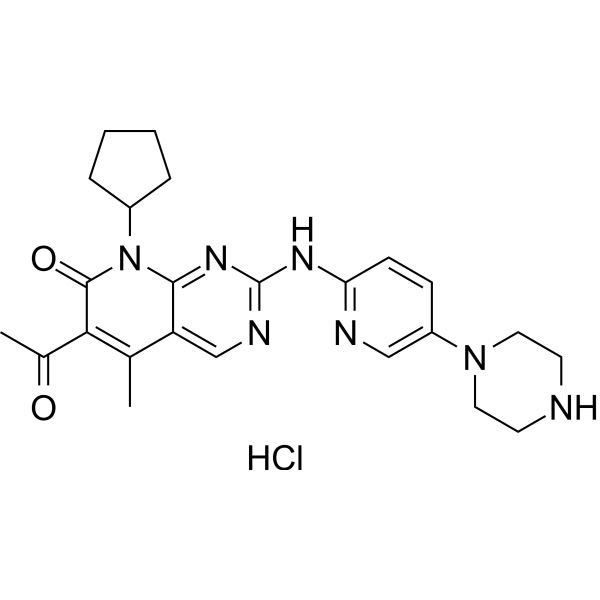
Palbociclib (PD 0332991) monohydrochloride is an orally active selective CDK4 and CDK6 inhibitor with IC50 values of 11 and 16 nM, respectively. Palbociclib monohydrochloride has potent anti-proliferative activity and induces cell cycle arrest in cancer cells, which can be used in the research of HR-positive and HER2-negative breast cancer and hepatocellular carcinoma .
loading...
    loading...
251
251 Cited Publications
Cat. No.: HY-A0065
CAS No.: 827022-33-3
Synonyms: PD 0332991 isethionate
Target:  

CDK

Research Areas:  

Infection Neurological Disease Cancer

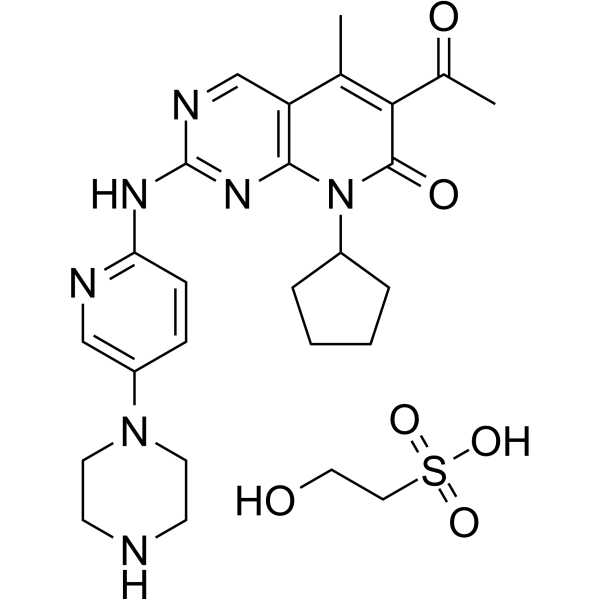
Palbociclib (PD 0332991) isethionate is an orally active selective CDK4 and CDK6 inhibitor with IC50 values of 11 and 16 nM, respectively. Palbociclib isethionate has potent anti-proliferative activity and induces cell cycle arrest in cancer cells, which can be used in the research of HR-positive and HER2-negative breast cancer and hepatocellular carcinoma .
loading...
    loading...
235
235 Cited Publications
Cat. No.: HY-50767C
CAS No.: 571189-11-2
Synonyms: PD-0332991 hydrochloride
Target:  

CDK

Research Areas:  

Cancer

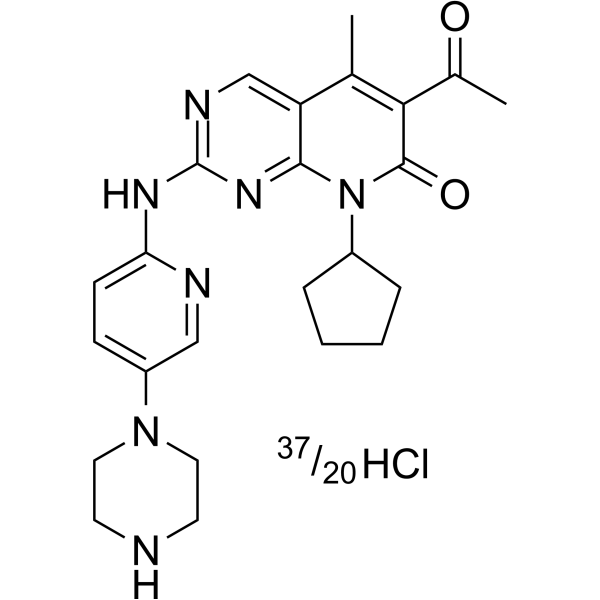
Palbociclib (PD 0332991) hydrochloride is an orally active selective CDK4 and CDK6 inhibitor with IC50 values of 11 and 16 nM, respectively. Palbociclib hydrochloride has potent anti-proliferative activity and induces cell cycle arrest in cancer cells. Palbociclib hydrochloride can be used in the research of HR-positive and HER2-negative breast cancer and hepatocellular carcinoma .
loading...
    loading...
222
222 Cited Publications
Cat. No.: HY-50895
CAS No.: 184475-35-2
Synonyms: ZD1839
Target:  

EGFR Autophagy Apoptosis

Research Areas:  

Infection Metabolic Disease Cancer

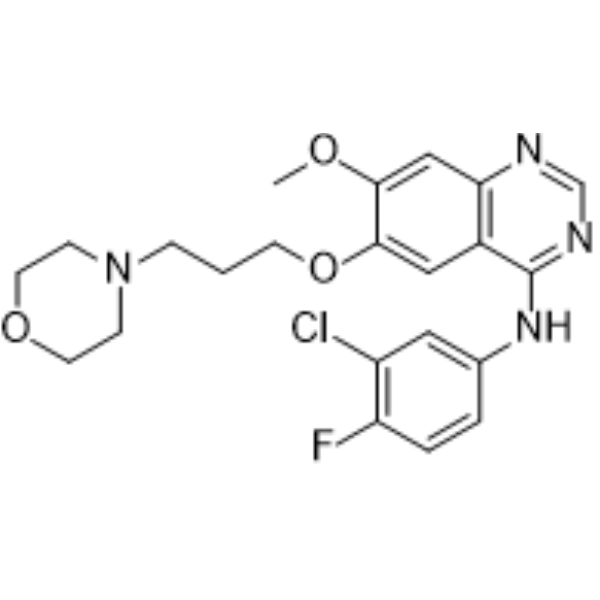
Gefitinib (ZD1839) is a potent, selective and orally active EGFR tyrosine kinase inhibitor with an IC50 of 33 nM. Gefitinib selectively inhibits EGF-stimulated tumor cell growth (IC50 of 54 nM) and that blocks EGF-stimulated EGFR autophosphorylation in tumor cells. Gefitinib also induces autophagy and cell apoptosis, which can be used for cancer related research, such as Lung cancer and breast cancer .
loading...
    loading...
197
197 Cited Publications
Cat. No.: HY-W008923
CAS No.: 17086-28-1
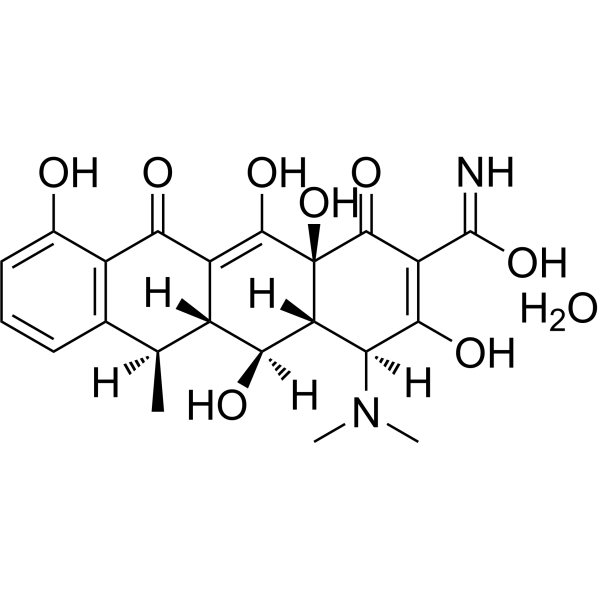
Doxycycline monohydrate is an orally active highly lipophilic, tissue-permeable MMP inhibitor with broad-spectrum antibacterial activity. Doxycycline monohydrate is also a semi-synthetic antibiotic with chelating properties, which blocks bacterial protein synthesis and inhibits extracellular matrix degradation through interactions with zinc and calcium atoms. Doxycycline monohydrate also inhibits mitochondrial biogenesis, translation, and the expression of respiratory chain proteins. Doxycycline monohydrate induces apoptosis, inhibits autophagy and EMT, downregulates stem cell markers, and activates the PI3K-AKT pathway, thereby effectively inhibiting the viability and proliferation of cancer cells such as breast cancer cells. Doxycycline monohydrate also promotes the survival and self-renewal of embryonic stem cells and neural stem cells, and reduces the frequency of medium changes in culture. Doxycycline monohydrate has been applied in studies related to breast cancer, prostate cancer, bladder cancer, and other cancers .
loading...
    loading...
136
136 Cited Publications
Cat. No.: HY-15244
CAS No.: 1217486-61-7
Purity:  99.88%
Synonyms: BYL-719
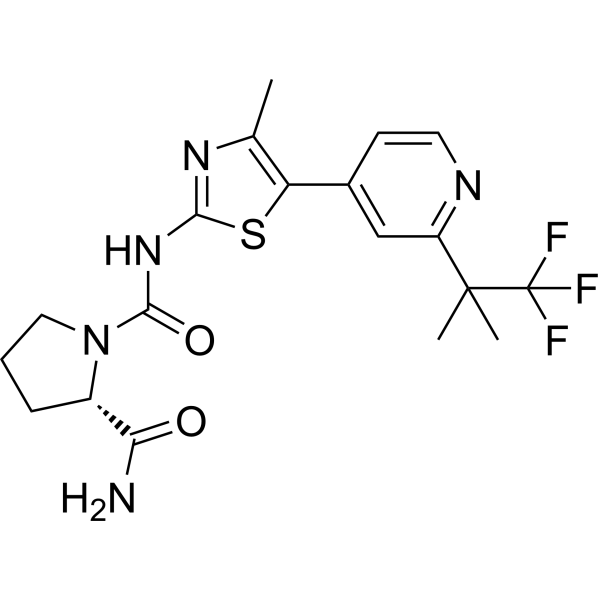
Alpelisib (BYL-719) is an orally active PI3Kα-selective inhibitor that blocks the conversion of PIP2 to PIP3, thereby inhibiting pathways including PI3K/AKT/mTOR, MAPK/ERK, Notch and JAK-STAT. Alpelisib also induces apoptosis, G0/G1 phase arrest and senescence; it significantly inhibits the proliferation, self-renewal, stemness and epithelial-mesenchymal transition (EMT) of tumor cells, reduces cancer stem cell populations and decreases the expression of stem cell markers. Alpelisib not only enhances the sensitivity to Eribulin (HY-13442) and exerts a synergistic effect with Paclitaxel (HY-B0015), but may also induce drug resistance by upregulating the SGK3/GSK3β/β-catenin signaling pathway. Alpelisib can be applied to research related to breast cancer, gastric cancer and lipomas associated with PTEN hamartoma tumor syndrome .
loading...
    loading...
136
136 Cited Publications
Cat. No.: HY-15244A
CAS No.: 1584128-91-5
Synonyms: BYL-719 hydrochloride
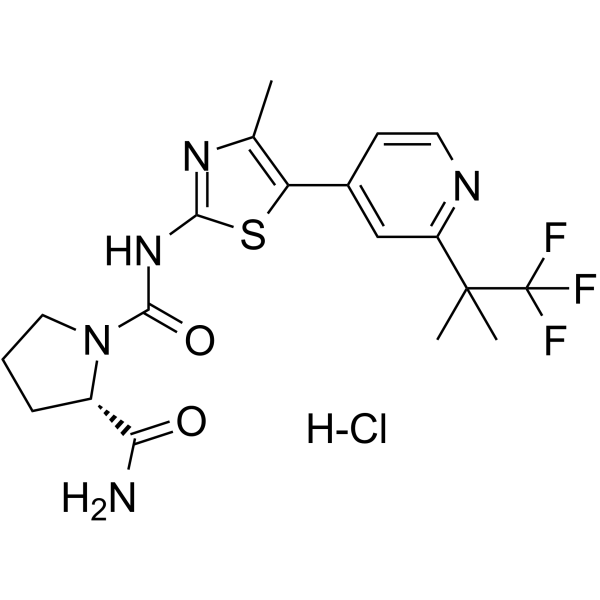
Alpelisib (BYL-719) hydrochloride is an orally active PI3Kα-selective inhibitor that blocks the conversion of PIP2 to PIP3, thereby inhibiting pathways including PI3K/AKT/mTOR, MAPK/ERK, Notch and JAK-STAT. Alpelisib hydrochloride also induces apoptosis, G0/G1 phase arrest and senescence; it significantly inhibits the proliferation, self-renewal, stemness and epithelial-mesenchymal transition (EMT) of tumor cells, reduces cancer stem cell populations and decreases the expression of stem cell markers. Alpelisib hydrochloride not only enhances the sensitivity to Eribulin (HY-13442) and exerts a synergistic effect with Paclitaxel (HY-B0015), but may also induce drug resistance by upregulating the SGK3/GSK3β/β-catenin signaling pathway. Alpelisib hydrochloride can be applied to research related to breast cancer, gastric cancer and lipomas associated with PTEN hamartoma tumor syndrome .
loading...
    loading...
115
115 Cited Publications
Cat. No.: HY-12248
CAS No.: 1439399-58-2
Purity:  99.82%
Synonyms: CB-839
Target:  

Glutaminase Autophagy

Research Areas:  

Cancer

Telaglenastat (CB-839) is a first-in-class, selective, reversible and orally active glutaminase 1 (GLS1) inhibitor. Telaglenastat selectively inhibits GLS1 splice variants KGA (kidney-type glutaminase) and GAC (glutaminase C) compared to GLS2. The IC50s are 23 nM and 28 nM for endogenous glutaminase in mouse kidney and brain, respectively. Telaglenastat inuduces autophagy and has antitumor activity .
loading...
    loading...
115
115 Cited Publications
Cat. No.: HY-12248A
CAS No.: 1874231-60-3
Synonyms: CB-839 hydrochloride
Target:  

Glutaminase Autophagy

Research Areas:  

Cancer

Telaglenastat (CB-839) hydrochloride is a first-in-class, selective, reversible and orally active glutaminase 1 (GLS1) inhibitor. Telaglenastat hydrochloride selectively inhibits GLS1 splice variants KGA (kidney-type glutaminase) and GAC (glutaminase C) compared to GLS2. The IC50s are 23 nM and 28 nM for endogenous glutaminase in mouse kidney and brain, respectively. Telaglenastat hydrochloride inudces autophagy and has antitumor activity .
loading...
    loading...
115
115 Cited Publications
Cat. No.: HY-10231
CAS No.: 685898-44-6
Purity:  ≥98.0%
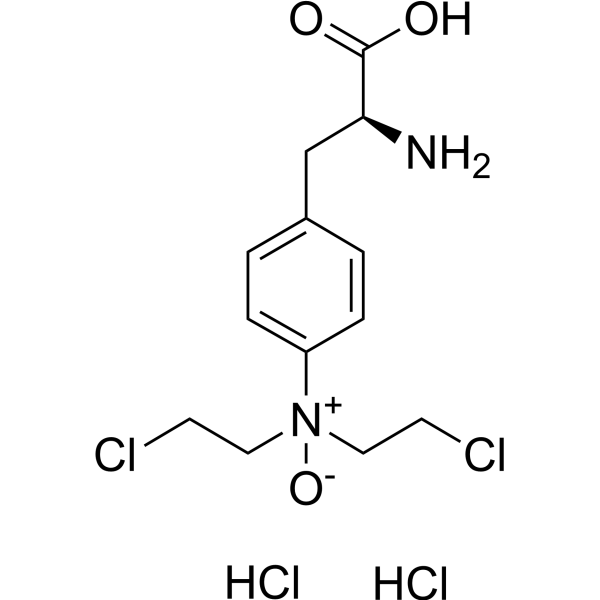
PX-478 is a multifunctional HIF-1α inhibitor with properties including radiosensitization, autophagy activation, and lipid accumulation inhibition. PX-478 also blocks hypoxia-induced VEGF production and regulates β-cell phenotypes under hypoxic conditions. PX-478 induces cell cycle arrest and DNA damage, restores autophagic function, reduces foam cell formation, and maintains glucose homeostasis. PX-478 is widely used in research on related diseases such as human tumors (e.g., prostate cancer), type 2 diabetes, and atherosclerosis .
loading...
    loading...
85
85 Cited Publications
Cat. No.: HY-15372
CAS No.: 880635-03-0
Purity:  99.64%
Target:  

PPAR Apoptosis

Research Areas:  

Cancer

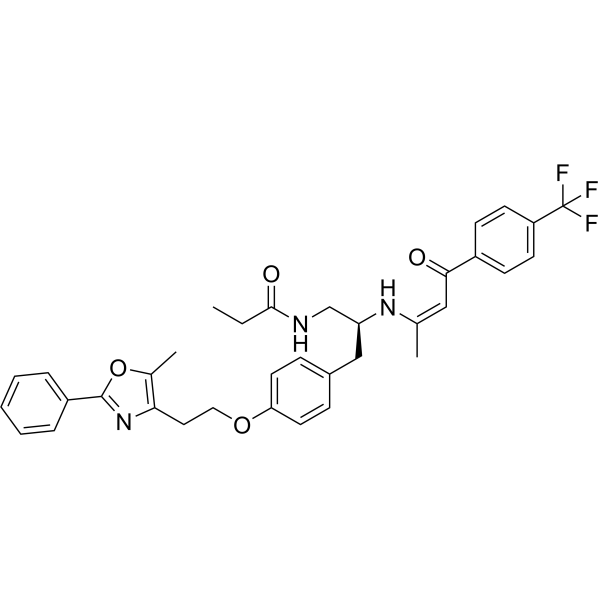
GW6471 is a selective peroxisome proliferator-activated receptor α (PPARα) antagonist. GW6471 reduces cancer stem cell viability, proliferation, and spheroid formation. GW6471 induces apoptosis and causes metabolic impairment including energy imbalance. GW6471 can be used for the research of paragangliomas and triple-negative breast cancer .
loading...
    loading...
85
85 Cited Publications
Cat. No.: HY-14590
CAS No.: 520-18-3
Purity:  99.92%
Synonyms: Kempferol; Robigenin
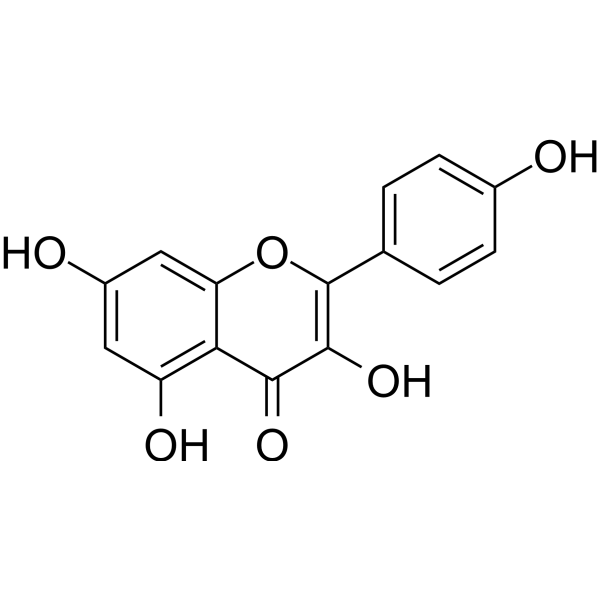
Kaempferol (Kempferol), a flavonoid found in many edible plants, inhibits estrogen receptor α expression in breast cancer cells and induces apoptosis in glioblastoma cells and lung cancer cells by activation of MEK-MAPK. Kaempferol can be uesd for the research of breast cancer .
loading...
    loading...
73
73 Cited Publications
Cat. No.: HY-16560
CAS No.: 7689-03-4
Synonyms: Campathecin; (S)-(+)-Camptothecin; CPT
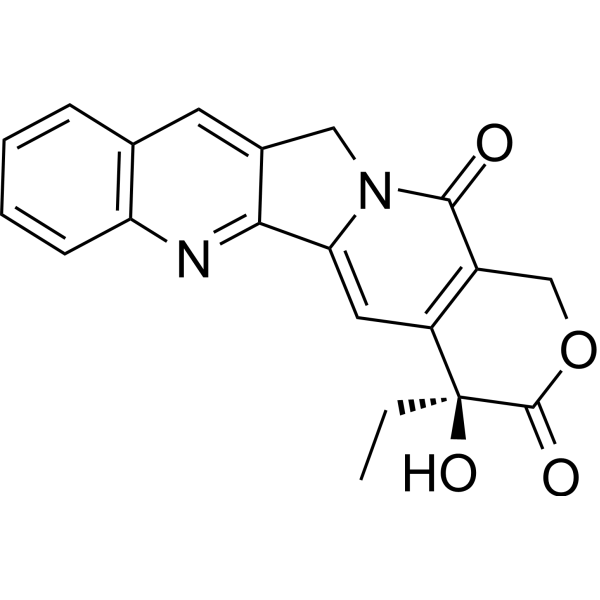
Camptothecin (CPT), a kind of alkaloid, is a DNA topoisomerase I (Topo I) inhibitor with an IC50 of 679 nM . Camptothecin (CPT) exhibits powerful antineoplastic activity against colorectal, breast, lung and ovarian cancers, modulates hypoxia-inducible factor-1α (HIF-1α) activity by changing microRNAs (miRNA) expression patterns in human cancer cells .
loading...
    loading...
67
67 Cited Publications
Cat. No.: HY-15150
CAS No.: 1037624-75-1
Purity:  99.92%
Synonyms: R428; BGB324
Target:  

TAM Receptor

Research Areas:  

Cancer

Bemcentinib (R428) is a selective and orally active Axl inhibitor with an IC50 of 14 nM. Bemcentinib retards cancer cell migration and invasion. Bemcentinib exhibits >100-fold selectivity for Axl versus Abl and 50- and >100-fold selectivity over TAM family kinases Mer and Tyro3, respectively, in cells. Bemcentinib blocks tumor spread and prolongs survival in models of metastatic breast cancer .
loading...
    loading...
63
63 Cited Publications
Cat. No.: HY-P9906
CAS No.: 216974-75-3
Synonyms: Anti-Human VEGF, Humanized Antibody
Bevacizumab (Anti-Human VEGF, Humanized Antibody) is a humanized monoclonal antibody against VEGF-A and an angiogenesis inhibitor. Bevacizumab blocks the interaction between VEGF-A and VEGF receptors. Bevacizumab possesses immunomodulatory properties. Bevacizumab can be used in research on metastatic colorectal cancer, metastatic breast cancer, and non-small cell lung cancer .
loading...
    loading...

