1. Search Result
Search Result
Isoforms Recommended: CYP1
Results for "

CYP1A1

" in MedChemExpress (MCE) Product Catalog:

115

Inhibitors & Agonists

4

Fluorescent Dye

1

Biochemical Assay Reagents

25

Natural
Products

11

Isotope-Labeled Compounds

2

Antibodies

1

Click Chemistry

6

Oligonucleotides

Cat. No. Product Name Target Research Areas Chemical Structure
  • HY-135829
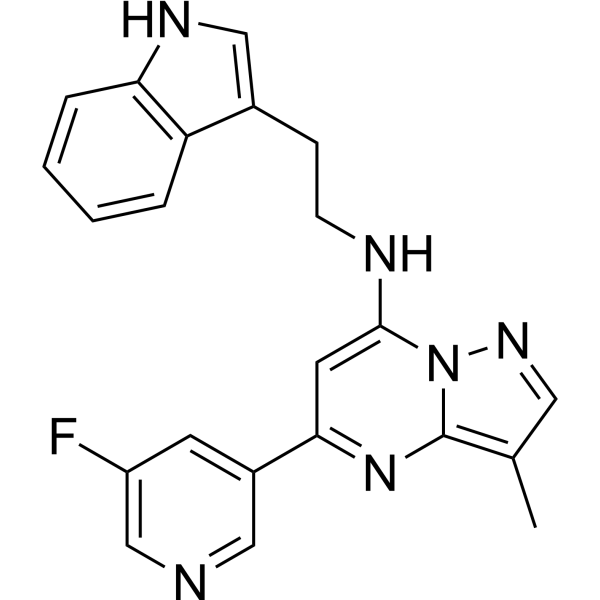
    BAY 2416964
    1 Publications Verification

    Aryl Hydrocarbon Receptor Cancer
    BAY 2416964 is a potent and orally active aryl hydrocarbon receptor (AHR) antagonist extracted from patent WO2018146010A1, example 192, has an IC50 of 341 nM. BAY 2416964 has the potential for solid tumors treatment .
    BAY 2416964
  • HY-N0382
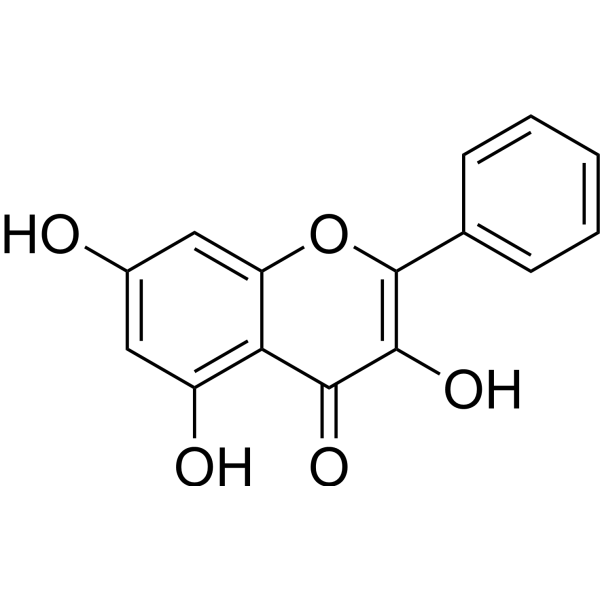
    Galangin
    Maximum Cited Publications
    18 Publications Verification

    Norizalpinin; 3,5,7-Trihydroxyflavone

    Cytochrome P450 Autophagy Cancer
    Galangin (Norizalpinin) is an agonist/antagonist of the arylhydrocarbon receptor. Galangin (Norizalpinin) also shows inhibition of CYP1A1 activity.
    Galangin
  • HY-N2194
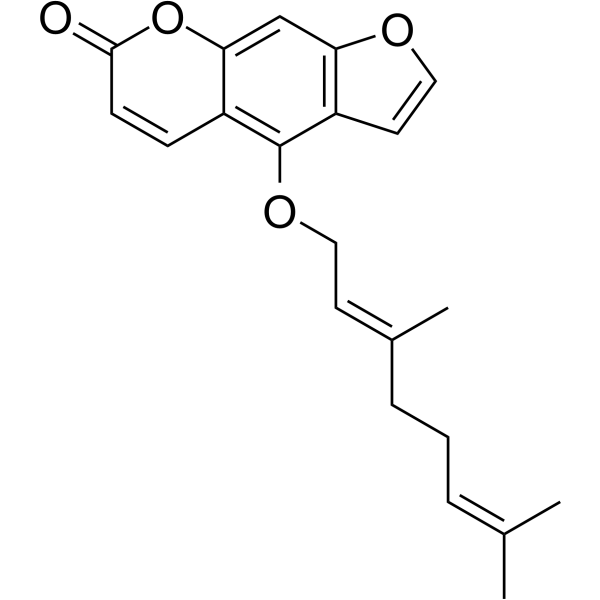
    Bergamottin
    5+ Cited Publications

    5-Geranoxypsoralen; Bergamotine; Bergaptin

    Cytochrome P450 Cancer
    Bergamottin is a potent and competitive CYP1A1 inhibitor with a Ki of 10.703 nM.
    Bergamottin
  • HY-B1234

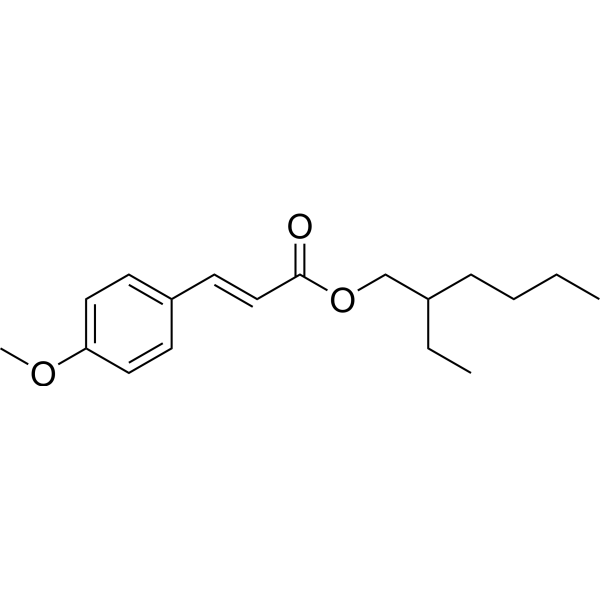
    Octyl methoxycinnamate

    Environmental Pollutants Estrogen Receptor/ERR Androgen Receptor Cytochrome P450 Thyroid Hormone Receptor Metabolic Disease Endocrinology
    Octinoxate (Octyl methoxycinnamate) is a thyroid hormone receptor agonist, reducing the levels of triiodothyronine (T3) and thyroxine (T4) and transcription levels of genes related to type II deiodinase (deio2) in Japanese Medaka. Octinoxate is commonly used as a safe ultraviolet (UV) filter used in the aquatic environment. Octinoxate inhibits CYP1A1 and CYP1B1 to regulate hyaluronan (HA) (HY-B0633A) metabolism in a PI3K pathway-dependent manner in human keratinocytes. Octinoxate also exhibits an anti-estrogenic and anti-androgenic effect in vitro and in vivo .
    Octinoxate
  • HY-N0563
    Alizarin
    1 Publications Verification

    AMPK VEGFR PI3K Akt NF-κB Cytochrome P450 Cardiovascular Disease Cancer
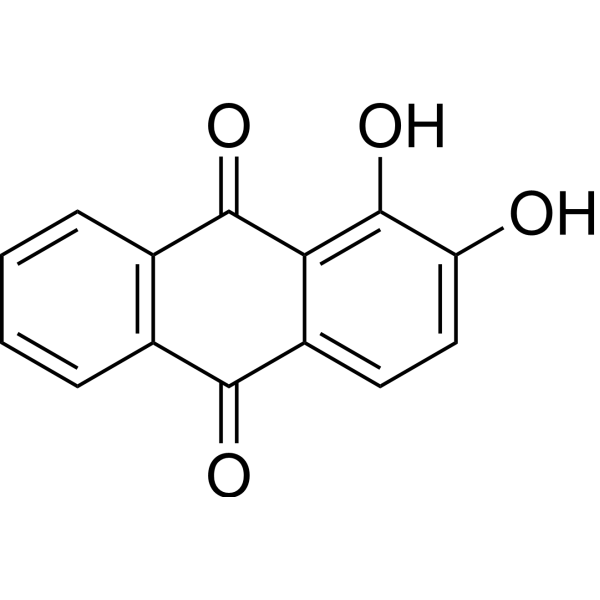
    Alizarin is a natural dye. Alizarin can be extracted from the roots of madder plant. Alizarin activates AMPK and VEGFR2/eNOS pathway. Alizarin regulates PI3K/Akt and inhibits NF-κB pathway. Alizarin enhances CYP1A1 enzyme activity. Alizarin has protective effects on hypertension and vascular endothelial dysfunction. Alizarin has anti-tumor activity against multiple cancers including pancreatic cancer, breast cancer, osteosarcoma and liver cancer. Alizarin has been widely used as a pigment in textile fabrics and paintings .
    Alizarin
  • HY-W017113
    2-Mercaptobenzothiazole
    1 Publications Verification

    Environmental Pollutants Endogenous Metabolite Metabolic Disease
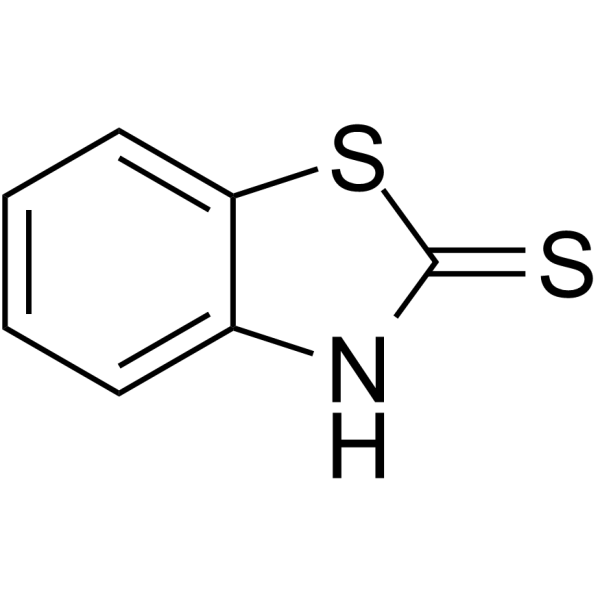
    2-Mercaptobenzothiazole is an activator of the aryl hydrocarbon receptor (AhR) , inhibiting thyroid hormone synthesis and dopamine beta-hydroxylase activity . 2-Mercaptobenzothiazole promotes bladder cancer cell invasion by altering the conformation of the AhR ligand binding domain (LBD), activating AhR transcription, and upregulating the mRNA and protein expression of target genes CYP1A1 and CYP1B1 . 2-Mercaptobenzothiazole inhibits thyroid peroxidase (TPO) with an IC50 value of 11.5 μM, induces histological changes such as follicular cell hypertrophy in Xenopus laevis tadpoles, delaying metamorphosis . 2-Mercaptobenzothiazole increases chromosomal aberrations and sister chromatid exchanges (SCEs) in Chinese hamster ovary (CHO) cells, and enhances carcinogenicity in F344/N rats . 2-Mercaptobenzothiazole inhibits norepinephrine synthesis in mice and completely blocks the conversion of exogenous dopamine to norepinephrine in rat cardiomyocytes .
    2-Mercaptobenzothiazole
  • HY-134217

    Aryl Hydrocarbon Receptor Cancer
    KYN-101 is a potent, selective and orally active AHR inhibitor. KYN-101 decreases the CYP1A1 mRNA expression. KYN-101 shows anti-cancer activity .
    KYN-101
  • HY-19340
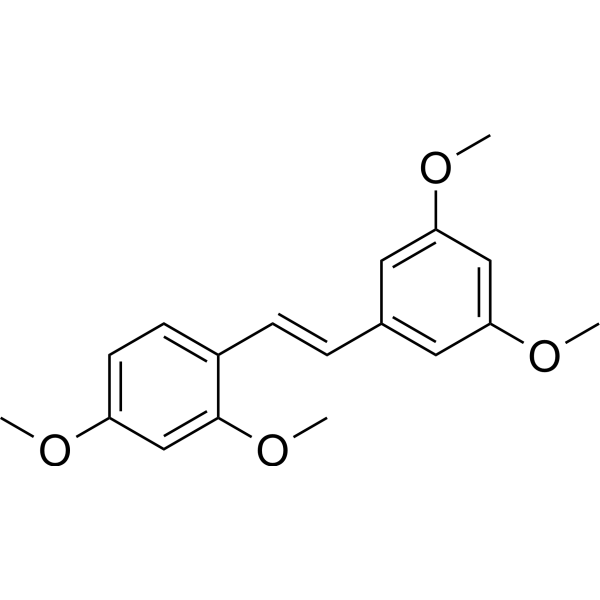
    TMS
    5+ Cited Publications

    (E)-2,3',4,5'-tetramethoxystilbene

    Cytochrome P450 Cancer
    TMS ((E)-2,3',4,5'-tetramethoxystilbene) is a selective and competitive CYP1B1 inhibitor with an IC50 of 6 nM and a Ki value of 3 nM. TMS shows a lesser extent inhibitory effect on CYP1A1 (IC50=300 nM) and CYP1A2 (IC50=3.1 μM). TMS is a methylated derivative of resveratrol and has anti-cancer activity .
    TMS
  • HY-D0145
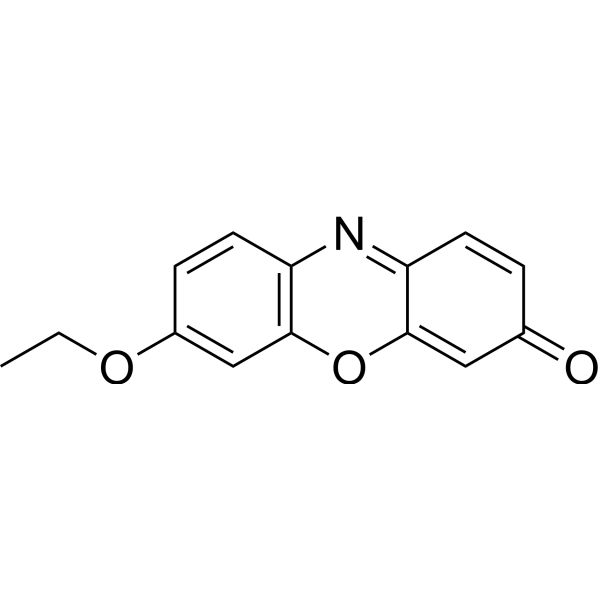
    7-Ethoxyresorufin
    1 Publications Verification

    Resorufin ethyl ether

    Cytochrome P450 NO Synthase Others
    7-Ethoxyresorufin (Resorufin ethyl ether) is a fluorometric substrate and competitive inhibitor of cytochrome P450, especially CYP1A1. 7-Ethoxyresorufin also inhibits NO synthase .
    7-Ethoxyresorufin
  • HY-B0822

    Environmental Pollutants Cytochrome P450 GABA Receptor Apoptosis Neurological Disease
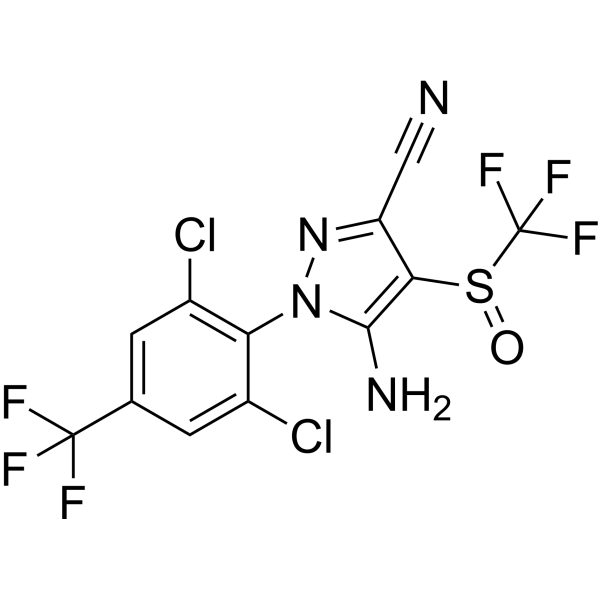
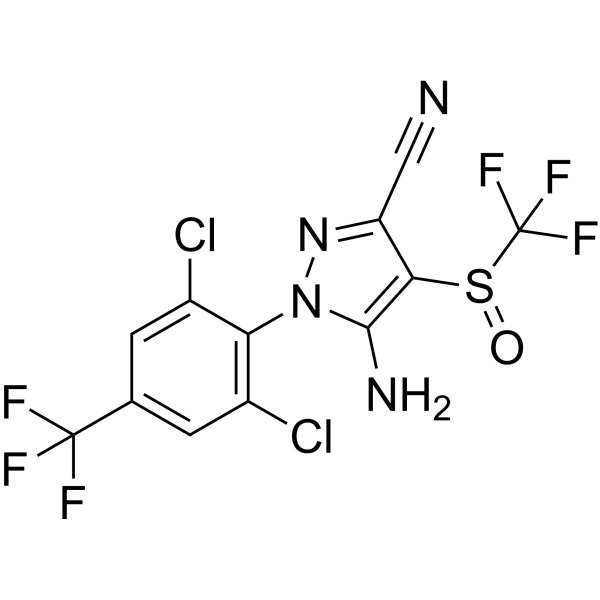
    Fipronil is a broad-spectrum insecticide effective against Lepidoptera species as well as thrips, locusts, ants, cockroaches, fleas and ticks. Fipronil selectively inhibits GABA receptor with IC50s of 30 nM and 1600 nM for cockroach and rat GABA receptors, respectively. Glutamate-gated chloride channels (GluCls), which are present in cockroaches but not in mammals, are sensitive to the blocking effect of Fipronil. Fipronil also induces apoptosis in HepG2 cells and promotes the expression of CYP1A1 and CYP3A4 mRNA in human hepatocytes .
    Fipronil
  • HY-D0932

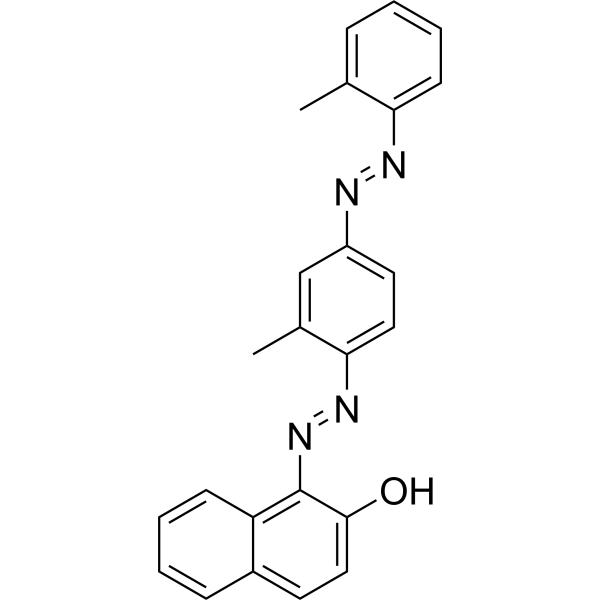
    Solvent Red 24; C.I. 26105

    Environmental Pollutants Biochemical Assay Reagents Cytochrome P450 Aryl Hydrocarbon Receptor Metabolic Disease
    Sudan IV is an agonist of the aryl hydrocarbon receptor (AhR) that activates downstream signaling pathways and induces CYP1A1 expression. Sudan IV promotes CYP1A1 gene transcription by activating AhR-ARNT heterodimers and binding to exogenous response elements (XREs) on DNA, thereby enhancing drug metabolizing enzyme activity. Sudan IV can be used to study the toxicity mechanisms of industrial dyes and the effects of interactions with serum proteins (such as bovine serum albumin (BSA)) on their distribution in vivo. Sudan IV is a fat-soluble diazo dye that can be used to stain lipids, triglycerides, and lipoproteins on frozen sections .
    Sudan IV
  • HY-Y0110
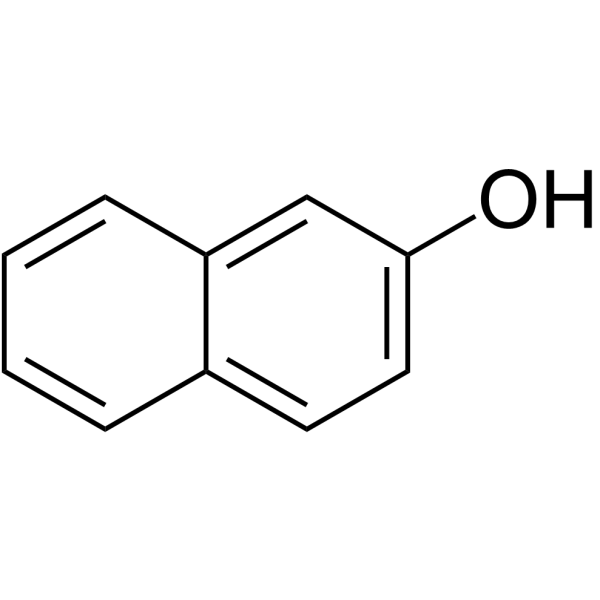
    2-Naphthol
    1 Publications Verification

    Environmental Pollutants Endogenous Metabolite Others
    2-Naphthol is a metabolite of naphthalene, catalyzed by cytochrome P450 (CYP) isozymes (CYP 1A1, CYP 1A2, CYP 2A1, CYP 2E1 and CYP 2F2).
    2-Naphthol
  • HY-N1082

    Others Cardiovascular Disease Neurological Disease Inflammation/Immunology
    Visnagin, an antioxidant furanocoumarin derivative, possess anti-inflammatory and analgesic properties. Visnagin has substantial potential to prevent Cerulein induced acute pancreatitis (AP). Visnagin possess promising vasodilator effects in vascular smooth muscles .
    Visnagin
  • HY-N5132

    Cytochrome P450 Others
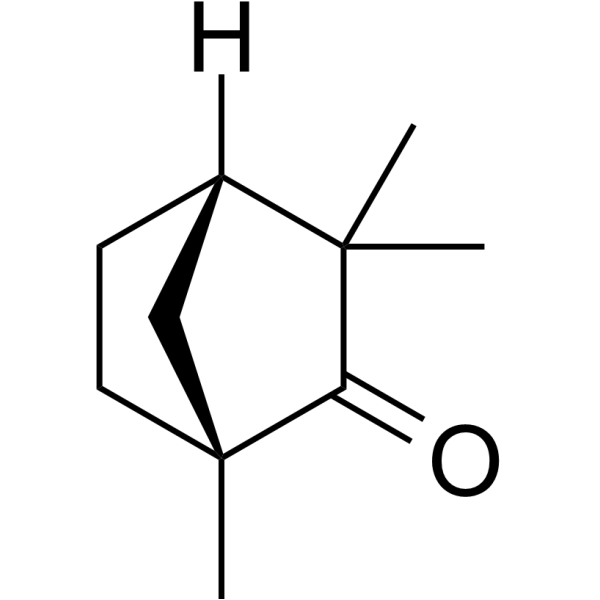
    (-)-Fenchone is a bicyclic monoterpene and serves as a substrate for human liver microsomal cytochrome P450 enzymes CYP2A6 and CYP2B6. (-)-Fenchone is not metabolized by human CYP1A1, CYP1A2, CYP1B1, CYP2C8, CYP2C9, CYP2C19, CYP2D6, CYP2E1, or CYP3A4 enzymes. (-)-Fenchone undergoes hydroxylation to produce 6-exo-hydroxyfenchone, 6-endo-hydroxyfenchone, and 10-hydroxyfenchone. During the metabolism of (-)-Fenchone, CYP2A6 may play a more important role than CYP2B6 .
    (-)-Fenchone
  • HY-N2374
    Eupatorin
    2 Publications Verification

    Apoptosis NF-κB MMP Adrenergic Receptor Inflammation/Immunology Cancer
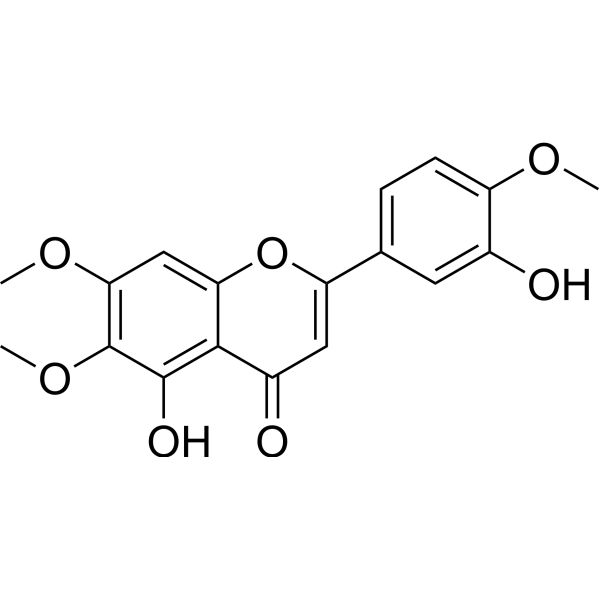
    Eupatorin is an orally active flavonoid with antiproliferative and vasodilatory properties. Eupatorin downregulates the expression levels of NF-κB, MMP9, IL-1β and TNF-α. Eupatorin induces apoptosis, G2/M phase cell cycle arrest, and reactive oxygen species (ROS) production. Eupatorin modulates the activities of muscarinic receptors and β-adrenergic receptors; inhibits sarcoplasmic reticulum calcium release and calcium channels; and activates the NO/sGC/cGMP pathway, indomethacin-sensitive pathway, and potassium channel pathway. Eupatorin exerts cytotoxic effects on cancer cell lines, and is metabolized by CYP1A1 and CYP1 family enzymes to form metabolites with antiproliferative activity. Eupatorin can be used in research related to breast cancer, hypertension, and leukemia .
    Eupatorin
  • HY-G0007
    Omeprazole sulfone
    2 Publications Verification

    Omeprazole sulphone

    Drug Metabolite Cytochrome P450 Aryl Hydrocarbon Receptor Inflammation/Immunology
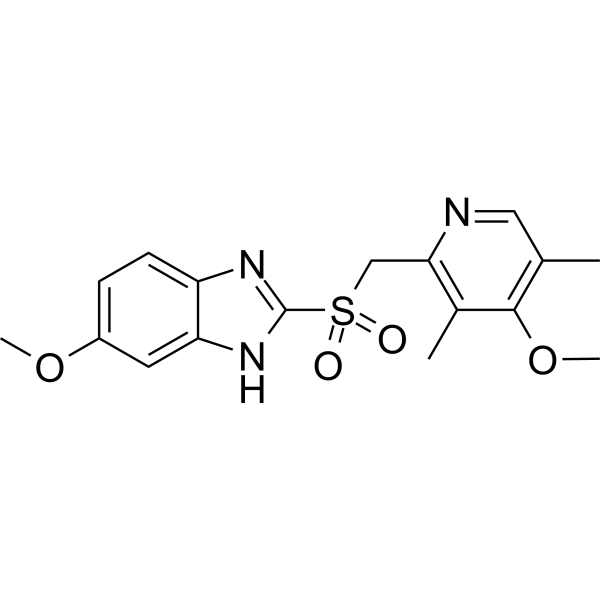
    Omeprazole sulfone (Omeprazole sulphone) is one of the major circulating metabolites of Omeprazole (HY-B0113) in vivo, and belongs to class 4 non-mutagenic impurities. Omeprazole sulfone does not bind to the aryl hydrocarbon receptor (AhR), nor does it induce the expression of CYP1A1 or CYP1A2. However, Omeprazole sulfone promotes the migration of gastric epithelial cells under basal conditions and reverses the inhibitory effect of Indomethacin (HY-14397) on cell migration. Omeprazole sulfone does not promote cell proliferation, nor does it upregulate COX-2 expression or activate signaling pathways such as ERK, P38 MAPK and PI3K. Omeprazole sulfone maintains basal ulcer healing under non-acid-dependent conditions and can be used in studies related to gastric ulcer repair .
    Omeprazole sulfone
  • HY-120377

    HBV Cancer
    CYP1A1 inhibitor 8a is a compound that potently and selectively inhibits the CYP1A1 enzyme and has the potential to prevent cancer. CYP1A1 inhibitor 8a exhibits more than 10-fold selectivity for CYP1A1 and more than 100-fold selectivity over other enzymes in the CYP1 subfamily. CYP1A1 inhibitor 8a can effectively antagonize B[a]P-mediated activation of the aryl hydrocarbon receptor (AhR) in yeast cells and protect human cells from CYP1A1-mediated B[a]P toxicity. CYP1A1 inhibitor 8a has the potential to be developed as a cancer chemopreventive agent .
    CYP1A1 inhibitor 8a
  • HY-124421

    NSC-703786

    Aryl Hydrocarbon Receptor Others
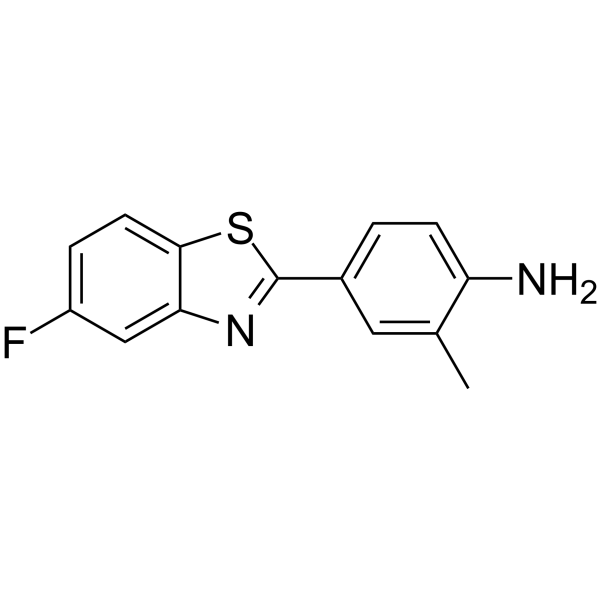
    5F-203 (NSC-703786) is a cytotoxic molecule that forms DNA adducts and cell cycle arrest. 5F-203 induces aryl hydrocarbon receptor (AhR) signaling and elevates expression of CYP1A1. 5F-203 also increases the levels of reactive oxygen species as well as activates JNK, ERK, and p38 .
    5F-203
  • HY-N2625A

    Cytochrome P450 Cancer
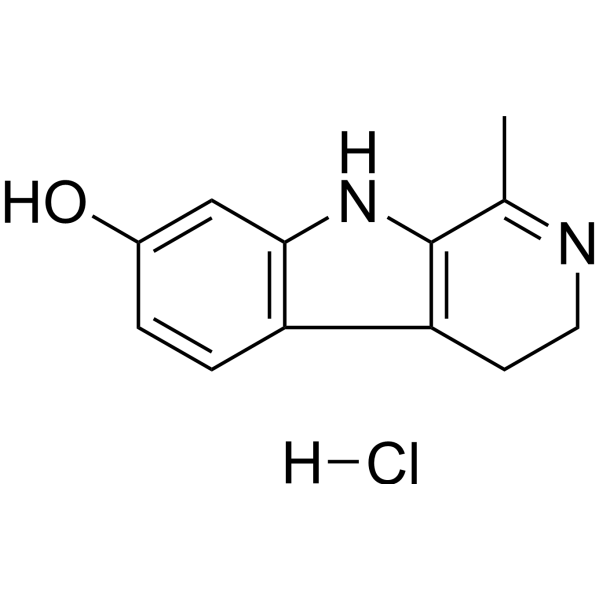
    Harmalol hydrochloride, a beta carboline alkaloid, presents in several medicinal plants such as Peganum harmala. Harmalol hydrochloride, main metabolite of Harmaline, significantly inhibits the dioxin-mediated induction of CYP1A1 at the transcriptional and posttranslational levels. Harmalol hydrochloride possesses antioxidant and hydroxyl radical-scavenging properties .
    Harmalol hydrochloride
  • HY-101285
    DMU2139
    1 Publications Verification

    Cytochrome P450 Cancer
    DMU2139 is a potent and specific CYP1B1 inhibitor, with IC50s of 9 nM and 795 nM for CYP1B1 and CYP1A1, respectively.
    DMU2139
  • HY-N4205

    Cytochrome P450 Cancer
    Tetrahydropiperine is an orally effective, selective inhibitor of NF-κB and MAPKs<、b>, and an activator of the PI3K/Akt/mTOR<、b> pathway. Tetrahydropiperine reduces the production of pro-inflammatory cytokines such as TNF-α, IL-6, and nitric oxide (NO) by inhibiting the nuclear translocation of NF-κB and the phosphorylation of MAPKs such as ERK, JNK, and p38. At the same time, Tetrahydropiperine inhibits excessive autophagy by activating the PI3K/Akt/mTOR pathway, protecting neurons from oxidative damage. Tetrahydropiperine has anti-inflammatory, anti-apoptotic, and neuroprotective effects, and is mainly used in the study of inflammatory diseases (such as endotoxemia, arthritis) and neurological diseases such as ischemic stroke .
    Tetrahydropiperine
  • HY-17663

    PARP STAT STING IFNAR Cancer
    KMR-206 is a PARP7 inhibitor with an IC50 of 13.7 nM. KMR-206 relieves AHR-mediated transcriptional repression and enhances CYP1A1 expression in the presence of TCDD. KMR-206 induces the STING-dependent IFN-β signaling pathway and increases the levels of STAT1, pSTAT1 and nuclear PARP7 in cancer cells. KMR-206 reduces the viability of lung adenocarcinoma cells, enhances radiation-induced immunogenic signals, and induces the production of immunogenic signals in glioblastoma cancer stem cells. KMR-206 destabilizes FRA1 to increase IRF1 levels and promotes the IRF3-CBP/p300 interaction. KMR-206 can be used in studies related to lung adenocarcinoma and glioblastoma .
    KMR-206
  • HY-B0822R

    Reference Standards GABA Receptor Cytochrome P450 Apoptosis Neurological Disease
    Fipronil (Standard) is the analytical standard of Fipronil. This product is intended for research and analytical applications. Fipronil is a broad-spectrum insecticide effective against Lepidoptera species as well as thrips, locusts, ants, cockroaches, fleas and ticks. Fipronil selectively inhibits GABA receptor with IC50s of 30 nM and 1600 nM for cockroach and rat GABA receptors, respectively. Glutamate-gated chloride channels (GluCls), which are present in cockroaches but not in mammals, are sensitive to the blocking effect of Fipronil. Fipronil also induces apoptosis in HepG2 cells and promotes the expression of CYP1A1 and CYP3A4 mRNA in human hepatocytes .
    Fipronil (Standard)
  • HY-152118

    Cytochrome P450 Cancer
    CYP1B1-IN-4 is a 2,4-diarylthiazole compound with selectively CYP1B1 inhibition (IC50=0.2 nM). CYP1B1-IN-4 has little cytotoxicity and high stability in both human and rat liver microsomes .
    CYP1B1-IN-4
  • HY-W007700

    PROTAC Linkers Cancer
    8-Bromooctanoic acid is a PROTAC linker, and can be used for synthesis of PROTAC CYP1B1 degrader-2 (HY-158429) .
    8-Bromooctanoic acid
  • HY-113040A

    17(R),18(S)-EETeTr

    Calcium Channel Cardiovascular Disease
    (17R,18S)-Epoxyeicosatetraenoic acid (17 (R),18 (S)-EETeTr) is a physiologically active fatty acid metabolite and also a vasodilator targeting BKα. (17R,18S)-Epoxyeicosatetraenoic acid activates the outward potassium current mediated by BK channels, and this effect is independent of the BKβ1 subunit, intracellular/extracellular calcium levels, and sarcoplasmic reticulum calcium release regulated by RyR3. (17R,18S)-Epoxyeicosatetraenoic acid is produced by the epoxidation of eicosapentaenoic acid mediated by CYP1A1 variants. (17R,18S)-Epoxyeicosatetraenoic acid is applicable to research related to arrhythmia .
    (17R,18S)-Epoxyeicosatetraenoic acid
  • HY-W008003

    Cytochrome P450 Others
    2-Hydroxybenzimidazole is an inactive compound targeting CYP1A1 and is mainly used as a control compound in the structure-activity relationship study of benzimidazole derivatives. 2-Hydroxybenzimidazole does not have the ability to induce CYP1A1 expression like its thiol or amino substituted derivatives .
    2-Hydroxybenzimidazole
  • HY-103223

    NSC 710305

    Cytochrome P450 Cancer
    Phortress is a high affinity AhR ligand that elicits antitumor activity by inducing transcription of CYP1A1 .
    Phortress
  • HY-112628

    AHR antagonist 7

    Aryl Hydrocarbon Receptor Cancer
    CAY10464 (AHR antagonist 7; compound 4j) is a selective and high-affinity aryl hydrocarbon receptor (AhR) antagonist with a Ki of 1.4 nM .
    CAY10464
  • HY-D0145S

    Resorufin ethyl ether-d5

    Isotope-Labeled Compounds Cytochrome P450 NO Synthase Others
    7-Ethoxyresorufin-d5 is deuterium labeled 7-Ethoxyresorufin. 7-Ethoxyresorufin (Resorufin ethyl ether) is a fluorometric substrate and competitive inhibitor of cytochrome P450, especially CYP1A1. 7-Ethoxyresorufin also inhibits NO synthase .
    7-Ethoxyresorufin-d5
  • HY-N8382

    Cytochrome P450 Parasite Insecticide Infection
    Chalepensin is a nematicide and CYP inhibitor. Chalepensin inhibits CYP2A6, CYP1A1, CYP1A2, CYP2A13, CYP2C9, CYP2D6, CYP2E1, and CYP3A4 to varying degrees, with IC50 values of 82.3 μM, 2.86 μM, 3.01 μM, 0.21 μM, 6.58 μM, 1.67 μM, 61.1 μM, and 61.7 μM, respectively. Chalepensin potently and selectively kills third-stage infective larvae of Strongyloides venezuelensis .
    Chalepensin
  • HY-D0932R

    Solvent Red 24 (Standard); C.I. 26105 (Standard)

    Biochemical Assay Reagents Aryl Hydrocarbon Receptor Cytochrome P450 Reference Standards Metabolic Disease
    Sudan IV (Standard) (Solvent Red 24 (Standard)) is the analytical standard of Sudan IV (HY-D0932). This product is intended for research and analytical applications. Sudan IV is an agonist of the aryl hydrocarbon receptor (AhR) that activates downstream signaling pathways and induces CYP1A1 expression. Sudan IV promotes CYP1A1 gene transcription by activating AhR-ARNT heterodimers and binding to exogenous response elements (XREs) on DNA, thereby enhancing drug metabolizing enzyme activity. Sudan IV can be used to study the toxicity mechanisms of industrial dyes and the effects of interactions with serum proteins (such as bovine serum albumin (BSA)) on their distribution in vivo. Sudan IV is a fat-soluble diazo dye that can be used to stain lipids, triglycerides, and lipoproteins on frozen sections.
    Sudan IV (Standard)
  • HY-RS03441

    Small Interfering RNA (siRNA) Others

    CYP1A1 Human Pre-designed siRNA Set A contains three designed siRNAs for CYP1A1 gene (Human), as well as a negative control, a positive control, and a FAM-labeled negative control.

    CYP1A1 Human Pre-designed siRNA Set A
    CYP1A1 Human Pre-designed siRNA Set A
  • HY-101284

    Cytochrome P450 Cancer
    DMU2105 is a potent and specific CYP1B1 inhibitor, with IC50s of 10 nM and 742 nM for CYP1B1 and CYP1A1, respectively.
    DMU2105
  • HY-157942

    Cytochrome P450 Cancer
    CYP1B1-IN-7 (compound 2a) is a selective inhibitor of CYP1B1 (IC50: 75 nM). CYP1B1-IN-7 also reverses resistance (IC50: 29 μM) and exhibits cytotoxicity in the CYP1B1-overexpressing MCF-7 cell line that is resistant to Docetaxel (HY-B0011) .
    CYP1B1-IN-7
  • HY-159006

    Cytochrome P450 Cancer
    CYP1B1 ligand 3 (Compound A1) is a selective inhibitor for cytochrome P450 enzyme CYP1B1 with an IC50 of 11.9 nM. CYP1B1 ligand 3 can be utilized for the synthesis of PROTAC CYP1B1 degrader-2 (HY-158429) .
    CYP1B1 ligand 3
  • HY-129247

    MDM-2/p53 Aryl Hydrocarbon Receptor Cytochrome P450 Cancer
    Versicolorin A is a biosynthetic precursor of Aflatoxin B1 (HY-N6615). Versicolorin A induces phosphorylation of p53. Versicolorin A activates the aryl hydrocarbon receptor AhR and significantly induces the expression of CYP1A1. Versicolorin A exerts genotoxic and cytotoxic effects. Versicolorin A enhances the genotoxicity of aflatoxin B1 in cells by promoting CYP450-mediated bioactivation of aflatoxin B1. Versicolorin A can be used in research related to colorectal cancer and hepatocellular carcinoma .
    Versicolorin A
  • HY-W472509

    11-Hydroxy-5,8,12,14-eicosatetraenoic acid

    Cytochrome P450 Cardiovascular Disease
    11-HETE (11-Hydroxy-5,8,12,14-eicosatetraenoic acid) is the activator for cytochrome P450. 11-HETE upregulates the mRNA expressions of CYP1B1, CYP1A1, CYP4A11, CYP4F11, and CYP4F2, induces cell hypertrophy in RL-14 cell, and exhibits potential to be used in cardiovascular diseases .
    11-HETE
  • HY-147128

    Aryl Hydrocarbon Receptor Cytochrome P450 Interleukin Related Inflammation/Immunology
    PY109 is an orally active and highly selective aryl hydrocarbon receptor (AHR) agonist. PY109's EC50 values in human-derived HepG2 and mouse Hepa-1c1c7 cells are 1.2 nM and 1.4 nM respectively. PY109 significantly upregulates the expression of CYP1A1 and IL-22, and inhibits the expression of IL-17A. PY109 significantly improves colitis in mice. PY109 can be used for research on colitis .
    PY109
  • HY-174333

    Bacterial Cytochrome P450 Infection Cardiovascular Disease
    CYP1A1-IN-1 (Compound 47) is a small-molecule cytochrome P4501A1 (CYP1A1) inhibitor. CYP1A1-IN-1 reduces the bacterial loads of methicillin-resistant Staphylococcus aureus (MRSA) and Acinetobacter baumannii by enhancing macrophage phagocytosis. CYP1A1-IN-1 is promising for research of sepsis caused by multidrug-resistant (MDR) bacteria .
    CYP1A1-IN-1
  • HY-148595

    Cytochrome P450 Cancer
    CYP1A1-IN-2 (Compound 14) is a competitive inhibitor of CYP1A1 (Ki: 1.4 μM). CYP1A1-IN-2 exhibits potent antimitotic activity and arrests cell in the G2/M phase. CYP1A1-IN-2 disrupts the microtubule and the cytoskeleton in CYP1A1-expressing breast cancer cells .
    CYP1A1-IN-2
  • HY-RS23174

    Small Interfering RNA (siRNA) Others

    Cyp1a1 Rat Pre-designed siRNA Set A contains three designed siRNAs for Cyp1a1 gene (Rat), as well as a negative control, a positive control, and a FAM-labeled negative control.

    Cyp1a1 Rat Pre-designed siRNA Set A
    Cyp1a1 Rat Pre-designed siRNA Set A
  • HY-RS16737

    Small Interfering RNA (siRNA) Others

    Cyp1a1 Mouse Pre-designed siRNA Set A contains three designed siRNAs for Cyp1a1 gene (Mouse), as well as a negative control, a positive control, and a FAM-labeled negative control.

    Cyp1a1 Mouse Pre-designed siRNA Set A
    Cyp1a1 Mouse Pre-designed siRNA Set A
  • HY-N0922

    DL-Methysticin; (±)-Methystici

    Cytochrome P450 Neurological Disease
    Methysticin is a major kavalactone in kava extract to induce CYP1A1.
    Methysticin
  • HY-118216

    Biloxazol

    Fungal Cytochrome P450 Infection
    Bitertanol (Biloxazol) is a potent antifungal agent. Bitertanol also is an CYP1A1, CYP2B, and CYP3A inducer in vivo and an CYP1A inhibitor in vitro .
    Bitertanol
  • HY-N6264

    Aryl Hydrocarbon Receptor ERK Metabolic Disease
    26-Deoxyactein is a constituent isolated from Cimicifuga racemosa, prevents TCDD-induced osteoblasts damage. 26-Deoxyactein inhibits increased AhR, CYP1A1 and ERK levels .
    26-Deoxyactein
  • HY-N0382R

    Norizalpinin (Standard); 3,5,7-Trihydroxyflavone (Standard)

    Reference Standards Cytochrome P450 Autophagy Cancer
    Galangin (Standard) is the analytical standard of Galangin. This product is intended for research and analytical applications. Galangin (Norizalpinin) is an agonist/antagonist of the arylhydrocarbon receptor. Galangin (Norizalpinin) also shows inhibition of CYP1A1 activity.
    Galangin (Standard)
  • HY-178053

    Aryl Hydrocarbon Receptor Cytochrome P450 Interleukin Related Inflammation/Immunology
    AHR agonist 10 is a potent AHR agonist (EC50 = 2.01 nM). AHR agonist 10 can elevate the transcript levels of key AHR downstream pathway target genes, including CYP1A1 and CYP1B1. AHR agonist 10 can downregulate the expression levels of CD36, IL-18 and shows low cytotoxicity (>40 μM) to normal cells. AHR agonist 10 can suppress the expression of CCL5, CCL20, IL-6, IL-8, S100A9, TLR4, TNF-α, and TNFR1, demonstrating that AHR agonist 10 effectively modulate inflammatory responses through AHR dependent signaling pathways. AHR agonist 10 can be used for psoriasis research .
    AHR agonist 10
  • HY-118474

    NSC 721648

    Aryl Hydrocarbon Receptor Cytochrome P450 Cancer
    GW 610 (NSC 721648), an antitumor agent, is a potent AhR ligand with a Ki of 6.8 nM. GW 610 induces CYP1A1 expression in MCF-7 cells. GW 610 shows potent and selective anticancer activity against lung, colon, and breast cancer cell lines .
    GW 610
  • HY-N10344

    Cytochrome P450 Quinone Reductase Cancer
    Glucoarabin is a bioactive glucosinolate. In Hepa1c1c7 cells, hydrolyzed Glucoarabin (hGSL 9) upregulates the phase II detoxification enzyme quinone reductase (NQO1), with no effect on cytochrome P450 (CYP) 1A1 activity .
    Glucoarabin

Inquiry Online

Your information is safe with us. * Required Fields.

Salutation


Country or Region *

Applicant Name *


Organization Name *

Department *


Email Address *


Product Name *

Cat. No.


Requested quantity *

Phone Number *


Remarks

Inquiry Online

Inquiry Information

Product Name:
Cat. No.:
Quantity:
MCE Japan Authorized Agent:

