611 Results for "

Cell Invasion

" in MedChemExpress (MCE) Product Catalog:
Products (611)

611 Results for "Cell Invasion" in MCE Product Catalog:

66
66 Publications Verification
Referencia número: HY-15150
No. CAS: 1037624-75-1
Pureza:  99.92%
Synonyms: R428; BGB324
Target:  

TAM Receptor

Áreas de investigación:  

Cancer

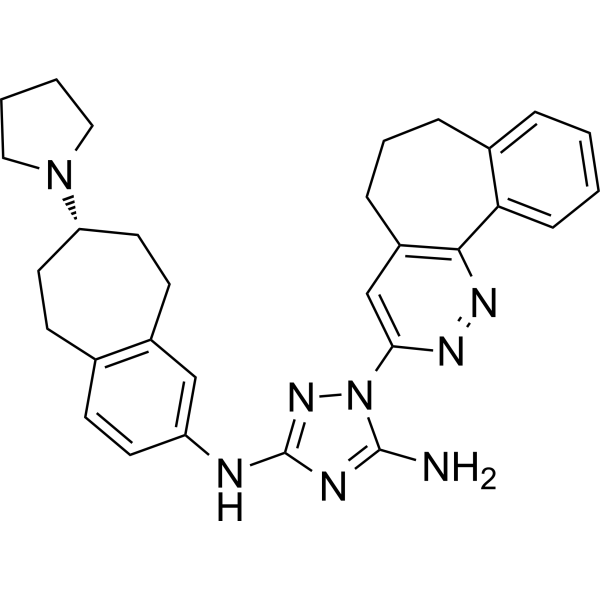
Bemcentinib (R428) is a selective and orally active Axl inhibitor with an IC50 of 14 nM. Bemcentinib retards cancer cell migration and invasion. Bemcentinib exhibits >100-fold selectivity for Axl versus Abl and 50- and >100-fold selectivity over TAM family kinases Mer and Tyro3, respectively, in cells. Bemcentinib blocks tumor spread and prolongs survival in models of metastatic breast cancer .
loading...
    loading...
34
34 Cited Publications
Referencia número: HY-B0094
No. CAS: 63968-64-9
Synonyms: Qinghaosu; NSC 369397
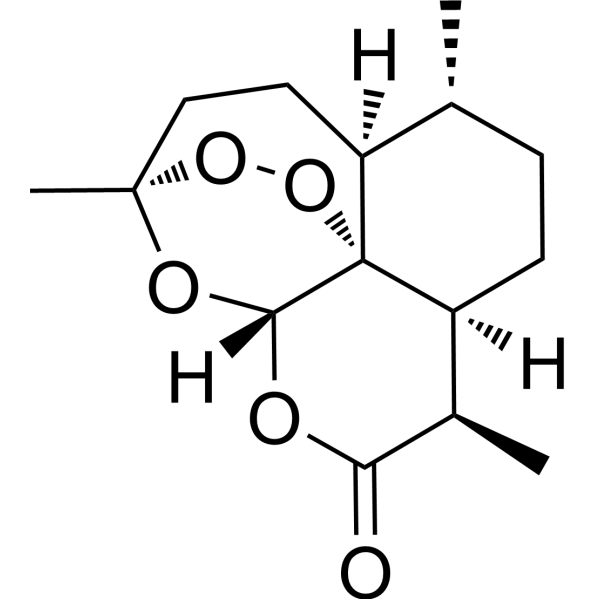
Artemisinin (Qinghaosu), a sesquiterpene lactone, is an anti-malarial agent isolated from the aerial parts of Artemisia annua L. plants . Artemisinin inhibits AKT signaling pathway by decreasing pAKT in a dose-dependent manner. Artemisinin reduces cancer cell proliferation, migration, invasion, tumorigenesis and metastasis and has neuroprotective effects .
loading...
    loading...
30
30 Cited Publications
Referencia número: HY-B0509A
No. CAS: 37517-28-5
Synonyms: BAY 41-6551
Target:  

Bacterial Antibiotic

Áreas de investigación:  

Infection Cancer

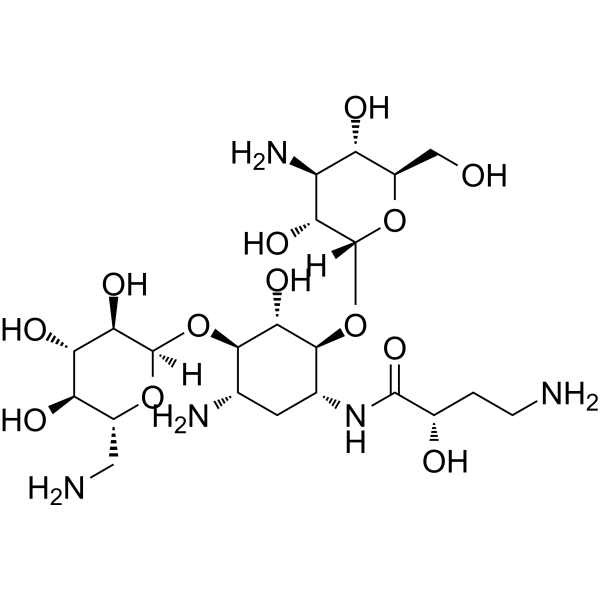
Amikacin (BAY 41-6551) is a semisynthetic kanamycin analog that is active against most Gram-negative bacteria, including gentamicin- and tobramycin-resistant strains. Significant inhibitory effect. Amikacin is ototoxic and nephrotoxic. Amikacin can be used in bacteriostatic, anti-cancer and analgesic studies .
loading...
    loading...
27
27 Cited Publications
Referencia número: HY-N0153
No. CAS: 10236-47-2
Synonyms: Naringoside
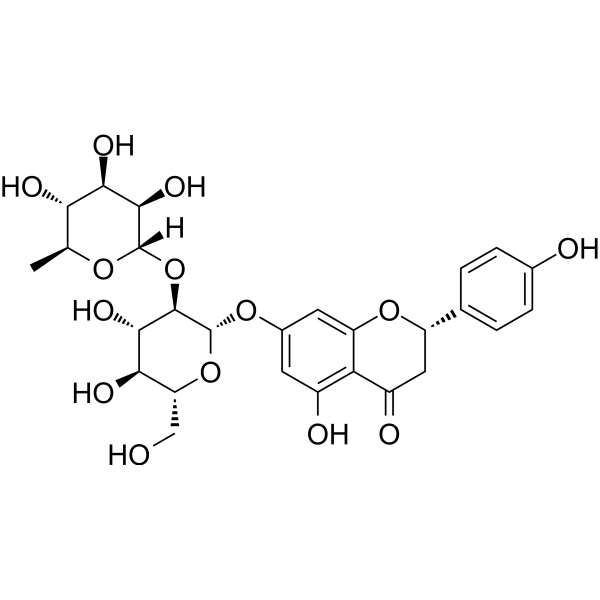
Naringin is a major flavanone glycoside obtained from tomatoes, grapefruits, and many other citrus fruits. Naringin exhibits biological properties such as antioxidant, anti-inflammatory, and antiapoptotic activities. Naringin also inhibits proliferation and invasion and induces apoptosis in human osteosarcoma cells by inhibiting zinc finger E-box binding homeobox 1 (Zeb1) .
loading...
    loading...
27
27 Cited Publications
Referencia número: HY-N0153R
No. CAS: 10236-47-2
Synonyms: Naringoside (Standard)
Naringin is a major flavanone glycoside obtained from tomatoes, grapefruits, and many other citrus fruits. Naringin exhibits biological properties such as antioxidant, anti-inflammatory, and antiapoptotic activities. Naringin also inhibits proliferation and invasion and induces apoptosis in human osteosarcoma cells by inhibiting zinc finger E-box binding homeobox 1 (Zeb1) .
loading...
    loading...
25
25 Cited Publications
Referencia número: HY-N0171
No. CAS: 83-46-5
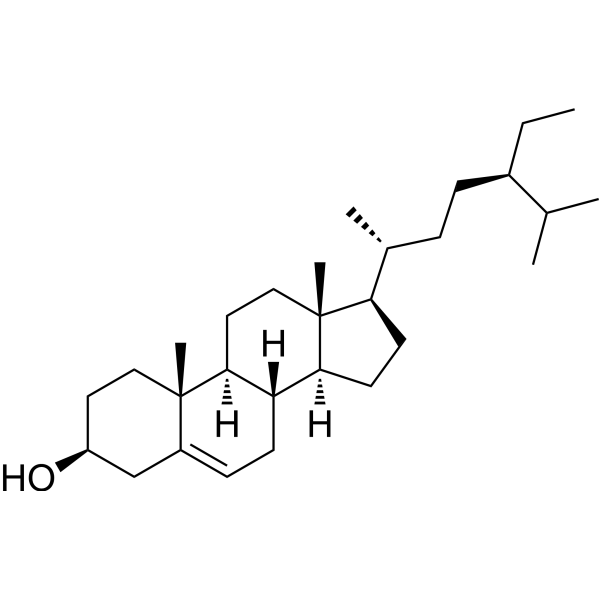
Beta-Sitosterol (purity≥80%) is orally active. Beta-Sitosterol exhibits multiple activities, including anti-inflammatory, anticancer, antioxidant, antimicrobial, antidiabetic, antioxidant enzyme, and analgesic. Beta-Sitosterol inhibits inflammation and impaired adipogenesis in bovine mammary epithelial cells by reducing levels of ROS, TNF-α, IL-1β, and NF-κB p65 and restoring the activity of the HIF-1α/mTOR signaling pathway. Beta-Sitosterol induces apoptosis in cancer cells through ROS-mediated mitochondrial dysregulation and p53 activation. Beta-Sitosterol exerts its anticancer effects in cancer cells by activating caspase-3, caspase-8, and caspase-9, mediating PARP inactivation, MMP loss, altered Bcl-2-Bax ratio, and cytochrome c release. Beta-Sitosterol modulates macrophage polarization and reduces rheumatoid inflammation in mice. Beta-Sitosterol inhibits tumor growth in multiple mouse cancer models. Beta-Sitosterol can be used in the research of arthritis, lung cancer, breast cancer and other cancers, diabetes, etc .
loading...
    loading...
23
23 Cited Publications
Referencia número: HY-B0185
No. CAS: 137-58-6
Synonyms: Lignocaine
Áreas de investigación:  

Cardiovascular Disease Cancer

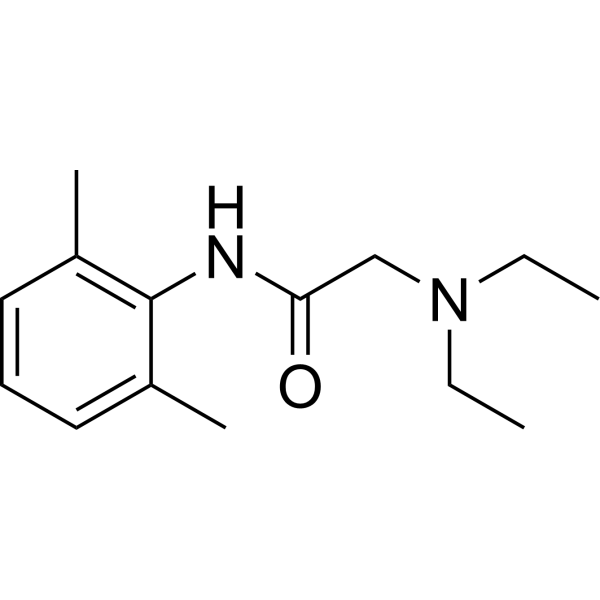
Lidocaine (Lignocaine) inhibits sodium channels involving complex voltage and using dependence . Lidocaine decreases growth, migration and invasion of gastric carcinoma cells via up-regulating miR-145 expression and further inactivation of MEK/ERK and NF-κB signaling pathways. Lidocaine is an amide derivative and has potential for the research of ventricular arrhythmia .
loading...
    loading...
23
23 Cited Publications
Referencia número: HY-B0185A
No. CAS: 73-78-9
Synonyms: Lignocaine hydrochloride
Áreas de investigación:  

Cardiovascular Disease Cancer

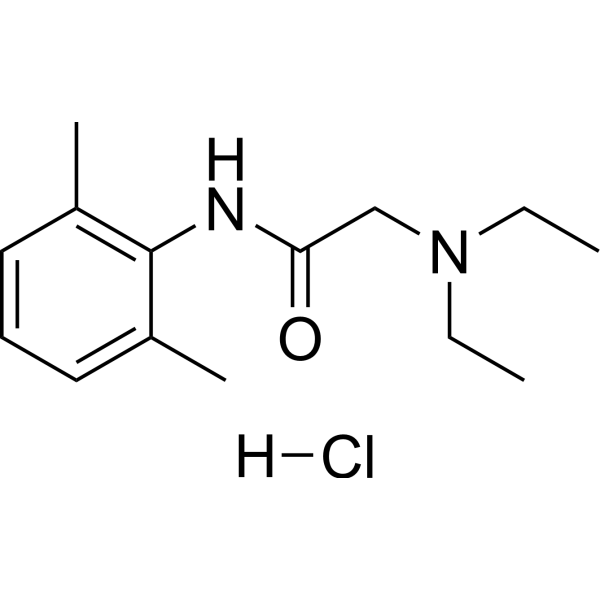
Lidocaine hydrochloride (Lignocaine hydrochloride) inhibits sodium channels involving complex voltage and using dependence . Lidocaine hydrochloride decreases growth, migration and invasion of gastric carcinoma cells via up-regulating miR-145 expression and further inactivation of MEK/ERK and NF-κB signaling pathways. Lidocaine hydrochloride is an amide derivative and a agent to treat ventricular arrhythmia and an effective tumor-inhibitor .
loading...
    loading...
21
21 Cited Publications
Referencia número: HY-B0633
No. CAS: 9067-32-7
Synonyms: Sodium hyaluronate
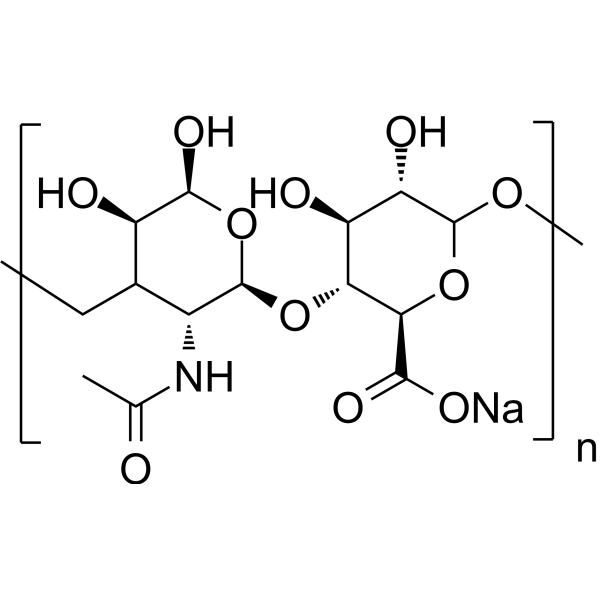
Hyaluronic acid sodium (Sodium hyaluronate) is a biopolymer composed of repeating units of disaccharides with various applications. Hyaluronic acid sodium is a major component of the extracellular matrix (ECM). Hyaluronic acid sodium is synthesized at the plasma membrane. Increased hyaluronic acid sodium levels are associated with tumor cell growth, adhesion, migration, invasion and angiogenesis in digestive cancers. Hyaluronic acid sodium participates in tissue remodeling and rapid cell proliferation in some physiological processes including embryonic morphogenesis and wound-healing. Hyaluronic acid sodium activates the PI3K-Akt signaling. Hyaluronic acid sodium acts as a regulator of cancer-associated lymphangiogenesis. Hyaluronic acid sodium also enhances cell invasion and angiogenesis by promoting proteolytic MMP-9 binding to cell surface or stimulating MMP-9 binding to cell surface. Hyaluronic acid sodium can be used as drug delivery for sodium butyrate to improve the anti-proliferative activity on breast cancer cell line. Hyaluronic acid sodium can be studied in joint diseases, wound healing and cancer .
loading...
    loading...
21
21 Cited Publications
Referencia número: HY-B0633A
No. CAS: 9004-61-9
Synonyms: Hyaluronan; Hyaluronate
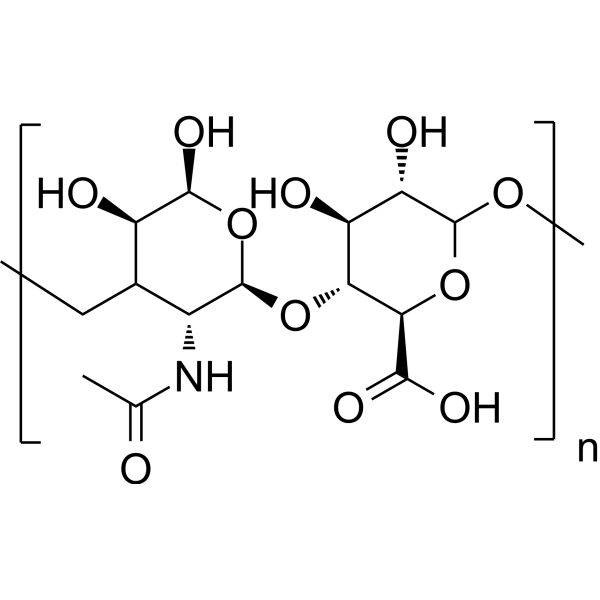
Hyaluronic acid is a biopolymer composed of repeating units of disaccharides with various applications. Hyaluronic acid is a major component of the extracellular matrix (ECM). Hyaluronic acid is synthesized at the plasma membrane. Increased hyaluronic acid levels are associated with tumor cell growth, adhesion, migration, invasion and angiogenesis in digestive cancers. Hyaluronic acid participates in tissue remodeling and rapid cell proliferation in some physiological processes including embryonic morphogenesis and wound-healing. Hyaluronic acid activates the PI3K-Akt signaling. Hyaluronic acid acts as a regulator of cancer-associated lymphangiogenesis. Hyaluronic acid also enhances cell invasion and angiogenesis by promoting proteolytic MMP-9 binding to cell surface or stimulating MMP-9 binding to cell surface. Hyaluronic acid can be used as drug delivery for sodium butyrate to improve the anti-proliferative activity on breast cancer cell line. Hyaluronic acid can be studied in joint diseases, wound healing and cancer .
loading...
    loading...
20
20 Cited Publications
Referencia número: HY-B0185B
No. CAS: 6108-05-0
Synonyms: Lignocaine hydrochloride hydrate
Áreas de investigación:  

Cardiovascular Disease Cancer

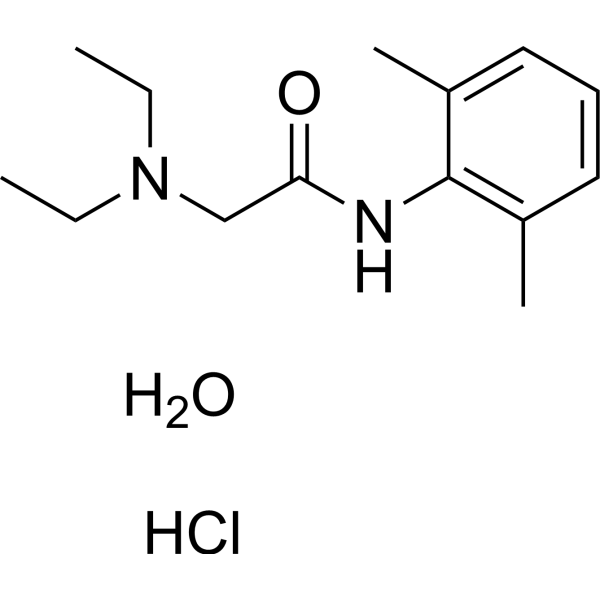
Lidocaine (Lignocaine) hydrochloride hydrate inhibits sodium channels involving complex voltage and using dependence. Lidocaine hydrochloride hydrate decreases growth, migration and invasion of gastric carcinoma cells via up-regulating miR-145 expression and further inactivation of MEK/ERK and NF-κB signaling pathways. Lidocaine hydrochloride hydrate is an amide derivative and has potential for the research of ventricular arrhythmia .
loading...
    loading...
20
20 Cited Publications
Referencia número: HY-B0185R
No. CAS: 137-58-6
Synonyms: Lignocaine (Standard)
Lidocaine (Standard) is the analytical standard of Lidocaine. This product is intended for research and analytical applications. Lidocaine (Lignocaine) inhibits sodium channels involving complex voltage and using dependence . Lidocaine decreases growth, migration and invasion of gastric carcinoma cells via up-regulating miR-145 expression and further inactivation of MEK/ERK and NF-κB signaling pathways. Lidocaine is an amide derivative and has potential for the research of ventricular arrhythmia .
loading...
    loading...
19
19 Cited Publications
Referencia número: HY-B2163
No. CAS: 472-61-7
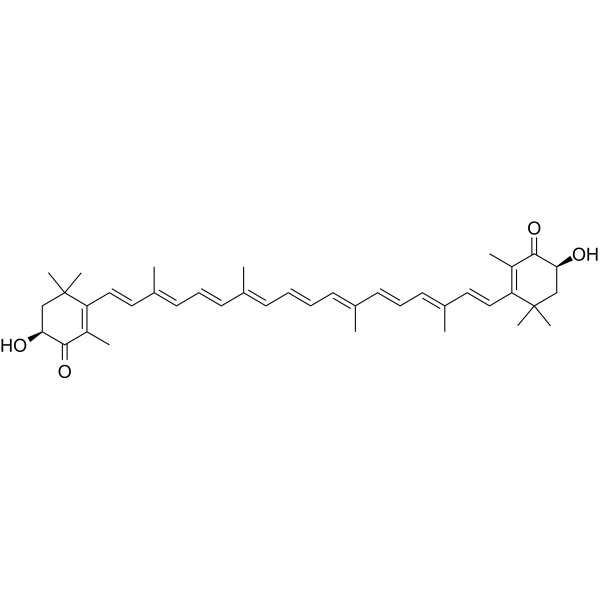
Astaxanthin, the red dietary carotenoid, is an orally effective and potent antioxidant. Astaxanthin inhibits NF-κB and down-regulates VEGF in blood glucose. Astaxanthin exerts anti-cancer cell proliferation, increases apoptosis, impairs migration and invasion by activating PPARγ and reducing the expression of STAT3. Astaxanthin also has neuroprotective and anti-inflammatory activity and can be used in studies of cancer, diabetic retinopathy, cardiovascular disease, and in the coloring of animal feed .
loading...
    loading...
16
16 Cited Publications
Referencia número: HY-16657
No. CAS: 163847-77-6
Áreas de investigación:  

Inflammation/Immunology Cancer

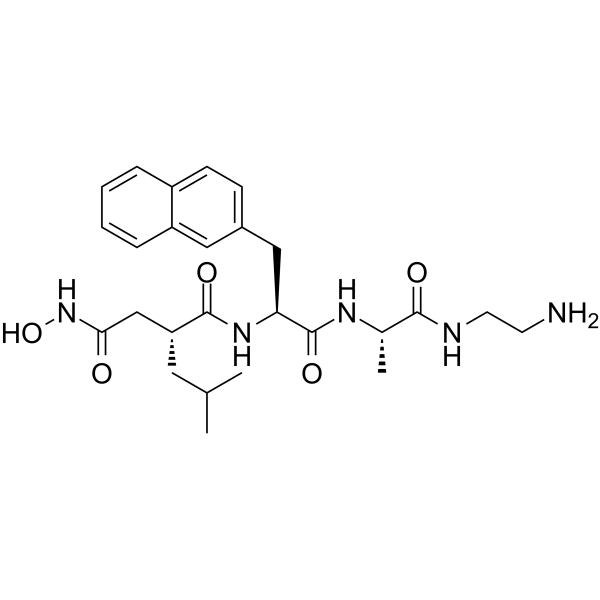
TAPI-1 is a broad-spectrum MMP inhibitor and NF-κB p65 inhibitor that targets ADAM17/TACE, ADAM10 and other proteins. TAPI-1 reduces the proteolytic cleavage of membrane-bound TNF-α, decreases TNF-α levels, inhibits NF-κB pathway activation, and downregulates profibrotic markers. TAPI-1 reduces the proportion of proinflammatory immune cells, alleviates cardiac and airway fibrosis, and improves cardiac function after myocardial infarction. Meanwhile, TAPI-1 inhibits the viability, migration and invasion of esophageal squamous cell carcinoma cells, enhances the chemosensitivity of Cisplatin (HY-17394), induces apoptosis, and shows low toxicity to normal esophageal epithelial cells. TAPI-1 can be widely used in studies related to myocardial infarction-induced heart failure, severe traumatic tracheal stenosis, esophageal squamous cell carcinoma and other conditions .
loading...
    loading...
14
14 Cited Publications
Referencia número: HY-15194
No. CAS: 52328-98-0
Pureza:  98.06%
Synonyms: ASC-J9; GO-Y025
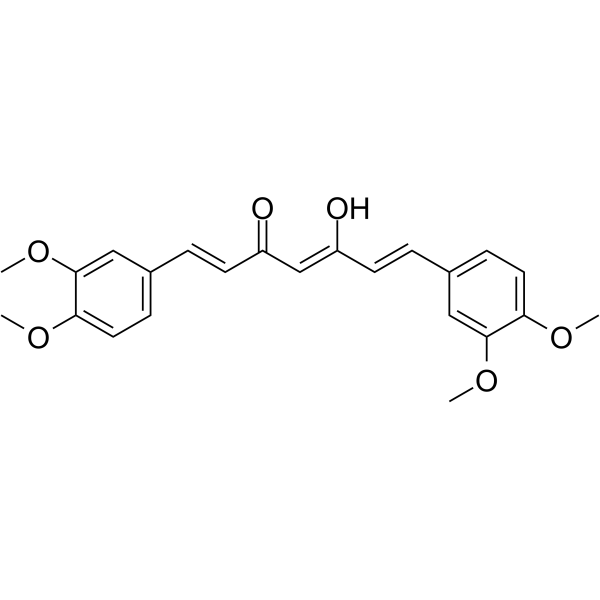
Dimethylcurcumin (ASC-J9) is an androgen receptor degradation enhancer that effectively suppresses castration resistant prostate cancer cell proliferation and invasion.
loading...
    loading...
13
13 Cited Publications
Referencia número: HY-N0416
No. CAS: 6199-67-3
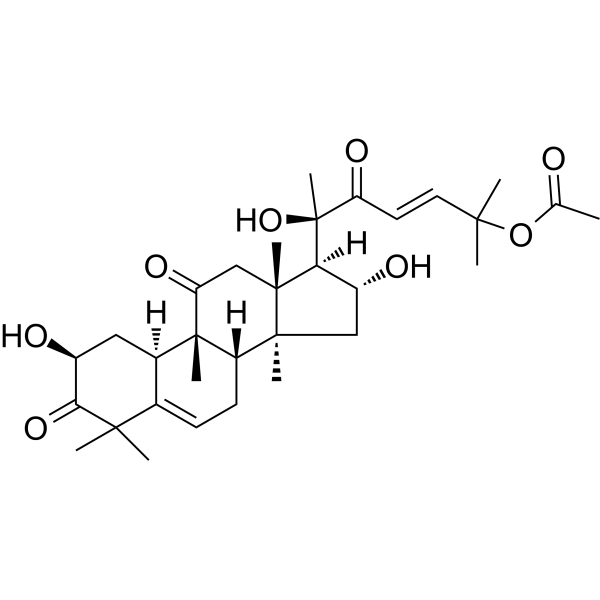
Cucurbitacin B belongs to a class of highly oxidized tetracyclic triterpenoids and is oral active. Cucurbitacin B inhibits tumor cell growth, migration and invasion and cycle arrest, but induces cell apoptosis. Cucurbitacin B has potent anti-inflammatory, antioxidant, antiviral, hypoglycemic, hepatoprotective, neuroprotective activity .
loading...
    loading...
13
13 Cited Publications
Referencia número: HY-50901
No. CAS: 402473-54-5
Synonyms: AE 3-208
Áreas de investigación:  

Endocrinology Cancer

ONO-AE3-208 is a selective and orally active EP4 receptor antagonist with a Ki of 1.3 nM. ONO-AE3-208 shows less potently affects EP3, FP, and TP receptors (Ki of 30 nM, 790 nM, and 2400 nM, respectively). ONO-AE3-208 suppresses cell invasion, migration, and metastasis of prostate cancer .
loading...
    loading...
13
13 Cited Publications
Referencia número: HY-19928
No. CAS: 1352608-82-2
Synonyms: EW-7197; TEW-7197
Target:  

TGF-β Receptor

Áreas de investigación:  

Cancer

Vactosertib (EW-7197) is a potent, orally active and ATP-competitive activin receptor-like kinase 5 (ALK5) inhibitor with an IC50 of 12.9 nM. Vactosertib also inhibits ALK2 and ALK4 (IC50 of 17.3 nM) at nanomolar concentrations. Vactosertib has potently antimetastatic activity and anticancer effect .
loading...
    loading...
13
13 Cited Publications
Referencia número: HY-19928A
No. CAS: 1352610-25-3
Synonyms: EW-7197 Hydrochloride; TEW-7197 Hydrochloride
Target:  

TGF-β Receptor

Áreas de investigación:  

Cancer

Vactosertib Hydrochloride (EW-7197 Hydrochloride) is a potent, orally active and ATP-competitive activin receptor-like kinase 5 (ALK5) inhibitor with an IC50 of 12.9 nM. Vactosertib Hydrochloride also inhibits ALK2 and ALK4 (IC50 of 17.3 nM) at nanomolar concentrations. Vactosertib Hydrochloride has potently antimetastatic activity and anticancer effect .
loading...
    loading...
12
12 Cited Publications
Referencia número: HY-N0069
No. CAS: 20311-51-7
Synonyms: Solamargin; δ-Solanigrine
Solamargine, a derivative from the steroidal solasodine in Solanum species, exhibits anticancer activities in numerous types of cancer. Solamargine induces non-selective cytotoxicity and P-glycoprotein inhibition. Solamargine significantly inhibits migration and invasion of HepG2 cells by down-regulating MMP-2 and MMP-9 expression and activity .
loading...
    loading...

