
1. Search Result
Search Result
Results for "

Choline

" in MedChemExpress (MCE) Product Catalog:

143

Inhibitors & Agonists

1

Fluorescent Dye

9

Biochemical Assay Reagents

1

Peptides

2

MCE Kits

30

Natural
Products

7

Recombinant Proteins

24

Isotope-Labeled Compounds

6

Antibodies

2

Click Chemistry

4

Oligonucleotides

Targets Recommended:
Cat. No. Product Name Target Research Areas Chemical Structure
  • HY-B1337
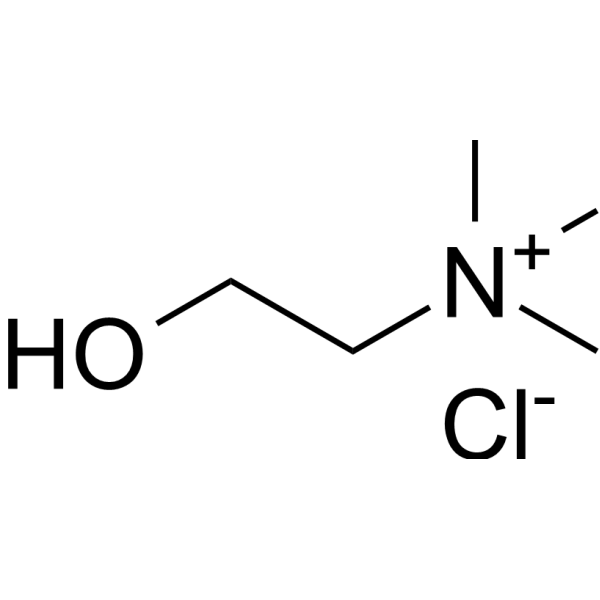
    Choline chloride
    4 Publications Verification

    Environmental Pollutants Endogenous Metabolite nAChR Neurological Disease Inflammation/Immunology Cancer
    Choline chloride is an essential nutrient that activates alpha7 nicotinic receptors and has analgesic and anti-inflammatory activity. Glycerophosphoinositol choline can affect diseases such as liver disease, atherosclerosis and neurological disorders .
    Choline chloride
  • HY-116084
    Trimethylamine N-oxide
    Maximum Cited Publications
    11 Publications Verification

    Drug Metabolite NOD-like Receptor (NLR) Reactive Oxygen Species (ROS) TGF-beta/Smad Endogenous Metabolite Cardiovascular Disease Inflammation/Immunology
    Trimethylamine N-oxide is a gut microbe-dependent metabolite of dietary choline and other trimethylamine-containing nutrients. Trimethylamine N-oxide induces inflammation by activating the ROS/NLRP3 inflammasome. Trimethylamine N-oxide also accelerates fibroblast-myofibroblast differentiation and induces cardiac fibrosis by activating the TGF-β/smad2 signaling pathway .
    Trimethylamine N-oxide
  • HY-B0739
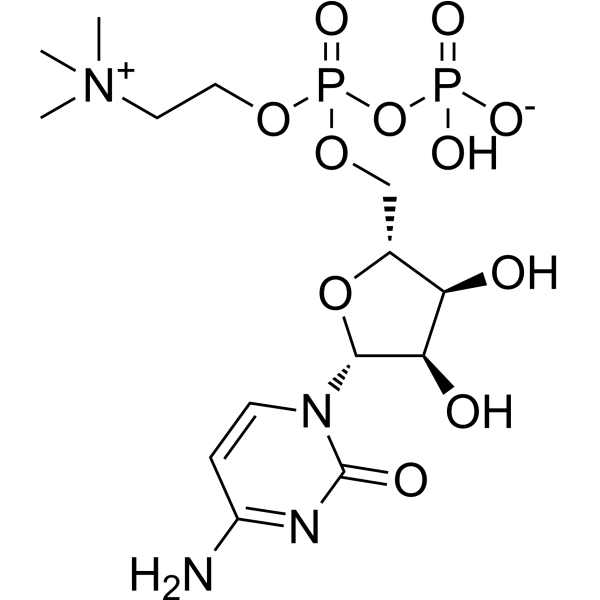
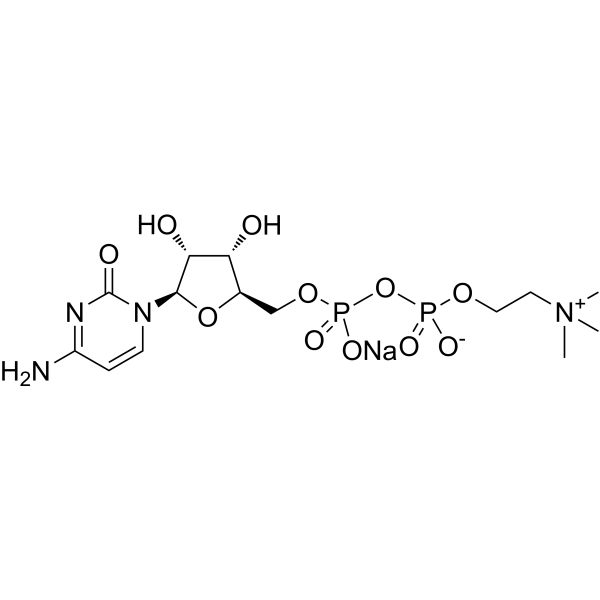
    Citicoline
    4 Publications Verification

    Cytidine diphosphate-Choline; CDP-Choline; Cytidine 5'-diphosphoCholine

    Apoptosis Endogenous Metabolite Reactive Oxygen Species (ROS) Caspase Neurological Disease Cancer
    Citicoline is an endogenous intermediate in the synthesis of phosphatidylcholine which is a component of cell membranes. Citicoline inhibits reactive oxygen species (ROS) and apoptosis. Citicoline can be used for neurological disease and hearing loss study .
    Citicoline
  • HY-17552
    sn-Glycero-3-phosphocholine
    3 Publications Verification

    Choline Alfoscerate; Alpha-GPC; L-α-GPC

    Cholinesterase (ChE) Endogenous Metabolite Neurological Disease
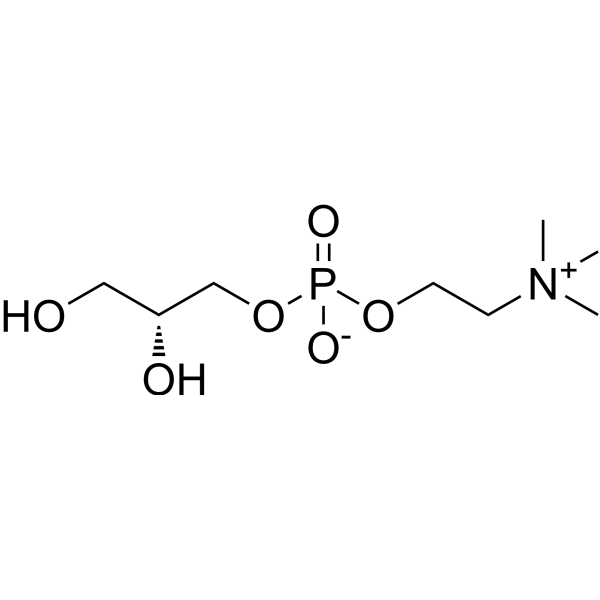
    sn-Glycero-3-phosphocholine (Choline Alfoscerate) is a precursor in the biosynthesis of brain phospholipids and increases the bioavailability of choline in nervous tissue. sn-Glycero-3-phosphocholine (Choline Alfoscerate) has significant effects on cognitive function with a good safety profile and tolerability, and is effective in the treatment of Alzheimer's disease and dementia .
    sn-Glycero-3-phosphocholine
  • HY-70072
    D609
    5+ Cited Publications

    Phospholipase Infection Inflammation/Immunology Cancer
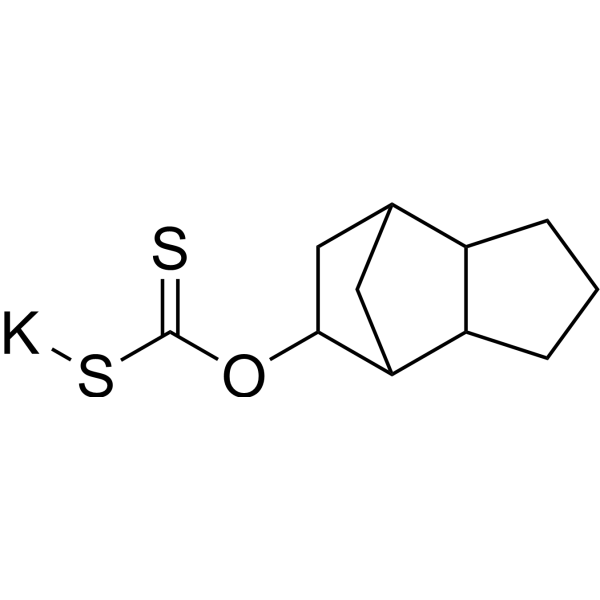
    D609, an antitumoural xanthate, is a specific and competitive phosphatidyl choline-specific phospholipase C (PC-PLC) inhibitor with a Ki of 6.4 μM. D609 is an antioxidative protector and has antiviral and anti-inflammatory activity .
    D609
  • HY-N0076
    Bilobalide
    2 Publications Verification

    (-)-Bilobalide

    Apoptosis Autophagy Endogenous Metabolite Neurological Disease
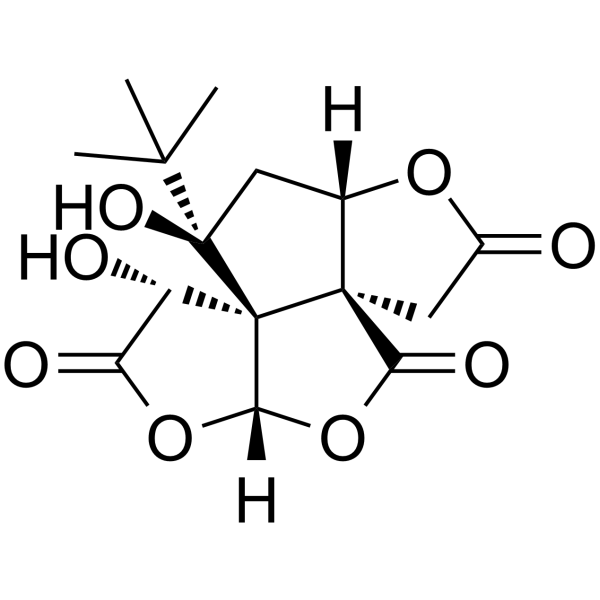
    Bilobalide, a sesquiterpene trilactone constituent of Ginkgo biloba, inhibits the NMDA-induced efflux of choline with an IC50 value of 2.3 μM. Bilobalide prevents apoptosis through activation of the PI3K/Akt pathway in SH-SY5Y cells. Exerts protective and trophic effects on neurons .
    Bilobalide
  • HY-138097
    α-NETA
    10+ Cited Publications

    Chemerin Receptor Aldehyde Dehydrogenase (ALDH) Cholinesterase (ChE) Apoptosis Cancer
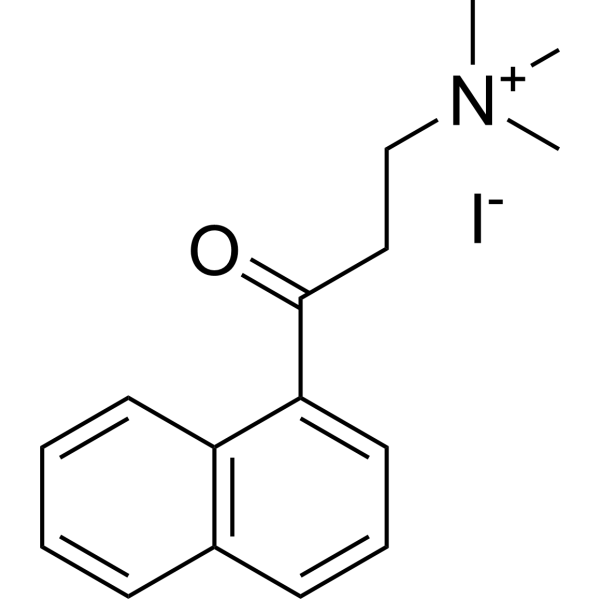
    α-NETA is a potent and noncompetitive choline acetyltransferase (ChA) inhibitor with an IC50 of 9 μM. α-NETA is a potent ALDH1A1 (IC50=0.04 µM) and chemokine-like receptor-1 (CMKLR1) antagonist. α-NETA weakly inhibits cholinesterase (ChE; IC50=84 µM) and acetylcholinesterase (AChE; IC50=300 µM). α-NETA has anti-cancer activity .
    α-NETA
  • HY-P2860

    ACHE; EC 3.1.1.7

    Cholinesterase (ChE) Neurological Disease
    Acetylcholinesterase, Fly head (ACHE; EC 3.1.1.7) is a cholinergic enzyme mainly found in neuromuscular junctions and cholinergic type chemical synapses used in biochemical research. Acetylcholinesterase, Fly head catalyzes the breakdown or hydrolysis of acetylcholine and some other choline esters that act as neurotransmitters into acetate and choline. Acetylcholinesterase, Fly head's main role is to terminate neuronal transmission and signaling between synapses to prevent ACh spread and activation of nearby receptors .
    Acetylcholinesterase, Fly head
  • HY-101036
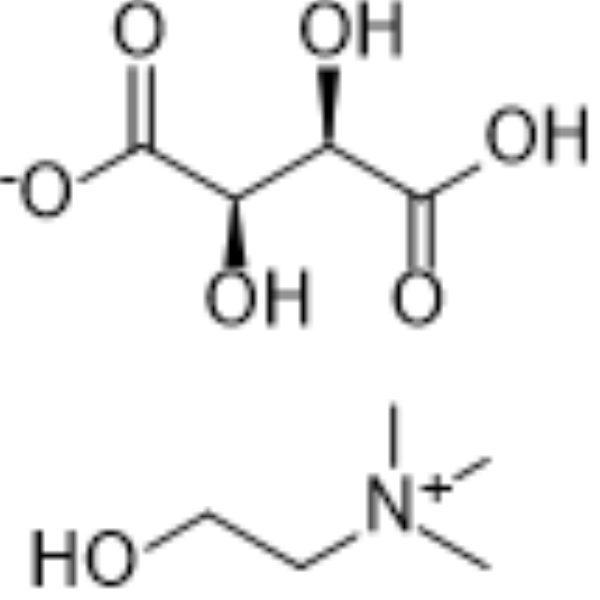
    Choline bitartrate
    4 Publications Verification

    mAChR Endogenous Metabolite Neurological Disease Cancer
    Choline bitartrate is a vitamin-like essential nutrient, can affect diseases such as liver disease, atherosclerosis and neurological disorders . Choline bitartrate is a precursor for the neurotransmitter acetylcholine, as a methyl donor in various metabolic processes, and in lipid metabolism .
    Choline bitartrate
  • HY-108915
    Trimethylamine N-oxide dihydrate
    Maximum Cited Publications
    11 Publications Verification

    NOD-like Receptor (NLR) Reactive Oxygen Species (ROS) TGF-beta/Smad Endogenous Metabolite Cardiovascular Disease Metabolic Disease Inflammation/Immunology
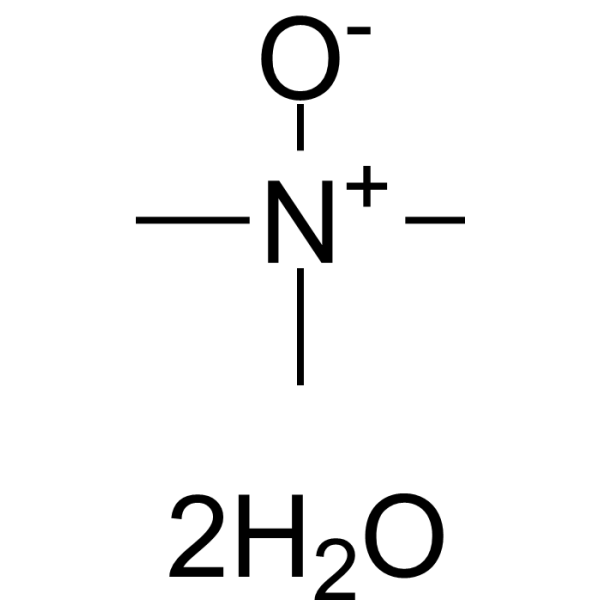
    Trimethylamine N-oxide dihydrate is a gut microbe-dependent metabolite of dietary choline and other trimethylamine-containing nutrients. Trimethylamine N-oxide dihydrate induces inflammation by activating the ROS/NLRP3 inflammasome. Trimethylamine N-oxide dihydrate also accelerates fibroblast-myofibroblast differentiation and induces cardiac fibrosis by activating the TGF-β/smad2 signaling pathway .
    Trimethylamine N-oxide dihydrate
  • HY-108431
    MN58b
    1 Publications Verification

    Apoptosis Cancer
    MN58b is a selective choline kinase α (CHKα) inhibitor, and results in inhibition of phosphocholine synthesis. MN58b reduces cell growth through the induction of apoptosis, and also has antitumoral activity .
    MN58b
  • HY-B1337S1
    Choline-d9 chloride
    3 Publications Verification

    Cholinesterase (ChE) Others
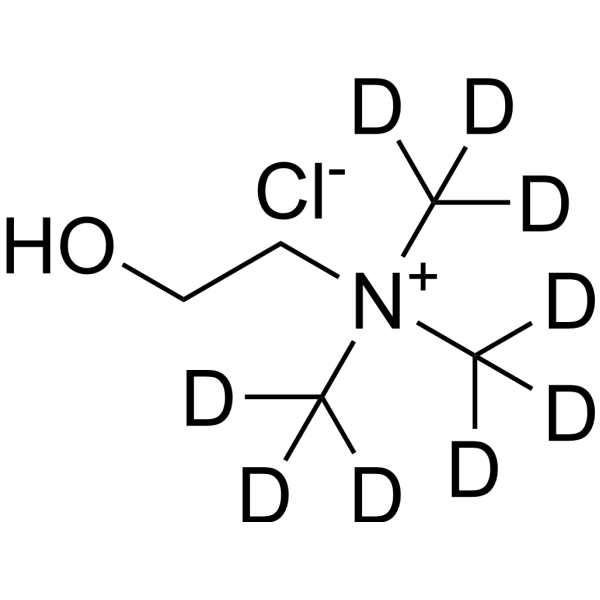
    Choline-d9 (chloride) is the deuterium labeled Choline chloride. Choline chloride is an organic compound and a quaternary ammonium salt, an acyl group acceptor and choline acetyltransferase substrate, also is an important additive in feed especially for chickens where it accelerates growth.
    Choline-d9 chloride
  • HY-14739
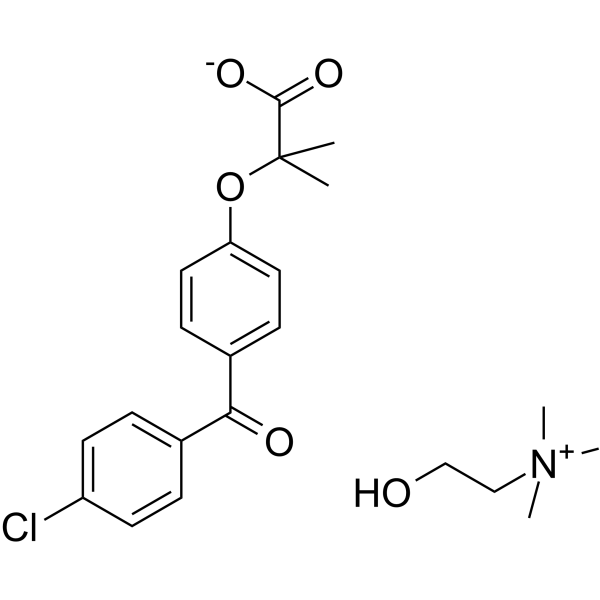
    Choline Fenofibrate
    3 Publications Verification

    ABT-335

    PPAR COX Cardiovascular Disease
    Choline Fenofibrate (ABT-335), a choline salt of Fenofibric acid (HY-B0760), releases free Fenofibric acid in the gastrointestinal tract. Fenofibric acid is a PPAR activator with antihyperlipidemic effect .
    Choline Fenofibrate
  • HY-W588725A
    N3-Cho bromide
    1 Publications Verification

    Azido-Choline bromide

    Biochemical Assay Reagents Others
    N3-Cho (Azido-choline) bromide is a click chemistry reagent containing an azide group that can be used in the synthesis of cell membrane structures .
    N3-Cho bromide
  • HY-15701B
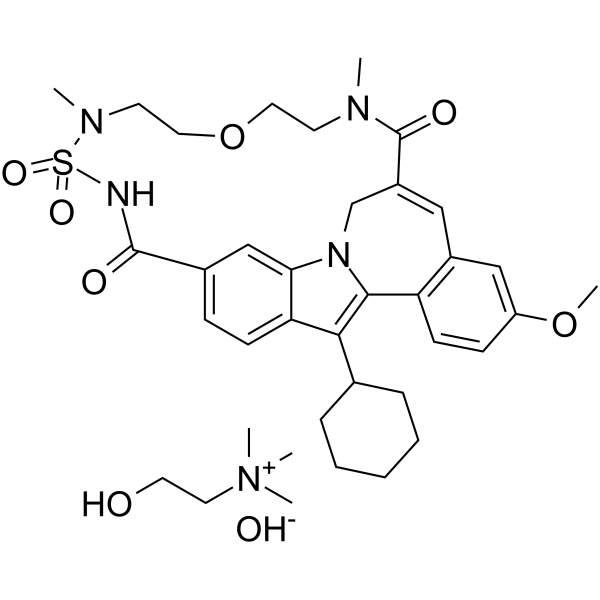
    ADH-503
    2 Publications Verification

    (Z)-Leukadherin-1 Choline

    Complement System Cancer
    ADH-503 ((Z)-Leukadherin-1 choline) is an orally active and allosteric CD11b agonist. ADH-503 leads to the repolarization of tumor-associated macrophages, reduction in the number of tumor-infiltrating immunosuppressive myeloid cells, and enhances dendritic cell responses .
    ADH-503
  • HY-E70362

    BCHE, BuChE, PCHE, pseudoCholinesterase, plasma Cholinesterase, AcylCholine acyl-hydrolase, Choline esterase, butyryl

    Others Others
    Butyrylcholinesterase (BCHE), Horse Serum (BCHE, BuChE, PCHE, pseudocholinesterase, plasma cholinesterase, Acylcholine acyl-hydrolase, Choline esterase, butyryl) is a biological material or organic compound that can be used in life science research .
    Butyrylcholinesterase (BCHE), Horse Serum
  • HY-B2152

    Hemicholinium dibromide

    Cholinesterase (ChE) Neurological Disease
    Hemicholinium 3 is a competitive inhibitor of the high affinity choline transporter (HACU) with a Ki value of 25 nM. Hemicholinium 3, a neuromuscular blocking agent which inhibits the synthesis and the release of acetylcholine (ACh) . Hemicholinium 3 inhibits the Epibatidine-evoked contraction and [ 3H]acetylcholine release with IC50s of 897 nM and 693 nM, respectively .
    Hemicholinium 3
  • HY-B0739A
    Citicoline sodium
    4 Publications Verification

    Cytidine diphosphate-Choline sodium; CDP-Choline sodium; Cytidine 5'-diphosphoCholine sodium

    Endogenous Metabolite Apoptosis Reactive Oxygen Species (ROS) Caspase Neurological Disease Cancer
    Citicoline sodium is an endogenous intermediate in the synthesis of phosphatidylcholine which is a component of cell membranes. Citicoline sodium inhibits reactive oxygen species (ROS) and apoptosis. Citicoline sodium can be used for neurological disease and hearing loss study .
    Citicoline sodium
  • HY-B1337B

    nAChR Endogenous Metabolite Cardiovascular Disease Inflammation/Immunology Cancer
    Glycerophosphoinositol choline is an essential nutrient that activates alpha7 nicotinic receptors and has analgesic and anti-inflammatory activity. Glycerophosphoinositol choline can affect diseases such as liver disease, atherosclerosis and neurological disorders .
    Glycerophosphoinositol choline
  • HY-P2860A

    Cholinesterase (ChE) Neurological Disease
    Acetylcholinesterase, Electric eel is a cholinergic enzyme that is mainly found in neuromuscular junctions and cholinergic chemical synapses and is often used in biochemical research. Acetylcholinesterase, Electric eel can catalyze the decomposition or hydrolysis of acetylcholine and some other choline esters that act as neurotransmitters into acetic acid and choline. The main function of Acetylcholinesterase, Electric eel is to terminate neuronal transmission and signal conduction between synapses to prevent ACh diffusion and activation of nearby receptors .
    Acetylcholinesterase, Electric eel
  • HY-134633

    EV 06 chloride; UNR 844 chloride

    Drug Intermediate Neurological Disease
    Alpha-lipoic acid choline ester (EV 06) chloride is choline ester of alpha-lipoic acid. Alpha-lipoic acid choline ester chloride reduces the disulfide bond level of lens proteins. Alpha-lipoic acid choline ester chloride improves lens elasticity. Alpha-lipoic acid choline ester chloride is hydrolyzed by ocular esterases to release alpha-lipoic acid and choline. Alpha-lipoic acid choline ester chloride is used for the research of presbyopia .
    Alpha-lipoic acid choline ester chloride
  • HY-B1337S5

    nAChR Endogenous Metabolite Cancer
    Choline- 13C2 (chloride) is the 13C labeled Choline chloride . Choline chloride is an essential nutrient that activates alpha7 nicotinic receptors and has analgesic and anti-inflammatory activity. Glycerophosphoinositol choline can affect diseases such as liver disease, atherosclerosis and neurological disorders .
    Choline-13C2 chloride
  • HY-129084
    Propargylcholine bromide
    1 Publications Verification

    Biochemical Assay Reagents Others
    Propargylcholine bromide is a choline analogue containing terminal propargyl that can be incorporated into all classes of Choline-containing phospholipids such as phosphatidylcholine and sphingomyelin, labeling Choline-containing phospholipids. Propargylcholine bromide-labeled phospholipid molecules can be visualized in cells with high sensitivity and spatial resolution. Propargylcholine bromide can be used as a molecular tool to study the biochemical and metabolic processes of Choline-containing phospholipids in cells . Propargylcholine (bromide) is a click chemistry reagent, it contains an Alkyne group and can undergo copper-catalyzed azide-alkyne cycloaddition (CuAAc) with molecules containing Azide groups.
    Propargylcholine bromide
  • HY-B1337S
    Choline-d4 chloride
    1 Publications Verification

    Cholinesterase (ChE) Others
    Choline-d4 (chloride) is the deuterium labeled Choline chloride. Choline chloride is an organic compound and a quaternary ammonium salt, an acyl group acceptor and choline acetyltransferase substrate, also is an important additive in feed especially for chickens where it accelerates growth.
    Choline-d4 chloride
  • HY-Y1242

    Environmental Pollutants Biochemical Assay Reagents Others
    Choline hydroxide is a Choline hydrogen oxidized derivative and a strong organic base, can be used as the standard alkaline to adjust the pH of the medium. Choline is an orally active nutrient, serves as an important component of lecithin and sphingomyelin, promotes fat metabolism .
    Choline hydroxide (44% in water)
  • HY-123927

    VEGFR Ephrin Receptor Inflammation/Immunology Cancer
    UniPR1331 is an orally active 3β-hydroxy-Δ5-choline acid derivative that inhibits Eph-ephrin interactions. UniPR1331 blocks the interaction of VEGFR2 with its natural ligand vascular endothelial growth factor and inhibits subsequent autophosphorylation, signaling, and pro-angiogenic activation of endothelial cells. UniPR1331 exhibits anti-angiogenesis, anti-cancer and anti-inflammation effects. UniPR1331 can be used for the researches of cancer and inflammation, such as glioma and colitis .
    UniPR1331
  • HY-B1337S3

    Isotope-Labeled Compounds Endogenous Metabolite Cholinesterase (ChE) Others
    Choline-d13 (chloride) is the deuterium labeled Choline chloride. Choline chloride is an organic compound and a quaternary ammonium salt, an acyl group acceptor and choline acetyltransferase substrate, also is an important additive in feed especially for chickens where it accelerates growth.
    Choline-d13 chloride
  • HY-B1337S4
    Choline Chloride-13C3
    1 Publications Verification

    Cholinesterase (ChE) Others
    Choline Chloride- 13C3 is the 13C-labeled Choline (chloride). Choline chloride is an organic compound and a quaternary ammonium salt, an acyl group acceptor and choline acetyltransferase substrate, also is an important additive in feed especially for chickens where it accelerates growth.
    Choline Chloride-13C3
  • HY-115840

    Apoptosis Cancer
    ICL-CCIC-0019 is an inhibitor of choline kinase α (CHKα). ICL-CCIC-0019 induces G1 block, endoplasmic reticulum stress apoptosis in cancer cell lines .
    ICL-CCIC-0019
  • HY-B1337R

    Reference Standards nAChR Endogenous Metabolite Cancer
    Choline (chloride) (Standard) is the analytical standard of Choline (chloride). This product is intended for research and analytical applications. Choline chloride is an essential nutrient that activates alpha7 nicotinic receptors and has analgesic and anti-inflammatory activity. Glycerophosphoinositol choline can affect diseases such as liver disease, atherosclerosis and neurological disorders .
    Choline chloride (Standard)
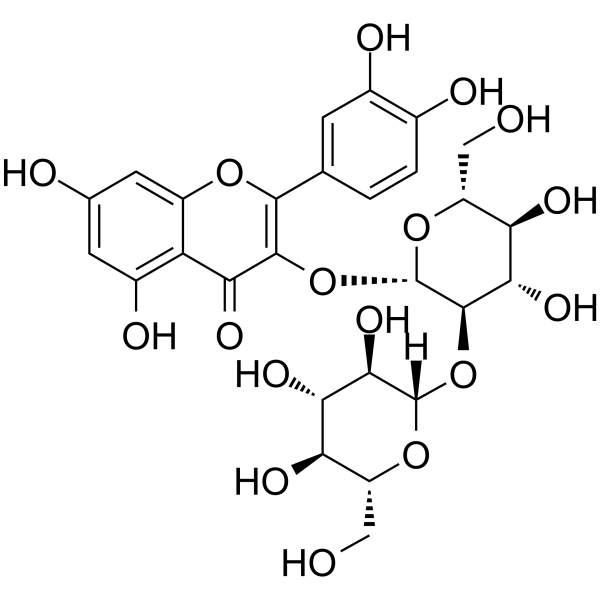
  • HY-N4119

    Phosphatase Cholinesterase (ChE) p38 MAPK Apoptosis Autophagy Neurological Disease Metabolic Disease
    Neoeriocitrin is a Naringin (HY-N0153) analogue found in Drynaria Rhizome. Neoeriocitrin induces cells proliferation, differentiation, up-regulates type I collagen, osteocalcin, and key osteogenic markers, and increases ALP activity. Neoeriocitrin increases expression of Runx2, COL I, OCN and Beclin1. Neoeriocitrin inhibits phosphorylation of P38 mitogen-activated protein kinase, reduces acetylcholinesterase (AChE) activity, and increases choline acetyltransferase (ChAT) activity. Neoeriocitrin reduces apoptosis and induces autophagy. Neoeriocitrin can be used for the researches of osteoporosis and Alzheimer's disease .
    Neoeriocitrin
  • HY-170419

    Apelin Receptor (APJ) Cardiovascular Disease
    APJ receptor agonist 10 (Compound I choline salt) modulates the activity of APJ receptor and can be used in research about pulmonary arterial hypertension. APJ receptor agonist 10 exhibits good bioavailability other than its free base form .
    APJ receptor agonist 10
  • HY-15591A
    TMC647055 Choline salt
    2 Publications Verification

    HCV Infection
    TMC647055 (Choline salt) is a potent nonnucleoside NS5B polymerase inhibitor of HCV replication. TMC647055 Choline salt has potent HCV combine activity with an IC50 value of 82 nM. TMC647055 Choline salt can be used for the research of Hepatitis C virus (HCV) .
    TMC647055 Choline salt
  • HY-P2812A

    Endogenous Metabolite Metabolic Disease
    Phospholipase D, peanut is an important signaling enzyme in mammalian cells. Phospholipase D, peanut catalyzes the hydrolysis of phosphatidylcholine to produce phosphatidic acid (PA) and choline .
    Phospholipase D, peanut
  • HY-W100403

    Choline p-toluenesulfonate

    Phospholipase Others
    Choline tosylate (Choline p-toluenesulfonate) is an intermediate and also a substrate of choline acetyltransferase (CHAT). Choline tosylate inhibits phospholipase A2 and phospholipase C .
    Choline tosylate
  • HY-100045

    4-NitrophenylphosphorylCholine; 4-NitrophenylphosphorylCholine; O-(4-Nitrophenylphosphoryl)Choline

    Endogenous Metabolite Metabolic Disease
    p-Nitrophenyl phosphorylcholine (4-Nitrophenylphosphorylcholine) is a chromogenic substrate that is used to measure phospholipase C (PLC) activity. Hydrolysis of p-nitrophenylphosphorylcholine by PLC results in the liberation of p-nitrophenol, which can be measured at 405 nm at pH 7.2-7.5.
    p-Nitrophenyl phosphorylcholine
  • HY-P2743

    Biochemical Assay Reagents Others
    Choline oxidase (EC 1.1.3.17) catalyzes the oxidation of choline to glycine betaine via betaine aldehyde in glycine betaine biosynthesis and betaine acts as an osmolyte. Choline oxidase has potential in enzymatic betaine production .
    Choline oxidase
  • HY-W039760

    Biochemical Assay Reagents Others
    2-Hydroxy-N,N,N-trimethylethan-1-aminium iodide, also known as choline iodide, is a quaternary ammonium salt commonly used in organic synthesis and biochemical research. It is a water-soluble compound derived from choline, an essential nutrient found in many foods. Choline iodide has been used as a source of choline groups in various chemical reactions and in microbiology as a selective agent for isolating bacteria. In addition, its potential role in cognitive impairment and liver disease has also been studied.
    Choline iodide
  • HY-W127656

    Biochemical Assay Reagents Others
    Choline Bromide is a biochemical reagent that can be used as a biological material or organic compound for life science related research.
    Choline bromide
  • HY-17552R

    Choline Alfoscerate (Standard); Alpha-GPC (Standard); L-α-GPC (Standard)

    Reference Standards Cholinesterase (ChE) Endogenous Metabolite Neurological Disease
    sn-Glycero-3-phosphocholine (Standard) is the analytical standard of sn-Glycero-3-phosphocholine. This product is intended for research and analytical applications. sn-Glycero-3-phosphocholine (Choline Alfoscerate) is a precursor in the biosynthesis of brain phospholipids and increases the bioavailability of choline in nervous tissue. sn-Glycero-3-phosphocholine (Choline Alfoscerate) has significant effects on cognitive function with a good safety profile and tolerability, and is effective in the treatment of Alzheimer's disease and dementia[1][2].
    sn-Glycero-3-phosphocholine (Standard)
  • HY-N0076R

    (-)-Bilobalide (Standard)

    Reference Standards Apoptosis Autophagy Endogenous Metabolite Neurological Disease
    Bilobalide (Standard) is the analytical standard of Bilobalide. This product is intended for research and analytical applications. Bilobalide, a sesquiterpene trilactone constituent of Ginkgo biloba, inhibits the NMDA-induced efflux of choline with an IC50 value of 2.3 μM. Bilobalide prevents apoptosis through activation of the PI3K/Akt pathway in SH-SY5Y cells. Exerts protective and trophic effects on neurons .
    Bilobalide (Standard)
  • HY-16934

    Cholinesterase (ChE) Neurological Disease
    ML352 is a noncompetitive inhibitor of the presynaptic choline transporter (CHT) with Ki values of 92 and 166 nM for HEK293 cells expressing human CHT and mouse forebrain synaptosomes, respectively .
    ML352
  • HY-159904

    Acyltransferase Neurological Disease Cancer
    ChAT IN-1 is a selective Choline Acetyltransferase (ChAT) inhibitor. It can be used to study mechanisms related to the overexpression of non-neuronal ChAT in cancers (e.g., colorectal and lung cancers) and Alzheimer’s disease (AD) .
    ChAT IN-1
  • HY-W007584

    Drug Intermediate Others
    2,4-Dimethoxybenzyl alcohol, an aromatic alcohol, is a substrate of glucose-methanol-choline (GMC) oxidoreductase. GMC oxidoreductase displays the characteristics of an aryl-alcohol oxidase. 2,4-Dimethoxybenzyl alcohol can be used as a drug intermediate .
    2,4-Dimethoxybenzyl alcohol
  • HY-W127640

    Biochemical Assay Reagents Others
    Phosphocholine Chloride Sodium Salt is an organic compound containing phosphate, choline and chloride ions. It is commonly used to prepare cell membranes and liposomes for drug delivery systems. Phosphocholine Chloride Sodium Salt has various applications in the pharmaceutical industry, especially as a stabilizer and surfactant. In addition, it is used as an emulsifier and conditioning agent in the manufacture of cosmetic and personal care products.
    Phosphocholine chloride disodium
  • HY-B1718
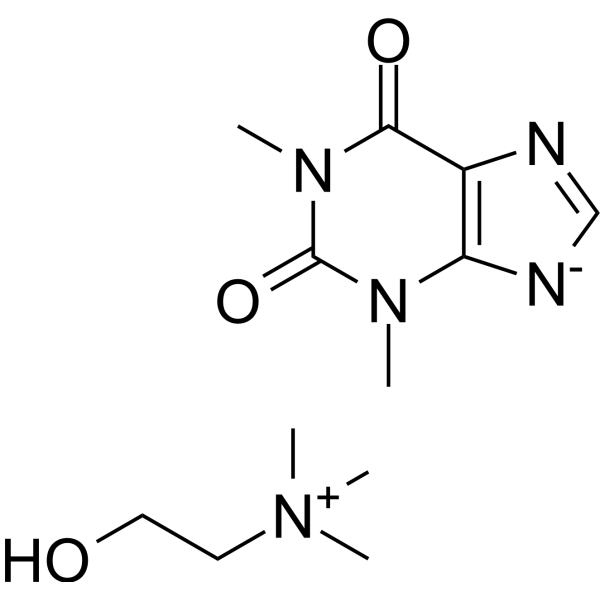
    Choline theophyllinate
    4 Publications Verification

    Oxtriphylline

    Endogenous Metabolite Inflammation/Immunology
    Choline theophyllinate (Oxtriphylline) is a choline salt of theophylline with anti-asthmatic activity .
    Choline theophyllinate
  • HY-101036R

    Reference Standards mAChR Endogenous Metabolite Neurological Disease Cancer
    Choline (bitartrate) (Standard) is the analytical standard of Choline (bitartrate). This product is intended for research and analytical applications. Choline bitartrate is a vitamin-like essential nutrient, can affect diseases such as liver disease, atherosclerosis and neurological disorders . Choline bitartrate is a precursor for the neurotransmitter acetylcholine, as a methyl donor in various metabolic processes, and in lipid metabolism .
    Choline bitartrate (Standard)
  • HY-W338346

    Drug Derivative Interleukin Related TNF Receptor Polo-like Kinase (PLK) Inflammation/Immunology Cancer
    Salicylate choline is an orally active derivative of Aspirin (acetylsalicylic acid) (HY-14654). Salicylate choline significantly reduces IL-1β, IL-6, TNF-α and IL-10 levels in cells. Salicylate choline enhances the anti-tumor activity of the CRM1 inhibitor Selinexor (KPT-330) (HY-17536) through inducing S-phase cell cycle arrest and impairing DNA damage repair. Salicylate choline combined with Selinexor demonstrates excellent anti-tumor efficacy in mice xenograft model harboring JeKo-1 cells. Salicylate choline can be used for the study of rheumatic diseases, inflammation and cancer .
    Salicylate choline
  • HY-B1337C

    Biochemical Assay Reagents Endogenous Metabolite Others
    Choline (chloride), >98% serves as a pharmaceutical secondary standard for quality control, offering pharmaceutical laboratories and manufacturers a convenient and cost-effective alternative to preparing in-house working standards.
    Choline chloride, >98%
  • HY-170805

    Choline Kinase Cancer
    UNC0737 is an orthosteric choline kinase inhibitor. UNC0737 is also a poor inhibitor of G9a (IC50 = 5000 nM) and GLP (IC50 > 10000 nM) in the SAHH-coupled assays .
    UNC0737

Inquiry Online

Your information is safe with us. * Required Fields.

Salutation


Country or Region *

Applicant Name *


Organization Name *

Department *


Email Address *


Product Name *

Cat. No.


Requested quantity *

Phone Number *


Remarks

Inquiry Online

Inquiry Information

Product Name:
Cat. No.:
Quantity:
MCE Japan Authorized Agent:

