

1. Search Result
Search Result
Pathways Recommended: Stem Cell/Wnt Cell Cycle/DNA Damage
Results for "

Fat cells

" in MedChemExpress (MCE) Product Catalog:

102

Inhibitors & Agonists

3

Screening Libraries

4

Fluorescent Dye

9

Biochemical Assay Reagents

1

Peptides

2

MCE Kits

38

Natural
Products

19

Isotope-Labeled Compounds

1

Oligonucleotides

3

GMP Molecules

Cat. No. Product Name Target Research Areas Chemical Structure
  • HY-B0511
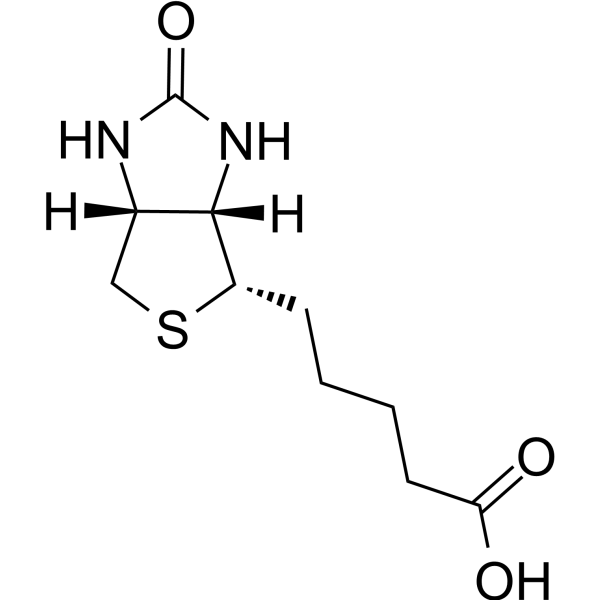
    Biotin
    25+ Cited Publications

    Vitamin B7; Vitamin H; D-Biotin

    Environmental Pollutants Endogenous Metabolite Metabolic Disease
    Biotin, vitamin B7 and serves as a coenzyme for five carboxylases in humans, involved in the synthesis of fatty acids, isoleucine, and valine, and in gluconeogenesis. Biotin is necessary for cell growth, the production of fatty acids, and the metabolism of fats and amino acids .
    Biotin
  • HY-10585
    Valproic acid
    Maximum Cited Publications
    65 Publications Verification

    VPA; 2-Propylpentanoic acid; Dipropylacetic acid

    Organoid HDAC Autophagy Mitophagy HIV Notch Apoptosis Endogenous Metabolite Infection Neurological Disease Metabolic Disease Inflammation/Immunology Cancer
    Valproic acid (VPA) is an orally active HDAC inhibitor, with IC50 in the range of 0.5 and 2 mM. Valproic acid inhibits HDAC1 (IC50, 400 μM), and induces proteasomal degradation of HDAC2. Valproic acid activates Notch1 signaling and inhibits proliferation in small cell lung cancer (SCLC) cells. Valproic acid is used in the epilepsy, bipolar disorder, metabolic disease, HIV infection and prevention of migraine headaches .
    Valproic acid
  • HY-N0378
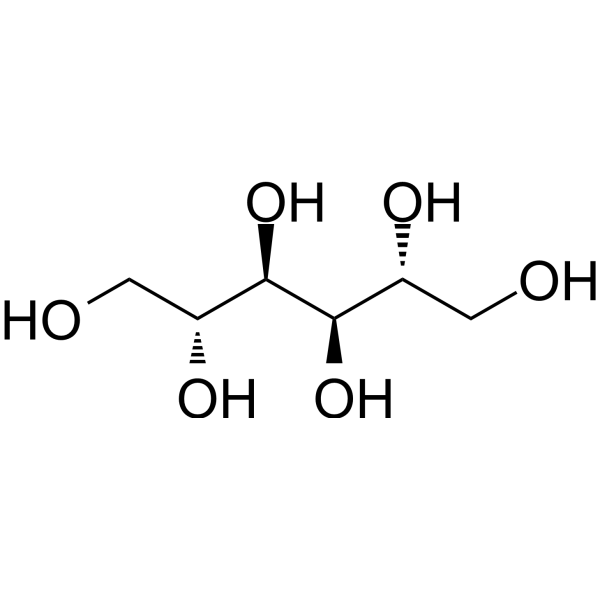
    D-Mannitol
    10+ Cited Publications

    Mannitol; Mannite

    Environmental Pollutants Endogenous Metabolite Apoptosis PGC-1α PKA Adrenergic Receptor Cardiovascular Disease Metabolic Disease Cancer
    D-Mannitol (Mannitol) is an oral, resistant sugar widely used in the food and pharmaceutical industries to promote the absorption and retention of calcium and magnesium through cecal fermentation, while acting as a osmotic diuretic to reduce tissue edema. D-Mannitol can enhance brown fat formation, improve insulin effect, reduce blood sugar levels, And through the start the β3-adrenergic receptor (β3-AR), PGC1α and PKA induced by means of white fat cells into brown fat cells . D-Mannitol is commonly used to maintain osmotic pressure between the plant cytoplasm and the culture medium and protect cells when the cell wall is weakened or even removed .
    D-Mannitol
  • HY-10585A
    Valproic acid sodium
    Maximum Cited Publications
    65 Publications Verification

    Sodium Valproate; VPA sodium; 2-Propylpentanoic acid sodium

    Organoid HDAC Autophagy Mitophagy HIV Notch Apoptosis Endogenous Metabolite Infection Neurological Disease Metabolic Disease Cancer
    Valproic acid (Sodium Valproate) sodium is an orally active HDAC inhibitor, with IC50 in the range of 0.5 and 2 mM, also inhibits HDAC1 (IC50, 400 μM), and induces proteasomal degradation of HDAC2. Valproic acid sodium activates Notch1 signaling and inhibits proliferation in small cell lung cancer (SCLC) cells. Valproic acid sodium is used in the treatment of epilepsy, bipolar disorder, metabolic disease, HIV infection and prevention of migraine headaches .
    Valproic acid sodium
  • HY-B0234
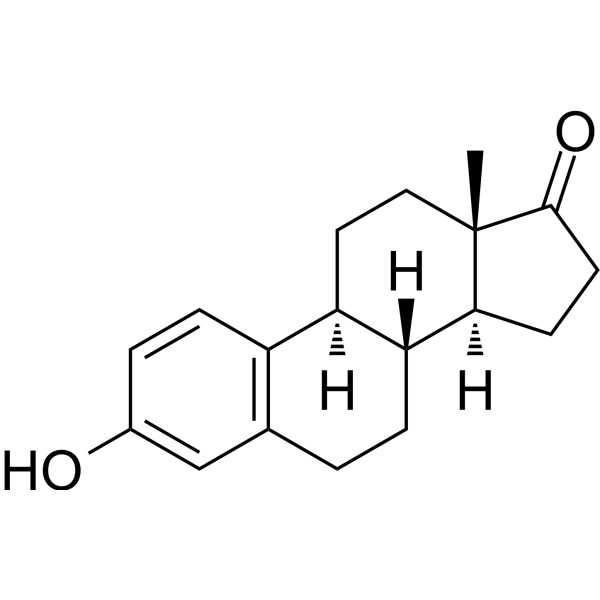
    Estrone
    5+ Cited Publications

    E1; Oestrone

    Estrogen Receptor/ERR Endogenous Metabolite Endocrinology Cancer
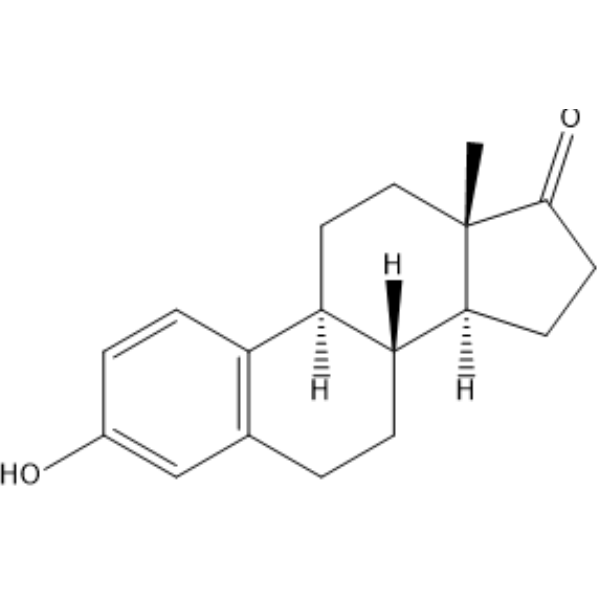
    Estrone (E1) is a natural estrogenic hormone. Estrone is the main representative of the endogenous estrogens and is produced by several tissues, especially adipose tissue. Estrone is the result of the process of aromatization of androstenedione that occurs in fat cells .
    Estrone
  • HY-B1135
    Benzbromarone
    5+ Cited Publications

    Xanthine Oxidase Apoptosis Interleukin Related Keap1-Nrf2 SOD Caspase Bcl-2 Family NF-κB JNK HSP Metabolic Disease
    Benzbromarone is an orally active anti-gout agent. Benzbromarone has anti-infammatory, anti-oxidative stress and nephroprotective effects. Benzbromarone can be used for the research of hyperuricemia and gout .
    Benzbromarone
  • HY-108521

    RAR/RXR Apoptosis MDM-2/p53 Metabolic Disease Cancer
    HX531 is an orally active RXR antagonist with an IC50 of 18 nM. HX531 upregulates the p53-p21Cip1 pathway. HX531 abrogates the anti-apoptotic effect of t-RA. HX531 exerts anti-obesity, anti-diabetic and anti-melanoma activities .
    HX531
  • HY-N8518
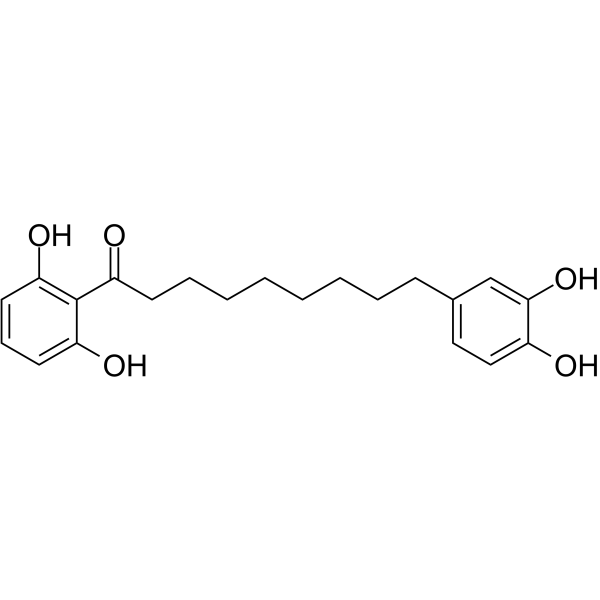
    Malabaricone C
    3 Publications Verification

    Phospholipase p38 MAPK Apoptosis NF-κB Metabolic Disease Inflammation/Immunology Cancer
    Malabaricone C is an orally active and noncompetitive sphingomyelin synthase (SMS) inhibitor with IC50 values of 3 μM and 1.5 μM for SMS 1 and SMS 2, respectively. Malabaricone C reduces body weight gain, improves glucose tolerance, and decreases lipid accumulation in the liver, showing significant prevention of high fat diet-induced fatty liver in mice. Malabaricone C has anti-inflammatory effects, which is found in the fruits of Myristica cinnamomea King. Malabaricone C is promising for research of obesity and immunological disorders caused due to hyper-activation of T-cells .
    Malabaricone C
  • HY-N9933
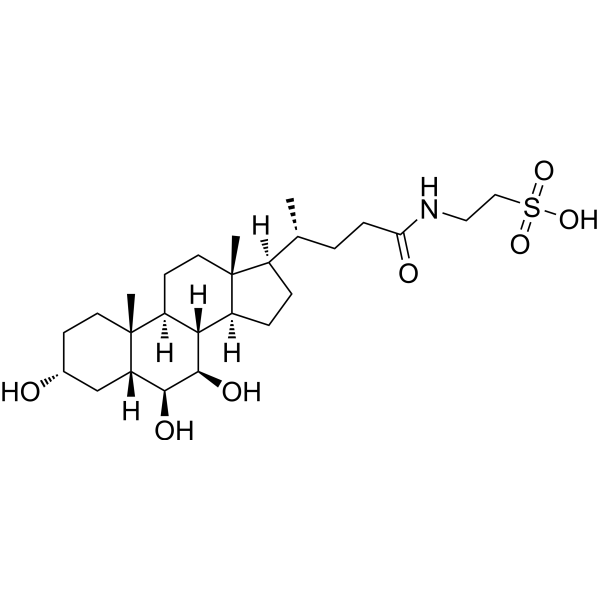
    Tauro-β-muricholic acid
    4 Publications Verification

    TβMCA

    FXR Apoptosis Neurological Disease Metabolic Disease Inflammation/Immunology Cancer
    Tauro-β-muricholic acid (TβMCA) is an orally active trihydroxylated bile acid and a competitive, reversible FXR antagonist (IC50=40 μM). Tauro-β-muricholic acid inhibits bile acid-induced hepatocyte apoptosis by maintaining mitochondrial membrane potential, while simultaneously inhibiting intestinal FXR signaling, affecting bile acid synthesis, hepatic lipid metabolism, and insulin sensitivity. Accumulation of tauro-β-muricholic acid disrupts metabolic homeostasis, promoting cancer stem cell proliferation and tumor progression. The mechanisms of tauro-β-muricholic acid involve two aspects: first, inhibiting the translocation of the pro-apoptotic protein Bax to mitochondria and maintaining mitochondrial membrane potential (MMP); and second, blocking the FXR signaling pathway to regulate bile acid metabolism, reduce serum ceramide production, and downregulate the hepatic SREBP1C/CIDEA pathway. Tauro-β-muricholic acid possesses anti-hepatocyte apoptosis, bile acid homeostasis regulation, and liver fat accumulation reduction properties, and also functions as a biomarker, making it useful in the study of diseases such as bile acid metabolism disorders, non-alcoholic fatty liver disease, colorectal cancer, and liver fibrosis .
    Tauro-β-muricholic acid
  • HY-Y1110I

    Magnogene, for insect cell culture, 97%

    Environmental Pollutants Biochemical Assay Reagents Infection
    Magnesium chloride, for insect cell culture, 97% is an orally active inorganic mineral salt. Magnesium chloride combined with Potassium chloride (HY-Y0537E) increases the fat body glycogen, protein, total lipids and haemolymph protein and trehalose in the silkworm, Bombyx mori L .
    Magnesium chloride, for insect cell culture, 97%
  • HY-107737
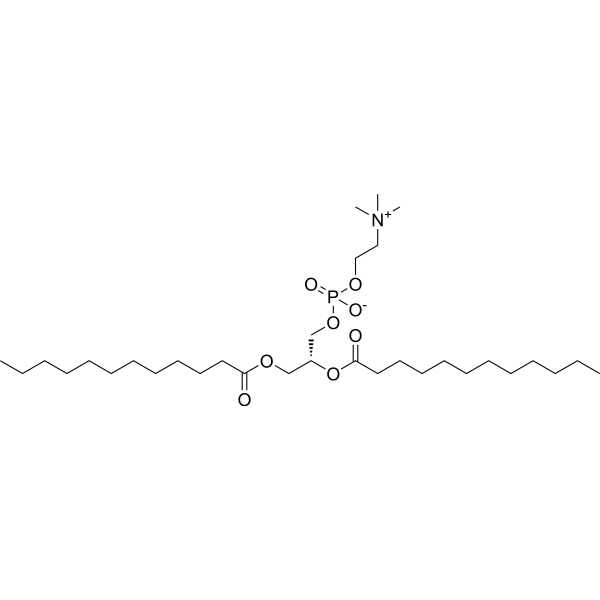
    1,2-DLPC
    2 Publications Verification

    1,2-Dilauroyl-sn-glycero-3-phosphocholine

    Liposome Apoptosis TNF Receptor PPAR Metabolic Disease
    1,2-DLPC (1,2-Dilauroyl-sn-glycero-3-phosphocholine) is a ligand for LRH-1 agonists. 1,2-DLPC is a phospholipid used in the synthesis of liposomes. 1,2-DLPC enhances fat breakdown and apoptosis in fat cells through a TNFα-dependent pathway, while also inhibiting palmitate-induced insulin resistance through PPARα-mediated inflammation in muscle cells .
    1,2-DLPC
  • HY-Y1422

    Alkaline lipase

    Environmental Pollutants Lipase Metabolic Disease
    Triacylglycerol lipase is an enzyme catalyzing the hydrolysis of triacylglycerol. Triacylglycerol lipase promotes fat decomposition, providing energy and lipid precursors for cells. Triacylglycerol lipase is used in the research of metabolic diseases such as diabetes and obesity .
    Triacylglycerol lipase
  • HY-N0515
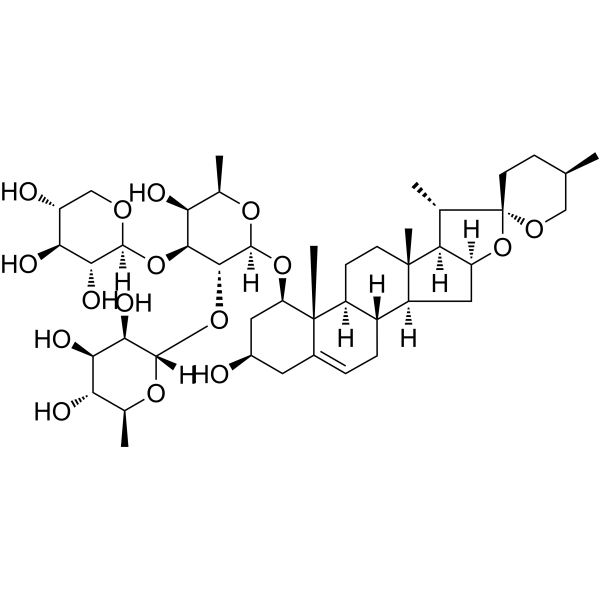
    Ophiopogonin D
    1 Publications Verification

    PPAR NF-κB Calcium Channel Reactive Oxygen Species (ROS) ERK Cardiovascular Disease Metabolic Disease Inflammation/Immunology
    Ophiopogonin D can be isolated from the tubers of Ophiopogon japonicus, is a rare naturally occurring C29 steroidal glycoside. Ophiopogonin D is a CYP2J3 inducer that significantly inhibits Ang II induced NF-κB nuclear translocation, IκBα down-regulation, intracellular Ca 2+ overload and activation of pro-inflammatory cytokines by increasing the expression of CYP2J2/EETs and PPARα in human umbilical vein endothelial cells (HUVECs). Ophiopogonin D can inhibit isteoclastic differentiation in RAW264.7 cells. Ophiopogonin D has protective effect as an antioxidant in H2O2-induced endothelial injury. Ophiopogonin D blocks ERK signaling cascades. Ophiopogonin D alleviates high-fat diet-induced metabolic syndrome and changes the structure of gut microbiota in mice. Ophiopogonin D has been used against inflammatory, metabolic and cardiovascular diseases .
    Ophiopogonin D
  • HY-B0987
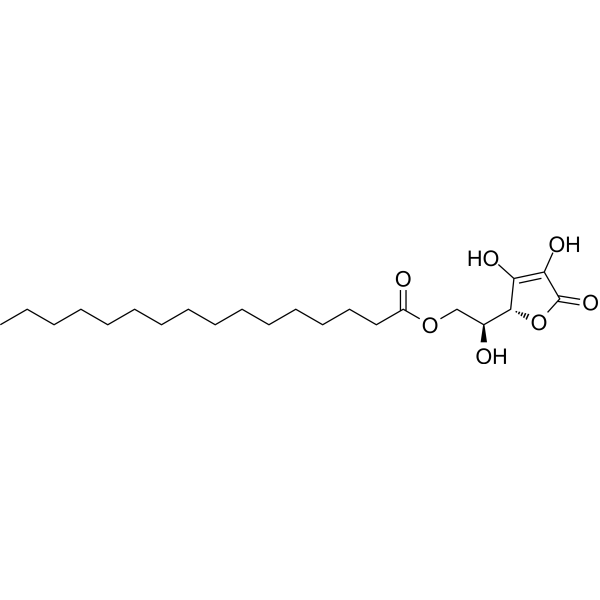
    Ascorbyl palmitate
    3 Publications Verification

    L-Ascorbic acid 6-hexadecanoate; 6-O-Palmitoyl-L-ascorbic acid

    Environmental Pollutants Reactive Oxygen Species (ROS) Endogenous Metabolite Apoptosis Bcl-2 Family Caspase Calcium Channel NOD-like Receptor (NLR) Sodium Channel Inflammation/Immunology
    Ascorbyl palmitate is an orally active ester formed from ascorbic acid and palmitic acid, used as an antioxidant and food additive. Ascorbyl palmitate in preventing fat and oil oxidation is more efficient than Butylated hydroxyanisole (HY-B1066) and Butylated hydroxytoluene (HY-Y0172). Ascorbyl palmitate mitigates inhibition of collagen synthesis by select calcium and sodium channel blockers. Ascorbyl palmitate induces Apoptosis in human umbilical vein endothelial cells (HUVECs). Ascorbyl palmitate ameliorates inflammatory diseases by inhibition of NLRP3 inflammasome .
    Ascorbyl palmitate
  • HY-156438

    NT-0796

    NOD-like Receptor (NLR) Interleukin Related Neurological Disease
    Ruvonoflast (NT-0796) is an orally active, selective and CNS-penetrant NLRP3 inflammasome inhibitor. Ruvonoflast inhibits IL-1β release in human PBMC cells with an IC50 value of 0.32 nM. Ruvonoflast is an isopropyl ester that undergoes intracellular conversion to Ruvonoflast, the carboxylic acid active species. Ruvonoflast reverses high fat diet-induced obesity, systemic inflammation and astrogliosis in the diet-induced obesity mouse model. Ruvonoflast is promising for research of neurodegenerative disorders, including Alzheimer’s disease, Parkinson’s disease, multiple sclerosis, and amyotrophic lateral sclerosis .
    Ruvonoflast
  • HY-N0898A
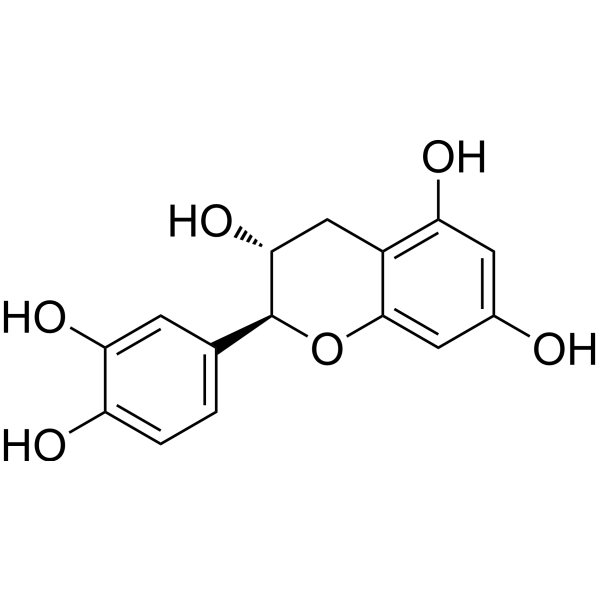
    (-)-Catechin
    4 Publications Verification

    (-)-Cianidanol; (-)-Catechuic acid

    COX Cancer
    (-)-Catechin is Catechin's one kind of different structure. Catechin inhibitory enzyme-1 (COX-1), IC50 of 1.4 μM. (-)-Catechin promotes hBM-MSC adipose cell differentiation, increases fat cell differentiation, and PPARγ level .
    (-)-Catechin
  • HY-N7072
    Grape seed extract
    2 Publications Verification

    Apoptosis Metabolic Disease Inflammation/Immunology Cancer
    Grape seed extract is a natural product, with anti-inflammatory and anti-proliferative effects. Grape seed extract shows inhibitory activity on the fat-metabolizing enzymes pancreatic lipase and lipoprotein lipase. Grape seed extract induces apoptotic in human colorectal cancer cells .
    Grape seed extract
  • HY-B0234R
    Estrone (Standard)
    5+ Cited Publications

    E1(Standard); Oestrone (Standard)

    Reference Standards Estrogen Receptor/ERR Endogenous Metabolite Endocrinology Cancer
    Estrone (Standard) is the analytical standard of Estrone. This product is intended for research and analytical applications. Estrone (E1) is a natural estrogenic hormone. Estrone is the main representative of the endogenous estrogens and is produced by several tissues, especially adipose tissue. Estrone is the result of the process of aromatization of androstenedione that occurs in fat cells .
    Estrone (Standard)
  • HY-124529

    11β-HSD Endogenous Metabolite Metabolic Disease Inflammation/Immunology Cancer
    Lunularin is an inhibitor of 11β-hydroxysteroid dehydrogenase 1, with an IC50 of 45.44 μM and a Ki of 35.8 μM against human 11β-HSD1, and an IC50 of 17.39 μM and a Ki of 10.31 μM against rat 11β-HSD1. Lunularin upregulates the transcription levels of Sirt1 and Hmox1 genes in the liver. Lunularin reduces food intake and body weight gain, and decreases blood glucose levels in mice fed a high-fat diet. Lunularin inhibits LPS-induced TLR4-mediated NF-κB pathway activation and nitric oxide production. Lunularin inhibits the proliferation and colony formation of renal cancer and colon cancer cells, and exhibits cancer cell-specific cytotoxicity. Lunularin binds to the steroid-binding site of human 11β-HSD1 and the steroid/NADPH-binding region of rat 11β-HSD1, but does not inhibit 11β-HSD2 or mouse 11β-HSD1. Lunularin can be used in research related to diet-induced obesity, renal cancer, colorectal cancer, inflammatory diseases and metabolic syndrome .
    Lunularin
  • HY-N0378R
    D-Mannitol (Standard)
    10+ Cited Publications

    Mannitol(Standard); Mannite (Standard)

    Reference Standards Endogenous Metabolite Apoptosis PGC-1α Adrenergic Receptor PKA Cardiovascular Disease Metabolic Disease Cancer
    D-Mannitol (Standard) is the analytical standard of D-Mannitol (HY-N0378). This product is intended for research and analytical applications. D-Mannitol (Mannitol) is an oral, resistant sugar widely used in the food and pharmaceutical industries to promote the absorption and retention of calcium and magnesium through cecal fermentation, while acting as a osmotic diuretic to reduce tissue edema. D-Mannitol can enhance brown fat formation, improve insulin effect, reduce blood sugar levels, And through the start the β3-adrenergic receptor (β3-AR), PGC1α and PKA induced by means of white fat cells into brown fat cells . D-Mannitol is commonly used to maintain osmotic pressure between the plant cytoplasm and the culture medium and protect cells when the cell wall is weakened or even removed .
    D-Mannitol (Standard)
  • HY-15671

    Glucokinase Metabolic Disease
    GKA50 is a potent glucokinase activator (EC50=33 nM at 5 mM glucose). GKA50 stimulates insulin release from mouse islets of Langerhans. GKA50 is a glucose-like activator of beta-cell metabolism in rodent and human islets and a Ca 2+-dependent modulator of insulin secretion. GKA50 shows significant glucose lowering in high fat fed female rats .
    GKA50
  • HY-N2181
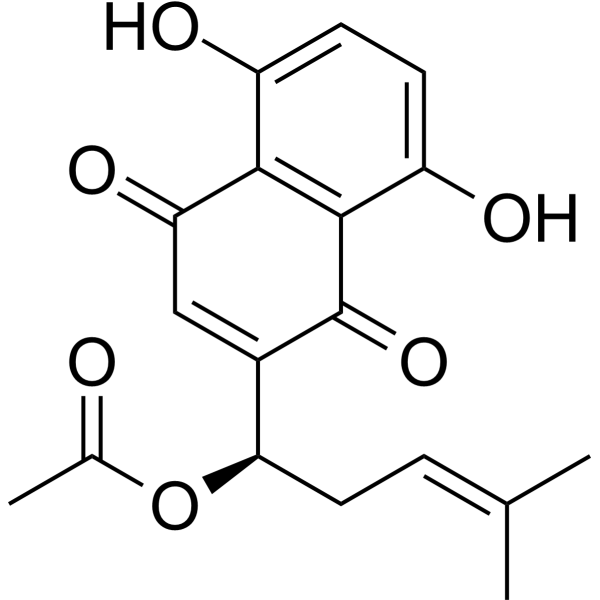
    Acetylshikonin
    3 Publications Verification

    Cytochrome P450 Apoptosis Bacterial Autophagy Infection Neurological Disease Metabolic Disease Inflammation/Immunology Cancer
    Acetylshikonin is an oral active anti-cancer, anti-inflammatory, antioxidant, anti-fertility, antibacterial, and neuroprotective agent. Acetylshikonin is a inhibitor of acetylcholinase (AChE) (IC50=34.6 μM) and nonselective cytochrome P450. Acetylshikonin can induce Apoptosis and Autophagy in cancer cells. Acetylshikonin regulates blood glucose, liver fat metabolism, and renal fibrosis, and is used in the study of diabetes, diabetic nephropathy (DN), obesity, and nonalcoholic fatty liver disease (NAFLD) .
    Acetylshikonin
  • HY-114360
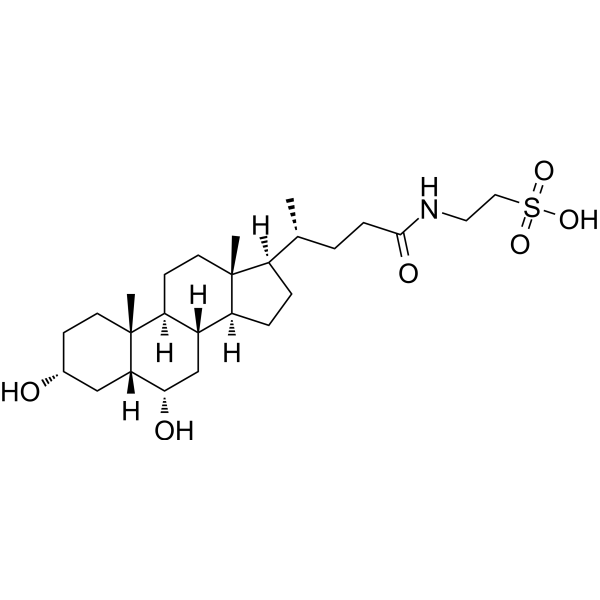
    Taurohyodeoxycholic acid
    2 Publications Verification

    Endogenous Metabolite COX Interleukin Related Glutathione Peroxidase TNF Receptor Neurological Disease Metabolic Disease Inflammation/Immunology Cancer
    Taurohyodeoxycholic acid is an orally active 6 alpha-hydroxylated bile acid. Taurohyodeoxycholic acid decreases colonic MPO activity, TNF-α, lL-6 serum levels and the expression of COX-2. Taurohyodeoxycholic acid alleviates trinitrobenzene sulfonic acid induced ulcerative colitis via regulating Th1/Th2 and Th17/Treg cells balance. Taurohyodeoxycholic acid ameliorates high-fat diet-induced nonalcoholic fatty liver disease in mice. Taurohyodeoxycholic acid prevents Taurochenodeoxycholic acid (HY-N2027)-induced hepatotoxicity in bile fistula rats. Taurohyodeoxycholic acid can be used for the study of nonalcoholic fatty liver disease (NAFLD), colitis and biliary fistula .
    Taurohyodeoxycholic acid
  • HY-168894

    Ferroptosis JAK STAT p38 MAPK AMPK GSK-3 Apoptosis HSP TNF Receptor Cardiovascular Disease Neurological Disease Metabolic Disease Cancer
    CT-1 is a secreted protein belonging to the IL-6 cytokine family. Overexpression of CT-1 enhances cell proliferation, migration and angiogenesis via the ADMA/DDAH pathway. CT-1 inhibits the growth of triple-negative breast cancer cells by simultaneously inducing Ferroptosis in N2-type tumor-associated neutrophils and cancer cells. CT-1 activates the Jak/STAT-3, p42/p44 MAPK and AMPK pathways, and inhibits GSK-3β activity through phosphorylation to induce cardiomyocyte hypertrophy. CT-1 enhances the viability of cardiomyocytes and neurons, reduces cell Apoptosis, induces the expression of heat shock proteins (HSP) and BNP, and inhibits TNF levels. CT-1 exerts anti-tumor activity in mouse models of triple-negative breast cancer. CT-1 improves cognitive impairment in mice. CT-1 is applicable to the research of ischemic heart disease, triple-negative breast cancer, myocardial hypertrophy, Parkinson's disease, hypertensive heart disease, myocardial infarction, acute Chagas cardiomyopathy, high-fat diet-induced cognitive impairment and diabetes-related cognitive impairment .
    CT-1
  • HY-174979

    Fat Mass and Obesity-associated Protein (FTO) Apoptosis Inflammation/Immunology Cancer
    Dac590 is an orally active and selective obesity-associated protein (FTO) inhibitor with an IC50 of 6.06 nM. Dac590 shows highly selective over ALKBH5 and ALKBH3. Dac590 suppresses oncogenic FTO signaling, induces myeloid differentiation, G1-phase cell cycle arrest, and apoptosis in acute myeloid leukemia (AML) cells. Dac590 inhibits xenograft tumor growth and prolongs survival in acute myeloid leukemia mouse models with no observed toxicity. Dac590 can be used for the research of AML .
    Dac590
  • HY-D1353

    Fluorescent Dye Others
    LipidGreen 2 is a second generation small molecule probe for lipid imaging. LipidGreen 2 has a better fluorescence signal compared with the previous LipidGreen, and selectively stains neutral lipids in cells and fat deposits in live zebrafish .
    LipidGreen 2
  • HY-B0234S2

    E1-d4; Oestrone-d4

    Estrogen Receptor/ERR Endogenous Metabolite Endocrinology Cancer
    Estrone-d4 is the deuterium labeled Estrone. Estrone (E1) is a natural estrogenic hormone. Estrone is the main representative of the endogenous estrogens and is produced by several tissues, especially adipose tissue. Estrone is the result of the process of aromatization of androstenedione that occurs in fat cells .
    Estrone-d4
  • HY-B0757A

    rel-Vitamin E Nicotinate

    Reactive Oxygen Species (ROS) Endogenous Metabolite Cardiovascular Disease
    (±)-α-Tocopherol nicotinate, vitamin E - nicotinate, is an orally active fat-soluble antioxidant that prevents lipid peroxidation in cell membranes. (±)-α-Tocopherol nicotinate is hydrolysed in the blood to α -tocopherol and niacin and may be used in studies of related vascular diseases .
    (±)-α-Tocopherol nicotinate
  • HY-18555
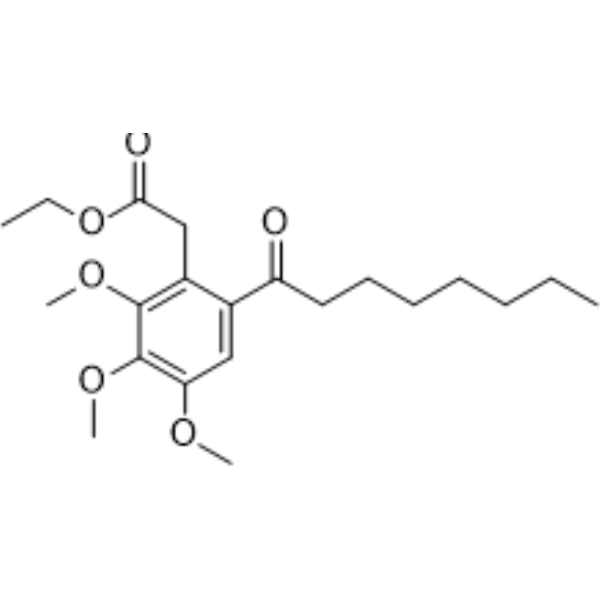
    TMPA
    3 Publications Verification

    Nuclear Hormone Receptor 4A/NR4A AMPK Metabolic Disease Inflammation/Immunology Cancer
    TMPA is a high-affinity Nur77 antagonist that binds to Nur77 leading to the release and shuttling of LKB1 in the cytoplasm to activate AMPKα. TMPA effectively lowers blood glucose and attenuates insulin resistance in type II db/db, high-fat diet and streptozotocin-induced diabetic mice. TMPA reduces RICD (restimulation-induced cell death) in human T cells, can also be used in studies of cancer and T-cell apoptosis dysregulation .
    TMPA
  • HY-N4294

    FXR Insecticide Infection Metabolic Disease Inflammation/Immunology
    Arjungenin, a pentacyclic triterpenoid compound, is a FXR agonist. Arjungenin can improve insulin sensitivity by regulating the function of fat cells. Arjungenin exhibits moderate free radical scavenging activity. Arjungenin has growth inhibitory activity against the insect Spilarctia obliqua. Arjungenin has significant antiviral activity against a series of viruses such as chikungunya Virus (CHIKV) .
    Arjungenin
  • HY-21191

    PFBS

    Biochemical Assay Reagents PPAR Reactive Oxygen Species (ROS) Metabolic Disease
    Perfluorobutanesulfonic acid (PFBS) is a short-chain perfluoroalkyl substance and the main replacement for perfluorooctanesulfonic acid. Perfluorobutanesulfonic acid induces fat accumulation in human HepG2 hepatoma cells. Perfluorobutanesulfonic acid promotes lipid accumulation by activating PPARγ pathway and triggering oxidative stress, endoplasmic reticulum stress and calcium dyshomeostasis. Perfluorobutanesulfonic acid impairs reproduction and causes developmental disorders in offspring of Caenorhabditis elegans. Perfluorobutanesulfonic acid disrupts pancreatic organogenesis and lipid homeostasis in zebrafish embryos. Perfluorobutanesulfonic acid can be used in environmental toxicology, lipid metabolism and developmental toxicity studies .
    Perfluorobutanesulfonic acid
  • HY-100428

    MCC-555; Isaglitazone

    PPAR Metabolic Disease
    Netoglitazone (MCC-555) is an orally active PPARγ ligand with an EC50 of 8 μM. Netoglitazone mediates cell type-specific functional regulation, and modulates the transcriptional activity of PPARγ as a full agonist, partial agonist or antagonist. Netoglitazone induces adipogenesis, inhibits osteoblastogenesis, alters the weight of extramedullary fat depots and enhances insulin sensitivity. Netoglitazone reduces blood glucose levels. Netoglitazone can be used in research related to type 2 diabetes and non-insulin-dependent diabetes mellitus .
    Netoglitazone
  • HY-149334

    Fat Mass and Obesity-associated Protein (FTO) Metabolic Disease
    ZLD115 (compound 44) is a FB23-derivated inhibitor of Fat Mass and Obesity-associated Protein (FTO). ZLD115 is an antileukemic agent, exhibiting antiproliferative activity against leukemic cell lines .
    ZLD115
  • HY-B0511R

    Vitamin B7 (Standard); Vitamin H (Standard); D-Biotin (Standard)

    Endogenous Metabolite Reference Standards Metabolic Disease
    Biotin (Standard) is the analytical standard of Biotin. Biotin, vitamin B7 and serves as a coenzyme for five carboxylases in humans, involved in the synthesis of fatty acids, isoleucine, and valine, and in gluconeogenesis. Biotin is necessary for cell growth, the production of fatty acids, and the metabolism of fats and amino acids .
    Biotin (Standard)
  • HY-17462

    (+)-Adrenosterone

    Androgen Receptor Endogenous Metabolite Endocrinology Cancer
    Adrenosterone ((+)-Adrenosterone) is a competitive hydroxysteroid (11-beta) dehydrogenase 1 (HSD11β1) inhibitor. Adrenosterone is a steroid hormone with weak androgenic effect. Adrenosterone is a dietary supplement that can decrease fat and increase muscle mass. Adrenosterone acts as a suppressor of metastatic progression of human cancer cells .
    Adrenosterone
  • HY-B0511S3

    Vitamin B7-13C5; Vitamin H-13C5; D-Biotin-13C5

    Isotope-Labeled Compounds Endogenous Metabolite Metabolic Disease
    Biotin- 13C5 (Vitamin B7- 13C5) is 13C labeled Biotin. Biotin, vitamin B7 and serves as a coenzyme for five carboxylases in humans, involved in the synthesis of fatty acids, isoleucine, and valine, and in gluconeogenesis. Biotin is necessary for cell growth, the production of fatty acids, and the metabolism of fats and amino acids .
    Biotin-13C5
  • HY-107833

    Antibiotic Bacterial Infection
    A40926 is a glycopeptide antibiotic that targets the bacterial cell wall peptidoglycan precursor D-alanyl-D-alanine (D-Ala-D-Ala). A40926 irreversibly inhibits cell wall synthesis by competitively binding to this target, and has high bactericidal activity against Gram-positive bacteria (such as Staphylococcus, Streptococcus) and Neisseria gonorrhoeae, with MIC=0.06-2 μg/mL, and is also effective against penicillin-resistant strains. A40926 blocks peptidoglycan cross-linking, destroys cell wall integrity, and causes bacterial lysis and death. A40926 has a fat-soluble fatty acid structure, which can increase serum concentrations and prolong the duration of action (e.g., the terminal half-life in rats is 61.22 h) .
    A40926
  • HY-149453

    Guanylate Cyclase Cardiovascular Disease
    MCUF-651 is an orally active guanylyl cyclase A receptor (GC-A) positive allosteric modulator (PAM) (KD: 397 nM ). MCUF-651 binds to GC-A and selectively enhances the binding of atrial natriuretic peptide (ANP) to GC-A. MCUF-651 enhances ANP-mediated cGMP generation in human cardiac, renal, and fat cells. MCUF-651 inhibits cardiomyocyte hypertrophy .
    MCUF-651
  • HY-N0378S1

    Mannitol-13C; Mannite-13C

    Isotope-Labeled Compounds Endogenous Metabolite Apoptosis PGC-1α Adrenergic Receptor PKA Cardiovascular Disease Metabolic Disease Cancer
    D-Mannitol- 13C is the 13C labeled D-Mannitol (HY-N0378). D-Mannitol (Mannitol) is an oral, resistant sugar widely used in the food and pharmaceutical industries to promote the absorption and retention of calcium and magnesium through cecal fermentation, while acting as a osmotic diuretic to reduce tissue edema. D-Mannitol can enhance brown fat formation, improve insulin effect, reduce blood sugar levels, And through the start the β3-adrenergic receptor (β3-AR), PGC1α and PKA induced by means of white fat cells into brown fat cells . D-Mannitol is commonly used to maintain osmotic pressure between the plant cytoplasm and the culture medium and protect cells when the cell wall is weakened or even removed .
    D-Mannitol-13C
  • HY-151106

    Fat Mass and Obesity-associated Protein (FTO) Cancer
    FTO-IN-8 (FTO-43) is a N6-methyladenosine demethylase (FTO) (fat mass- and obesity-associated protein) inhibitor with the IC50 value of 5.5 μM. FTO-IN-8 has anti-cancer cell proliferative activity .
    FTO-IN-8
  • HY-Y1422B
    Lipase (MS grade)
    1 Publications Verification

    Endogenous Metabolite Metabolic Disease
    Lipase (MS grade) catalyzes the hydrolysis of triacylglycerols to release long-chain fatty acids in a site-specific manner. Lipase (MS grade) is involved in a variety of biological processes, from fat metabolism to cell signaling and inflammation, and can be used to study diseases such as pancreatic insufficiency, celiac disease and cystic fibrosis .
    Lipase (MS grade)
  • HY-W127409

    Biochemical Assay Reagents Others
    1,2-Dimyristoyl-rac-glycerol (C14:0) is a carboxylic acid ester, glycerolipid and diglyceride with an additional myristoyl group that facilitates interactions between proteins and lipids. Can be used as detergent or reagent. It plays a role in cell biology experiments involving the metabolism and metabolic pathways of glycerolipids. As a diglyceride, this substance consists of two fatty acid chains covalently bonded in the 1,2-form to a glycerol molecule. The diglyceride (DAG) study investigated the process by which DAG is depleted to inhibit fat accumulation. Reagent grade, for research use only.
    1,2-Dimyristoyl-rac-glycerol
  • HY-N0378S2

    Mannitol-13C6; Mannite-13C6

    Isotope-Labeled Compounds Endogenous Metabolite Apoptosis PGC-1α Adrenergic Receptor PKA Cardiovascular Disease Metabolic Disease Cancer
    D-Mannitol- 13C6 is the 13C labeled D-Mannitol (HY-N0378). D-Mannitol (Mannitol) is an oral, resistant sugar widely used in the food and pharmaceutical industries to promote the absorption and retention of calcium and magnesium through cecal fermentation, while acting as a osmotic diuretic to reduce tissue edema. D-Mannitol can enhance brown fat formation, improve insulin effect, reduce blood sugar levels, And through the start the β3-adrenergic receptor (β3-AR), PGC1α and PKA induced by means of white fat cells into brown fat cells . D-Mannitol is commonly used to maintain osmotic pressure between the plant cytoplasm and the culture medium and protect cells when the cell wall is weakened or even removed .
    D-Mannitol-13C6
  • HY-147011

    Fat Mass and Obesity-associated Protein (FTO) Cancer
    FTO-IN-7 (compound 17) is an inhibitor of FTO (fat mass and obesity-associated protein) with an IC50 of <1 μM. FTO-IN-7 can be used for the study of small-cell lung cancers and human bone marrow striated muscle cancer .
    FTO-IN-7
  • HY-B0234S1

    E1-d2; Oestrone-d2

    Isotope-Labeled Compounds Estrogen Receptor/ERR Endogenous Metabolite Endocrinology Cancer
    Estrone-d2 is the deuterium labeled Estrone. Estrone (E1) is a natural estrogenic hormone. Estrone is the main representative of the endogenous estrogens and is produced by several tissues, especially adipose tissue. Estrone is the result of the process of aromatization of androstenedione that occurs in fat cells .
    Estrone-d2
  • HY-B0234S

    E1-13C3; Oestrone-13C3

    Isotope-Labeled Compounds Estrogen Receptor/ERR Endogenous Metabolite Endocrinology Cancer
    Estrone- 13C3 is the 13C-labeled Estrone. Estrone (E1) is a natural estrogenic hormone. Estrone is the main representative of the endogenous estrogens and is produced by several tissues, especially adipose tissue. Estrone is the result of the process of aromatization of androstenedione that occurs in fat cells .
    Estrone-13C3
  • HY-119790

    PPAR Metabolic Disease
    Palmitoyllactic acid is a long-chain fatty acid with lipogenic activity. Palmitoyllactic acid can induce a brown fat-like phenotype in 3T3-L1 cells. Palmitoyllactic acid enhances the expression of a variety of brown/beige cell-specific genes, such as Prdm16 and Pgc1a. Palmitoyllactic acid acts similarly to PPARγ agonists, significantly enhancing adipogenesis in the presence of dexamethasone. Palmitoyllactic acid can be used in obesity research .
    Palmitoyllactic acid
  • HY-130437

    MDM-2/p53 TGF-β Receptor Caspase Infection Metabolic Disease
    p-nitro-Pifithrin-α, a cell-permeable analog of pifithrin-α, is a potent p53 inhibitor. p-nitro-Pifithrin-α suppresses p53-mediated TGF-β1 expression in HK-2 cells. p-nitro-Pifithrin-α inhibits the activation of caspase-3 by Zika virus (ZIKV) strains. p-nitro-Pifithrin-α attenuates steatosis and liver injury in mice fed a high-fat diet [4]. non-alcoholic fatty liver disease .
    p-nitro-Pifithrin-α
  • HY-10585AR

    Sodium Valproate (Standard); VPA sodium (Standard); 2-Propylpentanoic acid sodium (Standard)

    Organoid Reference Standards HDAC Autophagy Mitophagy HIV Notch Apoptosis Endogenous Metabolite Infection Neurological Disease Metabolic Disease Cancer
    Valproic acid (sodium) (Standard) is the analytical standard of Valproic acid (sodium). This product is intended for research and analytical applications. Valproic acid (Sodium Valproate) sodium is an orally active HDAC inhibitor, with IC50 in the range of 0.5 and 2 mM, also inhibits HDAC1 (IC50, 400 μM), and induces proteasomal degradation of HDAC2. Valproic acid sodium activates Notch1 signaling and inhibits proliferation in small cell lung cancer (SCLC) cells. Valproic acid sodium is used in the treatment of epilepsy, bipolar disorder, metabolic disease, HIV infection and prevention of migraine headaches .
    Valproic acid sodium (Standard)
  • HY-10585B

    Sodium Valproate (2:1); VPA sodium (2:1); 2-Propylpentanoic acid sodium (2:1)

    HDAC Autophagy Mitophagy HIV Notch Apoptosis Endogenous Metabolite Infection Neurological Disease Metabolic Disease Cancer
    Valproic acid (VPA) sodium (2:1) is an orally active HDAC inhibitor, with IC50 in the range of 0.5 and 2 mM, also inhibits HDAC1 (IC50, 400 μM), and induces proteasomal degradation of HDAC2. Valproic acid sodium (2:1) activates Notch1 signaling and inhibits proliferation in small cell lung cancer (SCLC) cells. Valproic acid sodium (2:1) is used in the treatment of epilepsy, bipolar disorder, metabolic disease, HIV infection and prevention of migraine headaches .
    Valproic acid sodium (2:1)

Inquiry Online

Your information is safe with us. * Required Fields.

Salutation


Country or Region *

Applicant Name *


Organization Name *

Department *


Email Address *


Product Name *

Cat. No.


Requested quantity *

Phone Number *


Remarks

Inquiry Online

Inquiry Information

Product Name:
Cat. No.:
Quantity:
MCE Japan Authorized Agent:

