115 Results for "

Microbial metabolite

" in MedChemExpress (MCE) Product Catalog:
Products (115)

115 Results for "Microbial metabolite" in MCE Product Catalog:

48
48 Publications Verification
Cat. No.: HY-100599
CAS No.: 1143-70-0
Purity:  99.82%
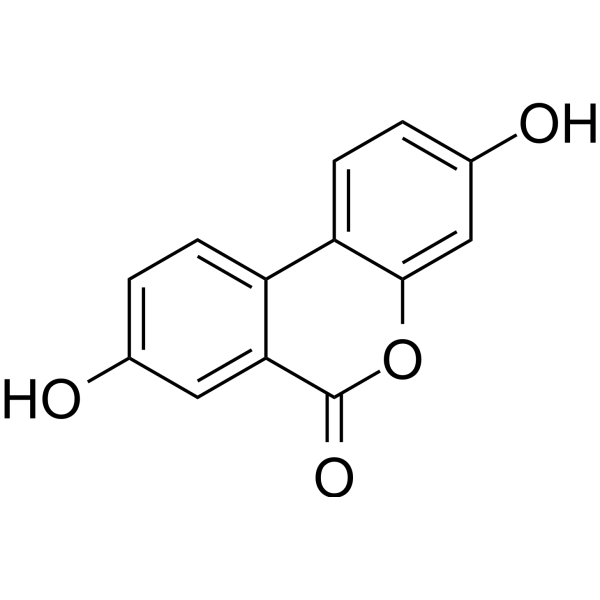
Urolithin A, a gut-microbial metabolite of ellagic acid, exerts anti-inflammatory, antiproliferative, and antioxidant properties. Urolithin A induces autophagy and apoptosis, suppresses cell cycle progression, and inhibits DNA synthesis .
loading...
    loading...
5
5 Cited Publications
Cat. No.: HY-121636
CAS No.: 810668-37-2
Purity:  99.90%
Synonyms: RvD2
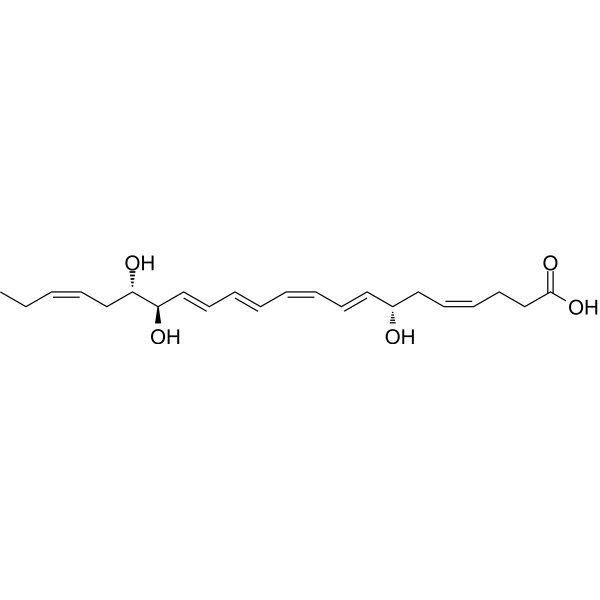
Resolvin D2 is a metabolite of docosahexaenoic acid (DHA), with anti-inflammatory, anti-infective activities. Resolvin D2 is a potent regulator of leukocytes and controls microbial sepsis. Resolvin D2 is a remarkably potent inhibitor of TRPV1 (IC50 = 0.1 nM) and TRPA1 (IC50 = 2 nM) in primary sensory neurons .
loading...
    loading...
5
5 Cited Publications
Cat. No.: HY-135897
CAS No.: 165393-06-6
Purity:  ≥98.0%
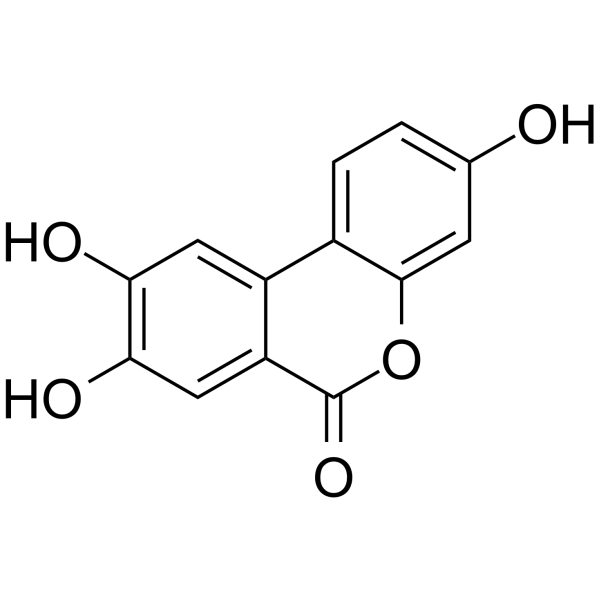
Urolithin C, a gut-microbial metabolite of Ellagic acid, is a glucose-dependent activator of insulin secretion. Urolithin C is a L-type Ca 2+ channel opener and enhances Ca 2+ influx. Urolithin C induces cell apoptosis through a mitochondria-mediated pathway and also stimulates reactive oxygen species (ROS) formation .
loading...
    loading...
4
4 Cited Publications
Cat. No.: HY-Y0520
CAS No.: 97-65-4
Synonyms: Methylenesuccinic acid
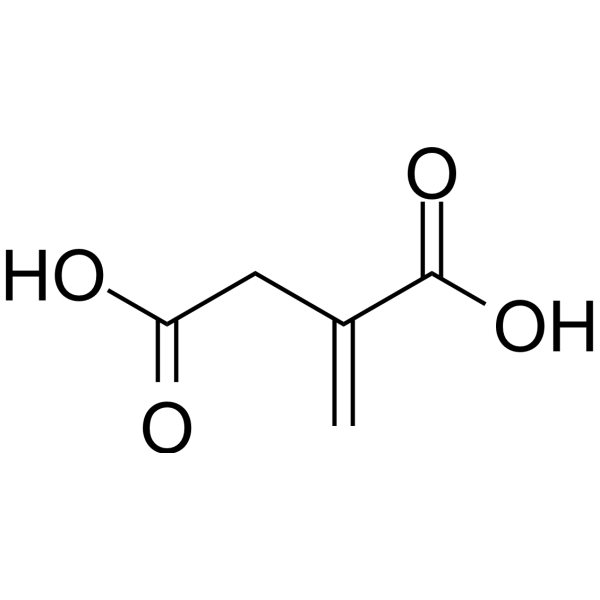
Itaconic acid, a precursor of polymers, chemicals, and fuels, can be synthesized by many fungi. Itaconic acid also is a macrophage-specific metabolite. Itaconic acid mediates crosstalk between macrophage metabolism and peritoneal tumors. Itaconic acid has anti-inflammatory, anti-microbial and immunomodulatory effect .
loading...
    loading...
3
3 Cited Publications
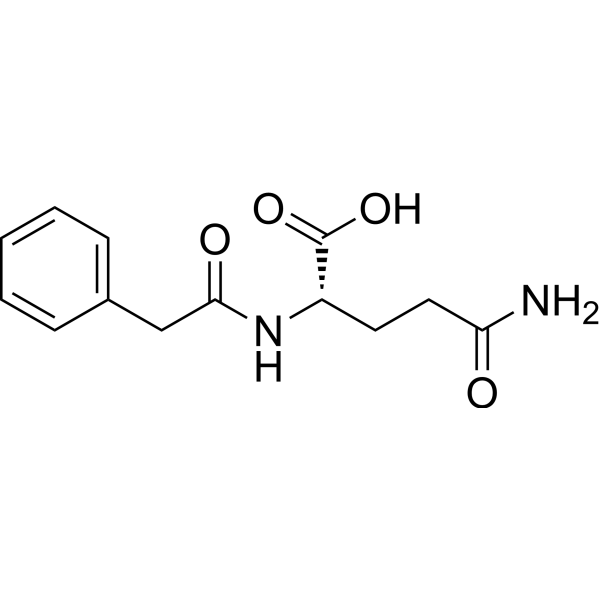
Cat. No.: HY-W050026
CAS No.: 28047-15-6
Synonyms: NSC 203800; Phenylacetyl-L-glutamine
Phenylacetylglutamine is a colonic microbial metabolite from amino acid fermentation.
loading...
    loading...
3
3 Cited Publications
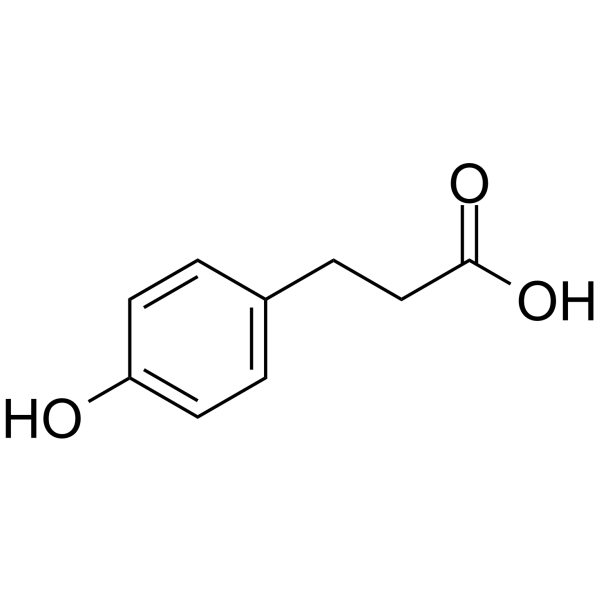
Cat. No.: HY-W015346
CAS No.: 501-97-3
Synonyms: 3-(4-Hydroxyphenyl)propionic acid
Desaminotyrosine is a microbially associated metabolite protecting from influenza through augmentation of type I interferon signaling.
loading...
    loading...
2
2 Cited Publications
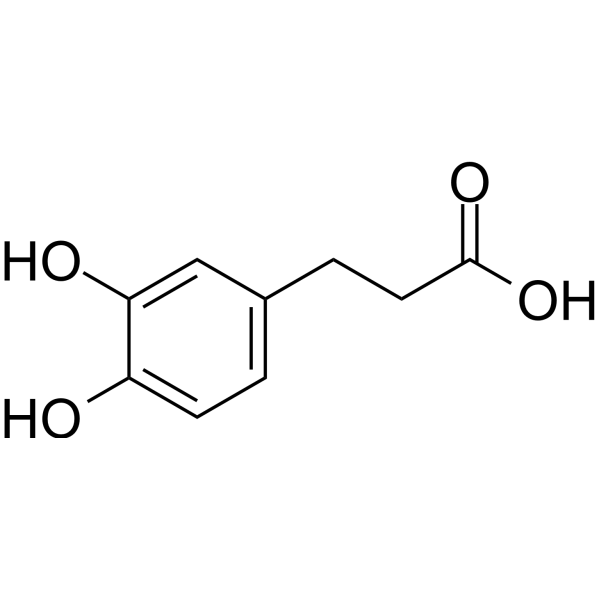
Cat. No.: HY-N2406
CAS No.: 1078-61-1
Synonyms: 3,4-Dihydroxy-benzenepropanoic acid
Dihydrocaffeic acid is a microbial metabolite of flavonoids. Dihydrocaffeic acid scavenges intracellular ROS and increases nitric oxide synthase activity. Dihydrocaffeic acid reduces phosphorylation of MAPK p38 and prevent UVB-induced skin damage. Dihydrocaffeic acid has antioxidant, anti-inflammatory and anti-cartilage degradation activities .
loading...
    loading...
2
2 Cited Publications
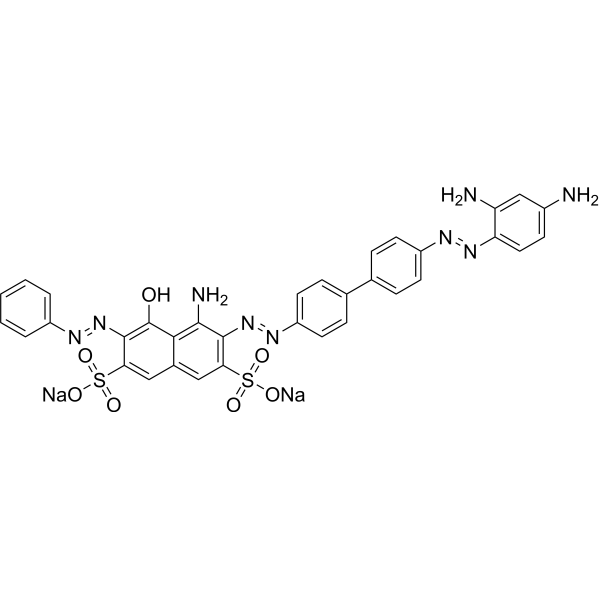
Cat. No.: HY-D0256
CAS No.: 1937-37-7
Synonyms: Chlorazol Black E; Ferristatin II disodium; C.I. 30235
Direct Black 38 (Chlorazol Black E) is a benzidine-based azo dye, a substrate of Enterococcus gallinarum, and is mainly used for textile dyeing. Direct Black 38 is biodegradable after being reduced by microbial enzymes (such as Enterococcus gallinarum azoreductase), breaking the azo bonds and releasing benzidine and 4-aminobiphenyl. Direct Black 38 can be used in environmental toxicology, wastewater treatment and carcinogenicity studies, but its metabolite benzidine is listed as a human carcinogen .
loading...
    loading...
2
2 Cited Publications
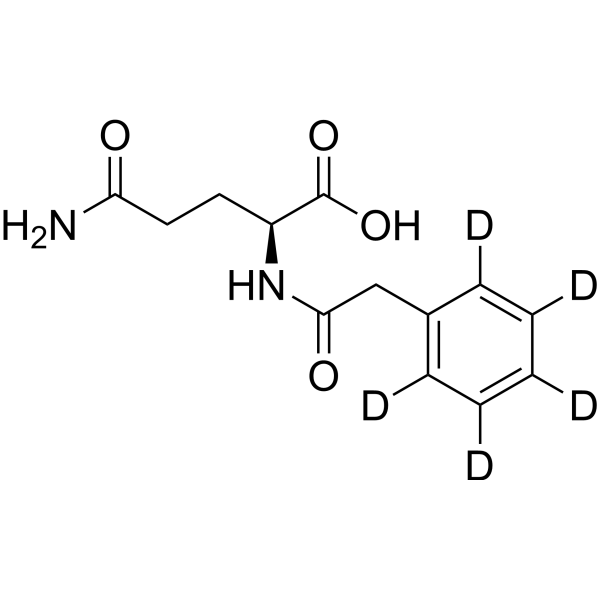
Cat. No.: HY-W050026S
CAS No.: 1331909-01-3
Synonyms: NSC 203800-d5; Phenylacetyl-L-glutamine-d5
Phenylacetylglutamine-d5 (NSC 203800-d5) is the deuterium labeled Phenylacetylglutamine (HY-W050026). Phenylacetylglutamine is a colonic microbial metabolite from amino acid fermentation .
loading...
    loading...
2
2 Cited Publications
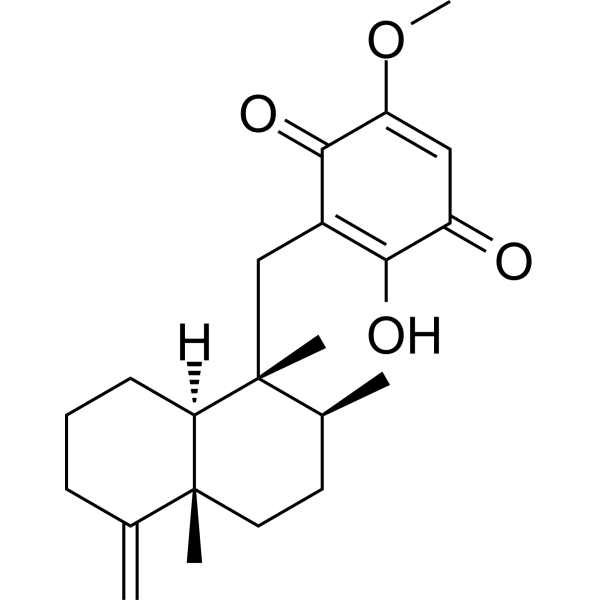
Cat. No.: HY-119500
CAS No.: 71678-03-0
Purity:  ≥98.0%
Ilimaquinone, a marine sponge metabolite, displays anticancer activity via GADD153-mediated pathway. Ilimaquinone can induce vesiculation of the Golgi apparatus . Ilimaquinone exerts anti-HIV, anti-microbial, anti-inflammatory, and effects .
loading...
    loading...
1
1 Cited Publications
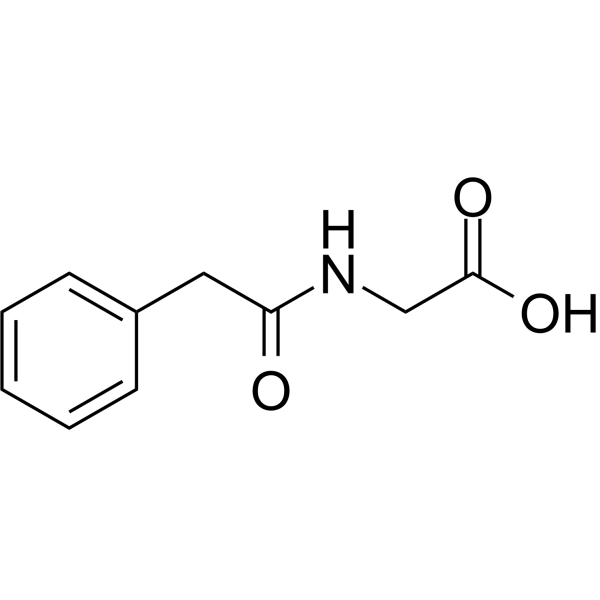
Cat. No.: HY-W015061
CAS No.: 500-98-1
Phenylacetylglycine is a gut microbial metabolite that can activate β2AR. Phenylacetylglycine protects against cardiac injury caused by ischemia/reperfusion .
loading...
    loading...
1
1 Cited Publications
Cat. No.: HY-N13015
CAS No.: 34199-21-8
Quercetin 5-O-β-D-glucopyranoside is a glycosylated flavonoid metabolite and flavonoid compound. Quercetin 5-O-β-D-glucopyranoside can be produced by microbial transformation of Quercetin (HY-18085) via Mucor hiemalis. Quercetin 5-O-β-D-glucopyranoside can be used in studies related to benign prostatic hyperplasia .
loading...
    loading...
1
1 Cited Publications
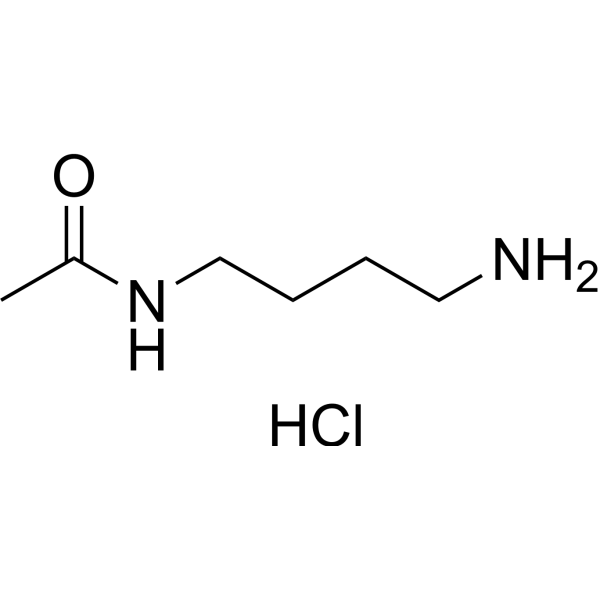
Cat. No.: HY-113100
CAS No.: 18233-70-0
Purity:  ≥99.0%
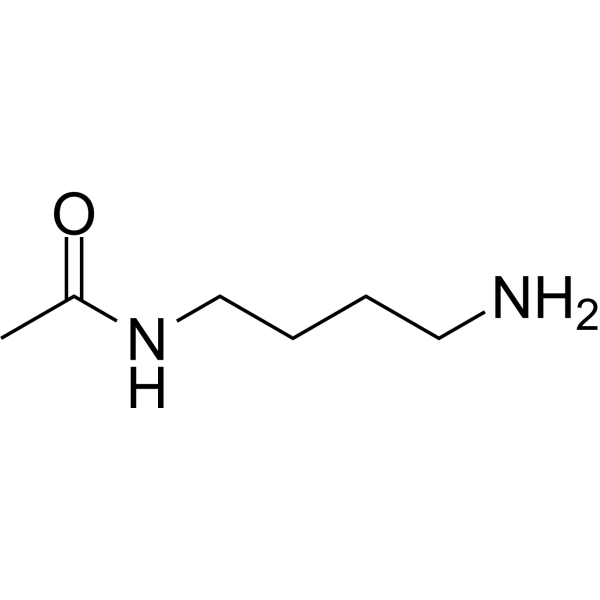
N-Acetylputrescine hydrochloride is a polyamine metabolite that regulates cell proliferation and signal transduction mainly by participating in polyamine acetylation modification. N-Acetylputrescine hydrochloride may reduce the positive charge of polyamines, affect protein-nucleic acid interactions, and promote cell growth. The concentration changes of N-Acetylputrescine hydrochloride can help disease diagnosis (such as early screening and efficacy evaluation of lung cancer) and microbial cell wall structure research. N-Acetylputrescine hydrochloride can be used as a potential biomarker for the progression of squamous cell carcinoma of the lung (SCCL) and Parkinson's disease (PD) .
loading...
    loading...
1
1 Cited Publications
Cat. No.: HY-W342604
CAS No.: 5699-41-2
Synonyms: NAP
N-Acetylputrescine is a polyamine metabolite that regulates cell proliferation and signal transduction mainly by participating in polyamine acetylation modification. N-Acetylputrescine may reduce the positive charge of polyamines, affect protein-nucleic acid interactions, and promote cell growth. The concentration changes of N-Acetylputrescine can help disease diagnosis (such as early screening and efficacy evaluation of lung cancer) and microbial cell wall structure research. N-Acetylputrescine can be used as a potential biomarker for the progression of squamous cell carcinoma of the lung (SCCL) and Parkinson's disease (PD) .
loading...
    loading...
Cat. No.: HY-128746
CAS No.: 583-93-7
Purity:  99.96%
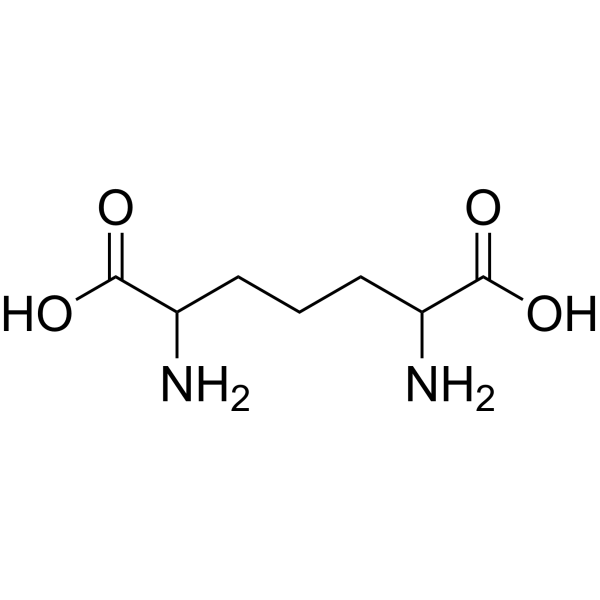
2,6-Diaminopimelic acid is a endogenous metabolite produced in bacteria and is a component of cell wall. 2,6-Diaminopimelic acid is essential for microbial metabolism and is a potential marker for quantification of microbial proteins .
loading...
    loading...
Cat. No.: HY-N2021A
CAS No.: 164204-38-0
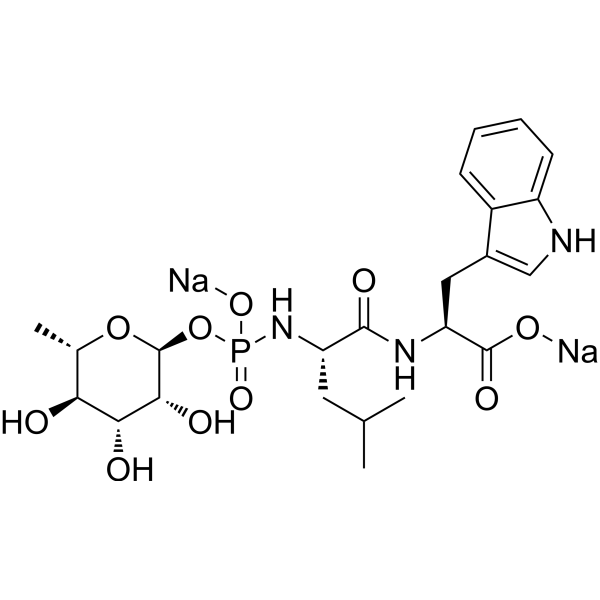
Phosphoramidon disodium, a microbial metabolite, is a specific metalloprotease thermolysin inhibitor with an IC50 of 0.4 μg/mL. Phosphoramidon disodium also inhibits endothelin-converting enzyme (ECE), neutral endopeptidase (NEP), and angiotensin-converting enzyme (ACE) with IC50 values of 3.5, 0.034, and 78 μM, respectively .
loading...
    loading...
Cat. No.: HY-W019724
CAS No.: 563-96-2
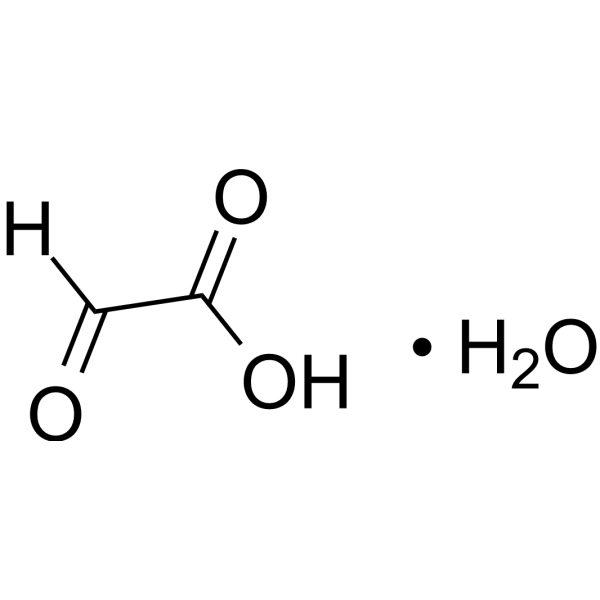
2,2-Dihydroxyacetic acid is an endogenous metabolite, which is the monohydrate of Glyoxylic Acid. 2,2-Dihydroxyacetic acid may participate in the microbial glyoxylate cycle, induce an increase in reactive oxygen species, promote cell differentiation, and modify proteins to form advanced glycation end products (AGEs) (HY-NP165). 2,2-Dihydroxyacetic acid is associated with metabolic diseases such as primary hyperoxaluria .
loading...
    loading...
Cat. No.: HY-N7719
CAS No.: 475-54-7
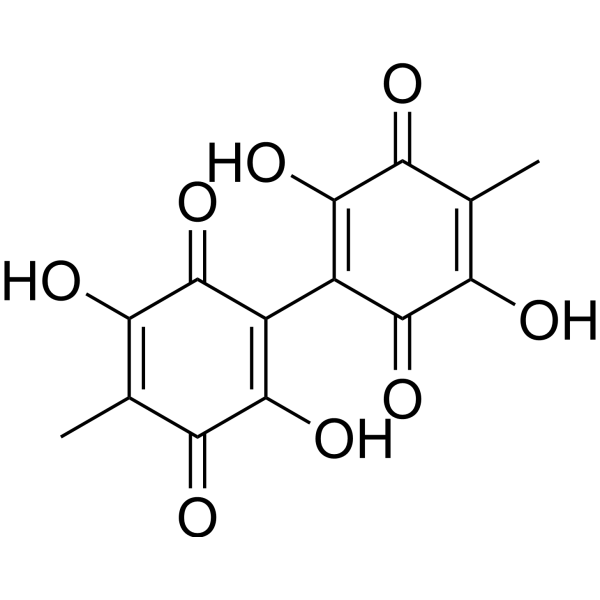
Oosporein is a microbial metabolite and a red crystalline toxin produced by various fungi. Oosporein can promote the reproduction of fungi in host bodies by inhibiting insect immunity, and possesses multiple activities such as antibacterial, antiviral (HSV), and insecticidal effects. Oosporein can inhibit plant growth. In addition, Oosporein can also induce apoptosis, cell membrane damage, oxidative stress, and mitochondrial damage. Oosporein has certain antitumor activity .
loading...
    loading...
Cat. No.: HY-48814
CAS No.: 570-63-8
Target:  

Bacterial FXR

Research Areas:  

Infection Inflammation/Immunology

3-Epideoxycholic acid is a secondary bile acid and a microbial metabolite of Deoxycholic acid (HY-N0593). 3-Epideoxycholic acid targets FXR in dendritic cells, reduces their immunostimulatory properties, promotes the generation of Treg cells, and exerts anti-inflammatory activity. 3-Epideoxycholic acid can promote the growth of the bacterium Bacteroides. 3-Epideoxycholic acid can be used in research related to inflammatory and immune diseases as well as bacterial infections .
loading...
    loading...
Cat. No.: HY-N2584
CAS No.: 70872-29-6
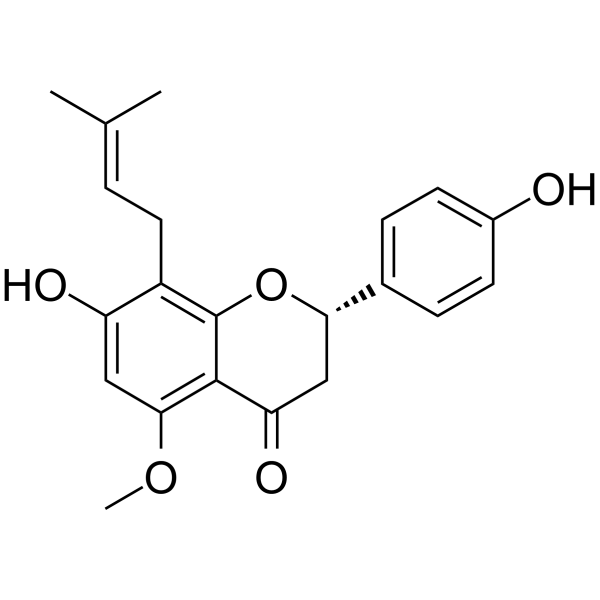
(2S)-Isoxanthohumol is a microbial biotransformed metabolite of the hop prenylflavanone Isoxanthohumol .
loading...
    loading...

