

682 Results for "

Neuroprotective effects

" in MedChemExpress (MCE) Product Catalog:
Products (682)

682 Results for "Neuroprotective effects" in MCE Product Catalog:

98
98 Publications Verification
Cat. No.: HY-P1061
CAS No.: 867021-83-8
Target:  

STAT Amyloid-β

Research Areas:  

Neurological Disease

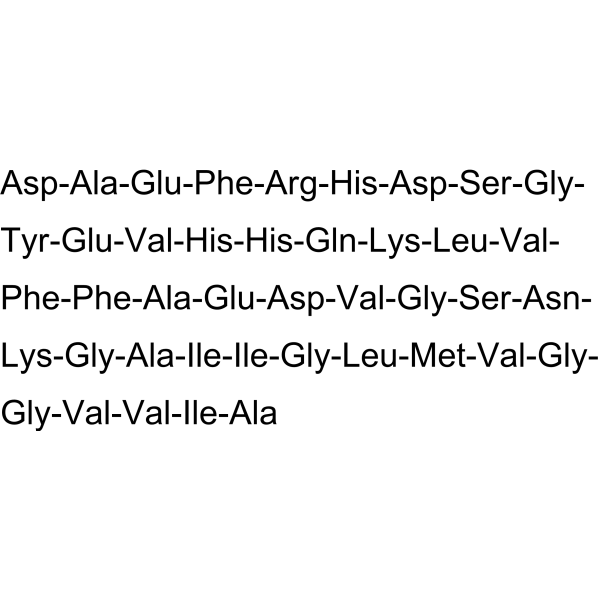
Colivelin is a brain penetrant neuroprotective peptide and a potent activator of STAT3, suppresses neuronal death by activating STAT3 in vitro . Colivelin exhibits long-term beneficial effects against neurotoxicity, Aβ deposition, neuronal apoptosis, and synaptic plasticity deficits in neurodegenerative disease . Colivelin has the potential for the treatment of alzheimer's disease and ischemic brain injury
loading...
    loading...
98
98 Publications Verification
Cat. No.: HY-P1061A
CAS No.: 2803948-60-7
Target:  

STAT Amyloid-β Apoptosis

Research Areas:  

Neurological Disease

Colivelin TFA is a brain penetrant neuroprotective peptide and a potent activator of STAT3, suppresses neuronal death by activating STAT3 in vitro . Colivelin TFA exhibits long-term beneficial effects against neurotoxicity, Aβ deposition, neuronal apoptosis, and synaptic plasticity deficits in neurodegenerative disease . Colivelin TFA has the potential for the treatment of alzheimer's disease and ischemic brain injury .
loading...
    loading...
72
72 Cited Publications
Cat. No.: HY-17412
CAS No.: 13614-98-7
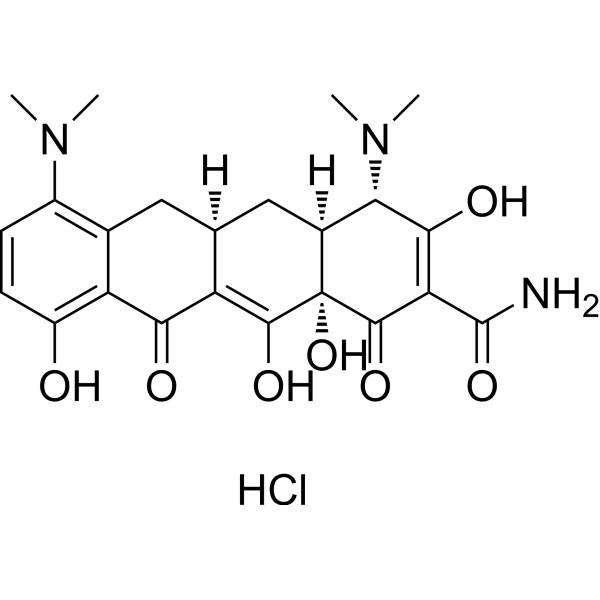
Minocycline hydrochloride is an orally active, potent and BBB-penetrated semi-synthetic tetracycline antibiotic. Minocycline hydrochloride is a hypoxia-inducible factor (HIF)-1α inhibitor. Minocycline hydrochloride shows anti-cancer, anti-inflammatory, and glutamate antagonist effects. Minocycline hydrochloride reduces glutamate neurotransmission and shows neuroprotective properties and antidepressant effects. Minocycline hydrochloride inhibits bacterial protein synthesis through binding with the 30S subunit of the bacterial ribosome, resulting in a bacteriostatic effect .
loading...
    loading...
72
72 Cited Publications
Cat. No.: HY-17412A
CAS No.: 10118-90-8
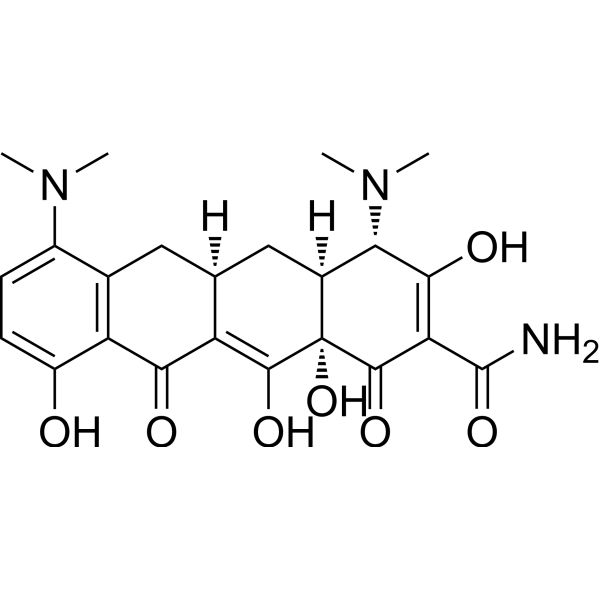
Minocycline is an orally active, potent and BBB-penetrated semi-synthetic tetracycline antibiotic. Minocycline is a hypoxia-inducible factor (HIF)-1α inhibitor. Minocycline shows anti-cancer, anti-inflammatory, and glutamate antagonist effects. Minocycline reduces glutamate neurotransmission and shows neuroprotective properties and antidepressant effects. Minocycline inhibits bacterial protein synthesis through binding with the 30S subunit of the bacterial ribosome, resulting in a bacteriostatic effect .
loading...
    loading...
61
61 Cited Publications
Cat. No.: HY-100347
CAS No.: 1629138-41-5
Purity:  99.40%
Target:  

TGF-beta/Smad

Research Areas:  

Neurological Disease

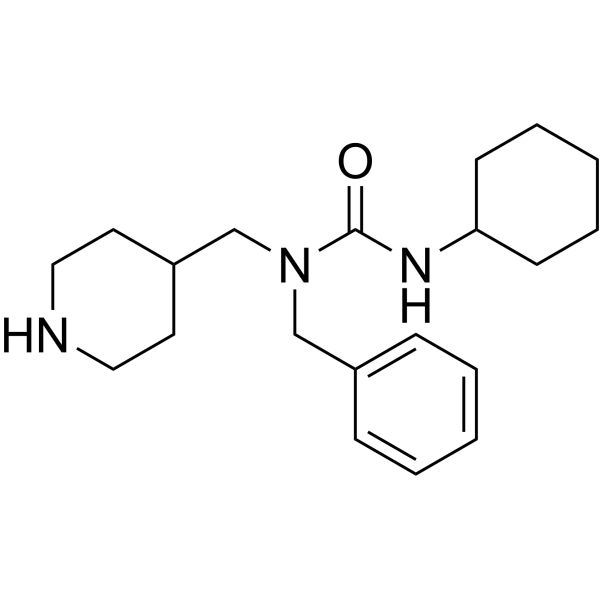
SRI-011381 is an orally active TGF-β signaling agonist, exhibits neuroprotective effects .
loading...
    loading...
61
61 Cited Publications
Cat. No.: HY-100347A
CAS No.: 2070014-88-7
Purity:  99.55%
Target:  

TGF-beta/Smad

Research Areas:  

Neurological Disease

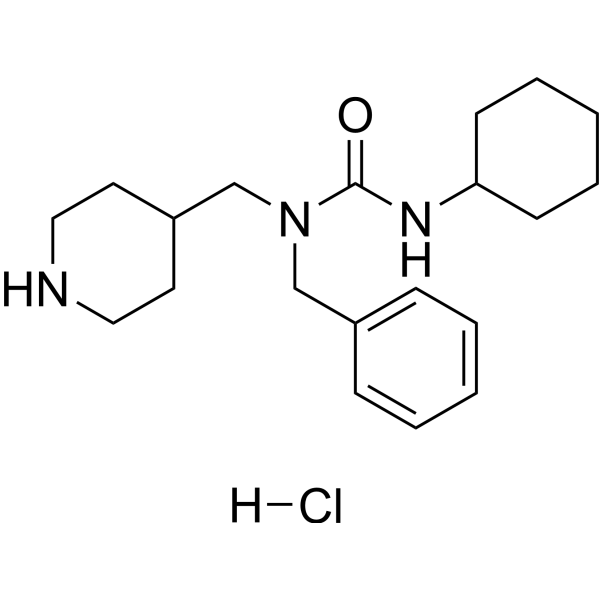
SRI-011381 hydrochloride is an orally active TGF-β signaling agonist, exhibits neuroprotective effects, with blood-brain barrier permeability .
loading...
    loading...
53
53 Cited Publications
Cat. No.: HY-13812
CAS No.: 545380-34-5
Purity:  99.50%
Synonyms: EVP4593
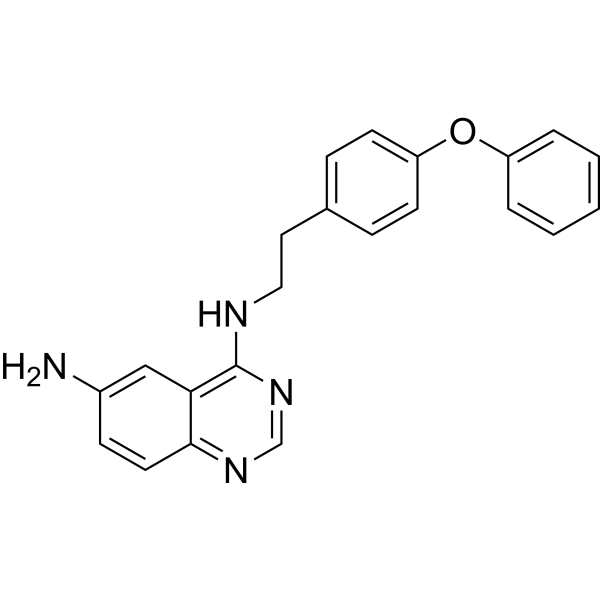
QNZ (EVP4593) shows strong inhibitory effects on NF-κB transcriptional activation and TNF-α production with IC50s of 11 and 7 nM, respectively. QNZ (EVP4593) is a neuroprotective inhibitor of SOC channel.
loading...
    loading...
46
46 Cited Publications
Cat. No.: HY-100350
CAS No.: 147859-80-1
Purity:  99.62%
Synonyms: CA-074Me
Target:  

Cathepsin

Research Areas:  

Neurological Disease Cancer

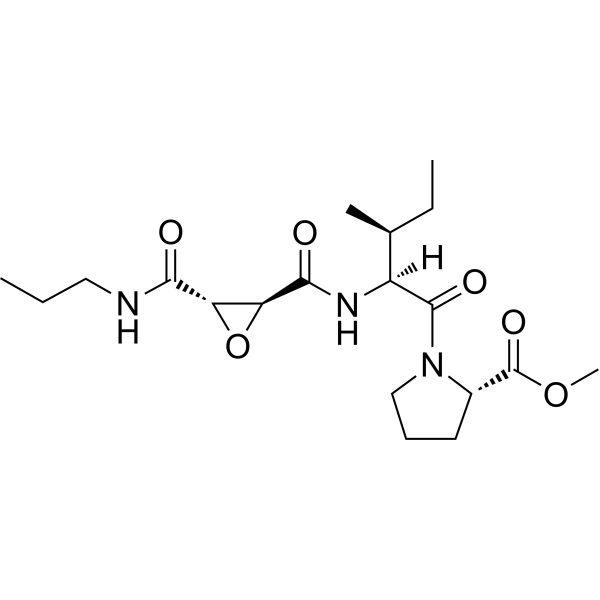
CA-074 methyl ester is a specific inhibitor of Cathepsin B, which has potent bioactivities such as neuroprotective, anti-cancer, and anti-inflamatory effects.
loading...
    loading...
37
37 Cited Publications
Cat. No.: HY-16990
CAS No.: 178603-78-6
Synonyms: Caspase-1 Inhibitor II
Target:  

Caspase

Research Areas:  

Inflammation/Immunology

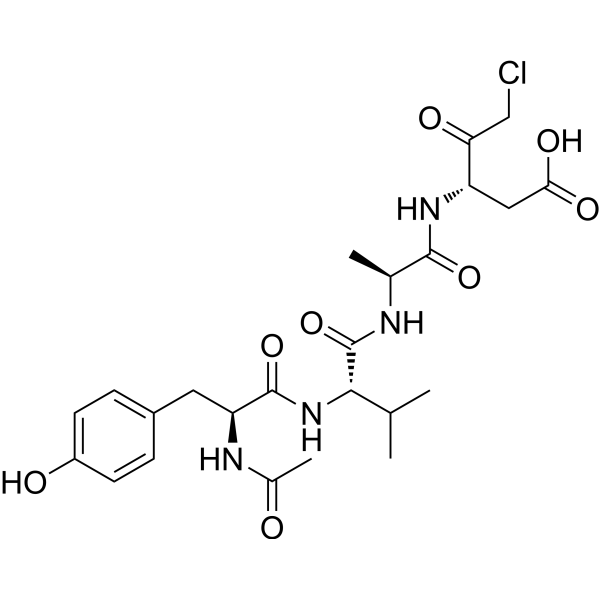
Ac-YVAD-cmk (Caspase-1 Inhibitor II) is a selective caspase-1 (IL-1beta converting enzyme, ICE)) inhibitor with neuroprotective and anti-inflammatory effects. Ac-YVAD-cmk effectively suppresses the expression of IL-1β and IL-18. Ac-YVAD-cmk inhibits pyroptosis in many diseases .
loading...
    loading...
34
34 Cited Publications
Cat. No.: HY-B0094
CAS No.: 63968-64-9
Synonyms: Qinghaosu; NSC 369397
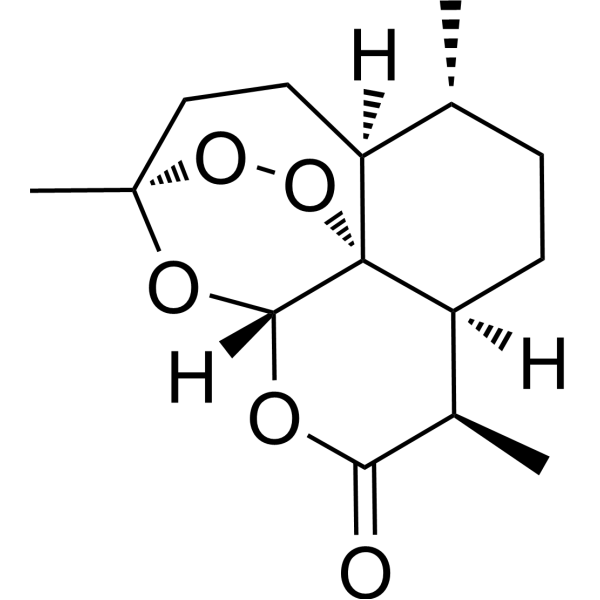
Artemisinin (Qinghaosu), a sesquiterpene lactone, is an anti-malarial agent isolated from the aerial parts of Artemisia annua L. plants . Artemisinin inhibits AKT signaling pathway by decreasing pAKT in a dose-dependent manner. Artemisinin reduces cancer cell proliferation, migration, invasion, tumorigenesis and metastasis and has neuroprotective effects .
loading...
    loading...
29
29 Cited Publications
Cat. No.: HY-12354
CAS No.: 292605-14-2
Purity:  99.67%
Target:  

MMP

Research Areas:  

Cancer

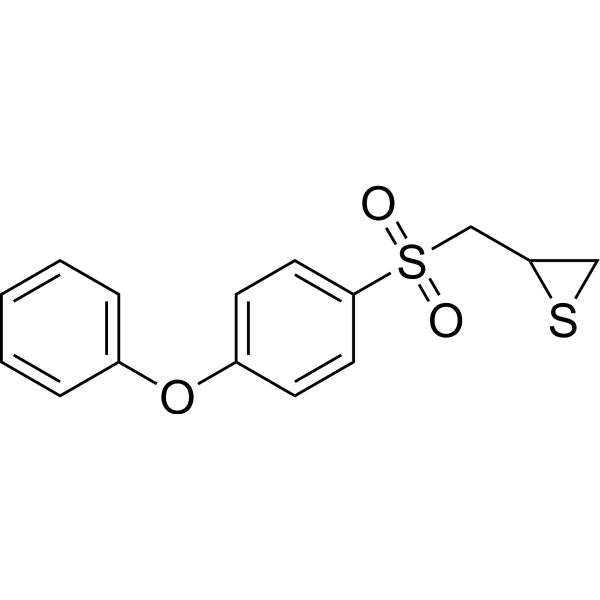
SB-3CT is a potent and competitive matrix metalloproteinase MMP-2 and MMP-9 inhibitor with Ki values of 13.9 and 600 nM, respectively. SB-3CT has high selectivity for gelatinases. SB-3CT shows blood-brain barrier permeability and has neuroprotective effects and anticancer activity .
loading...
    loading...
27
27 Cited Publications
Cat. No.: HY-P1363
Synonyms: Amyloid β-peptide (1-42) (human) TFA
Target:  

Amyloid-β

Research Areas:  

Neurological Disease

β-Amyloid (1-42) (Amyloid β-peptide (1-42), human TFA, a 42-amino acid peptide that has not been treated with HFIP, is a brain-penetrant amyloid protein fragment, which can be used in research on Alzheimer's disease and Down’s syndrome. β-Amyloid (1-42), human TFA remaining as a monomer exhibits antioxidant and neuroprotective effects. β-Amyloid (1-42), human TFA, after being monomericized by HFIP and dissolved in DMSO to form the stock solution, on the one hand, can form soluble oligomers (AβOs) when incubated at 4 °C, which have synaptic toxicity and neurotoxicity; on the other hand, it can be incubated at 37 °C to form insoluble fibrils, with lower neurotoxicity, and participating in the oxidative damage process. Aβ42 oligomers bind to various neuronal surface receptors (such as PrPc, mGluR5, NMDA receptors, etc.), triggering oxidative stress, calcium homeostasis imbalance, and synaptic toxicity via activating downstream signaling pathways, leading to neuronal dysfunction and death .
loading...
    loading...
27
27 Cited Publications
Cat. No.: HY-P1363A
CAS No.: 107761-42-2
Synonyms: Amyloid β-peptide (1-42) (human)
Target:  

Amyloid-β

Research Areas:  

Neurological Disease

β-Amyloid (1-42) (Amyloid β-peptide (1-42)), human, a 42-amino acid peptide that has not been treated with HFIP, is a brain-penetrant amyloid protein fragment, which can be used in research on Alzheimer's disease and Down’s syndrome. β-Amyloid (1-42), human remaining as a monomer exhibits antioxidant and neuroprotective effects. β-Amyloid (1-42), human, after being monomericized by HFIP and dissolved in DMSO to form the stock solution, on the one hand, can form soluble oligomers (AβOs) when incubated at 4 °C, which have synaptic toxicity and neurotoxicity; on the other hand, it can be incubated at 37 °C to form insoluble fibrils, with lower neurotoxicity, and participating in the oxidative damage process. Aβ42 oligomers bind to various neuronal surface receptors (such as PrPc, mGluR5, NMDA receptors, etc.), triggering oxidative stress, calcium homeostasis imbalance, and synaptic toxicity via activating downstream signaling pathways, leading to neuronal dysfunction and death .
loading...
    loading...
27
27 Cited Publications
Cat. No.: HY-P1363B
CAS No.: 107761-42-2
Target:  

Amyloid-β

Research Areas:  

Neurological Disease

β-Amyloid (1-42), human, HFIP-treated, a 42-amino acid peptide that has been treated with HFIP from β-Amyloid (1-42), human (HY-P1363A), is a brain-penetrant amyloid protein fragment, which can be used in research on Alzheimer's disease and Down’s syndrome. β-Amyloid (1-42), human, HFIP-treated remaining as a monomer exhibits antioxidant and neuroprotective effects. β-Amyloid (1-42), human, HFIP-treated, after being dissolved in DMSO to form the stock solution, on the one hand, can form soluble oligomers (AβOs) when incubated at 4°C, which have synaptic toxicity and neurotoxicity; on the other hand, it can be incubated at 37°C to form insoluble fibrils, with lower neurotoxicity, and participating in the oxidative damage process. Aβ42 oligomers bind to various neuronal surface receptors (such as PrPc, mGluR5, NMDA receptors, etc.), triggering oxidative stress, calcium homeostasis imbalance, and synaptic toxicity via activating downstream signaling pathways, leading to neuronal dysfunction and death .
loading...
    loading...
21
21 Cited Publications
Cat. No.: HY-N0484
CAS No.: 2586-96-1
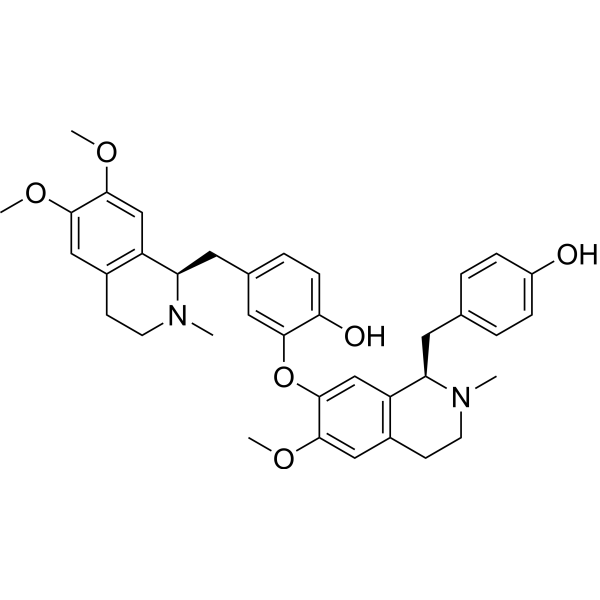
Liensinine is a bisbenzylisoquinoline alkaloid. By inhibiting the PI3K/AKT and JNK/p38-MAPK signaling pathways, Liensinine suppresses autophagy and apoptosis, clears , and exerts anti-inflammatory, antioxidant and neuroprotective effects. Liensinine activates AMPK and inhibits the expression of HIF-1α and VEGF, thereby suppressing angiogenesis. Liensinine exerts anti-tumor effects through ROS-mediated inhibition of the JAK2/STAT3 signaling pathway. Liensinine can be used for the research of diseases such as Alzheimer's disease, hepatocellular carcinoma, osteosarcoma, sepsis-induced organ injury and stroke .
loading...
    loading...
21
21 Cited Publications
Cat. No.: HY-N5014
CAS No.: 2385-63-9
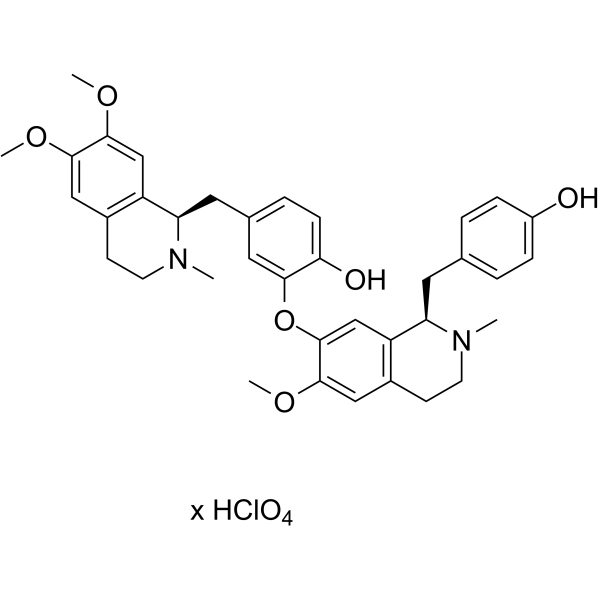
Liensinine perchlorate is a bisbenzylisoquinoline alkaloid. By inhibiting the PI3K/AKT and JNK/p38-MAPK signaling pathways, Liensinine perchlorate suppresses autophagy and apoptosis, clears , and exerts anti-inflammatory, antioxidant and neuroprotective effects. Liensinine perchlorate activates AMPK and inhibits the expression of HIF-1α and VEGF, thereby suppressing angiogenesis. Liensinine perchlorate exerts anti-tumor effects through ROS-mediated inhibition of the JAK2/STAT3 signaling pathway. Liensinine perchlorate can be used for the research of diseases such as Alzheimer's disease, hepatocellular carcinoma, osteosarcoma, sepsis-induced organ injury and stroke .
loading...
    loading...
20
20 Cited Publications
Cat. No.: HY-76201
CAS No.: 149003-01-0
Synonyms: ICRF-187 hydrochloride; ADR-529 hydrochloride; NSC-169780 hydrochloride
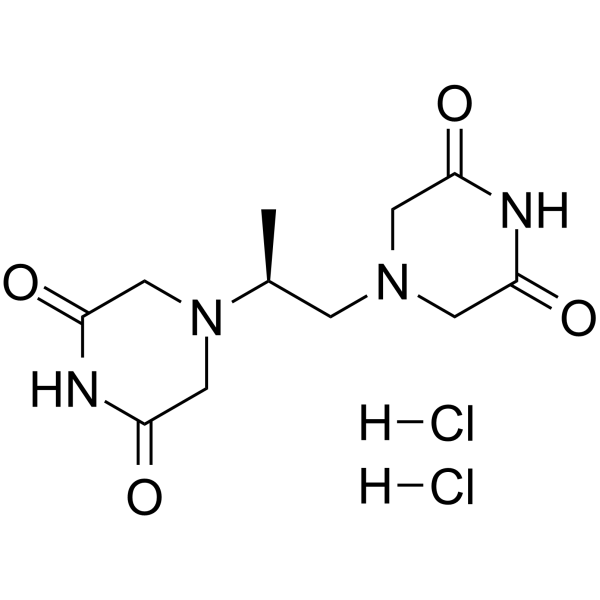
Dexrazoxane hydrochloride (ICRF-187 hydrochloride) is a heart protectant that can help preserve ovarian function and fertility. Dexrazoxane hydrochloride has antioxidant and anti-inflammatory properties, can cross the blood-brain barrier, improves motor function disorders, and offers neuroprotective effects, making it useful in the study of neurodegenerative diseases .
loading...
    loading...
17
17 Cited Publications
Cat. No.: HY-12452
CAS No.: 1428-67-7
Purity:  99.66%
Synonyms: Diarylpropionitrile
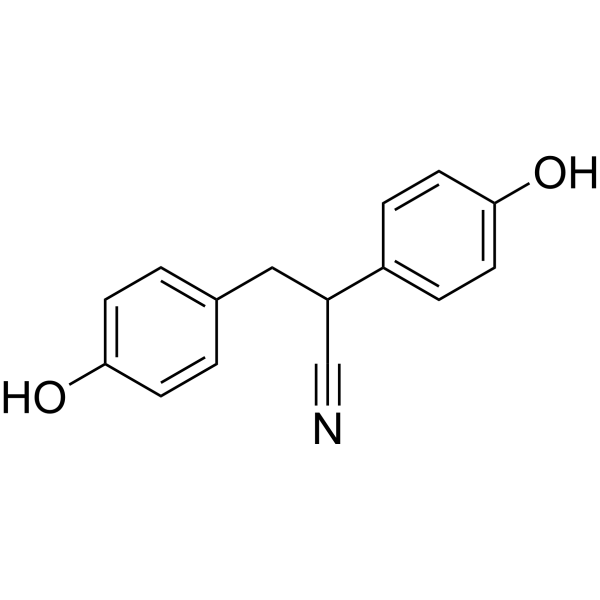
DPN (Diarylpropionitrile) is a non-steroidal estrogen receptor β (ERβ) selective ligand, with an EC50 of 0.85 nM. DPN has neuroprotective effects in a number of neurological diseases .
loading...
    loading...
16
16 Cited Publications
Cat. No.: HY-N0133
CAS No.: 481-53-8
Synonyms: Tangeritin; NSC53909; NSC618905
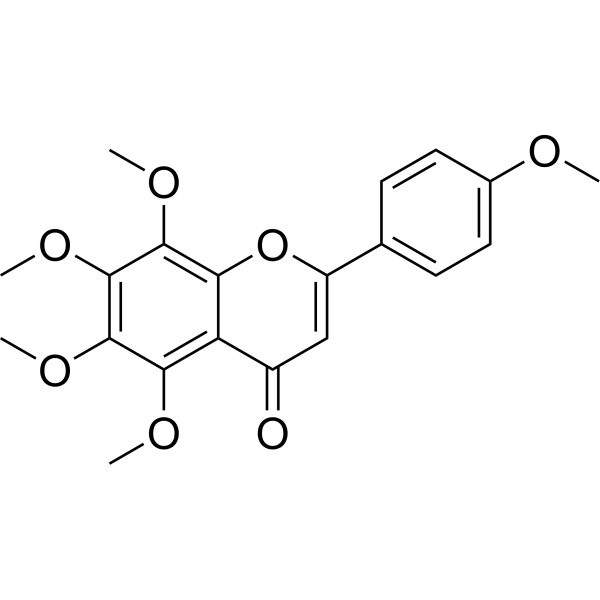
Tangeretin (Tangeritin), a flavonoid from citrus fruit peels, has been proven to play an important role in anti-inflammatory responses and neuroprotective effects in several disease models, and is a Notch-1 inhibitor.
loading...
    loading...
16
16 Cited Publications
Cat. No.: HY-N0092
CAS No.: 58-63-9
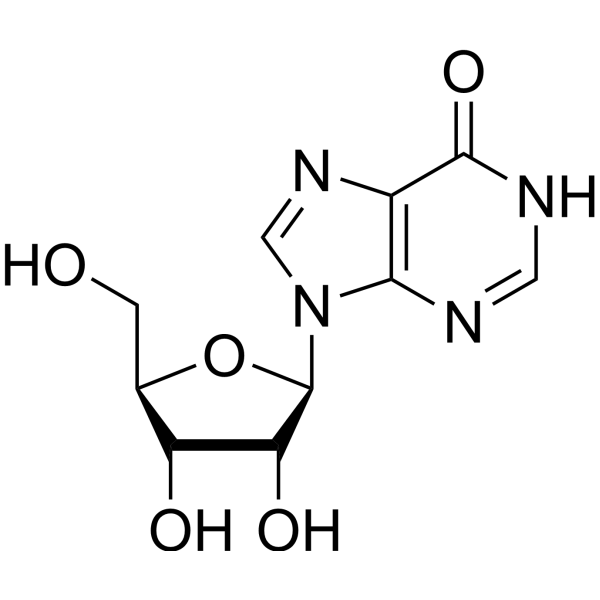
Inosine is an endogenous purine nucleoside produced by catabolism of adenosine. Inosine has anti-inflammatory, antinociceptive, immunomodulatory and neuroprotective effects. Inosine is an agonist for adenosine A1 (A1R) and A2A (A2AR) receptors .
loading...
    loading...

