1086 Results for "

Ph

" in MedChemExpress (MCE) Product Catalog:
Products (1086)

1086 Results for "Ph" in MCE Product Catalog:

311
311 Publications Verification
Cat. No.: HY-18749
CAS No.: 305834-79-1
Target:  

Akt

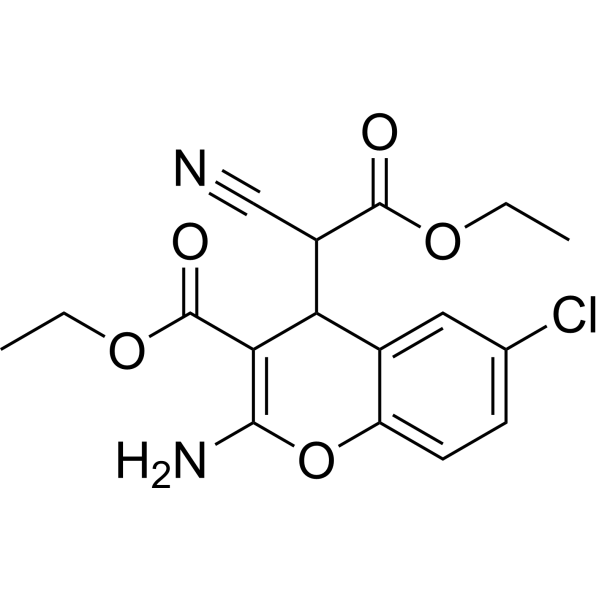
SC79, a unique specific and BBB permeable Akt activator, activates Akt in the cytosol and inhibits Akt membrane translocation. SC79 specifically binds to the PH domain of Akt .
221
221 Cited Publications
Cat. No.: HY-100381
CAS No.: 28643-80-3
Purity:  99.37%
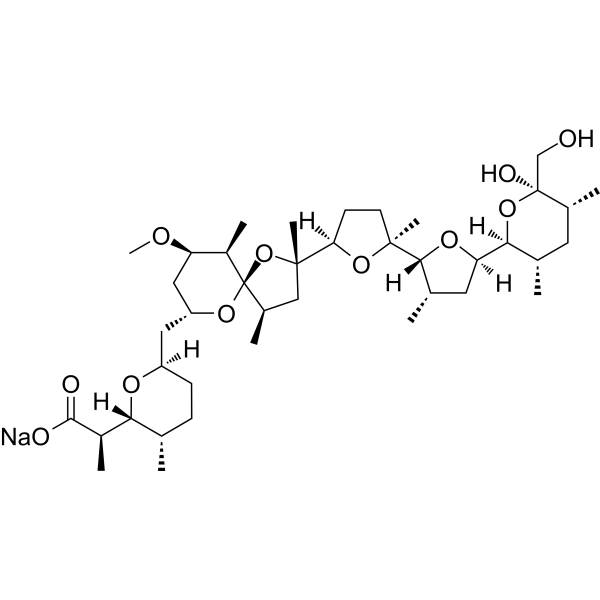
Nigericin sodium salt is an antibiotic derived from Streptomyces hygroscopicus that act as a K +/H + ionophore, promoting K +/H + exchange across mitochondrial membranes. Nigericin sodium salt is a NLRP3 activator. Nigericin sodium salt shows promising anti-cancer activities through decreasing intracellular pH (pHi), and inactivation of Wnt/β-catenin signals. Nigericin sodium salt induces pyroptosis through caspase 1/GSDMD in TNBC .
221
221 Cited Publications
Cat. No.: HY-127019
CAS No.: 28380-24-7
Purity:  99.43%
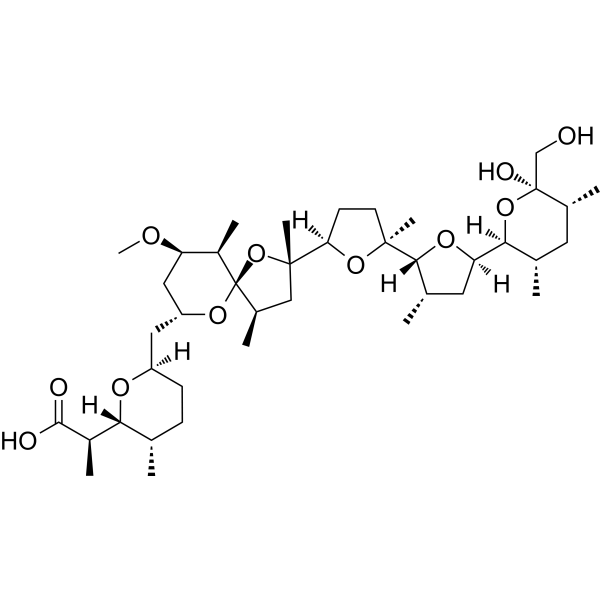
Nigericin is an antibiotic derived from Streptomyces hygroscopicus that act as a K +/H + ionophore, promoting K +/H + exchange across mitochondrial membranes. Nigericin is a NLRP3 activator. Nigericin shows promising anti-cancer activities through decreasing intracellular pH (pHi), and inactivation of Wnt/β-catenin signals. Nigericin induces pyroptosis through caspase 1/GSDMD in TNBC .
141
141 Cited Publications
Cat. No.: HY-15559
CAS No.: 23491-52-3
Purity:  99.94%
Synonyms: bisBenzimide H 33342; HOE 33342
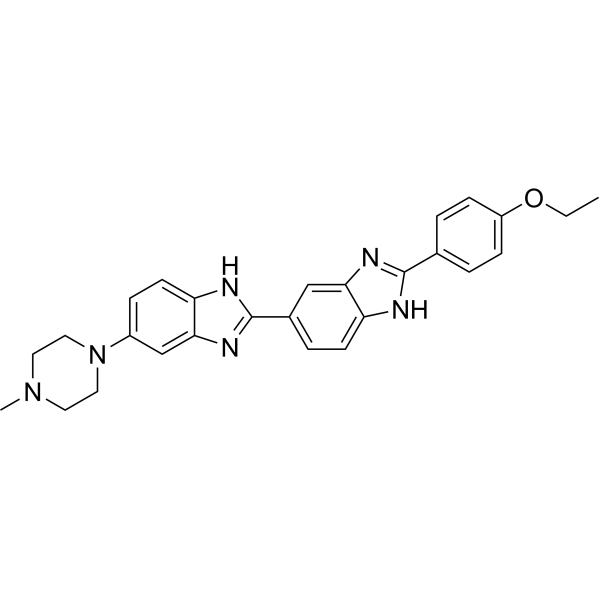
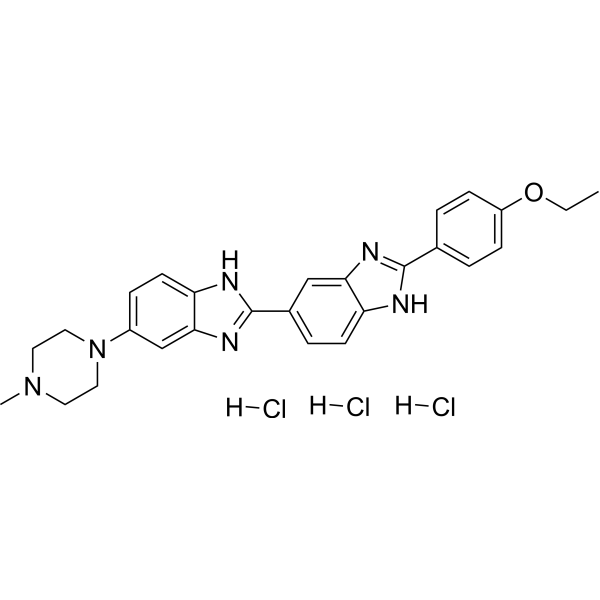
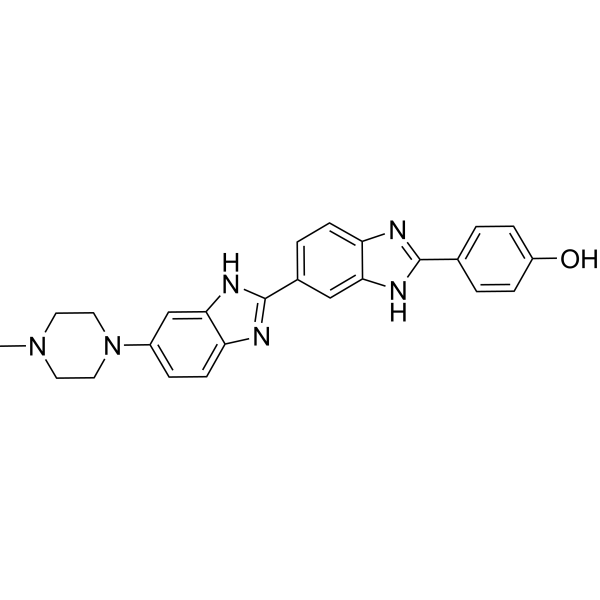
Hoechst 33342 is a marker dye in Hoechst series. Hoechst is A live nuclear marker dye. Hoechst binds to the grooves in the DNA double strand, which tends to be A/ T-rich DNA strand. Although it binds to all nucleic acids, the A/ T-rich double strand DNA significantly enhances fluorescence intensity Therefore,Hoechst dye can be used for living cell labeling. The fluorescence intensity of Hoechst dye increases with the increase of pH of solution .
141
141 Cited Publications
Cat. No.: HY-15559A
CAS No.: 875756-97-1
Purity:  99.81%
Synonyms: bisBenzimide H 33342 trihydrochloride; HOE 33342 trihydrochloride
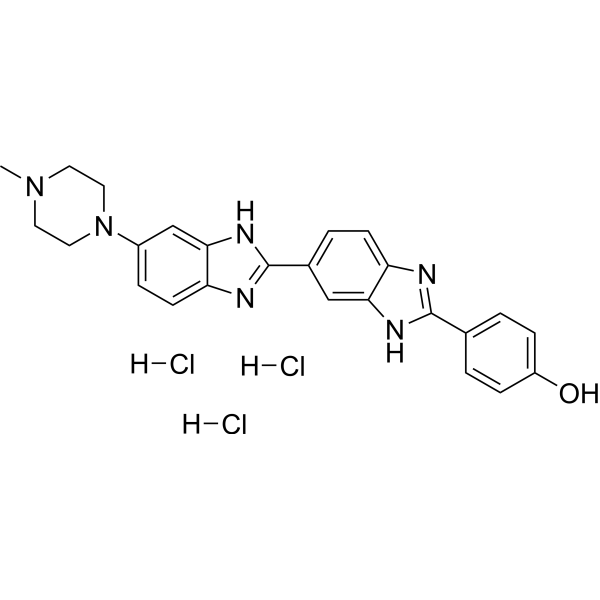
Hoechst 33342 trihydrochloride is a marker dye in Hoechst series. Hoechst is A live nuclear marker dye. Hoechst binds to the grooves in the DNA double strand, which tends to be A/ T-rich DNA strand. Although it binds to all nucleic acids, the A/ T-rich double strand DNA significantly enhances fluorescence intensity Therefore,Hoechst dye can be used for living cell labeling. The fluorescence intensity of Hoechst dye increases with the increase of pH of solution .
107
107 Cited Publications
Cat. No.: HY-W090090
CAS No.: 121207-31-6
Synonyms: Pyrromethene 546
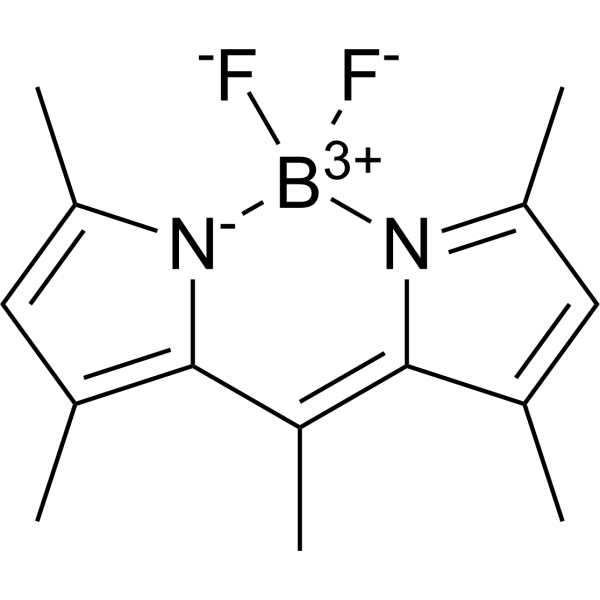
BODIPY493/503 is a BODIPY dye. BODIPY dye is a small molecule dye with strong ultraviolet absorption ability, its fluorescence peak is relatively sharp, and the quantum yield is high. They are relatively insensitive to the polarity and pH of the environment and are relatively stable under different physiological conditions. Due to its structural asymmetry, BODIPY derives a variety of structural products. BODIPY lipid droplet dyes can well pass through the cell membrane into the cell, and localize the neutral lipids in the cell to specifically stain the lipid droplets, which can be used for labeling of live cells and fixed cells . Maximum excitation/emission wavelength: 493/503 nm .
79
79 Cited Publications
Cat. No.: HY-15893
CAS No.: 89464-63-1
Purity:  99.69%
Synonyms: Dimethyloxallyl Glycine
Research Areas:  

Cancer

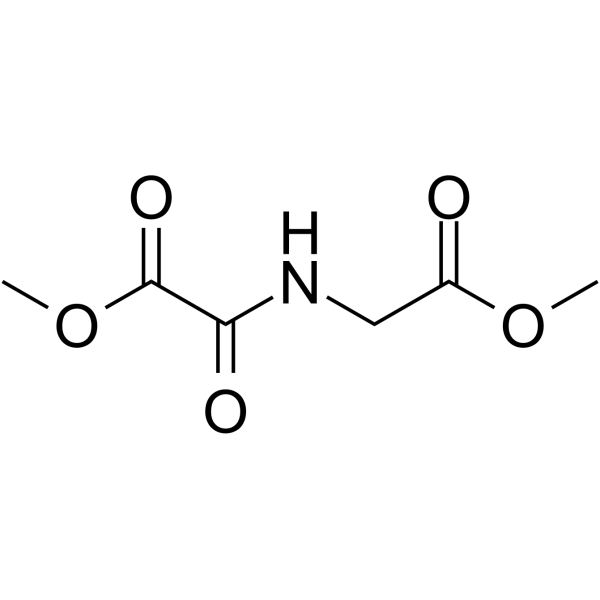
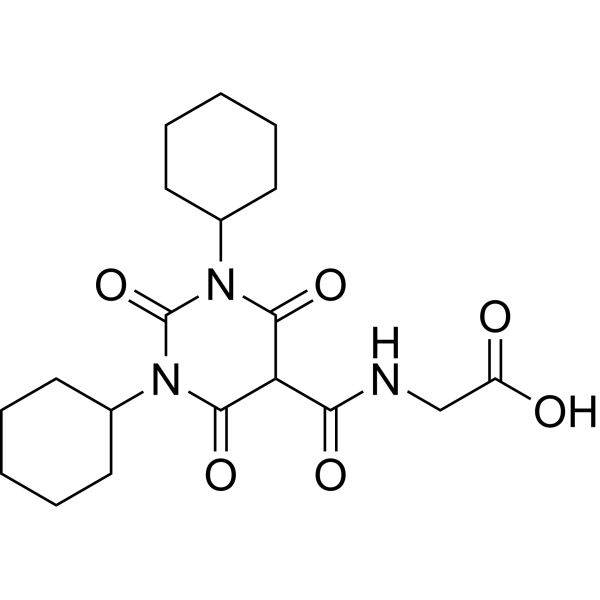
DMOG (Dimethyloxallyl Glycine) is a cell permeable and competitive inhibitor of HIF-PH, which results in HIF-1α stabilisation and accmulation?in vitro and in vivo . DMOG is an α-ketoglutarate analogue and inhibits α-KG-dependent hydroxylases. DMOG?acts as a pro-angiogenic agent and plays a protective role in experimental model of colitis and diarrhoea via HIF-1 related signal . DMOG induces cell autophagy .
57
57 Cited Publications
Cat. No.: HY-134653
CAS No.: 168649-23-8
Purity:  99.51%
Research Areas:  

Cancer

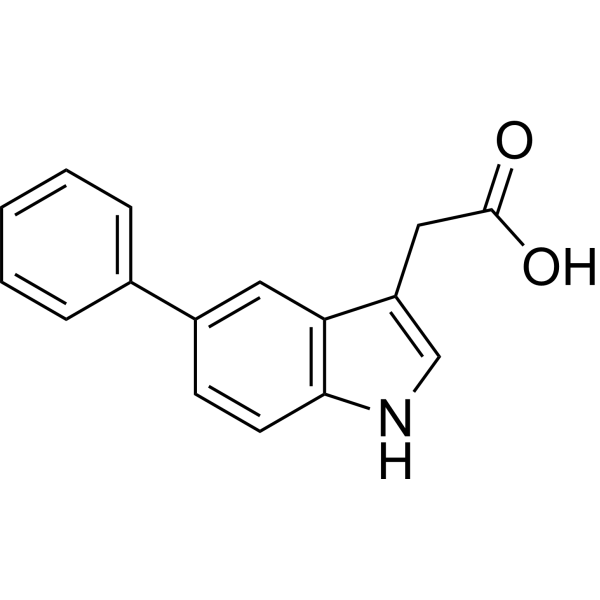
5-Ph-IAA is a derivative of IAA. 5-Ph-IAA, a ligand, establishes the auxin-inducible degron 2 (AID2) system together with an OsTIR1 (F74G) mutant. AID2 induces rapid and efficient depletion of mAID-fused proteins to study protein function in living cells, causing tumor suppression .
47
47 Cited Publications
Cat. No.: HY-Y1269
CAS No.: 12125-02-9
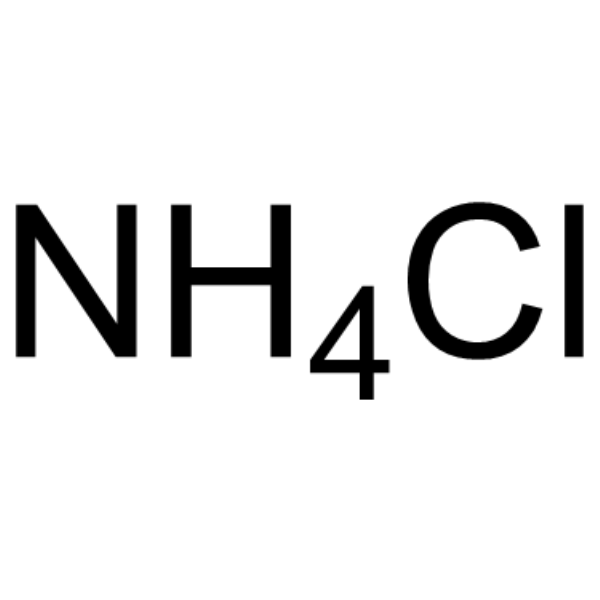
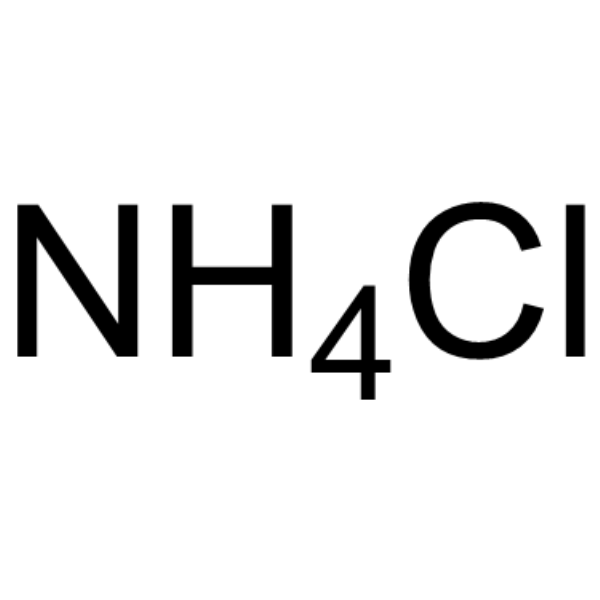
Ammonium chloride, as a heteropolar compound with pH value regulation, can cause intracellular alkalization and metabolic acidosis thus effecting enzymatic activity and influencing the process of biological system. Ammonium chloride is an autophagy inhibitor. Ammonium chloride is also a lysosome inhibitor .
47
47 Cited Publications
Cat. No.: HY-Y1269C
CAS No.: 12125-02-9
Synonyms: Salmiac, for cell culture
Ammonium chloride, for cell culture (Salmiac, for cell culture) is a reagent that can be used in cell culture to provide a source of nitrogen. Ammonium chloride can be used as a heteropolar compound to regulate pH value, which can cause intracellular alkalination and metabolic acidosis, thus affecting the activity of enzymes and affecting the process of biological systems. Ammonium chloride acts as an autophagy inhibitor.Ammonium chloride is also a lysosome inhibitor.
38
38 Cited Publications
Cat. No.: HY-D0952
CAS No.: 494-38-2
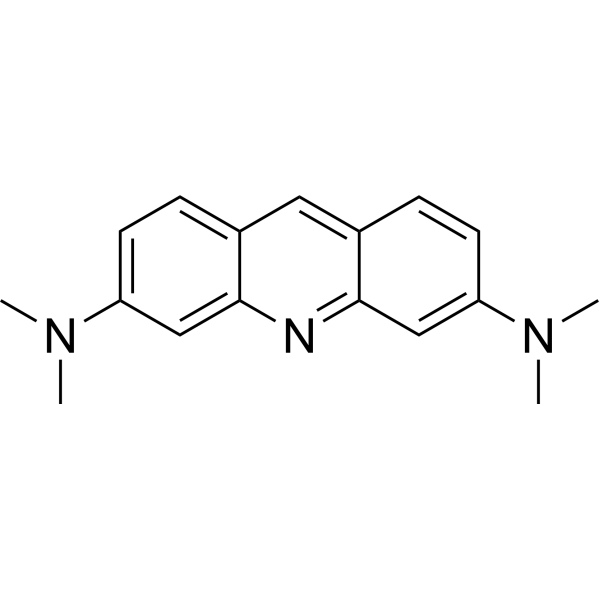
Acridine Orange base is a cell-permeable fluorescent dye that stains organisms (bacteria, parasites, viruses, etc.) bright orange and, when used under appropriate conditions (pH=3.5, Ex=460 nm), distinguishes human cells in green for detection by fluorescence microscopy. Acridine Orange base fluoresces green when bound to dsDNA (Ex=488, Em=520-524) and red when bound to ssDNA (Ex=457, Em=630-644) or ssRNA (Ex=457, Em=630-644), also can be used in cell cycle assays .
25
25 Cited Publications
Cat. No.: HY-D0861
CAS No.: 67-42-5
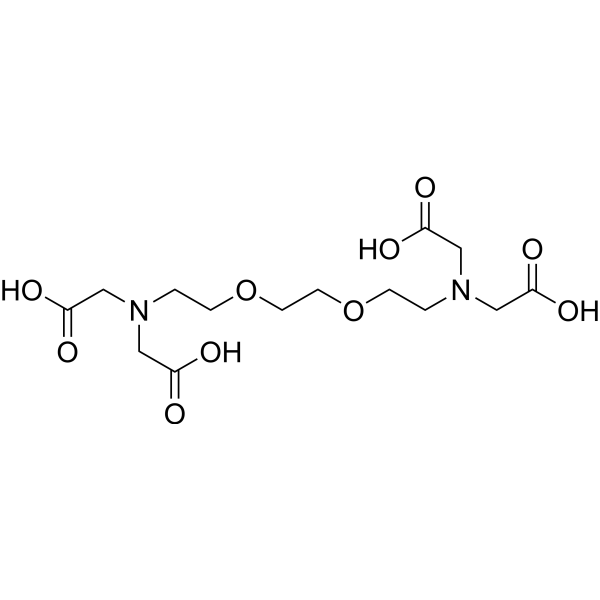
EGTA is a cell-impermeant specific calcium ion chelator. EGTA has an apparent calcium dissociation constant (Kd) of 60.5 nM at physiological pH (7.4) and has very high specificity for Ca 2+ over Mg 2+ (Mg 2+ Kd 1-10 mM). EGTA significantly inhibits the substrate adherence capacity of inflammatory macrophages .
25
25 Cited Publications
Cat. No.: HY-D0861A
CAS No.: 13368-13-3
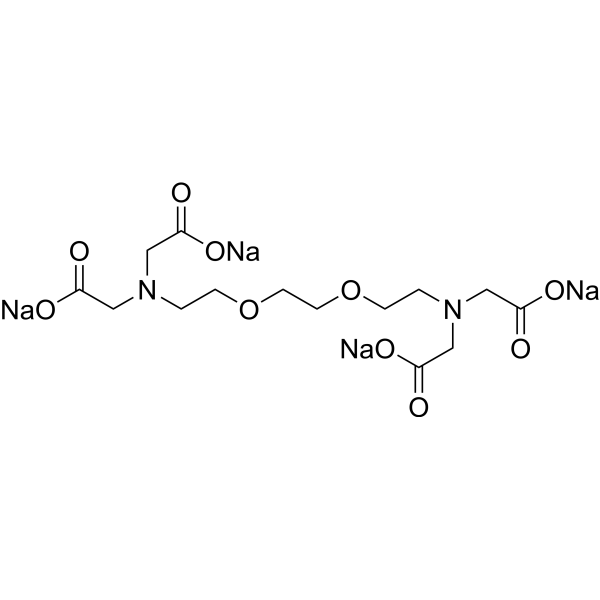
EGTA tetrasodium is a cell-impermeant specific calcium ion chelator. EGTA tetrasodium has an apparent calcium dissociation constant (Kd) of 60.5 nM at physiological pH (7.4) and has very high specificity for Ca 2+ over Mg 2+ (Mg 2+ Kd 1-10 mM). EGTA tetrasodium significantly inhibits the substrate adherence capacity of inflammatory macrophages .
23
23 Cited Publications
Cat. No.: HY-108717
CAS No.: 39450-01-6
Synonyms: Protease K
Target:  

Ser/Thr Protease

Research Areas:  

Others

Proteinase K (Protease K) is a nonspecific serine protease that is useful for general digestion of proteins. Proteinase K is active in the presence of SDS or urea and over a wide range of pH (4-12), salt concentrations, and temperatures. Proteinase K can be use for promoting methods of viral nucleic acid extraction, and detection .
22
22 Cited Publications
Cat. No.: HY-15558A
CAS No.: 23491-45-4
Purity:  99.51%
Synonyms: bisBenzimide H 33258 trihydrochloride; H 33258 trihydrochloride
Hoechst 33258 trihydrochloride is a marker dye in Hoechst series. Hoechst is A live nuclear marker dye. Hoechst binds to the grooves in the DNA double strand, which tends to be A/ T-rich DNA strand. Although it binds to all nucleic acids, the A/ T-rich double strand DNA significantly enhances fluorescence intensity Therefore,Hoechst dye can be used for living cell labeling. The fluorescence intensity of Hoechst dye increases with the increase of pH of solution .
22
22 Cited Publications
Cat. No.: HY-15558
CAS No.: 23491-44-3
Purity:  99.11%
Synonyms: bisBenzimide H 33258; H 33258
Hoechst 33258 is a blue to blue-green fluorescent live cell dye that can label DNA. Hoechst 33258 can specifically bind to the minor groove of DNA (and tends to bind to A/T-rich DNA), resulting in a significant increase in fluorescence intensity. Hoechst 33258 can cross the cell membrane and cause changes in DNA structure, such as G2/M phase arrest. Hoechst 33258 can bind to live or fixed cells, and the fluorescence intensity increases with increasing solution pH. As a DNA-specific probe, Hoechst 33258 can be used to detect DNA content, analyze cell cycle, etc. The excitation wavelength of Hoechst 33258 is 350-365 nm, and the emission wavelength is 460-490 nm .
20
20 Cited Publications
Cat. No.: HY-17608
CAS No.: 960539-70-2
Synonyms: GSK1278863
Research Areas:  

Cardiovascular Disease

Daprodustat (GSK1278863) is an orally active hypoxia-inducible factor prolyl hydroxylase (HIF-PH) inhibitor being developed for the treatment of anemia associated with chronic kidney disease.
20
20 Cited Publications
Cat. No.: HY-D1614
CAS No.: 216434-81-0
Target:  

Fluorescent Dye

Research Areas:  

Others

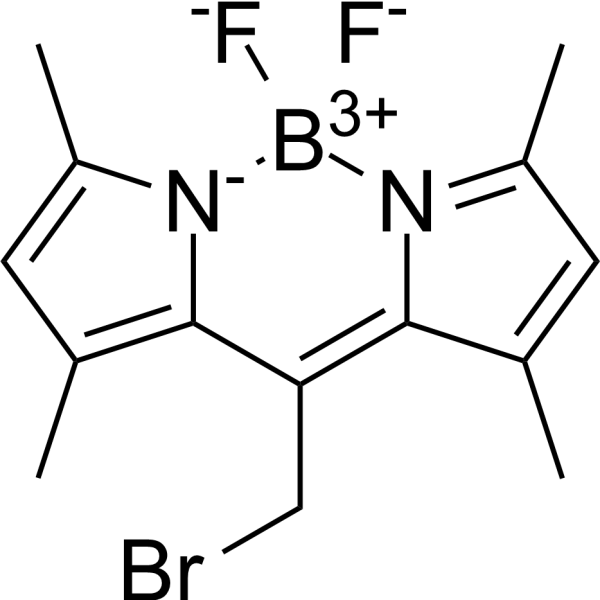
BODIPY493/503 methyl bromide is a BODIPY dye. BODIPY dye is a small molecule dye with strong ultraviolet absorption ability, its fluorescence peak is relatively sharp, and the quantum yield is high. They are relatively insensitive to the polarity and pH of the environment and are relatively stable under different physiological conditions. Due to its structural asymmetry, BODIPY derives a variety of structural products. BODIPY lipid droplet dyes can well pass through the cell membrane into the cell, and localize the neutral lipids in the cell to specifically stain the lipid droplets, which can be used for labeling of live cells and fixed cells . Maximum excitation/emission wavelength: 493/503 nm .
16
16 Cited Publications
Cat. No.: HY-P0224
CAS No.: 59880-97-6
Synonyms: fMLP; N-Formyl-MLF
Target:  

TNF Receptor

Research Areas:  

Inflammation/Immunology

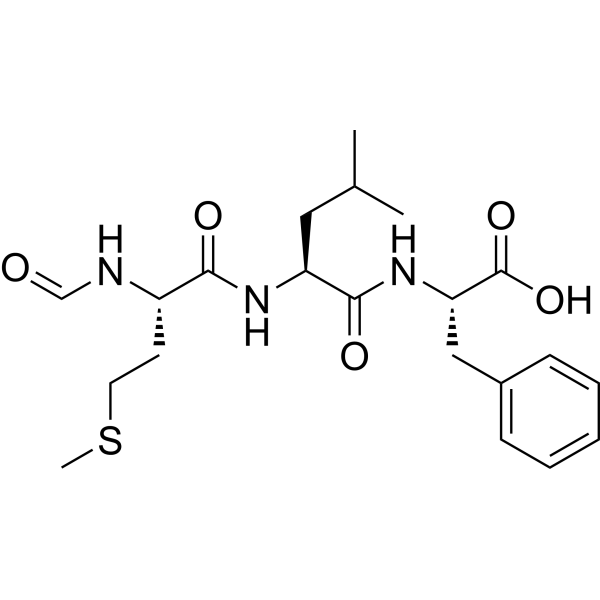
N-Formyl-Met-Leu-Phe (fMLP; N-Formyl-MLF) is a chemotactic peptide and a specific ligand of N-formyl peptide receptor (FPR). N-Formyl-Met-Leu-Ph is reported to inhibit TNF-alpha secretion.
14
14 Cited Publications
Cat. No.: HY-50868
CAS No.: 859212-16-1
Synonyms: INNO-406; NS-187
Target:  

Bcr-Abl Src Apoptosis

Research Areas:  

Cancer

Bafetinib is an orally active Lyn/Bcr-Abl tyrosine kinase inhibitor. Bafetinib enhances the activity of several pro-apoptotic Bcl-2 homology (BH) 3-pure proteins (Bim, Bad, Bmf, and Bik) through intrinsic apoptotic pathways regulated by the Bcl-2 family, and induces apoptosis of Ph + leukemia cells. Bafetinib has antitumor activity .

