59 Results for "

Purple-

" in MedChemExpress (MCE) Product Catalog:
Products (59)

59 Results for "Purple-" in MCE Product Catalog:

71
71 Publications Verification
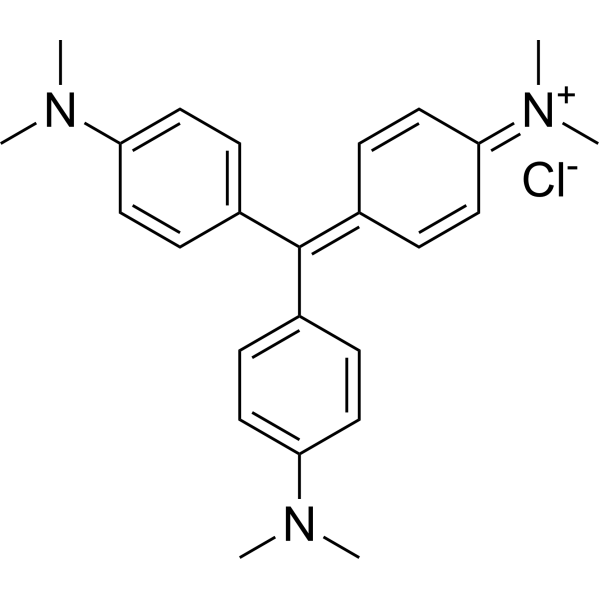
Cat. No.: HY-B0324A
CAS No.: 548-62-9
Synonyms: Basic Violet 3; Gentian Violet; Methyl Violet 10B
Crystal Violet, also known as Gentian violet, methyl violet 10B, is a triphenyl-methane, an alkaline dye that binds to DNA in the nucleus of a cell, staining it a deep purple. It is often used for Gram staining to classify bacteria, or for cell or histological staining[1].
loading...
    loading...
8
8 Cited Publications
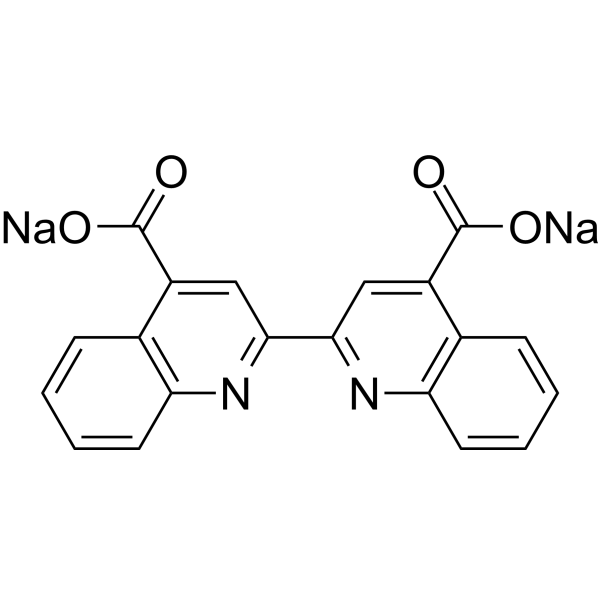
Cat. No.: HY-15908
CAS No.: 979-88-4
Purity:  99.52%
Synonyms: Disodium bicinchoninate
Research Areas:  

Others

BCA is a chelating agent targeting Cu I. BCA forms a water-soluble complex with Cu I at a 2:1 stoichiometric ratio, which not only inhibits its oxidation and disproportionation reactions, but also mediates the Cu I-catalyzed azide-alkyne cycloaddition click chemistry reaction to achieve bioconjugation of fluorophores or biotin with functionalized proteins. BCA chelates Cu + from proteins that reduce Cu 2+, forming a purple compound detectable by colorimetry, and thus is used to determine the total protein concentration in solution. BCA is a potential small-molecule candidate for AHAS inhibitors .
loading...
    loading...
8
8 Cited Publications
Cat. No.: HY-W004599
CAS No.: 1245-13-2
Research Areas:  

Others

Bicinchoninic acid is a chelating agent targeting Cu I. Bicinchoninic acid forms a water-soluble complex with Cu I at a 2:1 stoichiometric ratio, which not only inhibits its oxidation and disproportionation reactions, but also mediates the Cu I-catalyzed azide-alkyne cycloaddition click chemistry reaction to achieve bioconjugation of fluorophores or biotin with functionalized proteins. Bicinchoninic acid chelates Cu + from proteins that reduce Cu 2+, forming a purple compound detectable by colorimetry, and thus is used to determine the total protein concentration in solution. Bicinchoninic acid is a potential small-molecule candidate for AHAS inhibitors .
loading...
    loading...
8
8 Cited Publications
Cat. No.: HY-15908A
CAS No.: 63451-34-3
Research Areas:  

Others

Dipotassium [2,2'-biquinoline]-4,4'-dicarboxylate is a chelating agent targeting Cu I. Dipotassium [2,2'-biquinoline]-4,4'-dicarboxylate forms a water-soluble complex with Cu I at a 2:1 stoichiometric ratio, which not only inhibits its oxidation and disproportionation reactions, but also mediates the Cu I-catalyzed azide-alkyne cycloaddition click chemistry reaction to achieve bioconjugation of fluorophores or biotin with functionalized proteins. Dipotassium [2,2'-biquinoline]-4,4'-dicarboxylate chelates Cu + from proteins that reduce Cu 2+, forming a purple compound detectable by colorimetry, and thus is used to determine the total protein concentration in solution. Dipotassium [2,2'-biquinoline]-4,4'-dicarboxylate is a potential small-molecule candidate for AHAS inhibitors .
loading...
    loading...
7
7 Cited Publications
Cat. No.: HY-N1346
CAS No.: 301-19-9
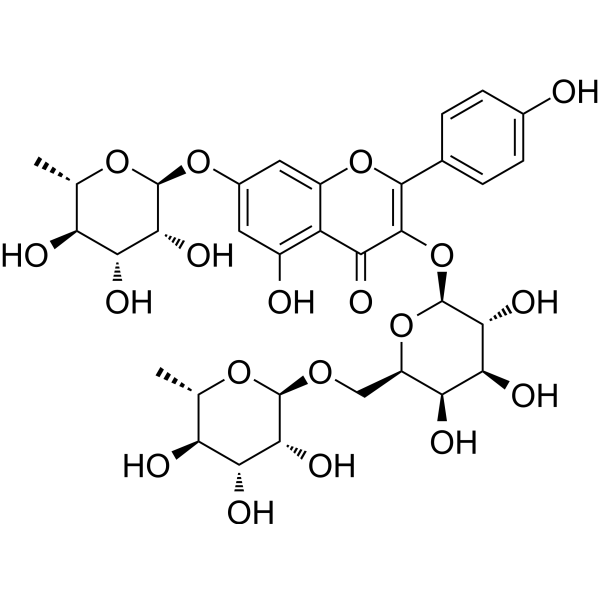
Robinin is a flavonoid that can be extracted from the leaves of purple cowpea, inhibiting TGF-β, TLR4/NF-κB and TLR2-PI3k-AKT signaling pathways. Robinin exerts anti-inflammatory and anti-tumor effects. The combination of Robinin and Methotrexate (HY-14519) reduces inflammation in experimental arthritis, Robinin can decrease the Doxorubicin (HY-15142A) induced cardiac toxicity effect .
loading...
    loading...
7
7 Cited Publications
Cat. No.: HY-D1571
CAS No.: 215868-45-4
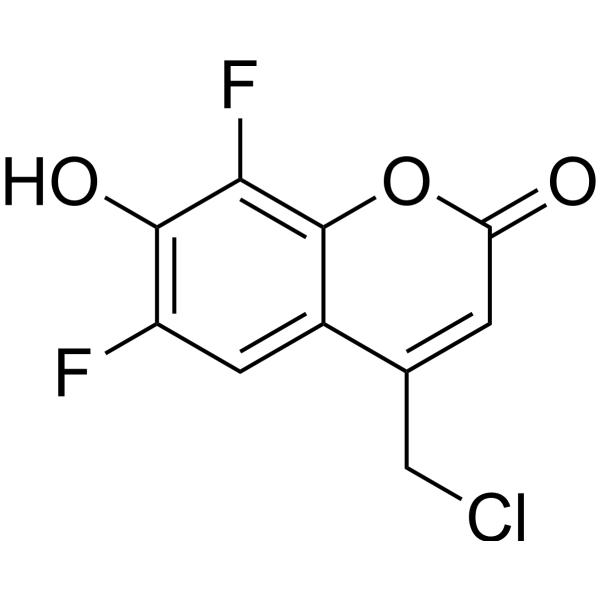
CellTracker Blue CMF2HC Dye is a blue dye, can be used in two-channel nuclei acid sequencing, with blue and purple excitation light (450-460 nm/400-405nm or 415-450 nm/480-525nm). CellTracker Blue CMF2HC Dye can be used to rapid determination of antibiotic sensitivity of microorganisms .
loading...
    loading...
4
4 Cited Publications
Cat. No.: HY-D0220
CAS No.: 92-31-9
Synonyms: Toluidine Blue O
Target:  

Fluorescent Dye

Research Areas:  

Cancer

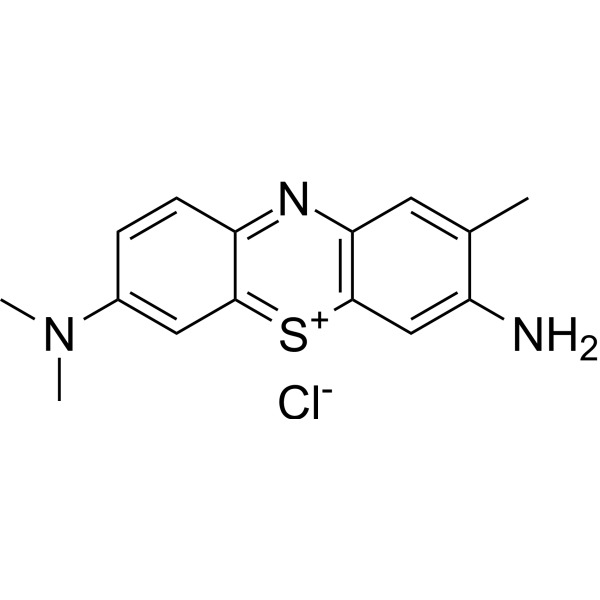
Toluidine Blue (Toluidine Blue O) is an alkaline quinonimine dye (vivo dye) with high affinity for acidic tissue components, staining nuclei blue and polysaccharides purple. Toluidine Blue shows heterostaining properties for mast cells, mucins and chondrocytes. Toluidine Blue can stain different components of plant tissues and cells in different colours. Toluidine Blue is also used as a diagnostic aid to identify malignant lesions, such as cancer .
loading...
    loading...
4
4 Cited Publications
Cat. No.: HY-D0220A
Synonyms: Toluidine Blue O (purity 36%)
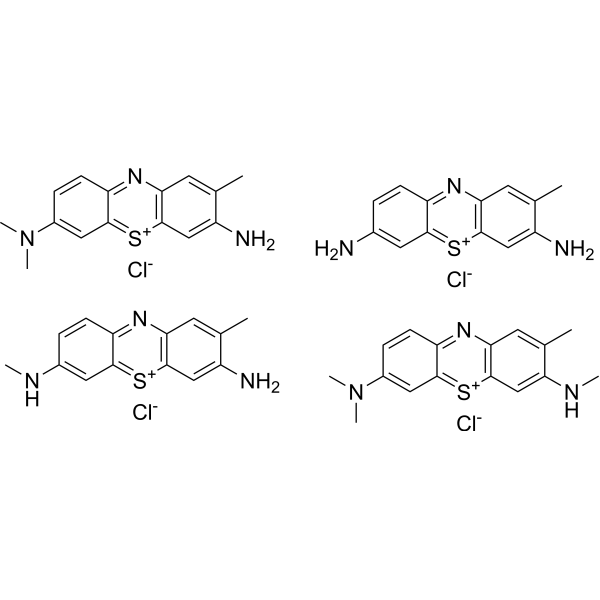
Toluidine Blue (Toluidine Blue O) purity 36% is an alkaline quinonimine dye (vivo dye) with high affinity for acidic tissue components, staining nuclei blue and polysaccharides purple. Toluidine Blue purity 36% shows heterostaining properties for mast cells, mucins and chondrocytes. Toluidine Blue purity 36% can stain different components of plant tissues and cells in different colours. Toluidine Blue purity 36% is also used as a diagnostic aid to identify malignant lesions, such as cancer .
loading...
    loading...
2
2 Cited Publications
Cat. No.: HY-D1224
CAS No.: 99792-79-7
Synonyms: CPRG
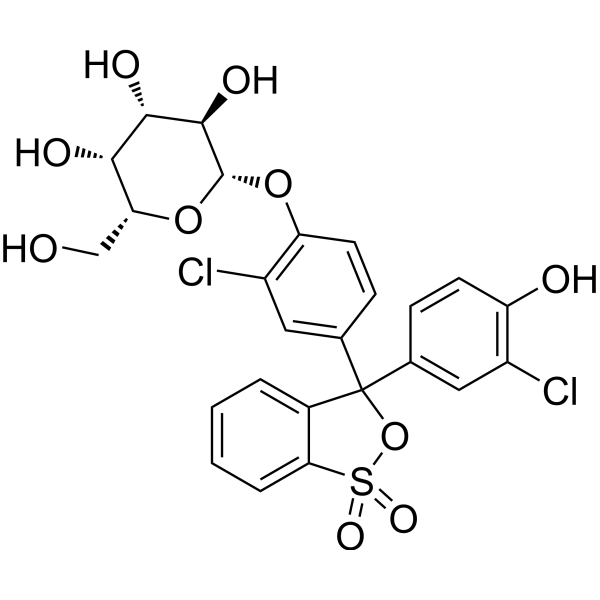
Chlorophenol red-β-D-galactopyranoside (CPRG) is an efficient and sensitive chromogenic substrate for β-galactosidase (HY-P2869), widely used in colorimetric assays. Chlorophenol red-β-D-galactopyranoside itself appears pale yellow. When it is specifically hydrolyzed by β-galactosidase, it releases chlorophenol red. The released chlorophenol red turns purple-red under alkaline or neutral pH conditions. This color change from yellow to red can be quantitatively detected at wavelengths of 540-572 nm using visible spectrophotometry .
loading...
    loading...
1
1 Cited Publications
Cat. No.: HY-N2459
CAS No.: 134-01-0
Synonyms: YGM-6 chloride
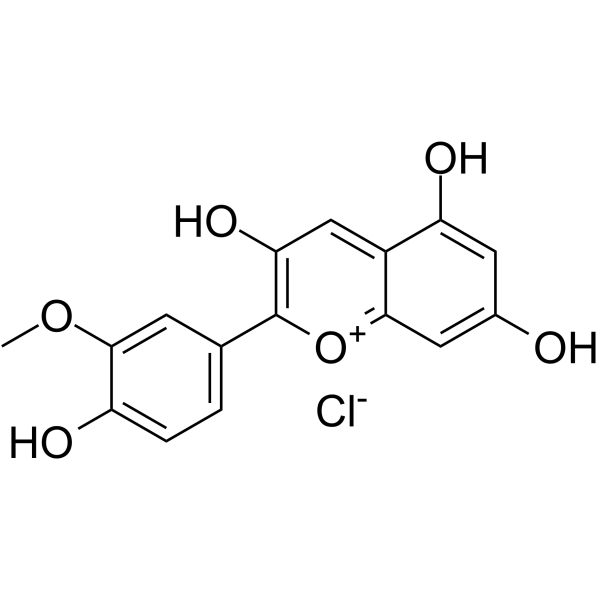
Peonidin (YGM-6) chloride is an anthocyanin compound found in plants such as grapes and purple-fleshed sweet potatoes. Peonidin chloride alone exerts no stable inhibitory effect on LPS (HY-D1056)-mediated inflammatory gene expression. The acylated form of Peonidin chloride exhibits antimutagenic activity .
loading...
    loading...
1
1 Cited Publications
Cat. No.: HY-129140
CAS No.: 171370-55-1
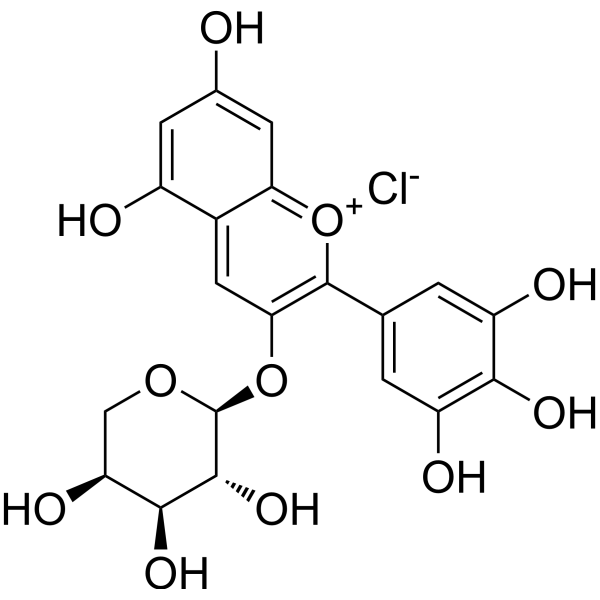
Delphinidin-3-O-arabinoside chloride is an anthocyanin chloride compound. It is formed by combining Delphinidin (an anthocyanin with a natural purple color) with the 3-O-arabinoside group. Delphinidin-3-O-arabinoside can be isolated from Rhododendron and is in the form of furanose .
loading...
    loading...
1
1 Cited Publications
Cat. No.: HY-K1107

MCE DAB Peroxidase Substrate Kit (Purple-Blue Color) can be used for staining and color development detection in experiments such as immunohistochemistry of cells or tissues, in situ hybridization, Western blotting, and for visualizing endogenous HRP in cells or tissues.

loading...
    loading...
Cat. No.: HY-122266
CAS No.: 1400-62-0
Orcein is an irreversible stain that specifically targets elastic fibers and can interact hydrophobically with the protein components in elastic fibers. Orcein makes elastic fibers in tissues appear purple or purple-red. Orcein can be used for morphological studies of Drosophila polytene chromosomes and for qualitative and quantitative analysis of elastic fibers, collagen fibers and other components in atherosclerotic plaques .
loading...
    loading...
Cat. No.: HY-137006
CAS No.: 57360-69-7
Target:  

Fluorescent Dye

Research Areas:  

Others

MTT Formazan is a purple water-insoluble product formed by the reduction of yellow soluble MTT by succinate dehydrogenase in the mitochondria of viable cells. The amount of MTT Formazan produced is proportional to cellular metabolic activity, and it can serve as an indicator for evaluating cell viability and proliferation. MTT Formazan exhibits solvent-dependent solubility properties, and its absorbance value can be measured by spectrophotometry to reflect cellular status. MTT Formazan also supports the assessment of cell viability in bacterial MTT assays. MTT Formazan can be used in photoacoustic microscopy to enhance the imaging effect of viable cells, especially in applications in the fields of three-dimensional cell culture and tissue engineering .
loading...
    loading...
Cat. No.: HY-DY2001
CAS No.: 548-62-9
Crystal Violet (solution) , also known as Gentian violet, methyl violet 10B, is a triphenyl-methane, an alkaline dye that binds to DNA in the nucleus of a cell, staining it a deep purple. It is often used for Gram staining to classify bacteria, or for cell or histological staining .
Solvent and Concentration: Sterile water: 5 mg/mL (0.5%)
loading...
    loading...
Cat. No.: HY-W110910
CAS No.: 1787-61-7
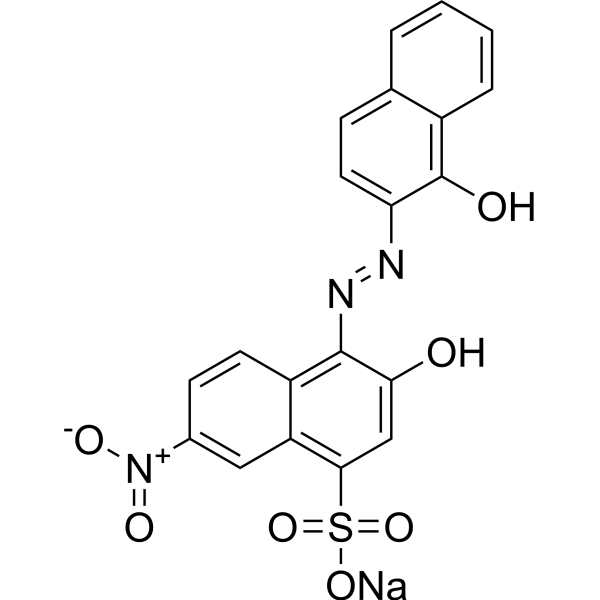
Eriochrome black T, Indicator is a complexing agent for metal ions (e.g., Ca 2+, Mg 2+) and is used as an indicator in complexometric titrations. Eriochrome black T, Indicator forms colored complexes with metal ions through covalent coordination bonds, and indicates the endpoint of the titration by color change. Eriochrome black T, Indicator can be used as an anionic azo dye in photocatalytic degradation studies to evaluate the performance of photocatalysts. The reaction solution of Eriochrome black T, Indicator combined with Mg 2+ is initially purple. During loop-mediated isothermal amplification (LAMP), the color changes from purple to sky blue due to the consumption of Mg 2+ by the formation of magnesium pyrophosphate, indicating a positive reaction. The optimal concentration of Eriochrome black T, Indicator in LAMP is 60 μM, and the detection limit for Mycobacterium tuberculosis is 1 pg DNA/reaction .
loading...
    loading...
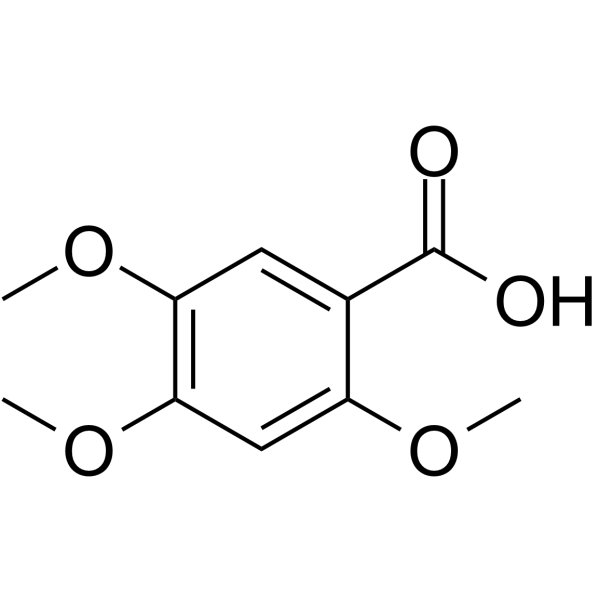
Cat. No.: HY-Y0586
CAS No.: 490-64-2
Synonyms: Asaronic acid
2,4,5-Trimethoxybenzoic acid (Asaronic acid) is a compound identified in purple perilla extracts. 2,4,5-Trimethoxybenzoic acid inhibits LPS (HY-D1056)-induced inflammatory responses, inhibits the activation of NF-κB and STAT signaling pathways. 2,4,5-Trimethoxybenzoic acid inhibits M1 macrophage phenotype-mediated inflammation in diabetes .
loading...
    loading...
Cat. No.: HY-W087928
CAS No.: 115-40-2
Bromocresol purple is a pH indicator, whose color changes from yellow to purple when the pH increases from 5.2 to 6.8. Bromocresol purple can be used for detecting yeast cells with plasma membrane damage and measuring serum albumin concentrations .
loading...
    loading...
Cat. No.: HY-W088068
CAS No.: 68988-92-1
Wright's stain is a composite cell stain that mainly binds to intracellular nucleic acids, proteins and other components through thiazine dyes (such as methylene blue) and eosin. Wright's stain is pH-dependent (optimal pH 6.4-6.7) and achieves cell morphology resolution by differentially staining the cytoplasm and nucleus. Under alkaline conditions, thiazine dyes bind to nucleic acids to form purple, and acidic eosin binds to cytoplasmic proteins to form red, which can form contrasting cell morphological features. Wright's stain can clearly display the fine structures of blood cells and bone marrow cells (such as nuclear chromatin and granules) and quickly evaluate cell morphological abnormalities .
loading...
    loading...
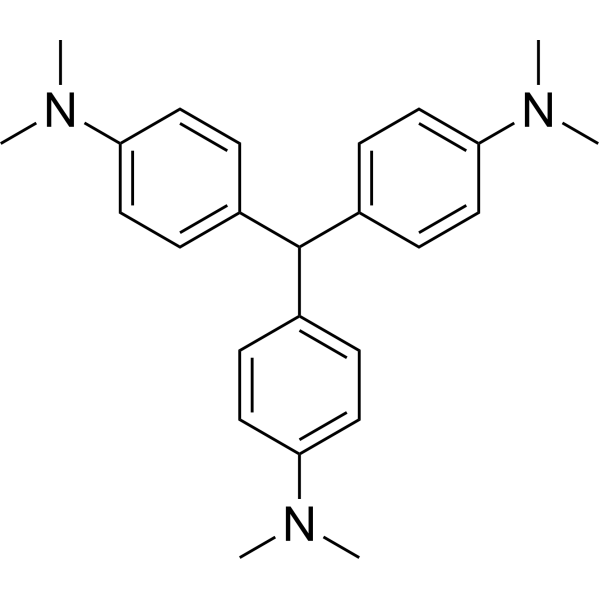
Cat. No.: HY-D0233
CAS No.: 603-48-5
Leucocrystal violet is a cationic triarylmethane dye. Leucocrystal violet generates a colored purple product in the presence of hydrogen peroxide and horseradish peroxidase, or when oxidized by periodate under the catalysis of horseradish peroxidase. Leucocrystal violet serves as a chromogenic reagent for the determination of submicrogram-level hydrogen peroxide, with no interference from tryptophan, persulfate or chromate. Leucocrystal violet reacts with blood to produce a purple/violet color in the presence of hydrogen peroxide; it forms a very weak fluorophore when acting with whole blood in an unbuffered solution, with a maximum absorption wavelength of 630 nm and a maximum fluorescence emission wavelength of 665 nm upon excitation at 630 nm. Leucocrystal violet is widely used for staining blood residues on porous and non-porous materials .
loading...
    loading...