
1. Search Result
Search Result
Results for "

RANKL

" in MedChemExpress (MCE) Product Catalog:

96

Inhibitors & Agonists

3

Peptides

6

Inhibitory Antibodies

38

Natural
Products

18

Recombinant Proteins

1

Isotope-Labeled Compounds

3

Antibodies

3

Oligonucleotides

Targets Recommended:
Cat. No. Product Name Target Research Areas Chemical Structure
  • HY-N0751
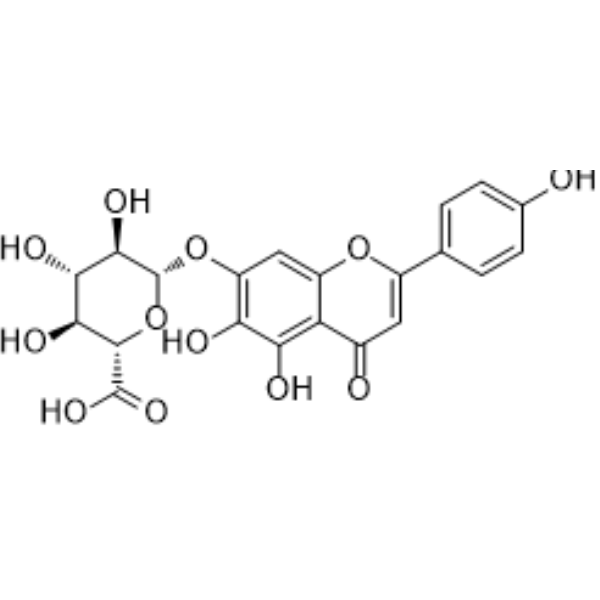
    Scutellarin
    Maximum Cited Publications
    23 Publications Verification

    STAT Akt HIV Infection Cancer
    Scutellarin, an active flavone isolated from Scutellaria baicalensis, can down-regulates the STAT3/Girdin/Akt signaling in HCC cells, and inhibits RANKL-mediated MAPK and NF-κB signaling pathway in osteoclasts. Scutellarin is active against HIV-1IIIB, HIV-1(74V) and HIV-1KM018 with EC50s of 26 μM, 253 μM and 136 μM, respectively.
    Scutellarin
  • HY-P9958
    Denosumab
    2 Publications Verification

    AMG-162

    NF-κB Caspase Apoptosis RANKL/RANK Endocrinology Cancer
    Denosumab is a human monoclonal antibody that targets the protein RANKL. Denosumab binds to the receptor activator of nuclear factor kappa-B ligand (RANKL) and prevents its binding to the RANK receptor (KD of 0.003 nM for human RANKL). Denosumab promotes proliferation and spermatogenesis. Denosumab prevents bone resorption through inhibition of the NF-κB pathway. Denosumab can be used in bone-related studies .
    Denosumab
  • HY-113556
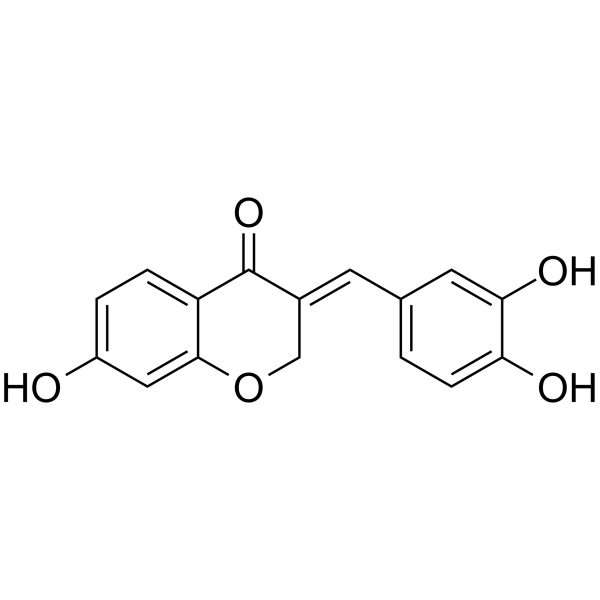
    Sappanone A
    5+ Cited Publications

    Phosphodiesterase (PDE) NF-κB Keap1-Nrf2 Reactive Oxygen Species (ROS) TNF Receptor Nuclear Factor of activated T Cells (NFAT) Akt ERK p38 MAPK NO Synthase Interleukin Related COX JNK Cardiovascular Disease Inflammation/Immunology
    Sappanone A is an orally active homoisoflavone found in sappan L. Sappanone A is a PDE4 and NF-κB inhibitor with anti-inflammatory and antioxidant effect. Sappanone A induces HO-1 expression through activation of Nrf2 pathway. Sappanone A also inhibits RANKL-induced osteoclastogenesis. Sappanone A has great potential in the research of inflammation-related and cardiovascular .
    Sappanone A
  • HY-N0755

    Insulin Receptor GLUT NF-κB p38 MAPK Autophagy Metabolic Disease Endocrinology Cancer
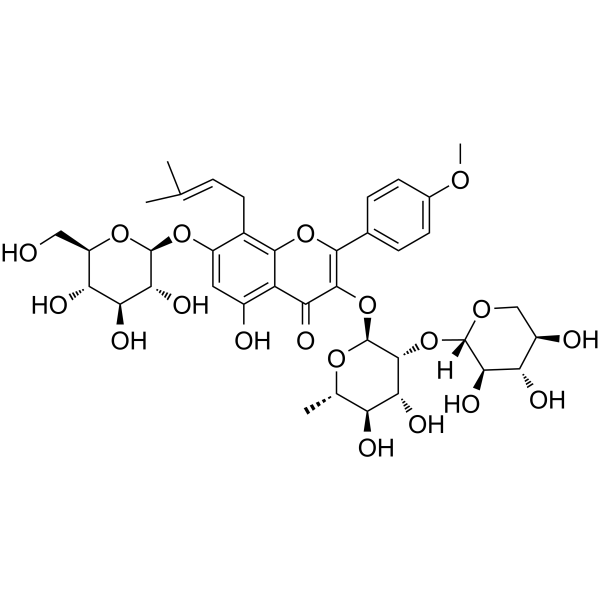
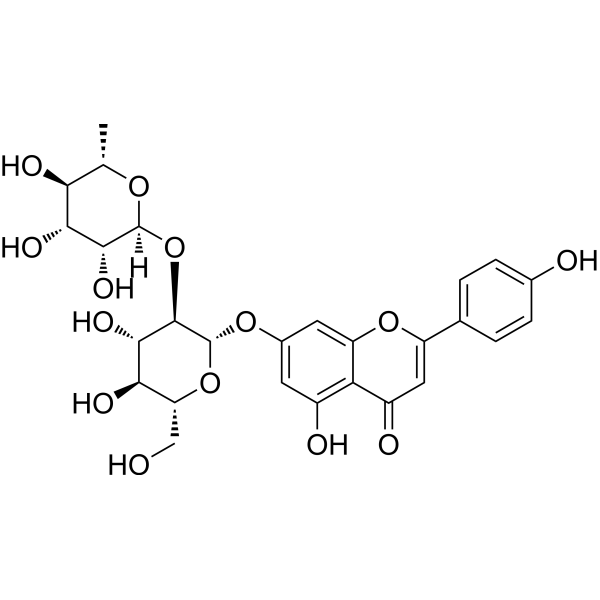
    Rhoifolin is a flavone glycoside can be isolated from Rhus succedanea. Rhoifolin has anti-diabetic effect acting through enhanced adiponectin secretion, tyrosine phosphorylation of insulin receptor-β and glucose transporter 4 (GLUT 4) translocation. Rhoifolin has an anti-inflammatory action via multi-level regulation of inflammatory mediators. Rhoifolin ameliorates titanium particle-stimulated osteolysis and attenuates osteoclastogenesis via RANKL-induced NF-κB and MAPK pathways. Rhoifolin also has cytotoxic activity against different cancer cell lines .
    Rhoifolin
  • HY-110063
    4-IPP
    10+ Cited Publications

    4-Iodo-6-phenylpyrimidine

    Macrophage migration inhibitory factor (MIF) Metabolic Disease
    4-IPP (4-Iodo-6-phenylpyrimidine) is a specific suicide substrate and irreversible inhibitor of macrophage migration inhibitory factor (MIF) .
    4-IPP
  • HY-17408
    Mevastatin
    5+ Cited Publications

    Compactin; ML236B

    HMG-CoA Reductase (HMGCR) Bacterial Autophagy Apoptosis Antibiotic Infection Cardiovascular Disease Neurological Disease Metabolic Disease Cancer
    Mevastatin (Compactin) is a first HMG-CoA reductase inhibitor that belongs to the statins class. Mevastatin is a lipid-lowering agent, and induces apoptosis, arrests cancer cells in G0/G1 phase. Mevastatin also increases endothelial nitric oxide synthase (eNOS) mRNA and protein levels. Mevastatin has antitumor activity and has the potential for cardiovascular diseases treatment .
    Mevastatin
  • HY-N6973
    Boldine
    1 Publications Verification

    RANKL/RANK Apoptosis Inflammation/Immunology Cancer
    Boldine is an apomorphine isoquinoline alkaloid extracted from the root of the pheasant pepper (Litsea cubeba). Boldine is an oral effective antioxidant, anti-inflammatory, antitumor agent, and can inhibit osteoclast formation. Boldine induces apoptosis of human bladder cancer cells by regulating ERK, AKT and GSK-3β. Boldine ameliorates bone destruction by down-regulating the OPG/RANKL/RANK signaling pathway. It can be used in rheumatoid arthritis research .
    Boldine
  • HY-N0481
    Roburic acid
    1 Publications Verification

    COX TNF Receptor NO Synthase Interleukin Related NF-κB Apoptosis p38 MAPK JNK ERK Keap1-Nrf2 RANKL/RANK Neurological Disease Inflammation/Immunology Cancer
    Roburic acid acts as an anti-inflammatory, anti-tumor and osteoclastogenesis inhibitor, with a Ki of 7.066 μM against human TNF, an IC50 of 9 μM against human COX-2, and an IC50 of 5 μM against ovine COX-1. Roburic acid reduces the production of inflammatory mediators such as NO and IL-6 in macrophages by inhibiting the NF-κB and MAPK (p38/JNK) pathways. By competitively inhibiting the TNF-TNF-R1 interaction, Roburic acid blocks the downstream NF-κB signaling pathway, thereby inducing cell cycle arrest and apoptosis in cancer cells. Roburic acid specifically inhibits osteoclastogenesis and bone resorption by suppressing the RANKL/TRAF6/NF-κB/NFATc1 axis. Roburic acid can be used in research related to osteolytic diseases such as osteoporosis, colorectal cancer and inflammatory diseases .
    Roburic acid
  • HY-N0277
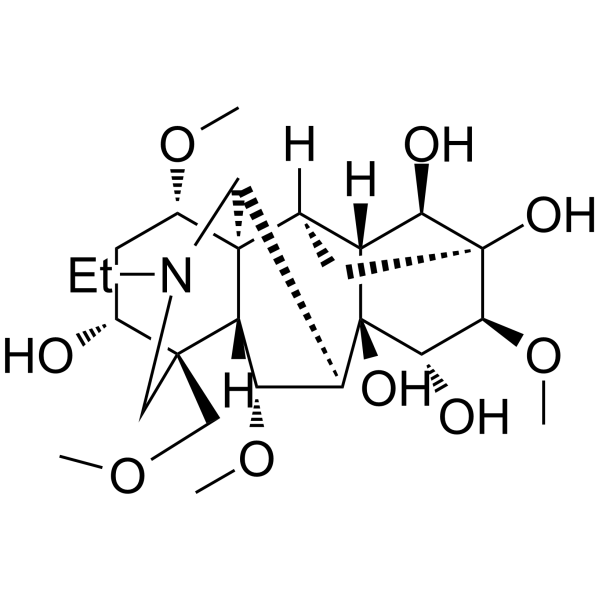
    Aconine
    2 Publications Verification

    Jesaconine

    NF-κB Inflammation/Immunology Cancer
    Aconine inhibits receptor activator of nuclear factor (NF)-κB ligand (RANKL)-induced NF-κB activation.
    Aconine
  • HY-N1419
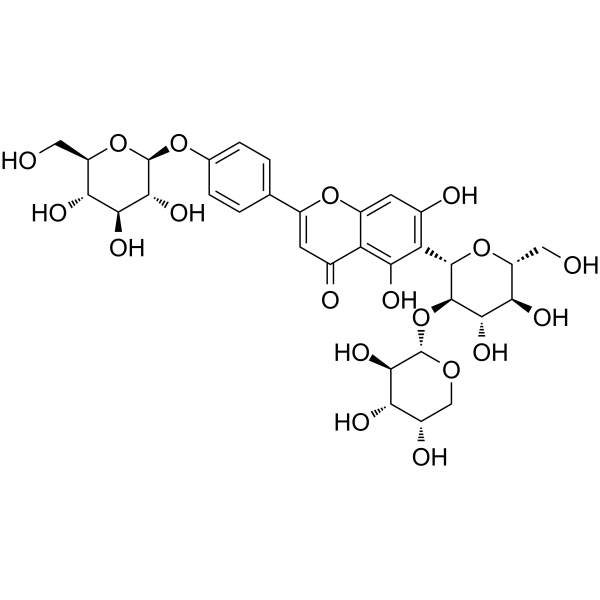
    Vaccarin
    1 Publications Verification

    AMPK Akt ERK p38 MAPK NF-κB Nuclear Factor of activated T Cells (NFAT) JNK Cardiovascular Disease Metabolic Disease
    Vaccarin is an orally active flavonoid glycoside with multiple biological functions. Vaccarin promotes neovascularization by activating AKT and ERK. Vaccarin activates the AMPK signaling pathway to improve insulin resistance and steatosis. Vaccarin is a MAPK, NF-κB, and NFAT inhibitor, effectively blocking RANKL-induced osteoclastogenesis .
    Vaccarin
  • HY-B1246
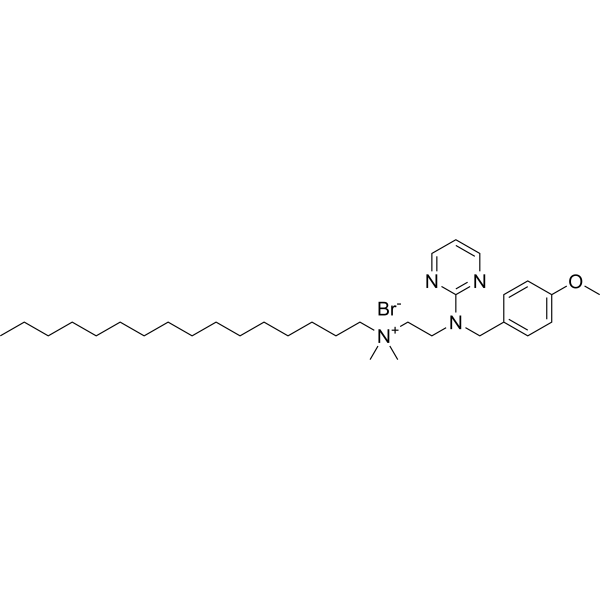
    Thonzonium bromide
    5+ Cited Publications

    Bacterial Proton Pump Infection
    Thonzonium bromide is an antibacterial agent that is structurally similar to Farnesol (HY-Y0248A). Thonzonium bromide is also a monocationic surface-active agent, which inhibits RANKL-induced osteoclast formation and bone resorption in vitro and prevents LPS-induced bone loss in vivo. Thonzonium bromide inhibits proton transport in a dose-dependent manner (EC50=69 μM) .
    Thonzonium bromide
  • HY-N0026
    2'-Acetylacteoside
    1 Publications Verification

    2'-AA

    Monoamine Oxidase RANKL/RANK TNF Receptor NF-κB IKK Cardiovascular Disease Neurological Disease Metabolic Disease
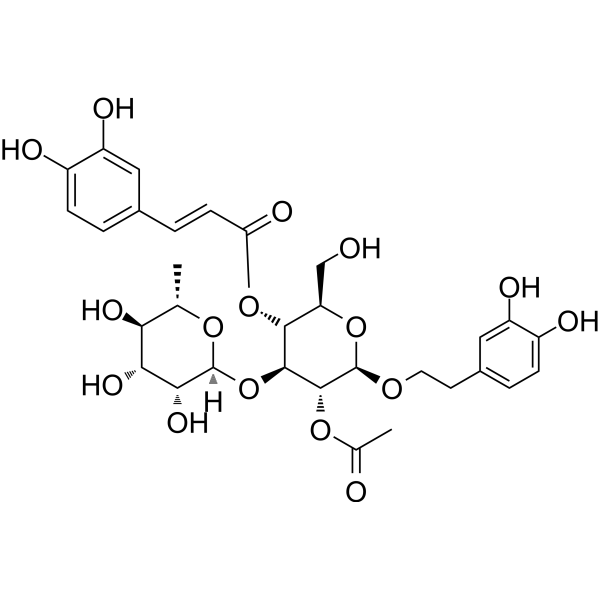
    2'-Acetylacteoside (2'-AA) is a natural compound with oral activity and blood-brain barrier permeability. 2'-Acetylacteosideexhibits MAO‑B inhibitory activity (IC50 = 17.71 μM, Ki = 13.81 μM). 2'-Acetylacteoside downregulates the expression of RANK, TRAF6, NF‑κB, NFATc1 and IKKβ, disrupts the RANKL/RANK interaction, blocks downstream signaling pathways, and increases the level of phosphorylated Akt. 2'-Acetylacteoside possesses potent anti-osteoclastogenic, anti-bone resorptive, pro-neurogenic, neuroprotective and antioxidant activities. 2'-Acetylacteoside can be used in the research of osteoporosis, ischemic stroke and Parkinson's disease .
    2'-Acetylacteoside
  • HY-N2736
    3′,4′,7-Trihydroxyflavone
    1 Publications Verification

    Beta-lactamase COX Interleukin Related Bacterial JNK ERK p38 MAPK STAT Apoptosis NO Synthase Nuclear Factor of activated T Cells (NFAT) Lactate Dehydrogenase Reactive Oxygen Species (ROS) SOD Akt Caspase Bcl-2 Family Infection Neurological Disease Inflammation/Immunology
    3′,4′,7-Trihydroxyflavone is an orally active inhibitor of OXA-48 (IC50 = 1.89 μM) and COX-1 (IC50 = 36.37 μM). 3′,4′,7-Trihydroxyflavone exhibits antioxidant and anti-inflammatory properties, inhibiting the release of inflammatory cytokines such as IL-6, IL-8, and TNF-α. 3′,4′,7-Trihydroxyflavone inhibits H2O2-induced neuronal apoptosis and ROS accumulation, and exerts anti-neuroinflammatory effects by suppressing the JNK-STAT1 pathway. 3′,4′,7-Trihydroxyflavone exhibits antimicrobial and antibiotic-modifying activities against multidrug-resistant Gram-negative enteric bacteria. 3′,4′,7-Trihydroxyflavone inhibits RANKL-induced osteoclast formation via NFATc1. 3′,4′,7-Trihydroxyflavone activates the CREB-BDNF axis and restores scopolamine (HY-N0296)-induced memory deficits in mice .
    3′,4′,7-Trihydroxyflavone
  • HY-N5048

    6'-O-Galloyl paeoniflorin

    NF-κB ERK JNK Nuclear Factor of activated T Cells (NFAT) Keap1-Nrf2 PI3K Akt Reactive Oxygen Species (ROS) Apoptosis DNA/RNA Synthesis Infection Neurological Disease Metabolic Disease Inflammation/Immunology
    Galloylpaeoniflorin (6'-O-Galloyl paeoniflorin) is an orally active galloylated derivative of Paeoniflorin (HY-N0293) found in peony roots with various anti-inflammatory and antioxidant activities. Galloylpaeoniflorin suppresses RANKL-induced activation of ERK, JNK, c-Fos, c-Jun, and NFATc1, and reduces osteoclast-specific gene expression. Galloylpaeoniflorin activates Nrf2 and PI3K/Akt pathways, inhibits NF-κB activation, and scavenges ROS to reduce oxidative DNA, lipid, and protein damage. Galloylpaeoniflorin attenuates neuroinflammation, inhibits apoptosis, reduces Helicobacter pylori-induced gastric mucosa injury and UVB-induced cell damage. Galloylpaeoniflorin can be used for the research of osteoporosis, gastritis, ischemic stroke and skin diseases .
    Galloylpaeoniflorin
  • HY-N2119
    Sciadopitysin
    3 Publications Verification

    TNF Receptor NF-κB Inflammation/Immunology
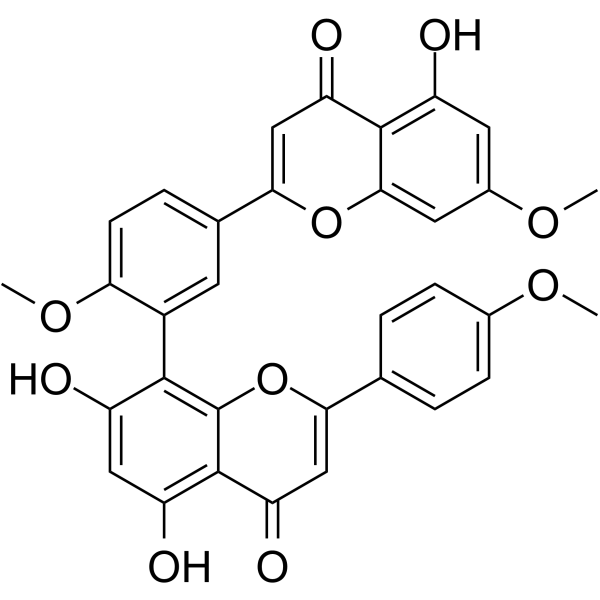
    Sciadopitysin is a type of biflavonoids in leaves from ginkgo biloba . Sciadopitysi inhibits RANKL-induced osteoclastogenesis and bone loss by inhibiting NF-κB activation and reducing the expression of c-Fos and NFATc1 .
    Sciadopitysin
  • HY-110318
    VUF11207 fumarate
    3 Publications Verification

    CXCR Inflammation/Immunology Cancer
    VUF11207 fumarate is a CXCR7 agonist that binds specifically to CXCR7. VUF11207 fumarate reduces CXCL12-mediated osteoclastogenesis and bone resorption by inhibiting ERK phosphorylation .
    VUF11207 fumarate
  • HY-113756A
    Latanoprost acid
    1 Publications Verification

    Prostaglandin Receptor ERK Akt JNK p38 MAPK Inflammation/Immunology
    Latanoprost acid, an analog of prostaglandin (PG) F2α, is an selective prostanoid receptor (FP) agonist that specifically activates the FP-PG receptor . Latanoprost acid inhibits RANKL-induced osteoclastgenesis and function by inhibiting ERK, AKT, JNK, and p38 cascade, following by the c-fos/NFATc1 pathway. Latanoprost acid is a medication which works to lower pressure inside the eyes .
    Latanoprost acid
  • HY-W008634
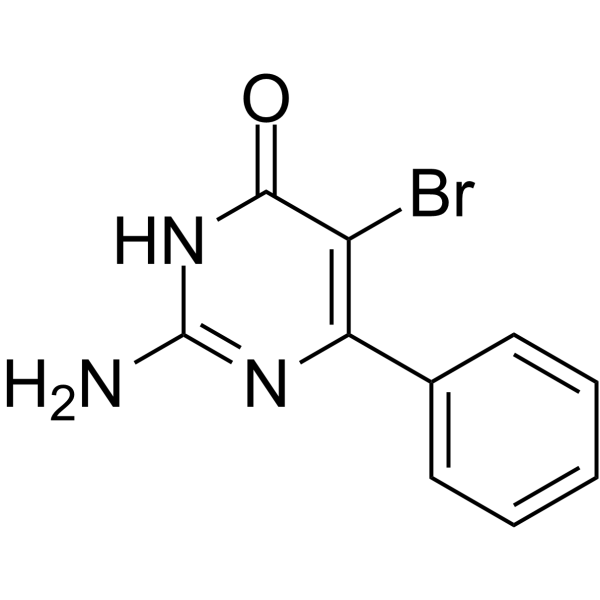
    Bropirimine
    2 Publications Verification

    U-54461; U-54461S; PNU-54461

    Toll-like Receptor (TLR) Cancer
    Bropirimine (U-54461; U-54461S; PNU-54461) is an orally active TLR7 agonist. Bropirimine inhibits RANKL-induced osteoclast differentiation of mouse bone marrow-derived macrophages (BMMs). Bropirimine exhibits dose-dependent direct inhibitory effects on colony formation of cultured KK-47 and 724 cells. Bropirimine can be used for the study of cancers and bone metabolic disorders such as osteoporosis .
    Bropirimine
  • HY-B0012
    Pamidronic acid
    1 Publications Verification

    RANKL/RANK Toll-like Receptor (TLR) Wnt β-catenin Metabolic Disease Inflammation/Immunology Cancer
    Pamidronic acid, the second-generation nitrogen-containing bisphosphonate, is an inhibitor of bone loss. Pamidronic acid significantly inhibits subchondral bone loss in early osteoarthritis by upregulating the expression of OPG in cartilage and subchondral bone, and inhibiting the expression of RANKL and MMP-9 in both tissues, as well as TLR-4 in cartilage, thereby alleviating cartilage degeneration. Additionally, Pamidronic acid can inhibit the signaling of Wnt and β-catenin, and is applicable for research on osteoporosis and osteosarcoma .
    Pamidronic acid
  • HY-N0762
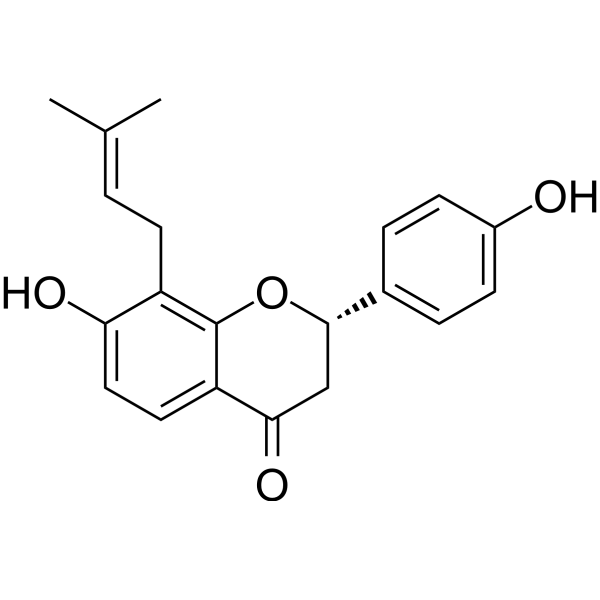
    Isobavachin
    5 Publications Verification

    Cytochrome P450 UGT p38 MAPK NF-κB NO Synthase COX Fc Receptor (FcR) RANKL/RANK Keap1-Nrf2 Reactive Oxygen Species (ROS) Apoptosis Autophagy Neurological Disease Metabolic Disease Inflammation/Immunology Cancer
    Isobavachin is an orally active, blood-brain barrier-penetrating prenylated flavonoid present in Psoralea corylifolia. Isobavachin inhibits human CYP2B6, CYP2C9, CYP2C19, UGT1A1, UGT1A9, and UGT2B7. Isobavachin suppresses MAPK activation, NF-κB nuclear translocation, overexpression of iNOS/COX-2, FcεRI-mediated signaling pathways, and RANKL-induced osteoclastogenesis. Isobavachin induces autophagy, cytotoxicity, neuronal differentiation, and NRF2 activation; it alleviates oxidative damage, inflammatory responses, apoptosis, iron accumulation, mitochondrial biogenesis, and mast cell degranulation. Isobavachin is applicable to research related to liver injury, inflammatory diseases, osteoporosis, liver cancer, prostate cancer, glioma, periodontitis-induced bone loss, and Alzheimer's disease .
    Isobavachin
  • HY-P9958A
    Denosumab (anti-TNFSF11)
    2 Publications Verification

    RANKL/RANK Apoptosis NF-κB Neurological Disease Endocrinology Cancer
    Denosumab (anti-TNFSF11) is a human monoclonal antibody that targets the protein RANKL. Denosumab binds to the receptor activator of nuclear factor kappa-B ligand (RANKL) and prevents its binding to the RANK receptor (KD of 0.003 nM for human RANKL). Denosumab promotes proliferation and spermatogenesis. Denosumab prevents bone resorption through inhibition of the NF-κB pathway. Denosumab can be used in bone-related studies .
    Denosumab (anti-TNFSF11)
  • HY-P990165

    RANKL/RANK E1/E2/E3 Enzyme NF-κB Inflammation/Immunology Cancer
    Anti-Mouse RANKL/CD254 Antibody (IK22/5) is an anti-mouse RANKL/CD254 IgG2a monoclonal antibody. Anti-Mouse RANKL/CD254 Antibody (IK22/5) inhibits osteoclast formation and activity by specifically blocking the binding of RANKL and RANK. Anti-Mouse RANKL/CD254 Antibody (IK22/5) can inhibit the expression of MuRF1/Trogin-1 and activation of NF-κB. Anti-Mouse RANKL/CD254 Antibody (IK22/5) can be used for research on cancer such as melanoma or colon cancer and osteoporosis .
    Anti-Mouse RANKL/CD254 Antibody (IK22/5)
  • HY-N0656
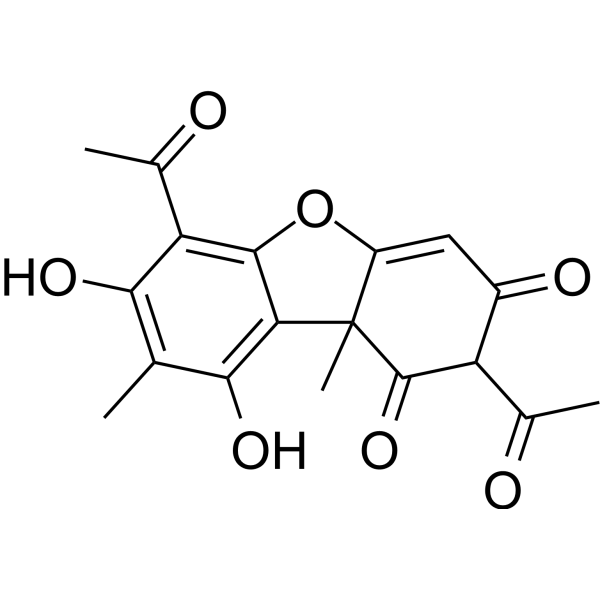
    Usnic acid
    2 Publications Verification

    Bacterial DNA/RNA Synthesis Nuclear Factor of activated T Cells (NFAT) Apoptosis Infection Inflammation/Immunology Cancer
    Usnic acid is a secondary metabolite of lichens with a unique dibenzofuran skeleton. Usnic acid inhibits DNA/RNA synthesis and has antibacterial activity. Usnic acid induces cell cycle arrest and apoptosis and has anticancer activity. Usnic acid inhibits RANKL-mediated osteoclast formation and function by reducing the transcriptional and translational expression of NFATc1. Usnic acid has antioxidant and anti-inflammatory activities by inhibiting lipid peroxidation and myeloperoxidase .
    Usnic acid
  • HY-B0012A
    Pamidronate disodium
    1 Publications Verification

    CGP 23339A

    RANKL/RANK Toll-like Receptor (TLR) Wnt β-catenin Metabolic Disease Inflammation/Immunology Cancer
    Pamidronate disodium (CGP 23339A), the second-generation nitrogen-containing bisphosphonate, is an inhibitor of bone loss. Pamidronate disodium significantly inhibits subchondral bone loss in early osteoarthritis by upregulating the expression of osteoprotegerin in cartilage and subchondral bone, and inhibiting the expression of RANKL and MMP-9 in both tissues, as well as TLR-4 in cartilage, thereby alleviating cartilage degeneration. Additionally, Pamidronate disodium can inhibit the signaling of Wnt and β-catenin, and is applicable for research on osteoporosis and osteosarcoma .
    Pamidronate disodium
  • HY-B0730
    Pamidronate disodium pentahydrate
    1 Publications Verification

    RANKL/RANK Toll-like Receptor (TLR) Wnt β-catenin Metabolic Disease Inflammation/Immunology Cancer
    Pamidronate disodium pentahydrate, the second-generation nitrogen-containing bisphosphonate, is an inhibitor of bone loss. Pamidronate disodium pentahydrate significantly inhibits subchondral bone loss in early osteoarthritis by upregulating the expression of osteoprotegerin in cartilage and subchondral bone, and inhibiting the expression of RANKL and MMP-9 in both tissues, as well as TLR-4 in cartilage, thereby alleviating cartilage degeneration. Additionally, Pamidronate disodium pentahydrate can inhibit the signaling of Wnt and β-catenin, and is applicable for research on osteoporosis and osteosarcoma .
    Pamidronate disodium pentahydrate
  • HY-N3312

    p38 MAPK JNK NF-κB Metabolic Disease Inflammation/Immunology Cancer
    Matairesinol is an orally active bioactive compound with anti-inflammatory, antioxidant and anticancer activities. Matairesinol inhibits the phosphorylation of MAPK, JNK and NF-κB, downregulates RANKL-induced NFATc1 expression and activity, and suppresses the activation of the PI3K/AKT/FOXO1 pathway. Matairesinol can be used in research related to sepsis-mediated brain injury, osteoporosis, heart failure, atopic dermatitis and cancer .
    Matairesinol
  • HY-N0805A
    Alisol B
    1 Publications Verification

    Epoxide Hydrolase CaMK Autophagy Apoptosis Metabolic Disease Inflammation/Immunology Cancer
    Alisol B is a triterpene with diverse biological activities. Alisol B binds human soluble epoxide hydrolase (sEH) with a Ki of 5.97 μM and reduces sEH activity. Alisol B inhibits RANKL-induced JNK phosphorylation, NFATc1 and c-Fos expression, osteoclast formation, mature osteoclast pit-forming and actin ring activity, and SERCA pump activity. Alisol B induces calcium mobilization, CaMKK-AMPK-mTOR pathway activation, autophagic flux, autophagosome formation, G1 phase cell cycle arrest, endoplasmic reticulum stress, unfolded protein responses, and cancer cell apoptosis. Alisol B can be used for the research of hypercalcemia, osteoporosis, rheumatoid arthritis, periodontitis, acute kidney injury, and breast cancer .
    Alisol B
  • HY-147369
    NFATc1-IN-1
    4 Publications Verification

    Nuclear Factor of activated T Cells (NFAT) Others
    NFATc1-IN-1 (compound A04) is a potent inhibitor of RANKL-induced osteoclast formation, with an IC50 of 1.57 μM. NFATc1-IN-1 shows anti-osteoclastogenic effects through reducing the RANKL-induced nuclear translocation of NFATc1. NFATc1-IN-1 can be used for osteoclastic diseases research .
    NFATc1-IN-1
  • HY-N10117

    RANKL/RANK Others
    2,3-Bis(3-indolylmethyl)indole significantly suppresses RANKL-induced osteoclast formation, actin ring formation, and bone resorption in a concentration-dependent manner.
    2,3-Bis(3-indolylmethyl)indole
  • HY-P2612

    TNF Receptor RANKL/RANK Apoptosis Inflammation/Immunology
    WP9QY is an inhibitor targeting TNFα and RANKL, which blocks the TNFα-TNFR1 interaction and inhibits TNFα-mediated apoptosis, cytotoxicity and bone destruction. WP9QY inhibits osteoclastogenesis and promotes osteoblast differentiation, induces chondrocyte proliferation and glycosaminoglycan production, and synergizes with TGF-β3 to promote chondrogenesis. WP9QY effectively repairs full-thickness articular cartilage defects in rabbits via intra-articular injection, and inhibits methylmercury-induced reduction of NeuN-positive cells in mouse brain slices. WP9QY can be applied to the research of diseases related to methylmercury-induced neuronal death, cartilage injury, osteoarthritis and bone loss .
    WP9QY
  • HY-N1746

    2'-O-Methylkurarinone

    RANKL/RANK Metabolic Disease Inflammation/Immunology Cancer
    (2S)-2'-Methoxykurarinone, a compound isolated from the roots of Sophora flavescens, has anti-inflammatory, antipyretic, antidiabetic, and antineoplastic effects. (2S)-2'-Methoxykurarinone (MK) inhibits osteoclastogenesis and bone resorption through down-regulation of RANKL signaling. (2S)-2'-Methoxykurarinone (MK) displays cytotoxic activity against human myeloid leukemia HL-60 cells .
    (2S)-2'-Methoxykurarinone
  • HY-N3188

    Akt NF-κB Infection
    Niloticin, tetracyclic triterpenoid compound, is a osteoclastogenesis inhibitor. Niloticin shows anti-viral, antioxidative, and mosquitocidal activities. Niloticin inhibits osteoclastogenesis by blocking RANKL-RANK interaction and suppressing the AKT, MAPK, and NF-κB signaling pathways .
    Niloticin
  • HY-124478

    Ethyl 2,5-dihydroxybenzoate

    Phosphatase Metabolic Disease
    Ethyl gentisate (Ethyl 2,5-dihydroxybenzoate) is a dual modulator for cell differentiation, that enhances the osteogenic differentiation of human mesenchymal stem cells (hMSCs) and alkaline phosphatase activity, inhibits RANKL-activated osteoclastogenesis in RAW264.7 cells, and balances the bone remodeling process .
    Ethyl gentisate
  • HY-P5522A
    TriDAP dihydrochloride
    1 Publications Verification

    L-Ala-γ-D-Glu-meso-diaminopimelic acid dihydrochloride

    NOD-like Receptor (NLR) NF-κB MAP3K MEK ERK p38 MAPK Interleukin Related SARS-CoV Infection Inflammation/Immunology
    TriDAP dihydrochloride (L-Ala-γ-D-Glu-meso-diaminopimelic acid dihydrochloride) is a NOD1 agonist with a Kd value of 34.5 μM. TriDAP dihydrochloride enhances the binding of NOD1-RICK, promotes RICK phosphorylation, and activates the NF-κB, TAK1, MEK/ERK, p38 and interferon response pathways. TriDAP dihydrochloride downregulates Runx2 via increasing ubiquitination and reduces trabecular bone parameters. TriDAP dihydrochloride decreases IκBα levels and increases p65 levels. TriDAP dihydrochloride induces the secretion of proinflammatory mediators IL-8 and prostaglandins, triggers tissue inflammation and innate immune activation, and inhibits SARS-CoV-2 replication in lung epithelial cells. TriDAP dihydrochloride increases the RANKL/OPG ratio in mice, reduces bone mass and enhances osteoclast activity, and inhibits new bone formation by decreasing the mineralization deposition rate in mice. TriDAP dihydrochloride can be used in research related to pulpitis, chronic ulcerative colitis, Crohn's disease and SARS-CoV-2 infection .
    TriDAP dihydrochloride
  • HY-130304

    iPE2-III

    Prostaglandin Receptor Cardiovascular Disease
    8-Isoprostaglandin E2 (iPE2-III) is a member of the isoprostane class of prostanoids. 8-Isoprostaglandin E2 acts at the receptor for thromboxane A2 (the TP) in vivo to induce vasoconstriction and platelet aggregation. 8-Isoprostaglandin E2 enhances receptor-activated NFkappa B ligand (RANKL)-dependent osteoclastic potential of marrow hematopoietic precursors via the cAMP pathway .
    8-Isoprostaglandin E2
  • HY-175703

    RANKL/RANK Reactive Oxygen Species (ROS) NF-κB p38 MAPK ERK JNK MMP Metabolic Disease
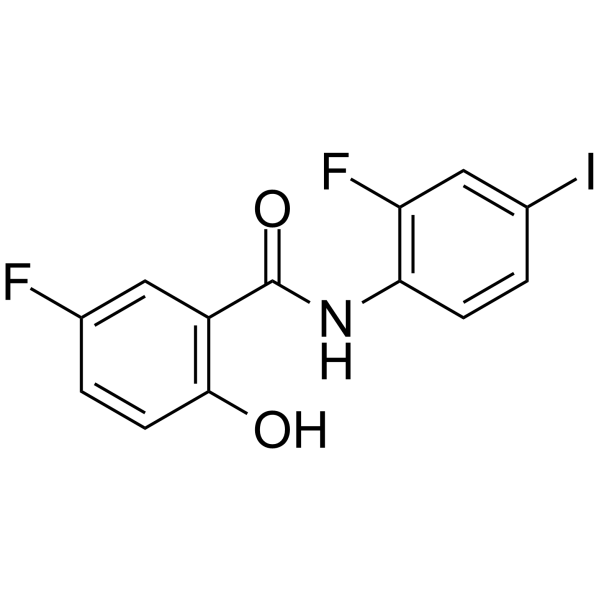
    RANKL-IN-1 is a selective and orally active Receptor Activator of Nuclear Factor-κ B Ligand (RANKL) inhibitor with a KD value of 7.6 μM. RANKL-IN-1 exhibits inhibitory activity and selectivity against osteoclastogenesis with an IC50 value of 0.07 μM and SI of 82.57. RANKL-IN-1binds directly to RANKL and blocks the RANKL-induced activation of the NF-κB and MAPK pathways. RANKL-IN-1 can be used for the research of metabolic disease, such as osteoporosis .
    RANKL-IN-1
  • HY-174156

    RANKL/RANK TNF Receptor Inflammation/Immunology
    Y2641, a etrahydro-β-carboline derivative, is an orally active dual RANKL/TNF-α inhibitor with Kd values of 3.984 μM and 18.59 μM for RANKL and TNF-α, respectively. Y2641 inhibits RANKL-induced osteoclastogenic and has anti-inflammatory and cartilage destruction. Y2641 can be used for study of osteoarthritis .
    Y2641
  • HY-N6973R
    Boldine (Standard)
    1 Publications Verification

    Reference Standards RANKL/RANK Inflammation/Immunology
    Boldine (Standard) is the analytical standard of Boldine. This product is intended for research and analytical applications. Boldine is an aporphine isoquinoline alkaloid extracted from the root of Litsea cubeba and also possesses these properties, including antioxidant, anti-inflammatory and cytoprotective effects. Boldine suppresses osteoclastogenesis, improves bone destruction by down-regulating the OPG/RANKL/RANK signal pathway and may be a potential therapeutic agent for rheumatoid arthritis .
    Boldine (Standard)
  • HY-168336

    PPAR Metabolic Disease
    E0924G is an orally active activator for PPARδ with EC50 of 2.82 μM. E0924G promotes the upregulation of osteoprotegerin (OPG) with an EC50 of 0.29 μM. E0924G reduces RANKL-induced osteoclast differentiation and inhibites F-actin ring formation in RAW264.7 macrophages. E0924G regulates the bone density and bone loss in ovariectomized (OVX) and age-related osteoporosis models .
    E0924G
  • HY-N10838

    Others Others
    Ajudecunoid A is nature product that could be isolated from Ajuga decumbens. Ajudecunoid A inhibits RANKL-Induced osteoclastogenesis .
    Ajudecunoid A
  • HY-N0656R

    Reference Standards Bacterial DNA/RNA Synthesis Nuclear Factor of activated T Cells (NFAT) Apoptosis Infection Inflammation/Immunology Cancer
    Usnic acid is a secondary metabolite of lichens with a unique dibenzofuran skeleton. Usnic acid inhibits DNA/RNA synthesis and has antibacterial activity. Usnic acid induces cell cycle arrest and apoptosis and has anticancer activity. Usnic acid inhibits RANKL-mediated osteoclast formation and function by reducing the transcriptional and translational expression of NFATc1. Usnic acid has antioxidant and anti-inflammatory activities by inhibiting lipid peroxidation and myeloperoxidase .
    Usnic acid (Standard)
  • HY-P5522

    L-Ala-γ-D-Glu-meso-diaminopimelic acid

    NOD-like Receptor (NLR) NF-κB MAP3K MEK ERK p38 MAPK Interleukin Related SARS-CoV Infection Inflammation/Immunology
    TriDAP (L-Ala-γ-D-Glu-meso-diaminopimelic acid) is a NOD1 agonist with a Kd value of 34.5 μM. TriDAP enhances the binding of NOD1-RICK, promotes RICK phosphorylation, and activates the NF-κB, TAK1, MEK/ERK, p38 and interferon response pathways. TriDAP downregulates Runx2 via increasing ubiquitination and reduces trabecular bone parameters. TriDAP decreases IκBα levels and increases p65 levels. TriDAP induces the secretion of proinflammatory mediators IL-8 and prostaglandins, triggers tissue inflammation and innate immune activation, and inhibits SARS-CoV-2 replication in lung epithelial cells. TriDAP increases the RANKL/OPG ratio in mice, reduces bone mass and enhances osteoclast activity, and inhibits new bone formation by decreasing the mineralization deposition rate in mice. TriDAP can be used in research related to pulpitis, chronic ulcerative colitis, Crohn's disease and SARS-CoV-2 infection .
    TriDAP
  • HY-169857

    RANKL/RANK Others
    AS2690168 freebase is an orally active RANKL signal transduction inhibitor which suppresses RANKL-induced osteoclastogenesis of RAW264 cells. AS2690168 can be utilized in research related to pathological osteolysis .
    AS2690168 (freebase)
  • HY-118482

    Saurolactam

    Others Neurological Disease
    Sauristolactam, a natural aristolactam isolated from aerial portions of Saururus chinensis, has significant neuroprotective activity against glutamate-induced toxicity in primary cultured rat cortical cells . Sauristolactam also inhibits the receptor activator of nuclear factor-κB ligand (RANKL)-induced osteoclastogenesis and has the potential to inhibit osteoclast differentiation .
    Sauristolactam
  • HY-101149

    Salt-inducible Kinase (SIK) HDAC RANKL/RANK Inflammation/Immunology
    YKL-05-093 is a salt-induced kinase (SIK) inhibitor (SIK2: Kd = 7.1 nM). YKL-05-093 reduces the phosphorylation level of HDAC4/5/CRTC2, inhibits SOST expression, and stimulates RANKL expression in vitro and in vivo. YKL-05-093 can be used in research on bone diseases .
    YKL-05-093
  • HY-134314

    Autophagy Endogenous Metabolite Nucleoside Antimetabolite/Analog Cardiovascular Disease Metabolic Disease Inflammation/Immunology
    8-Nitro-cGMP is an electrophilic second messenger of redox signaling that can form a protein-S-cGMP adduct in s-guanylation process. 8-Nitro-cGMP is an autophagy inducer. 8-Nitro-cGMP promotes RANKL-induced osteoclast differentiation from macrophages. 8-Nitro-cGMP has vasodilator effect, and ameliorates the vascular endothelial dysfunction in diabetic mice .
    8-Nitro-cGMP
  • HY-162280

    PROTACs RANKL/RANK Nuclear Factor of activated T Cells (NFAT) Btk Cancer
    PROTAC BTK Degrader-9 (compound 23) is a PROTAC degrader that effectively targets BTK. PROTAC BTK Degrader-9 downregulates the BTK-PLCγ2-Ca 2+-NFATc1 signaling pathway activated by RANKL. Thus, PROTAC BTK Degrader-9 was able to inhibit osteoclastogenesis and attenuate alveolar bone resorption in a mouse periodontitis model .
    PROTAC BTK Degrader-9
  • HY-N9736

    Calcineurin Infection Neurological Disease Inflammation/Immunology
    6,4'-Dihydroxy-7-methoxyflavanone, a flavonoid, is a nature product that could be isolated from Heartwood Dalbergia odorifera. 6,4'-Dihydroxy-7-methoxyflavanone inhibits receptor activators of nuclear factor kappa-B ligand (RANKL) induced osteoclastogenesis. 6,4'-Dihydroxy-7-methoxyflavanone has antioxidant, anti-inflammatory and neuroprotective effects. 6,4'-Dihydroxy-7-methoxyflavanone can be used in research of osteoporosis .
    6,4'-Dihydroxy-7-methoxyflavanone
  • HY-121282B

    Pecazine acetate

    Apoptosis MALT1 Others
    Mepazine acetate (Pecazine acetate) is a drug that has the activity to inhibit the protease activity of MALT1. Mepazine acetate is often used to study the role of MALT1 in biology. Treatment of mouse bone marrow precursor cells with mepazine acetate strongly inhibited RANK ligand (RANKL)-induced osteoclast formation. Mepazine acetate also inhibited the expression of multiple osteoclast markers such as TRAP, feline hepsin K, and calcitonin. The protective effect of mepazine acetate was not affected by MALT1 deficiency. The mechanism of action of mepazine acetate may involve MALT1-independent mechanisms, and this aspect needs to be considered in future studies .
    Mepazine acetate
  • HY-N0751R

    Reference Standards STAT Akt HIV Infection Cancer
    Scutellarin (Standard) is the analytical standard of Scutellarin. This product is intended for research and analytical applications. Scutellarin, an active flavone isolated from Scutellaria baicalensis, can down-regulates the STAT3/Girdin/Akt signaling in HCC cells, and inhibits RANKL-mediated MAPK and NF-κB signaling pathway in osteoclasts. Scutellarin is active against HIV-1IIIB, HIV-1(74V) and HIV-1KM018 with EC50s of 26 μM, 253 μM and 136 μM, respectively.
    Scutellarin (Standard)

Inquiry Online

Your information is safe with us. * Required Fields.

Salutation


Country or Region *

Applicant Name *


Organization Name *

Department *


Email Address *


Product Name *

Cat. No.


Requested quantity *

Phone Number *


Remarks

Inquiry Online

Inquiry Information

Product Name:
Cat. No.:
Quantity:
MCE Japan Authorized Agent:

