1. Search Result
Search Result
Results for "

RAW 264.7 macrophages

" in MedChemExpress (MCE) Product Catalog:

172

Inhibitors & Agonists

5

Fluorescent Dyes

5

Biochemical Assay Reagents

1

Peptides

101

Natural
Products

1

Isotope-Labeled Compounds

1

Oligonucleotides

Cat. No. 상품명 Target 연구분야 Chemical Structure
  • HY-13982
    JSH-23
    Maximum Cited Publications
    141 Publications Verification

    NF-κB Metabolic Disease Inflammation/Immunology Cancer
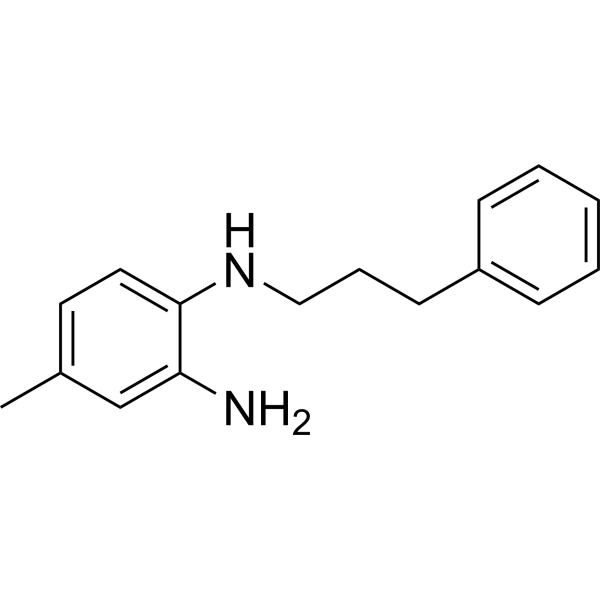
    JSH-23 is an NF-κB inhibitor which inhibits NF-κB transcriptional activity with an IC50 of 7.1 μM in lipopolysaccharide (LPS)-stimulated macrophages RAW 264.7. JSH-23 inhibits nuclear translocation of NF-κB p65 without affecting IκBα degradation .
    JSH-23
  • HY-N0569
    Madecassic acid
    2 Publications Verification

    NO Synthase COX TNF Receptor Interleukin Related Inflammation/Immunology
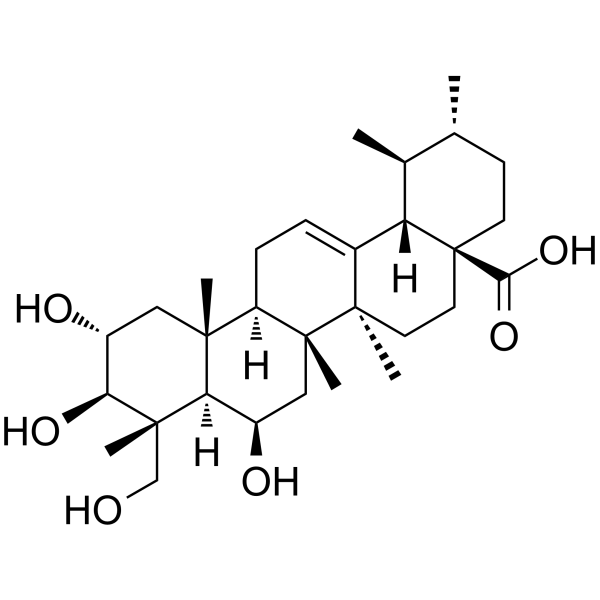
    Madecassic acid is isolated from Centella asiatica (Umbelliferae). Madecassic acid has anti-inflammatory properties caused by iNOS, COX-2, TNF-alpha, IL-1beta, and IL-6 inhibition via the downregulation of NF-κB activation in RAW 264.7 macrophage cells .
    Madecassic acid
  • HY-N8440

    NF-κB Infection
    Gibberellin A4 is a type of bioactive gibberellin. Gibberellin A4 promotes flowering in apple trees. Gibberellin A4 also exhibits anti-NF-κB and antioxidant activities. Gibberellin A4 can be used in the research of periodontal diseases .
    Gibberellin A4
  • HY-N3383

    Ligstroside

    Mitochondrial Metabolism Neurological Disease
    Ligustroside (Ligstroside), a secoiridoid derivative, has outstanding performance on mitochondrial bioenergetics in models of early Alzheimer's disease (AD) and brain ageing by mechanisms that may not interfere with Aβ production. Ligustroside significantly inhibits nitric oxide production in lipopolysaccharide-activated RAW264.7 macrophages .
    Ligustroside
  • HY-129113

    COX Inflammation/Immunology
    α-Chaconine inhibits the expressions of COX-2, IL-1β, IL-6, and TNF-α at the transcriptional level. α-Chaconine inhibits the LPS-induced expressions of iNOS and COX-2 at the protein and mRNA levels and their promoter activities in RAW 264.7 macrophages. Anti-inflammatory effects .
    α-​Chaconine
  • HY-N4137
    Tormentic acid
    2 Publications Verification

    Others Cardiovascular Disease Inflammation/Immunology
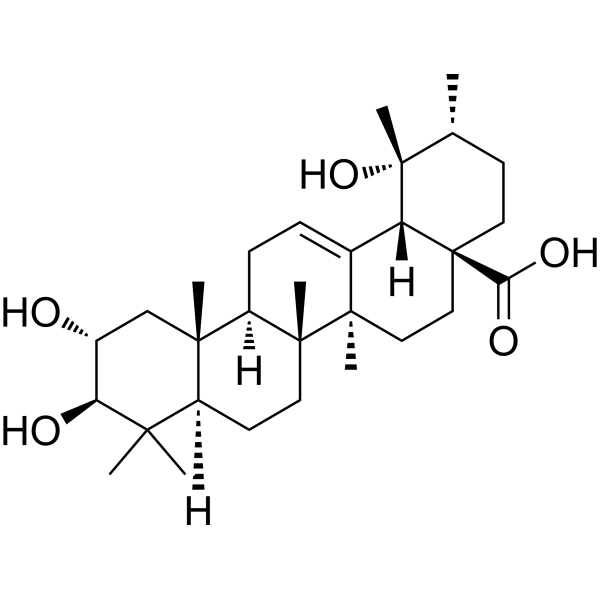
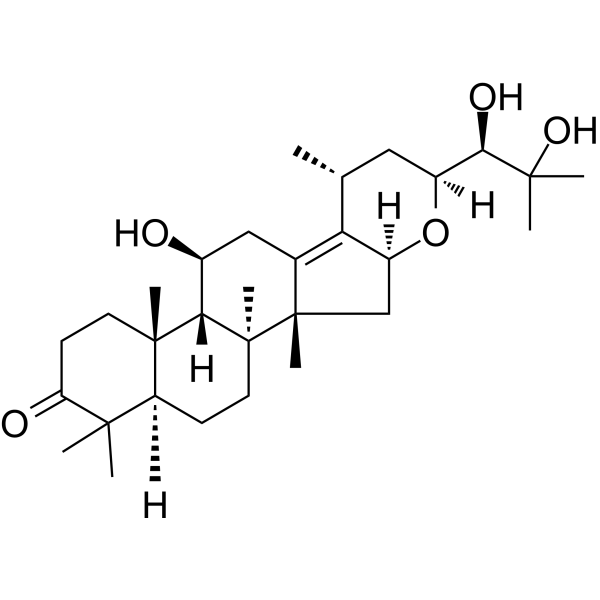
    Tormentic acid, a triterpene isolated from Rosa rugosa, exerts anti-inflammatory, antihyperlipidemic, and anti-atherogenic properties .
    Tormentic acid
  • HY-B0386

    COX Inflammation/Immunology
    Flunixin meglumine is a cyclooxygenase (COX) inhibitor with IC50 values of 0.55 and 3.24 μM for COX-1 and COX-2, respectively. Flunixin meglumine shows anti-inflammatory effects .
    Flunixin meglumine
  • HY-138989

    Lipoxygenase Inflammation/Immunology
    15-LOX-1 inhibitor 1 is a potent inhibitor of 15-LOX-1 (15-lipoxygenase-1) with an IC50 value of 0.19 μM. 15-LOX-1 inhibitor 1 protects macrophages from lipopolysaccharide-induced cytotoxicity. 15-LOX-1 inhibitor 1 inhibits NO formation and lipid peroxidation .
    15-LOX-1 inhibitor 1
  • HY-N2620

    Reactive Oxygen Species (ROS) Inflammation/Immunology
    Rutaevin is isolated from the fruits of Euodia rutaecarpa. Rutaevin inhibits NO production in LPS-induced RAW 264.7 macrophages .
    Rutaevin
  • HY-N11058

    Lipoxygenase NO Synthase Inflammation/Immunology
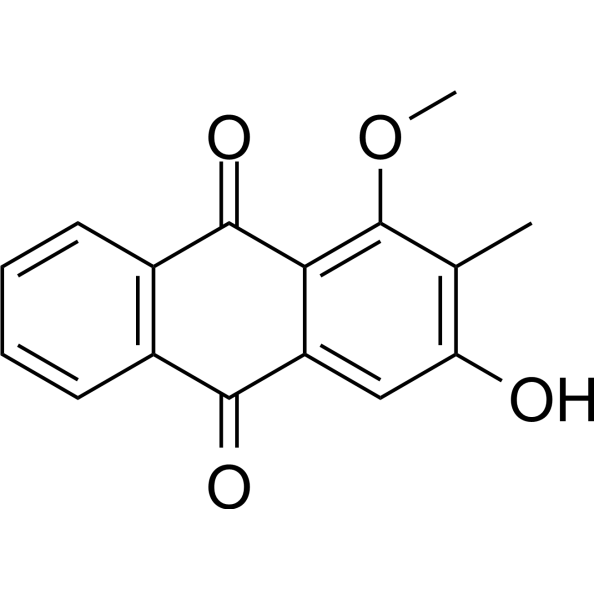
    Damnacanthol is a natural product that can be isolated from Damnacanthus major . Damnacanthol has anti-15-lipoxygenase activity and can inhibit nitric oxide production in LPS-activated macrophages RAW 264.7 cells .
    Damnacanthol
  • HY-125531

    Others Others
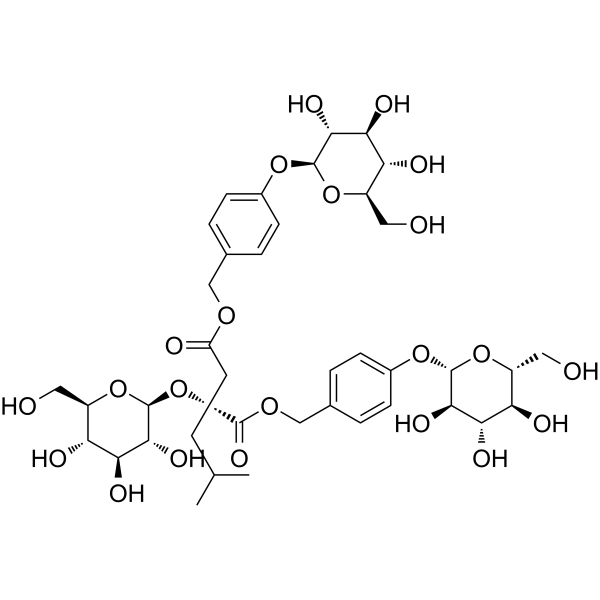
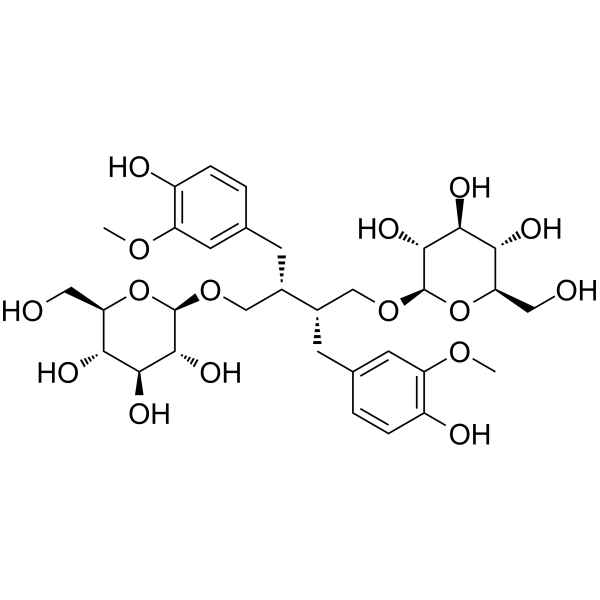
    Dactylorhin A, a succinate derivative ester, is isolated from rhizomes of Gymnadenia conopsea. Dactylorhin A exhibits moderate inhibitory effects on NO production effects in RAW 264.7 macrophage cells .
    Dactylorhin A
  • HY-N2535
    Coniferaldehyde
    1 Publications Verification

    4-Hydroxy-3-methoxycinnamaldehyde

    Keap1-Nrf2 Apoptosis Inflammation/Immunology
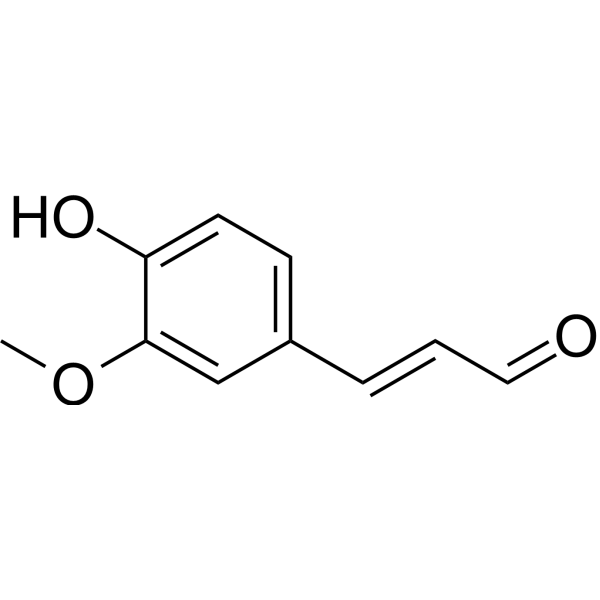
    Coniferaldehyde (4-Hydroxy-3-methoxycinnamaldehyde) is an effective inducer of heme oxygenase-1 (HO-1). Coniferaldehyde inhibits LPS-induced apoptosis through the PKCα/β II/Nrf-2/HO-1 dependent pathway in RAW264.7 macrophage cells. Coniferaldehyde has antioxidant and anti-inflammatory activities .
    Coniferaldehyde
  • HY-W082785A
    L6H21
    1 Publications Verification

    TNF Receptor Interleukin Related Toll-like Receptor (TLR) NF-κB NOD-like Receptor (NLR) Apoptosis Caspase Bcl-2 Family Reactive Oxygen Species (ROS) Neurological Disease Metabolic Disease Inflammation/Immunology
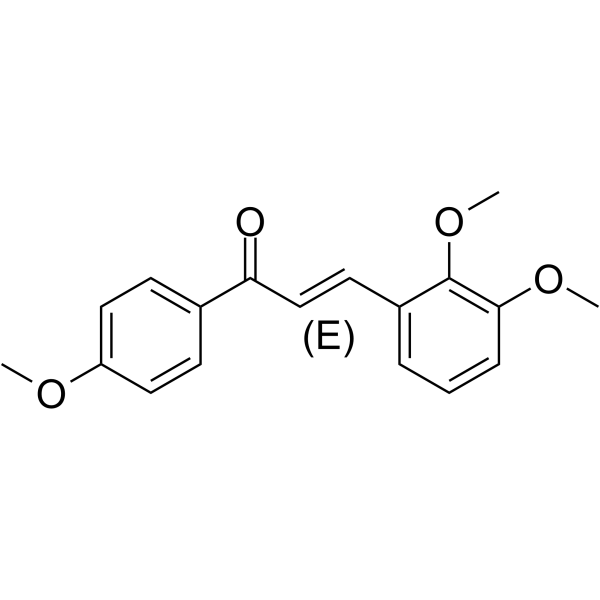
    L6H21, a Chalcone (HY-121054) derivative, is an orally active, potent and specific myeloid differentiation 2 (MD-2) inhibitor. L6H21 directly binds to MD-2 protein with a high affinity and low KD value of 33.3 μM, blocking the formation of the LPS-TLR4/MD-2 complex. L6H21 inhibits LPS-induced expression of TNF-α and IL-6 in RAW264.7 macrophages, with IC50 values of 6.58 and 8.59 μM, respectively. L6H21 can be used for alcoholic liver disease, metabolic disturbance and neuroinflammation research .
    L6H21
  • HY-146066

    nAChR JAK STAT NO Synthase Interleukin Related Inflammation/Immunology
    α7 nAchR-JAK2-STAT3 agonist 1 is a potent α7 nAchR-JAK2-STAT3 agonist, with an IC50 value of 0.32 μM for nitric oxide (NO). α7 nAchR-JAK2-STAT3 agonist 1 effectively suppresses the expression of iNOS, IL-1β, and IL-6 in murine RAW264.7 macrophages. α7 nAchR-JAK2-STAT3 agonist 1 can inhibit LPS-induced NO release, NF-κB activation and cytokine production. α7 nAchR-JAK2-STAT3 can be used for researching sepsis .
    α7 nAchR-JAK2-STAT3 agonist 1
  • HY-W013435

    Fluorescent Dye Others
    1,2-Diaminoanthraquinone is a sensitivity, specificity and nontoxic nitric oxide (NO) fluorescent probe. 1,2-Diaminoanthraquinone can be used to detect NO productions in live cell and animals with a maximum of absorption at about 540 nm and a detection limit of 5 μM for NO .
    1,2-Diaminoanthraquinone
  • HY-D2100B

    Fluorescent Dye Others
    Cy5-DSPE chloride is a far-infrared fluorescent phospholipid (λex/λem = 600/665 nm). Cy5-DSPE chloride is used to label liposomes, membranes and lipid nanoparticles, and can be applied to tracking and imaging studies of liposomes .
    Cy5-DSPE chloride
  • HY-N7012
    7,3',4'-Tri-O-methylluteolin
    1 Publications Verification

    5-Hydroxy-3',4',7-trimethoxyflavone

    Lipoxygenase TNF Receptor Interleukin Related COX Fungal Parasite Apoptosis Infection Inflammation/Immunology Cancer
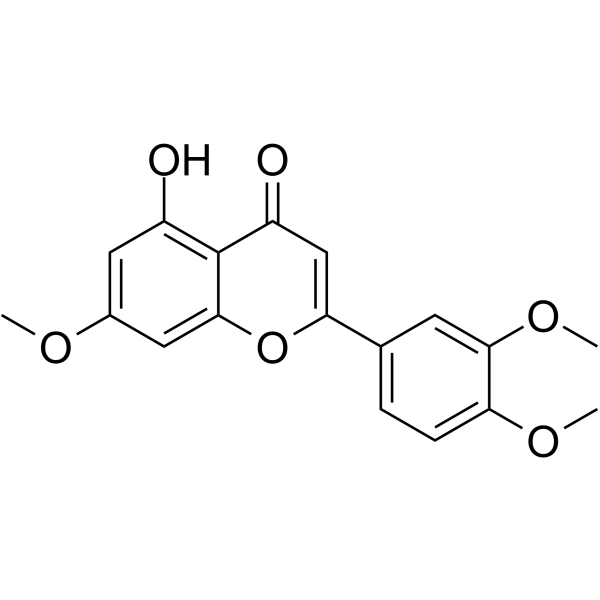
    7,3',4'-Tri-O-methylluteolin (5-Hydroxy-3',4',7-trimethoxyflavone) is a flavonoid with multiple biological activities. 7,3',4'-Tri-O-methylluteolin inhibits soybean lipoxygenase (LOX), with an IC50 value of 23.97 µg/mL. 7,3',4'-Tri-O-methylluteolin possesses anti-inflammatory effects in Lipopolysaccharides (HY-D1056) (LPS)-induced RAW 264.7 macrophages. 7,3',4'-Tri-O-methylluteolin inhibits the binding of MDM2 with p53 and induces apoptosis in MCF-7 breast cancer cells. 7,3',4'-Tri-O-methylluteolin also has antioxidant, antifungal and antitrypanosomal activities sup>[4]sup>[5].
    7,3',4'-Tri-O-methylluteolin
  • HY-34748

    Ethylideneacetone; (3Z)-pent-3-en-2-one

    Biochemical Assay Reagents Endogenous Metabolite Inflammation/Immunology
    3-Penten-2-one (Ethylideneacetone) inhibits nitric oxide production and inducible nitric oxide synthase expression via heme oxygenase-1 induction in RAW264.7 macrophages activated with Lipopolysaccharides (HY-D1056) (LPS) .
    3-Penten-2-one
  • HY-146346

    PROTACs HDAC Inflammation/Immunology
    HD-TAC7 is a potent PROTAC HDAC degrader with IC50 values of 3.6 μM, 4.2 μM and 1.1 μM for HDAC1, HDAC2 and HDAC3, respectively. HD-TAC7 can decreases NF-κB p65 in RAW 264.7 macrophages. HD-TAC7 can be used for the research of inflammatory diseases like asthma and chronic obstructive pulmonary disease (COPD) .
    HD-TAC7
  • HY-D2100

    Fluorescent Dye Others
    Cy5-DSPE is a far-infrared fluorescent phospholipid (λex/λem = 600/665 nm). Cy5-DSPE is used to label liposomes, membranes and lipid nanoparticles, and can be applied to tracking and imaging studies of liposomes .
    Cy5-DSPE
  • HY-N0223

    NO Synthase Prostaglandin Receptor Inflammation/Immunology Endocrinology
    Epibetulinic acid exhibits potent inhibitory effects on NO and prostaglandin E2 (PGE2) production in mouse macrophages (RAW 264.7) stimulated with bacterial endotoxin with IC50s of 0.7 and 0.6 μM, respectively. Anti-inflammatory activity .
    Epibetulinic acid
  • HY-W341547

    Adrenergic Receptor Inflammation/Immunology
    3,4-Dihydro-6,7-isoquinolinediol (compound 7) is a β2-AR agonist with an EC50 of 106.9 μM in CH-K1/GA1S cells. 3,4-Dihydro-6,7-isoquinolinediol can also inhibit the production of NO in mouse macrophage RAW 264.7 cells induced by lipopolysaccharide, showing anti-inflammatory activity .
    3,4-Dihydro-6,7-isoquinolinediol
  • HY-N3364

    Flavivirus Dengue Virus TNF Receptor NF-κB NO Synthase COX JNK p38 MAPK IKK Infection Inflammation/Immunology
    Lucidone, an anti-inflammatory agent that can be isolated from the fruit of Lindera erythrocarpa Makino. Lucidone inhibits LPS-induced NO and PGE2 production in RAW 264.7 mouse macrophages. Lucidone also decreases TNF-α secretion, iNOS and COX-2 expression. Lucidone prevents NF-κB translocation and inhibits JNK and p38MAPK signals. Lucidone also has inhibitory activity against Dengue virus (DENV) (EC50=25 μM) .
    Lucidone
  • HY-N3001
    Isolinderalactone
    1 Publications Verification

    STAT VEGFR Bcl-2 Family Survivin IAP NF-κB Apoptosis Caspase Neurological Disease Inflammation/Immunology Cancer
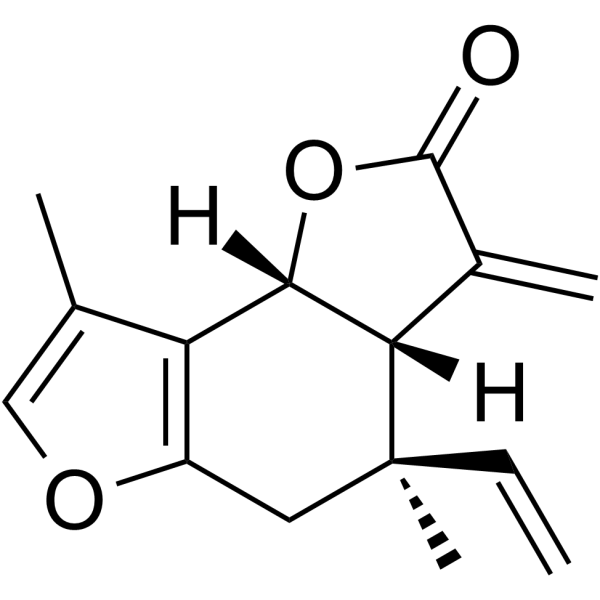
    Isolinderalactone is a sesquiterpene that exhibits anti-cancer, anti-inflammatory, and neuroprotective effects. Isolinderalactone inhibits VEGF expression and tyrosine phosphorylation of VEGFR2. Isolinderalactone decreases viability and induces apoptosis in U-87 glioblastoma (GBM) cells and colorectal cancer (CRC) cells. Isolinderalactone induces G2/M phase cell cycle arrest, ROS generation, pJNK/p38 MAPK activation, in colorectal cancer (CRC) cells. Isolinderalactone blocks LPS (HY-D1056)-induced NF-κB activation while activating Nrf2-HMOX1 signaling in RAW264.7 macrophages. Isolinderalactone improves cognitive dysfunction in APP/PS1 mice. Isolinderalactone can be used for the study of Glioblastoma multiforme (GBM), colorectal cancer, Alzheimer’s disease and acute lung injury .
    Isolinderalactone
  • HY-N12394

    Reactive Oxygen Species (ROS) NO Synthase Inflammation/Immunology
    Norwogonin-8-O-glucuronide is a glucuronide that can be isolated from Scutellaria indica. Norwogonin-8-O-glucuronide has anti-inflammatory activity. Norwogonin-8-O-glucuronide is a flavone glycoside. Norwogonin-8-O-glucuronide inhibits NO production in macrophage RAW264.7 cells with an IC50 above 30 μM .
    Norwogonin-8-O-glucuronide
  • HY-168336

    PPAR Metabolic Disease
    E0924G is an orally active activator for PPARδ with EC50 of 2.82 μM. E0924G promotes the upregulation of osteoprotegerin (OPG) with an EC50 of 0.29 μM. E0924G reduces RANKL-induced osteoclast differentiation and inhibites F-actin ring formation in RAW264.7 macrophages. E0924G regulates the bone density and bone loss in ovariectomized (OVX) and age-related osteoporosis models .
    E0924G
  • HY-N0569R
    Madecassic acid (Standard)
    2 Publications Verification

    Reference Standards NO Synthase COX TNF Receptor Interleukin Related Inflammation/Immunology
    Madecassic acid (Standard) is the analytical standard of Madecassic acid. This product is intended for research and analytical applications. Madecassic acid is isolated from Centella asiatica (Umbelliferae). Madecassic acid has anti-inflammatory properties caused by iNOS, COX-2, TNF-alpha, IL-1beta, and IL-6 inhibition via the downregulation of NF-κB activation in RAW 264.7 macrophage cells .
    Madecassic acid (Standard)
  • HY-W201317

    PPAR Metabolic Disease
    E17241 is an inducer of the expression of ABCA1 that increases the protein levels of ABCA1 in RAW 264.7 macrophages. E17241 is also an agonist of peroxisome proliferator-activated receptors (PPARs ). E17241 decreases plasma glucose levels and body weight in KKAy diabetic mice fed a high-fat and high-glucose (HFHG) diet .
    E17241
  • HY-N8160

    Keap1-Nrf2 Reactive Oxygen Species (ROS) Inflammation/Immunology
    Dehydrocurdione, a zedoary-derived sesquiterpene, induces heme oxygenase (HO)-1, an antioxidative enzyme, in RAW 264.7 macrophages. Dehydrocurdione interacts with Keap1, resulting in Nrf2 translocation followed by activation of the HO-1 E2 enhancer. Dehydrocurdione suppresses lipopolysaccharide-induced NO release, a marker of inflammation. Anti-inflammatory activity .
    Dehydrocurdione
  • HY-169859

    Prostaglandin Receptor Interleukin Related Inflammation/Immunology Cancer
    EP4 receptor antagonist 7 (Compound 14) is an antagonist of the prostaglandin E2 (PGE2) receptor subtype EP4 with an IC50 value of 1.1 nM. EP4 receptor antagonist 7 inhibits PGE2-induced β-arrestin recruitment in HEK293 cells with an IC50 value of 0.9 nM. EP4 receptor antagonist 7 decreases PGE2-induced expression of mRNA encoding IL-4, macrophage mannose receptor 1 (Mrc1), chitinase-like protein 3 (Chil3), chemokine (C-X-C) motif ligand 1 (Cxcl1), triggering receptor expressed on myeloid cells 2 (Trem2), and arginase-1 (Arg1), in RAW 264.7 macrophages. EP4 receptor antagonist 7 combined with an anti-PD-1 antibody inhibits tumor growth and increases infiltration of CD 8+ T cells into tumors in a CT26 murine colon cancer model .
    EP4 receptor antagonist 7
  • HY-B0386R

    Reference Standards COX Inflammation/Immunology
    Flunixin (meglumine) (Standard) is the analytical standard of Flunixin (meglumine). This product is intended for research and analytical applications. Flunixin meglumine is a cyclooxygenase (COX) inhibitor with IC50 values of 0.55 and 3.24 μM for COX-1 and COX-2, respectively. Flunixin meglumine shows anti-inflammatory effects .
    Flunixin meglumine (Standard)
  • HY-146066A

    nAChR JAK STAT NO Synthase Others
    (R)-α7 nAchR-JAK2-STAT3 agonist 1 is the R-enantiomer of α7 nAchR-JAK2-STAT3 agonist 1 (HY-146066). α7 nAchR-JAK2-STAT3 agonist 1 is a potent α7 nAchR-JAK2-STAT3 agonist, with an IC50 value of 0.32 μM for nitric oxide (NO). α7 nAchR-JAK2-STAT3 agonist 1 effectively suppresses the expression of iNOS, IL-1β, and IL-6 in murine RAW264.7 macrophages. α7 nAchR-JAK2-STAT3 agonist 1 can inhibit LPS-induced NO release, NF-κB activation and cytokine production. α7 nAchR-JAK2-STAT3 can be used for researching sepsis .
    (R)-α7 nAchR-JAK2-STAT3 agonist 1
  • HY-N2838

    NO Synthase Inflammation/Immunology
    Alismol is a natural sesquiterpene. Alismol shows promising inhibitory effects on INF-γ-induced nitric oxide production in murine macrophage RAW264.7 cells .
    Alismol
  • HY-N1912

    Others Cancer
    Andropanolide is a natural product that exerts cytotoxicity toward carcinoma cells and significantly inhibits the overproduction of nitric oxide (NO) in Lipopolysaccharides (HY-D1056) (LPS)-stimulated RAW264.7 macrophages .
    Andropanolide
  • HY-129151

    TNF Receptor Inflammation/Immunology
    Ganoderic acid C1, a natural compound that could be isolated from G. lucidum, suppresses TNF-α production by murine macrophages (RAW 264.7 cells) .
    Ganoderic acid C1
  • HY-N12283

    NF-κB Inflammation/Immunology
    NF-κB-IN-13 (compound 12) can significantly inhibit LPS-induced NF-κB activation and NO production in RAW264.7 macrophages. NF-κB-IN-13 has anti-inflammatory effects .
    NF-κB-IN-13
  • HY-N7422

    ent-Kauran-16β,17-diol

    Apoptosis Inflammation/Immunology Cancer
    Kauran-16,17-diol (ent-Kauran-16β,17-diol), a natural diterpene, posseses anti-tumor and inducing-apoptosis activity, with a IC50 of 17 μM on inhibiting NO production in LPS-stimulated RAW 264.7 macrophages .
    Kauran-16,17-diol
  • HY-N10297

    Others Inflammation/Immunology
    Curindolizine, indolizine alkaloid , displays an anti-inflammatory action in lipopolyssacharide (LPS)-induced RAW 264.7 macrophages with an IC50 value of 5.31 μM .
    Curindolizine
  • HY-N17239

    TNF Receptor Interleukin Related NO Synthase Inflammation/Immunology
    Oleracone is a type of alkaloid that can be found in Portulaca oleracea L.. Oleracone exhibits a significant anti-inflammatory effect in the RAW 264.7 macrophage model induced by LPS (HY-D1056), capable of inhibiting NO production and significantly suppressing the secretion of pro-inflammatory cytokines TNF-α, IL-6, and prostaglandin E₂ (PGE₂). Oleracone can be used for the study of inflammatory diseases .
    Oleracone
  • HY-13982R

    NF-κB Metabolic Disease Inflammation/Immunology Cancer
    JSH-23 (Standard) is the analytical standard of JSH-23. This product is intended for research and analytical applications. JSH-23 is an NF-κB inhibitor which inhibits NF-κB transcriptional activity with an IC50 of 7.1 μM in lipopolysaccharide (LPS)-stimulated macrophages RAW 264.7. JSH-23 inhibits nuclear translocation of NF-κB p65 without affecting IκBα degradation .
    JSH-23 (Standard)
  • HY-129113R

    Reference Standards COX Inflammation/Immunology
    α-Chaconine (Standard) is the analytical standard of α-Chaconine. This product is intended for research and analytical applications. α-Chaconine inhibits the expressions of COX-2, IL-1β, IL-6, and TNF-α at the transcriptional level. α-Chaconine inhibits the LPS-induced expressions of iNOS and COX-2 at the protein and mRNA levels and their promoter activities in RAW 264.7 macrophages. Anti-inflammatory effects .
    α-?Chaconine (Standard)
  • HY-N10156

    Na+/H+ Exchanger (NHE) Phosphodiesterase (PDE) NO Synthase Inflammation/Immunology
    1,3,5-Trihydroxy-4-prenylxanthone is a Na +/H + exchange system inhibitor with a minimum inhibitory concentration of 10 μg/mL . 1,3,5-Trihydroxy-4-prenylxanthone is a phosphodiesterase type 5 (PDE5) inhibitor with an IC50 value of 3.0 μM . 1,3,5-Trihydroxy-4-prenylxanthone inhibits Lipopolysaccharide (LPS) (HY-D1056)-induced NO production in RAW264.7 macrophages, and has anti-inflammatory activities .
    1,3,5-Trihydroxy-4-prenylxanthone
  • HY-168935

    NO Synthase TNF Receptor Interleukin Related Inflammation/Immunology
    Anti-inflammatory agent 95 (Compound 2e) is an anti-inflammatory agent that exhibits the most potent anti-inflammatory activity in LPS (HY-D1056)-induced RAW 264.7 mouse macrophages. It significantly inhibits the production of NO, with an IC50 of 8.8 μM, and reduces the secretion of TNF-α and IL-1β, with inhibition rates reaching 60% and over 90%, respectively, at a concentration of 100 μM. Anti-inflammatory agent 95 holds promise for research in the field of inflammatory diseases .
    Anti-inflammatory agent 95
  • HY-153330

    Interleukin Related TNF Receptor Inflammation/Immunology
    TNF-α-IN-10 (compound 8a) is a IL-6 and TNF-α inhibitor. TNF-α-IN-10 shows anti-inflammatory activity .
    TNF-α-IN-10
  • HY-W573700

    Others Others
    Methyl everninate is the major constituent of the deuterochloroform. Methyl everninate, rhodomollosides A and B are the derivatives of Methyl everninate, with cytotoxicity against RAW264.7 cells. Both of they shows inhibitory effects with a lipopolysaccharide (LPS)-stimulated murine macrophages RAW 264.7 cells model .
    Methyl everninate
  • HY-N10114

    Others Inflammation/Immunology
    Hyperectumine exhibits moderate anti-inflammatory activity via suppression of LPS-activated inflammatory mediators in RAW 264.7 macrophage cells.
    Hyperectumine
  • HY-N11548

    NO Synthase Inflammation/Immunology
    Inflexuside A, an abietane diterpenoid, can be isolated from the aerial parts of Isodon inflexus. Inflexuside B strongly inhibits lipopolysaccharide (LPS)-activated NO production (NO Synthase) in RAW264.7 macrophages .
    Inflexuside A
  • HY-N11544

    NO Synthase Inflammation/Immunology
    Inflexuside B, an abietane diterpenoid, can be isolated from the aerial parts of Isodon inflexus. Inflexuside B strongly inhibits lipopolysaccharide (LPS)-activated NO Synthase in RAW264.7 macrophages .
    Inflexuside B
  • HY-N10865

    NO Synthase Inflammation/Immunology
    Chloranthalactone E (compound 6), a labdane diterpene, can be isolated from the aerial parts of Chloranthus serratus. Chloranthalactone E inhibits NO production in LPS-activated RAW 264.7 macrophages .
    Chloranthalactone E
  • HY-N11570

    Others Inflammation/Immunology
    Phaeocaulisin E (Compound 5) is a guaiane-type sesquiterpene that inhibits LPS HY-(HY-D1056)-induced NO production in RAW 264.7 macrophages with an IC50 of 10.3 μM .
    Phaeocaulisin E

온라인 문의

Your information is safe with us. * Required Fields.

호칭


Country or Region *

고객명 *


회사명 *

Department *


메일주소 *


상품명 *

Cat. No.


Requested quantity *

전화번호 *


비고

온라인 문의

Inquiry Information

상품명:
Cat. No.:
수량:
MCE Japan Authorized Agent:

