83 Results for "

antioxidant gene expression

" in MedChemExpress (MCE) Product Catalog:
Products (83)

83 Results for "antioxidant gene expression" in MCE Product Catalog:

644
644 Publications Verification
Cat. No.: HY-100523
CAS No.: 846557-71-9
Purity:  99.96%
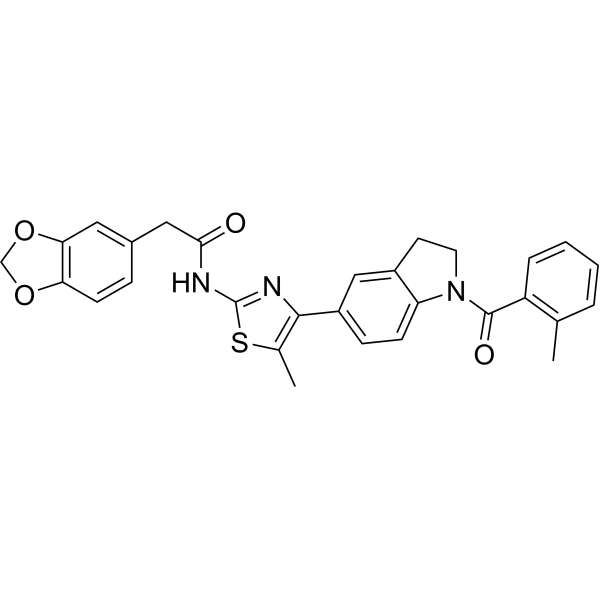
ML385 is a potent and selective Nrf2 inhibitor with an IC50 of 1.9 μM. ML385 directly binds to the Neh1 domain of NRF2, interferes with the binding of the MAFG-NRF2 protein complex to the antioxidant response element (ARE) DNA sequence, thereby blocking the expression of downstream target genes of NRF2. ML385 can be used in studies related to adult T-cell leukemia, breast cancer, myocardial ischemia/reperfusion injury, non-small cell lung cancer, esophageal squamous cell carcinoma, head and neck squamous cell carcinoma, and lung squamous cell carcinoma .
loading...
    loading...
65
65 Cited Publications
Cat. No.: HY-17363
CAS No.: 624-49-7
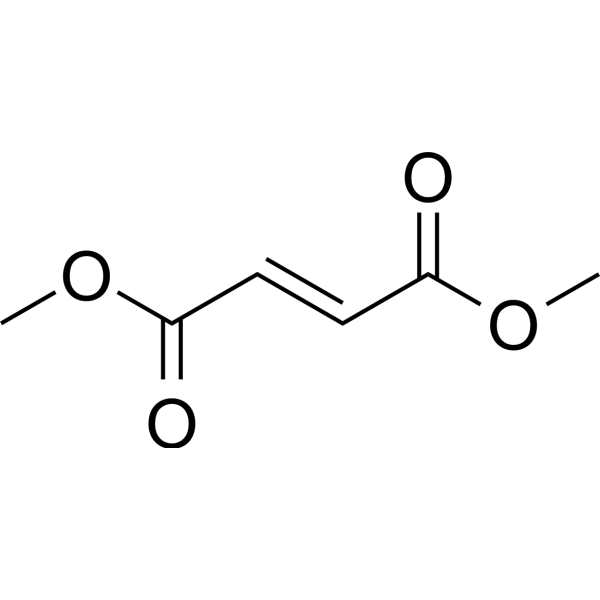
Dimethyl fumarate (DMF) is an orally active and brain-penetrant Nrf2 activator and induces upregulation of antioxidant gene expression. Dimethyl fumarate induces necroptosis in colon cancer cells through GSH depletion/ROS increase/MAPKs activation pathway, and also induces cell autophagy. Dimethyl fumarate can be used for multiple sclerosis research .
loading...
    loading...
23
23 Cited Publications
Cat. No.: HY-101140
CAS No.: 1799974-70-1
Purity:  98.67%
Research Areas:  

Inflammation/Immunology

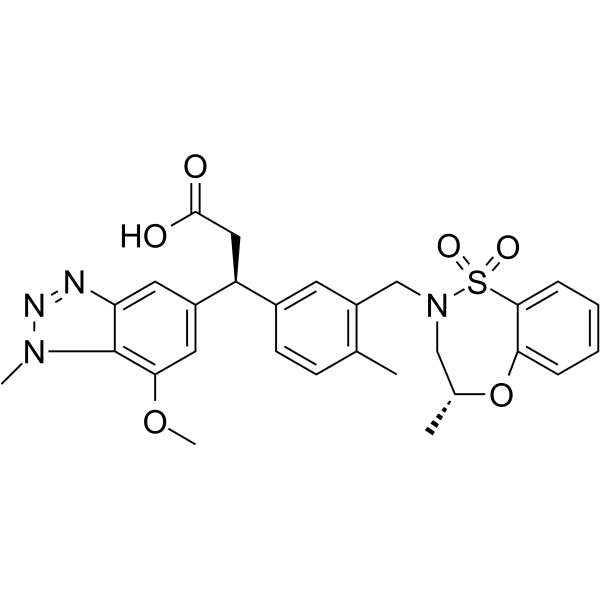
KI696 is a selective KEAP1/NRF2 protein-protein interaction inhibitor with a human Kd value of 1.3 nM. KI696 acts by competitively occupying the NRF2-binding pocket of the KEAP1 Kelch domain. KI696 blocks KEAP1-mediated ubiquitination and degradation of NRF2, promotes the translocation of NRF2 to the nucleus, activates the expression of downstream antioxidant genes, increases intracellular glutathione levels, and alleviates oxidative stress-induced cell damage and inflammatory cell infiltration in the lungs. KI696 reduces ozone-induced pulmonary oxidative damage and inflammatory cell accumulation in rats, and upregulates pulmonary antioxidant genes. KI696 can be used in research related to chronic obstructive pulmonary disease, oxidative stress and inflammation .
loading...
    loading...
22
22 Cited Publications
Cat. No.: HY-113324
CAS No.: 53-57-6
Purity:  99.49%
NADPH is a coenzyme of glutathione reductase (GR), thioredoxin reductase (TrxR) and NADPH oxidase (NOX), and participates in redox reactions as a hydrogen donor. NADPH has the characteristic of selectively participating in the regulation of cellular redox homeostasis. NADPH exerts antioxidant activity and resists reactive oxygen species (ROS) damage by providing reducing equivalents for the regeneration of glutathione (GSH) and thioredoxin (Trx); at the same time, it acts as a substrate of NOX to generate superoxide anions, mediating oxidative stress and immune response. NADPH participates in maintaining the intracellular reducing environment, biosynthesis and regulating gene expression (such as the Nrf2 pathway), and is mainly used in the study of oxidative stress-related diseases (such as cardiovascular diseases, neurodegenerative diseases, cancer) and immune regulation mechanisms .
loading...
    loading...
20
20 Cited Publications
Cat. No.: HY-B1776
CAS No.: 124-20-9
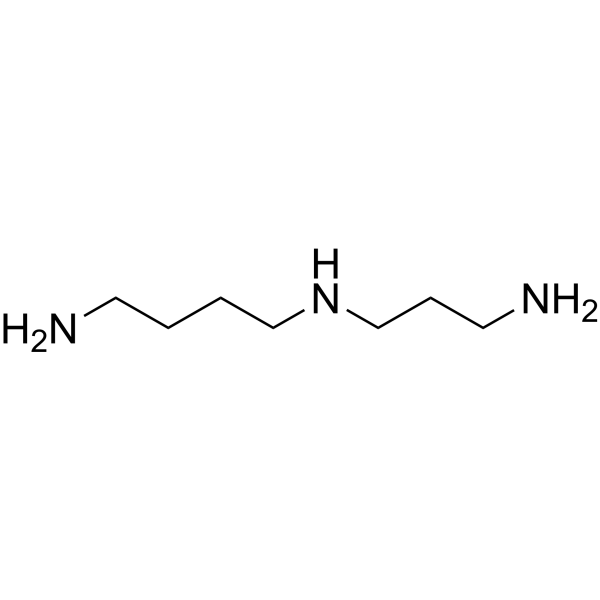
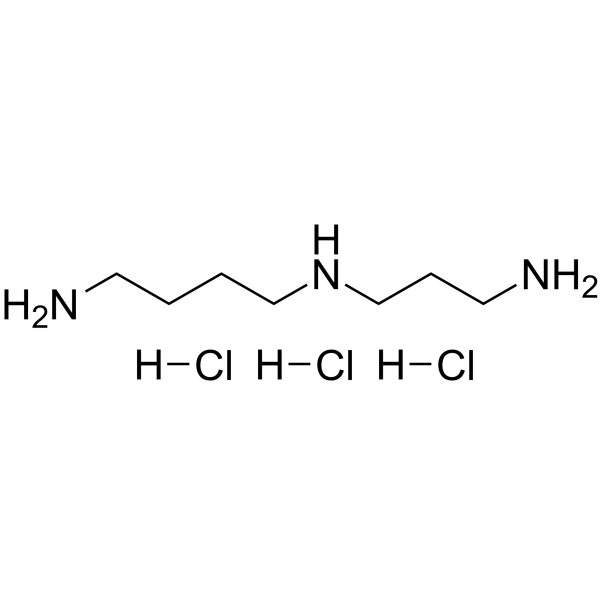
Spermidine maintains cell membrane stability, increases antioxidant enzymes activities, improving photosystem II (PSII), and relevant gene expression. Spermidine significantly decreases the H2O2 and O2 .- contents .
loading...
    loading...
20
20 Cited Publications
Cat. No.: HY-B1776A
CAS No.: 334-50-9
Spermidine hydrochloride maintains cell membrane stability, increases antioxidant enzymes activities, improving photosystem II (PSII), and relevant gene expression. Spermidine hydrochloride significantly decreases the H2O2 and O2 .- contents .
loading...
    loading...
8
8 Cited Publications
Cat. No.: HY-P1934
CAS No.: 14705-60-3
Synonyms: Cyclo(phenylalanylprolyl); A-64863
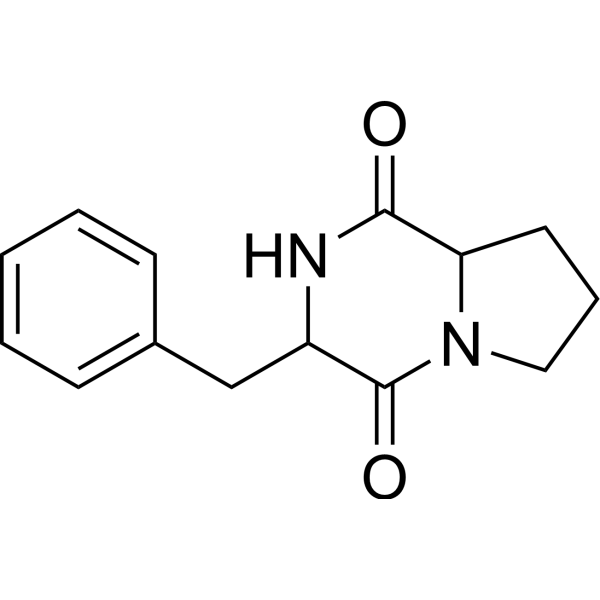
Cyclo(Phe-Pro) (Cyclo(phenylalanylprolyl)) is a quorum-sensing molecule of Vibrio vulnificus that specifically interacts with RIG-I, inhibiting RIG-I polyubiquitination, suppressing IRF-3 activation, and reducing type I interferon production. Cyclo(Phe-Pro) enhances susceptibility to HCV and influenza virus and also alleviates plant aluminum toxicity stress. The mechanism of Cyclo(Phe-Pro) involves the regulation of host immune signaling pathways, bacterial virulence gene expression, and plant antioxidant systems, making it a promising candidate for research in viral infections, bacterial virulence regulation, and agricultural stress resistance .
loading...
    loading...
7
7 Cited Publications
Cat. No.: HY-113298
CAS No.: 498-23-7
Purity:  98.73%
Synonyms: Methylmaleic acid; Citraconate
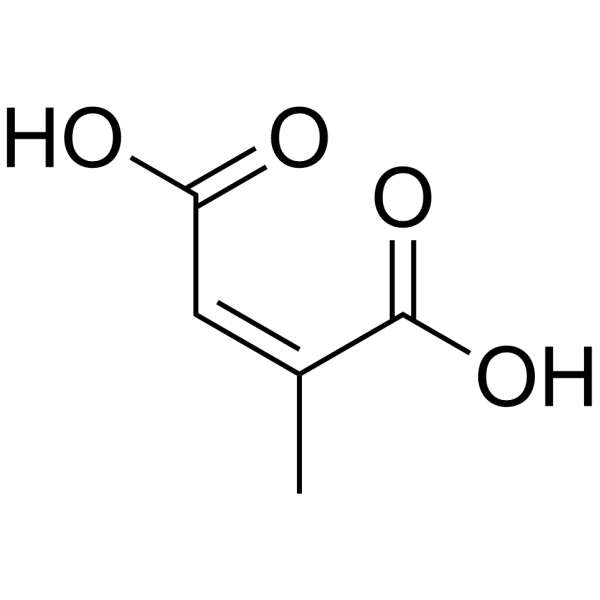
Citraconic acid (Methylmaleic acid) is an orally active inhibitor targeting the NLRP3 inflammasome and Keap1-Nrf2 pathway. Citraconic acid reduces reactive oxygen species (ROS) generation by inhibiting succinate dehydrogenase (SDH) activity. Citraconic acid also modifies the conformation of Keap1 protein, relieves its inhibition of Nrf2, promotes antioxidant gene expression, and inhibits NLRP3 activation and the release of pro-inflammatory factors such as IL-1β and IL-18. Citraconic acid has anti-inflammatory and antioxidant activities, can reduce oxidative stress and cell pyroptosis, improve tissue damage, and can be used for the research of inflammation-related diseases such as acute renal ischemia-reperfusion injury. Citraconic acid is an isomer of Itaconic acid (HY-Y052) .
loading...
    loading...
2
2 Cited Publications
Cat. No.: HY-13755A
CAS No.: 142825-10-3
Purity:  99.48%
Synonyms: L-Sulforaphane
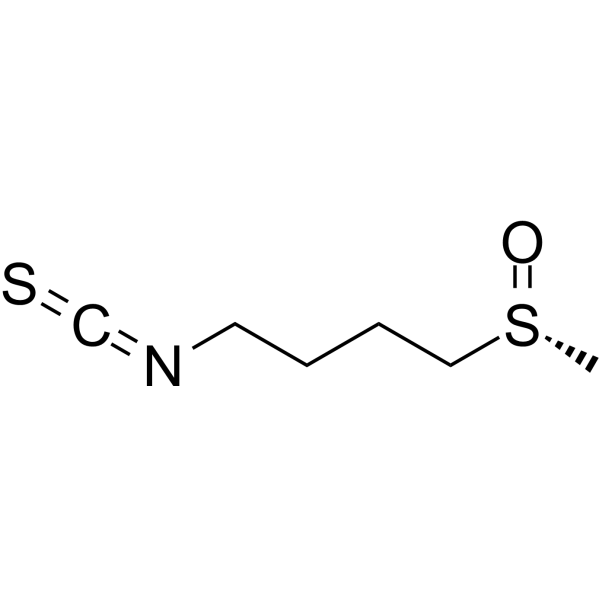
(R)-Sulforaphane (L-Sulforaphane) is a orally active, potent inducer of the Keap1/Nrf2/ARE pathway, exhibiting antioxidant and anticancer activities. (R)-Sulforaphane primarily functions by upregulating phase II detoxifying enzymes in cells, aiding in the removal of carcinogens and combating oxidative stress. (R)-Sulforaphane is capable of modulating gene expression, influencing various signaling pathways, including Nrf2, NF-κB, and AP-1. (R)-Sulforaphane can be used in studies of tumor biology, antioxidant defense mechanisms, as well as inflammation and immune responses .
loading...
    loading...
2
2 Cited Publications
Cat. No.: HY-N1970
CAS No.: 31721-94-5
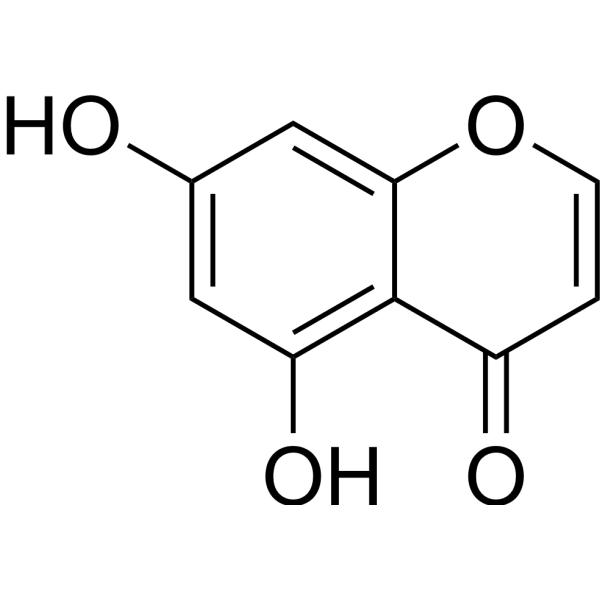
5,7-Dihydroxychromone is a flavonoid compound with antioxidant properties. 5,7-Dihydroxychromone induces Nrf2 nuclear translocation, increases Nrf2/ARE binding activity, and up-regulates Nrf2-dependent antioxidant genes HO-1, NQO1, GCLc. 5,7-Dihydroxychromone attenuates excessive ROS generation, inhibits activated caspase-3, caspase-9, cleaved PARP expression, and prevents neuronal apoptosis and cell death. 5,7-Dihydroxychromone increases LXRα and PPARγ mRNA expression, induces preadipocyte differentiation, and regulates blood glucose levels. 5,7-Dihydroxychromone inhibits radial growth of soil pathogenic fungi, radicle elongation of select seedlings, and transiently inhibits Bradyrhizobium sp. growth in high mannitol medium. 5,7-Dihydroxychromone can be used for the research of Parkinson’s disease, type 2 diabetes mellitus and pathogenic fungal infection .
loading...
    loading...
2
2 Cited Publications
Cat. No.: HY-110084
CAS No.: 99420-15-2
Purity:  99.69%
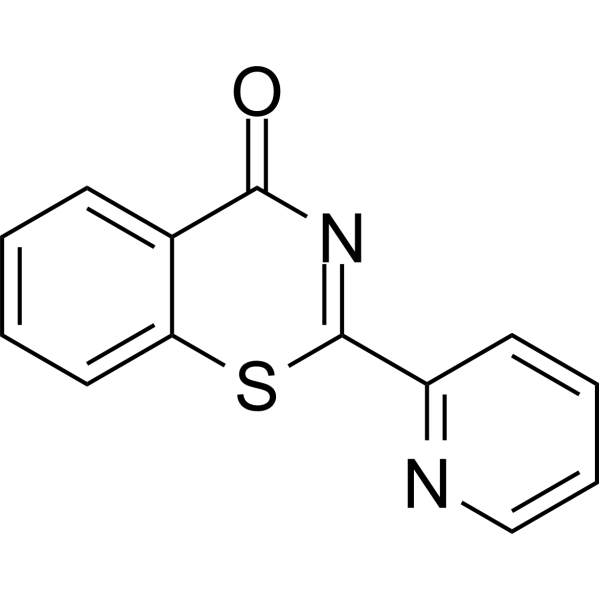
BTZO-1, a chemical probe, binds to Macrophage migration inhibitory factor (MIF) with a Kd value of 68.6 nM, and its binding requires the N-terminal Pro1. BTZO-1 can activate antioxidant response element (ARE)-mediated gene expression and suppress oxidative stress-induced cardiomyocyte apoptosis in vitro .
loading...
    loading...
1
1 Cited Publications
Cat. No.: HY-B1776R
CAS No.: 124-20-9
Spermidine (Standard) is the analytical standard of Spermidine. This product is intended for research and analytical applications. Spermidine maintains cell membrane stability, increases antioxidant enzymes activities, improving photosystem II (PSII), and relevant gene expression. Spermidine significantly decreases the H2O2 and O2.- contents .
loading...
    loading...
1
1 Cited Publications
Cat. No.: HY-B1776AS1
CAS No.: 1313734-84-7
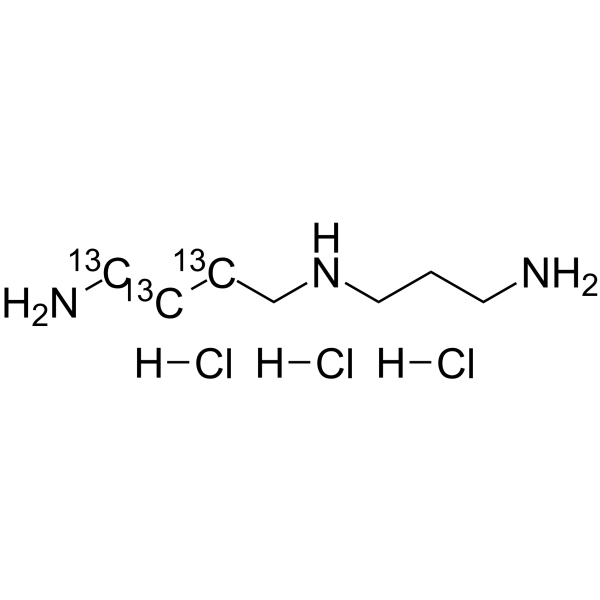
Spermidine- 13C4 (hydrochloride) is the 13C-labeled Spermidine trihydrochloride. Spermidine hydrochloride maintains cell membrane stability, increases antioxidant enzymes activities, improving photosystem II (PSII), and relevant gene expression. Spermidine hydrochloride significantly decreases the H2O2 and O2.- contents .
loading...
    loading...
1
1 Cited Publications
Cat. No.: HY-113474
CAS No.: 775-01-9
Purity:  98.56%
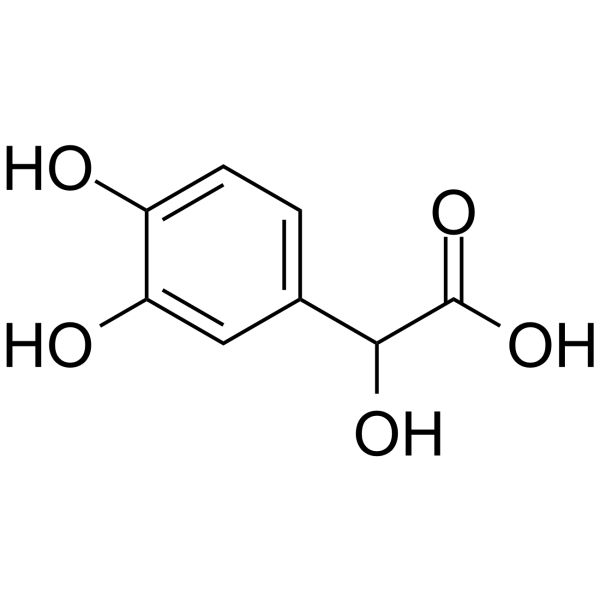
3,4‑Dihydroxymandelic acid is a metabolite of Norepinephrine (HY-13715) with free radical scavenging and antioxidant activities. 3,4-Dihydroxymandelic acid acts as a chemoattractant for enterohaemorrhagic Escherichia coli (EHEC), regulates virulence gene expression and bacterial adhesion to intestinal epithelial cells in a QseC-dependent manner, and targets EHEC to preferred infection sites. 3,4‑Dihydroxymandelic acid can be used in studies related to oxidative stress and enterohaemorrhagic Escherichia coli infection .
loading...
    loading...
1
1 Cited Publications
Cat. No.: HY-B1776S
CAS No.: 2514812-10-1
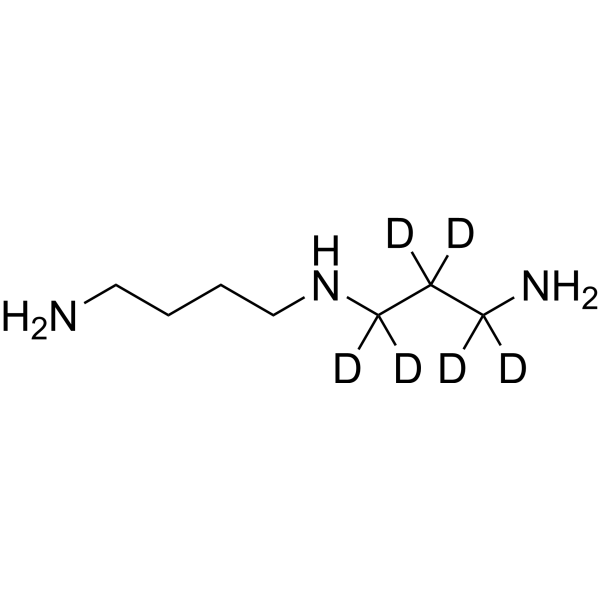
Spermidine-d6 is the deuterium labeled Spermidine . Spermidine maintains cell membrane stability, increases antioxidant enzymes activities, improving photosystem II (PSII), and relevant gene expression. Spermidine significantly decreases the H2O2 and O2.- contents .
loading...
    loading...
1
1 Cited Publications
Cat. No.: HY-151362
CAS No.: 1928782-31-3
Purity:  98.08%
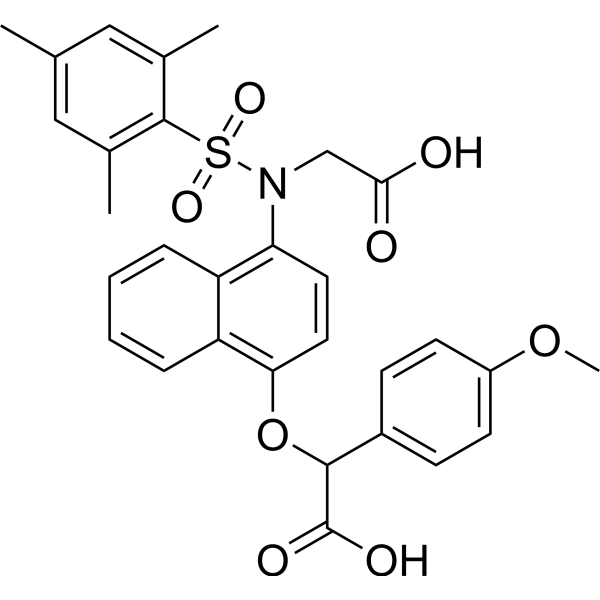
Keap1-Nrf2-IN-14 (compound 20c) is a KEAP1-NRF2 inhibitor that effectively disrupts the KEAP1-NRF2 interaction (IC50=75 nM) with a Kd value of 24 nM for KEAP1. Keap1-Nrf2-IN-14 induces the expression of NRF2 target genes and enhances the downstream antioxidant and anti-inflammatory activities. Keap1-Nrf2-IN-14 can be used in the study of oxidative stress-related inflammation .
loading...
    loading...
1
1 Cited Publications
Cat. No.: HY-N3027
CAS No.: 117230-33-8
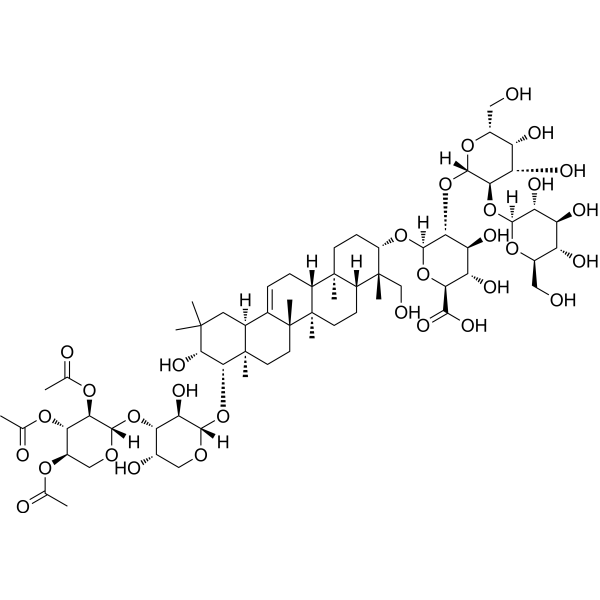
Soyasaponin Aa is a soyasaponin that can be found in soy. Soyasaponin Aa suppresses PPARγ transcriptional activity, reduces PPARγ and C/EBPα expression, inhibits adipocyte differentiation and lipid accumulation, and reduces adipogenic marker gene expression. Soyasaponin Aa reduces hydrogen peroxide-induced reactive oxygen species (ROS) production and malondialdehyde levels. Soyasaponin Aa exhibits cellular antioxidant activity. Soyasaponin Aa can be used for the research of obesity .
loading...
    loading...
1
1 Cited Publications
Cat. No.: HY-N3377
CAS No.: 573-44-4
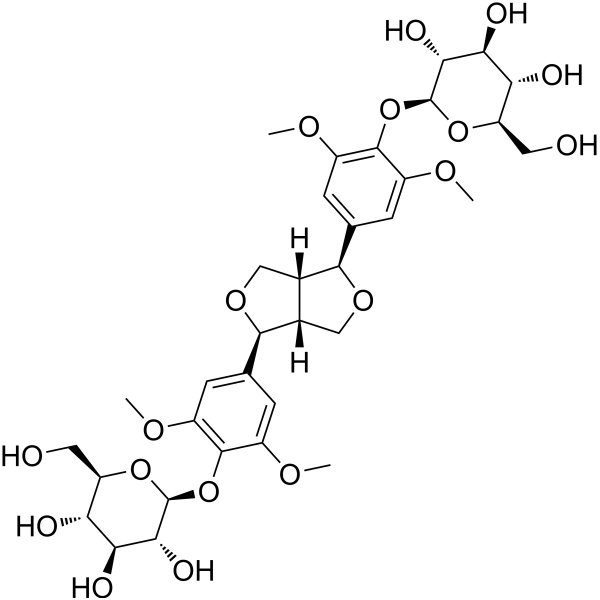
Liriodendrin is an orally effective lignan compound with anti-inflammatory, antioxidant, and anti-platelet aggregation activities. Liriodendrin is isolated and extracted from Sargentodoxae caulis and Linaria vulgaris. Liriodendrin regulates the expression of genes related to inflammation and cellular metabolism by inhibiting the NF-κB, PI3K/Akt, and TLR4 signaling pathways, or by activating the PI3K-DDX18 pathway. Liriodendrin increases the expression of HSF1 and HSP27 without cytotoxicity. Liriodendrin is used in studies on ulcerative colitis, myocardial ischemia-reperfusion injury, sepsis-induced acute lung injury, and chronic endometritis .
loading...
    loading...
1
1 Cited Publications
Cat. No.: HY-W754777
CAS No.: 68054-73-9
Research Areas:  

Others

IPPD-Q is a p-phenylenediamine quinone and also Environmental pollutant. IPPD-Q can be present in tires, fine particulate matter and urban water bodies. IPPD-Q increases the activities of antioxidant enzymes (SOD, CAT), alters photosynthesis and energy metabolism pathways, and changes gene expression and metabolic profiles. IPPD-Q exhibits phytotoxic effects. IPPD-Q shows acute toxicity to zebrafish embryos and reduces their survival rate .
loading...
    loading...
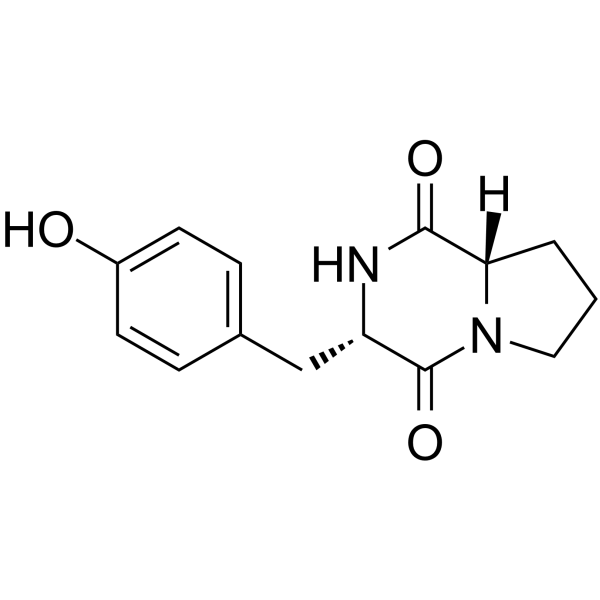
Cat. No.: HY-P1940
CAS No.: 4549-02-4
Synonyms: Cyclo(Tyr-Pro)
Maculosin (Cyclo (Tyr-Pro)) is a host-specific phytotoxin for spotted knapweed from Alternaria alternata. Maculosin is a quorum-sensing molecule involved in cell-cell communication. Maculosin also acts as a signaling molecule regulating virulence gene expression. Maculosin shows antimicrobial, antifungal, antioxidant and anti-cancer properties .Maculosin (Cyclo (Tyr-Pro)) is a host-specific phytotoxin for spotted knapweed from Alternaria alternata. Maculosin is a quorum-sensing molecule involved in cell-cell communication. Maculosin also acts as a signaling molecule regulating virulence gene expression. Maculosin shows antimicrobial, antifungal, antioxidant and anti-cancer properties .
loading...
    loading...

