123 Results for "

beta-oxidation

" in MedChemExpress (MCE) Product Catalog:
Products (123)

123 Results for "beta-oxidation" in MCE Product Catalog:

153
153 Publications Verification
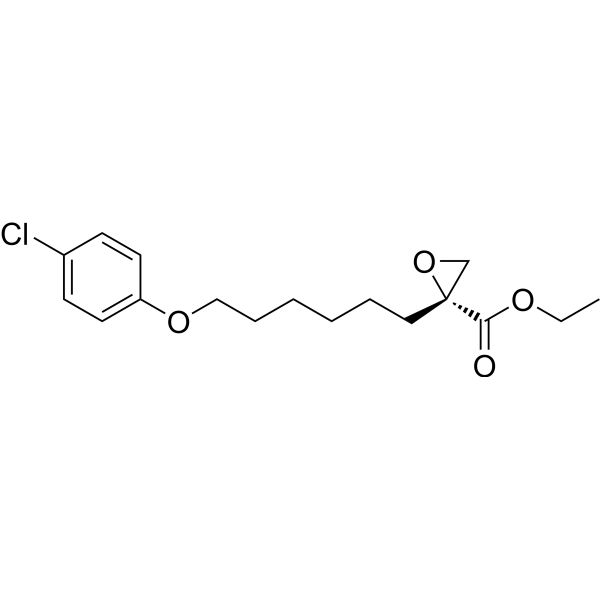
Cat. No.: HY-50202
CAS No.: 124083-20-1
Synonyms: (R)-(+)-Etomoxir
Etomoxir ((R)-(+)-Etomoxir) is an irreversible inhibitor of carnitine palmitoyltransferase 1a (CPT-1a), inhibits fatty acid oxidation (FAO) through CPT-1a and inhibits palmitate β-oxidation in human, rat and guinea pig.
loading...
    loading...
153
153 Publications Verification
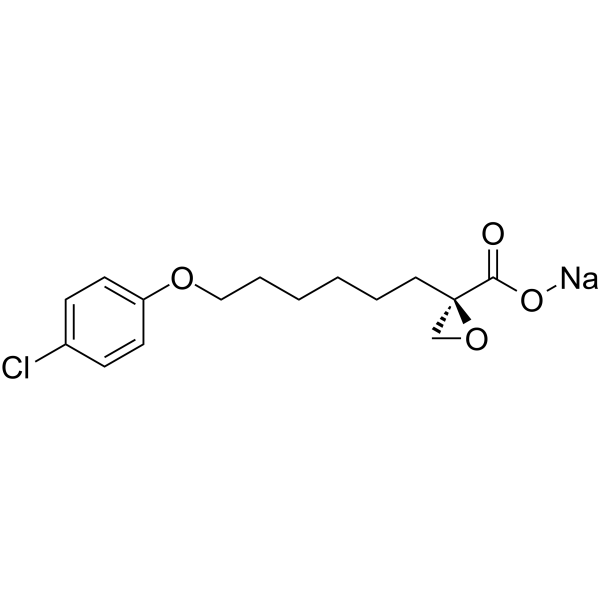
Cat. No.: HY-50202A
CAS No.: 828934-41-4
Synonyms: (R)-(+)-Etomoxir sodium salt
Etomoxir((R)-(+)-Etomoxir) sodium salt is an irreversible inhibitor of carnitine palmitoyltransferase 1a (CPT-1a), inhibits fatty acid oxidation (FAO) through CPT-1a and inhibits palmitate β-oxidation in human, rat and guinea pig .
loading...
    loading...
22
22 Cited Publications
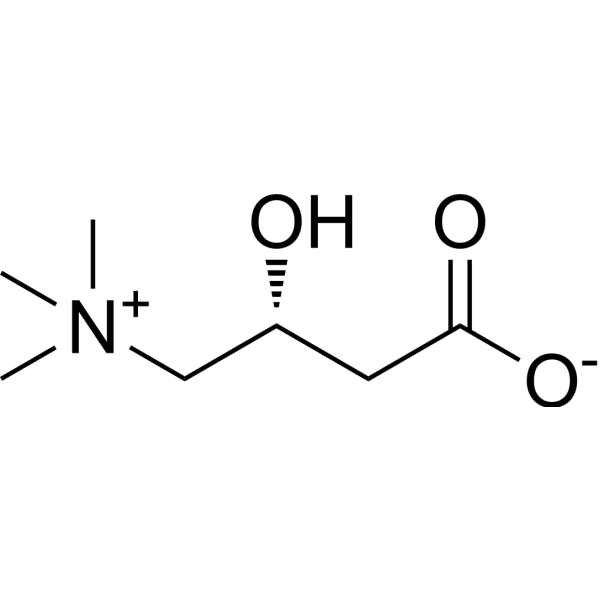
Cat. No.: HY-B0399
CAS No.: 541-15-1
Synonyms: (R)-Carnitine; Levocarnitine
L-Carnitine ((R)-Carnitine), a highly polar, small zwitterion, is an essential co-factor for the mitochondrial β-oxidation pathway. L-Carnitine functions to transport long chain fatty acyl-CoAs into the mitochondria for degradation by β-oxidation. L-Carnitine is an antioxidant. L-Carnitine can ameliorate metabolic imbalances in many inborn errors of metabolism .
loading...
    loading...
22
22 Cited Publications
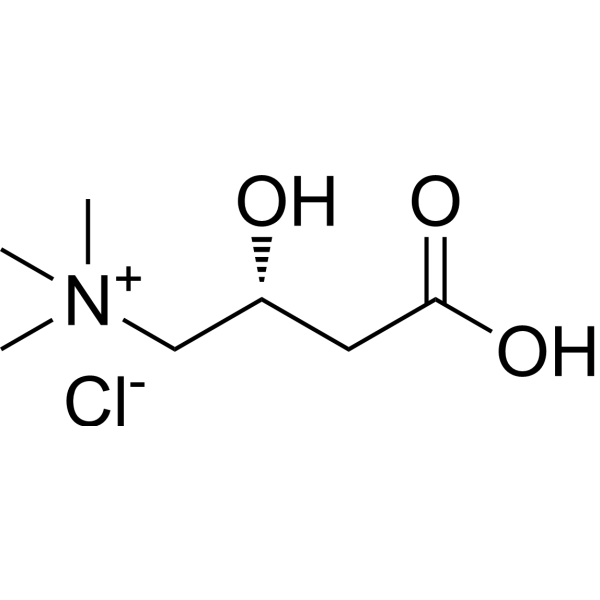
Cat. No.: HY-B2246
CAS No.: 6645-46-1
Synonyms: (R)-Carnitine hydrochloride; Levocarnitine hydrochloride
L-Carnitine hydrochloride ((R)-Carnitine hydrochloride), a highly polar, small zwitterion, is an essential co-factor for the mitochondrial β-oxidation pathway. L-Carnitine hydrochloride functions to transport long chain fatty acyl-CoAs into the mitochondria for degradation by β-oxidation. L-Carnitine hydrochloride is an antioxidant. L-Carnitine hydrochloride can ameliorate metabolic imbalances in many inborn errors of metabolism .
loading...
    loading...
22
22 Cited Publications
Cat. No.: HY-W105518
CAS No.: 36687-82-8
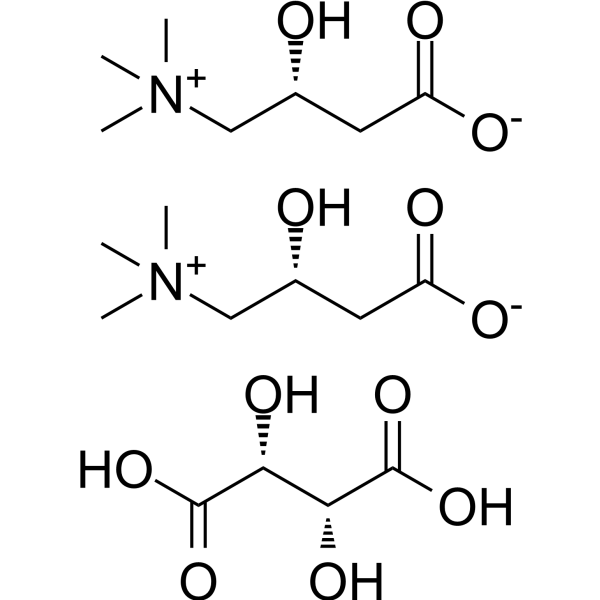
L-Carnitine tartrate is a highly polar, small zwitterion. L-Carnitine tartrate is an essential co-factor for the mitochondrial β-oxidation pathway. L-Carnitine tartrate functions to transport long chain fatty acyl-CoAs into the mitochondria for degradation by β-oxidation. L-Carnitine tartrate is an antioxidant. L-Carnitine tartrate can ameliorate metabolic imbalances in many inborn errors of metabolism [3] .
loading...
    loading...
19
19 Cited Publications
Cat. No.: HY-B0968A
CAS No.: 5011-34-7
Target:  

Autophagy

Research Areas:  

Cardiovascular Disease

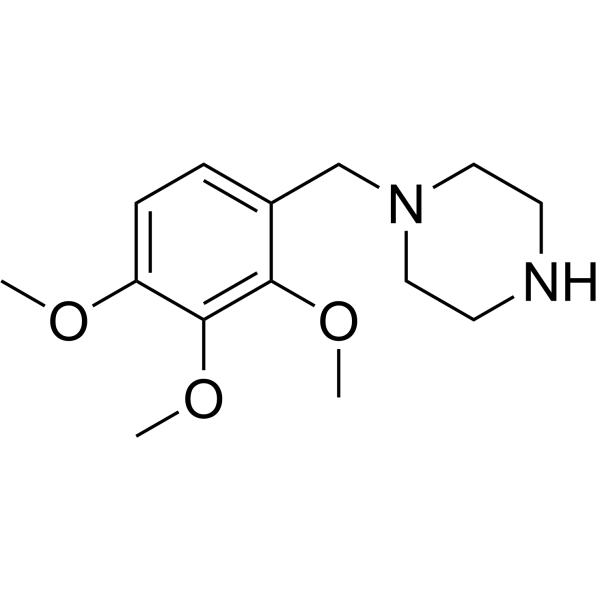
Trimetazidine is a selective long chain 3-ketoyl coenzyme A thiolase inhibitor with an IC50 of 75 nM, which can inhibit β-oxidation of free fatty acid (FFA). Trimetazidine is an effective antianginal agent and a cytoprotective agent, has anti-oxidant, anti-inflammatory, antinociceptive and gastroprotective properties. Trimetazidine triggers autophagy. Trimetazidine is also a 3-hydroxyacyl-CoA dehydrogenase (HADHA) inhibitor .
loading...
    loading...
19
19 Cited Publications
Cat. No.: HY-B0968
CAS No.: 13171-25-0
Target:  

Autophagy

Research Areas:  

Cardiovascular Disease

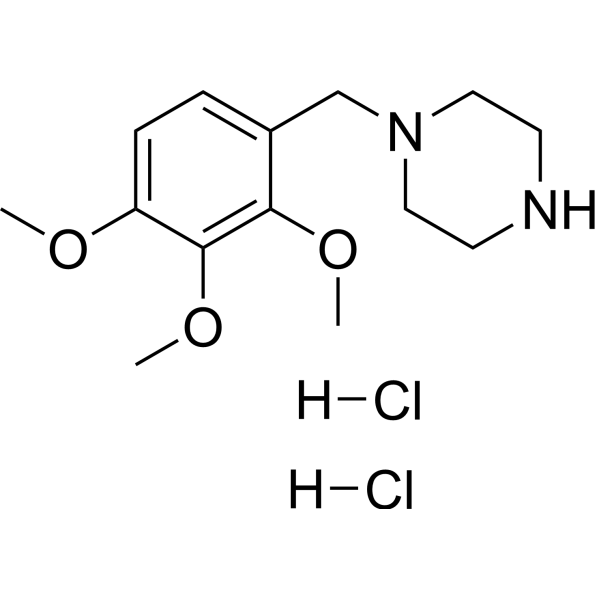
Trimetazidine dihydrochloride is a selective long chain 3-ketoyl coenzyme A thiolase inhibitor with an IC50 of 75 nM, which can inhibit β-oxidation of free fatty acid (FFA). Trimetazidine dihydrochloride is an effective antianginal agent and a cytoprotective agent, has anti-oxidant, anti-inflammatory, antinociceptive and gastroprotective properties. Trimetazidine dihydrochloride triggers autophagy. Trimetazidine dihydrochloride is also a 3-hydroxyacyl-CoA dehydrogenase (HADHA) inhibitor .
loading...
    loading...
11
11 Cited Publications
Cat. No.: HY-F0001
CAS No.: 606-68-8
Synonyms: Disodium NADH
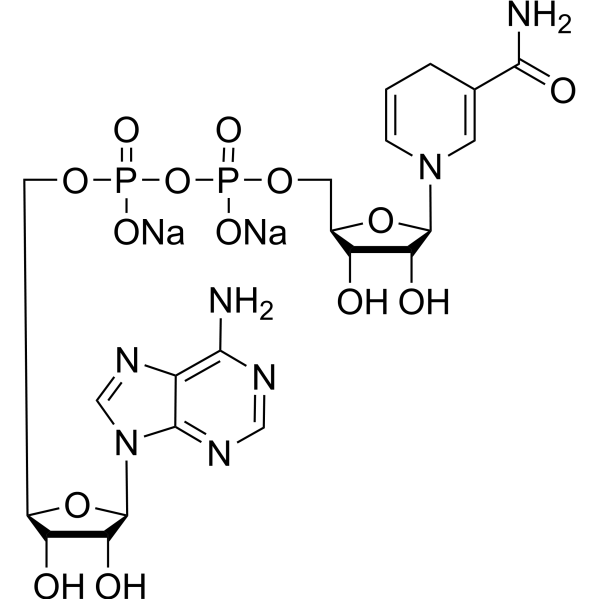
NADH disodium salt (Disodium NADH) is an orally effective reduced coenzyme. NADH disodium salt plays a role in regenerating electron donors during cellular energy metabolism, including glycolysis, β-oxidation, and the tricarboxylic acid (TCA) cycle. NADH disodium salt regulates calcium homeostasis by promoting the opening of IP3-gated Ca 2+ channels and inhibiting Ryanodine receptor, and affects mitochondrial function through direct interaction with VDAC. NADH disodium salt is used in cytoprotective studies related to cerebral ischemic injury, neurodegenerative diseases, aging, and signal transduction .
loading...
    loading...
4
4 Cited Publications
Cat. No.: HY-N0396
CAS No.: 19210-12-9
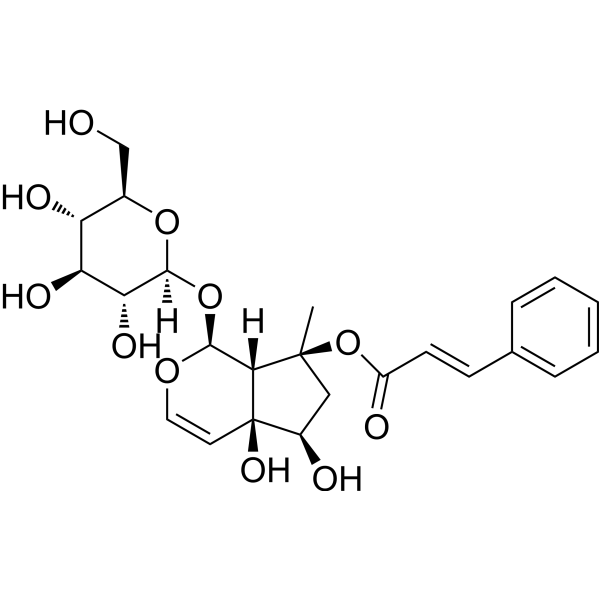
Harpagoside can be obtained by Harpagophytum procumbens, which has anti-inflammatory, anti-cancer, protective activity, and efficacy. Harpagoside has an inhibitory effect on COX-1 and COX-2 active, and suppresses NO production. Harpagoside inhibits HepG2 cell lipid polysaccharide, which is a protein that is expressed horizontally and selectively, and has anti-inflammatory and latent pain effects. Harpagoside has the ability to protect the body, and has a degenerative effect on the β-oxidation (Aβ).
loading...
    loading...
3
3 Cited Publications
Cat. No.: HY-N0458
CAS No.: 42719-32-4
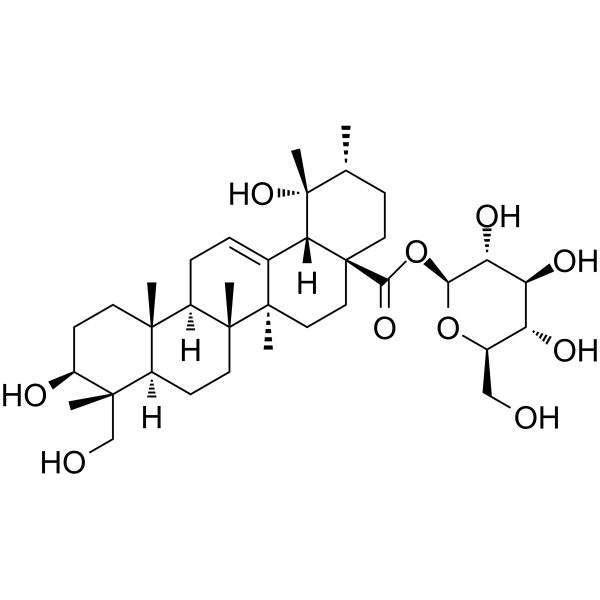
Pedunculoside exerts lipid-lowering effects partly through the regulation of?lipogenesis?and?fatty acid β-oxidation .
loading...
    loading...
2
2 Cited Publications
Cat. No.: HY-134427
CAS No.: 188174-64-3
Purity:  96.00%
Synonyms: Palmitoyl CoA lithium
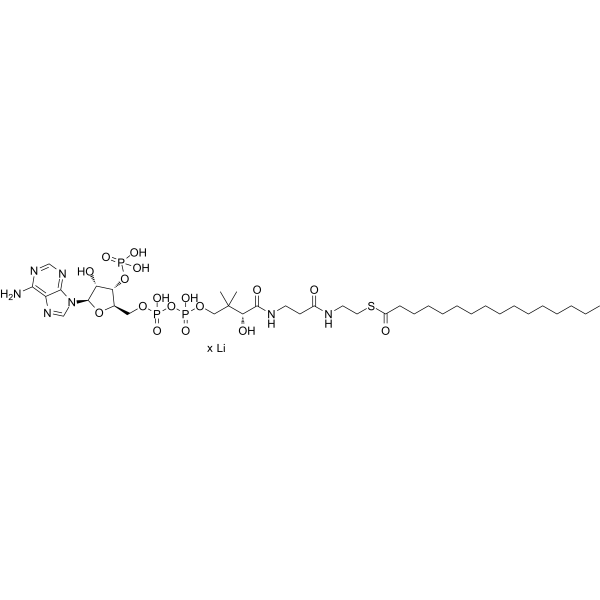
Palmitoyl coenzyme A lithium is an acyl-CoA thioester that can be transported into the mitochondrial matrix via the carnitine shuttle system and is involved in β-oxidation. Palmitoyl coenzyme A lithium can also be used as a substrate for sphingosine biosynthesis .
loading...
    loading...
2
2 Cited Publications
Cat. No.: HY-N2118
CAS No.: 521-32-4
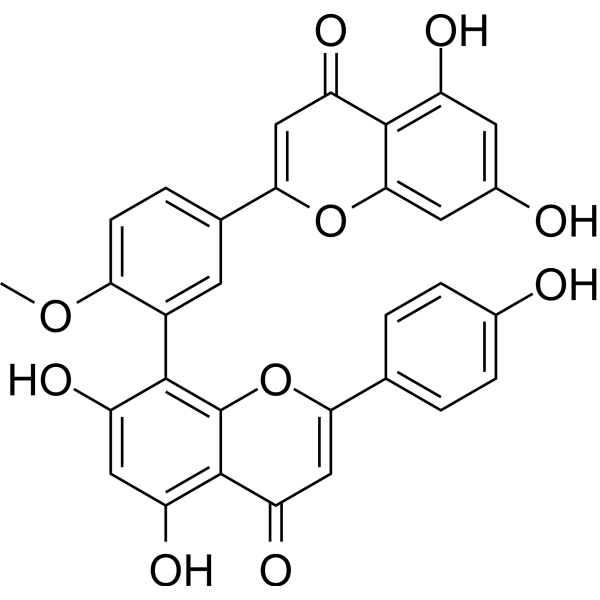
Bilobetin, an active component of Ginkgo biloba, can reduce blood lipids and improve the effects of insulin. Bilobetin ameliorated insulin resistance, increased the hepatic uptake and oxidation of lipids, reduced very-low-density lipoprotein triglyceride secretion and blood triglyceride levels, enhanced the expression and activity of enzymes involved in β-oxidation and attenuated the accumulation of triglycerides and their metabolites in tissues. Bilobetin also increased the phosphorylation, nuclear translocation and activity of PPARα accompanied by elevated cAMP level and PKA activity .
loading...
    loading...
2
2 Cited Publications
Cat. No.: HY-B1453
CAS No.: 461-05-2
Synonyms: DL-Carnitine chloride; DL-Levocarnitine chloride
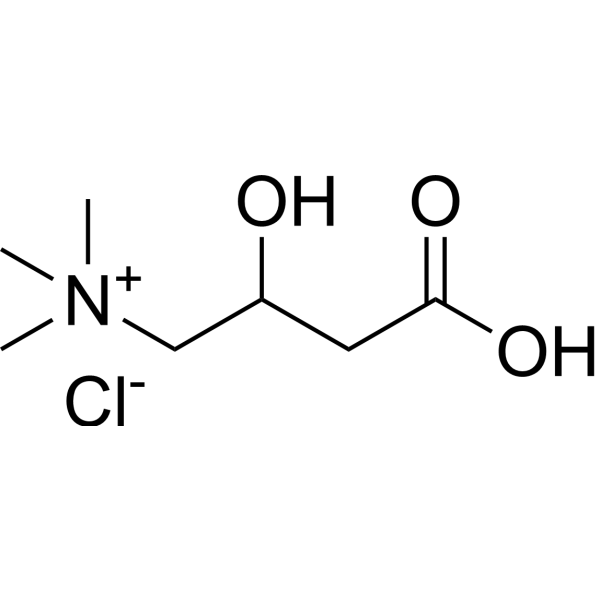
(±)-Carnitine chloride exists in two isomers, known as D and L. L-carnitine plays an essential role in the β-oxidation of fatty acids and also shows antioxidant, and anti-inflammatory activities.
loading...
    loading...
2
2 Cited Publications
Cat. No.: HY-113218
CAS No.: 3040-38-8
Purity:  ≥98.0%
Synonyms: O-Acetyl-L-carnitine; ALCAR
Target:  

Caspase Apoptosis

Acetyl-L-carnitine (O-Acetyl-L-carnitine; ALCAR) is an orally active mitochondrial energy metabolism regulator and neuroprotectant that can penetrate the blood-brain barrier. Acetyl-L-carnitine selectively enters cells and the brain through the organic cation transporter OCTN2. Acetyl-L-carnitine can participate in fatty acid β-oxidation, promote acetylcholine synthesis, regulate mitochondrial function and inhibit oxidative stress as an acetyl donor. Acetyl-L-carnitine exerts its activity by enhancing energy metabolism, protecting neurons and improving synaptic plasticity. Acetyl-L-carnitine is mainly used in the study of neurodegenerative diseases and metabolic disorder-related diseases such as neonatal hypoxic-ischemic brain damage, Alzheimer's disease, and depression .
loading...
    loading...
2
2 Cited Publications
Cat. No.: HY-B0762
CAS No.: 5080-50-2
Synonyms: O-Acetyl-L-carnitine hydrochloride; ALCAR hydrochloride
Target:  

Caspase Apoptosis

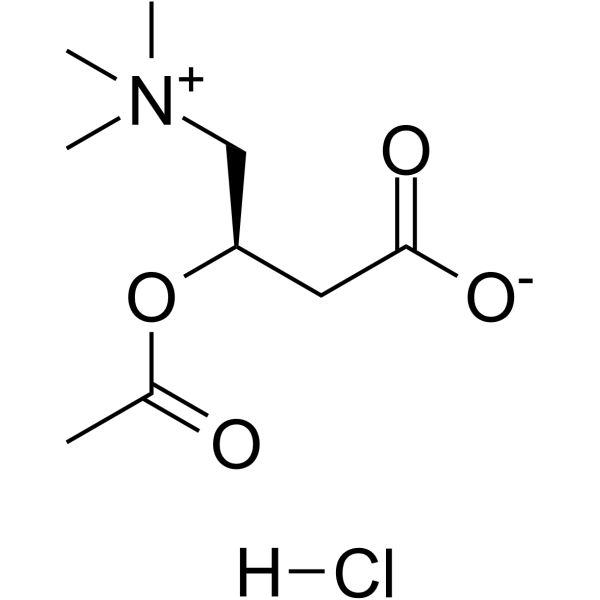
Acetyl-L-carnitine (O-Acetyl-L-carnitine; ALCAR) hydrochloride is an orally active mitochondrial energy metabolism regulator and neuroprotectant that can penetrate the blood-brain barrier. Acetyl-L-carnitine hydrochloride selectively enters cells and the brain through the organic cation transporter OCTN2. Acetyl-L-carnitine hydrochloride can participate in fatty acid β-oxidation, promote acetylcholine synthesis, regulate mitochondrial function and inhibit oxidative stress as an acetyl donor. Acetyl-L-carnitine hydrochloride exerts its activity by enhancing energy metabolism, protecting neurons and improving synaptic plasticity. Acetyl-L-carnitine hydrochloride is mainly used in the study of neurodegenerative diseases and metabolic disorder-related diseases such as neonatal hypoxic-ischemic brain damage, Alzheimer's disease, and depression .
loading...
    loading...
1
1 Cited Publications
Cat. No.: HY-N0186
CAS No.: 133-32-4
Synonyms: Indolebutyric acid
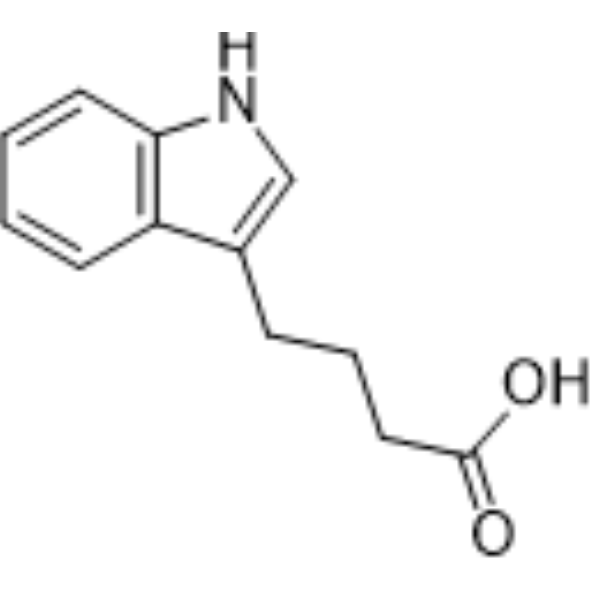
Indole-3-butyric acid (3-indolebutyric acid) is a plant growth auxin and a good rooting agent. It can promote herbs and woody ornamental plant rooting and used for improving fruit rate. Indole 3-butyric acid is an auxin precursor, and is converted to indole 3-acetic acid (IAA) in a peroxisomal β-oxidation process .
loading...
    loading...
1
1 Cited Publications
Cat. No.: HY-B2246S
CAS No.: 2687961-04-0
Synonyms: (R)-Carnitine-d9 chloride; Levocarnitine-d9 chloride
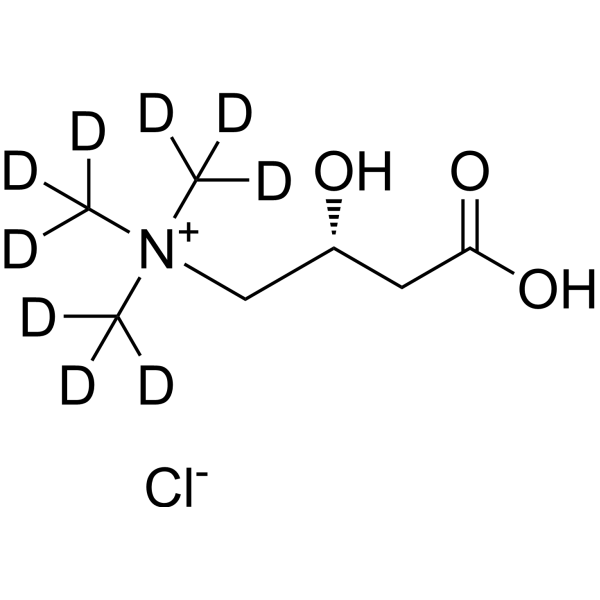
L-Carnitine-d9 (chloride)e is the deuterium labeled L-Carnitine chloride. L-Carnitine chloride, a highly polar, small zwitterion, is an essential co-factor for the mitochondrial β-oxidation pathway. L-Carnitine chloride functions to transport long chain fatty acyl-CoAs into the mitochondria for degradation by β-oxidation. L-Carnitine chloride is an antioxidant. L-Carnitine chloride can ameliorate metabolic imbalances in many inborn errors of metabolism .
loading...
    loading...
1
1 Cited Publications
Cat. No.: HY-B0399S
CAS No.: 126827-79-0
Synonyms: (R)-Carnitine-d9; Levocarnitine-d9
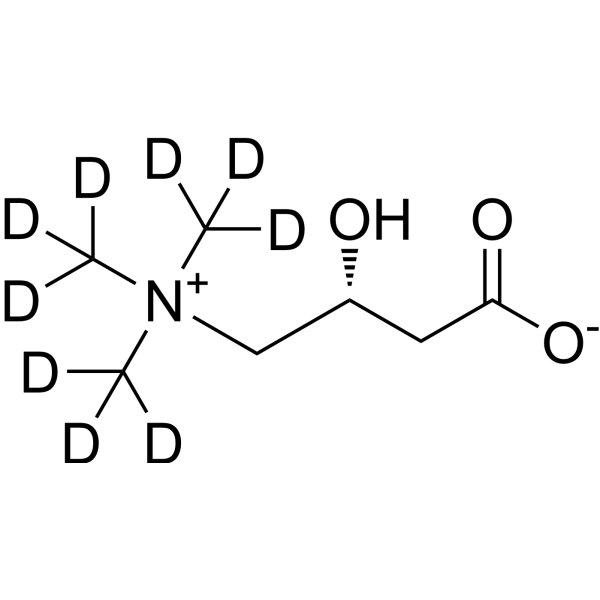
L-Carnitine-d9 is the deuterium labeled L-Carnitine. L-Carnitine (Levocarnitine) is an endogenous molecule involved in fatty acid metabolism, biosynthesized within the human body using amino acids: L-lysine and L-methionine, as substrates. L-Carnitine functions to transport long chain fatty acyl-CoAs into the mitochondria for degradation by β-oxidation. L-carnitine can ameliorate metabolic imbalances in many inborn errors of metabolism .
loading...
    loading...
1
1 Cited Publications
Cat. No.: HY-N0186A
CAS No.: 60096-23-3
Synonyms: Indolebutyric acid potassium
Target:  

Endogenous Metabolite

Research Areas:  

Others

Indole-3-butyric acid (Indolebutyric acid) potassium is a plant growth auxin and a good rooting agent. It can promote herbs and woody ornamental plant rooting and used for improving fruit rate. Indole 3-butyric acid potassium is an auxin precursor, and is converted to indole 3-acetic acid (IAA) in a peroxisomal β-oxidation process .
loading...
    loading...
1
1 Cited Publications
Cat. No.: HY-113165A
CAS No.: 6920-31-6
Purity:  ≥98.0%
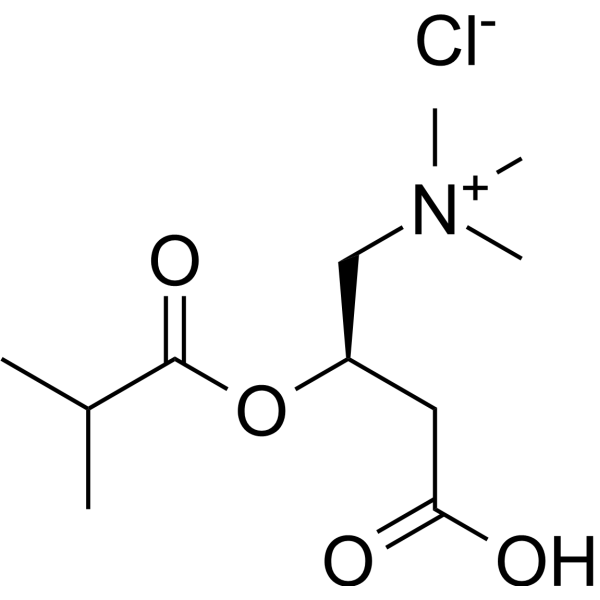
Isobutyryl-L-carnitine chloride is a biomarker. Isobutyryl-L-carnitine chloride is a product of acyl-CoA dehydrogenases involved in fatty acid β-oxidation, and it buffers the mitochondrial acyl-CoA/CoA ratio, oxidizes branched-chain amino acids, and supports the endogenous antioxidant defense system. Isobutyryl-L-carnitine chloride is a plasma biomarker of hepatic OCT1 transporter inhibition. Isobutyryl-L-carnitine chloride is a urinary biomarker of renal cell carcinoma, and its levels are elevated one year after nephrectomy compared with before nephrectomy. Isobutyryl-L-carnitine chloride can be used in research on renal cell carcinoma .
loading...
    loading...

