1. Search Result
Search Result
Results for "

cancer progression

" in MedChemExpress (MCE) Product Catalog:

250

Inhibitors & Agonists

13

Bibliotecas de Screening

3

Biochemical Assay Reagents

7

Peptides

7

Inhibitory Antibodies

29

Natural
Products

6

Isotope-Labeled Compounds

9

Click Chemistry

104

Oligonucleotides

Targets Recommended:
Cat. No. Nombre del producto Target Áreas de investigación Chemical Structure
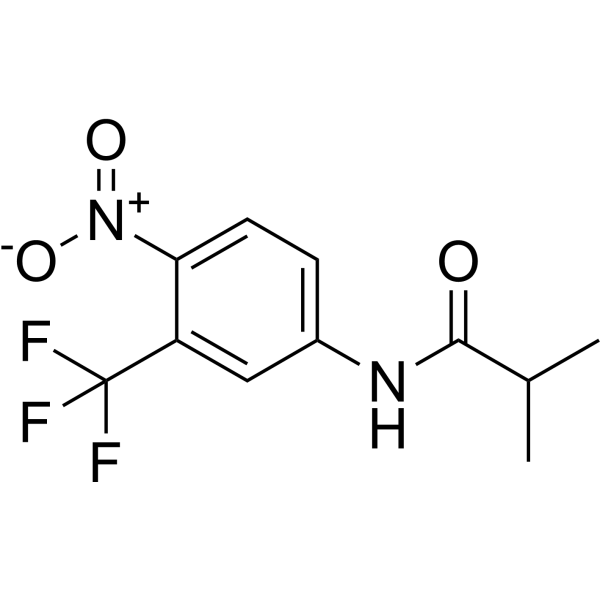
  • HY-B0022
    Flutamide
    10+ Cited Publications

    SCH 13521

    Androgen Receptor Cancer
    Flutamide is an Androgen Receptor antagonist with Ki=55 nM. Flutamide inhibits prostate cancer progression and has synergistic effects with Docetaxel (HY-B0011). Flutamide also has the potential to protect against hyperthermia-induced multiple organ dysfunction syndrome .
    Flutamide
  • HY-116705
    2-Deoxy-2-fluoro-L-fucose
    1 Publications Verification

    Glycosyltransferase Cancer
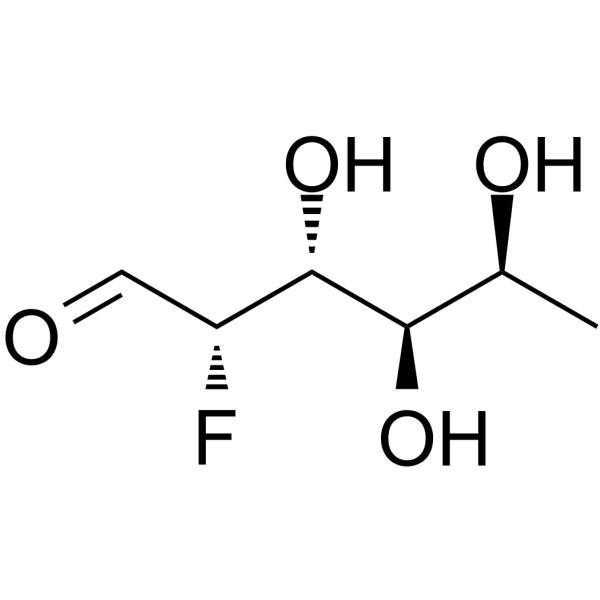
    2-Deoxy-2-fluoro-L-fucose, an L-fucose analog, is a fucosylation inhibitor. 2-Deoxy-2-fluoro-L-fucose inhibits de novo synthesis of GDP-fucose in mammalian cells. Fucosylation is a relatively well-defined biomarker for progression in many human cancers; for example, pancreatic and hepatocellular carcinoma .
    2-Deoxy-2-fluoro-L-fucose
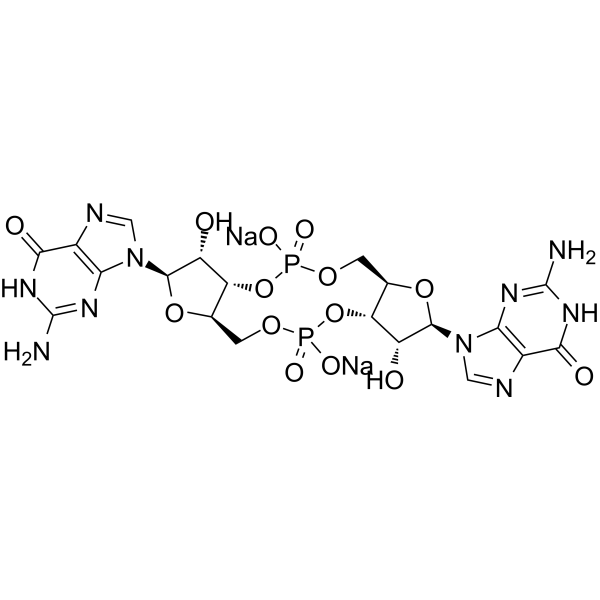
  • HY-110382
    Cyclic-di-GMP disodium
    Maximum Cited Publications
    9 Publications Verification

    c-di-GMP disodium; cyclic diguanylate disodium; 5GP-5GP disodium

    STING Endogenous Metabolite Cancer
    Cyclic-di-GMP disodium is a STING agonist and a bacterial second messenger that coordinates different aspects of bacterial growth and behavior, including motility, virulence, biofilm formation, and cell cycle progression. Cyclic-di-GMP disodium has anti-cancer cell proliferation activity and also induces elevated CD4 receptor expression and cell cycle arrest. Cyclic-di-GMP disodium can be used in cancer research .
    Cyclic-di-GMP disodium
  • HY-B1817A

    Zinc(II) acetate, 99.99% trace metals basis

    CDK Heme Oxygenase (HO) Apoptosis Others
    Zinc (Zinc (II)) acetate, 99.99% trace metals basis is a heme oxygenase 1 (HO-1) activator and apoptosis inducer with cytotoxic and anticancer activities. Zinc acetate, 99.99% trace metals basis enhances HO-1 expression, alters the microRNA profile, and increases the level of caspase-cleaved cytokeratin 18. Zinc acetate, 99.99% trace metals basis also regulates the expression of Cdk2/cyclin E and interferes with cell cycle progression. Zinc acetate, 99.99% trace metals basis effectively inhibits cancer cell proliferation and induces their rapid death, with no significant cytotoxicity to non-tumor tissues. Zinc acetate, 99.99% trace metals basis has been widely used in studies related to hepatocellular carcinoma, prostate cancer, and other conditions .
    Zinc acetate, 99.99% trace metals basis
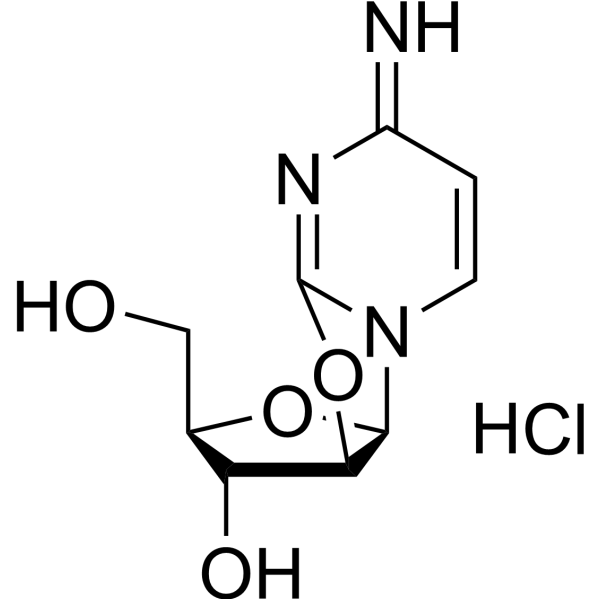
  • HY-N0093
    Ancitabine hydrochloride
    1 Publications Verification

    Cyclocytidine hydrochloride; Cyclo-CMP hydrochloride; Cyclo-C

    Autophagy CMV DNA/RNA Synthesis Infection Cancer
    Ancitabine hydrochloride is a cytarabine derivative that inhibits viral replication. Ancitabine hydrochloride blocks vaccinia virus DNA replication, the progression of viral protein synthesis from early to late stages, and one-step growth of vaccinia virus. Ancitabine hydrochloride is applicable to research related to vaccinia virus infection, leukemia, human cytomegalovirus infection and colorectal cancer .
    Ancitabine hydrochloride
  • HY-12358
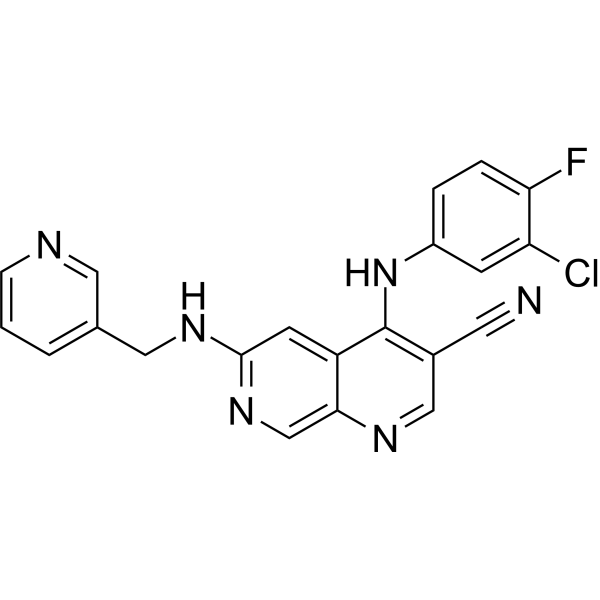
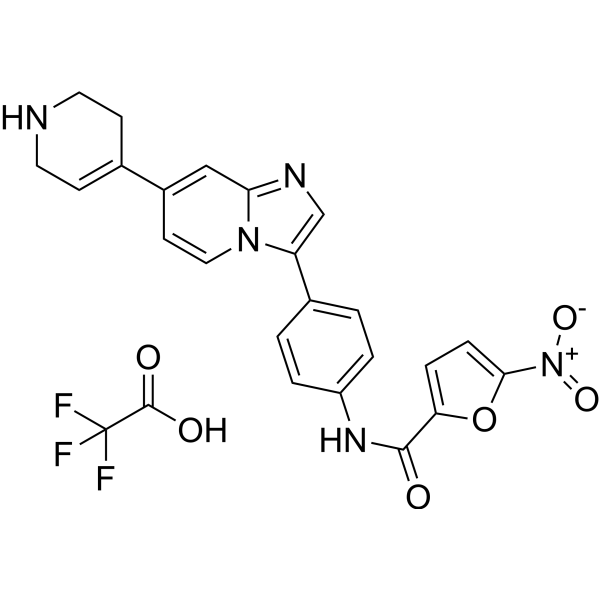
    Tpl2 Kinase Inhibitor 1
    1 Publications Verification

    MAP3K p38 MAPK MAPKAPK2 (MK2) Inflammation/Immunology Cancer
    Tpl2 Kinase Inhibitor 1 is a 3-pyridylmethylamino analog, and is a selective Tpl2 inhibitor (IC50=50 nM). Tpl2 consists of COT kinase and MAP3K8. Tpl2 Kinase Inhibitor 1 plays an important role in the regulation of the inflammatory response and the progression of some cancers .
    Tpl2 Kinase Inhibitor 1
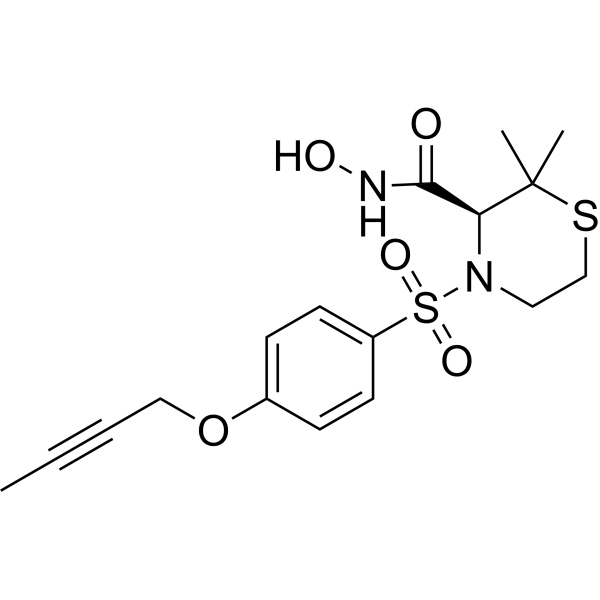
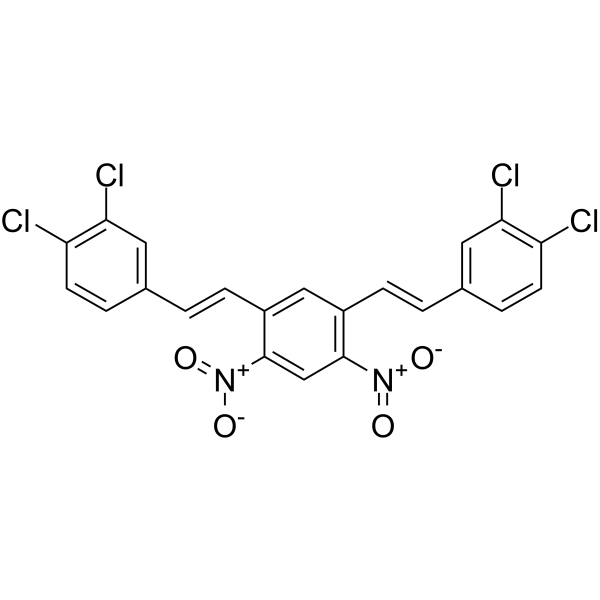
  • HY-110154

    Histone Demethylase Cancer
    NSC636819 is a competitive and selective inhibitor of KDM4A/KDM4B. KDM4A/KDM4B are potential progression factors for prostate cancer. NSC636819 has the potential for the research of cancer diseases, especially prostate cancer .
    NSC636819
  • HY-132822

    SBP-101

    Drug Derivative Cancer
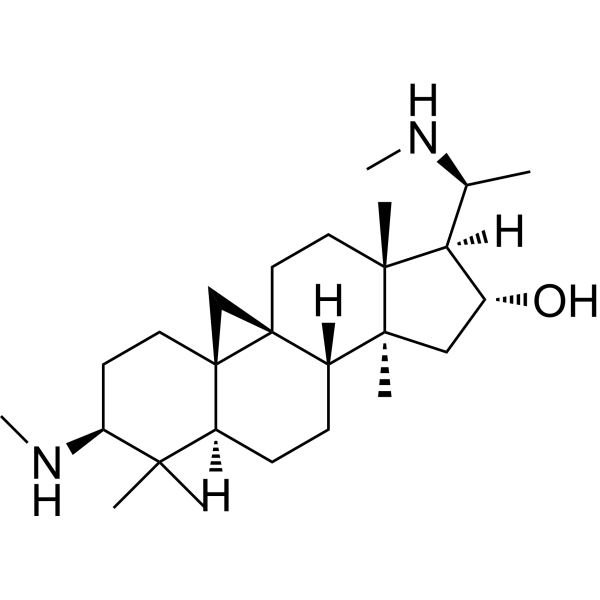
    Ivospemin (SBP-101) is an antineoplastic spermine analog. Ivospemin has shown efficacy in slowing pancreatic and ovarian tumor progression in vitro and in vivo. Ivospemin shows modest induction of polyamine catabolism, but stronger repression of ornithine decarboxylase activity. Ivospemin is promising for research of cancers .
    Ivospemin
  • HY-107780

    c-di-GMP; cyclic diguanylate; 5GP-5GP

    STING Endogenous Metabolite Cancer
    Cyclic-di-GMP is a STING agonist and a bacterial second messenger that coordinates different aspects of bacterial growth and behavior, including motility, virulence, biofilm formation, and cell cycle progression. Cyclic-di-GMP has anti-cancer cell proliferation activity and also induces elevated CD4 receptor expression and cell cycle arrest. Cyclic-di-GMP can be used in cancer research .
    Cyclic-di-GMP
  • HY-152697
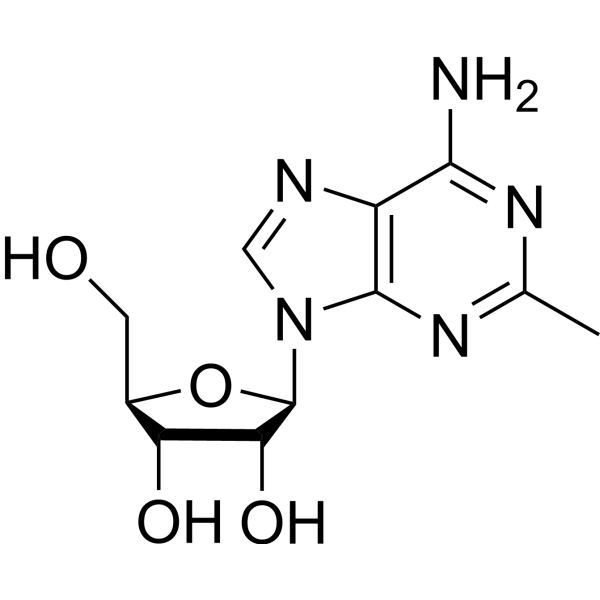
    2-Methyladenosine
    1 Publications Verification

    Nucleoside Antimetabolite/Analog Others
    2-Methyladenosine is an adenosine analogue. Adenosine analogs mostly act as smooth muscle vasodilators and have also been shown to inhibit cancer progression. The popular products in this series are adenosine phosphate, Acadesine (HY-13417), Clofarabine (HY-A0005), Fludarabine phosphate (HY-B0028) and Vidarabine (HY-B0277) .
    2-Methyladenosine
  • HY-145759
    Mutant p53 modulator-1
    1 Publications Verification

    MDM-2/p53 Cancer
    Mutant p53 modulator-1 is a mutant p53 modulator. Mutant p53 modulator-1 reduces the progression of cancers that contain a p53 mutation (extracted from patent WO2021231474A1, compound 231B) .
    Mutant p53 modulator-1
  • HY-153833
    PDS-0330
    1 Publications Verification

    KVA-E-23A

    Gap Junction Protein Cancer
    PDS-0330 is a specific and potent Claudin-1 inhibitor. PDS-0330 interferes with claudin-1/Src association and inhibits colorectal cancer (CRC) progression and metastasis .
    PDS-0330
  • HY-119518

    BMS-209641

    RAR/RXR Cancer
    BMS641 (BMS-209641) is a selective RARβ agonist. BMS641 has a higher affinity for RARβ (Kd, 2.5 nM) that is 100 times higher than that for RARα (Kd, 225 nM) or RARγ (Kd, 223 nM) .
    BMS641
  • HY-17462

    (+)-Adrenosterone

    Androgen Receptor Endogenous Metabolite Endocrinology Cancer
    Adrenosterone ((+)-Adrenosterone) is a competitive hydroxysteroid (11-beta) dehydrogenase 1 (HSD11β1) inhibitor. Adrenosterone is a steroid hormone with weak androgenic effect. Adrenosterone is a dietary supplement that can decrease fat and increase muscle mass. Adrenosterone acts as a suppressor of metastatic progression of human cancer cells .
    Adrenosterone
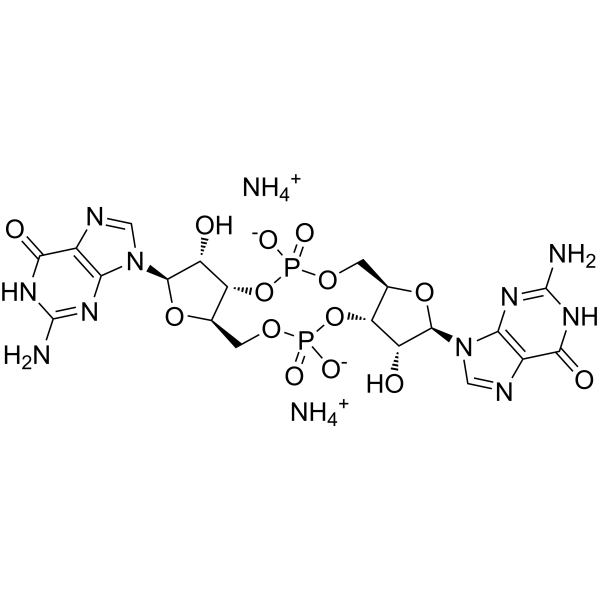
  • HY-107780B
    Cyclic-di-GMP diammonium
    Maximum Cited Publications
    9 Publications Verification

    c-di-GMP diammonium; cyclic diguanylate diammonium; 5GP-5GP diammonium

    STING Endogenous Metabolite Cancer
    Cyclic-di-GMP diammonium is a STING agonist and a bacterial second messenger that coordinates different aspects of bacterial growth and behavior, including motility, virulence, biofilm formation, and cell cycle progression. Cyclic-di-GMP diammonium has anti-cancer cell proliferation activity and also induces elevated CD4 receptor expression and cell cycle arrest. Cyclic-di-GMP diammonium can be used in cancer research .
    Cyclic-di-GMP diammonium
  • HY-146074

    Proton Pump Cancer
    RUVBL1/2 ATPase-IN-1 (compound 18) is a potent and selective inhibitor of RUVBL1/2 ATPase with IC50 values of 6.0 and 7.7 μM, respectively. RUVBL1 and RUVBL2 are highly conserved AAA ATPases (ATPases Associated with various cellular Activities) and highly relevant to the progression of cancer. RUVBL1/2 ATPase-IN-1 has the potential for the research of cancer diseases .
    RUVBL1/2 ATPase-IN-1
  • HY-176861

    E1/E2/E3 Enzyme Cadherin Cancer
    Hakin-1 is a E3 Ubiquitin-Ligase Hakai inhibitor. Hakin-1 blocks Hakai-mediated global ubiquitination and specific ubiquitination of E-cadherin and inhibits epithelial-mesenchymal transition (EMT) progression. Hakan-1 inhibits tumor progression and cancer metastasis. Hakin-1 can be used for the study of carcinoma such as colorectal cancer .
    Hakin-1
  • HY-169903

    Apoptosis Cancer
    SMIP34 is a PELP1 inhibitor. SMIP34 binds to PELP1 with a Kd of 37.4 μM. SMIP34 inhibits cancer cell proliferation and tumor progression. SMIP34 can be used for breast cancer research, and is active against wild-type (WT), mutant (MT) ER+ and therapy-resistant (TR)-ER+ breast cancer .
    SMIP34
  • HY-153190
    W1131
    1 Publications Verification

    Oxidative Phosphorylation STAT Ferroptosis Cancer
    W1131 is a potent STAT3 inhibitor, triggering ferroptosis. W1131 suppresses cancer progression in gastric cancer cell subcutaneous xenograft model, organoids model, and PDX model. W1131 effectively alleviates chemical resistance of cancer cells to 5-FU (HY-90006). W1131 regulates cell cycle, DNA damage response, and oxidative phosphorylation, including IL6-JAK-STAT3 pathway and ferroptosis pathway .
    W1131
  • HY-N3255

    CXCR STAT Inflammation/Immunology Cancer
    Minecoside is a CXCR4/STAT3 inhibitor with anticancer and anti-inflammatory activity. Minecoside decreases CXCR4 expression and suppresses STAT3 activation, thus to inhibit CXCL 12-induced invasion. Minecoside potently inhibits cancer metastasis and promotes apoptotic progression .
    Minecoside
  • HY-147600

    CDK Cancer
    CDK7-IN-15 (Compound 8) is a selective CDK7 inhibitor with an IC50 greater than 10 nM and less than or equal to 100 nM. CDK7-IN-15 is applicable to the research of cancers associated with transcriptional dysregulation .
    CDK7-IN-15
  • HY-W008552

    Nucleoside Antimetabolite/Analog Cancer
    2-Iodoadenosine is an adenosine analog. Adenosine analogs mostly act as smooth muscle vasodilators and have also been shown to inhibit cancer progression. Its popular products are adenosine phosphate, Acadesine (HY-13417), Clofarabine (HY-A0005), Fludarabine phosphate (HY-B0028) and Vidarabine (HY-B0277) .
    2-Iodoadenosine
  • HY-W854659
    Chlorin e6 trisodium
    15+ Cited Publications

    Ce6 trisodium

    Photosensitizer Cancer
    Chlorin e6 Ce6 (trisodium) is a water-soluble derivative of chlorophyll, belonging to the chlorin class of photosensitizers with an absorption wavelength range of 600-670 nm. Chlorin e6 trisodium emits characteristic red fluorescence upon light excitation, enabling real-time identification of tumor boundaries and progression. Chlorin e6 trisodium can be used for the study of photodynamic therapy (PDT) of cancers (bladder cancer) and fluorescence diagnosis of neoplastic lesions .
    Chlorin e6 trisodium
  • HY-152702

    Nucleoside Antimetabolite/Analog Others
    2,8-Dimethyladenosine is an adenosine analogue. Adenosine analogs mostly act as smooth muscle vasodilators and have also been shown to inhibit cancer progression. The popular products in this series are adenosine phosphate, Acadesine (HY-13417), Clofarabine (HY-A0005), Fludarabine phosphate (HY-B0028) and Vidarabine (HY-B0277) .
    2,8-Dimethyladenosine
  • HY-152812

    Nucleoside Antimetabolite/Analog Others
    2-Chloro-2′-β-C-methyladenosine is an adenosine analogue. Adenosine analogs mostly act as smooth muscle vasodilators and have also been shown to inhibit cancer progression. The popular products in this series are adenosine phosphate, Acadesine (HY-13417), Clofarabine (HY-A0005), Fludarabine phosphate (HY-B0028) and Vidarabine (HY-B0277) .
    2-Chloro-2′-β-C-methyladenosine
  • HY-172448

    ATM/ATR Cancer
    YY2201 is a highly potent and selective ATR inhibitor with an IC50 of 8 nM. YY2201 shows >200-fold more selective for ATR than mTOR. YY2201 inhibits tumor progression in broad-spectrum cancer types (such as lung cancer) .
    YY2201
  • HY-W700800

    Cytochrome P450 Cancer
    Flu-6 is a metabolite of Flutamide (HY-B0022). FLU-6 production in the liver requires the involvement of NADPH: cytochrome P450 reductase (CPR). Flutamide can inhibit prostate cancer progression .
    Flu-6
  • HY-133027

    Tetradecyl nicotinate

    Biochemical Assay Reagents Cancer
    Myristyl nicotinate (Tetradecyl nicotinate) is an ester proagent and a lipophilic derivative of Nicotinic acid. Myristyl nicotinate is being developed for delivery of Nicotinic acid into the skin for prevention of actinic keratosis and its progression to skin cancer. Myristyl nicotinate shows to stimulate epidermal differentiation in photodamaged skin, increasing skin NAD content and strengthening the skin barrier .
    Myristyl nicotinate
  • HY-P10530

    Keap1-Nrf2 Neurological Disease Inflammation/Immunology Cancer
    Nrf2 (69-84) is a peptide fragment of Nrf2 protein that contains the key ETGE motif, which is an important region for binding to the Kelch domain of Keap1 protein. Nrf2 (69-84) can be used to study the role of Nrf2 in the development and progression of diseases, especially in cancer, neurodegenerative diseases and inflammatory diseases .
    Nrf2 (69-84)
  • HY-124844

    AZA-9

    HuR Cancer
    Azaphilone-9 (AZA-9) is an inhibitor of HuR-ARE RNA interaction (IC50=1.2 μM) by binding RNA-binding protein Hu antigen R (HuR). The HuR-RNA interactions stabilize many oncogenic mRNAs in tumors. Thus Azaphilone-9 potentially inhibit cancer cell growth and progression .
    Azaphilone-9
  • HY-P991042

    IGF-1R Cancer
    Anti-IGFBP2 Antibody (M14) is an human anti-IGFBP2 monoclonal inhibitory antibody, which binds IGFBP2 with high affinity and blocks its binding with IGF1. Anti-IGFBP2 Antibody (M14) inhibits human endothelial cell recruitment, thus blocks the tumor progression of human metastatic cancer .
    Anti-IGFBP2 Antibody (M14)
  • HY-N3913

    STAT Bcl-2 Family Cancer
    Furowanin A is a flavonoid with anti-neoplastic effects. Furowanin A inhibits STAT3/Mcl-1 axis to suppress proliferation, block cell cycle progression, induce apoptosis and promote autophagy. Furowanin A potently inhibits colorectal cancer (CRC) cells .
    Furowanin A
  • HY-107780A

    c-di-GMP sodium; cyclic diguanylate sodium; 5GP-5GP sodium

    STING Endogenous Metabolite Cancer
    Cyclic-di-GMP sodium is a STING agonist and a bacterial second messenger that coordinates different aspects of bacterial growth and behavior, including motility, virulence, biofilm formation, and cell cycle progression. Cyclic-di-GMP sodium has anti-cancer cell proliferation activity and also induces elevated CD4 receptor expression and cell cycle arrest. Cyclic-di-GMP sodium can be used in cancer research .
    Cyclic-di-GMP sodium
  • HY-152312

    Nucleoside Antimetabolite/Analog Others
    8-Allyloxyadenosine is an adenosine analogue. Adenosine analogs mostly act as smooth muscle vasodilators and have also been shown to inhibit cancer progression. The popular products in this series are adenosine phosphate, Acadesine (HY-13417), Clofarabine (HY-A0005), Fludarabine phosphate (HY-B0028) and Vidarabine (HY-B0277) .
    8-Allyloxyadenosine
  • HY-152834

    Nucleoside Antimetabolite/Analog Cancer
    8-Methoxyadenosine is an adenosine analog. Adenosine analogs mostly act as smooth muscle vasodilators and have also been shown to inhibit cancer progression. Its popular products are adenosine phosphate, Acadesine (HY-13417), Clofarabine (HY-A0005), Fludarabine phosphate (HY-B0028) and Vidarabine (HY-B0277) .
    8-Methoxyadenosine
  • HY-152637

    Nucleoside Antimetabolite/Analog Cancer
    2-Benzylthioadenosine is an adenosine analog. Adenosine analogs mostly act as smooth muscle vasodilators and have also been shown to inhibit cancer progression. Its popular products are adenosine phosphate, Acadesine (HY-13417), Clofarabine (HY-A0005), Fludarabine phosphate (HY-B0028) and Vidarabine (HY-B0277) .
    2-Benzylthioadenosine
  • HY-154523

    Nucleoside Antimetabolite/Analog Cancer
    2-(4-Cyanobenzyl)thioadenosine is an adenosine analog. Adenosine analogs mostly act as smooth muscle vasodilators and have also been shown to inhibit cancer progression. Its popular products are adenosine phosphate, Acadesine (HY-13417), Clofarabine (HY-A0005), Fludarabine phosphate (HY-B0028) and Vidarabine (HY-B0277) .
    2-(4-Cyanobenzyl)thioadenosine
  • HY-152511

    Nucleoside Antimetabolite/Analog Others
    8-Methylthio-adenosine is an adenosine analogue. Adenosine analogs mostly act as smooth muscle vasodilators and have also been shown to inhibit cancer progression. The popular products in this series are adenosine phosphate, Acadesine (HY-13417), Clofarabine (HY-A0005), Fludarabine phosphate (HY-B0028) and Vidarabine (HY-B0277) .
    8-Methylthio-adenosine
  • HY-152565

    Nucleoside Antimetabolite/Analog Others
    N6-Aminoadenosine is an adenosine analogue. Adenosine analogs mostly act as smooth muscle vasodilators and have also been shown to inhibit cancer progression. The popular products in this series are adenosine phosphate, Acadesine (HY-13417), Clofarabine (HY-A0005), Fludarabine phosphate (HY-B0028) and Vidarabine (HY-B0277) .
    N6-Aminoadenosine
  • HY-154796

    Nucleoside Antimetabolite/Analog Cancer
    2-Methoxy-2’-deoxyadenosine is an adenosine analog. Adenosine analogs mostly act as smooth muscle vasodilators and have also been shown to inhibit cancer progression. Its popular products are adenosine phosphate, Acadesine (HY-13417), Clofarabine (HY-A0005), Fludarabine phosphate (HY-B0028) and Vidarabine (HY-B0277) .
    2-Methoxy-2’-deoxyadenosine
  • HY-W854385A
    Sialyl Lewis A sodium
    1 Publications Verification

    SLeA sodium

    Biochemical Assay Reagents Cancer
    Sialyl Lewis A (SLeA) sodium is a tumor-associated carbohydrate antigen, also known as carbohydrate antigen 19-9 (CA19-9), that binds to E-selectin (ELAM-1) and selectins to mediate cell-endothelium adhesion. Sialyl Lewis A sodium promotes cancer cell-vascular endothelium adhesion, and its surface presence correlates with increased tumorigenicity and invasiveness in cancer cells. Sialyl Lewis A sodium shows elevated expression in human adenocarcinomas of the colon, pancreas, and stomach, with expression levels linked to tumor progression and poor prognosis in colorectal and gastric carcinomas. Sialyl Lewis A sodium can be used for the research of cancers, such as colon, pancreas, stomach, and squamous lung cancer .
    Sialyl Lewis A sodium
  • HY-W854385

    SLeA

    Biochemical Assay Reagents E-Selectin Cancer
    Sialyl Lewis A (SLeA) is a tumor-associated carbohydrate antigen, also known as carbohydrate antigen 19-9 (CA19-9), that binds to E-selectin (ELAM-1) and selectins to mediate cell-endothelium adhesion. Sialyl Lewis A promotes cancer cell-vascular endothelium adhesion, and its surface presence correlates with increased tumorigenicity and invasiveness in cancer cells. Sialyl Lewis A shows elevated expression in human adenocarcinomas of the colon, pancreas, and stomach, with expression levels linked to tumor progression and poor prognosis in colorectal and gastric carcinomas. Sialyl Lewis A can be used for the research of cancers, such as colon, pancreas, stomach, and squamous lung cancer .
    Sialyl Lewis A
  • HY-W009016

    Adenosine, 2',3',5'-triacetate

    Nucleoside Antimetabolite/Analog Cancer
    2’,3’,5’-Tri-O-acetyl adenosine is an adenosine analog. Adenosine analogs mostly act as smooth muscle vasodilators and have also been shown to inhibit cancer progression. Its popular products are adenosine phosphate, Acadesine (HY-13417), Clofarabine (HY-A0005), Fludarabine phosphate (HY-B0028) and Vidarabine (HY-B0277) .
    2’,3’,5’-Tri-O-acetyl adenosine
  • HY-142931

    ATM/ATR Neurological Disease Cancer
    ATM-IN-1 is a potent inhibitor of ATM. ATM is located mainly in the nucleus and microsomes and is involved in cell cycle progression and in the cell cycle checkpoint response to DNA damage. ATM-IN-1 has the potential for the research of cancer and neurology diseases (extracted from patent WO2021139814A1, compound 3) .
    ATM-IN-1
  • HY-P2115

    GnRH Receptor Cancer
    Ramorelix is a luteinizing-hormone-releasing hormone (LHRH) antagonist. Ramorelix can inhibit tumor progression in vivo. Ramorelix can be studied in anti-cancer research .
    Ramorelix
  • HY-156792

    RIO Kinase Cancer
    RIOK2-IN-1 (com 4) is a potent and selective RIOK2 inhibitor (Kd=150 nM), but has low cellular activity (IC50=14,600 nM). RIOK2 is an atypical kinase associated with a variety of human cancers and is involved in ribosome maturation and cell cycle progression. The small molecule inhibitor CQ211 (HY-147655), an improvement of RIOK2-IN-1 as the lead compound, has good in vivo and in vitro activity, inhibits the proliferation of MKN-1 and HT-29 cancer cells, and can xenograft MKN in mice -1 model inhibits tumor progression .
    RIOK2-IN-1
  • HY-154313

    Clospirazine

    Ras Cancer
    Spiclomazine (Clospirazine) is a potent mutant KRAS(G12C) inhibitor that selectively inhibits mutant KRAS-driven pancreatic cancer. Spiclomazine can eliminate KRas-GTP levels in KRAS-driven pancreatic cancer and effectively inhibit RAS-mediated signaling. Spiclomazine significantly inhibits tumor progression in mouse renal capsule xenotransplantation models .
    Spiclomazine
  • HY-P11052

    HSP Cancer
    A8 peptide is a Hsp72 antagonist. A8 peptide inhibits tumor progression and metastasis as well as enhances the cancer cells' sensitivity to apoptosis induced by chemotherapeutic agents (such as Cisplatin (HY-17394)) by blocking the Hsp72-TLR2 interaction and the subsequent activation of MDSCs. A8 peptide can be used for cancers research .
    A8 peptide
  • HY-P4910

    Proteasome Apoptosis Cancer
    Baceridin is a proteasome inhibitor and a cyclic hexapeptide. Baceridin can be isolated from the culture medium of Epiphytic Bacillus. Baceridin can inhibit cell cycle progression and induce tumor cell apoptosis through a p53-independent pathway. Baceridin can be used in cancer research .
    Baceridin
  • HY-132822A

    SBP-101 hydrochloride

    Drug Derivative Cancer
    Ivospemin (SBP-101) hydrochloride is an antineoplastic spermine analog. Ivospemin hydrochloride has shown efficacy in slowing pancreatic and ovarian tumor progression in vitro and in vivo. Ivospemin hydrochloride shows modest induction of polyamine catabolism, but stronger repression of ornithine decarboxylase activity. Ivospemin hydrochloride is promising for research of cancers .
    Ivospemin hydrochloride

Consulta en línea

Your information is safe with us. * Required Fields.

Saludo


Country or Region *

Nombre del solicitante *


Nombre de la Organizaciòn *

Department *


Direcciòn del E-mail *


Nombre del producto *

Cat. No.


Requested quantity *

Número de teléfono *


Observaciones

Consulta en línea

Inquiry Information

Nombre del producto:
Cat. No.:
Cantidad:
MCE Japan Authorized Agent:

