951 Results for "

changes

" in MedChemExpress (MCE) Product Catalog:
Products (951)

951 Results for "changes" in MCE Product Catalog:

207
207 Publications Verification
Cat. No.: HY-N0565
CAS No.: 564-25-0
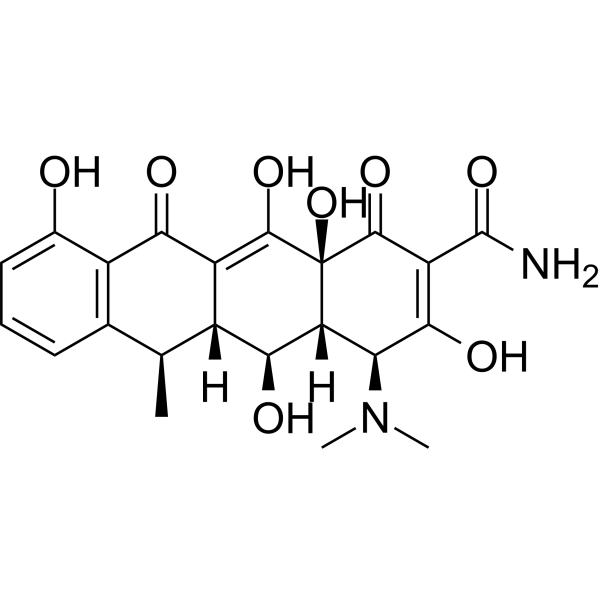
Doxycycline is an orally active, broad-spectrum tetracycline antibiotic that also functions as an MMP inhibitor, exhibiting antibacterial, antiviral, antiparasitic, and antitumor activities. Doxycycline can bind to the classical binding site (CBS) within the mRNA decoding center of the bacterial 70S ribosome's 30S small subunit.Doxycycline blocks bacterial protein synthesis and inhibits the degradation of the extracellular matrix through its interaction with zinc and calcium ions. Doxycycline also inhibits mitochondrial biogenesis, translation, and the expression of respiratory chain proteins. Doxycycline induces apoptosis, inhibits autophagy and EMT, downregulates stem cell markers, and activates the PI3K-AKT pathway, thereby effectively inhibiting the viability and proliferation of cancer cells such as breast cancer cells. Doxycycline can disrupt transthyretin (TTR) amyloid fibrils. Doxycycline also promotes the survival and self-renewal of embryonic stem cells and neural stem cells, and reduces the frequency of medium changes in culture. Doxycycline can be used in research related to cancers—such as breast, prostate, and bladder cancer—as well as neurological disorders .
loading...
    loading...
207
207 Publications Verification
Cat. No.: HY-N0565A
CAS No.: 10592-13-9
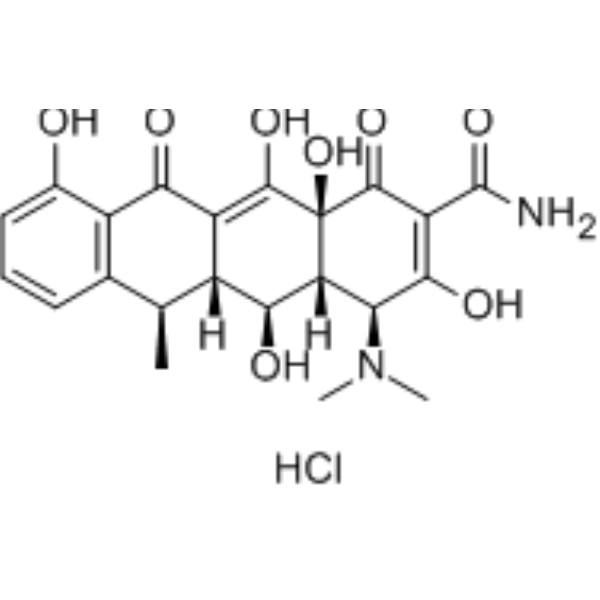
Doxycycline hydrochloride is an orally active, broad-spectrum tetracycline antibiotic that also functions as an MMP inhibitor, exhibiting antibacterial, antiviral, antiparasitic, and antitumor activities. Doxycycline hydrochloride can bind to the classical binding site (CBS) within the mRNA decoding center of the 30S small subunit of the bacterial 70S ribosome.Doxycycline hydrochloride blocks bacterial protein synthesis and inhibits the degradation of the extracellular matrix through its interaction with zinc and calcium ions. Doxycycline hydrochloride also inhibits mitochondrial biogenesis, translation, and the expression of respiratory chain proteins. Doxycycline hydrochloride induces apoptosis, inhibits autophagy and EMT, downregulates stem cell markers, and activates the PI3K-AKT pathway, thereby effectively inhibiting the viability and proliferation of cancer cells such as breast cancer cells. Doxycycline hydrochloride can disrupt transthyretin (TTR) amyloid fibrils. Doxycycline hydrochloride also promotes the survival and self-renewal of embryonic stem cells and neural stem cells, and reduces the frequency of medium changes in culture. Doxycycline hydrochloride can be used in research related to cancers—such as breast, prostate, and bladder cancer—as well as neurological disorders .
loading...
    loading...
207
207 Publications Verification
Cat. No.: HY-W008923
CAS No.: 17086-28-1
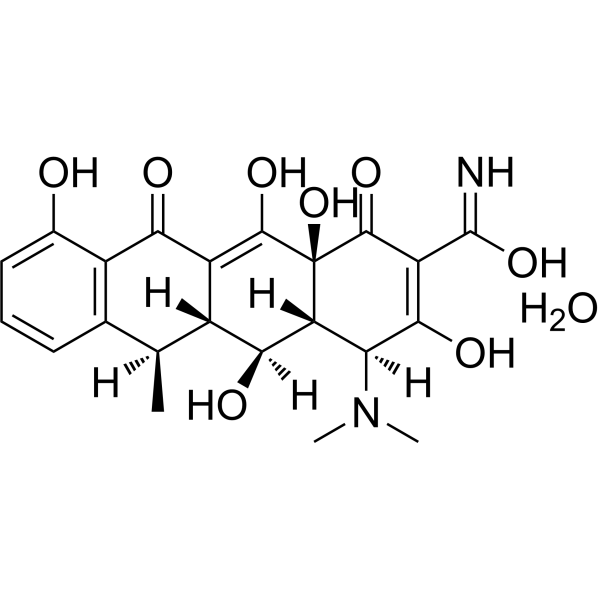
Doxycycline monohydrate (Doxycycline (hydrochloride hemiethanolate hemihydrate); WC2031) is an orally active, broad-spectrum tetracycline antibiotic that also functions as an MMP inhibitor, exhibiting antibacterial, antiviral, antiparasitic, and antitumor activities. Doxycycline monohydrate can bind to the classical binding site (CBS) within the mRNA decoding center of the 30S small subunit of the bacterial 70S ribosome.Doxycycline monohydrate blocks bacterial protein synthesis and inhibits the degradation of the extracellular matrix through its interaction with zinc and calcium ions. Doxycycline monohydrate also inhibits mitochondrial biogenesis, translation, and the expression of respiratory chain proteins. Doxycycline monohydrate induces apoptosis, inhibits autophagy and EMT, downregulates stem cell markers, and activates the PI3K-AKT pathway, thereby effectively inhibiting the viability and proliferation of cancer cells such as breast cancer cells. Doxycycline monohydrate can disrupt transthyretin (TTR) amyloid fibrils. Doxycycline monohydrate also promotes the survival and self-renewal of embryonic stem cells and neural stem cells, and reduces the frequency of medium changes in culture. Doxycycline monohydrate can be used in research related to cancers—such as breast, prostate, and bladder cancer—as well as neurological disorders .
loading...
    loading...
207
207 Publications Verification
Cat. No.: HY-N0565B
CAS No.: 24390-14-5
Synonyms: Doxycycline hydrochloride hemiethanolate hemihydrate; WC2031
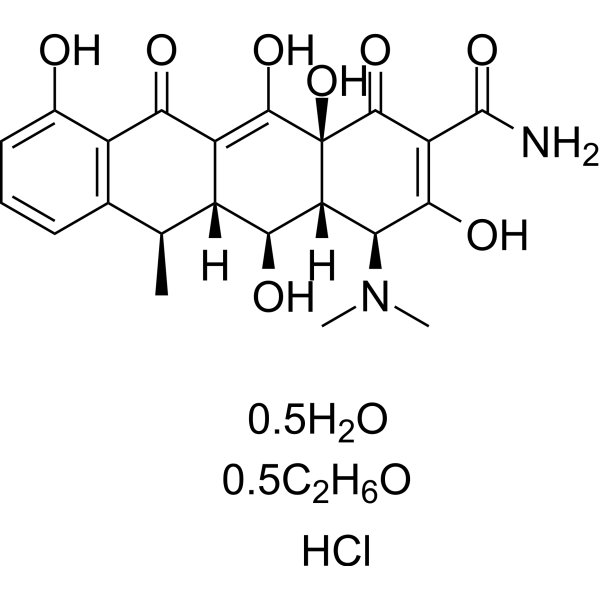
Doxycycline hyclate (Doxycycline (hydrochloride hemiethanolate hemihydrate); WC2031) is an orally active, broad-spectrum tetracycline antibiotic that also functions as an MMP inhibitor, exhibiting antibacterial, antiviral, antiparasitic, and antitumor activities. Doxycycline hyclate can bind to the classical binding site (CBS) within the mRNA decoding center of the 30S small subunit of the bacterial 70S ribosome.Doxycycline hyclate blocks bacterial protein synthesis and inhibits the degradation of the extracellular matrix through its interaction with zinc and calcium ions. Doxycycline hyclate also inhibits mitochondrial biogenesis, translation, and the expression of respiratory chain proteins. Doxycycline hyclate induces apoptosis, inhibits autophagy and EMT, downregulates stem cell markers, and activates the PI3K-AKT pathway, thereby effectively inhibiting the viability and proliferation of cancer cells such as breast cancer cells. Doxycycline hyclate can disrupt transthyretin (TTR) amyloid fibrils. Doxycycline hyclate also promotes the survival and self-renewal of embryonic stem cells and neural stem cells, and reduces the frequency of medium changes in culture. Doxycycline hyclate can be used in research related to cancers—such as breast, prostate, and bladder cancer—as well as neurological disorders .
loading...
    loading...
149
149 Cited Publications
Cat. No.: HY-10586
CAS No.: 320-67-2
Purity:  99.91%
Synonyms: Azacitidine; 5-AzaC; Ladakamycin
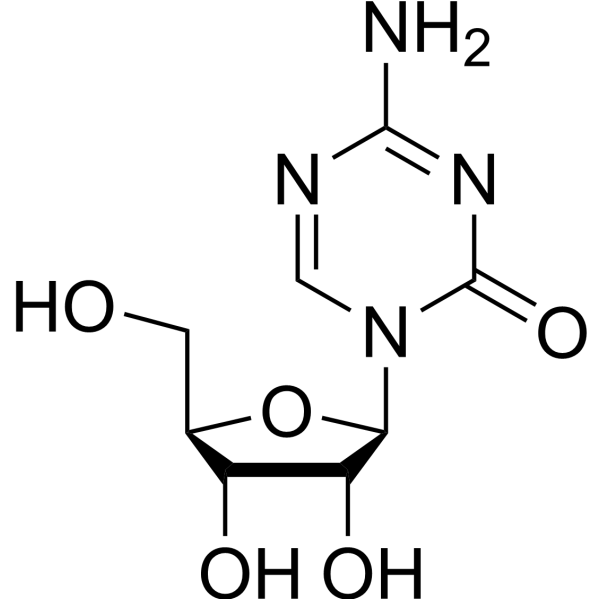
5-Azacytidine (Azacitidine; 5-AzaC; Ladakamycin) is a nucleoside analogue of cytidine that specifically inhibits DNA methylation. 5-Azacytidine is incorporated into DNA to covalently trap DNA methyltransferases and contributes to reverse epigenetic changes . 5-Azacytidine induces cell autophagy .
loading...
    loading...
76
76 Cited Publications
Cat. No.: HY-16560
CAS No.: 7689-03-4
Synonyms: Campathecin; (S)-(+)-Camptothecin; CPT
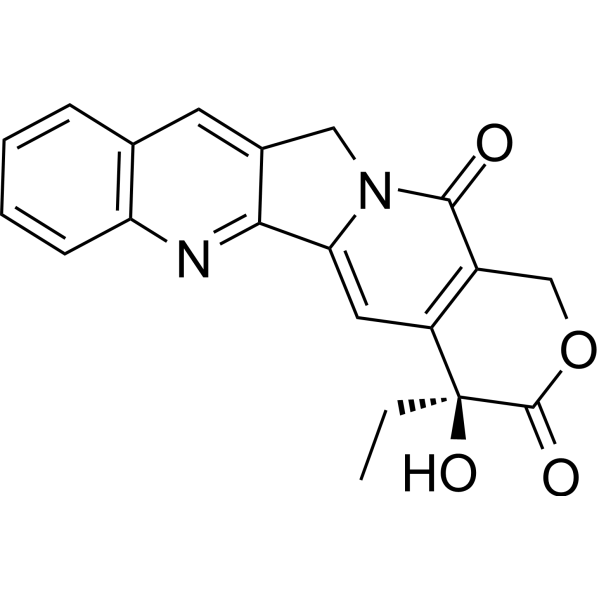
Camptothecin (CPT), a kind of alkaloid, is a DNA topoisomerase I (Topo I) inhibitor with an IC50 of 679 nM . Camptothecin (CPT) exhibits powerful antineoplastic activity against colorectal, breast, lung and ovarian cancers, modulates hypoxia-inducible factor-1α (HIF-1α) activity by changing microRNAs (miRNA) expression patterns in human cancer cells .
loading...
    loading...
45
45 Cited Publications
Cat. No.: HY-101879
CAS No.: 65-61-2
Purity:  99.65%
Target:  

Fluorescent Dye

Research Areas:  

Others

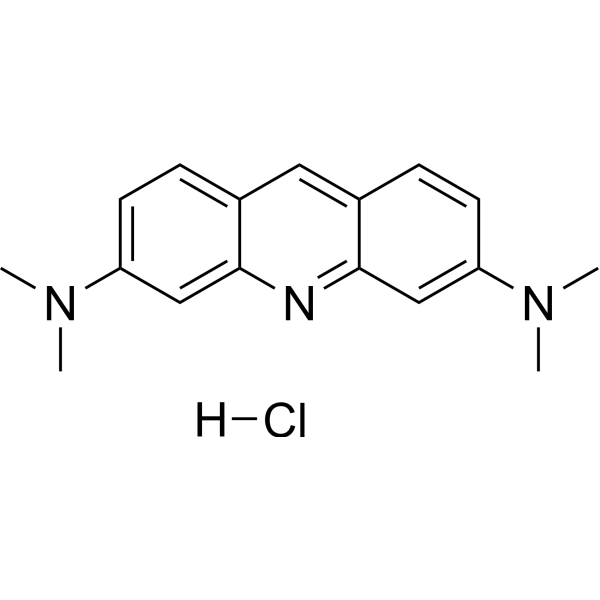
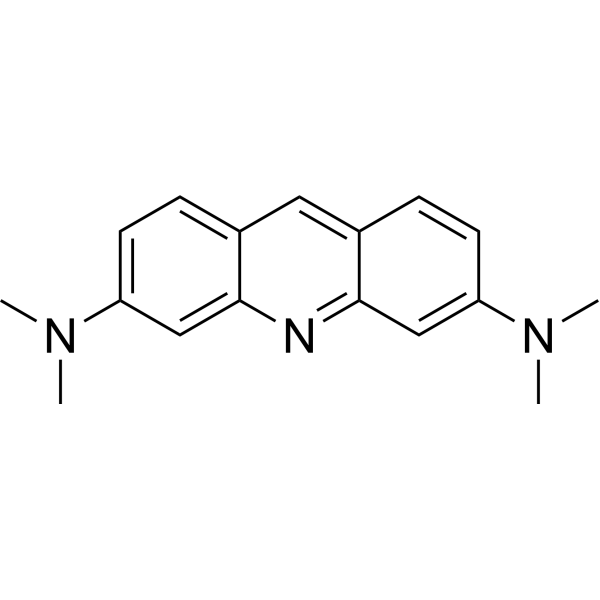
Acridine Orange hydrochloride is a cell-permeable fluorescent nucleic acid dye and lysosomal probe with a pKa of 9.65. Acridine Orange hydrochloride enters cells via passive diffusion, is protonated and accumulates in acidic lysosomes, and forms aggregates at high concentrations, producing orange-red fluorescence; when the lysosomal proton gradient or membrane integrity is impaired, Acridine Orange hydrochloride is released into the cytoplasm, green fluorescence increases and red fluorescence decreases, so it can be used to monitor lysosomal acidification status and changes in membrane permeability. Acridine Orange hydrochloride binds to nucleic acids through intercalation or electrostatic interactions, exhibiting mainly green fluorescence when bound to double-stranded DNA and mainly red fluorescence when bound to RNA or single-stranded DNA, and can be used for nucleic acid staining and differential DNA/RNA detection. The Ex/Em of Acridine Orange hydrochloride monomer is approximately 492/525 nm; when bound to double-stranded DNA it is approximately 488/520-524 nm, and when bound to RNA or single-stranded DNA it is approximately 457/630-650 nm .
loading...
    loading...
45
45 Cited Publications
Cat. No.: HY-D0942
CAS No.: 10127-02-3
Synonyms: Euchrysine 3RX
Target:  

Fluorescent Dye

Research Areas:  

Others

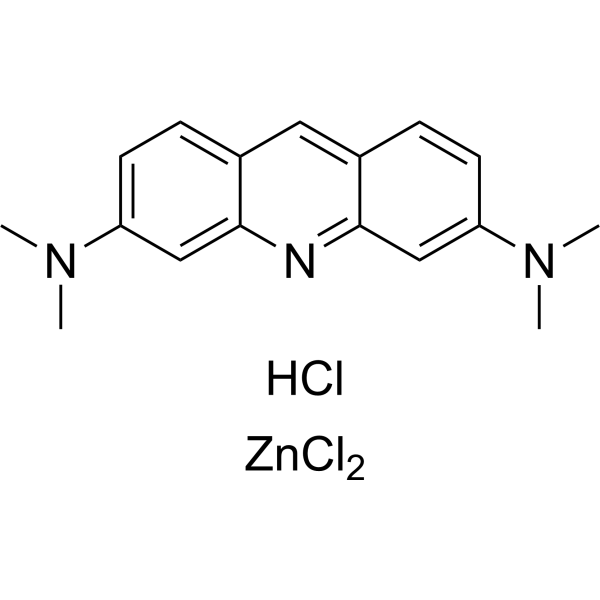
Acridine Orange zinc chloride salt is a cell-permeable fluorescent nucleic acid dye and lysosomal probe with a pKa of 9.65. Acridine Orange zinc chloride salt enters cells via passive diffusion, is protonated and accumulates in acidic lysosomes, and forms aggregates at high concentrations, producing orange-red fluorescence; when the lysosomal proton gradient or membrane integrity is impaired, Acridine Orange zinc chloride salt is released into the cytoplasm, green fluorescence increases and red fluorescence decreases, so it can be used to monitor lysosomal acidification status and changes in membrane permeability. Acridine Orange zinc chloride salt binds to nucleic acids through intercalation or electrostatic interactions, exhibiting mainly green fluorescence when bound to double-stranded DNA and mainly red fluorescence when bound to RNA or single-stranded DNA, and can be used for nucleic acid staining and differential DNA/RNA detection. The Ex/Em of Acridine Orange zinc chloride salt monomer is approximately 492/525 nm; when bound to double-stranded DNA it is approximately 488/520-524 nm, and when bound to RNA or single-stranded DNA it is approximately 457/630-650 nm .
loading...
    loading...
45
45 Cited Publications
Cat. No.: HY-D0952
CAS No.: 494-38-2
Target:  

Fluorescent Dye

Research Areas:  

Others

Acridine Orange base is a cell-permeable fluorescent nucleic acid dye and lysosomal probe with a pKa of 9.65. Acridine Orange base enters cells via passive diffusion, is protonated and accumulates in acidic lysosomes, and forms aggregates at high concentrations, producing orange-red fluorescence; when the lysosomal proton gradient or membrane integrity is impaired, Acridine Orange base is released into the cytoplasm, green fluorescence increases and red fluorescence decreases, so it can be used to monitor lysosomal acidification status and changes in membrane permeability. Acridine Orange base binds to nucleic acids through intercalation or electrostatic interactions, exhibiting mainly green fluorescence when bound to double-stranded DNA and mainly red fluorescence when bound to RNA or single-stranded DNA, and can be used for nucleic acid staining and differential DNA/RNA detection. The Ex/Em of Acridine Orange base monomer is approximately 492/525 nm; when bound to double-stranded DNA it is approximately 488/520-524 nm, and when bound to RNA or single-stranded DNA it is approximately 457/630-650 nm .
loading...
    loading...
31
31 Cited Publications
Cat. No.: HY-118263
CAS No.: 1042385-75-0
Purity:  99.03%
Synonyms: PF-00299804 hydrate; PF-299804 hydrate
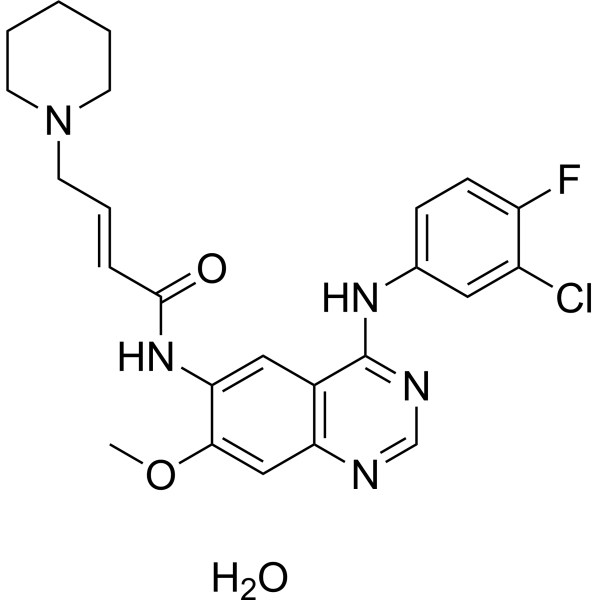
Dacomitinib hydrate (PF-00299804 hydrate; PF-299804 hydrate) is an orally active irreversible pan-ERBB receptor tyrosine kinase inhibitor with inhibitory activity against HER1/EGFR, HER2, and HER4 . Dacomitinib hydrate exerts antitumor effects in various tumor cells, inhibiting tumor cell proliferation, migration, and invasion, inducing cell cycle arrest and apoptosis, regulating the expression of molecules related to the cell cycle, apoptosis, and epithelial-mesenchymal transition, and it can also reverse partial drug resistance, producing synergistic effects when combined with chemotherapy. Dacomitinib hydrate inhibits key signaling pathways such as PI3K‑AKT‑mTOR and PLK1‑FOXM1. Dacomitinib hydrate ameliorates pathological changes associated with pulmonary arterial hypertension in rats. Dacomitinib hydrate can be used in research on breast cancer, bladder cancer, epithelial ovarian cancer, and pulmonary arterial hypertension .
loading...
    loading...
31
31 Cited Publications
Cat. No.: HY-13272
CAS No.: 1110813-31-4
Purity:  99.74%
Synonyms: PF-00299804; PF-299804
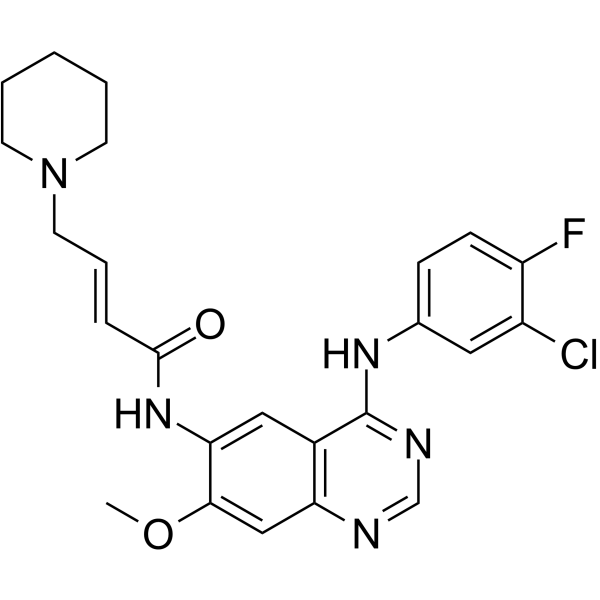
Dacomitinib (PF-00299804; PF-299804) is an orally active irreversible pan-ERBB receptor tyrosine kinase inhibitor with inhibitory activity against HER1/EGFR, HER2, and HER4 . Dacomitinib exerts antitumor effects in various tumor cells, inhibiting tumor cell proliferation, migration, and invasion, inducing cell cycle arrest and apoptosis, regulating the expression of molecules related to the cell cycle, apoptosis, and epithelial-mesenchymal transition, and it can also reverse partial drug resistance, producing synergistic effects when combined with chemotherapy. Dacomitinib inhibits key signaling pathways such as PI3K‑AKT‑mTOR and PLK1‑FOXM1. Dacomitinib ameliorates pathological changes associated with pulmonary arterial hypertension in rats. Dacomitinib can be used in research on breast cancer, bladder cancer, epithelial ovarian cancer, and pulmonary arterial hypertension .
loading...
    loading...
29
29 Cited Publications
Cat. No.: HY-15206
CAS No.: 10238-21-8
Purity:  99.94%
Synonyms: Glyburide; Glybenclamide
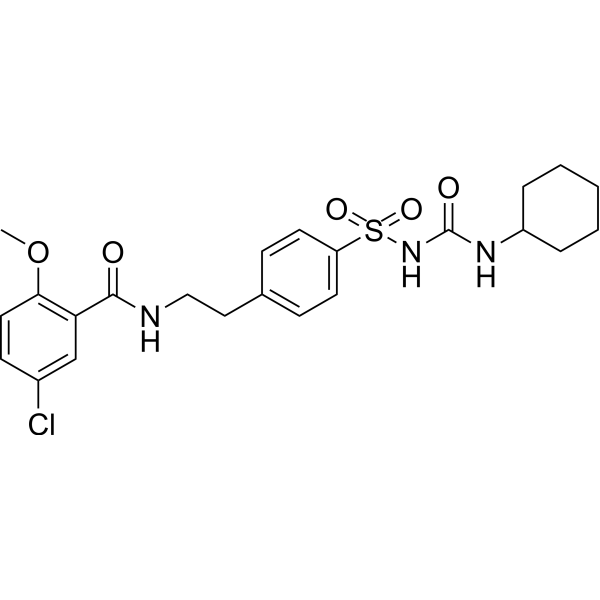
Glibenclamide (Glyburide) is an orally active ATP-sensitive K + channel (KATP) inhibitor and can be used for the research of diabetes and obesity . Glibenclamide inhibits P-glycoprotein. Glibenclamide directly binds and blocks the SUR1 subunits of KATP and inhibits the cystic fibrosis transmembrane conductance regulator protein (CFTR) . Glibenclamide interferes with mitochondrial bioenergetics by inducing changes on membrane ion permeability . Glibenclamide can induce autophagy .
loading...
    loading...
25
25 Cited Publications
Cat. No.: HY-N0288
CAS No.: 476-28-8
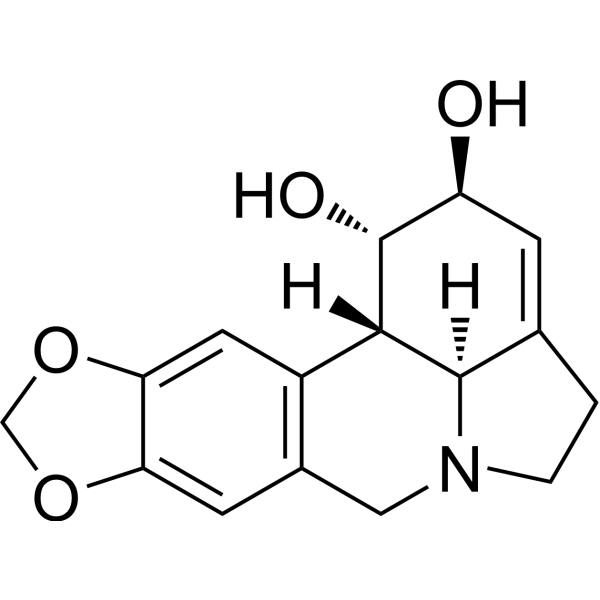
Lycorine is a natural alkaloid extracted from the Amaryllidaceae plant. Lycorine is a potent and orally active SCAP inhibitor with a Kd value 15.24 nM. Lycorine downregulates the SCAP protein level without changing its transcription . Lycorine is also a melanoma vasculogenic inhibitor . Lycorine can be used for the study of prostate cancer and metabolic diseases .
loading...
    loading...
25
25 Cited Publications
Cat. No.: HY-15558
CAS No.: 23491-44-3
Purity:  99.11%
Synonyms: bisBenzimide H 33258; H 33258
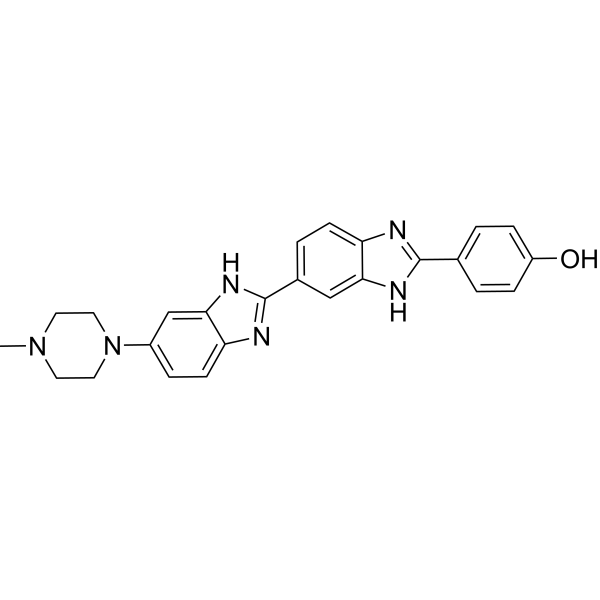
Hoechst 33258 is a blue to blue-green fluorescent live cell dye that can label DNA. Hoechst 33258 can specifically bind to the minor groove of DNA (and tends to bind to A/T-rich DNA), resulting in a significant increase in fluorescence intensity. Hoechst 33258 can cross the cell membrane and cause changes in DNA structure, such as G2/M phase arrest. Hoechst 33258 can bind to live or fixed cells, and the fluorescence intensity increases with increasing solution pH. As a DNA-specific probe, Hoechst 33258 can be used to detect DNA content, analyze cell cycle, etc. The excitation wavelength of Hoechst 33258 is 350-365 nm, and the emission wavelength is 460-490 nm .
loading...
    loading...
23
23 Cited Publications
Cat. No.: HY-W099571
CAS No.: 4485-12-5
Synonyms: Stearic acid lithium; Lithium octadecanoate
Lithium stearate (Stearic acid (lithium)) is a compound that forms vesicles in reaction with silver nitrate, thereby changing the reaction kinetics of the nucleation and self-assembly process of silver stearate. It has the activity that even in the presence of excess silver nitrate, only about 80% can be converted into silver stearate and the residual lithium stearate will inhibit the growth process of silver stearate crystals, thereby producing silver stearate crystals that are much smaller than those obtained from sodium stearate, providing an opportunity to further control the self-assembly and crystal growth of silver stearate.
loading...
    loading...
19
19 Cited Publications
Cat. No.: HY-126823
CAS No.: 234075-45-7
Purity:  95.33%
Synonyms: PGSK diacetate (5/6-mixture)
Target:  

Fluorescent Dye

Research Areas:  

Others

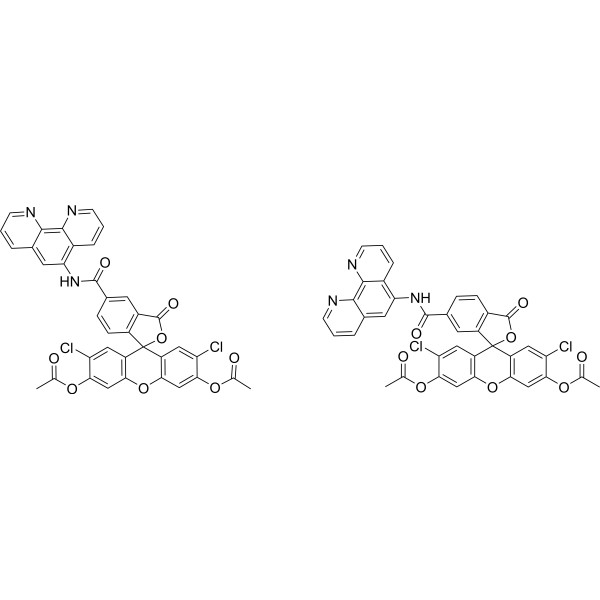
Phen green SK (PGSK) diacetate (PGSK diacetate (5/6-mixture)) is a metal ion-sensitive fluorescent probe that can penetrate cell membranes. Phen green SK (PGSK) diacetate can react with a variety of metal ions, including Fe 2+, Cd 2+, Co 2+, Ni 2+, Zn 2+, etc. Phen green SK (PGSK) diacetate chelates Fe 2+, resulting in fluorescence quenching, which can be restored when a membrane-permeable chelator is added, thereby reflecting the changes in the intracellular chelatable iron pool. The excitation/emission maxima of Phen green SK diacetate are 507/532 nm, respectively .
loading...
    loading...
15
15 Cited Publications
Cat. No.: HY-15887
CAS No.: 1243583-85-8
Purity:  99.24%
Synonyms: Tip60 HAT inhibitor
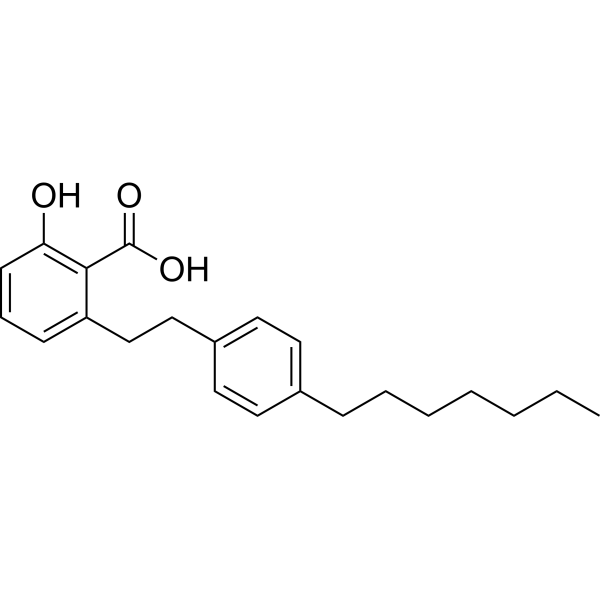
MG149 (Tip60 HAT inhibitor) is a selective and potent Tip60 inhibitor with IC50 of 74 uM, similar potentcy for MOF (IC50 = 47 uM); little potent for PCAF and p300 (IC50 >200 uM). MG 149 inhibits KAT8 and blocks PINK1 kinase activity. MG149 inhibits the phosphorylation of Parkin and ubiquitin, thereby suppressing the initiation of PINK1-dependent mitophagy. MG 149 can reverse chronic restraint stress (CRS) induced hypertension and related molecular changes. MG 149 commonly used in research on diseases such as hypertension and Parkinson's disease .
loading...
    loading...
15
15 Cited Publications
Cat. No.: HY-12688A
CAS No.: 864167-45-3
Purity:  ≥98.0%
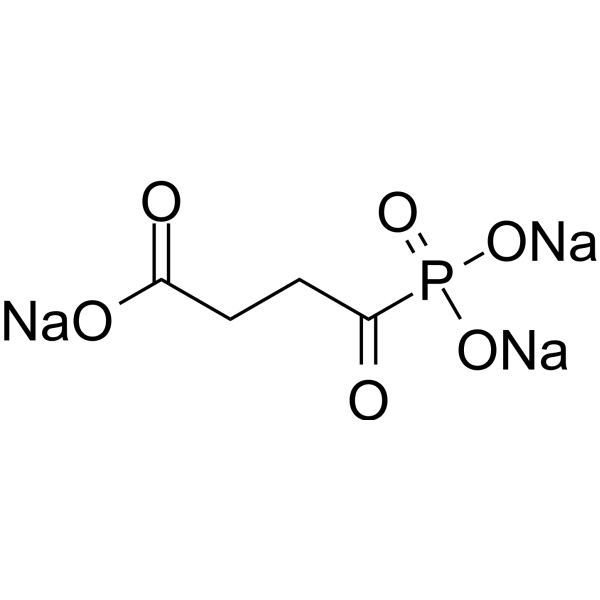
Succinyl phosphonate trisodium salt is a α-Ketoglutarate Dehydrogenase Complex (KGDHC) modulator with neuroprotective activity. Succinyl phosphonate trisodium salt protects this complex, reduces cellular succinyl-CoA concentration, downregulates protein succinylation levels, and inhibits the activity of the α-ketoglutarate dehydrogenase complex. Succinyl phosphonate trisodium salt corrects hypoxic or ethanol-induced behavioral impairments, modulates exploratory behavior and emotional stress responses, and improves hypoxia tolerance. Succinyl phosphonate trisodium salt reduces glutamate excitotoxicity, restores the activity of the α-ketoglutarate dehydrogenase complex, reverses the changes in glutamate dehydrogenase and glutamine synthetase activities induced by β-amyloid (Amyloid-β), modulates cognitive function, and prevents β-amyloid-induced neuronal damage. Succinyl phosphonate trisodium salt improves microglial senescence, alleviates neuroinflammation, reactive oxygen species (ROS) production, lipid peroxidation, and the expression of proinflammatory cytokines. Succinyl phosphonate trisodium salt can be used in the research of Alzheimer's disease, aging-related neuroinflammation, and Parkinson's disease .
loading...
    loading...
13
13 Cited Publications
Cat. No.: HY-D1168
CAS No.: 1320-06-5
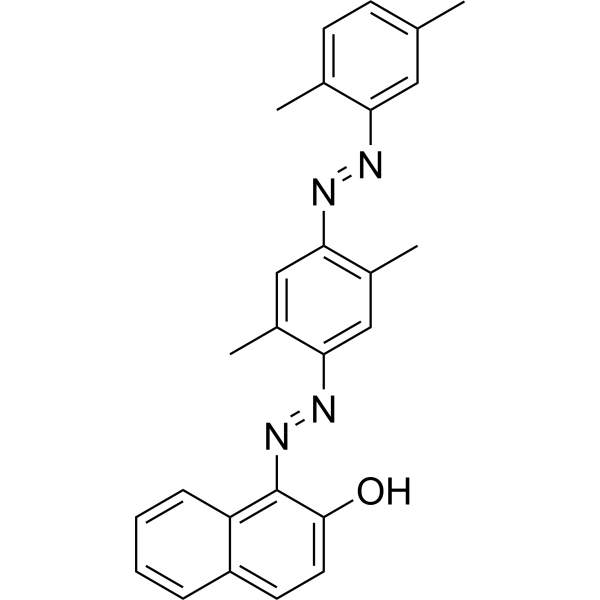
Oil Red O is a fat-soluble diazol dye, with a maximum absorption at 518 nm. Oil Red O stains neutral lipids and cholesteryl esters but not biological membranes. Oil Red O can be used for detecting and quantifying hepatic steatosis in mouse liver biopsies. Oil Red O staining efficiently helps to visualize the radical changes that occur in tissues as metabolic disease occurs and progresses .
loading...
    loading...
13
13 Cited Publications
Cat. No.: HY-134539
CAS No.: 2304621-31-4
Purity:  98.13%
IMT1 is a first-in-class specific and noncompetitive human mitochondrial RNA polymerase (POLRMT) inhibitor. IMT1 causes a conformational change of POLRMT, which blocks substrate binding and transcription in a dose-dependent way in vitro. IMT1 reduces deoxynucleoside triphosphate levels and citric acid cycle intermediates, resulting in a marked depletion of cellular amino acid levels. IMT1 has the potential for mitochondrial transcription disorders related diseases .
loading...
    loading...

