
1. Search Result
Search Result
Results for "

conductance

" in MedChemExpress (MCE) Product Catalog:

154

Inhibitors & Agonists

10

Screening Libraries

7

Fluorescent Dye

21

Peptides

1

Inhibitory Antibodies

12

Natural
Products

11

Isotope-Labeled Compounds

1

Antibodies

1

Oligonucleotides

Targets Recommended:
Cat. No. Product Name Target Research Areas Chemical Structure
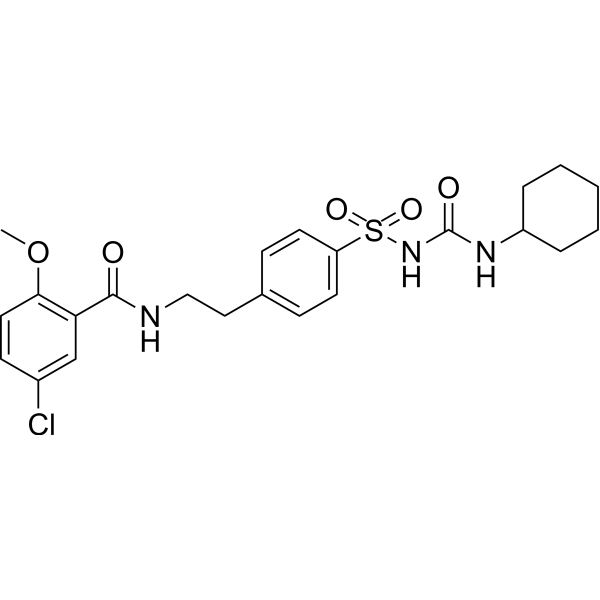
  • HY-15206
    Glibenclamide
    25+ Cited Publications

    Glyburide

    Potassium Channel Mitochondrial Metabolism Autophagy CFTR P-glycoprotein Metabolic Disease
    Glibenclamide (Glyburide) is an orally active ATP-sensitive K + channel (KATP) inhibitor and can be used for the research of diabetes and obesity . Glibenclamide inhibits P-glycoprotein. Glibenclamide directly binds and blocks the SUR1 subunits of KATP and inhibits the cystic fibrosis transmembrane conductance regulator protein (CFTR) . Glibenclamide interferes with mitochondrial bioenergetics by inducing changes on membrane ion permeability . Glibenclamide can induce autophagy .
    Glibenclamide
  • HY-111772
    Elexacaftor
    Maximum Cited Publications
    48 Publications Verification

    VX-445

    CFTR Autophagy Inflammation/Immunology
    Elexacaftor (VX-445, Compound 1) is a modulator of cystic fibrosis transmembrane conductance regulator (CFTR). Elexacaftor (VX-445, Compound 1) facilitates the processing and trafficking of CFTR to increase the amount of CFTR at the cell surface .
    Elexacaftor
  • HY-N6708
    Alamethicin
    2 Publications Verification

    Antibiotic Bacterial Infection
    Alamethicin is a linear 20-amino acid antibiotic, which can induce voltage-gated conductance in model and cell membranes. Alamethicin exhibits antimicrobial activity against Gram-positive bacteria, but not Gram-negative bacteria. Alamethicin can form an amphipathic α-helical structure in biological membranes .
    Alamethicin
  • HY-136976
    WST-1
    3 Publications Verification

    Fluorescent Dye Cancer
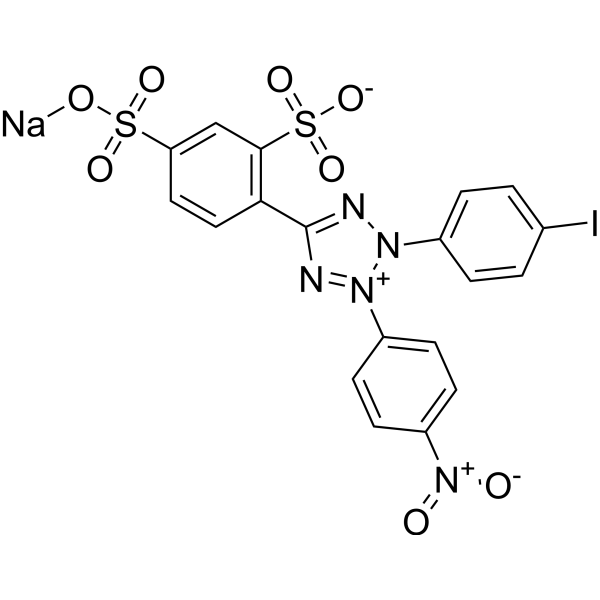
    WST-1 is a kind of water-soluble tetrazolium salt. WST induces the intracellular mitochondrial dehydrogenase to conduct NADH-dependent enzyme digestion reaction, releasing the water-soluble methyl benzene product. WST-1 can be used for the detection of cell proliferation and cytotoxicity, via the determination of the light absorption value at 450 nm .
    WST-1
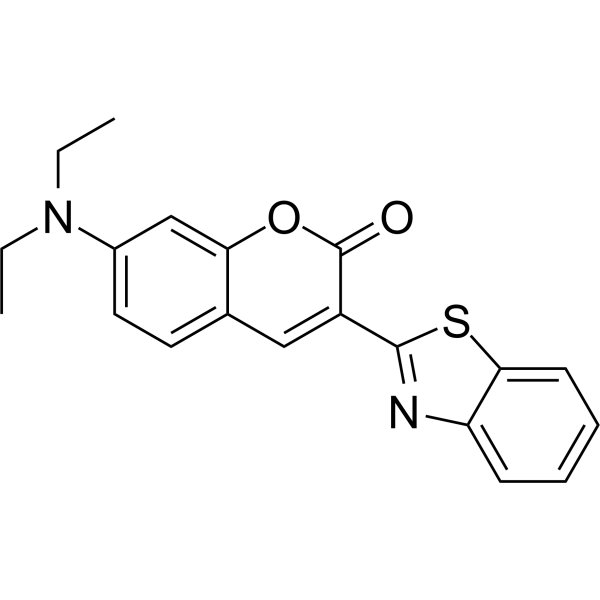
  • HY-N7131
    Coumarin 6
    Maximum Cited Publications
    21 Publications Verification

    Fluorescent Dye Others
    Coumarin 6, a fluorescent dye, is used as a fluorescent probe in a microparticle drug delivery system to conduct in vivo tracking, cell uptake, and transport mechanism studies of drug delivery systems (λexc=450 nm, λem=505 nm) .
    Coumarin 6
  • HY-B0122
    Topiramate
    5+ Cited Publications

    McN 4853; RWJ 17021

    iGluR GABA Receptor Sodium Channel Calcium Channel Potassium Channel Carbonic Anhydrase Neurological Disease
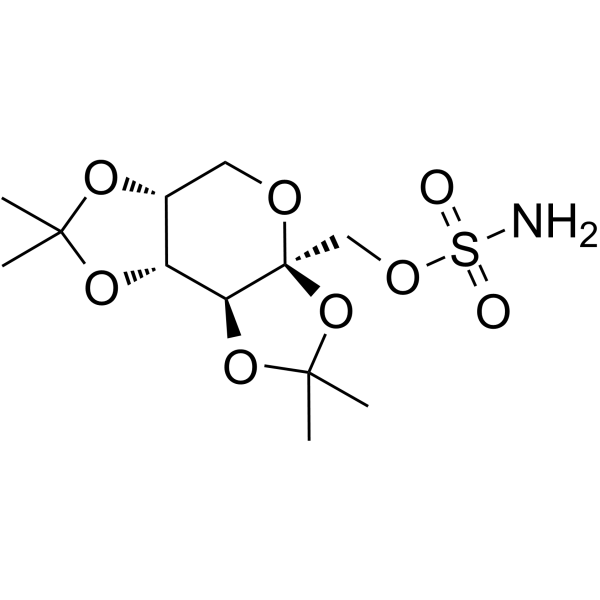
    Topiramate (McN 4853) is a broad-spectrum antiepileptic agent. Topiramate is a GluR5 receptor antagonist. Topiramate produces its antiepileptic effects through enhancement of GABAergic activity, inhibition of kainate/AMPA receptors, inhibition of voltage-sensitive sodium and calcium channels, increases in potassium conductance, and inhibition of carbonic anhydrase .
    Topiramate
  • HY-P0190
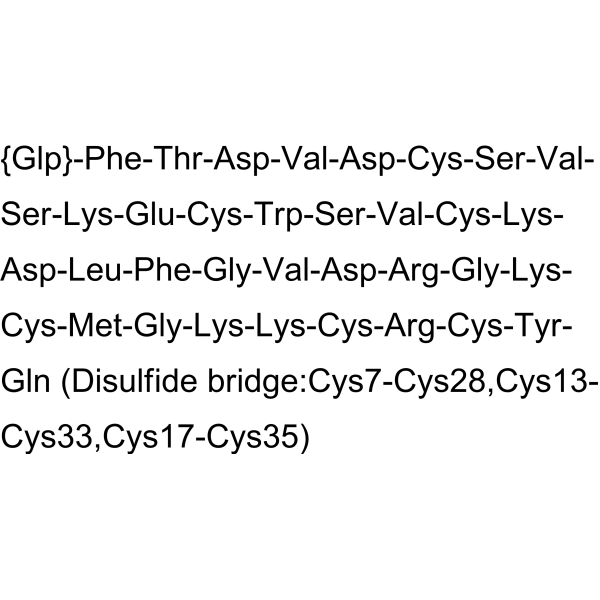
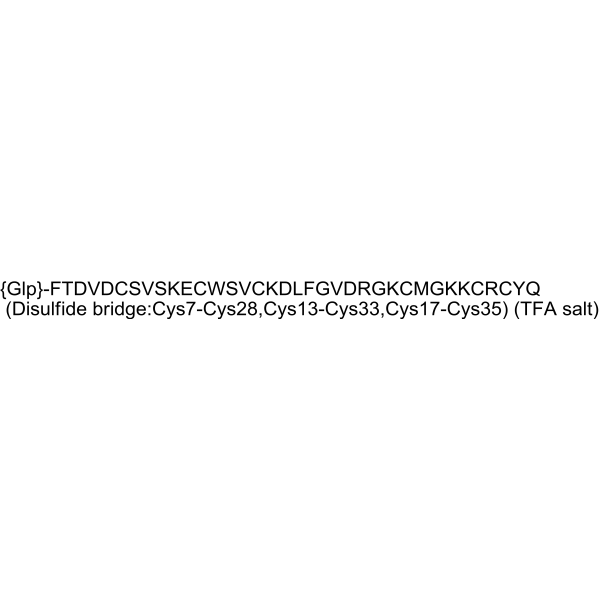
    Iberiotoxin
    2 Publications Verification

    Potassium Channel Cardiovascular Disease
    Iberiotoxin is a toxin isolated from Buthus tamulus scorpion venom. Iberiotoxin is a selective high conductance high conductance Ca 2+-activated K + channel inhibitor with a Kd of ~1 nM. Iberiotoxin does not block other types of voltage-dependent ion channels .
    Iberiotoxin
  • HY-116330A
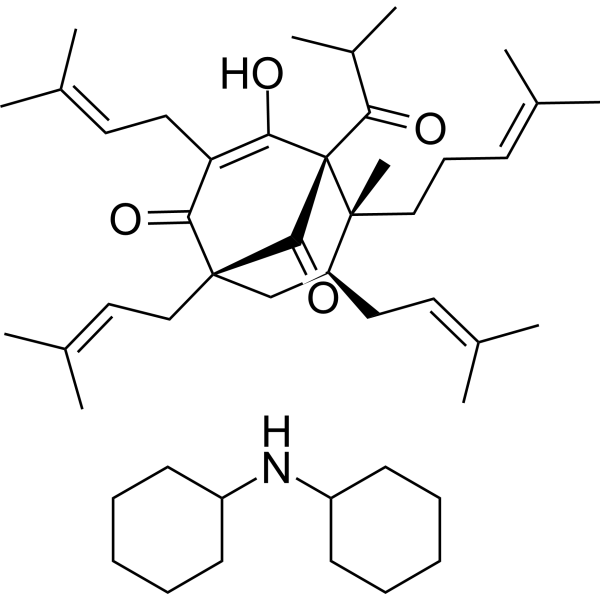
    Hyperforin dicyclohexylammonium salt
    3 Publications Verification

    Hyperforin DCHA

    TRP Channel Calcium Channel Neurological Disease Cancer
    Hyperforin dicyclohexylammonium salt (Hyperforin DCHA) is a transient receptor canonical 6 (TRPC6) channels activator. Hyperforin dicyclohexylammonium salt modulates Ca 2+ levels by activating Ca 2+-conducting non-selective canonical TRPC6 channels. Hyperforin dicyclohexylammonium salt also shows diverse pharmacological activities including anti-depression, anti-tumor, anti-dementia, anti-diabetes. Hyperforin dicyclohexylammonium salt modulates γδ T cells to secret IL-17α, improves Imiquimod (HY-B0180)-induced psoriasis-like mice model .
    Hyperforin dicyclohexylammonium salt
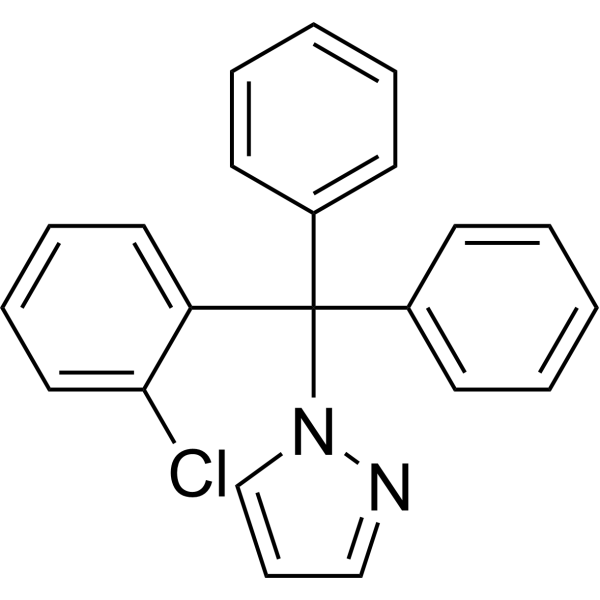
  • HY-13519
    TRAM-34
    25+ Cited Publications

    Potassium Channel Neurological Disease
    TRAM-34 is a highly selective blocker of intermediate-conductance calcium-activated K + channel (IKCa1) (Kd=20 nM).
    TRAM-34
  • HY-113147
    L-Palmitoylcarnitine
    2 Publications Verification

    Potassium Channel Endogenous Metabolite Cardiovascular Disease Metabolic Disease
    L-Palmitoylcarnitine, a long-chain acylcarnitine and a fatty acid metabolite, accumulates in the sarcolemma and deranges the membrane lipid environment during ischaemia. L-Palmitoylcarnitine inhibits KATP channel activity, without affecting the single channel conductance, through interaction with Kir6.2 .
    L-Palmitoylcarnitine
  • HY-D0722
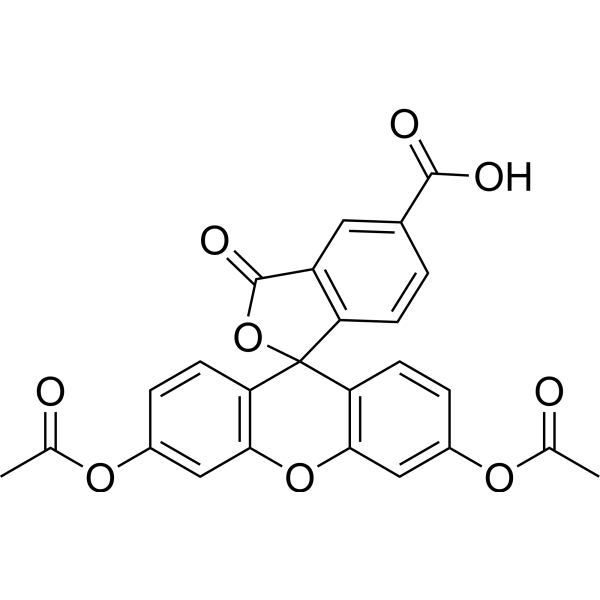
    5(6)-CFDA
    5+ Cited Publications

    5-(6)-Carboxyfluorescein diacetate; CFDA

    Fluorescent Dye Others
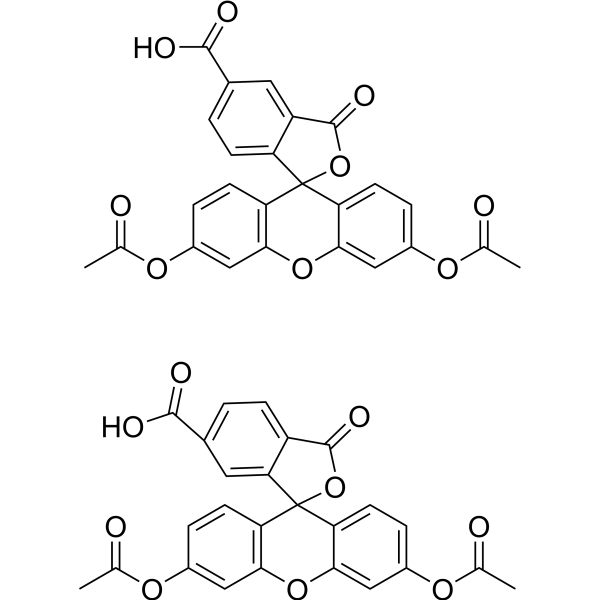
    5(6)-CFDA is a common aliphatic luciferin-line organism. CFDA conducts free diffusion into cells, and then it is hydrolyzed into carboxyl fluorescein (CF) by intracellular non-specific lipase. CF containing portion contains an additional negative charge so that it is better retained in cells, compared to fluorescein dyes .
    5(6)-CFDA
  • HY-13103
    NS 11021
    3 Publications Verification

    Potassium Channel Others
    NS 11021 is a potent and specific Ca 2+-activated big-conductance K + Channels (KCa1.1 channels) activator. NS 11021 at concentrations above 0.3 μM activates KCa1.1 in a concentration-dependent manner by parallelshifting the channel activation curves to more negative potentials .
    NS 11021
  • HY-110105
    NS8593 hydrochloride
    1 Publications Verification

    Potassium Channel Neurological Disease
    NS8593 hydrochloride is a potent and selective small conductance Ca 2+-activated K + channels (SK channels) inhibitor. NS8593 hydrochloride reversibly inhibits SK3-mediated currents with a Kd value of 77 nM. NS8593 hydrochloride inhibits all the SK1-3 subtypes Ca 2+-dependently (Kds of 0.42, 0.60, and 0.73 μM, respectively, at 0.5 μM Ca 2+), and does not affect the Ca 2+-activated K + channels of intermediate and large conductance (hIK and hBK channels, respectively) .
    NS8593 hydrochloride
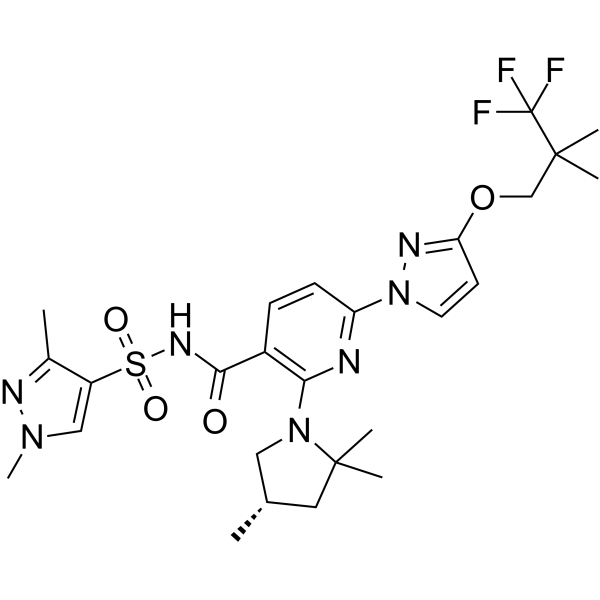
  • HY-109160
    Rimtuzalcap
    2 Publications Verification

    CAD-1883

    Potassium Channel Neurological Disease
    Rimtuzalcap (CAD-1883) is a first-in-class selective positive allosteric modulator of small-conductance calcium-activated potassium channels (SK channels). Rimtuzalcap can be used for the research of movement disorders including essential tremor (ET) and spinocerebellar ataxia (SCA) .
    Rimtuzalcap
  • HY-113147A
    L-Palmitoylcarnitine chloride
    2 Publications Verification

    Potassium Channel Endogenous Metabolite Cardiovascular Disease Metabolic Disease
    L-Palmitoylcarnitine chloride, a long-chain acylcarnitine and a fatty acid metabolite, accumulates in the sarcolemma and deranges the membrane lipid environment during ischaemia. L-Palmitoylcarnitine chloride inhibits KATP channel activity, without affecting the single channel conductance, through interaction with Kir6.2 .
    L-Palmitoylcarnitine chloride
  • HY-12496
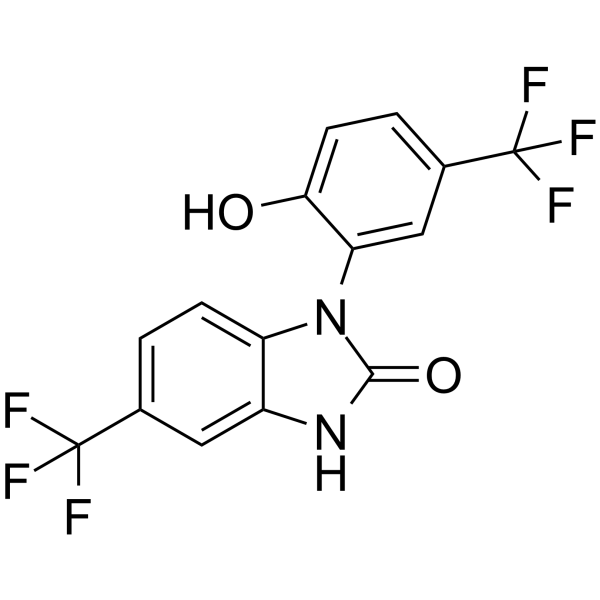
    NS-1619
    4 Publications Verification

    Potassium Channel Apoptosis Cardiovascular Disease Cancer
    NS-1619 is an opener of large conductance Ca 2+-activated K + (BK) channel. NS-1619 is a highly effective relaxant with an EC50 of about 10 – 30 μM in several smooth muscles of blood vessels and other tissues . NS1619 inhibits proliferation and induces apoptosis in A2780 ovarian cancer cells .
    NS-1619
  • HY-18336
    GlyH-101
    5 Publications Verification

    CFTR Cardiovascular Disease
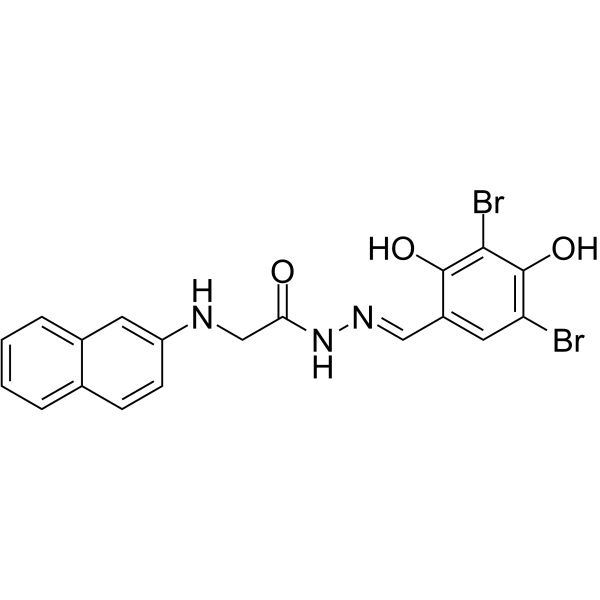
    GlyH-101 is a potent CFTR inhibitor. GlyH-101 also is a potent and reversible inhibitor of the VSORC conductance. GlyH-101 shows antiproliferative activity. GlyH-101 inhibits CFTR-like current and VSORC current .
    GlyH-101
  • HY-D0047
    5-CFDA
    3 Publications Verification

    5-Carboxyfluorescein diacetate

    Fluorescent Dye Others
    5-CFDA is a common aliphatic luciferin-line organism. CFDA conducts free diffusion into cells, and then it is hydrolyzed into carboxyl fluorescein (CF) by intracellular non-specific lipase. CF containing portion contains an additional negative charge so that it is better retained in cells, compared to fluorescein dyes .
    5-CFDA
  • HY-D0721

    6-Carboxyfluorescein diacetate

    Fluorescent Dye Others
    6-CFDA is a common aliphatic luciferin-line organism. CFDA conducts free diffusion into cells, and then it is hydrolyzed into carboxyl fluorescein (CF) by intracellular non-specific lipase. CF containing portion contains an additional negative charge so that it is better retained in cells, compared to fluorescein dyes .
    6-CFDA
  • HY-P99798

    AMG 420; BI-836909

    CD3 Cancer
    Pacanalotamab (AMG 420; BI-836909) is a bispecific T-cell engager (BiTE) targeting to BCMA and CD3E. BCMA refers to B cell maturation antigen, as Pacanalotamab redirecting T cells to BCMA expressing cells on the cell surface. Pacanalotamab conducts T-cell redirected lysis of human multiple myeloma (MM) cell lines .
    Pacanalotamab
  • HY-113147AS

    Potassium Channel Endogenous Metabolite Cardiovascular Disease Metabolic Disease
    L-Palmitoylcarnitine-d3 hydrochloride is the deuterium labeled L-Palmitoylcarnitine hydrochloride. L-Palmitoylcarnitine hydrochloride, a long-chain acylcarnitine and a fatty acid metabolite, accumulates in the sarcolemma and deranges the membrane lipid environment during ischaemia. L-Palmitoylcarnitine hydrochloride inhibits KATP channel activity, without affecting the single channel conductance, through interaction with Kir6.2 .
    L-Palmitoylcarnitine-d3 hydrochloride
  • HY-145603A
    (R)-Vanzacaftor
    1 Publications Verification

    (R)-VX-121

    CFTR Inflammation/Immunology
    (R)-Vanzacaftor ((R)-VX-121) is a Cystic Fibrosis Transmembrane Conductance Regulator (CFTR) modulator with max activity of 30-60% and EC50 <1 μM in enteroid cells. (R)-Vanzacaftor can be used for the research of cystic fibrosis .
    (R)-Vanzacaftor
  • HY-126394
    Bamocaftor
    1 Publications Verification

    VX-659

    CFTR Endocrinology
    Bamocaftor (VX-659) is a cystic fibrosis transmembrane conductance regulator (CFTR) corrector designed to restore F508del-CFTR protein function. Bamocaftor can be used combine with Tezacaftor (HY-15448) and Ivacaftor (HY-13017) in cystic fibrosis research .
    Bamocaftor
  • HY-108593
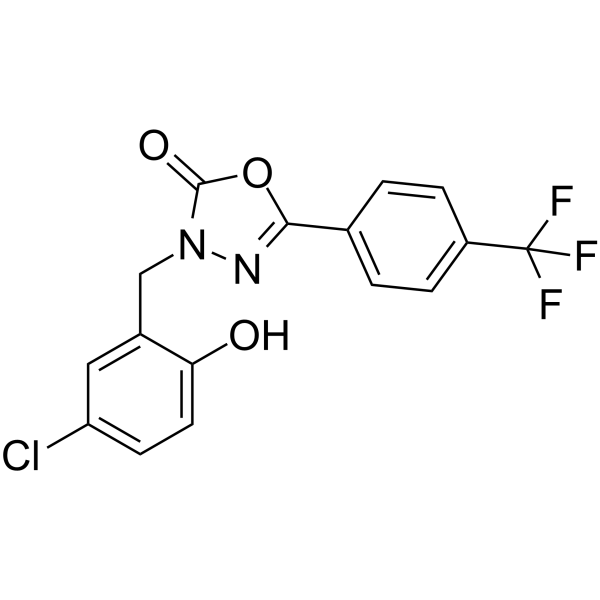
    BMS-191011
    3 Publications Verification

    BMS-A

    Potassium Channel Neurological Disease
    BMS 191011 (BMS-A) is a potent BKCa channel opener (large-conductance Ca 2+-activated potassium channel). BMS-191011 shows neuroprotective activities in rodent models of stroke .
    BMS-191011
  • HY-111111
    Galicaftor
    1 Publications Verification

    ABBV-2222; GLPG-2222

    CFTR Inflammation/Immunology
    Galicaftor (ABBV-2222; GLPG-2222) is a potent and orally active cystic fibrosis transmembrane conductance regulator (CFTR) corrector. Galicaftor can be used for cystic fibrosis research .
    Galicaftor
  • HY-111680
    Nesolicaftor
    2 Publications Verification

    PTI-428

    CFTR Autophagy Endocrinology
    Nesolicaftor (PTI-428) is a specific cystic fibrosis transmembrane conductance regulator (CFTR) amplifier .
    Nesolicaftor
  • HY-116330

    Calcium Channel TRP Channel Neurological Disease Inflammation/Immunology
    Hyperforin is a transient receptor canonical 6 (TRPC6) channels activator. Hyperforin modulates Ca 2+ levels by activating Ca 2+-conducting non-selective canonical TRPC6 channels and triggers adipose tissue thermogenesis via the Dlat-AMPK signaling axis to suppress obesity. Hyperforin also shows diverse pharmacological activities including anti-depression, anti-tumor, anti-dementia, anti-diabetes. Hyperforin modulates γδ T cells to secret IL-17α, improves Imiquimod (HY-B0180)-induced psoriasis-like mice model .
    Hyperforin
  • HY-W013854

    3β-Hydroxy-5α-androstane

    Endogenous Metabolite Others
    5α-Androstan-3β-ol (Androstan), a saturated sterol, is a CAR (constitutive androstane receptor) inverse agonist ligand. 5α-Androstan-3β-ol (Androstan) increases the AmB-channel conductance in a concentration dependent manner .
    5α-Androstan-3β-ol
  • HY-122376

    D-Trans-Allethrin; Esbiol

    Environmental Pollutants Sodium Channel Neurological Disease
    S-Bioallethrin (D-Trans-Allethrin) is a pyrethroid insecticide. S-Bioallethrin disrupts nerve function by modifying the gating kinetics of transitions between the conducting and nonconducting states of voltage-gated sodium channels. S-Bioallethrin also causes inhibition of lymphocyte proliferation and induces histamine release from human basophils .
    S-Bioallethrin
  • HY-P0190A
    Iberiotoxin TFA
    2 Publications Verification

    Potassium Channel Others
    Iberiotoxin (TFA) is a selective high conductance high conductance Ca 2+-activated K + channel inhibitor with a Kd of ~1 nM. Iberiotoxin (TFA) does not block other types of voltage-dependent ion channels .
    Iberiotoxin TFA
  • HY-N3463

    Potassium Channel Neurological Disease
    Isopimaric acid is a potent opener of large conductance calcium activated K + (BK) channels.
    Isopimaric acid
  • HY-112267

    VX-440

    CFTR Autophagy Inflammation/Immunology
    Olacaftor (VX-440) is a cystic fibrosis transmembrane conductance regulator (CFTR) modulator extracted from patent US9782408.
    Olacaftor
  • HY-119936

    CFTR Autophagy Inflammation/Immunology
    GLPG2451 is a cystic fibrosis transmembrane conductance regulator (CFTR) potentiator, which effectively potentiates low temperature rescued F508del CFTR with an EC50 of 11.1 nM .
    GLPG2451
  • HY-157485

    Potassium Channel Others
    Ebio1 is a selective voltage-gated potassium channel KCNQ2 activator. Ebio1 activates KCNQ2 by generating an extended channel gate with greater conductance at a saturation voltage (+50 mV) .
    Ebio1
  • HY-113147B
    L-Palmitoylcarnitine TFA
    2 Publications Verification

    Endogenous Metabolite Potassium Channel Cardiovascular Disease Metabolic Disease
    L-Palmitoylcarnitine TFA, a long-chain acylcarnitine and a fatty acid metabolite, accumulates in the sarcolemma and deranges the membrane lipid environment during ischaemia. L-Palmitoylcarnitine TFA inhibits KATP channel activity, without affecting the single channel conductance, through interaction with Kir6.2 .
    L-Palmitoylcarnitine TFA
  • HY-19970
    KM11060
    2 Publications Verification

    CFTR Autophagy Endocrinology
    KM11060 is a corrector of the F508 deletion (F508del)-cystic fibrosis transmembrane conductance regulator (CFTR) trafficking defect. KM11060 can be used for the research of F508del-CFTR processing defect and development of cystic fibrosis research .
    KM11060
  • HY-P1221A

    Sodium Channel Neurological Disease
    ProTx II TFA is a selective blocker of Nav1.7 sodium channels with an IC50 of 0.3 nM, and is at least 100-fold selective for Nav1.7 over other sodium channel subtypes. ProTx-II inhibits sodium channels by decreasing channel conductance and shifting activation to more positive potentials and blocks action potential propagation in nociceptors .
    ProTx II TFA
  • HY-108579

    Potassium Channel Cardiovascular Disease
    UCL 1684 (dibromide) is a first nanomolar, non-peptidic small conductance calcium-activated potassium (SK) channel blocker. UCL 1684 (dibromide) is effective in preventing the development of atrial fibrillation due to potent atrial-selective inhibition of INa. UCL 1684 (dibromide) causes atrial-selective prolongation of ERP secondary to induction of postrepolarization refractoriness .
    UCL 1684 dibromide
  • HY-100244

    Chloride Channel Neurological Disease
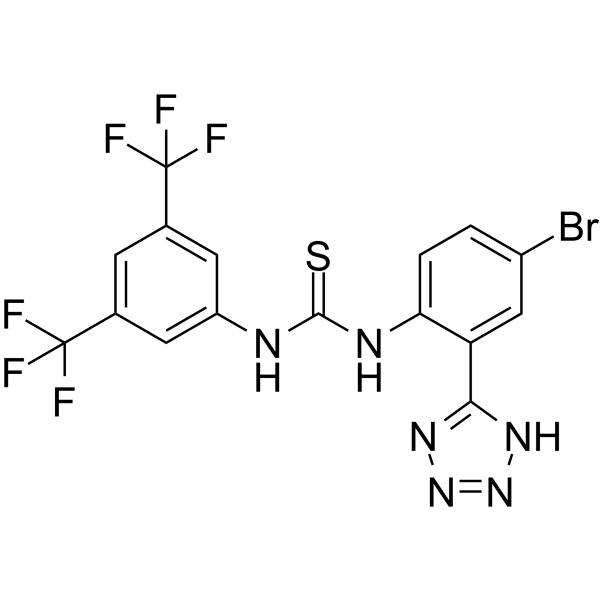
    NS1652 is a reversible anion conductance inhibitor, blocks chloride channel, with an IC50 of 1.6 μM in human and mouse red blood cells.
    NS1652
  • HY-131012

    Potassium Channel Others
    GoSlo-SR-5-69 is a potent activator of large conductance Ca 2+-activated K + (BK) channels, with an EC50 of 251 nM .
    GoSlo-SR-5-69
  • HY-A0135

    Potassium Channel Neurological Disease
    Enflurane, a volatile anaesthetic, is a potent inhibitor of high conductance Ca 2+-activated K+ channels of Chara australis. Enflurane is an internal standard in monitoring halogenated volatile anaesthetics by headspace gas chromatography-mass spectrometry .
    Enflurane
  • HY-W013430

    Fluorescent Dye Others
    4-Amino-3-hydroxynaphthalene-1-sulfonic acid is utilized as a fluorescent dye. 4-Amino-3-hydroxynaphthalene-1-sulfonic acid forms polypyrrole (PPy) conducting film with pyrrole, and is utilized in electrochemie .
    4-Amino-3-hydroxynaphthalene-1-sulfonic acid
  • HY-135279

    CFTR Inflammation/Immunology
    CFTR corrector 4 (Compound 13), an active (R,R)-form enantiomer, is a highly potent and orally active cystic fibrosis transmembrane conductance regulator (CFTR) corrector. CFTR corrector 4 can increase CFTR levels at the cell surface and have the potential for treatment of cystic fibrosis .
    CFTR corrector 4
  • HY-137952

    Potassium Channel TRP Channel Neurological Disease
    NS8593 is an SK channel (small conductance Ca 2+-activated K+ channels) inhibitor. NS8593 reversibly inhibited recombinant SK3-mediated currents (human SK3 and rat SK3). NS8593 inhibits all the SK1-3 subtypes Ca 2+-dependently (Kd = 0.42, 0.60, and 0.73 μM, respectively, at 0.5 μM Ca 2+). NS8593 does not affect the Ca 2+-activated K channels of intermediate and large conductance (hlk and hBK channels, respectively). NS8593 can also inhibit TRPM7 (melastatin-related TRP cation channel 7) (IC50 = 1.6 mM). NS8593 can be used for the study of central nervous system (CNS) related diseases .
    NS8593
  • HY-109545

    Unoprostone isopropyl ester; UF-021

    Potassium Channel Others
    Isopropyl unoprostone (Unoprostone isopropyl ester), an analogue of a prostaglandin metabolite, is a potent large conductance Ca 2+-activated K + (BK) channels activator. Isopropyl unoprostone has antiglaucoma effects, lowering intraocular pressure (IOP) by increasing aqueous humour outflow. Isopropyl unoprostone can improve retinal sensitivity and the protection of central retinal sensitivity .
    Isopropyl unoprostone
  • HY-136939

    CFTR Metabolic Disease Inflammation/Immunology
    CFTR corrector 6 is a potent potentiator of Cystic Fibrosis Transmembrane conductance Regulator (CFTR). CFTR corrector 6 has the potential for cystic fibrosis (CF) and other CFTR associated disorders research .
    CFTR corrector 6
  • HY-125381
    CFTR corrector 2
    1 Publications Verification

    CFTR Autophagy Inflammation/Immunology Cancer
    CFTR corrector 2 is a cystic fibrosis transmembrane conductance corrector (CFTR), extracted from patent US20140274933 .
    CFTR corrector 2
  • HY-136980

    Asp-Glu

    Endogenous Metabolite Neurological Disease
    Aspartylglutamate (Asp-Glu) is a dipeptide that exhibits excitatory activity, as it has been shown to depolarize CA1 pyramidal neurons and increase conductance in response to stimulation. Aspartylglutamate selectively binds to certain glutamate receptors and demonstrates potent effects in specific regions of the hippocampus, particularly in the stratum radiatum where it enhances excitatory neurotransmission.
    Aspartylglutamate
  • HY-156191

    Bacterial Infection
    Cholic acid anilide, a Narylcholan-24-amide, is a potent inhibitor of C. difficile spore germination with an IC50 value of 1.8 μM in the spore germination assay conducted in Sodium phosphate media containing 6 mM Taurocholate (HY-B1131) and 12 mM Glycine (HY-Y0966). Cholic acid anilide has the potential for C. difficile infections research .
    Cholic acid anilide
  • HY-P1221

    Sodium Channel Neurological Disease
    ProTx II is a selective blocker of Nav1.7 sodium channels with an IC50 of 0.3 nM, and is at least 100-fold selective for Nav1.7 over other sodium channel subtypes. ProTx-II inhibits sodium channels by decreasing channel conductance and shifting activation to more positive potentials and blocks action potential propagation in nociceptors .
    ProTx II

Inquiry Online

Your information is safe with us. * Required Fields.

Salutation


Country or Region *

Applicant Name *


Organization Name *

Department *


Email Address *


Product Name *

Cat. No.


Requested quantity *

Phone Number *


Remarks

Inquiry Online

Inquiry Information

Product Name:
Cat. No.:
Quantity:
MCE Japan Authorized Agent:

