1. Search Result
Search Result
Results for "

elevated

" in MedChemExpress (MCE) Product Catalog:

228

Inhibitors & Agonists

11

Fluorescent Dyes

8

Biochemical Assay Reagents

5

Peptides

1

Inhibitory Antibodies

61

Natural
Products

34

Isotope-Labeled Compounds

4

Antibodies

4

Click Chemistry

8

Oligonucleotides

Cat. No. Product Name Target Research Areas Chemical Structure
  • HY-113378
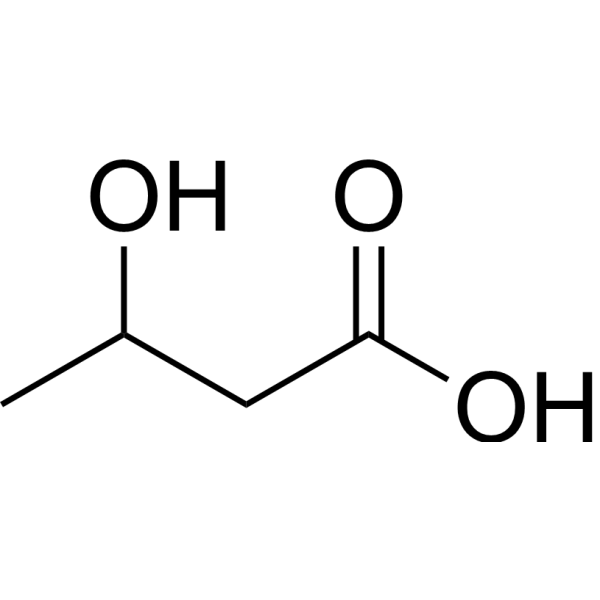
    3-Hydroxybutyric acid
    Maximum Cited Publications
    21 Publications Verification

    β-Hydroxybutyric acid

    Endogenous Metabolite Metabolic Disease
    3-Hydroxybutyric acid (β-Hydroxybutyric acid) is a metabolite that is elevated in type I diabetes. 3-Hydroxybutyric acid can modulate the properties of membrane lipids .
    3-Hydroxybutyric acid
  • HY-W010452
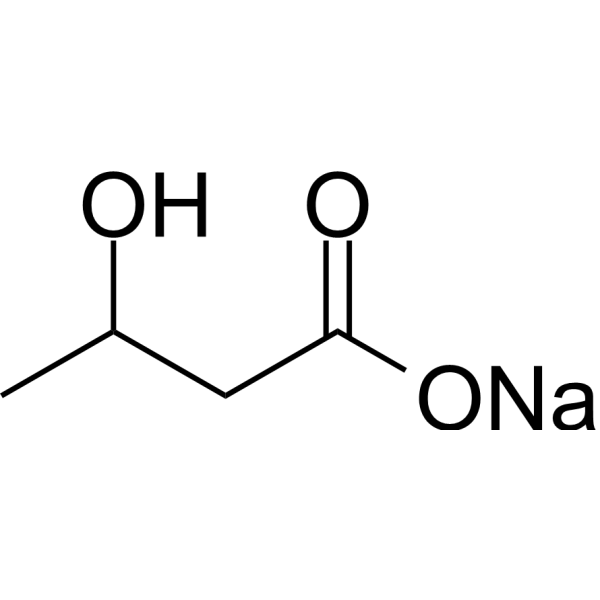
    3-Hydroxybutyric acid sodium
    Maximum Cited Publications
    21 Publications Verification

    β-Hydroxybutyric acid sodium

    Endogenous Metabolite Metabolic Disease
    3-Hydroxybutyric acid sodium (β-Hydroxybutyric acid sodium) is a metabolite that is elevated in type I diabetes. 3-Hydroxybutyric acid sodium can modulate the properties of membrane lipids .
    3-Hydroxybutyric acid sodium
  • HY-133168
    Englerin A
    1 Publications Verification

    TRP Channel Cancer
    Englerin A is a potent and selective activator of TRPC4 and TRPC5 channels, with EC50s of 11.2 and 7.6 nM, respectively. Englerin A can induce renal carcinoma cells death by elevated Ca 2+ influx and Ca 2+ cell overload .
    Englerin A
  • HY-113301
    Hexacosanoic acid
    1 Publications Verification

    Endogenous Metabolite Cardiovascular Disease Neurological Disease
    Hexacosanoic acid is a very long-chain fatty acid. Abnormally elevated levels of Hexacosanoic acid are closely associated with various diseases, such as X-linked adrenoleukodystrophy, adrenomyeloneuropathy, atherosclerosis, and dementia .
    Hexacosanoic acid
  • HY-113168
    Butyrylcarnitine
    1 Publications Verification

    Endogenous Metabolite Cardiovascular Disease Metabolic Disease Cancer
    Butyrylcarnitine is an endogenous metabolite found in plasma. Elevated levels of Butyrylcarnitine are closely associated with abnormalities in lipid and energy metabolism. Butyrylcarnitine can serve as a diagnostic and prognostic indicator for certain diseases, such as heart failure and head and neck cancer .
    Butyrylcarnitine
  • HY-113081
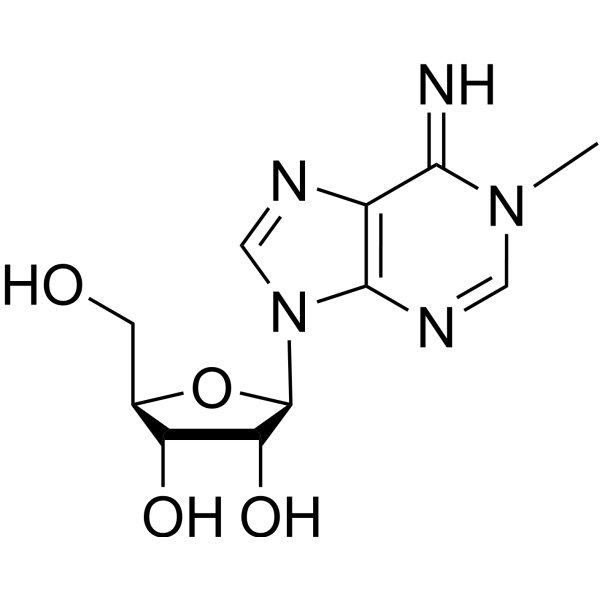
    1-Methyladenosine
    4 Publications Verification

    Endogenous Metabolite PPAR Hedgehog Cancer
    1-Methyladenosine is an RNA modification that can serve as a tumor marker, with elevated levels in the body associated with cancer development. Following 1-methyladenosine methylation, upregulation of PPARδ expression regulates cholesterol metabolism and activates Hedgehog signaling pathway, driving liver tumorigenesis .
    1-Methyladenosine
  • HY-B0642
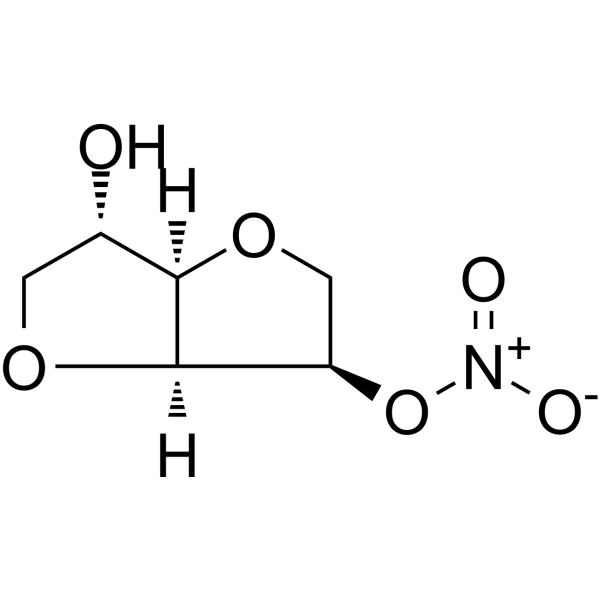
    Isosorbide mononitrate
    5 Publications Verification

    Isosorbide-5-mononitrate

    Autophagy Endogenous Metabolite Apoptosis Cardiovascular Disease Cancer
    Isosorbide mononitrate (Isosorbide-5-mononitrate) is an orally active nitric acid compound used for angina pectoris by dilating blood vessels and lowering blood pressure. Isosorbide mononitrate increases the viability and proliferation of HUVECs by decreasing Apoptosis and elevated the expressions of vedf, kdrl, pdgfr in zebrafish embryos. Isosorbide mononitrate is promising for research of heart failure and coronary heart disease .
    Isosorbide mononitrate
  • HY-19762
    GSK1940029
    3 Publications Verification

    SCD inhibitor 1

    Stearoyl-CoA Desaturase (SCD) Cancer
    GSK1940029 (SCD inhibitor 1) is a stearoyl-coa desaturase (SCD) inhibitor extracted from patent WO/2009060053 A1, compound example 16.
    GSK1940029
  • HY-109556

    Akt ERK Metabolic Disease
    Insulin Detemir is an artificial insulin, shows effect on controlling blood sugar levels. Insulin Detemir stimulates GLP-1 secretion as a consequence of enhanced Gcg expression by a mechanism involving activation of Akt- and/or extracellular signal-regulated kinase (ERK)-dependent-cat and CREB signaling pathways. Insulin Detemir can be used for type 2 diabetes research .
    Insulin Detemir
  • HY-113221

    Proteasome Endogenous Metabolite Apoptosis Metabolic Disease Cancer
    Isovalerylcarnitine is a metabolite of leucine. Isovalerylcarnitine can specifically activate calpain in human neutrophils. Isovalerylcarnitine inhibits tumor cell proliferation and induces apoptosis. Elevated circulating levels of Isovalerylcarnitine are negatively correlated with reduced lung cancer risk .
    Isovalerylcarnitine
  • HY-113139
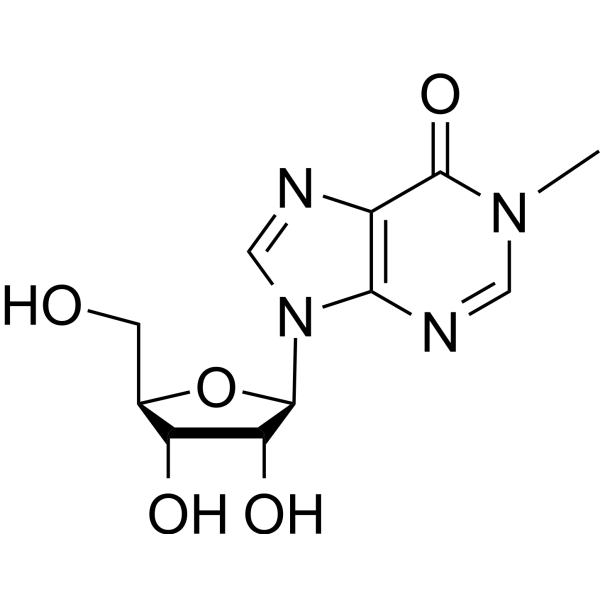
    1-Methylinosine
    3 Publications Verification

    N1-Methylinosine

    Nucleoside Antimetabolite/Analog Endogenous Metabolite Cancer
    1-Methylinosine (N1-MetHYlinosine) is a modified nucleotide located at position 37 of eukaryotic tRNA, 3' to the tRNA anticodon. 1-Methylinosine is a minor metabolite of 1-methyladenosine (HY-113081). The level of 1-Methylinosine is significantly elevated in urine samples from breast cancer models .
    1-Methylinosine
  • HY-105042

    Selanc; TP-7

    GABA Receptor Neurological Disease
    Selank (Selanc; TP-7) is a GABAA receptor modulator with anxiolytic activity. Selank allosterically modulates the specific binding of GABA to GABAA receptors and alters the affinity of endogenous ligands for these receptors. Selank reduces elevated anxiety levels, attenuates stress-induced exacerbation of anxiety, and produces a synergistic anxiolytic effect with diazepam. Selank can be used in the research of anxiety disorders .
    Selank
  • HY-W096638A

    (S)-Glycerolphosphocholine

    Endogenous Metabolite Neurological Disease Metabolic Disease Cancer
    Glycerophosphocholine ((S)-Glycerolphosphocholine) is an orally active metabolite that crosses the blood-brain barrier. Glycerophosphocholine acts as a precursor of acetylcholine, a specific marker for phosphatidylcholine breakdown, a major water-soluble storage form of choline, and an intermediate in phosphatidylcholine metabolism. Glycerophosphocholine is specifically elevated in the cerebrospinal fluid of Alzheimer's disease models, and it also promotes growth hormone secretion and fat oxidation. Glycerophosphocholine is also a potential biomarker for breast cancer .
    Glycerophosphocholine
  • HY-10199A
    Ibutamoren
    5 Publications Verification

    MK-677 free base; MK-0677 free base

    GHSR Insulin Receptor Neurological Disease Metabolic Disease
    Ibutamoren (MK-677 free base; MK-0677 free base) is an orally active non-peptide growth hormone secretagogue receptor agonist. Ibutamoren activates signal cascades by mimicking endogenous ligands, triggers pulsatile release of growth hormone from the pituitary gland, and increases serum levels of IGF-1 and insulin-like growth factor-binding protein 3. Ibutamoren not only increases the frequency of growth hormone pulses in male individuals, but also promotes elevated bone formation markers in female individuals with postmenopausal osteoporosis. The combination of Ibutamoren with Alendronate sodium hydrate (HY-11101) significantly increases bone mineral density at the femoral neck. However, Ibutamoren may cause mild, reversible adverse reactions such as increased appetite, fluid retention, and elevated fasting blood glucose. Ibutamoren has been widely used in studies related to idiopathic growth hormone deficiency, sarcopenia, Alzheimer's disease, and osteoporosis .
    Ibutamoren
  • HY-W747072

    3-Sulfocholyl Taurine; TCA3S

    Drug Metabolite Neurological Disease Metabolic Disease
    3-Sulfo-taurocholic Acid Disodium Salt (3-Sulfocholyl Taurine; TCA3S) is a metabolite of the conjugated bile acid taurocholic acid. Plasma levels of 3-Sulfo-taurocholic Acid Disodium Salt are elevated in wild-type and Sortilin 1 (Sort1) knockout mice at 6 hours following bile duct ligation (BDL) and are further elevated in Sort1 knockout mice at 24 hours post-BDL.
    3-Sulfo-taurocholic Acid Disodium Salt
  • HY-101404A

    Amino Acid Derivatives Cardiovascular Disease Inflammation/Immunology
    L-Homocysteine thiolactone hydrochloride is an intramolecular thioester of Homocysteine. Homocysteine thiolactone hydrochloride prevents translational incorporation of homocysteine into proteins. L-Homocysteine thiolactone hydrochloride can induce elevated HHcy (hyperhomocysteinemia) in mice .
    L-Homocysteine thiolactone hydrochloride
  • HY-147425

    SLN360

    Small Interfering RNA (siRNA) Apolipoprotein Cardiovascular Disease
    Zerlasiran (SLN360) is a siRNA targeting apolipoprotein A (ApoA). Zerlasiran targets hepatic ApoA synthesis via RNA interference to degrade encoding mRNA. Zerlasiran can be used for the research of atherosclerotic cardiovascular disease and elevated ApoA levels .
    Zerlasiran
  • HY-W010452S1

    β-Hydroxybutyric acid-13C4 sodium

    Isotope-Labeled Compounds Endogenous Metabolite Metabolic Disease
    3-Hydroxybutyric acid- 13C4 sodium is the 13C labeled 3-Hydroxybutyric acid sodium (HY-W010452). 3-Hydroxybutyric acid sodium is a metabolite that is elevated in type I diabetes, and can modulate the properties of membrane lipids .
    3-Hydroxybutyric acid-13C4 sodium
  • HY-113378S

    β-Hydroxybutyric acid-d4 sodium

    Endogenous Metabolite Metabolic Disease
    3-Hydroxybutyric acid-d4 (sodium) is the deuterium labeled 3-Hydroxybutyric acid. 3-Hydroxybutyric acid (β-Hydroxybutyric acid) is a metabolite that is elevated in type I diabetes. 3-Hydroxybutyric acid can modulate the properties of membrane lipids .
    3-Hydroxybutyric acid-d4 sodium
  • HY-75954
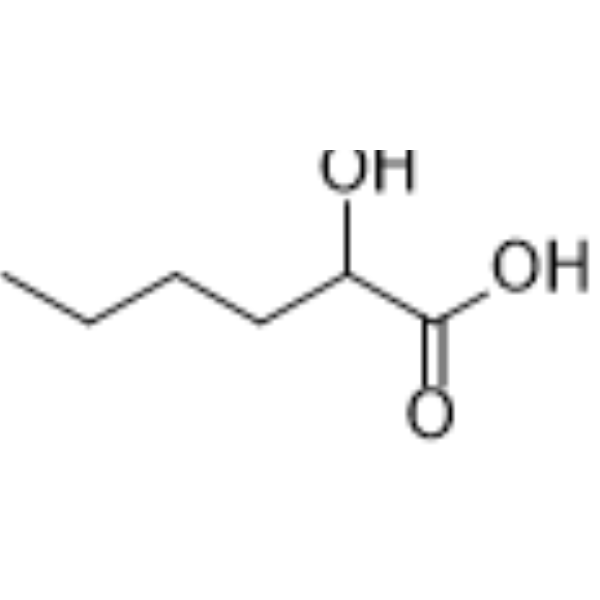
    2-Hydroxyhexanoic acid
    2 Publications Verification

    Endogenous Metabolite Cancer
    2-Hydroxyhexanoic acid is a metabolite. 2-Hydroxyhexanoic acid is elevated in metastatic pancreatic neuroendocrine tumors. 2-Hydroxyhexanoic acid does not promote the proliferation, migration or invasion of pancreatic neuroendocrine tumor cells. 2-Hydroxyhexanoic acid can be used in the research of metastatic pancreatic neuroendocrine tumors .
    2-Hydroxyhexanoic acid
  • HY-N6257
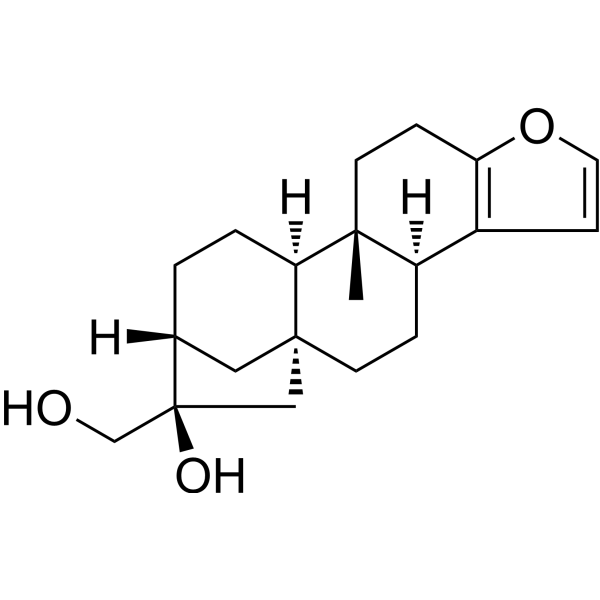
    Cafestol
    2 Publications Verification

    ERK PGE synthase COX NF-κB Apoptosis Autophagy AP-1 FAK Cardiovascular Disease Metabolic Disease Inflammation/Immunology Endocrinology Cancer
    Cafestol is an orally active diterpenoid and an inhibitor of ERK2. Cafestol has elevated blood lipids, anti-inflammatory, anti-angiogenic and anti-diabetic activities. In addition, Cafestol induces tumor cell apoptosis and autophagy, which can be used in the study of cancer .
    Cafestol
  • HY-N6613

    Galacturonic acid polymer

    Others Infection Inflammation/Immunology
    Polygalacturonic acid (Galacturonic acid polymer) is transparent colloid, is a major component of the cell wall. Polygalacturonic acid can be used to prepare silver nanoparticles (AgNPs), as an antioxidant and anti-inflammatory that protect cells from destructive effect of elevated ROS and accelerate wound healing. Polygalacturonic acid nanoparticles also displays anti-bacterial activity .
    Polygalacturonic acid
  • HY-W041019
    5-Hydroxytryptophol
    1 Publications Verification

    Endogenous Metabolite Metabolic Disease
    5-Hydroxytryptophol is a mammalian serotonin metabolite that can be used as a sensitive biomarker for recent alcohol intake. 5-Hydroxytryptophol is formed by alcohol-induced changes in the serotonin metabolic pathway and is excreted in the urine as a glucuronic acid conjugate. 5-Hydroxytryptophol is elevated in urine excretion and can be used clinically to monitor alcohol intake in scenarios such as alcohol relapse .
    5-Hydroxytryptophol
  • HY-N4170
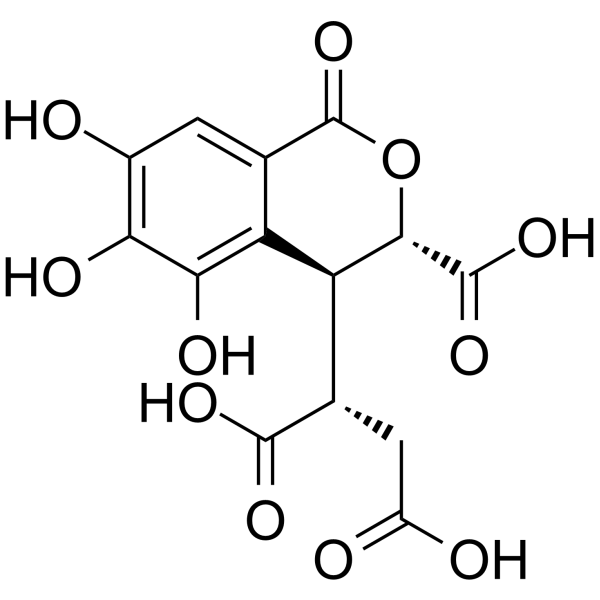
    Chebulic acid
    2 Publications Verification

    Keap1-Nrf2 Reactive Oxygen Species (ROS) Metabolic Disease
    Chebulic acid is a phenolic acid compound isolated from Terminalia chebula with strong antioxidant activity, which breaks protein cross-links induced by advanced glycation end products (AGEs) and inhibits the formation of AGEs. Chebulic acid is effective in controlling elevated metabolic parameters, oxidative stress, and liver damage, supporting its beneficial role in asthma, diabetes, and liver protection .
    Chebulic acid
  • HY-113435

    Endogenous Metabolite Metabolic Disease
    8-Dehydrocholesterol elevated concentration is one of the diagnostic biochemical hallmarks of classical Smith-Lemli-Opitz syndrome (SLOS).
    8-Dehydrocholesterol
  • HY-147425A

    SLN360 sodium

    Small Interfering RNA (siRNA) Apolipoprotein Cardiovascular Disease Metabolic Disease
    Zerlasiran (SLN360) sodium is a siRNA targeting apolipoprotein A (ApoA). Zerlasiran sodium targets hepatic ApoA synthesis via RNA interference to degrade encoding mRNA. Zerlasiran sodium can be used for the research of atherosclerotic cardiovascular disease and elevated ApoA levels .
    Zerlasiran sodium
  • HY-W010452R

    β-Hydroxybutyric acid sodium (Standard)

    Reference Standards Endogenous Metabolite Metabolic Disease
    3-Hydroxybutyric acid sodium (β-Hydroxybutyric acid sodium) is a metabolite that is elevated in type I diabetes. 3-Hydroxybutyric acid sodium can modulate the properties of membrane lipids .
    3-Hydroxybutyric acid sodium (Standard)
  • HY-130675A

    15(S)-hydroxy-Eicosapentaenoic acid; 15(S)-hydroxy EPA

    Lipoxygenase Inflammation/Immunology
    15(S)-HEPE is a monohydroxy fatty acid. 15(S)-HEPE is biosynthesized from eicosapentaenoic acid by 15-lipoxygenase (15-LO). Serum levels of 15(S)-HEPE are elevated in patients with asthma.
    15(S)-HEPE
  • HY-113081R

    Reference Standards Endogenous Metabolite PPAR Hedgehog Cancer
    1-Methyladenosine (Standard) is the analytical standard of 1-Methyladenosine. This product is intended for research and analytical applications. 1-Methyladenosine is an RNA modification that can serve as a tumor marker, with elevated levels in the body associated with cancer development. Following 1-methyladenosine methylation, upregulation of PPARδ expression regulates cholesterol metabolism and activates Hedgehog signaling pathway, driving liver tumorigenesis . In Vitro:Compared to surrounding tumor tissues, 1-methyladenosine methylation in RNA is aberrantly elevated in hepatocellular carcinoma (HCC) cell lines and liver cancer stem cells (CSCs). Methylated 1-methyladenosine can promote cholesterol synthesis and activate the Hedgehog signaling pathway by enhancing the translation of PPARδ in liver CSCs, ultimately driving the self-renewal and tumorigenesis of liver cancer stem cells .
    1-Methyladenosine (Standard)
  • HY-W587977

    3-Hydroxyhexadecanoylcarnitine

    Biochemical Assay Reagents Cardiovascular Disease Metabolic Disease
    3-Hydroxypalmitoylcarnitine (3-Hydroxyhexadecanoylcarnitine) is an acylcarnitine. Elevated levels of 3-Hydroxypalmitoylcarnitine are associated with cardiovascular disease (CVD) in type 2 diabetes mellitus (T2DM) .
    3-Hydroxypalmitoylcarnitine
  • HY-N8852

    6-MeOF

    GABA Receptor Taste Receptor Neurological Disease Metabolic Disease
    6-Methoxyflavanone (6-MeOF) is a flavonoid compound that can cross the blood-brain barrier. 6-Methoxyflavanone is a positive allosteric modulator of GABAA receptors. 6-Methoxyflavanone exhibits positive allosteric regulatory effects on human recombinant α1β2γ2L and α2β2γ2L GABAA receptors, and is relatively inactive on the α1β2 GABAA receptor. 6-Methoxyflavanone showes inhibitory behavior towards the activation of bitter receptor hTAS2R39 and hTAS2R14, demonstrating a reversible and non-overcome antagonistic effect. 6-Methoxyflavanone has the effects of anti-anxiety, analgesia and relief of neuropathic pain .
    6-Methoxyflavanone
  • HY-145542

    Endogenous Metabolite Proteasome Apoptosis Metabolic Disease Cancer
    Isovalerylcarnitine chloride is a metabolite of leucine. Isovalerylcarnitine chloride can specifically activate calpain in human neutrophils. Isovalerylcarnitine chloride inhibits tumor cell proliferation and induces apoptosis. Elevated circulating levels of Isovalerylcarnitine chloride are negatively correlated with reduced lung cancer risk .
    Isovalerylcarnitine chloride
  • HY-113378R

    β-Hydroxybutyric acid (Standard)

    Reference Standards Endogenous Metabolite Metabolic Disease
    3-Hydroxybutyric acid (Standard) is the analytical standard of 3-Hydroxybutyric acid. This product is intended for research and analytical applications. 3-Hydroxybutyric acid (β-Hydroxybutyric acid) is a metabolite that is elevated in type I diabetes. 3-Hydroxybutyric acid can modulate the properties of membrane lipids[1].
    3-Hydroxybutyric acid (Standard)
  • HY-171464

    Apolipoprotein Cardiovascular Disease
    Lp(a)-IN-5 (Compound A) is an orally active lipoprotein (a) (Lp(a)) inhibitor. Lp(a)-IN-5 inhibits the assembly of Apo(a) and ApoB proteins with an IC50 value of 0.41 nM. Lp(a)-IN-5 is promising for research of diseases related to elevated plasma Lp(a) levels, such as cardiovascular diseases .
    Lp(a)-IN-5
  • HY-117987

    N-(Hydroxymethyl)thalidomide

    Nuclear Factor of activated T Cells (NFAT) NF-κB Reactive Oxygen Species (ROS) Cancer
    CPS-11 (N-(Hydroxymethyl)thalidomide) a Thalidomide (HY-14658) analogue, is a potent anti-cancer agent. CPS-11 inhibits NF-κB, activates NFAT, and repress cytokine expression through elevated ROS. CPS-11 exhibits a wider activity spectrum and higher potency against MM (multiple myeloma) cell lines .
    CPS-11
  • HY-P2985A

    Endogenous Metabolite Inflammation/Immunology
    Alanine aminotransferase, human liver is an enzyme mainly produced in the liver. It is a pyridoxalase that catalyzes the reversible interconversion of L-alanine and 2-oxoglutamate to pyruvate and L-glutamate. Alanine aminotransferase, human liver is elevated in active anti-HMGCR myopathy. Alanine aminotransferase, human liver can be used in studies related to immune-mediated necrotizing myopathy and non-alcoholic fatty liver disease .
    Alanine aminotransferase, Human liver
  • HY-113230B
    Galactosylhydroxylysine hydrochloride
    1 Publications Verification

    Endogenous Metabolite Metabolic Disease
    Galactosylhydroxylysine hydrochloride is a component of bone collagen produced by post-translational glycosylation of hydroxylysine. Galactosylhydroxylysine hydrochloride is released during bone resorption and has been shown to be elevated in metabolic bone loss .
    Galactosylhydroxylysine hydrochloride
  • HY-165677

    Endogenous Metabolite Neurological Disease
    C22 Galactosylceramide is a sphingolipid present in the central nervous system, exhibiting elevated levels in the spinal cord of mice on a methionine-restricted diet, while not affecting the brain or liver; furthermore, it has been identified in the postmortem hippocampus of Alzheimer's disease patients.
    C22 Galactosylceramide
  • HY-171464A

    Apolipoprotein Cardiovascular Disease
    Lp(a)-IN-5 (Compound A) hydrochloride is an orally active lipoprotein (a) (Lp(a)) inhibitor. Lp(a)-IN-5 hydrochloride inhibits the assembly of Apo(a) and ApoB proteins with an IC50 value of 0.41 nM. Lp(a)-IN-5 hydrochloride is promising for research of diseases related to elevated plasma Lp(a) levels, such as cardiovascular diseases .
    Lp(a)-IN-5 hydrochloride
  • HY-40161R

    Reference Standards Endogenous Metabolite Metabolic Disease
    Indole-3-carboxylic acid (Standard) is the analytical standard of Indole-3-carboxylic acid. This product is intended for research and analytical applications. Indole-3-carboxylic acid is a normal urinary indolic tryptophan metabolite and has been found elevated in patients with liver diseases .
    Indole-3-carboxylic acid (Standard)
  • HY-40161S

    Isotope-Labeled Compounds Endogenous Metabolite Metabolic Disease
    Indole-3-carboxylic acid-d4 is deuterium labeled Indole-3-carboxylic acid. Indole-3-carboxylic acid is a normal urinary indolic tryptophan metabolite and has been found elevated in patients with liver diseases .
    Indole-3-carboxylic acid-d4
  • HY-113383

    Endogenous Metabolite Lactate Dehydrogenase Biochemical Assay Reagents Metabolic Disease Endocrinology
    2-Hydroxyvaleric acid is a medium chain α-hydroxy fatty acid. 2-Hydroxyvaleric acid is an activator in fat metabolism of palmitic acid-1-C 14. 2-hydroxyvaleric acid is also used as a staining agent for measuring tissue-specific Lactate dehydrogenase activity and elevated levels of 2-hydroxyvaleric acid induces lactic acidosis .
    2-Hydroxyvaleric acid
  • HY-165035

    Glucocerebrosides; Gaucher cerebroside; GluCers (gaucher's spleen)

    Endogenous Metabolite Neurological Disease Metabolic Disease
    Glucosylceramides are sphingolipid molecules found in both neuronal and non-neuronal mammalian tissues, as well as in low quantities across various plant species. Elevated levels of glucosylceramides provide cellular protection and prepare certain cells for proliferation; however, they have also been linked to obesity-induced insulin resistance in mice and to neuronal deficits observed in neuronopathic Gaucher disease .
    Glucosylceramide (gaucher's spleen)
  • HY-113073

    Endogenous Metabolite Others
    2,4-Dihydroxybutanoic acid is typically absent in normal human urine extracts and is found only in trace amounts in neonates, while cases of succinic semialdehyde dehydrogenase deficiency consistently exhibit elevated levels of this metabolite.
    2,4-Dihydroxybutanoic acid
  • HY-W015851S

    3-Hydroxybutyric acid-13C sodium

    Isotope-Labeled Compounds Endogenous Metabolite Metabolic Disease
    3-Hydroxybutanoic acid-13C- 13C (sodium) is the 13C labeled 3-Hydroxybutanoic acid sodium (HY-W010452). 3-Hydroxybutyric acid sodium (β-Hydroxybutyric acid sodium) is a metabolite that is elevated in type I diabetes. 3-Hydroxybutyric acid sodium can modulate the properties of membrane lipids .
    3-Hydroxybutanoic acid-13C sodium
  • HY-N6257R

    Reference Standards ERK PGE synthase COX NF-κB AP-1 Apoptosis Autophagy FAK Cardiovascular Disease Metabolic Disease Inflammation/Immunology Endocrinology Cancer
    Cafestol (Standard) is the analytical standard of Cafestol. This product is intended for research and analytical applications. Cafestol is an orally active diterpenoid and an inhibitor of ERK2. Cafestol has elevated blood lipids, anti-inflammatory, anti-angiogenic and anti-diabetic activities. In addition, Cafestol induces tumor cell apoptosis and autophagy, which can be used in the study of cancer .
    Cafestol (Standard)
  • HY-W010452S2

    β-Hydroxybutyric acid-13C2 sodium

    Endogenous Metabolite Metabolic Disease
    3-Hydroxybutyric acid- 13C2 (sodium) is the 13C labeled 3-Hydroxybutyric acid sodium (HY-W010452). 3-Hydroxybutyric acid sodium is a metabolite that is elevated in type I diabetes, and can modulate the properties of membrane lipids .
    3-Hydroxybutyric acid-13C2 sodium
  • HY-145542R

    Reference Standards Proteasome Endogenous Metabolite Apoptosis Metabolic Disease Cancer
    Isovalerylcarnitine chloride (Standard) is the analytical standard of Isovalerylcarnitine chloride (HY-145542). This product is intended for research and analytical applications. Isovalerylcarnitine chloride is a metabolite of leucine. Isovalerylcarnitine can specifically activate calpain in human neutrophils. Isovalerylcarnitine chloride inhibits tumor cell proliferation and induces apoptosis. Elevated circulating levels of Isovalerylcarnitine chloride are negatively correlated with reduced lung cancer risk .
    Isovalerylcarnitine chloride (Standard)
  • HY-W001968

    3-TC

    Drug Intermediate Others
    3-Thiophenecarboxaldehyde is a thiophene derivative substrate for biocatalytic reduction to 3-thiophenemethanol, and can be processed by Pseudomonas putida S12 cells. 3-Thiophenecarboxaldehyde functions as an intermediate compound. 3-Thiophenecarboxaldehyde exhibits toxicity toward Pseudomonas putida S12 cells at elevated concentrations, reducing specific growth rate and final biomass yield .
    3-Thiophenecarboxaldehyde
  • HY-W975966

    Keap1-Nrf2 Neurological Disease
    CPDT is an orally active and highly potent inducer of phase 2 enzymes and an activator of Nrf2. The activities of key phase 2 enzymes, including glutathione S-transferase, NAD(P)H:quinone:oxidoreductase 1 and glutamate cysteine synthetase, and levels of glutathione were elevated by CPDT in rat bladder in vivo and in cultured bladder cells in vitro [2].
    CPDT

Inquiry Online

Your information is safe with us. * Required Fields.

Salutation


Country or Region *

Applicant Name *


Organization Name *

Department *


Email Address *


Product Name *

Cat. No.


Requested quantity *

Phone Number *


Remarks

Inquiry Online

Inquiry Information

Product Name:
Cat. No.:
Quantity:
MCE Japan Authorized Agent:

