1. Search Result
Search Result
Results for "

inducible nitric oxide synthase (i-NOS)

" in MedChemExpress (MCE) Product Catalog:

60

Inhibitors & Agonists

4

Biochemical Assay Reagents

21

Natural
Products

2

Isotope-Labeled Compounds

2

Antibodies

Cat. No. Product Name Target Research Areas Chemical Structure
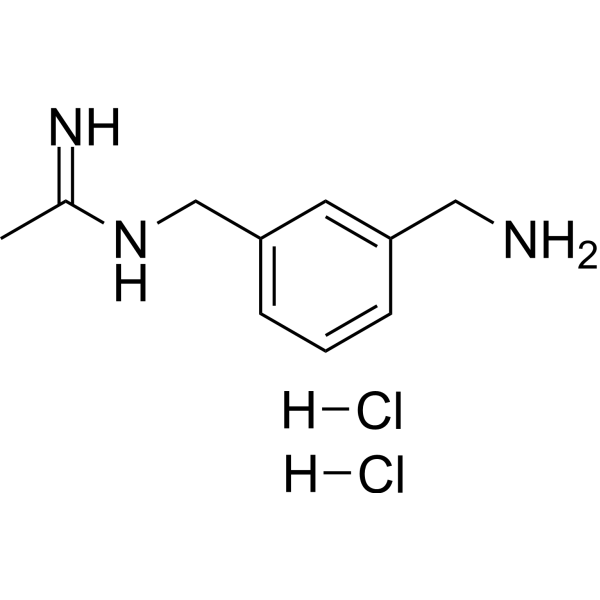
  • HY-18731
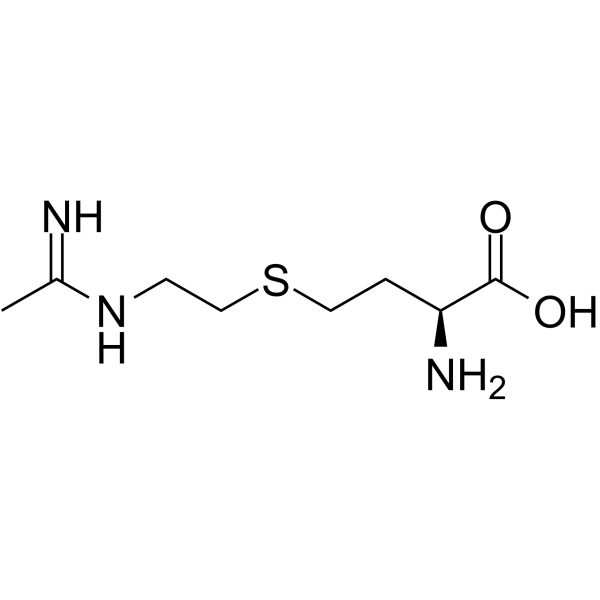
    1400W Dihydrochloride
    Maximum Cited Publications
    28 Publications Verification

    NO Synthase Apoptosis Cardiovascular Disease Inflammation/Immunology Cancer
    1400W dihydrochloride is the dihydrochloride form of 1400W (HY-18730). 1400W is a slow, tight binding, and highly selective inducible nitric-oxide synthase (iNOS) inhibitor, with a Kd value ≤ 7 nM. 1400W inhibits iNOS induction in microglial cells, and reduces generation of NO, thereby mitigating oxidative stress and neuronal cell apoptosis in the rat cerebral cortex, and improving the spatial memory dysfunction caused by acute hypobaric hypoxia-reoxygenation .
    1400W Dihydrochloride
  • HY-100986
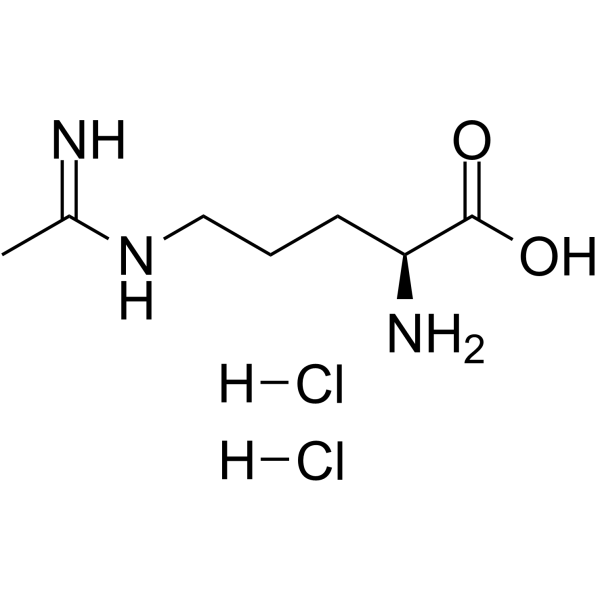
    L-NIO dihydrochloride
    1 Publications Verification

    NO Synthase Cardiovascular Disease
    L-NIO dihydrochloride is a potent, non-selective and NADPH-dependent nitric oxide synthase (NOS) inhibitor, with Kis of 1.7, 3.9, 3.9 μM for neuronal (nNOS), endothelial (eNOS), and inducible (iNOS), respectively . L-NIO dihydrochloride induces a consistentfocal ischemic infarctin rats .
    L-NIO dihydrochloride
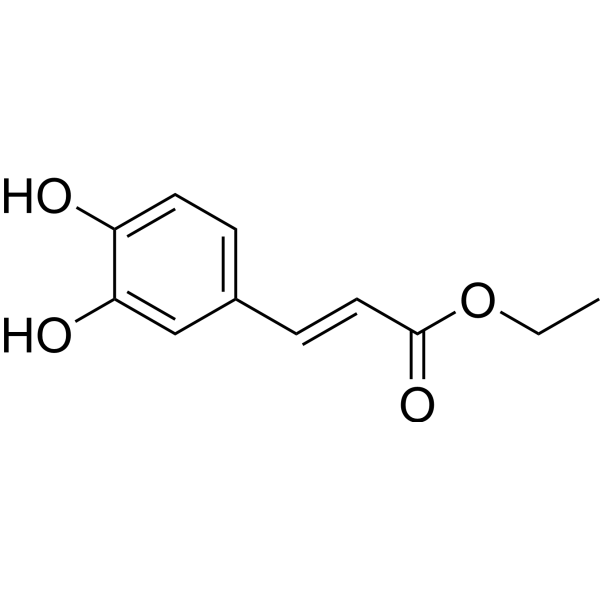
  • HY-N6966
    Ethyl Caffeate
    2 Publications Verification

    NF-κB NO Synthase COX PGE synthase Inflammation/Immunology Cancer
    Ethyl Caffeate is a natural phenolic compound isolated from Bidens pilosa. Ethyl caffeate suppresses NF-κB activation and its downstream inflammatory mediators, inducible nitric oxide synthase (iNOS), cyclooxygenase-2 (COX-2), and prostaglandin E2 (PGE2) in vitro or in mouse skin .
    Ethyl Caffeate
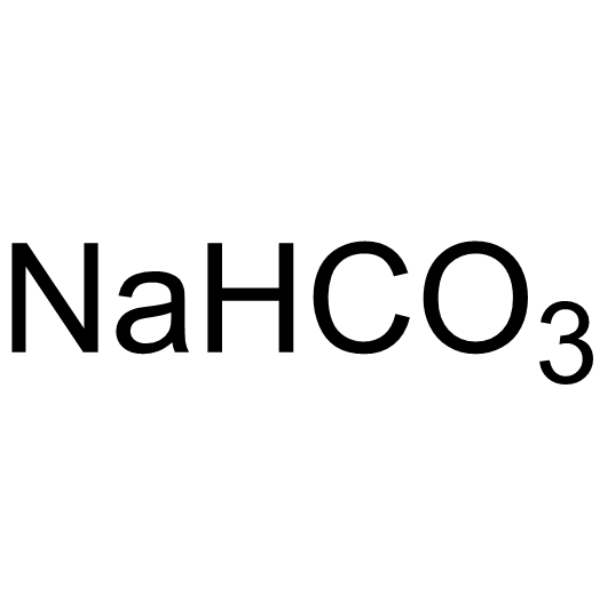
  • HY-W251598C

    Sodium hydrogen carbonate for cell culture; Soda bicarbonate for cell culture

    Environmental Pollutants Bacterial Inflammation/Immunology Cancer
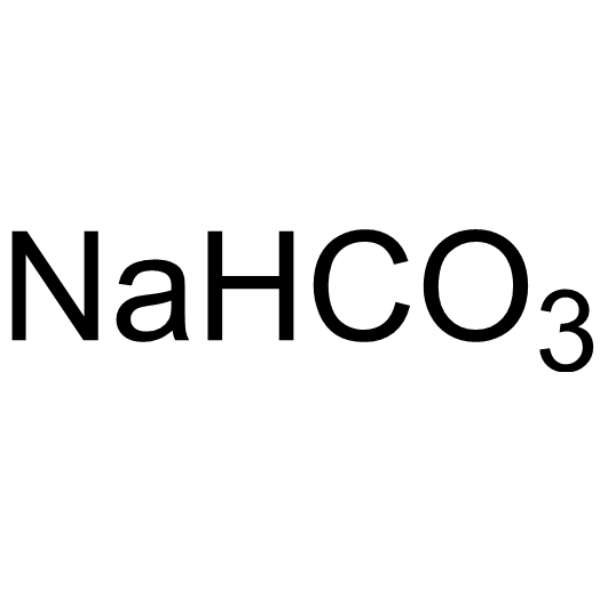
    Sodium bicarbonate, for cell culture (Sodium hydrogen carbonate for cell culture; Soda bicarbonate for cell culture) is an inorganic salt that is neutral to slightly alkaline and easily decomposes when exposed to moisture in the air. Sodium bicarbonate, for cell culture can maintain the pH of the culture medium, thereby affecting the expression of inducible nitric oxide synthase (iNOS) and nitric oxide (NO) production in macrophages and reversing the acidosis of the tumor microenvironment. Sodium bicarbonate is widely used in the fields of food, medicine, cosmetics, etc. Its main uses include buffers, flavoring agents, disinfectants, pharmaceuticals, and proton gradient regulators. Sodium bicarbonate is also commonly used as an antacid to inhibit gastrointestinal diseases, neutralize gastric acid, and reduce gastric discomfort .
    Sodium bicarbonate, for cell culture
  • HY-N0577
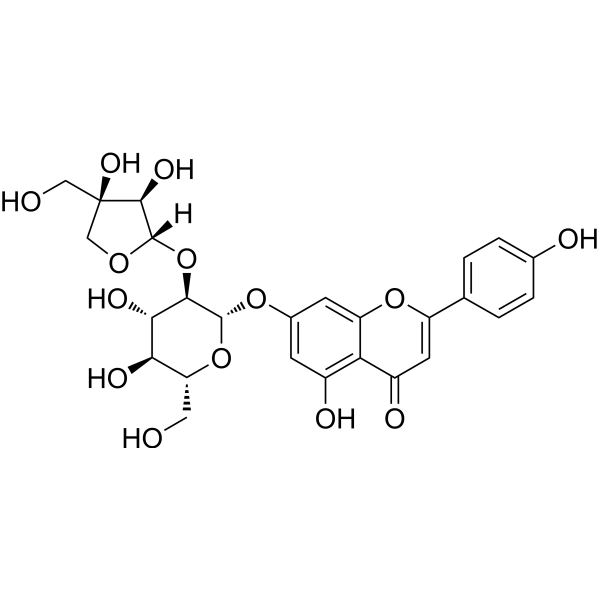
    Apiin
    1 Publications Verification

    Apigenin 7-O-apiosylglucoside; Apigenin 7-(2-O-apiosylglucoside)

    NO Synthase Inflammation/Immunology
    Apiin is a flavonoid glycoside-based iNOS inhibitor. Apiin inhibits the expression of inducible nitric oxide synthase in activated macrophages. Apiin exhibits anti-inflammatory activity .
    Apiin
  • HY-W251598B

    Sodium hydrogen carbonate for molecular biology; Soda bicarbonate for molecular biology

    Bacterial NO Synthase Inflammation/Immunology Cancer
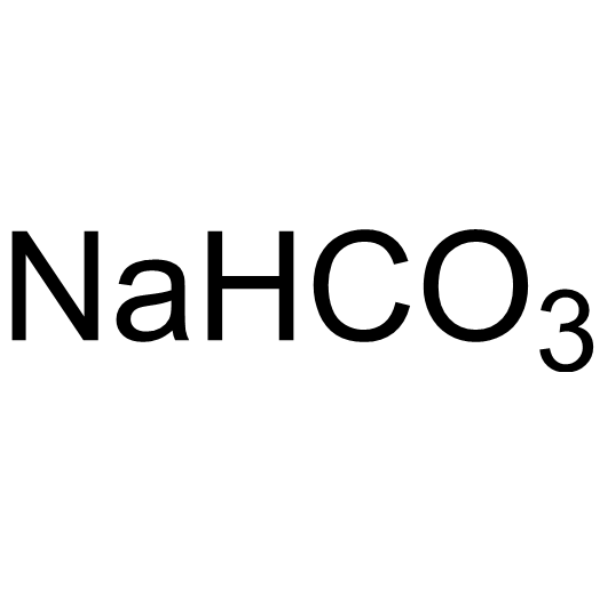
    Sodium bicarbonate, for molecular biology (Sodium hydrogen carbonate for molecular biolog; Soda bicarbonate for molecular biolog) is an inorganic salt. Sodium bicarbonate can maintain the pH of the culture medium, thereby affecting the expression of inducible nitric oxide synthase (iNOS) and nitric oxide (NO) production in macrophages and reversing the acidosis of the tumor microenvironment. Sodium bicarbonate is widely used in the fields of food, cosmetics, etc. Its main uses include buffers, flavoring agents, disinfectants, pharmaceuticals, and proton gradient regulators. Sodium bicarbonate is also commonly used as an antacid to inhibit gastrointestinal diseases, neutralize gastric acid, and reduce gastric discomfort .
    Sodium bicarbonate, for molecular biology
  • HY-N1382
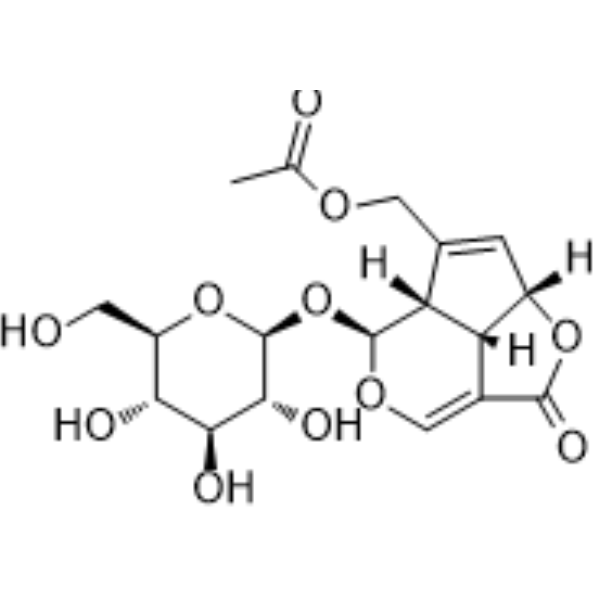
    Asperuloside
    2 Publications Verification

    NO Synthase Metabolic Disease Inflammation/Immunology
    Asperuloside is an iridoid isolated from Hedyotis diffusa, with anti-inflammatory activity. Asperuloside inhibits inducible nitric oxide synthase (iNOS), suppresses NF-κB and MAPK signaling pathways .
    Asperuloside
  • HY-136341

    Apoptosis NO Synthase Endogenous Metabolite Neurological Disease Inflammation/Immunology
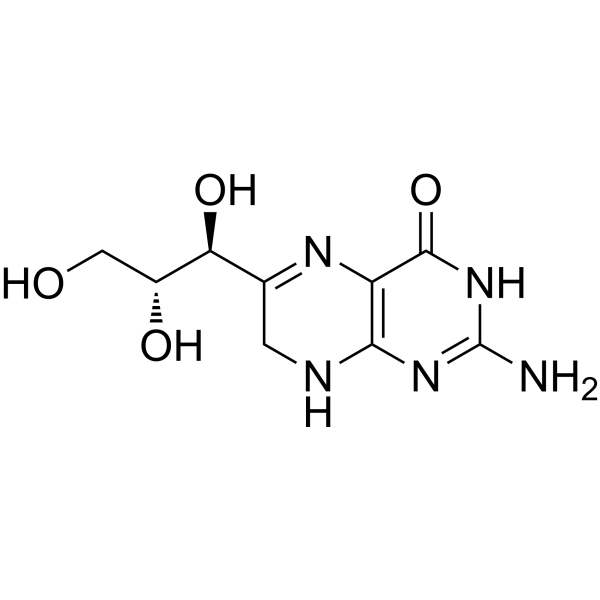
    7,8-Dihydroneopterin, an inflammation marker, induces cellular apoptosis in astrocytes and neurons via enhancement of nitric oxide synthase (iNOS) expression. 7,8-Dihydroneopterin can be used in the research of neurodegenerative diseases .
    7,8-Dihydroneopterin
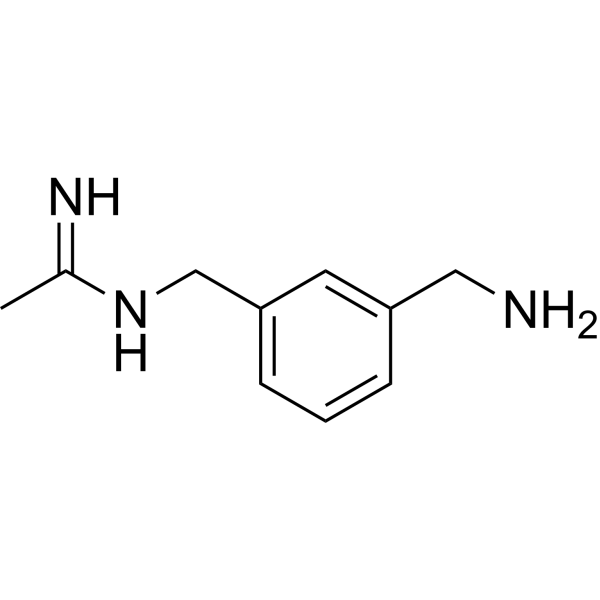
  • HY-18730
    1400W
    Maximum Cited Publications
    28 Publications Verification

    W1400

    NO Synthase Apoptosis Cardiovascular Disease Inflammation/Immunology Cancer
    1400W is a slow, tight binding, and highly selective inducible nitric-oxide synthase (iNOS) inhibitor, with a Kd value ≤ 7 nM. 1400W inhibits iNOS induction in microglial cells, and reduces generation of NO, thereby mitigating oxidative stress and neuronal cell apoptosis in the rat cerebral cortex, and improving the spatial memory dysfunction caused by acute hypobaric hypoxia-reoxygenation .
    1400W
  • HY-107260

    Lucidenic acid D2

    NO Synthase COX Infection Inflammation/Immunology Cancer
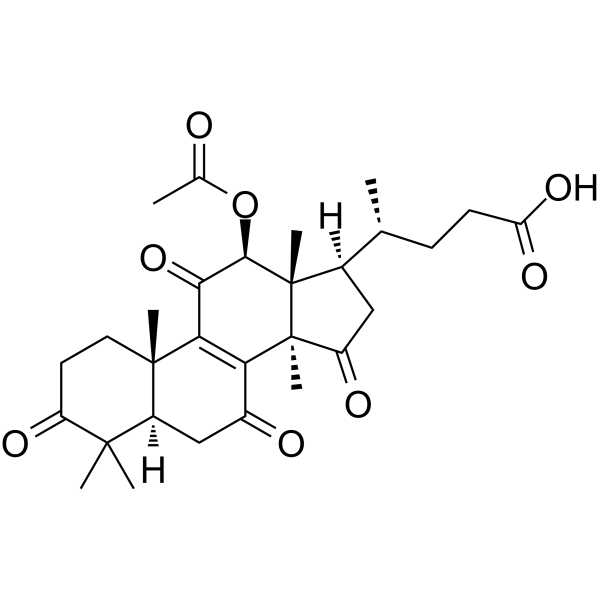
    Lucidenic acid D is a highly oxidized triterpenoid with anti-inflammatory and antiviral activities. Lucidenic acid D attenuates lipopolysaccharide-induced release of proinflammatory cytokines and nitric oxide, reduces the expression of inducible nitric oxide synthase (iNOS) and cyclooxygenase-2 (COX-2), and inhibits skin inflammation. Lucidenic acid D suppresses 12-O-tetradecanoylphorbol-13-acetate (TPA)-induced expression of Epstein-Barr virus (EBV) early antigen and maintains the viability of Raji cells. Lucidenic acid D can be used in studies of cancer chemoprevention .
    Lucidenic acid D
  • HY-12119
    GW274150
    2 Publications Verification

    NO Synthase Neurological Disease Inflammation/Immunology
    GW274150 is a potent, selective, orally active and NADPH-dependent inhibitor of human inducible nitric oxide synthase (iNOS) (IC50=2.19 μM; Kd=40 nM) and rat iNOS (ED50=1.15 μM). GW274150 also displays less potency for both humans or rats endothelial NOS (eNOS) and neuronal NOS (nNOS). GW274150 exerts a protective role in an acute model of lung injury inflammation .
    GW274150
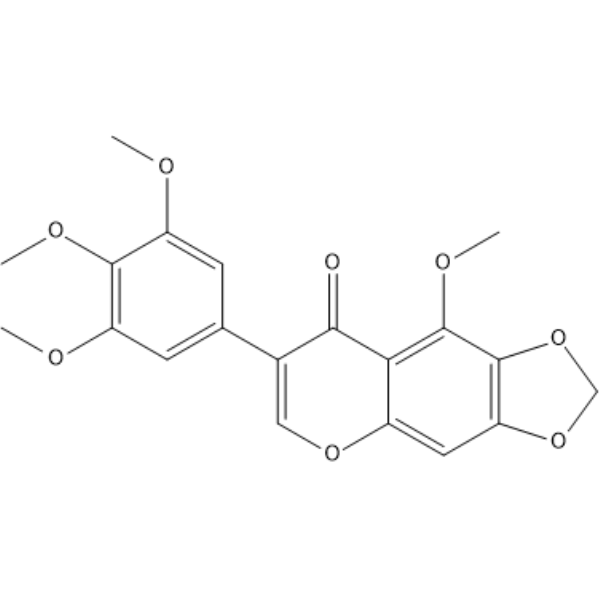
  • HY-N0268
    Irisflorentin
    4 Publications Verification

    NO Synthase Inflammation/Immunology
    Irisflorentin, a naturally occurring isoflavone, is an abundant active constituent in Belamcanda chinensis. Irisflorentin markedly reduces the transcriptional and translational levels of inducible nitric oxide synthase (iNOS) as well as the production of NO. Anti-inflammatory activity .
    Irisflorentin
  • HY-118700

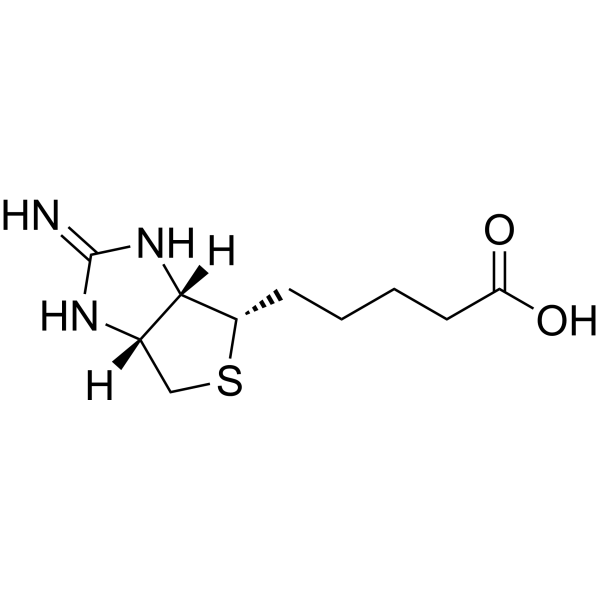
    Guanidinobiotin

    NO Synthase Neurological Disease
    2-Iminobiotin (Guanidinobiotin) is a biotin (vitamin H or B7) analog. 2-Iminobiotin is a reversible nitric oxide synthases inhibitor with Kis of 21.8 and 37.5μM for murine iNOS and rat n-cNOS, respectively . 2-Iminobiotin superimposes on hypothermia protects human neuronal cells from hypoxia-induced cell damage .
    2-Iminobiotin
  • HY-W251598S

    Reference Standards Bacterial NO Synthase Inflammation/Immunology Cancer
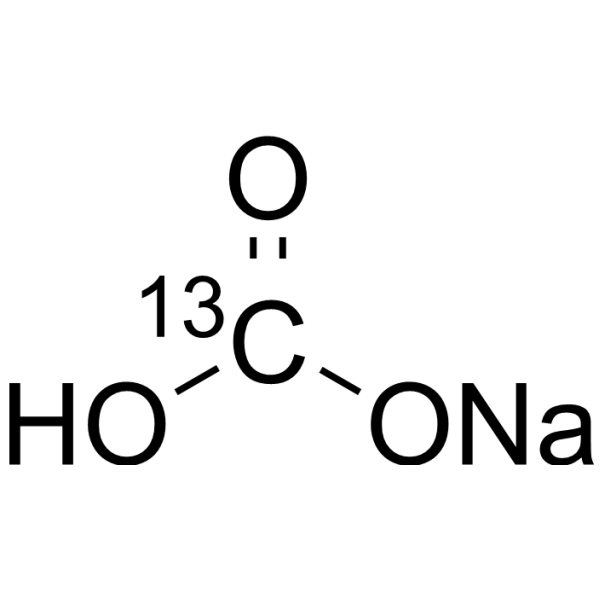
    Bicarbonate- 13C sodium is the 13C-labeled Sodium bicarbonate (HY-Y0756). Sodium bicarbonate is an inorganic salt that is neutral to slightly alkaline and easily decomposes when exposed to moisture in the air. Sodium bicarbonate can maintain the pH of the culture medium, thereby affecting the expression of inducible nitric oxide synthase (iNOS) and nitric oxide (NO) production in macrophages and reversing the acidosis of the tumor microenvironment. Sodium bicarbonate is widely used in the fields of food, medicine, cosmetics, etc. Its main uses include buffers, flavoring agents, disinfectants, pharmaceuticals, and proton gradient regulators. Sodium bicarbonate is also commonly used as an antacid to inhibit gastrointestinal diseases, neutralize gastric acid, and reduce gastric discomfort .
    Bicarbonate-13C sodium
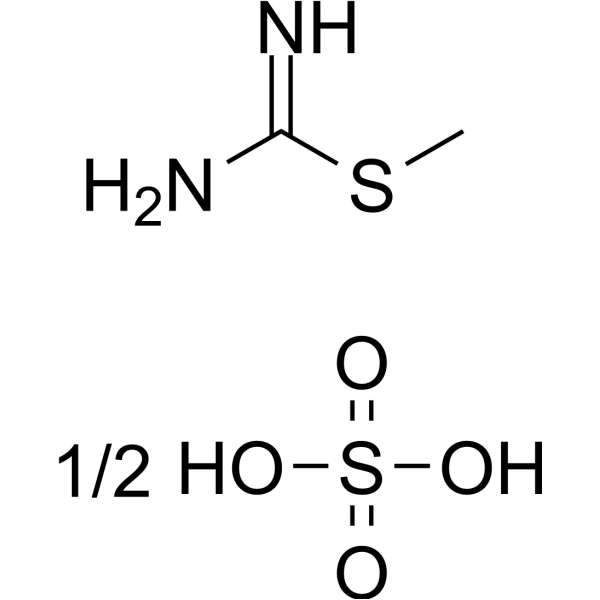
  • HY-79457
    S-Methylisothiourea sulfate
    1 Publications Verification

    NO Synthase HSV Infection Inflammation/Immunology
    S-Methylisothiourea sulfate is a potent, selective and competitive inhibitor of inducible nitric oxide synthase (iNOS). S-Methylisothiourea sulfate exerts beneficial effects in rodent models of septic shock .
    S-Methylisothiourea sulfate
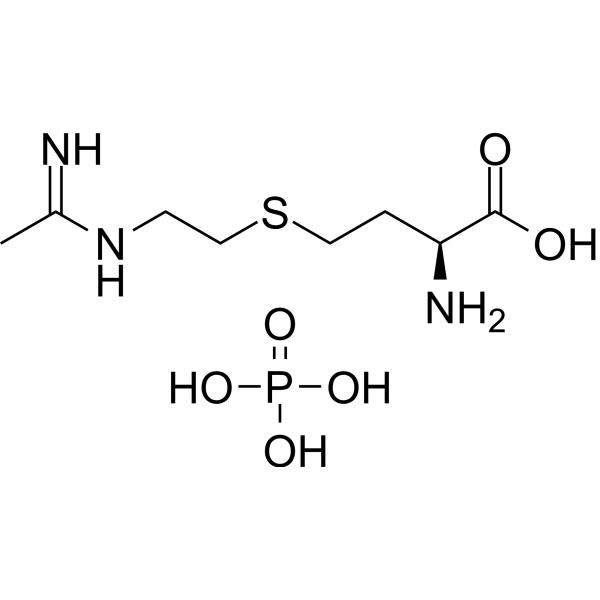
  • HY-12119A
    GW274150 phosphate
    2 Publications Verification

    NO Synthase Neurological Disease Inflammation/Immunology
    GW274150 phosphate is a potent, selective, orally active and NADPH-dependent inhibitor of human inducible nitric oxide synthase (iNOS) (IC50=2.19 μM; Kd=40 nM) and rat iNOS (ED50=1.15 μM). GW274150 phosphate displays less potency for both humans or rats endothelial NOS (eNOS) and neuronal NOS (nNOS). GW274150 phosphate exerts a protective role in an acute model of lung injury inflammation .
    GW274150 phosphate
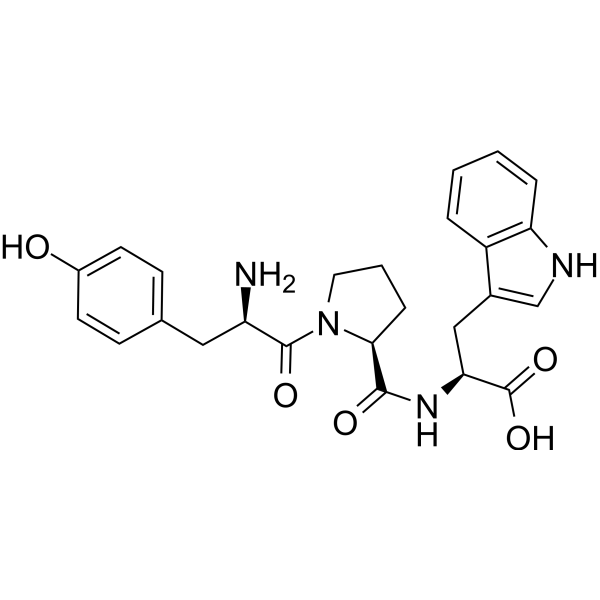
  • HY-145846
    iNOs-IN-1
    1 Publications Verification

    NO Synthase Interleukin Related Inflammation/Immunology
    iNOs-IN-1 (YPW) is a potent inducible nitric oxide synthase (iNOS) inhibitor. iNOs-IN-1 can significantly inhibit the expression of IL-6 and iNOS, as well as reduce LPS-induced NO generation with dose-dependent manner in mouse macrophages. Anti-inflammatory effects .
    iNOs-IN-1
  • HY-N6770

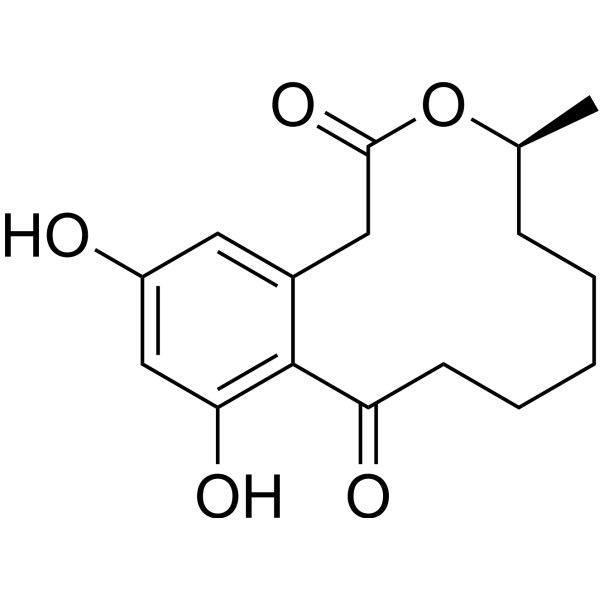
    (S)-Curvularin

    NO Synthase Infection Inflammation/Immunology
    Curvularin, a fungal metabolite and a potent mycotoxin naturally isolated from Curvularia lunata, inhibits cytokine-induced nitric oxide synthase (iNOS), with an IC50 of 9.5 µM .
    Curvularin
  • HY-12122A

    NO Synthase Neurological Disease Inflammation/Immunology
    AR-C102222 hydrochloride is a potent, competitive, orally active and highly selective inducible nitric oxide synthase (iNOS) inhibitor, with an IC50 of 37 nM . AR-C102222 hydrochloride has antinociception and anti-inflammatory activities .
    AR-C102222 hydrochloride
  • HY-135224

    1,4-PB-ITU dihydrobromide

    NO Synthase Cancer
    1,4-PBIT (1,4-PB-ITU) dihydrobromide (compound 46) is a potent nitric oxide synthases (NOS) inhibitor, with Ki values of 7.6 nM, 360 nM, and 16 nM for the inducible (iNOS), endothelial (eNOS), and neuronal (nNOS) isozymes, respectively .
    1,4-PBIT dihydrobromide
  • HY-146765

    NOD-like Receptor (NLR) Neurological Disease Inflammation/Immunology
    AMS-17 is a potent NLRP3 inhibitor, inhibiting microglia activation in vitro and in vivo. AMS-17 also inhibits cytokines such as caspase-1, TNF-α, IL-1β and inducible nitric oxide synthase (iNOS) in N9 cells. AMS-17 can be used for researching inflammation-associated neurological disorders, such as vascular dementia (VaD) .
    AMS-17
  • HY-118700A

    Guanidinobiotin hydrobromide

    NO Synthase Neurological Disease
    2-Iminobiotin hydrobromide (Guanidinobiotin hydrobromide) is a biotin (vitamin H or B7) analog. 2-Iminobiotin hydrobromide is a reversible nitric oxide synthases inhibitor with Kis of 21.8 and 37.5 μM for murine iNOS and rat n-cNOS, respectively . 2-Iminobiotin hydrobromide superimposes on hypothermia protects human neuronal cells from hypoxia-induced cell damage .
    2-Iminobiotin hydrobromide
  • HY-W251598I

    Sodium hydrogen carbonate, meets analytical specification of Ph. Eur., BP, USP, FCC, E500

    Bacterial NO Synthase Inflammation/Immunology Cancer
    Sodium bicarbonate, meets analytical specification of Ph. Eur., BP, USP, FCC, E500 is an inorganic salt that is neutral to slightly alkaline and easily decomposes when exposed to moisture in the air. Sodium bicarbonate can maintain the pH of the culture medium, thereby affecting the expression of inducible nitric oxide synthase (iNOS) and nitric oxide (NO) production in macrophages and reversing the acidosis of the tumor microenvironment. Sodium bicarbonate is widely used in the fields of food, medicine, cosmetics, etc. Its main uses include buffers, flavoring agents, disinfectants, pharmaceuticals, and proton gradient regulators. Sodium bicarbonate is also commonly used as an antacid to inhibit gastrointestinal diseases, neutralize gastric acid, and reduce gastric discomfort .
    Sodium bicarbonate, meets analytical specification of Ph. Eur., BP, USP, FCC, E500
  • HY-100986B

    NO Synthase Cardiovascular Disease
    L-NIO is a potent, non-selective and NADPH-dependent nitric oxide synthase (NOS) inhibitor, with Kis of 1.7, 3.9, 3.9 μM for neuronal (nNOS), endothelial (eNOS), and inducible (iNOS), respectively . L-NIO induces a consistentfocal ischemic infarctin rats .
    L-NIO
  • HY-150055

    NO Synthase Inflammation/Immunology
    iNOs-IN-3 (Compound 2d) is an orally active nitric oxide synthase (iNOS) inhibitor (IC50=3.342 µM). iNOs-IN-3 shows anti-inflammatory activity and can be used in LPS-induced acute lung injury (ALI) research .
    iNOs-IN-3
  • HY-N6966A

    Others Inflammation/Immunology
    Ethyl trans-caffeate is the trans form of Ethyl Caffeate (HY-N6966). Ethyl Caffeate is a natural phenolic compound isolated from Bidens pilosa. Ethyl caffeate suppresses NF-κB activation and its downstream inflammatory mediators, inducible nitric oxide synthase (iNOS), cyclooxygenase-2 (COX-2), and prostaglandin E2 (PGE2) in vitro or in mouse skin .
    Ethyl trans-caffeate
  • HY-122060

    NO Synthase Metabolic Disease
    BYK 191023 is a selective and L-arginine competitive inducible nitric-oxide synthase inhibitor with an IC50 value of 86 nM, 17 µM, 162 µM for inducible (iNOS), neuronal (nNOS), and endothelial (eNOS) NO synthases respectively .
    BYK 191023
  • HY-107584

    NO Synthase Metabolic Disease
    BYK 191023 is a highly selective inducible nitric-oxide synthase (iNOS) inhibitor. BYK 191023 interacts with the catalytic center of the enzyme. BYK 191023 can be used to study the in vivo and in vitro effects mediated by iNOS .
    BYK 191023 dihydrochloride
  • HY-146309

    NO Synthase Inflammation/Immunology
    iNOS-IN-2 (Compound 53) is a potent down-regulator of inducible nitric oxide synthase (iNOS) protein. iNOS-IN-2 effectively inhibits the NO production (IC50=6.4 μM). iNOS-IN-2 has a potential therapeutic effect on chronic inflammation .
    iNOS-IN-2
  • HY-114798

    Antibiotic Bacterial NO Synthase Infection Neurological Disease
    Rabelomycin is an angucycline antibiotic and inducible nitric oxide synthase (iNOS) inhibitor with an IC50 of 63.9 μM. Rabelomycin can be used in research on bacterial infections, Alzheimer's disease, and Huntington's disease .
    Rabelomycin
  • HY-16151

    Autophagy NO Synthase Inflammation/Immunology Cancer
    CR-3294 is an autophagy inducer in hypoxic cells. CR-3294 is an inducible enzyme nitric oxide synthase (iNOS) inhibitor. CR-3294 inhibits both the DNA binding of HIF-1alpha and VEGF mRNA synthesis. CR-3294 can be used for the study of breast cancer and inflammatory bowel disease (IBD), such as Crohn’s disease, ulcerative colitis .
    CR-3294
  • HY-W251598J

    Sodium hydrogen carbonate (Pharmaceutical primary standard, USP); Soda bicarbonate (Pharmaceutical primary standard, USP)

    Bacterial NO Synthase Inflammation/Immunology Cancer
    Sodium bicarbonate, United States Pharmacopeia (USP) Reference Standard is an inorganic salt. Sodium bicarbonate, United States Pharmacopeia (USP) Reference Standard can maintain the pH of the culture medium, thereby affecting the expression of inducible nitric oxide synthase (iNOS) and nitric oxide (NO) production in macrophages and reversing the acidosis of the tumor microenvironment. Sodium bicarbonate, United States Pharmacopeia (USP) Reference Standard is widely used in the fields of food, cosmetics, etc. Its main uses include buffers, flavoring agents, disinfectants, pharmaceuticals, and proton gradient regulators. Sodium bicarbonate, United States Pharmacopeia (USP) Reference Standard is also commonly used as an antacid to inhibit gastrointestinal diseases, neutralize gastric acid, and reduce gastric discomfort .
    Sodium bicarbonate, United States Pharmacopeia (USP) Reference Standard
  • HY-181156

    COX NO Synthase TNF Receptor Interleukin Related Inflammation/Immunology
    Anti-inflammatory agent 112 is an inducible nitric oxide synthase (iNOS) inhibitor, a COX-2 inhibitor, and an anti-inflammatory agent. Anti-inflammatory agent 112 suppresses i-NOS and COX-2 protein expression, reduces nitric oxide, IL-6, and TNF-α production, and attenuates lipopolysaccharide (LPS)-induced inflammatory responses. Anti-inflammatory agent 112 can be used for the research of inflammatory disorders .
    Anti-inflammatory agent 112
  • HY-133098

    NO Synthase Inflammation/Immunology
    Juncutol is a potent inducible nitric oxide synthase (iNOS) inhibitor. Juncutol decreases the LPS (HY-D1056)-stimulated iNOS protein expression .
    Juncutol
  • HY-122584

    NO Synthase Neurological Disease Inflammation/Immunology
    iNOs-IN-7 (example 4) is an inducible nitric oxide synthase (NOS) inhibitor. iNOs-IN-7 can be used for the study of inflammatory disease and pain .
    iNOs-IN-7
  • HY-W408607

    NO Synthase Inflammation/Immunology
    N-Benzylacetamidine (hydrobromide) is a acetamidine compound. N-Benzylacetamidine (hydrobromide) is a selective inducible nitric oxide synthase (iNOS) inhibitor with an IC50 of 0.20 μM .
    N-Benzylacetamidine hydrobromide
  • HY-164361

    NO Synthase Inflammation/Immunology
    α-Gracinoic acid is a Chalcone (HY-121054) derivative with anti-inflammatory activity. α-Gracinoic acid inhibits nitric oxide production catalyzed by inducible nitric oxide synthase (iNOS) in lipopolysaccharide (LPS)-treated RAW 264.7 cells .
    2′-Hydroxy-2,3-dimethoxychalcone
  • HY-161513

    COX NO Synthase Inflammation/Immunology
    iNOS/COX-2-IN-1 (Compound 12e) is an inhibitor of cyclooxygenase-2 (COX-2) and inducible nitric oxide synthase (iNOS). iNOS/COX-2-IN-1 inhibits the NF-κB and MAPKs signaling pathways and thus exerts anti-inflammatory effects .
    iNOS/COX-2-IN-1
  • HY-117786

    PKC Neurological Disease
    Go 7874 is a protein kinase C (PKC) inhibitor. Go 7874 mediated neuroprotection against LPS/IFNg-induced neuronal cell death in an immune-mediated neurotoxicity model, not through PKC activity. In contrast, the neuroprotective mechanism of Go 7874 involves inhibition of inducible nitric oxide synthase (iNOS) gene expression, followed by reduced nitric oxide (NO) production .
    Go 7874
  • HY-122063

    NO Synthase Inflammation/Immunology
    FR260330 is a selective, orally active inhibitor for inducible nitric oxide synthase (iNOS) through suppression of iNOS dimerization. FR260330 inhibits the NO accumulation in rat splenocytes and human DLD-110 cells, with IC50 of 27 and 10 nM. FR260330 ameliorates the Lipopolysaccharides (HY-D1056)-induced inflammatory diseases in rats model .
    FR260330
  • HY-N11085

    NO Synthase IKK Inflammation/Immunology
    Isophysalin A is a physalin with alpha and beta unsaturated ketone components. Isophysalin A binds to GSH and targets multiple cysteine residues on IKKβ. Isophysalin A also inhibits inducible NO synthase (iNOS) and nitric oxide (NO) production, showing anti-inflammatory activity .
    Isophysalin A
  • HY-N1382R

    Reference Standards NO Synthase Metabolic Disease Inflammation/Immunology
    Asperuloside (Standard) is the analytical standard of Asperuloside. This product is intended for research and analytical applications. Asperuloside is an iridoid isolated from Hedyotis diffusa, with anti-inflammatory activity. Asperuloside inhibits inducible nitric oxide synthase (iNOS), suppresses NF-κB and MAPK signaling pathways .
    Asperuloside (Standard)
  • HY-161255

    NO Synthase Inflammation/Immunology
    3,4-DAA is an orally active Anthranilic acid derivative with potent immunosuppressive activities. 3, 4-DAA can alleviate the severity of colitis through inhibiting Th1 cells response, promoting Th2 cytokines expression and inducing CD4 +CD25 + T cells expression . 3,4-DAA suppressed expression of inducible nitric oxide synthase (iNOS) and nitric oxide (NO) release from EOC20 cells induced by IFN-γ and Lipopolysaccharide .
    3,4-DAA
  • HY-N0268R

    Reference Standards NO Synthase Inflammation/Immunology
    Irisflorentin (Standard) is the analytical standard of Irisflorentin. This product is intended for research and analytical applications. Irisflorentin, a naturally occurring isoflavone, is an abundant active constituent in Belamcanda chinensis. Irisflorentin markedly reduces the transcriptional and translational levels of inducible nitric oxide synthase (iNOS) as well as the production of NO. Anti-inflammatory activity .
    Irisflorentin (Standard)
  • HY-N6966R

    Reference Standards NF-κB NO Synthase COX PGE synthase Inflammation/Immunology Cancer
    Ethyl Caffeate is a natural phenolic compound isolated from Bidens pilosa. Ethyl caffeate suppresses NF-κB activation and its downstream inflammatory mediators, inducible nitric oxide synthase (iNOS), cyclooxygenase-2 (COX-2), and prostaglandin E2 (PGE2) in vitro or in mouse skin .
    Ethyl Caffeate (Standard)
  • HY-N12224

    MG(17:0/0:0/0:0); 1-Heptadecanoin

    NO Synthase Inflammation/Immunology
    1-Heptadecanoyl-rac-glycerol (1-Heptadecanoin) is a glyceride compound with anti-inflammatory activity. 1-Heptadecanoyl-rac-glycerol inhibits the occurrence of inflammation by suppressing the expression of inducible nitric oxide synthase (iNOS) related to inflammation. 1-Heptadecanoyl-rac-glycerol can be used for research on diseases related to inflammation .
    1-Heptadecanoyl-rac-glycerol
  • HY-18731R

    NO Synthase Apoptosis Cardiovascular Disease Inflammation/Immunology Cancer
    1400W (Dihydrochloride) (Standard) is the analytical standard of 1400W (Dihydrochloride). This product is intended for research and analytical applications. 1400W dihydrochloride is the dihydrochloride form of 1400W (HY-18730). 1400W is a slow, tight binding, and highly selective inducible nitric-oxide synthase (iNOS) inhibitor, with a Kd value ≤ 7 nM. 1400W inhibits iNOS induction in microglial cells, and reduces generation of NO, thereby mitigating oxidative stress and neuronal cell apoptosis in the rat cerebral cortex, and improving the spatial memory dysfunction caused by acute hypobaric hypoxia-reoxygenation .
    1400W Dihydrochloride (Standard)
  • HY-12119B

    NO Synthase Neurological Disease Inflammation/Immunology
    GW274150 (dihydrochloride) is a potent, selective, orally active and NADPH-dependent inhibitor of human inducible nitric oxide synthase (iNOS) (IC50=2.19 μM; Kd=40 nM) and rat iNOS (ED50=1.15 μM). GW274150 (dihydrochloride) displays less potency for both humans or rats endothelial NOS (eNOS) and neuronal NOS (nNOS). GW274150 (dihydrochloride) exerts a protective role in an acute model of lung injury inflammation .
    GW274150 dihydrochloride
  • HY-N11996

    NO Synthase NF-κB Others
    Aloenin aglycone (compound 13) is an NF-κB inhibitor that can be isolated from aloe exudate. Aloenin aglycone inhibits TNFα-induced NF-κB transcriptional activity (IC50: 18.7 μM). Aloenin aglycone (10 μM) also reduced inducible nitric oxide synthase (iNOS) and intercellular adhesion molecule 1 (ICAM-1) gene expression after treatment of HepG2 cells with 10 ng/mL TNFα .
    Aloenin aglycone
  • HY-138166S

    Isotope-Labeled Compounds Potassium Channel Drug Metabolite NO Synthase Cardiovascular Disease
    Rosuvastatin lactone-d6 is the deuterium labeled Rosuvastatin lactone. Rosuvastatin lactone is a metabolite of Rosuvastatin (HY-17504A), a statin lipid-lowering agent and HMG-CoA inhibitor. Rosuvastatin lactone exhibits endothelium-independent and HMG-CoA reductase-independent vasorelaxant activity in rat aortic rings, and its vasorelaxant effect is jointly mediated by NO produced by inducible nitric oxide synthase (iNOS) located in vascular smooth muscle and activation of potassium channels. Rosuvastatin lactone itself has no lipid-lowering effect .
    Rosuvastatin lactone-d6

Inquiry Online

Your information is safe with us. * Required Fields.

Salutation


Country or Region *

Applicant Name *


Organization Name *

Department *


Email Address *


Product Name *

Cat. No.


Requested quantity *

Phone Number *


Remarks

Inquiry Online

Inquiry Information

Product Name:
Cat. No.:
Quantity:
MCE Japan Authorized Agent:

