1. Search Result
Search Result
Pathways Recommended: MAPK/ERK Pathway
Results for "

mitochondrial fatty acid oxidation pathway

" in MedChemExpress (MCE) Product Catalog:

21

Inhibitors & Agonists

1

Screening Libraries

1

Fluorescent Dyes

3

Biochemical Assay Reagents

6

Natural
Products

3

Isotope-Labeled Compounds

1

Click Chemistry

1

Oligonucleotides

1

GMP Molecules

Cat. No. Product Name Target Research Areas Chemical Structure
  • HY-B0399
    L-Carnitine
    Maximum Cited Publications
    20 Publications Verification

    (R)-Carnitine; Levocarnitine

    Endogenous Metabolite Neurological Disease Cancer
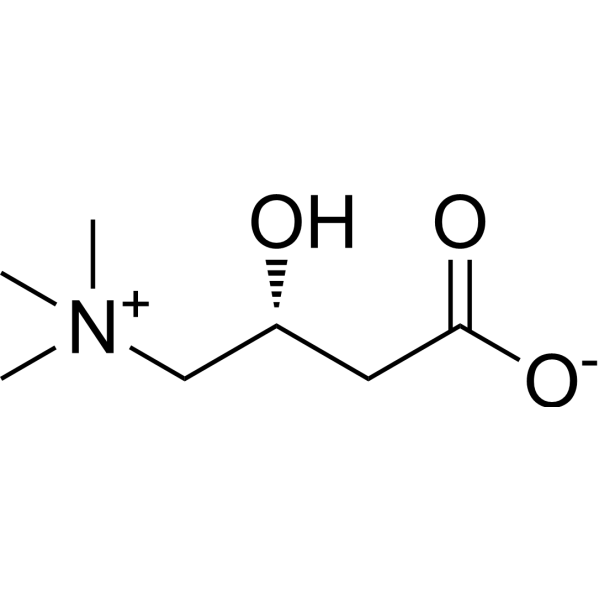
    L-Carnitine ((R)-Carnitine), a highly polar, small zwitterion, is an essential co-factor for the mitochondrial β-oxidation pathway. L-Carnitine functions to transport long chain fatty acyl-CoAs into the mitochondria for degradation by β-oxidation. L-Carnitine is an antioxidant. L-Carnitine can ameliorate metabolic imbalances in many inborn errors of metabolism .
    L-Carnitine
  • HY-113166
    Dodecanoylcarnitine
    1 Publications Verification

    (-)-Lauroylcarnitine

    Endogenous Metabolite Metabolic Disease Inflammation/Immunology
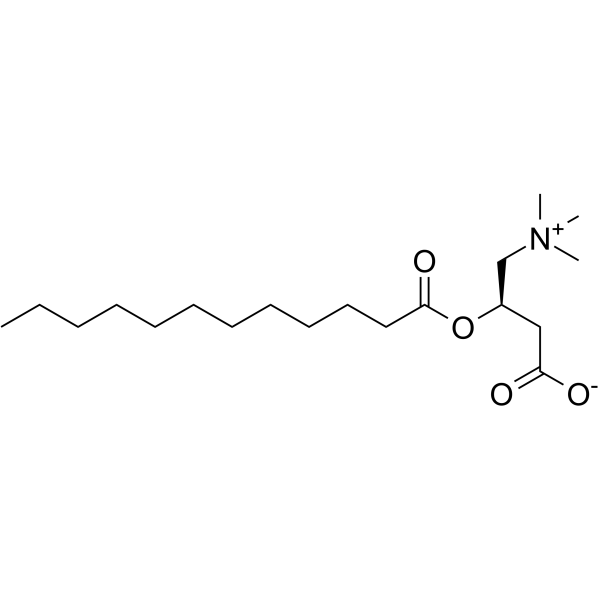
    Dodecanoylcarnitine ((-)-Lauroylcarnitine) is a medium long-chain acylcarnitine, an intermediate product in key energy metabolic pathways of fatty acid β-oxidation and amino acids catabolism. The abnormal decrease in the Dodecanoylcarnitine levels indicats that mitochondrial fuel metabolism, including fatty acid oxidation is significantly disturbed. Changes in plasma concentrations of Dodecanoylcarnitine are not only associated with type II diabetes, but also with pre-diabetes status. Dodecanoylcarnitine is present in fatty acid oxidation disorders such as long-chain acyl CoA dehydrogenase deficiency, carnitine palmitoyltransferase I/II deficiency, and is also associated with celiac disease. Dodecanoylcarnitine deomonstrates high sensitivities and specificities in predicting asthma. Combined model of Decanoylcarnitine (HY-113069), Dodecanoylcarnitine, PC (16:0/0:0), and Asp Arg Pro can be used as a potential biomarker for the diagnosis of Yin-deficiency-heat syndrome .
    Dodecanoylcarnitine
  • HY-B2246
    L-Carnitine hydrochloride
    Maximum Cited Publications
    20 Publications Verification

    (R)-Carnitine hydrochloride; Levocarnitine hydrochloride

    Endogenous Metabolite Metabolic Disease Cancer
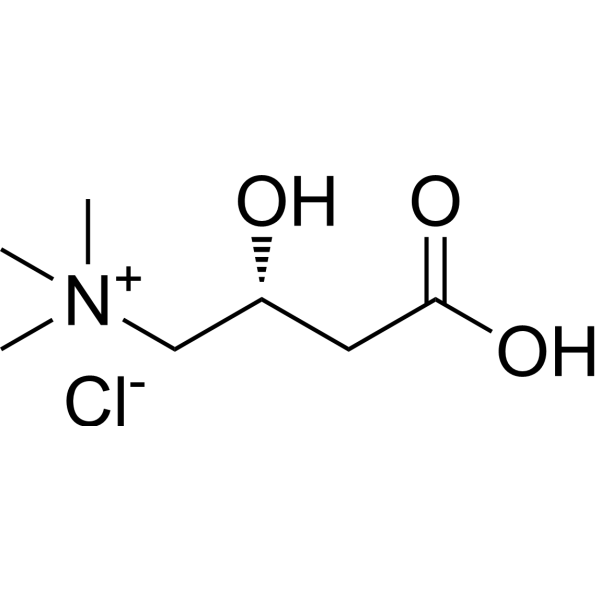
    L-Carnitine hydrochloride ((R)-Carnitine hydrochloride), a highly polar, small zwitterion, is an essential co-factor for the mitochondrial β-oxidation pathway. L-Carnitine hydrochloride functions to transport long chain fatty acyl-CoAs into the mitochondria for degradation by β-oxidation. L-Carnitine hydrochloride is an antioxidant. L-Carnitine hydrochloride can ameliorate metabolic imbalances in many inborn errors of metabolism .
    L-Carnitine hydrochloride
  • HY-P2994

    3-HBDH

    Endogenous Metabolite Metabolic Disease
    3-Hydroxybutyrate dehydrogenase (3-HBDH), a mitochondrial enzyme, is a key enzyme in the ketone body metabolism pathway. 3-Hydroxybutyrate dehydrogenase is the last enzyme for ketone synthesis in the liver and the first enzyme for ketone breakdown in extracellular tissues. The absence of 3-Hydroxybutyrate dehydrogenase leads to the inhibition of fatty acid oxidation in the liver during fasting in mice, resulting in lipid accumulation and the development of fatty liver .
    3-Hydroxybutyrate dehydrogenase
  • HY-W105518
    L-Carnitine tartrate
    15+ Cited Publications

    Endogenous Metabolite Neurological Disease
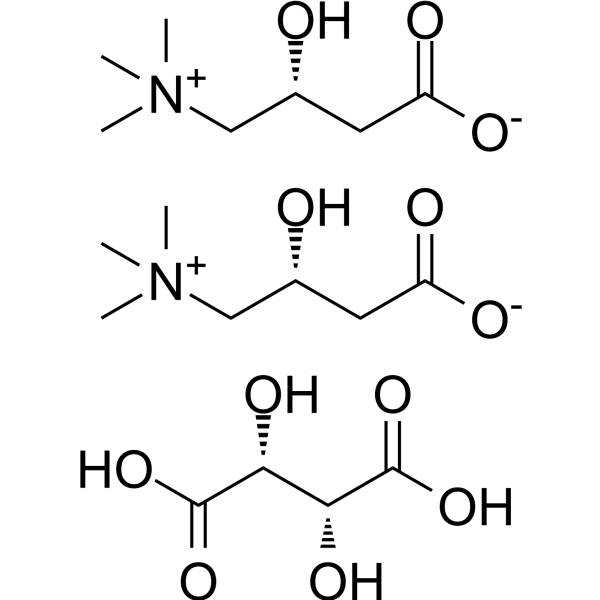
    L-Carnitine tartrate is a highly polar, small zwitterion. L-Carnitine tartrate is an essential co-factor for the mitochondrial β-oxidation pathway. L-Carnitine tartrate functions to transport long chain fatty acyl-CoAs into the mitochondria for degradation by β-oxidation. L-Carnitine tartrate is an antioxidant. L-Carnitine tartrate can ameliorate metabolic imbalances in many inborn errors of metabolism [3] .
    L-Carnitine tartrate
  • HY-134377

    ASP0367; MA-0211

    PPAR Metabolic Disease
    Bocidelpar (ASP0367; MA-0211) is a selective, orally active PPARδ modulator. Bocidelpar activates the PPARδ downstream signaling pathway, upregulates the expression of target genes such as ABCA1 and ACAA2. Bocidelpar then promotes fatty acid oxidation (FAO) and mitochondrial biogenesis, and improves mitochondrial dysfunction. Bocidelpar can improve mitochondrial biogenesis and function in muscle cells. Bocidelpar is mainly used in the study of mitochondrial dysfunction diseases such as primary mitochondrial myopathy (PMM) and Duchenne muscular dystrophy (DMD) .
    Bocidelpar
  • HY-B2246S
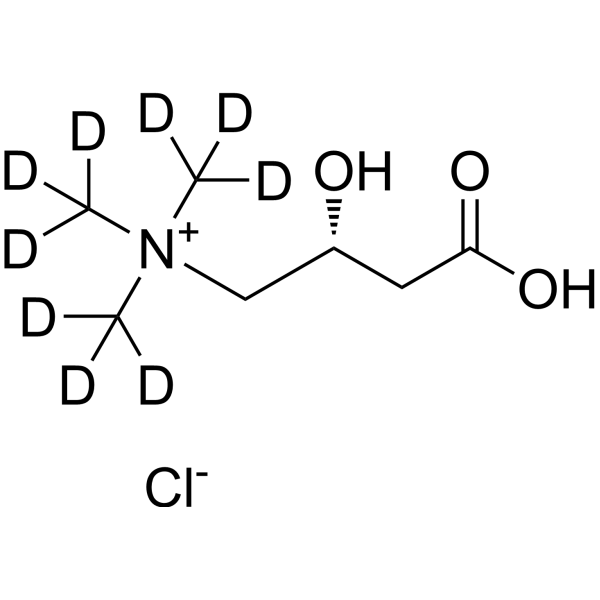
    L-Carnitine-d9 chloride
    1 Publications Verification

    (R)-Carnitine-d9 chloride; Levocarnitine-d9 chloride

    Isotope-Labeled Compounds Endogenous Metabolite Metabolic Disease
    L-Carnitine-d9 (chloride)e is the deuterium labeled L-Carnitine chloride. L-Carnitine chloride, a highly polar, small zwitterion, is an essential co-factor for the mitochondrial β-oxidation pathway. L-Carnitine chloride functions to transport long chain fatty acyl-CoAs into the mitochondria for degradation by β-oxidation. L-Carnitine chloride is an antioxidant. L-Carnitine chloride can ameliorate metabolic imbalances in many inborn errors of metabolism .
    L-Carnitine-d9 chloride
  • HY-B0399R

    (R)-Carnitine (Standard); Levocarnitine (Standard)

    Reference Standards Endogenous Metabolite Neurological Disease Cancer
    L-Carnitine (Standard) is the analytical standard of L-Carnitine. This product is intended for research and analytical applications. L-Carnitine ((R)-Carnitine), a highly polar, small zwitterion, is an essential co-factor for the mitochondrial β-oxidation pathway. L-Carnitine functions to transport long chain fatty acyl-CoAs into the mitochondria for degradation by β-oxidation. L-Carnitine is an antioxidant. L-Carnitine can ameliorate metabolic imbalances in many inborn errors of metabolism .
    L-Carnitine (Standard)
  • HY-E70523

    Valeryl-CoA; Valeryl-coenzyme A; Pentanoyl coenzyme A free acid

    Endogenous Metabolite Metabolic Disease
    Pentanoyl coenzyme A (Valeryl-CoA) is a short-chain fatty acyl-CoA that functions as an intermediate in mitochondrial β-oxidation and related metabolic pathways. Pentanoyl coenzyme A results from the formal condensation of the thiol group of coenzyme A with the carboxy group of pentanoic acid. Pentanoyl coenzyme A's levels can reflect changes in lipid metabolism under different physiological and pathological conditions. Pentanoyl coenzyme A can be used for research on lipid metabolism .
    Pentanoyl coenzyme A
  • HY-126876
    GL-V9
    1 Publications Verification

    Apoptosis AMPK Reactive Oxygen Species (ROS) Cancer
    GL-V9 inhibits proliferation of HepG2 cell (IC50 is 35.2 μM) through induction of apoptosis and cell cycle arrest at G2/M phase. GL-V9 regulates mitochondrial membrane potential and increases the production of intracellular reactive oxygen species. GL-V9 inhibits the pentose phosphate pathway (PPP), enhances fatty acid oxidation (FAO) through activation of AMPK, and thus inhibits the metastasis of cancer cells. GL-V9 exhibits antitumor efficacy in mouse model .
    GL-V9
  • HY-126718

    Ketohypoglycin

    Mitochondrial Metabolism Metabolic Disease
    Methylenecyclopropylpyruvate (Ketohypoglycin) is an inhibitor for gluconeogenesis. Methylenecyclopropylpyruvate inhibits ketogenesis and affects the fatty acids metabolism. Methylenecyclopropylpyruvate may interfere with the mitochondrial β-oxidation pathway, affects the contents and composition of coenzyme A, and affects the glucose homeostasis .
    Methylenecyclopropylpyruvate
  • HY-B0399S2

    (R)-Carnitine-13C3; Levocarnitine-13C3

    Isotope-Labeled Compounds Endogenous Metabolite Neurological Disease Cancer
    L-Carnitine- 13C3 ((R)-Carnitine- 13C3) is the 13C--labeled L-Carnitine (HY-B0399). L-Carnitine ((R)-Carnitine), a highly polar, small zwitterion, is an essential co-factor for the mitochondrial β-oxidation pathway. L-Carnitine functions to transport long chain fatty acyl-CoAs into the mitochondria for degradation by β-oxidation. L-Carnitine is an antioxidant. L-Carnitine can ameliorate metabolic imbalances in many inborn errors of metabolism .
    L-Carnitine-13C3
  • HY-B2246R

    (R)-Carnitine hydrochloride (Standard); Levocarnitine hydrochloride (Standard)

    Reference Standards Endogenous Metabolite Metabolic Disease Cancer
    L-Carnitine (hydrochloride) (Standard) is the analytical standard of L-Carnitine (hydrochloride). This product is intended for research and analytical applications. L-Carnitine hydrochloride ((R)-Carnitine hydrochloride), a highly polar, small zwitterion, is an essential co-factor for the mitochondrial β-oxidation pathway. L-Carnitine hydrochloride functions to transport long chain fatty acyl-CoAs into the mitochondria for degradation by β-oxidation. L-Carnitine hydrochloride is an antioxidant. L-Carnitine hydrochloride can ameliorate metabolic imbalances in many inborn errors of metabolism .
    L-Carnitine hydrochloride (Standard)
  • HY-E70523A

    Valeryl-CoA sodium; Valeryl-coenzyme A sodium

    Endogenous Metabolite Metabolic Disease
    Pentanoyl coenzyme A (Valeryl-CoA) sodium is a short-chain fatty acyl-CoA that functions as an intermediate in mitochondrial β-oxidation and related metabolic pathways. Pentanoyl coenzyme A sodium results from the formal condensation of the thiol group of coenzyme A with the carboxy group of pentanoic acid. Pentanoyl coenzyme A sodium's levels can reflect changes in lipid metabolism under different physiological and pathological conditions. Pentanoyl coenzyme A sodium can be used for research on lipid metabolism .
    Pentanoyl coenzyme A sodium
  • HY-W105518R

    Reference Standards Endogenous Metabolite Neurological Disease
    L-Carnitine (tartrate) (Standard) is the analytical standard of L-Carnitine (tartrate). This product is intended for research and analytical applications. L-Carnitine tartrate is a highly polar, small zwitterion. L-Carnitine tartrate is an essential co-factor for the mitochondrial β-oxidation pathway. L-Carnitine tartrate functions to transport long chain fatty acyl-CoAs into the mitochondria for degradation by β-oxidation. L-Carnitine tartrate is an antioxidant. L-Carnitine tartrate can ameliorate metabolic imbalances in many inborn errors of metabolism [3] .
    L-Carnitine tartrate (Standard)
  • HY-B0399G

    (R)-Carnitine; Levocarnitine

    Endogenous Metabolite Neurological Disease Cancer
    L-Carnitine (GMP) is L-Carnitine (HY-B0399) produced by using GMP guidelines. GMP small molecules work appropriately as an auxiliary reagent for cell therapy manufacture. L-Carnitine, a highly polar, small zwitterion, is an essential co-factor for the mitochondrial β-oxidation pathway. L-Carnitine functions to transport long chain fatty acyl-CoAs into the mitochondria for degradation by β-oxidation. L-Carnitine is an antioxidant. L-Carnitine can ameliorate metabolic imbalances in many inborn errors of metabolism .
    L-Carnitine
  • HY-113166R

    (-)-Lauroylcarnitine (Standard)

    Reference Standards Endogenous Metabolite Metabolic Disease Inflammation/Immunology
    Dodecanoylcarnitine (Standard) is the analytical standard of Dodecanoylcarnitine (HY-113166). This product is intended for research and analytical applications. Dodecanoylcarnitine ((-)-Lauroylcarnitine) is a medium long-chain acylcarnitine, an intermediate product in key energy metabolic pathways of fatty acid β-oxidation and amino acids catabolism. The abnormal decrease in the Dodecanoylcarnitine levels indicats that mitochondrial fuel metabolism, including fatty acid oxidation is significantly disturbed. Changes in plasma concentrations of Dodecanoylcarnitine are not only associated with type II diabetes, but also with pre-diabetes status. Dodecanoylcarnitine is present in fatty acid oxidation disorders such as long-chain acyl CoA dehydrogenase deficiency, carnitine palmitoyltransferase I/II deficiency, and is also associated with celiac disease. Dodecanoylcarnitine deomonstrates high sensitivities and specificities in predicting asthma. Combined model of Decanoylcarnitine (HY-113069), Dodecanoylcarnitine, PC (16:0/0:0), and Asp Arg Pro can be used as a potential biomarker for the diagnosis of Yin-deficiency-heat syndrome .
    Dodecanoylcarnitine (Standard)
  • HY-172901

    AMPK Cardiovascular Disease Metabolic Disease
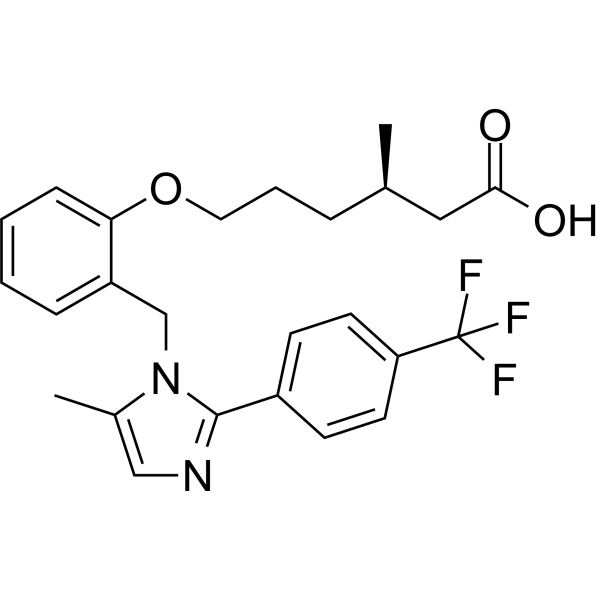
    AMPK activator 17 (Compound 10g) is an orally active AMPK activator. AMPK activator 17 has significant anti-adipogenic (IC50: 3.4 μM) and dyslipidemia-modifying activities. AMPK activator 17 inhibits the early stages of adipocyte differentiation (mitotic clonal expansion) by activating the AMPK pathway. AMPK activator 17 can enhance mitochondrial function and fatty acid oxidation in mature adipocytes. AMPK activator 17 improves dyslipidemia by promoting reverse cholesterol transport. AMPK activator 17 can be used in the study of obesity and related metabolic diseases (such as type 2 diabetes and cardiovascular disease) .
    AMPK activator 17
  • HY-W754236

    Isotope-Labeled Compounds Endogenous Metabolite Metabolic Disease
    (R)-Carnitine Hydrochloride- 13C3 is the 13C-labeled L-Carnitine hydrochloride (HY-B2246). L-Carnitine hydrochloride ((R)-Carnitine hydrochloride), a highly polar, small zwitterion, is an essential co-factor for the mitochondrial β-oxidation pathway. L-Carnitine hydrochloride functions to transport long chain fatty acyl-CoAs into the mitochondria for degradation by β-oxidation. L-Carnitine hydrochloride is an antioxidant. L-Carnitine hydrochloride can ameliorate metabolic imbalances in many inborn errors of metabolism .
    (R)-Carnitine Hydrochloride-13C3
  • HY-182046

    MNK PPAR Eukaryotic Initiation Factor (eIF) Stearoyl-CoA Desaturase (SCD) Metabolic Disease
    HD202A is an orally active, selective dual inhibitor of MNK1/MNK2 (with IC50 values of 6.09 nM and 8.06 nM, and Kd values of 1.913 μM and 5.244 μM, respectively) that inhibits the MNK-eIF4E signaling pathway. By downregulating perilipin 2 and SCD1, while upregulating adipose triglyceride lipase and PPARγ coactivator 1α, HD202A enhances mitochondrial fatty acid oxidation and redox homeostasis. HD202A effectively suppresses body weight gain, hepatic lipid accumulation and elevation of serum lipids, significantly improves glucose tolerance and insulin sensitivity of the organism, and ameliorates inflammatory features. With these comprehensive pharmacological activities, HD202A exhibits great application potential in studies of metabolic dysfunction-associated steatotic liver disease .
    HD202A
  • HY-W746606

    Mitochondrial Metabolism Metabolic Disease Cancer
    Avocadyne is an orally active mitochondrial fatty acid oxidation (FAO) inhibitor. Avocadyne induces leukemia cell death and reverses diet-induced obesity. Avocadyne inhibits fatty acid oxidation activity in leukemia cells . Avocadyne can be used in studies related to leukemia and obesity .
    Avocadyne

Inquiry Online

Your information is safe with us. * Required Fields.

Salutation


Country or Region *

Applicant Name *


Organization Name *

Department *


Email Address *


Product Name *

Cat. No.


Requested quantity *

Phone Number *


Remarks

Inquiry Online

Inquiry Information

Product Name:
Cat. No.:
Quantity:
MCE Japan Authorized Agent:

