1. Search Result
Search Result
Pathways Recommended: Stem Cell/Wnt Cell Cycle/DNA Damage
Results for "

murine cancer cells

" in MedChemExpress (MCE) Product Catalog:

116

Inhibitors & Agonists

1

Fluorescent Dyes

3

Biochemical Assay Reagents

10

Peptides

11

Inhibitory Antibodies

20

Natural
Products

1

Isotope-Labeled Compounds

4

Oligonucleotides

1

GMP Molecules

Cat. No. Product Name Target Research Areas Chemical Structure
  • HY-15372
    GW6471
    Maximum Cited Publications
    70 Publications Verification

    PPAR Apoptosis Cancer
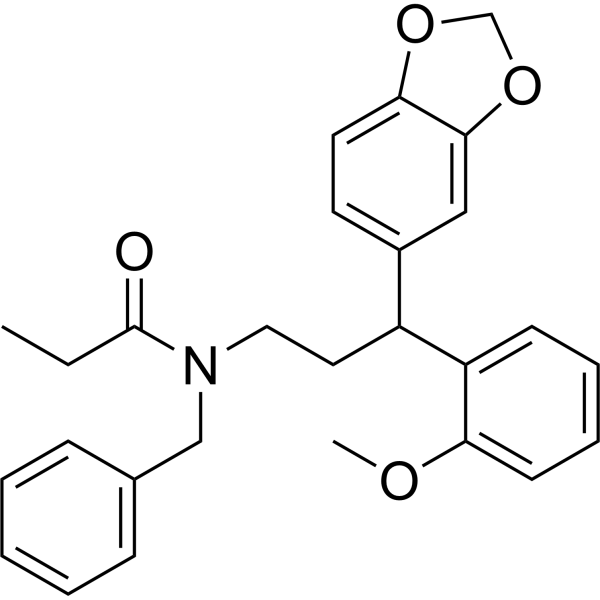
    GW6471 is a selective peroxisome proliferator-activated receptor α (PPARα) antagonist. GW6471 reduces cancer stem cell viability, proliferation, and spheroid formation. GW6471 induces apoptosis and causes metabolic impairment including energy imbalance. GW6471 can be used for the research of paragangliomas and triple-negative breast cancer .
    GW6471
  • HY-135146
    GSK-3484862
    20+ Cited Publications

    DNA Methyltransferase Cancer
    GSK-3484862 is a non-covalent inhibitor for DNA methyltransferase (Dnmt1). GSK-3484862 induces DNA hypomethylation to against cancer. GSK-3484862 mediates dramatic demethylation in murine embryonic stem cells with minimal non-specific toxicity .
    GSK-3484862
  • HY-100574A
    Cl-amidine hydrochloride
    20+ Cited Publications

    Protein Arginine Deiminase Apoptosis MicroRNA Inflammation/Immunology Cancer
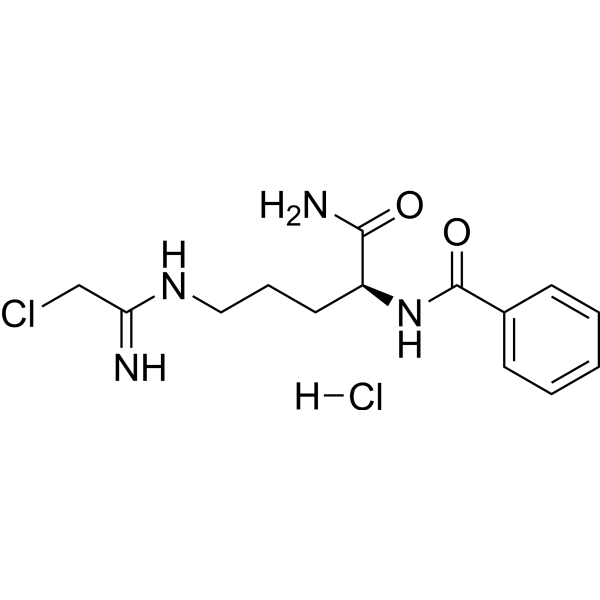
    Cl-amidine hydrochloride is an orally active peptidylarginine deminase (PAD) inhibitor, with IC50 values of 0.8 μM, 6.2 μM and 5.9 μM for PAD1, PAD3, and PAD4, respectively. Cl-amidine hydrochloride induces apoptosis in cancer cells. Cl-amidine hydrochloride induces microRNA (miR)-16 (miRNA-16, microRNA-16) expression and causes cell cycle arrest. Cl-Amidine hydrochloride prevents histone 3 citrullination and neutrophil extracellular trap formation, and improves survival in a murine sepsis model .
    Cl-amidine hydrochloride
  • HY-103454
    MPP dihydrochloride
    15+ Cited Publications

    Estrogen Receptor/ERR Apoptosis Endocrinology Cancer
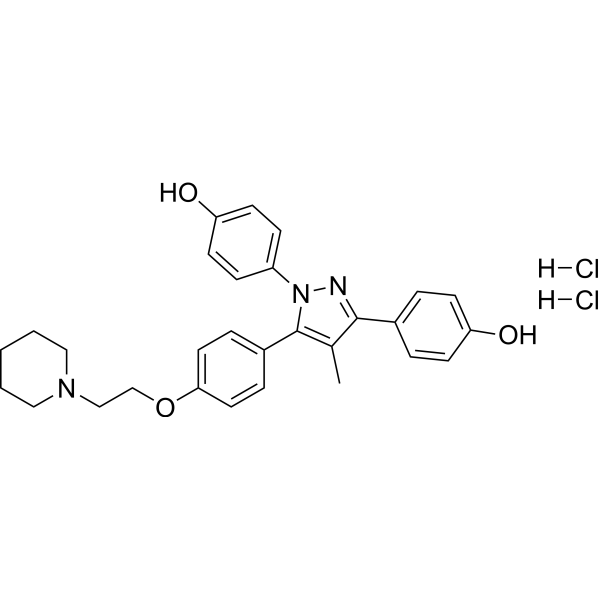
    MPP dihydrochloride is a potent and selective ER (estrogen receptor) modulator. MPP dihydrochloride induces significant apoptosis in the endometrial cancer and oLE cell lines. MPP dihydrochloride reverses the positive effects of beta-estradiol. MPP dihydrochloride has mixed agonist/antagonist action on murine uterine ERalpha in vivo .
    MPP dihydrochloride
  • HY-16261
    Aldoxorubicin
    20+ Cited Publications

    INNO-206; DOXO-EMCH

    Topoisomerase ADC Payload Cancer
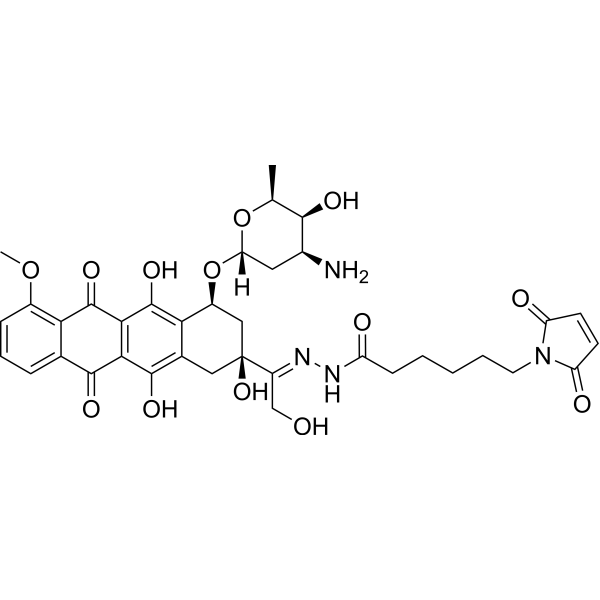
    Aldoxorubicin (INNO-206) is an albumin-binding proagent of Doxorubicin (DNA topoisomerase II inhibitor), which is released from albumin under acidic conditions. Aldoxorubicin (INNO-206) has potent antitumor activities in various cancer cell lines and in murine tumor models.
    Aldoxorubicin
  • HY-B1971
    Deltamethrin
    2 Publications Verification

    Decamethrin

    Environmental Pollutants Calcium Channel Caspase Bcl-2 Family NF-κB Interleukin Related Endogenous Metabolite Apoptosis Neurological Disease Inflammation/Immunology Cancer
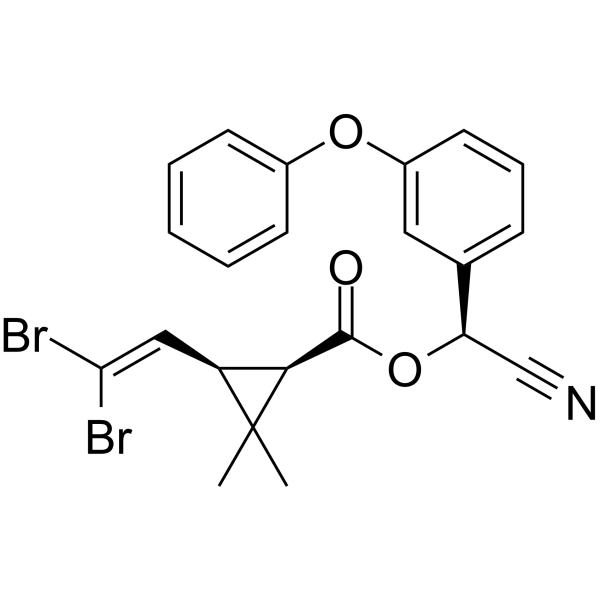
    Deltamethrin (Decamethrin) is an orally active synthetic pyrethroid insecticide. Deltamethrin induces oxidative stress and results in inflammation and apoptosis via inhibiting Nrf2/HO-1 pathway. Deltamethrin has an anticancer effect by inducing apoptosis. Deltamethrin can be used extensively in pest control .
    Deltamethrin
  • HY-P9964

    11F8; IMC-11F8; LY3012211

    EGFR Cancer
    Necitumumab (11F8; IMC-11F8; LY3012211) is a human IgG monoclonal antibody directed against EGFR. Necitumumab binds to the EGF binding site of EGFR, blocks ligand binding, neutralizes ligand-induced EGFR phosphorylation and downstream signaling, induces EGFR internalization and degradation, and mediates antibody-dependent cellular cytotoxicity (ADCC) in EGFR-expressing cells. Necitumumab enhances antitumour activity in combination with Gemcitabine (HY-17026) and Cisplatin (HY-17394) in murine non-small-cell lung cancer xenograft models. Necitumumab can be used in research on cancers such as non-small cell lung cancer and colorectal cancer .
    Necitumumab
  • HY-117037
    FR900359
    4 Publications Verification

    Apoptosis ERK Cardiovascular Disease Cancer
    FR900359 is a depsipeptide selective inhibitor of q/11/14 in mammalia, can inhibits ERK pathway. FR900359 suppresses the proliferation of melanoma cells and decreases of blood pressure. FR900359 also protected against airway hyperreactivity in murine models of allergen sensitization in Ovalbumin, low endotoxin (HY-W250978A)-induced sensitization model of asthma. FR900359 can be used for cancer and cardiovascular disease research .
    FR900359
  • HY-B1114
    Gliquidone
    2 Publications Verification

    AR-DF 26

    Potassium Channel ERK STAT NF-κB COX Interleukin Related Reactive Oxygen Species (ROS) Metabolic Disease
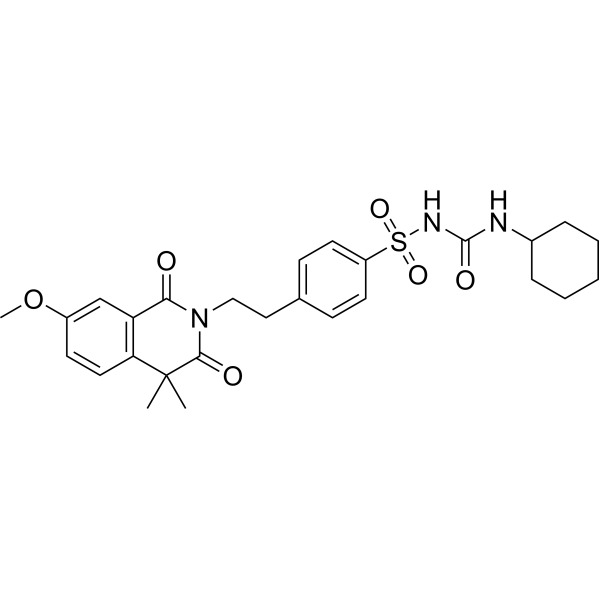
    Gliquidone can bind to the pancreatic β-cells and increases insulin release to regulate blood glucose levels. Gliquidone significantly decreases LPS (HY-D1056)-induced proinflammatory responses and inhibits ERK/STAT3/NF-κB phosphorylation in BV2 microglial cells. Gliquidone can suppress microgliosis, microglial hypertrophy mediated by LPS, and proinflammatory cytokine COX-2 and IL-6 levels in murine model. Gliquidone also exhibits good anticancer activity in lung carcinoma cells. Gliquidone has antioxidant property. Gliquidone can be studied in research for type 2 diabetes and cancers .
    Gliquidone
  • HY-134434
    Z-Arg-Arg-AMC hydrochloride
    1 Publications Verification

    Cathepsin Fluorescent Dye Others
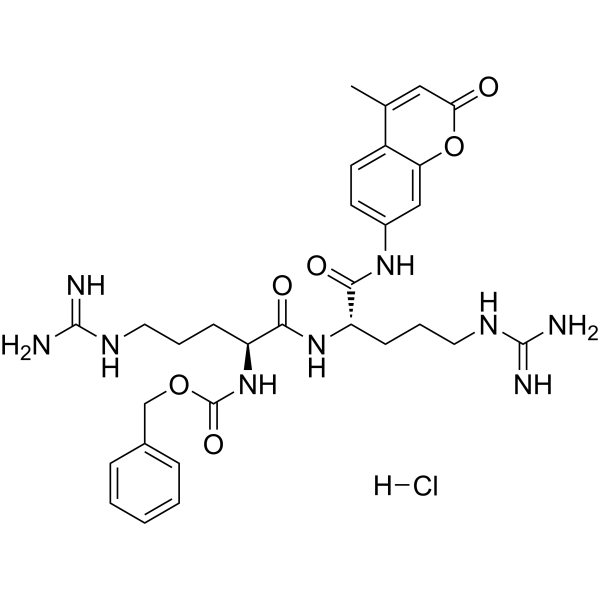
    Z-Arg-Arg-AMC hydrochloride is a highly selective fluorescent Cathepsin B substrate. Z-Arg-Arg-AMC hydrochloride can be hydrolyzed by Cathepsin B to produce a fluorescent product for enzyme activity detection .
    Z-Arg-Arg-AMC hydrochloride
  • HY-P99379

    CAN04; Anti-IL-1RAP/IL-1R3 Reference Antibody (nidanilimab)

    Interleukin Related Cancer
    Nidanilimab (CAN04) is a fully humanized monoclonal anti-IL1RAP antibody with a Kd value of 1.10 pM. Nidanilimab blocks IL1α and IL1β signaling and stimulates the immune system to destroy tumour cells. Nidanilimab can be used in research of non-small lung cancer (NSCLC) and pancreatic ductal adenocarcinoma (PDAC) .
    Nidanilimab (Nadunolimab)
  • HY-W440911

    Liposome Fluorescent Dye Cancer
    DSPE-PEG2000-Cy5 is a Cy5 (HY-D0821) fluorophore-labeled conjugate of distearoylphosphatidylethanolamine and polyethylene glycol, as well as a liposome component. The Cy5 fluorophore is commonly used for labeling proteins and nucleic acids in imaging, flow cytometry and genomic applications. DSPE-PEG2000-Cy5 supports cell membrane modification, in vivo tumor targeting research and long-term in vivo circulation of its liposomal formulations (Ex/Em=633/670 nm) .
    DSPE-PEG2000-Cy5
  • HY-103454B
    MPP hydrochloride
    15+ Cited Publications

    Estrogen Receptor/ERR Apoptosis Endocrinology Cancer
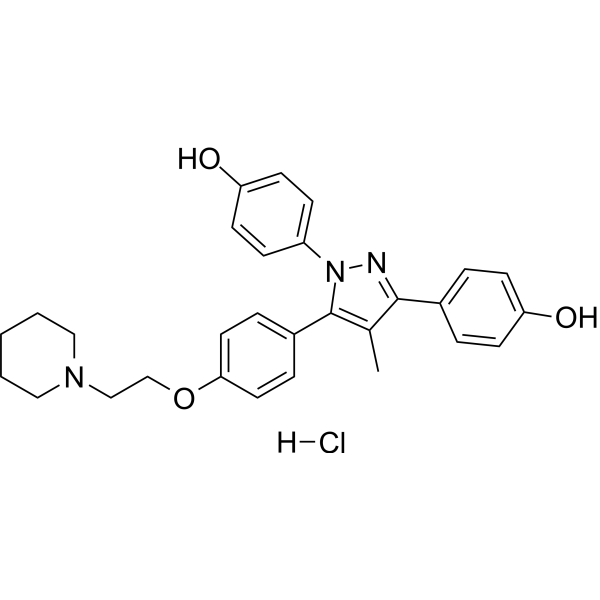
    MPP hydrochloride is a potent and selective ER (estrogen receptor) modulator. MPP hydrochloride induces significant apoptosis in the endometrial cancer and oLE cell lines. MPP hydrochloride reverses the the positive effects of beta-estradiol. MPP hydrochloride has mixed agonist/antagonist action on murine uterine ERalpha in vivo .
    MPP hydrochloride
  • HY-100574

    Protein Arginine Deiminase Apoptosis MicroRNA Inflammation/Immunology Cancer
    Cl-amidine is an orally active peptidylarginine deminase (PAD) inhibitor, with IC50 values of 0.8 μM, 6.2 μM and 5.9 μM for PAD1, PAD3, and PAD4, respectively. Cl-amidine induces apoptosis in cancer cells. Cl-amidine induces microRNA (miR)-16 (miRNA-16, microRNA-16) expression and causes cell cycle arrest. Cl-Amidine prevents histone 3 citrullination and neutrophil extracellular trap formation, and improves survival in a murine sepsis model .
    Cl-amidine
  • HY-N2110

    Akt Sirtuin Integrin STAT PI3K Apoptosis ERK PPAR PKC Toll-like Receptor (TLR) HIV Inflammation/Immunology
    Phellopterin, an orally active furocoumarin with multiple biological activities. Phellopterin is a partial agonist of the central benzodiazepine receptors. Phellopterin exerts anti-inflammatory effects by upregulating SIRT1, downregulating ICAM-1 (reducing chronic inflammation, aiding diabetic ulcer healing), inhibiting STAT3 phosphorylation (easing atopic dermatitis inflammation), regulating Akt/PKC pathways (lowering TNF-α-induced VCAM-1 to block monocyte adhesion), and inhibiting TLR4/NF-κB pathway and macrophage M2 polarization (alleviating colitis-related cancers). Phellopterin suppresses ovarian cancer progression via inhibiting the PU.1/CLEC5A/PI3K-AKT loop (inducing cell cycle arrest, apoptosis, DNA damage). Phellopterin alleviates murine diabetes by promoting adipocyte differentiation and increasing PPARγ. Phellopterin also has anti-HSV-1 activity. Phellopterin can be used for studying anti-inflammation, anti-cancer (e.g., ovarian cancer, colitis cancer), blood glucose lowering, anti-diabetes, and anti-virus .
    Phellopterin
  • HY-159730

    Aminotransferases (Transaminases) Inflammation/Immunology Cancer
    ERG245 is a selective amino acid aminotransferase (BCAT1) inhibitor with a human IC50 of 0.5 nM. ERG245 enhances oxidative phosphorylation (OXPHOS) in CD8 + T cells by specifically inhibiting BCAT1 activity, thereby increasing the cytotoxicity of CD8 + T cells. ERG245 shows anti-inflammatory and anti-tumor activities. ERG245 can be used for the researches of cancer anf inflammation, such as colitis and colon cancer .
    ERG245
  • HY-164278

    STING Cathepsin Cancer
    diABZI-V/C-Mal is a STING agonist (with a STING EC50 of 314 nM in TH1 dual reporter cells) and a Cathepsin B substrate. diABZI-V/C-Mal activates STING, thereby triggering the IRF3 signaling pathway. diABZI-V/C-Mal is cleaved by Cathepsin B to regenerate diABZI-NH2 .
    diABZI-V/C-Mal
  • HY-N0600

    Interleukin Related IFNAR NF-κB Inflammation/Immunology
    Ginsenoside F3 is a saponin extracted from the leaves of Panax ginseng with immunoenhancing and antitumor immunostimulatory activities. Ginsenoside F3 upregulates RIPOR2 with a Kd value of 3.77 μM. Ginsenoside F3 enhances NF‑κB activation, upregulates T‑bet and downregulates GATA‑3, increases the production of IL‑2 and IFN‑γ, decreases the production of IL‑4 and IL‑10, reverses CD8⁺ T‑cell exhaustion, restores cytokine secretion, and enhances antitumor immunity in a mouse non‑small cell lung cancer model. Ginsenoside F3 can be used for the research of non-small cell lung cancer .
    Ginsenoside F3
  • HY-12929

    SU093

    Pim Apoptosis Cancer
    NSC756093 (SU093) is a GBP1:PIM1 interaction inhibitor. NSC756093 binds to GBP1-PIM1 with a Kd of 38 nM. NSC756093 suppresses proliferation, reduces migration, induces G1 phase cell-cycle arrest, and increases apoptotic cell death in ovarian cancer cells. NSC756093 reduces cellular proteasomal activity, induces accumulation of ubiquitinated proteins, and restrains tumor progression and lung metastasis in murine ovarian cancer xenograft models. NSC756093 increases sensitivity of prostate cancer cells to Docetaxel (HY-B0011) and sensitizes GBP1-overexpressing ovarian cancer cells to Paclitaxel (HY-B0015). NSC756093 can be used for the research of prostate cancer and ovarian cancer .
    NSC756093
  • HY-120548

    TGF-β Receptor Integrin Raf RIP kinase ERK Cancer
    KBU2046 is an orally active transforming growth factor-β (TGF-β1) inhibitor. KBU2046 reduces integrin family protein expression, decreases Raf, RIPK1 and ERK phosphorylation to deactivate the ERK signaling pathway, and down-regulates genes linked to TGF-β1 maturation. KBU2046 suppresses tumor cell motility, impedes cancer invasion and metastasis, and inhibits human ESCC growth and metastasis in a murine model. KBU2046 can be used for the researches of triple-negative breast cancer and esophageal squamous cell carcinoma .
    KBU2046
  • HY-160142

    PROTACs Btk Syk MEK ERK Cancer
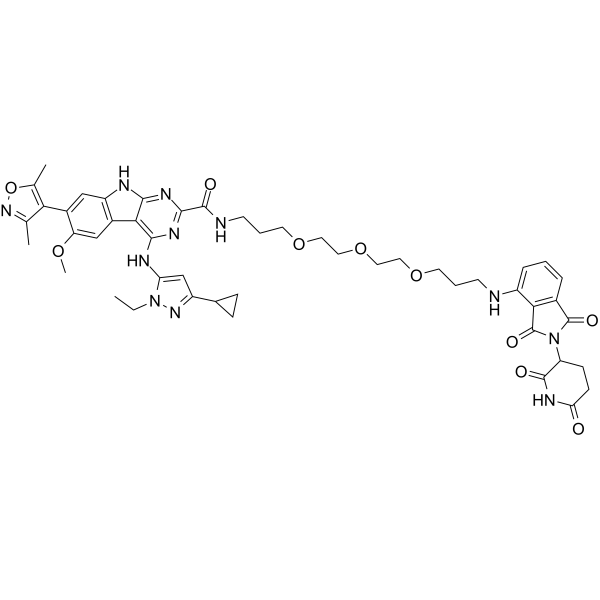
    UBX-382 is an orally active BTK PROTAC degrader with a DC50 of 4.56 nM. UBX-382 inhibits B-cell receptor signaling by targeting BTK. UBX-382 shows superior degradation activity for wild-type and mutant BTK proteins. UBX-382 inhibits tumor growth in murine xenograft models harboring wild-type or C481S mutant BTK-expressing TMD-8 cells. UBX-382 can be used for the study of B-cell-related blood cancers .
    UBX-382
  • HY-124309

    Lactate Dehydrogenase Apoptosis Cancer
    NHI-2 is a lactate dehydrogenase A (LDHA) inhibitor with an IC50 of 14.7 µM. NHI-2 shows selective for LDHA over LDHB (IC50 = 55.8 µM). NHI-2 is an efficient anti-glycolytic agent. NHI-2 enhances apoptosis, induces cell cycle arrest at S and G2 phases. NHI-2 has a broad spectrum anti-proliferative activity in cancer cells. NHI-2 affects extracellular acidification rate and ATP production. NHI-2 suppresses tumor growth in murine B78 melanoma tumor model .
    NHI-2
  • HY-W177546

    Phosphodiesterase (PDE) Apoptosis Caspase DNA/RNA Synthesis Cancer
    CD00509 is a tyrosyl-DNA phosphodiesterase (PDE) Tdp1 inhibitor with an IC50 of 0.71 μM. CD00509 increases DNA damage and promotes apoptosis of MCF-7 cells. CD00509 can sensitize breast cancer cells and wild-type murine embryonic fibroblasts (MEFs) to Camptothecin (CPT) (HY-16560). CD00509 can be used for the study of cancers such as breast cancer .
    CD00509
  • HY-135146A

    DNA Methyltransferase Cancer
    (Rac)-GSK-3484862 is the isomer of GSK-3484862 (HY-135146), and can be used as an experimental control. GSK-3484862 is a non-covalent inhibitor for DNA methyltransferase (Dnmt1). GSK-3484862 induces DNA hypomethylation to against cancer. GSK-3484862 mediates dramatic demethylation in murine embryonic stem cells with minimal non-specific toxicity .
    (Rac)-GSK-3484862
  • HY-B1971R

    Decamethrin (Standard)

    Reference Standards Endogenous Metabolite Calcium Channel Caspase Apoptosis Bcl-2 Family NF-κB Interleukin Related Neurological Disease Inflammation/Immunology Cancer
    Deltamethrin (Standard) is the analytical standard of Deltamethrin. This product is intended for research and analytical applications. Deltamethrin (Decamethrin) is an orally active synthetic pyrethroid insecticide. Deltamethrin induces oxidative stress and results in inflammation and apoptosis via inhibiting Nrf2/HO-1 pathway. Deltamethrin has an anticancer effect by inducing apoptosis. Deltamethrin can be used extensively in pest control .
    Deltamethrin (Standard)
  • HY-N7700

    G2013

    MMP COX VEGFR Toll-like Receptor (TLR) NF-κB NO Synthase Inflammation/Immunology Cancer
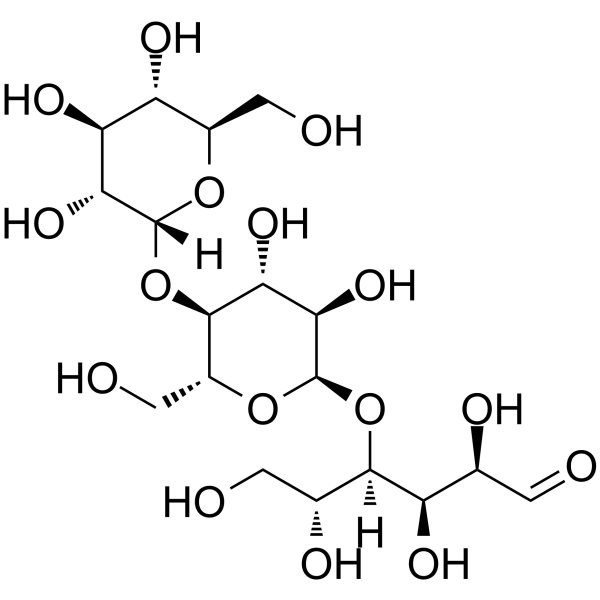
    Guluronic acid (G2013) is an orally active oxidative stress regulator and anti-inflammatory agent that exerts pharmacological effects by down-regulating various pro-inflammatory and oxidative stress-related genes (such as TLR4, NF-κB, iNOS, etc.) and inhibiting the activities of COX-2, MMPs and VEGF. Low-dose Guluronic acid up-regulates the expression of immunoregulatory genes SHIP1 and SOCS1, thereby effectively inhibiting cancer-related inflammation, tumor angiogenesis, cell adhesion and metastasis, while reducing the accumulation of immunosuppressive cells. Guluronic acid significantly prolongs the survival time of tumor-bearing hosts within a concentration range without direct cytotoxicity, demonstrating favorable safety. Guluronic acid has involved in the research of multiple sclerosis, ankylosing spondylitis, breast cancer and other inflammatory diseases .
    Guluronic acid
  • HY-125987

    Ras Cancer
    RBC6 is an inhibitor of GTPases RalA. RBC6 inhibits binding of Ral to its effector RALBP1. RBC6 also inhibits Ral-mediated cell spreading of murine embryonic fibroblasts, as well as anchorage-independent growth of human cancer celllines .
    RBC6
  • HY-P990263

    CD73 Infection Inflammation/Immunology Cancer
    Anti-Mouse CD73 Antibody (TY/23) is a rat-derived IgG2a κ type antibody inhibitor, targeting to mouse CD73. Anti-Mouse CD73 Antibody (TY/23) can neutralize CD73. Anti-Mouse CD73 Antibody (TY/23) can be used for the researches of cancer, infection and immunology, such as B16F10 tumor and murine cytomegalovirus infection .
    Anti-Mouse CD73 Antibody (TY/23)
  • HY-P11060

    Adpgk peptide

    MHC Cancer
    MC38 SLP Adpgk (Adpgk peptide) is an H-2 K b-restricted colorectal cancer neoantigen peptide. MC38 SLP Adpgk is formulated into PCNP nanocomplexes together with CpG ODN. PCNP vaccines significantly enhance the co-delivery efficiency of neoantigens and adjuvants to lymphoid organs, and activate cytotoxic T cells. PCNP vaccines not only protect mice from MC-38 colorectal tumor invasion, but also exhibit anti-tumor efficacy in established colorectal tumor models and significantly prolong the survival of tumor-bearing mice .
    MC38 SLP Adpgk
  • HY-156850

    HDAC NF-κB Cancer
    ITF 3756 is a selective, orally active HDAC6 inhibitor. ITF 3756 antagonizes TNF-α-induced activation of the NF-κB pathway. ITF 3756 reduces PD-L1 expression on human monocytes and CD8 + T cells, and exhibits antitumor activity. ITF 3756 can be used in colon cancer-related research .
    ITF 3756
  • HY-W014989

    Biochemical Assay Reagents Cancer
    Thioglucose is a thiosugar with antioxidant properties. Thioglucose acts as an H2S/polysulfide donor to elevate intracellular sulfane sulfur levels and promote hydropersulfide formation. Thioglucose reduces the endocytosis of gold nanoparticles by phagocytes, enhances cytotoxicity and improves biocompatibility by increasing their adsorption on the surface of cancer cells. Thioglucose can be engineered into a stimulus-responsive prodrug or functional reagent for the development of targeted nanocarriers, and is used in studies related to human breast adenocarcinoma and cervical cancer .
    Thioglucose
  • HY-103653

    MetAP Cardiovascular Disease Cancer
    CKD-731 is a Fumagillin (HY-B0751) analogue. CKD-731 inhibits the proliferation of calf pulmonary artery endothelial cells (CPAE), lymphoma EL-4 cells and murine leukemia P388D1 cells. CKD-731 exerts the effect of inhibiting MetAP-2 activity and blocking angiogenesis. CKD-731 can be used for the research of anti-angiogenesis-related cancer .
    CKD-731
  • HY-115567

    1-(β-D-2-Deoxyribofuranosyl)-5-nitroindole

    Apoptosis Cancer
    5-NIdR (1-(β-D-2-Deoxyribofuranosyl)-5-nitroindole), an artificial nucleoside, exhibits the ability to inhibit the replication of DNA lesions generated by Temozolomide (HY-17364). 5-NIdR induces cancer cells apoptosis and arrests cell cycle at G0 phase. 5-NIdR enhances Temozolomide anti-tumor efficacy in murine glioblastoma model .
    5-NIdR
  • HY-100574B
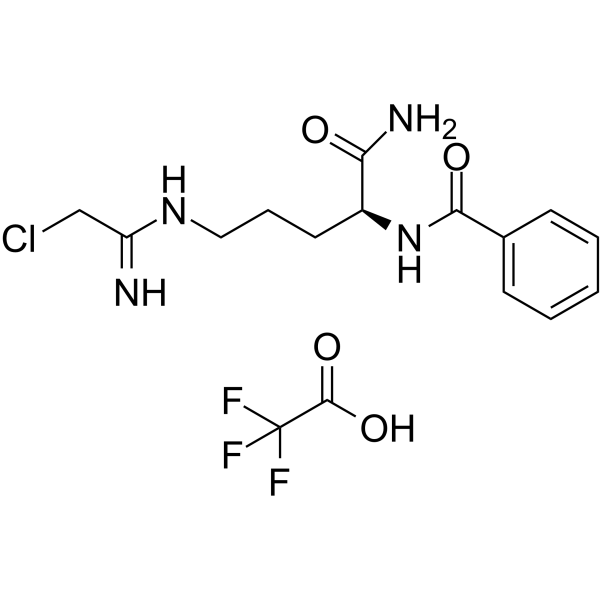
    Cl-amidine TFA
    20+ Cited Publications

    Protein Arginine Deiminase Apoptosis MicroRNA Inflammation/Immunology Cancer
    Cl-amidine TFA is an orally active peptidylarginine deminase (PAD) inhibitor, with IC50 values of 0.8 μM, 6.2 μM and 5.9 μM for PAD1, PAD3, and PAD4, respectively. Cl-amidine TFA induces apoptosis in cancer cells. Cl-amidine TFA induces microRNA (miR)-16 (miRNA-16, microRNA-16) expression and causes cell cycle arrest. Cl-Amidine TFA prevents histone 3 citrullination and neutrophil extracellular trap formation, and improves survival in a murine sepsis model .
    Cl-amidine TFA
  • HY-116861

    MetAP Cancer
    A-357300 is a reversible and selective MetAP2 inhibitor with IC50s of 0.12 and 57 μM against MetAP2 and MetAP1. A-357300 induces cytostasis by cell cycle arrest at the G1 phase selectively in endothelial cells and in a subset of tumor cells. A-357300 inhibits angiogenesis both in vitro and in vivo and shows potent antitumor efficacy in carcinoma, sarcoma, and neuroblastoma murine models. A-357300 can be used for the studies of neuroblastoma, fibrosarcoma and breast cancer .
    A-357300
  • HY-P990276

    Transmembrane Glycoprotein Infection Inflammation/Immunology Cancer
    Anti-Mouse CD317/BST2 Antibody (927) is a rat-derived IgG2b κ type antibody inhibitor, targeting to mouse CD317/BST2. Anti-Mouse CD317/BST2 Antibody (927) can deplete plasmacytoid dendritic cells (pDC). Anti-Mouse CD317/BST2 Antibody (927) can be used for the researches of cancer, infection, inflammation and immunology, such as head and neck squamous cell carcinoma (HNSCC), murine cytomegalovirus (MCMV) infection and asthma .
    Anti-Mouse CD317/BST2 Antibody (927)
  • HY-169859

    Prostaglandin Receptor Interleukin Related Inflammation/Immunology Cancer
    EP4 receptor antagonist 7 (Compound 14) is an antagonist of the prostaglandin E2 (PGE2) receptor subtype EP4 with an IC50 value of 1.1 nM. EP4 receptor antagonist 7 inhibits PGE2-induced β-arrestin recruitment in HEK293 cells with an IC50 value of 0.9 nM. EP4 receptor antagonist 7 decreases PGE2-induced expression of mRNA encoding IL-4, macrophage mannose receptor 1 (Mrc1), chitinase-like protein 3 (Chil3), chemokine (C-X-C) motif ligand 1 (Cxcl1), triggering receptor expressed on myeloid cells 2 (Trem2), and arginase-1 (Arg1), in RAW 264.7 macrophages. EP4 receptor antagonist 7 combined with an anti-PD-1 antibody inhibits tumor growth and increases infiltration of CD 8+ T cells into tumors in a CT26 murine colon cancer model .
    EP4 receptor antagonist 7
  • HY-N8398

    Apoptosis Cancer
    n-Octyl caffeate shows anti-cancer and apoptosis inducing activity in highly liver-metastatic murine colon 26-L5 carcinoma cell lines .
    n-Octyl caffeate
  • HY-179211

    HSP MHC Cancer
    CliMB-325 is an HSP90 inhibitor that can induce MHC-I (EC50 = 498 nM) expression on the surface of CT26 murine colorectal cancer cells. CliMB-325 enhances T cell activation and exhibits lower toxicity. CliMB-325 can be used for the study of colorectal cancer .
    CliMB-325
  • HY-P10793

    EGFR Apoptosis Cancer
    Cyclic(YCDGFYACYMDV) is a HER2 signaling pathway inhibitor with anti-cancer activity. This compound self-assembles into nanoparticles in aqueous solution and transforms into nanofibers upon specific binding to HER2 on cancer cells. This transformation disrupts HER2 dimerization and subsequent downstream signaling events, leading to cancer cell apoptosis (Apoptosis). The inhibitory effects on HER2 positive breast cancer have been demonstrated to be effective in a murine xenograft model .
    Cyclic(YCDGFYACYMDV)
  • HY-16261C

    INNO-206 hydrochloride; DOXO-EMCH hydrochloride

    Topoisomerase ADC Payload Cancer
    Aldoxorubicin (INNO-206) hydrochloride is an albumin-binding proagent of Doxorubicin (DNA topoisomerase II inhibitor), which is released from albumin under acidic conditions. Aldoxorubicin hydrochloride (INNO-206) has potent antitumor activities in various cancer cell lines and in murine tumor models.
    Aldoxorubicin hydrochloride
  • HY-167880

    Macrophage migration inhibitory factor (MIF) Cancer
    BMY-25551 is a Mitomycin A (HY-130332) analogue that is 8 to 20 times more potent than Mitomycin C (HY-13316) in cytotoxicity to murine and human tumor cell lines. BMY-25551 can be utilized in cancer and hematologic depression research .
    BMY-25551
  • HY-127133

    MPP

    Estrogen Receptor/ERR Endocrinology
    Methylpiperidino pyrazole (MPP) is a potent and selective ER (estrogen receptor) modulator. Methylpiperidino pyrazole induces significant apoptosis in the endometrial cancer and oLE cell lines. Methylpiperidino pyrazole reverses the the positive effects of beta-estradiol. Methylpiperidino pyrazole has mixed agonist/antagonist action on murine uterine ERalpha in vivo .
    Methylpiperidino pyrazole
  • HY-157793

    Toll-like Receptor (TLR) NF-κB MAPKAPK2 (MK2) Inflammation/Immunology Cancer
    SMU-L11 is a specific TLR7 agonist (EC50=0.024 μM), which recruits MyD88 adapter protein and activates downstream NF-κB and MAPK signaling pathways. In murine models, SMU-L11 significantly enhances immune cell activation and promotes the proliferation of CD4 + T and CD8 + T cells, thereby directly killing tumor cells and inhibiting tumor growth. SMU-L11 can be used for cancer research, and also has the potential for studying immune system diseases .
    SMU-L11
  • HY-175030

    HDAC Apoptosis Pyroptosis Necroptosis PANoptosis Cancer
    TNI-97 is a selective and orally active HDAC6 inhibitor, with an IC50 of 0.2 nM. TNI-97 potently inhibited TNBC cell MDA-MB-453 growth and clonogenicity. TNI-97 induces PANoptosis including apoptosis, necroptosis and pyroptosis in MDA-MB-453 cells. TNI-97 shows antitumor activity in the mice carrying the MDA-MB-453 xenograft or carrying murine-derived TNBC cell allografts. TNI-97 can be used for the study of triple-negative breast cancer .
    TNI-97
  • HY-101741

    A-289099

    Microtubule/Tubulin Apoptosis Cancer
    A-259745 is an orally active antimitotic agent that binds to the colchicine-binding site of tubulin. A-259745 exhibits potent in vitro cytotoxic activity against both multi-drug-resistant and non-multi-drug-resistant cancer cell lines, with ED50 values of 0.018 μM against HCT-15 and 0.028 μM against NCI-H460 cell lines. A-259745 inhibits tubulin polymerization, disrupts the dynamic equilibrium of the mitotic spindle, arrests dividing cells in metaphase, and subsequently induces apoptosis. A-259745 shows dose-dependent antitumor efficacy in murine tumor models. A-259745 can be used for the study of cancer .
    A-259745
  • HY-10615
    A-620223
    1 Publications Verification

    PARP Cancer
    A-620223 is a PARP-1 inhibitor with a Ki of 8 nM against PARP-1 and EC50 of 3 nM in a whole cell assay. A-620223 demonstrates good in vivo efficacy in a B16F10 subcutaneous murine melanoma model in combination with Temozolomide (TMZ) (HY-17364) and in an MX-1 breast xenograph model in combination with Cisplatin (HY-17394). A-620223 can be used for the studies of melanoma and breast cancer .
    A-620223
  • HY-N2110R

    Reference Standards Akt Sirtuin Integrin STAT PI3K Apoptosis ERK PPAR PKC Toll-like Receptor (TLR) HIV Infection Cardiovascular Disease Neurological Disease Metabolic Disease Inflammation/Immunology Cancer
    Phellopterin (Standard) is the analytical standard of Phellopterin. Phellopterin, an orally active furocoumarin with multiple biological activities. Phellopterin is a partial agonist of the central benzodiazepine receptors. Phellopterin exerts anti-inflammatory effects by upregulating SIRT1, downregulating ICAM-1 (reducing chronic inflammation, aiding diabetic ulcer healing), inhibiting STAT3 phosphorylation (easing atopic dermatitis inflammation), regulating Akt/PKC pathways (lowering TNF-α-induced VCAM-1 to block monocyte adhesion), and inhibiting TLR4/NF-κB pathway and macrophage M2 polarization (alleviating colitis-related cancers). Phellopterin suppresses ovarian cancer progression via inhibiting the PU.1/CLEC5A/PI3K-AKT loop (inducing cell cycle arrest, apoptosis, DNA damage). Phellopterin alleviates murine diabetes by promoting adipocyte differentiation and increasing PPARγ. Phellopterin also has anti-HSV-1 activity. Phellopterin can be used for studying anti-inflammation, anti-cancer (e.g., ovarian cancer, colitis cancer), blood glucose lowering, anti-diabetes, and anti-virus.
    Phellopterin (Standard)
  • HY-123464

    Ras Cancer
    RBC10 is an anti-cancer agent. RBC10 inhibits the binding of Ral to its effector RALBP1. RBC10 also inhibits Ral-mediated cell spreading of murine embryonic fibroblasts and anchorage-independent growth of human cancer cell lines .
    RBC10
  • HY-121662

    LDK

    Apoptosis Inflammation/Immunology Cancer
    Lenaldekar (LDK) inhibits human and murine T-cell expansiomn. Lenaldekar inhibits autoimmune T cell response. Lenaldekar also induces cancer cell apoptosis. Lenaldekar can be used for T-cell mediated autoimmune diseases research .
    Lenaldekar

Inquiry Online

Your information is safe with us. * Required Fields.

Salutation


Country or Region *

Applicant Name *


Organization Name *

Department *


Email Address *


Product Name *

Cat. No.


Requested quantity *

Phone Number *


Remarks

Inquiry Online

Inquiry Information

Product Name:
Cat. No.:
Quantity:
MCE Japan Authorized Agent: