


6071 Results for "

natural laccase-like nanozyme structures

" in MedChemExpress (MCE) Product Catalog:
Products (6071)

6071 Results for "natural laccase-like nanozyme structures" in MCE Product Catalog:

621
621 Publications Verification
Cat. No.: HY-D1056
Synonyms: LPS, from Escherichia coli (O55:B5)
Lipopolysaccharides, from E. coli O55:B5 (LPS, from Escherichia coli (O55:B5)) are endotoxins and TLR4 activators extracted from Escherichia coli (E. coli O55:B5) and are classified as S (smooth) type LPS. Lipopolysaccharides, from E. coli O55:B5 possess the typical three-part structure: O-antigen, core oligosaccharide, and lipid A. Lipopolysaccharides, from E. coli O55:B5 activate TLR-4 in immune cells, exhibit high pyrogenicity, and demonstrate dose and serotype specificity. Lipopolysaccharides, from E. coli O55:B5 can be widely used to induce cellular inflammation and establish animal models related to inflammation .
It is recommended to prepare a solution with concentration ≥2 mg/mL. Vortex thoroughly for more than 10 minutes. Due to the adsorption characteristics of LPS, silanized container or low adsorption centrifuge tubes should be used for aliquoting and storage, and mix thoroughly before use.
loading...
    loading...
loading...
    loading...
230
230 Cited Publications
Cat. No.: HY-18085A
CAS No.: 849061-97-8
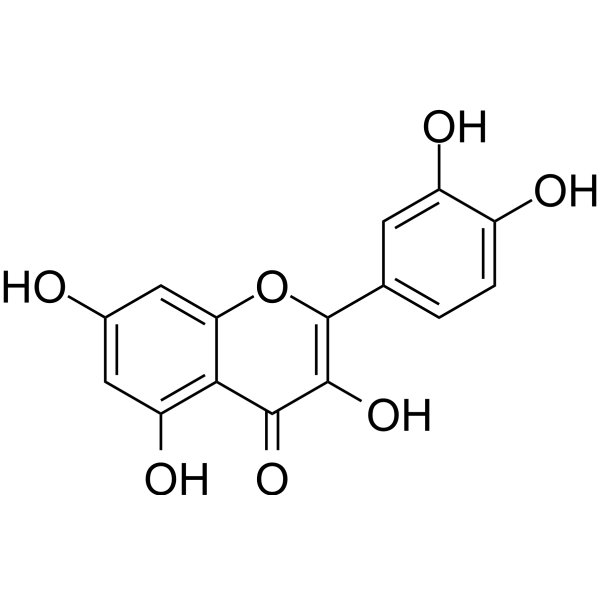
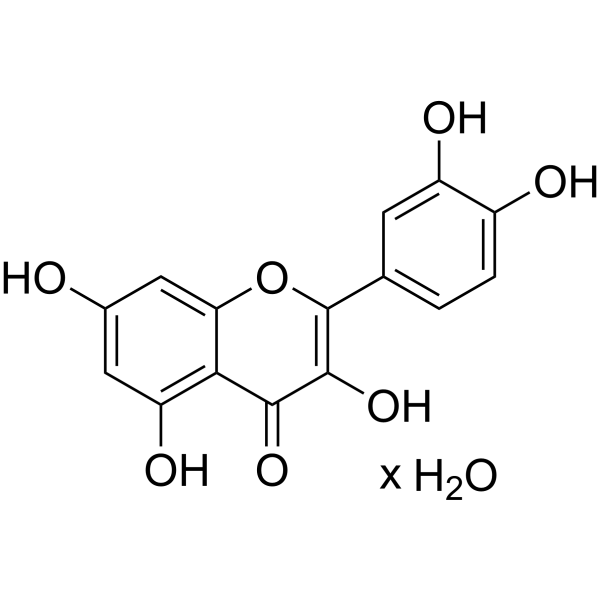
Quercetin hydrate, a natural flavonoid, is a stimulator of recombinant SIRT1 and also a PI3K inhibitor with IC50 of 2.4 μM, 3.0 μM and 5.4 μM for PI3K γ, PI3K δ and PI3K β, respectively .
loading...
    loading...
225
225 Cited Publications
Cat. No.: HY-N0146
CAS No.: 6151-25-3
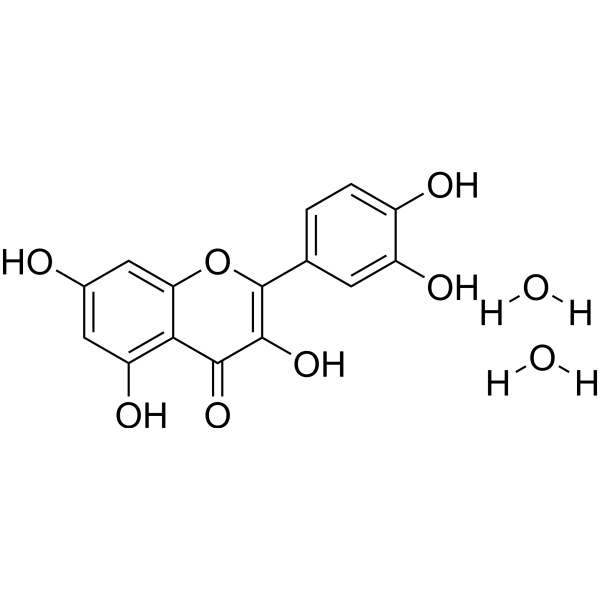
Quercetin dihydrate, a natural flavonoid, is a stimulator of recombinant SIRT1 and a PI3K inhibitor with IC50s of 2.4 μM, 3.0 μM and 5.4 μM for PI3K γ, PI3K δ and PI3K β, respectively .
loading...
    loading...
175
175 Cited Publications
Cat. No.: HY-16561
CAS No.: 501-36-0
Synonyms: trans-Resveratrol; SRT501
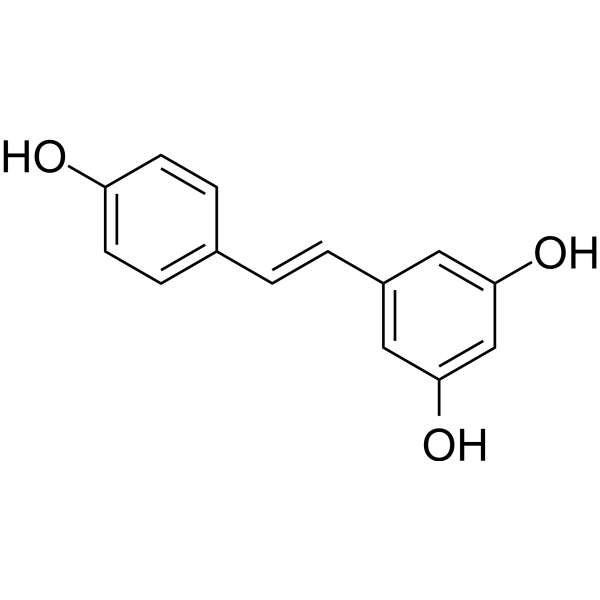
Resveratrol (trans-Resveratrol; SRT501) is a CNS-penetrant natural polyphenolic phytoalexin that possesses anti-oxidant, anti-inflammatory, cardioprotective, and anti-cancer properties. Resveratrol (SRT 501) has a wide spectrum of targets including mTOR, JAK, β-amyloid, Adenylyl cyclase, IKKβ, DNA polymerase. Resveratrol also is a specific SIRT1 activator . Resveratrol is a potent pregnane X receptor (PXR) inhibitor . Resveratrol is an Nrf2 activator, ameliorates aging-related progressive renal injury in mice model . Resveratrol increases production of NO in endothelial cells .
loading...
    loading...
150
150 Cited Publications
Cat. No.: HY-14649
CAS No.: 302-79-4
Purity:  99.81%
Synonyms: Vitamin A acid; all-trans-Retinoic acid; ATRA
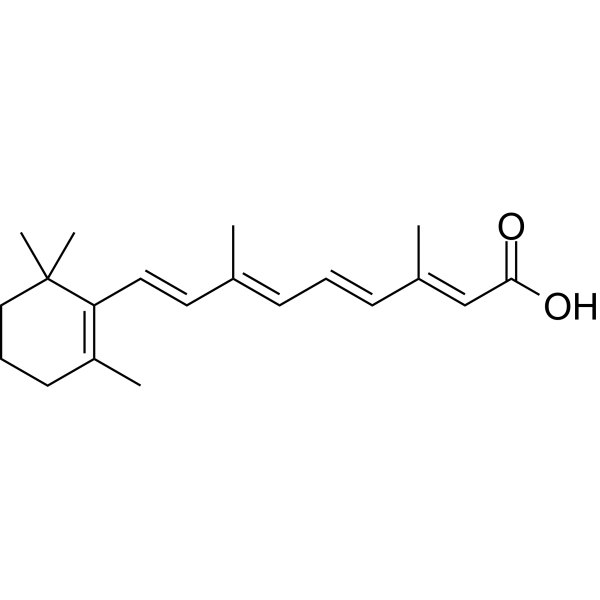
Retinoic acid is a metabolite of vitamin A that plays important roles in cell growth, differentiation, and organogenesis. Retinoic acid is a natural agonist of RAR nuclear receptors, with IC50s of 14 nM for RARα/β/γ. Retinoic acid bind to PPARβ/δ with Kd of 17 nM. Retinoic acid acts as an inhibitor of transcription factor Nrf2 through activation of retinoic acid receptor alpha.
loading...
    loading...
143
143 Cited Publications
Cat. No.: HY-12591
CAS No.: 103404-75-7
Purity:  99.92%
Synonyms: D-(-)-Luciferin sodium; Firefly luciferin sodium; Beetle Luciferin sodium
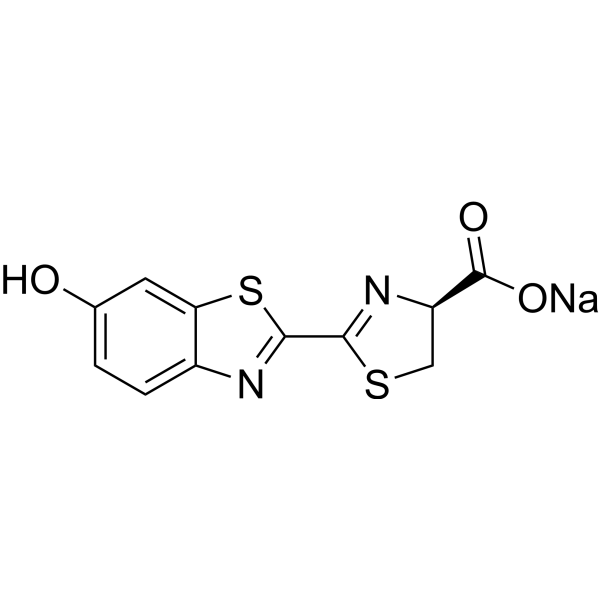
D-luciferin sodium is the natural substrate of the enzyme luciferase (Luc) that catalyzes the production of the typical yellowgreen light of fireflies. The 560 nm chemiluminescence from this reaction peaks within seconds, with light output that is proportional to luciferase concentration when the substrate luciferin is present in excess. The luciferase (luc) gene is a popular reporter gene for research and agent screening. Chemiluminescent techniques are virtually background-free, making the luc reporter gene ideal for detecting low-level gene expression. As little as 0.02 pg of luciferase can be reliably measured in a standard scintillation counter. In addition to its role as a reporter of gene expression, luciferase is commonly used in an extremely sensitive assay for ATP . We of er the firefly luciferase (HY-P1004A), luciferin free acid (HY-12591A), as well as its water-soluble sodium salts (HY-12591) and potassium salts (HY-12591B) .
loading...
    loading...
143
143 Cited Publications
Cat. No.: HY-12591A
CAS No.: 2591-17-5
Purity:  99.54%
Synonyms: D-(-)-Luciferin; Firefly luciferin; Beetle Luciferin
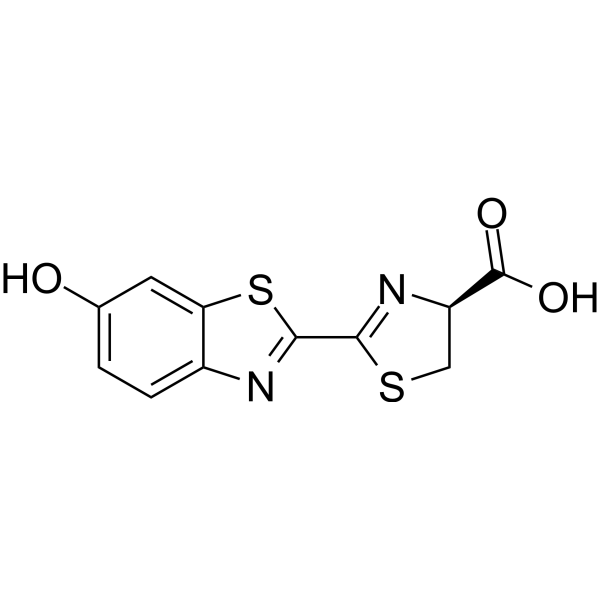
D-luciferin is the natural substrate of the enzyme luciferase (Luc) that catalyzes the production of the typical yellowgreen light of fireflies. The 560 nm chemiluminescence from this reaction peaks within seconds, with light output that is proportional to luciferase concentration when the substrate luciferin is present in excess. The luciferase (luc) gene is a popular reporter gene for research and agent screening. Chemiluminescent techniques are virtually background-free, making the luc reporter gene ideal for detecting low-level gene expression. As little as 0.02 pg of luciferase can be reliably measured in a standard scintillation counter. In addition to its role as a reporter of gene expression, luciferase is commonly used in an extremely sensitive assay for ATP . We of er the firefly luciferase (HY-P1004A), luciferin free acid (HY-12591A), as well as its water-soluble sodium salts (HY-12591) and potassium salts (HY-12591B) .
loading...
    loading...
143
143 Cited Publications
Cat. No.: HY-12591B
CAS No.: 115144-35-9
Purity:  99.97%
Synonyms: D-(-)-Luciferin potassium; Firefly luciferin potassium; Beetle Luciferin potassium
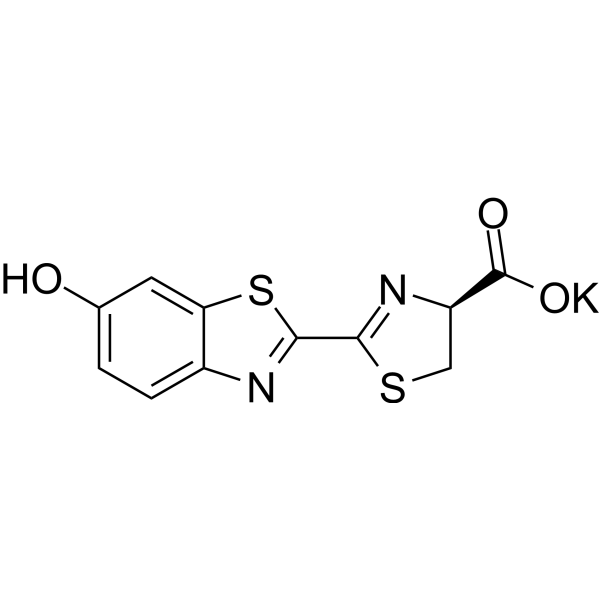
D-luciferin potassium is the natural substrate of the enzyme luciferase (Luc) that catalyzes the production of the typical yellowgreen light of fireflies. The 560 nm chemiluminescence from this reaction peaks within seconds, with light output that is proportional to luciferase concentration when the substrate luciferin is present in excess. The luciferase (luc) gene is a popular reporter gene for research and agent screening. Chemiluminescent techniques are virtually background-free, making the luc reporter gene ideal for detecting low-level gene expression. As little as 0.02 pg of luciferase can be reliably measured in a standard scintillation counter. In addition to its role as a reporter of gene expression, luciferase is commonly used in an extremely sensitive assay for ATP . We offer the firefly luciferase (HY-P1004A), luciferin free acid (HY-12591A), as well as its water-soluble sodium salts (HY-12591) and potassium salts (HY-12591B) .
loading...
    loading...
139
139 Cited Publications
Cat. No.: HY-N0005
CAS No.: 458-37-7
Synonyms: Diferuloylmethane; natural Yellow 3; Turmeric yellow
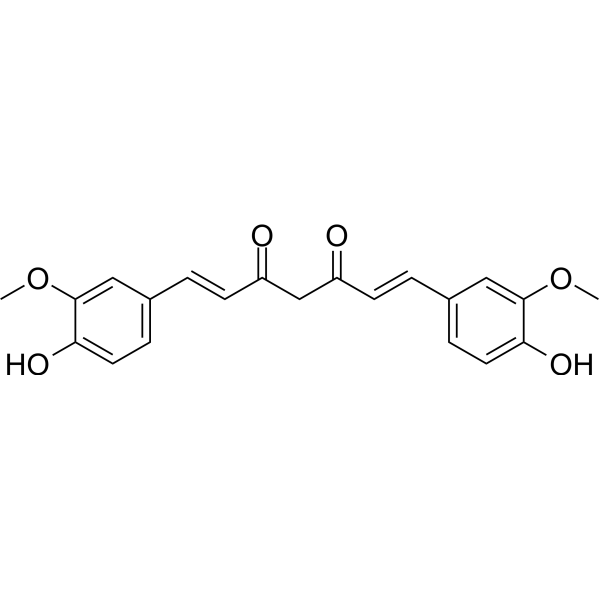
Curcumin (Diferuloylmethane), a natural phenolic compound, is a p300/CREB-binding protein-specific inhibitor of acetyltransferase, represses the acetylation of histone/nonhistone proteins and histone acetyltransferase-dependent chromatin transcription. Curcumin is a photosensitizer against microorganisms. Curcumin shows inhibitory effects on NF-κB and MAPKs, and has diverse pharmacologic effects including anti-inflammatory, antioxidant, antiproliferative and antiangiogenic activities. Curcumin induces stabilization of Nrf2 protein through Keap1 cysteine modification.
loading...
    loading...
83
83 Cited Publications
Cat. No.: HY-18258
CAS No.: 633-65-8
Synonyms: natural Yellow 18 chloride
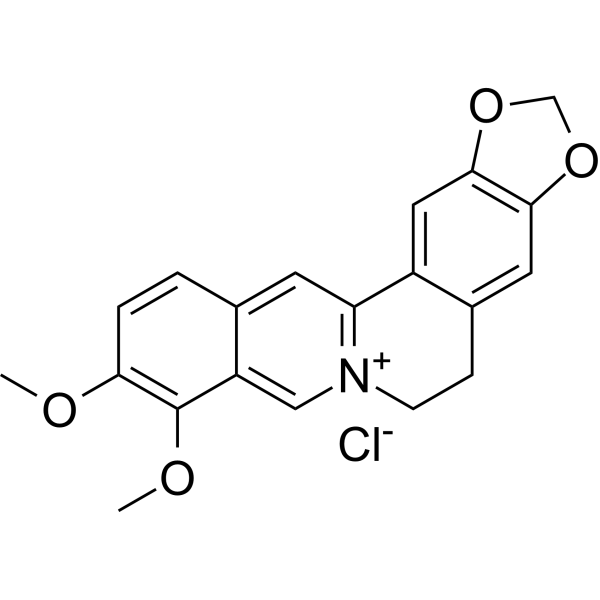
Berberine chloride is an alkaloid that acts as an antibiotic. Berberine chloride induces reactive oxygen species (ROS) generation and inhibits DNA topoisomerase. Antineoplastic properties .
loading...
    loading...
80
80 Cited Publications
Cat. No.: HY-N0716B
CAS No.: 633-66-9
Synonyms: natural Yellow 18 sulfate
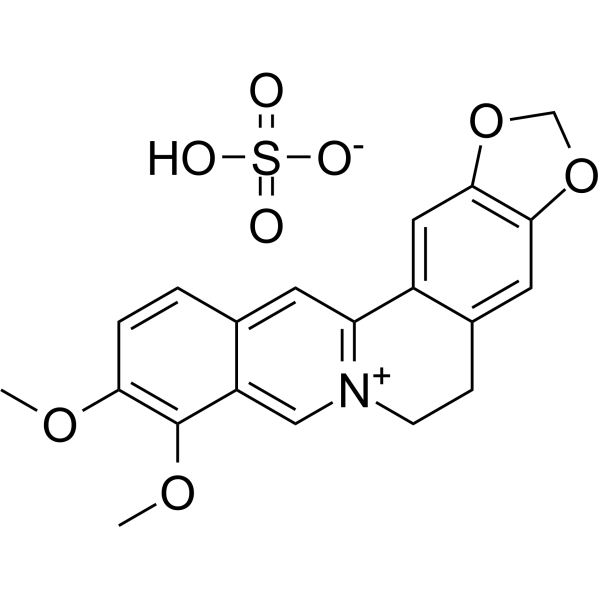
Berberine sulfate is an alkaloid isolated from the Chinese herbal medicine Huanglian, as an antibiotic. Berberine sulfate induces reactive oxygen species (ROS) generation and inhibits DNA topoisomerase. Berberine sulfate has antineoplastic properties. The sulfate form improves bioavailability .
loading...
    loading...
77
77 Cited Publications
Cat. No.: HY-17577
CAS No.: 68030-18-2
Synonyms: natural Yellow 18 chloride hydrate
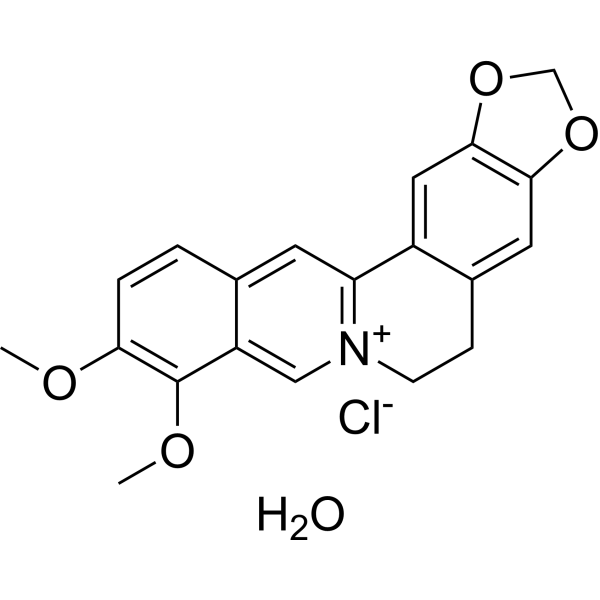
Berberine chloride hydrate (Natural Yellow 18 chloride hydrate) is an alkaloid that acts as an antibiotic. Berberine chloride hydrate induces reactive oxygen species (ROS) generation and inhibits DNA topoisomerase. Antineoplastic properties .
loading...
    loading...
72
72 Cited Publications
Cat. No.: HY-13443
CAS No.: 141758-74-9
Purity:  99.95%
Synonyms: Exenatide
Exendin‑4 (Exenatide) is an orally active, blood-brain barrier-permeable glucagon-like peptide-1 receptor (GLP‑1 receptor) agonist that resists degradation mediated by dipeptidyl peptidase IV. Exendin‑4 mediates multiple glucose-regulating effects, including stimulation of glucose-dependent insulin secretion, inhibition of glucagon production, increase in β-cell mass, delay of gastric emptying, reduction of food intake, improvement of peripheral insulin sensitivity, and restoration of normal islet structure. Exendin‑4 inhibits oxidative stress, alleviates inflammatory responses, and reduces neuronal apoptosis. Exendin‑4 reduces the aggregation level of mutant huntingtin, improves motor function, prolongs survival time, and regulates the expression levels of leptin and ghrelin. Exendin‑4 can be used in research related to type 2 diabetes, acute ischemic stroke, and Huntington's disease .
loading...
    loading...
72
72 Cited Publications
Cat. No.: HY-13443A
CAS No.: 914454-01-6
Purity:  99.91%
Synonyms: Exenatide acetate
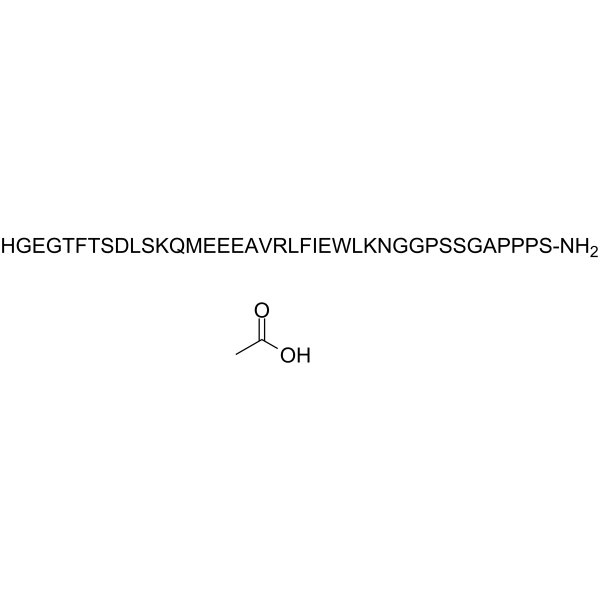
Exendin-4 acetate (Exenatide acetate) is an orally active, blood-brain barrier-permeable glucagon-like peptide-1 receptor (GLP‑1 receptor) agonist that resists degradation mediated by dipeptidyl peptidase IV. Exendin-4 acetate mediates multiple glucose-regulating effects, including stimulation of glucose-dependent insulin secretion, inhibition of glucagon production, increase in β-cell mass, delay of gastric emptying, reduction of food intake, improvement of peripheral insulin sensitivity, and restoration of normal islet structure. Exendin-4 acetate inhibits oxidative stress, alleviates inflammatory responses, and reduces neuronal apoptosis. Exendin-4 acetate reduces the aggregation level of mutant huntingtin, improves motor function, prolongs survival time, and regulates the expression levels of leptin and ghrelin. Exendin-4 acetate can be used in research related to type 2 diabetes, acute ischemic stroke, and Huntington's disease .
loading...
    loading...
71
71 Cited Publications
Cat. No.: HY-108718
CAS No.: 49863-47-0
Synonyms: Geneticin; Antibiotic G-418
Research Areas:  

Infection

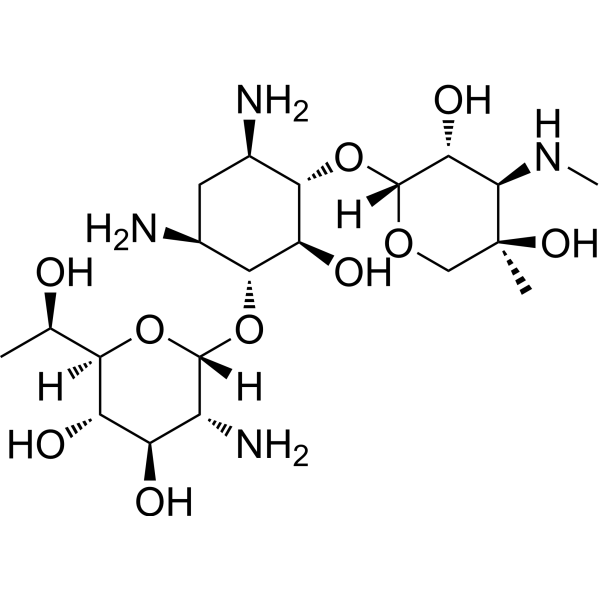
G-418 (Geneticin) is an aminoglycoside antibiotic with a structure similar to gentamicin. It is toxic to both eukaryotic and prokaryotic cells and works by interfering with protein synthesis .
loading...
    loading...
66
66 Cited Publications
Cat. No.: HY-D0842
CAS No.: 9048-46-8
Synonyms: Albumin bovine serum; BSA
BSA Protein (Bovine Serum Albumin; BSA) is a 583-residue protein consisting of three homologous all-α domains, organized in a heart-shaped structure. BSA is a globular protein that is used in numerous biochemical applications.
loading...
    loading...
54
54 Cited Publications
Cat. No.: HY-N0716A
CAS No.: 316-41-6
Synonyms: natural Yellow 18 hemisulfate
Berberine hemisulfate is the hemisulfate form of Berberine (HY-N0716). Berberine hemisulfate is an alkaloid isolated from the Chinese herbal medicine Huanglian. Berberine hemisulfate exhibits anti-inflammatory, antibiobic, antitumor, cardiovascular protective and neuroprotective activity .
loading...
    loading...
52
52 Cited Publications
Cat. No.: HY-N1201
CAS No.: 520-36-5
Synonyms: 4',5,7-Trihydroxyflavone; Apigenol; C.I. natural Yellow 1
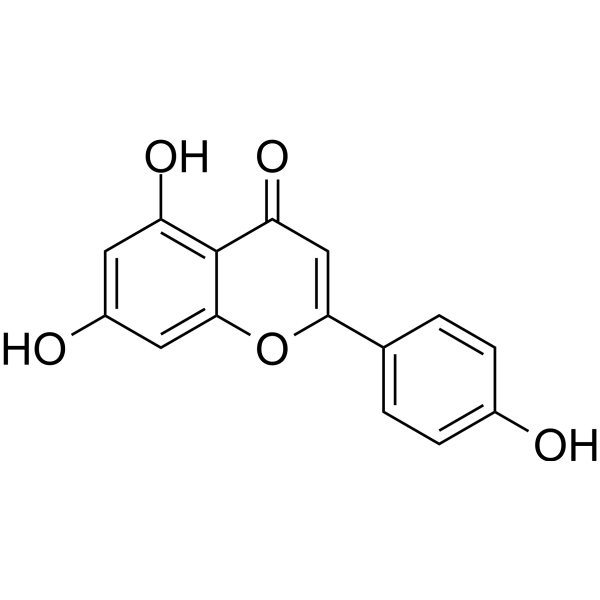
Apigenin (4',5,7-Trihydroxyflavone) is a competitive CYP2C9 inhibitor with a Ki of 2 μM.
loading...
    loading...
47
47 Cited Publications
Cat. No.: HY-N0174
CAS No.: 35825-57-1
Synonyms: Cryptotanshinon; Tanshinone c
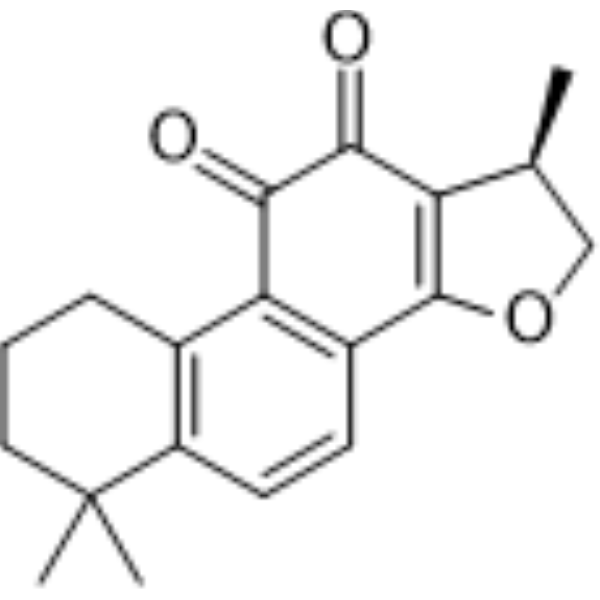
Cryptotanshinone is a natural compound extracted from the root of Salvia miltiorrhiza Bunge that shows antitumor activities. Cryptotanshinone inhibits STAT3 with an IC50 of 4.6 μM.
loading...
    loading...

