
1. Search Result
Search Result
Pathways Recommended: Neuronal Signaling
Results for "

neuronal nitric oxide synthase

" in MedChemExpress (MCE) Product Catalog:

41

Inhibitors & Agonists

4

Peptides

3

Natural
Products

1

Recombinant Proteins

4

Isotope-Labeled Compounds

Cat. No. Product Name Target Research Areas Chemical Structure
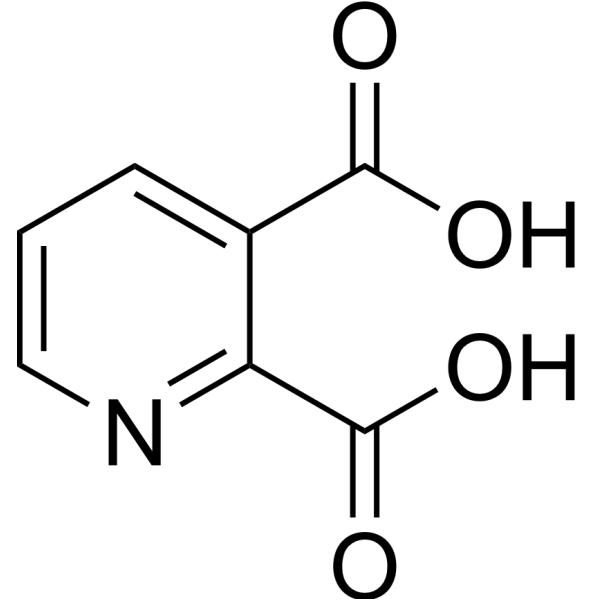
  • HY-100807
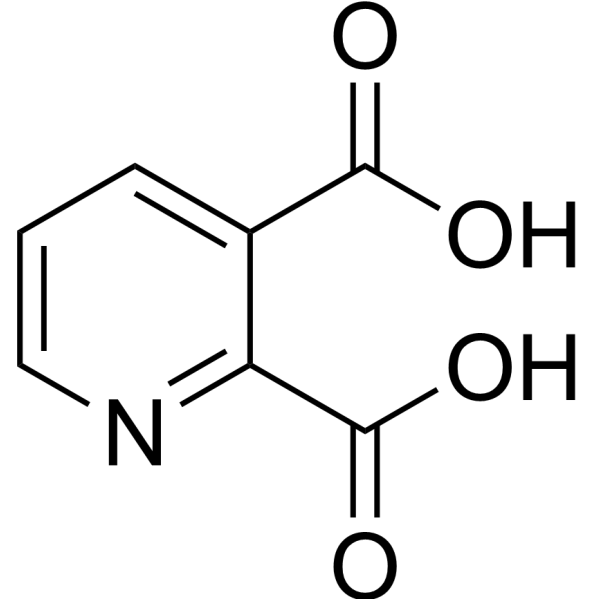
    Quinolinic acid
    Maximum Cited Publications
    7 Publications Verification

    MOFs iGluR Endogenous Metabolite Reactive Oxygen Species (ROS) NO Synthase Apoptosis Neurological Disease Inflammation/Immunology
    Quinolinic acid, an endogenous metabolite of tryptophan, is a N-methyl-D-aspartate receptor (NMDA receptor) agonist. Quinolinic acid increases glutamate efflux, induces the generation of ROS, activates nitric oxide synthase, produces excessive NO, leading to calcium ion influx and neuronal apoptosis .
    Quinolinic acid
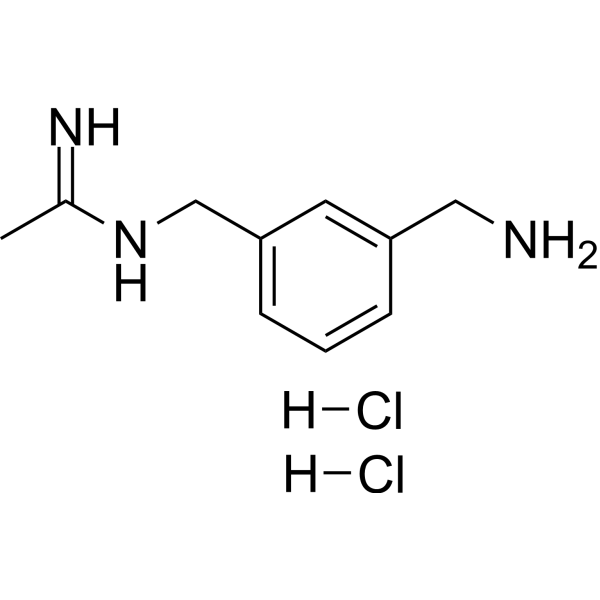
  • HY-18731
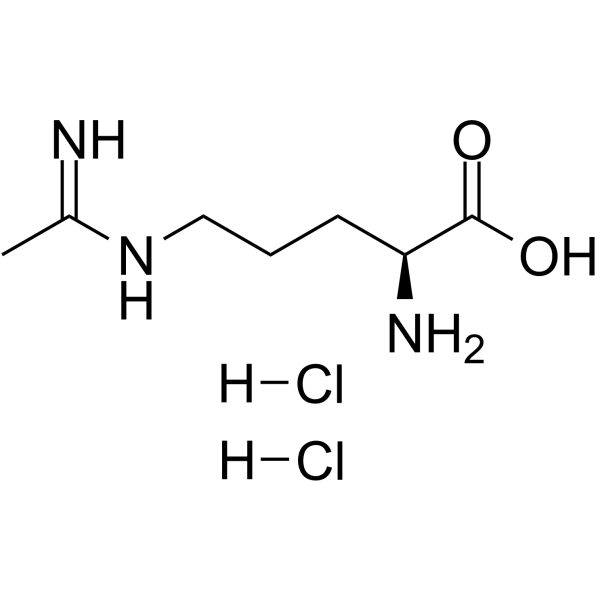
    1400W Dihydrochloride
    Maximum Cited Publications
    28 Publications Verification

    NO Synthase Apoptosis Cardiovascular Disease Inflammation/Immunology Cancer
    1400W dihydrochloride is the dihydrochloride form of 1400W (HY-18730). 1400W is a slow, tight binding, and highly selective inducible nitric-oxide synthase (iNOS) inhibitor, with a Kd value ≤ 7 nM. 1400W inhibits iNOS induction in microglial cells, and reduces generation of NO, thereby mitigating oxidative stress and neuronal cell apoptosis in the rat cerebral cortex, and improving the spatial memory dysfunction caused by acute hypobaric hypoxia-reoxygenation .
    1400W Dihydrochloride
  • HY-100986
    L-NIO dihydrochloride
    1 Publications Verification

    NO Synthase Cardiovascular Disease
    L-NIO dihydrochloride is a potent, non-selective and NADPH-dependent nitric oxide synthase (NOS) inhibitor, with Kis of 1.7, 3.9, 3.9 μM for neuronal (nNOS), endothelial (eNOS), and inducible (iNOS), respectively . L-NIO dihydrochloride induces a consistentfocal ischemic infarctin rats .
    L-NIO dihydrochloride
  • HY-100807S
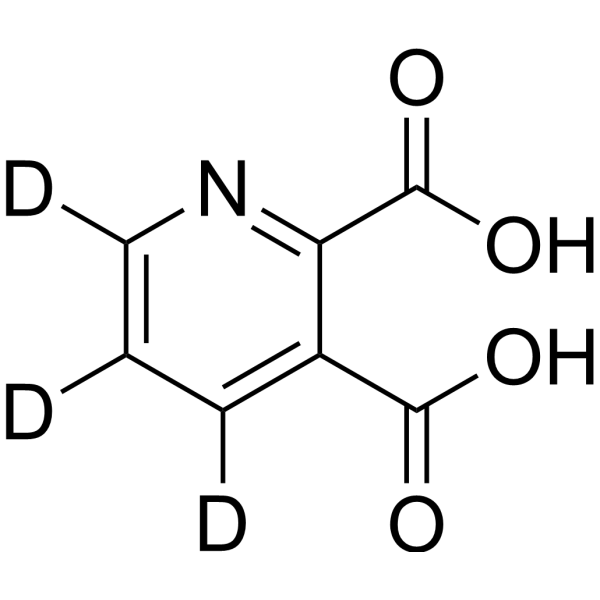
    Quinolinic acid-d3
    2 Publications Verification

    Isotope-Labeled Compounds iGluR Endogenous Metabolite Reactive Oxygen Species (ROS) NO Synthase Apoptosis Neurological Disease Inflammation/Immunology
    Quinolinic acid-d3 is the deuterium labeled Quinolinic acid. Quinolinic acid, an endogenous metabolite of tryptophan, is a N-methyl-D-aspartate receptor (NMDA receptor) agonist. Quinolinic acid increases glutamate efflux, induces the generation of ROS, activates nitric oxide synthase, produces excessive NO, leading to calcium ion influx and neuronal apoptosis.
    Quinolinic acid-d3
  • HY-148417

    Serotonin Transporter Neurological Disease
    ZZL-7 is a fast-onset antidepressant agent. ZZL-7 works by disrupting the interaction between the serotonin transporter (SERT) and neuronal nitric oxide synthase (nNOS) in the dorsal raphe nucleus (DRN). ZZL-7 can cross the blood-brain barrier readily. ZZL-7 can be used for the research of major depressive disorder (MDD) .
    ZZL-7
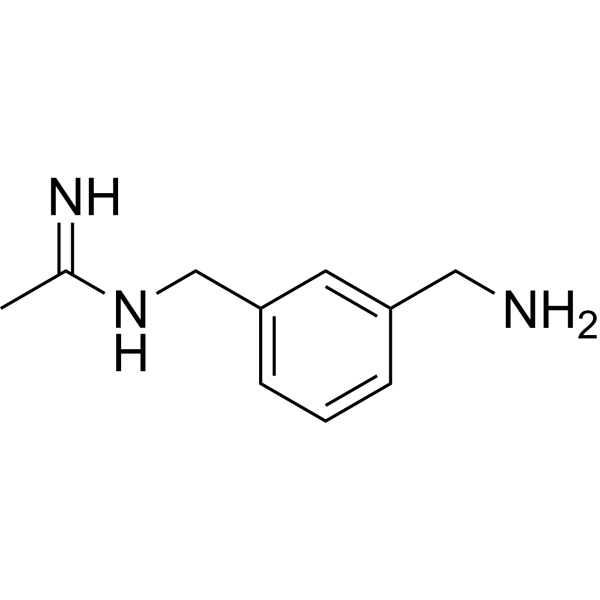
  • HY-18730
    1400W
    Maximum Cited Publications
    28 Publications Verification

    W1400

    NO Synthase Apoptosis Cardiovascular Disease Inflammation/Immunology Cancer
    1400W is a slow, tight binding, and highly selective inducible nitric-oxide synthase (iNOS) inhibitor, with a Kd value ≤ 7 nM. 1400W inhibits iNOS induction in microglial cells, and reduces generation of NO, thereby mitigating oxidative stress and neuronal cell apoptosis in the rat cerebral cortex, and improving the spatial memory dysfunction caused by acute hypobaric hypoxia-reoxygenation .
    1400W
  • HY-12119
    GW274150
    2 Publications Verification

    NO Synthase Neurological Disease Inflammation/Immunology
    GW274150 is a potent, selective, orally active and NADPH-dependent inhibitor of human inducible nitric oxide synthase (iNOS) (IC50=2.19 μM; Kd=40 nM) and rat iNOS (ED50=1.15 μM). GW274150 also displays less potency for both humans or rats endothelial NOS (eNOS) and neuronal NOS (nNOS). GW274150 exerts a protective role in an acute model of lung injury inflammation .
    GW274150
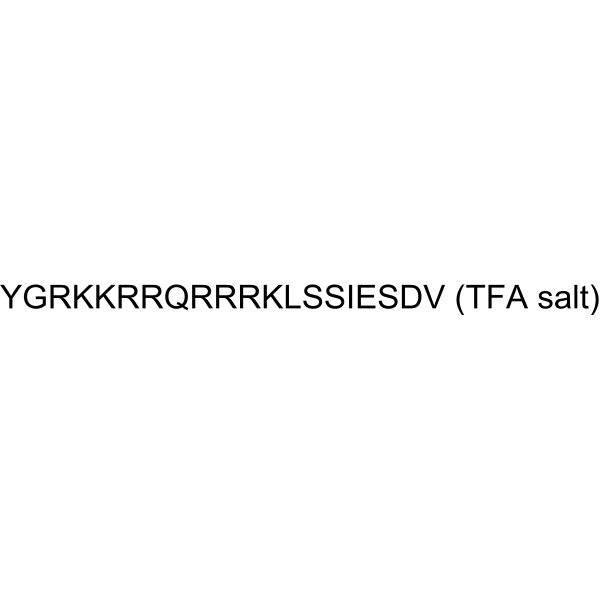
  • HY-P0117
    Tat-NR2B9c
    5+ Cited Publications

    Tat-NR2Bct; NA-1

    iGluR NO Synthase Neurological Disease
    Tat-NR2B9c (Tat-NR2Bct; NA-1) is a postsynaptic density-95 (PSD-95) inhibitor, with EC50 values of 6.7 nM and 670 nM for PSD-95d2 (PSD-95 PDZ domain 2) and PSD-95d1, respectively. Tat-NR2B9c disrupts the PSD-95/NMDAR interaction, inhibiting NR2A and NR2B binding to PSD-95 with IC50 values of 0.5 μM and 8 μM, respectively. Tat-NR2B9c also inhibits neuronal nitric oxide synthase (nNOS)/PSD-95 interaction, and possesses neuroprotective efficacy .
    Tat-NR2B9c
  • HY-100807R
    Quinolinic acid (Standard)
    Maximum Cited Publications
    7 Publications Verification

    Reference Standards iGluR Endogenous Metabolite Reactive Oxygen Species (ROS) NO Synthase Apoptosis Neurological Disease Inflammation/Immunology
    Quinolinic acid (Standard) is the analytical standard of Quinolinic acid. This product is intended for research and analytical applications. Quinolinic acid, an endogenous metabolite of tryptophan, is a N-methyl-D-aspartate receptor (NMDA receptor) agonist. Quinolinic acid increases glutamate efflux, induces the generation of ROS, activates nitric oxide synthase, produces excessive NO, leading to calcium ion influx and neuronal apoptosis.
    Quinolinic acid (Standard)
  • HY-B0503
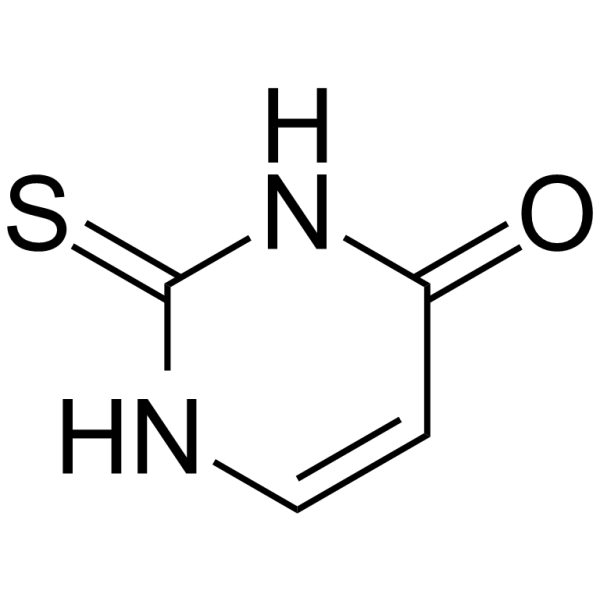
    2-Thiouracil
    2 Publications Verification

    Thiouracil

    NO Synthase Endocrinology Cancer
    2-Thiouracil (Thiouracil) is a selective neuronal nitric oxide synthase (nNOS) inhibitor with a Ki value of 20 μM. 2-Thiouracil antagonizes BH4-induced nNOS dimerization. 2-Thiouracil is also an antithyroid compound and a highly specific melanoma detector. 2-Thiouracil stimulates the growth of pea and corn root segments .
    2-Thiouracil
  • HY-118700

    Guanidinobiotin

    NO Synthase Neurological Disease
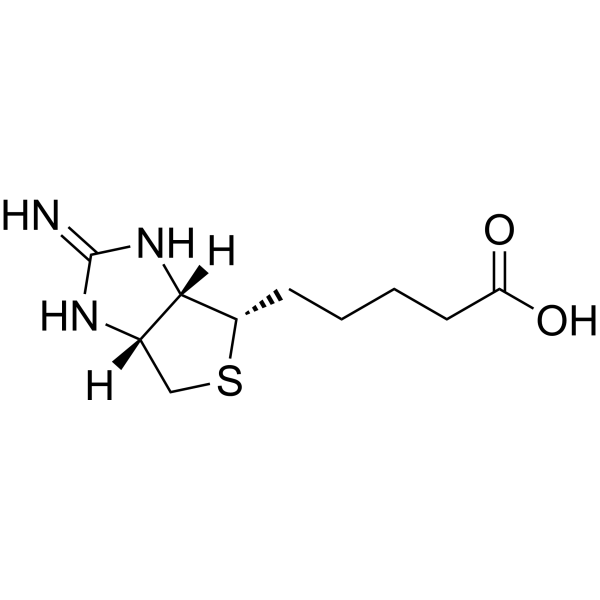
    2-Iminobiotin (Guanidinobiotin) is a biotin (vitamin H or B7) analog. 2-Iminobiotin is a reversible nitric oxide synthases inhibitor with Kis of 21.8 and 37.5μM for murine iNOS and rat n-cNOS, respectively . 2-Iminobiotin superimposes on hypothermia protects human neuronal cells from hypoxia-induced cell damage .
    2-Iminobiotin
  • HY-12379
    NS-2028
    1 Publications Verification

    Guanylate Cyclase Inflammation/Immunology
    NS-2028 is a highly selective soluble Guanylyl Cyclase (sGC) inhibitor with IC50 values of 30 nM and 200 nM for basal and NO-stimulated enzyme activity . NS-2028 inhibits soluble Guanylyl Cyclase activity in homogenates of mouse cerebellum and neuronal NO synthase with IC50 values of 17 nM and 20 nM . NS-2028 inhibits 3-morpholino-sydnonimine (SIN-1)-elicited formation of cyclic GMP in human cultured umbilical vein endothelial cells with an IC50 of 30 nM . NS-2028 is commonly used in the research of nitric oxide signaling pathways, it inhibits NO-dependent relaxant responses in non-vascular smooth muscle completely (1 μM) . NS-2028 reduces vascular endothelial growth factor-induced angiogenesis and permeability .
    NS-2028
  • HY-12119A
    GW274150 phosphate
    2 Publications Verification

    NO Synthase Neurological Disease Inflammation/Immunology
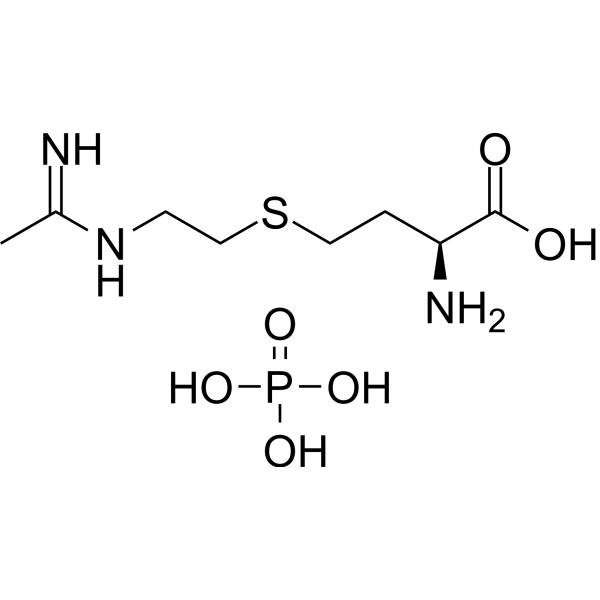
    GW274150 phosphate is a potent, selective, orally active and NADPH-dependent inhibitor of human inducible nitric oxide synthase (iNOS) (IC50=2.19 μM; Kd=40 nM) and rat iNOS (ED50=1.15 μM). GW274150 phosphate displays less potency for both humans or rats endothelial NOS (eNOS) and neuronal NOS (nNOS). GW274150 phosphate exerts a protective role in an acute model of lung injury inflammation .
    GW274150 phosphate
  • HY-102062A
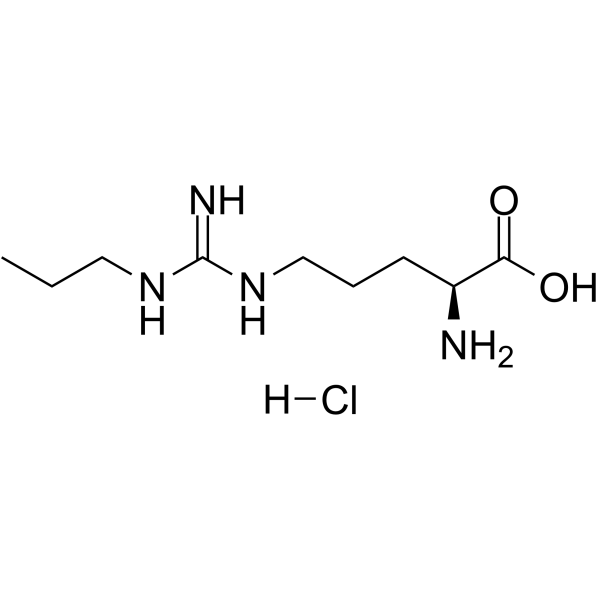
    Nω-Propyl-L-arginine hydrochloride
    1 Publications Verification

    N-omega-Propyl-L-arginine hydrochloride

    NO Synthase Neurological Disease
    Nω-Propyl-L-arginine (N-omega-Propyl-L-arginine) hydrochloride is a potent, competitive, and highly selective inhibitor of neuronal nitric oxide synthase (nNOS), with a Ki of 57 nM. Nω-Propyl-L-arginine hydrochloride displays a 149-fold selectivity for nNOS over endothelial NOS (eNOS) .
    Nω-Propyl-L-arginine hydrochloride
  • HY-102062
    Nω-Propyl-L-arginine
    1 Publications Verification

    N-omega-Propyl-L-arginine

    NO Synthase Neurological Disease
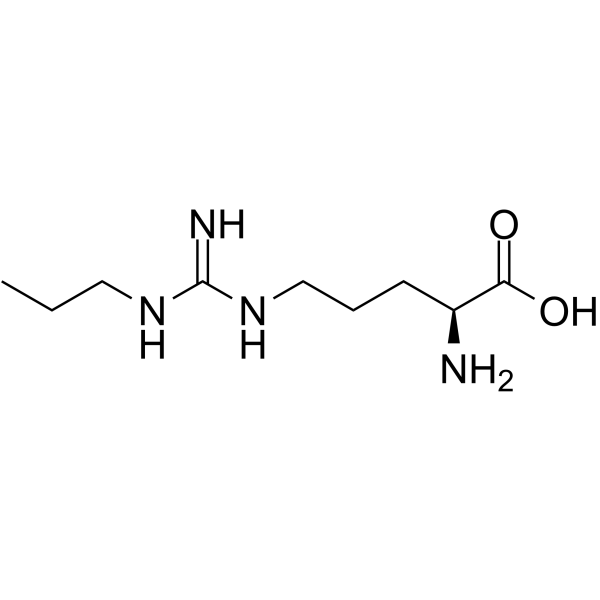
    Nω-Propyl-L-arginine (N-omega-Propyl-L-arginine) is a potent, competitive, and highly selective inhibitor of neuronal nitric oxide synthase (nNOS), with a Ki of 57 nM. Nω-Propyl-L-arginine displays a 149-fold selectivity for nNOS over endothelial NOS (eNOS) .
    Nω-Propyl-L-arginine
  • HY-100807S2

    Isotope-Labeled Compounds iGluR Endogenous Metabolite Reactive Oxygen Species (ROS) NO Synthase Apoptosis Neurological Disease Inflammation/Immunology
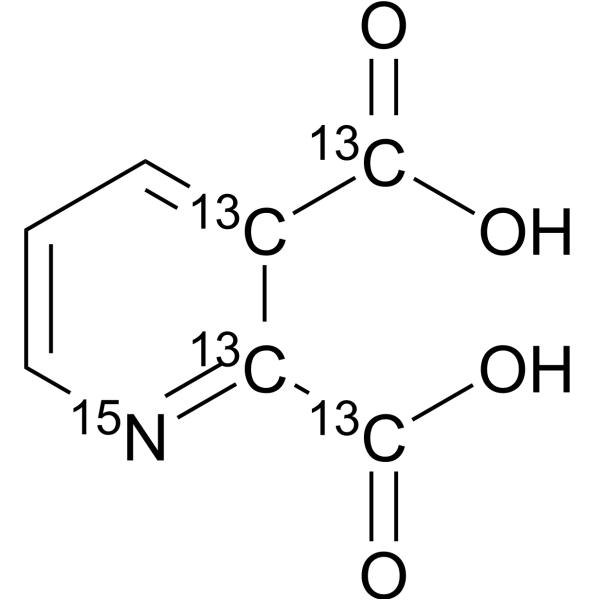
    Quinolinic acid-13C4, 15N is an isotopic labeled Quinolinic acid (HY-100807). Quinolinic acid, an endogenous metabolite of tryptophan, is a N-methyl-D-aspartate receptor (NMDA receptor) agonist. Quinolinic acid increases glutamate efflux, induces the generation of ROS, activates nitric oxide synthase, produces excessive NO, leading to calcium ion influx and neuronal apoptosis.
    Quinolinic acid-13C4,15N
  • HY-101175
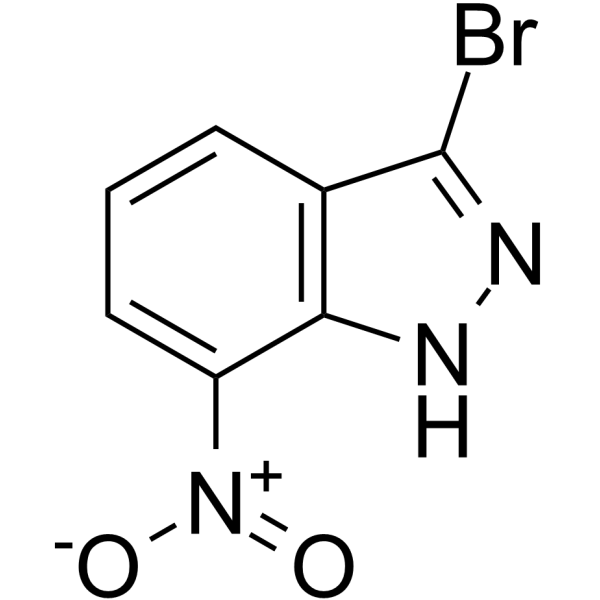
    3-Bromo-7-nitroindazole
    1 Publications Verification

    NO Synthase Neurological Disease Metabolic Disease
    3-Bromo-7-nitroindazole is a potent and selective inhibitor of neuronal nitric oxide synthase (nNOS). 3-Bromo-7-nitroindazole affects the intercellular messenger nitric oxide (NO) synthesis throughout the body and brain. 3-Bromo-7-nitroindazole can be used for the researches of metabolic and neurological disease, such as diabetes, stroke and depression .
    3-Bromo-7-nitroindazole
  • HY-135224

    1,4-PB-ITU dihydrobromide

    NO Synthase Cancer
    1,4-PBIT (1,4-PB-ITU) dihydrobromide (compound 46) is a potent nitric oxide synthases (NOS) inhibitor, with Ki values of 7.6 nM, 360 nM, and 16 nM for the inducible (iNOS), endothelial (eNOS), and neuronal (nNOS) isozymes, respectively .
    1,4-PBIT dihydrobromide
  • HY-118700A

    Guanidinobiotin hydrobromide

    NO Synthase Neurological Disease
    2-Iminobiotin hydrobromide (Guanidinobiotin hydrobromide) is a biotin (vitamin H or B7) analog. 2-Iminobiotin hydrobromide is a reversible nitric oxide synthases inhibitor with Kis of 21.8 and 37.5 μM for murine iNOS and rat n-cNOS, respectively . 2-Iminobiotin hydrobromide superimposes on hypothermia protects human neuronal cells from hypoxia-induced cell damage .
    2-Iminobiotin hydrobromide
  • HY-P0117A
    Tat-NR2B9c TFA
    5+ Cited Publications

    Tat-NR2Bct TFA; NA-1 TFA

    iGluR NO Synthase Neurological Disease
    Tat-NR2B9c TFA (Tat-NR2Bct TFA) is a postsynaptic density-95 (PSD-95) inhibitor, with EC50 values of 6.7 nM and 670 nM for PSD-95d2 (PSD-95 PDZ domain 2) and PSD-95d1, respectively. Tat-NR2B9c TFA disrupts the PSD-95/NMDAR interaction, inhibiting NR2A and NR2B binding to PSD-95 with IC50 values of 0.5 μM and 8 μM, respectively. Tat-NR2B9c TFA also inhibits neuronal nitric oxide synthase (nNOS)/PSD-95 interaction, and possesses neuroprotective efficacy .
    Tat-NR2B9c TFA
  • HY-W009300
    4-Hydroxyestrone
    1 Publications Verification

    4-OHE1

    Endogenous Metabolite Estrogen Receptor/ERR Sirtuin MDM-2/p53 PDI Ferroptosis Reactive Oxygen Species (ROS) Neurological Disease Metabolic Disease Cancer
    4-Hydroxyestrone (4-OHE1) is a brain-penetrant estrogen metabolite. 4-Hydroxyestrone shows neuroprotective effects involving increased cytoplasmic localization of p53 resulting from SIRT1-mediated p53 deacetylation. 4-Hydroxyestrone relies on PDI to mediate its protective effect against chemically induced ferroptosis in estrogen receptor-negative cancer cells. 4-Hydroxyestrone inhibits lipid peroxidation and lipid-ROS accumulation. 4-Hydroxyestrone blocks preovulatory luteinizing hormone surges in Rattus norvegicus. 4-Hydroxyestrone can be used for the researches of neurodegeneration, breast cancer and endocrine disease .
    4-Hydroxyestrone
  • HY-100986B

    NO Synthase Cardiovascular Disease
    L-NIO is a potent, non-selective and NADPH-dependent nitric oxide synthase (NOS) inhibitor, with Kis of 1.7, 3.9, 3.9 μM for neuronal (nNOS), endothelial (eNOS), and inducible (iNOS), respectively . L-NIO induces a consistentfocal ischemic infarctin rats .
    L-NIO
  • HY-100807S1

    Isotope-Labeled Compounds iGluR Endogenous Metabolite Reactive Oxygen Species (ROS) NO Synthase Apoptosis Neurological Disease
    Quinolinic acid- 13C7 is the 13C labeled Quinolinic acid (HY-100807). Quinolinic acid, an endogenous metabolite of tryptophan, is a N-methyl-D-aspartate receptor (NMDA receptor) agonist. Quinolinic acid increases glutamate efflux, induces the generation of ROS, activates nitric oxide synthase, produces excessive NO, leading to calcium ion influx and neuronal apoptosis.
    Quinolinic acid-13C7
  • HY-130579

    L-VNIO hydrochloride

    NO Synthase NADPH Oxidase Cardiovascular Disease Neurological Disease
    Vinyl-L-NIO (L-VNIO) hydrochloride is a neuronal nitric oxide synthase (NOS) inhibitor with a rat Ki of 0.10 μM. Vinyl-L-NIO hydrochloride inhibits NADPH oxidase activity, attenuates renal fibrosis, inflammation, oxidative stress indices, and albuminuria. Vinyl-L-NIO hydrochloride can be used for the research of parkinson's disease, migraine headache, and hypertension .
    Vinyl-L-NIO hydrochloride
  • HY-122060

    NO Synthase Metabolic Disease
    BYK 191023 is a selective and L-arginine competitive inducible nitric-oxide synthase inhibitor with an IC50 value of 86 nM, 17 µM, 162 µM for inducible (iNOS), neuronal (nNOS), and endothelial (eNOS) NO synthases respectively .
    BYK 191023
  • HY-149339

    NO Synthase Neurological Disease
    hnNOS-IN-2 (compound 17) is a human neuronal nitric oxide synthase (hnNOS) inhibitor with good metabolic stability. hnNOS-IN-2 can be used for research in neurodegenerative diseases .
    hnNOS-IN-2
  • HY-U00432B

    S-Methyl-L-thiocitrulline acetate

    NO Synthase Endogenous Metabolite Inflammation/Immunology
    S-MTC acetate (S-Methyl-L-thiocitrulline acetate) acts as a powerful inhibitor of inducible nitric oxide synthase, favoring the inhibition of constitutive (neuronal) nitric oxide synthase over inducible (endothelial) nitric oxide synthase.
    S-MTC acetate
  • HY-P0184

    NO Synthase Neurological Disease
    Camstatin, a functionally active 25-residue fragment of PEP-19's IQ motif, binds calmodulin and inhibits neuronal nitric oxide (NO) synthase .
    Camstatin
  • HY-P0184A

    NO Synthase Neurological Disease
    Camstatin TFA, a functionally active 25-residue fragment of PEP-19's IQ motif, binds calmodulin and inhibits neuronal nitric oxide (NO) synthase .
    Camstatin TFA
  • HY-117786

    PKC Neurological Disease
    Go 7874 is a protein kinase C (PKC) inhibitor. Go 7874 mediated neuroprotection against LPS/IFNg-induced neuronal cell death in an immune-mediated neurotoxicity model, not through PKC activity. In contrast, the neuroprotective mechanism of Go 7874 involves inhibition of inducible nitric oxide synthase (iNOS) gene expression, followed by reduced nitric oxide (NO) production .
    Go 7874
  • HY-182519

    NO Synthase Neurological Disease
    HMN-1180 is a selective, competitive neuronal nitric oxide synthase (nNOS) inhibitor with a Ki value of 5.4 μM against rat nNOS. HMN-1180 exerts no significant effect on endothelial nitric oxide synthase (eNOS) or inducible nitric oxide synthase (iNOS). HMN-1180 inhibits nitric oxide production. HMN-1180 can be used for the study of nNOS-related neuronal functional physiology .
    HMN-1180
  • HY-B0503S

    Thiouracil-13C,15N2

    Isotope-Labeled Compounds NO Synthase Endocrinology Cancer
    2-Thiouracil- 13C, 15N2 is the 13C, 15N labeled 2-Thiouracil. 2-Thiouracil (Thiouracil) is an antithyroid compound. 2-Thiouracil can function as a highly specific melanoma seeker. 2-Thiouracil is a selective inhibitor of neuronal nitric oxide synthase (nNOS) with a Ki of 20 μM.
    2-Thiouracil-13C,15N2
  • HY-18731R

    NO Synthase Apoptosis Cardiovascular Disease Inflammation/Immunology Cancer
    1400W (Dihydrochloride) (Standard) is the analytical standard of 1400W (Dihydrochloride). This product is intended for research and analytical applications. 1400W dihydrochloride is the dihydrochloride form of 1400W (HY-18730). 1400W is a slow, tight binding, and highly selective inducible nitric-oxide synthase (iNOS) inhibitor, with a Kd value ≤ 7 nM. 1400W inhibits iNOS induction in microglial cells, and reduces generation of NO, thereby mitigating oxidative stress and neuronal cell apoptosis in the rat cerebral cortex, and improving the spatial memory dysfunction caused by acute hypobaric hypoxia-reoxygenation .
    1400W Dihydrochloride (Standard)
  • HY-12119B

    NO Synthase Neurological Disease Inflammation/Immunology
    GW274150 (dihydrochloride) is a potent, selective, orally active and NADPH-dependent inhibitor of human inducible nitric oxide synthase (iNOS) (IC50=2.19 μM; Kd=40 nM) and rat iNOS (ED50=1.15 μM). GW274150 (dihydrochloride) displays less potency for both humans or rats endothelial NOS (eNOS) and neuronal NOS (nNOS). GW274150 (dihydrochloride) exerts a protective role in an acute model of lung injury inflammation .
    GW274150 dihydrochloride
  • HY-181642

    NO Synthase Neurological Disease Cancer
    nNOS-IN-3 (compound 4) is an orally active, selective, neuronal nitric oxide synthase (nNOS) inhibitor with a human hnNOS Ki of 25 nM, rat rnNOS Ki of 18 nM, human heNOS Ki of 58140 nM, human hiNOS Ki of 6422 nM. nNOS-IN-3 binds to nNOS active sites via hydrogen bonds with Glu and chalcogen bonds with Met, fails to form chalcogen bonds with heNOS, and undergoes passive transcellular transport with minimal efflux liability. nNOS-IN-3 can be used for the research of neurodegenerative diseases and melanoma .
    nNOS-IN-3
  • HY-W839206

    NO Synthase Neurological Disease
    NOS-IN-4 (Compound 3) is a neuronal nitric oxide synthase (nNOS) inhibitor with an IC50 of 4.00 μM that inhibits nNOS activity. The combined use of alpha-lipoic acid and NOS-IN-4 has a protective effect against MPTP (HY-W114750)-induced dopamine depletion in the mouse brain. NOS-IN-4 can be used for the research of neurological disease .
    NOS-IN-4
  • HY-183944

    NO Synthase Reactive Oxygen Species (ROS) Cardiovascular Disease Neurological Disease
    BN80933 is a selective neuronal nitric oxide synthase (nNOS) inhibitor with a rat Ki of 0.92 μM. BN80933 inhibits lipid peroxidation, and blocks hypoxia-induced lactate dehydrogenase elevation and delayed 8-epiprostaglandin F2α elevation. BN80933 can be used for the research of stroke, and traumatic brain injury .
    BN80933
  • HY-181711

    NO Synthase Neurological Disease Cancer
    nNOS-IN-6 is a human neuronal nitric oxide synthase (hnNOS) inhibitor with a human hnNOS Ki of 16 nM, ~1800-fold selectivity over human eNOS, ~2900-fold selectivity over human iNOS, and a rat nNOS Ki of 34 nM.nNOS-IN-6 exhibits high effective permeability in PAMPA-BBB assays, crosses the blood-brain barrier, and shows sustained systemic exposure, low clearance, and robust brain penetration in mouse in vivo pharmacokinetic studies.nNOS-IN-6 can be used for the research of neurodegenerative diseases, melanoma .
    nNOS-IN-6
  • HY-180828

    NO Synthase Cardiovascular Disease Neurological Disease
    iNOs-IN-8 (Compound 13h) is an efficient and highly selective inducible nitric oxide synthase (iNOS) inhibitor, with an IC50 of 238 nM. iNOs-IN-8 exhibits significant neuroprotective effects in oxygen-glucose deprivation/reoxygenation (OGD/R) and hydrogen peroxide-induced neuronal and endothelial cell damage. iNOs-IN-8 significantly reduces the volume of cerebral infarction and improves neurological function in rat models. iNOs-IN-8 can be used for the study of ischemic stroke .
    iNOs-IN-8
  • HY-102062R

    N-omega-Propyl-L-arginine (Standard)

    Reference Standards NO Synthase Neurological Disease
    Nω-Propyl-L-arginine (Standard) is the analytical standard of Nω-Propyl-L-arginine (HY-102062). This product is intended for research and analytical applications. Nω-Propyl-L-arginine (N-omega-Propyl-L-arginine) is a potent, competitive, and highly selective inhibitor of neuronal nitric oxide synthase (nNOS), with a Ki of 57 nM. Nω-Propyl-L-arginine displays a 149-fold selectivity for nNOS over endothelial NOS (eNOS) .
    Nω-Propyl-L-arginine (Standard)
  • HY-181545A

    NO Synthase IFNAR Cancer
    nNOS-IN-2 trihydrochloride is a blood-brain barrier-permeable nitric oxide synthase (nNOS) inhibitor. nNOS-IN-2 trihydrochloride exhibits Ki values of 1.7 nM and 2.3 nM against human and rat nNOS, respectively, and shows high selectivity for human eNOS and iNOS. nNOS-IN-2 trihydrochloride also effectively reduces PD-L1 expression in human melanoma cells under both basal conditions and IFN-γ exposure. nNOS-IN-2 trihydrochloride can be used for the study of melanoma and related signaling pathways .
    nNOS-IN-2 trihydrochloride

Inquiry Online

Your information is safe with us. * Required Fields.

Salutation


Country or Region *

Applicant Name *


Organization Name *

Department *


Email Address *


Product Name *

Cat. No.


Requested quantity *

Phone Number *


Remarks

Inquiry Online

Inquiry Information

Product Name:
Cat. No.:
Quantity:
MCE Japan Authorized Agent:

